1. The Origins of Belief in the Ancient Egyptian Gods
The belief in gods developed alongside the earliest Egyptian communities living near the Nile River. As people observed natural events such as the rising sun, annual flooding, storms, and changing seasons, they believed powerful supernatural beings controlled these forces.
Early Egyptians saw nature as alive with divine power. The dependable flooding of the Nile brought fertile soil and abundant harvests, encouraging people to view natural cycles as gifts from the gods.
Each region of Egypt developed its own local deities. Villages and cities honored different gods based on local traditions, geography, and historical events. Over time, as Egypt became unified under one kingdom, many local gods became part of a larger national religious system.
Egyptians believed the gods created the world from chaos and established order through Ma’at. This belief explained why maintaining balance and justice was essential for human survival.
The earliest religious symbols appeared during the Predynastic Period, long before the construction of pyramids. Archaeological discoveries reveal sacred objects, ceremonial burials, and symbolic artwork connected with early religious beliefs.
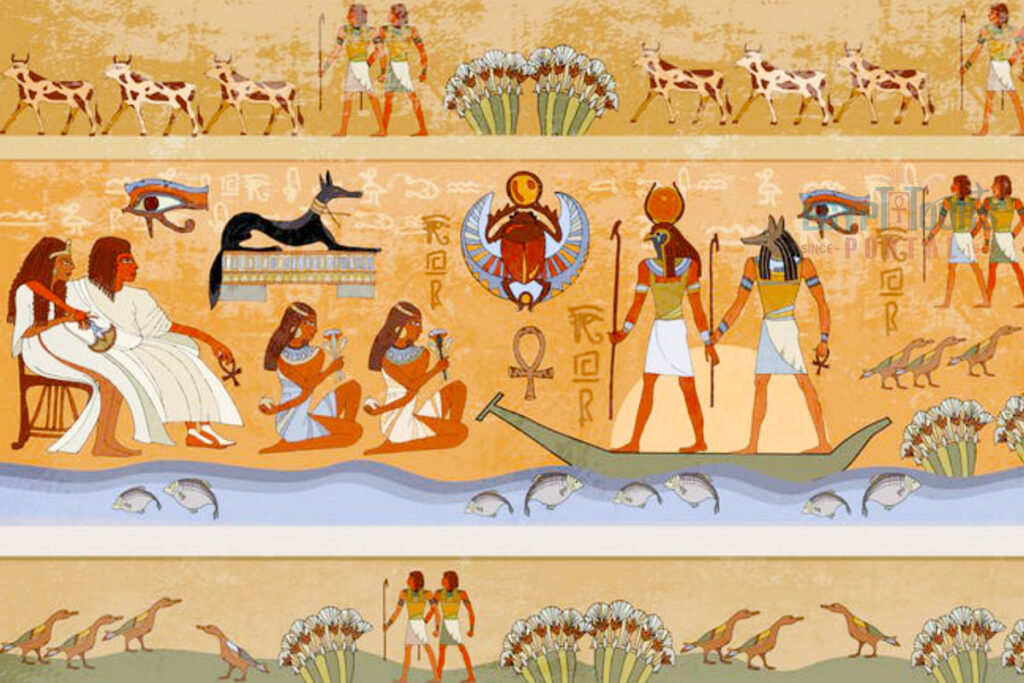
Many gods were represented through animals or combinations of human and animal forms. Egyptians believed certain animals displayed qualities associated with divine power, including strength, wisdom, protection, or fertility.
Religion continued to evolve throughout Egyptian history. Some gods became more important during particular dynasties, while others gained popularity through political or cultural changes.
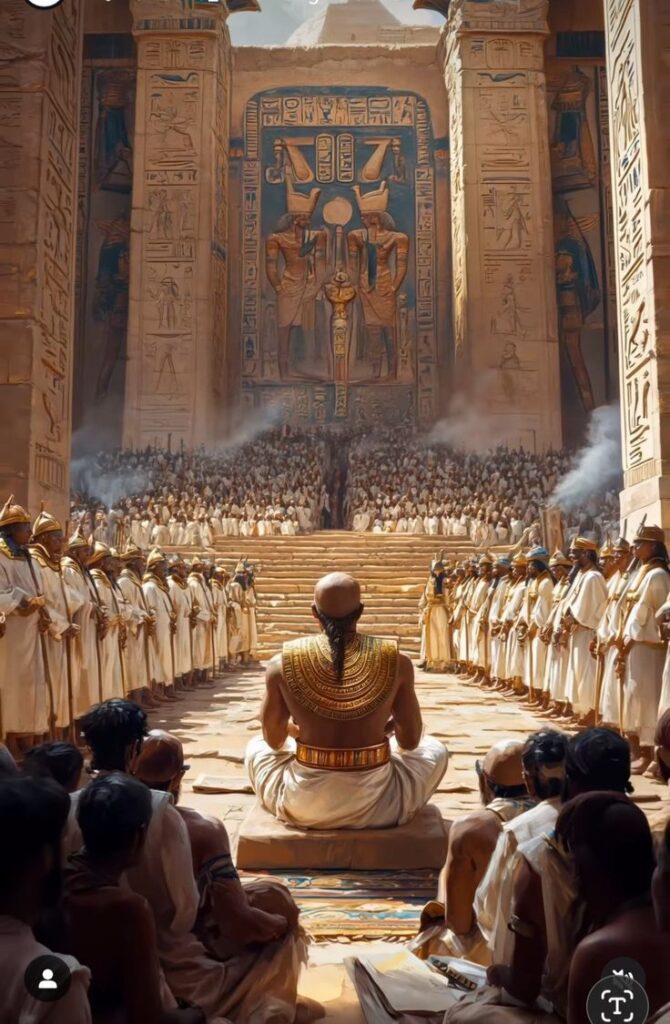
The creation of temples allowed organized worship to expand. Priests developed rituals that honored the gods and preserved religious traditions.
Belief in the gods united Egyptian society. Although different regions favored different deities, Egyptians shared common ideas about creation, divine protection, and the importance of maintaining harmony.
These early religious beliefs formed the foundation of Egyptian civilization and influenced every generation for more than three thousand years.
2. Polytheism: Worshipping Many Gods in Ancient Egypt
One of the defining features of the Ancient Egypt belief in gods was polytheism, the worship of many deities rather than a single supreme god. Egyptians believed that each god had unique responsibilities and powers that helped maintain the universe.
Different gods governed different parts of life. Some controlled natural forces, while others protected families, ruled the afterlife, encouraged wisdom, or defended Egypt from enemies.
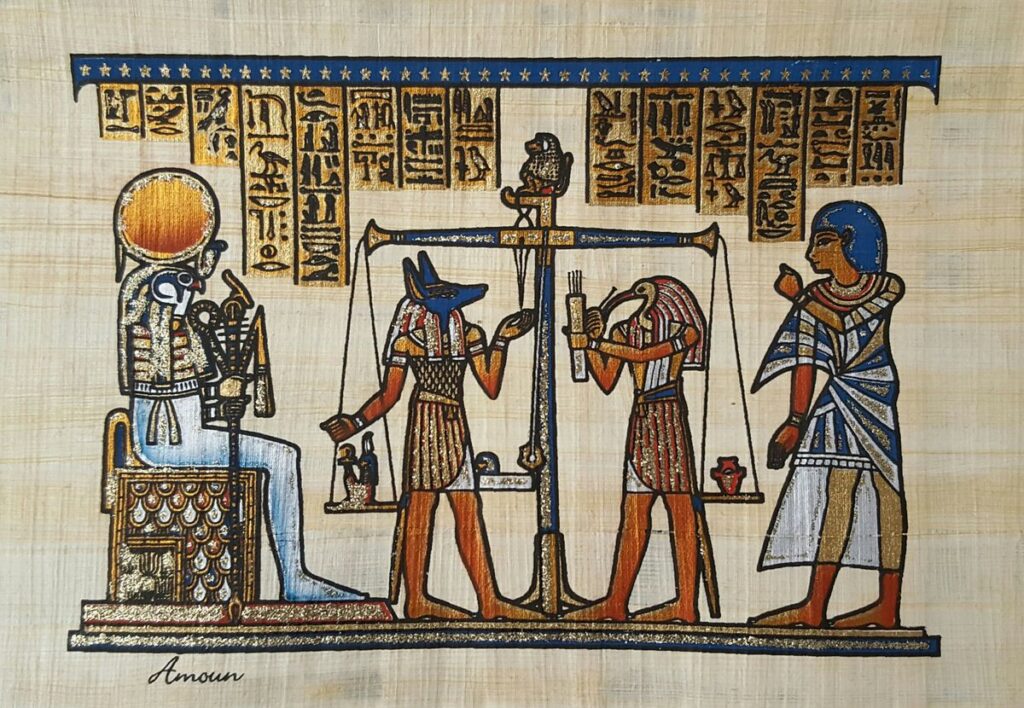
The sun god Ra represented creation and the daily cycle of life. Every sunrise symbolized renewal and hope, while sunset reflected the eternal journey through the underworld.
Osiris became the ruler of the afterlife and symbolized resurrection and eternal life. His story explained death, rebirth, and the promise of life beyond the grave.
Isis represented motherhood, healing, protection, and magical power. Families throughout Egypt honored her for safeguarding children and supporting family life.
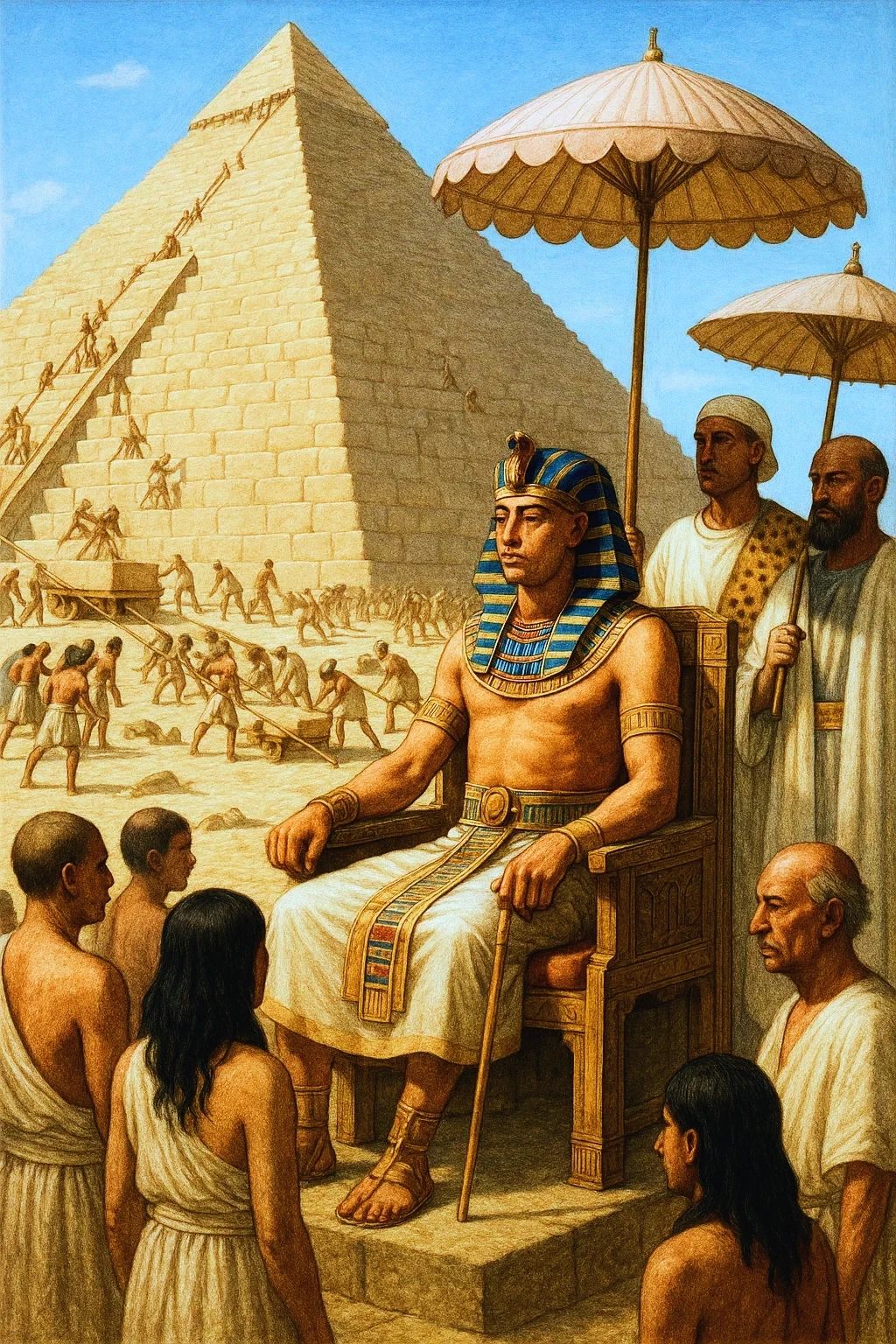
Horus symbolized kingship and divine protection. Pharaohs associated themselves with Horus to strengthen their authority and demonstrate their sacred role.
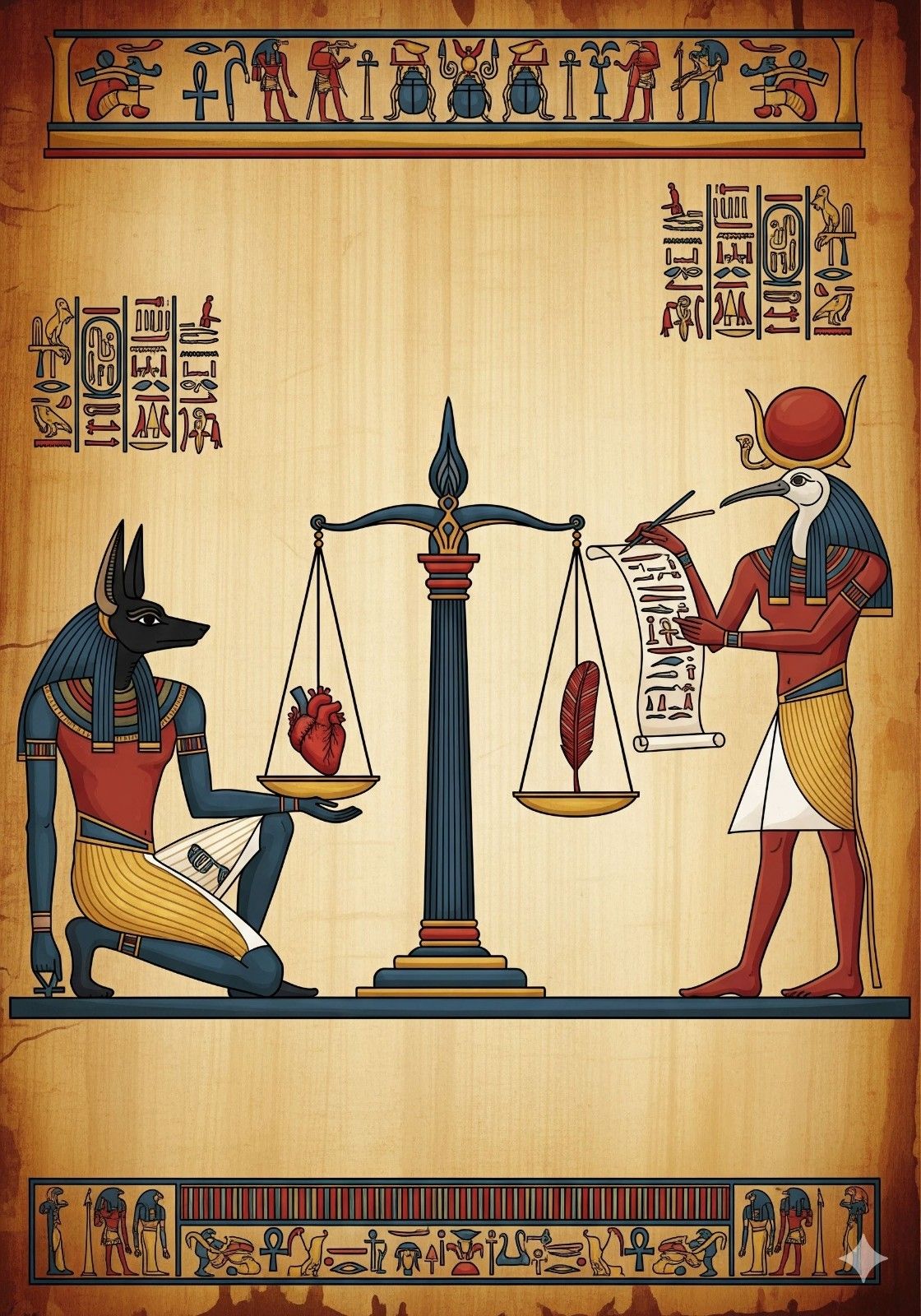
Thoth became the god of wisdom, writing, and knowledge, while Anubis protected burial practices and guided souls through the afterlife.
Although hundreds of gods existed, Egyptians did not believe these deities competed with one another. Instead, they worked together to maintain cosmic order.
People often worshipped several gods depending on their personal needs. A farmer might pray for a successful harvest, while a mother asked for protection over her children and a traveler sought safety during journeys.
Religious beliefs remained flexible. Different regions emphasized different gods without creating conflict between religious traditions.
This rich system of polytheism allowed Egyptians to explain every aspect of existence while creating a deeply personal relationship between individuals and the divine.
3. The Most Important Gods and Goddesses of Ancient Egypt
Ancient Egyptian religion included hundreds of gods and goddesses, but some became especially important because of their influence on religion, government, and daily life.
The sun god Ra was one of the most powerful deities. Egyptians believed he sailed across the sky each day, bringing light and life before traveling through the underworld each night to defeat the forces of chaos.
Osiris became the ruler of the underworld and symbolized resurrection, justice, and eternal life. Egyptians hoped to join Osiris after a successful judgment in the afterlife.
Isis was among the most beloved goddesses. She represented healing, loyalty, motherhood, and protection, becoming one of the most widely worshipped deities throughout Egyptian history.
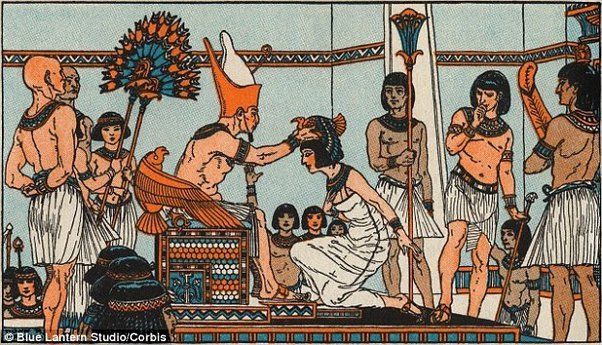
Horus represented kingship, divine authority, and protection. Pharaohs were considered earthly representatives of Horus.
Anubis protected the dead and supervised mummification. He guided souls toward judgment after death.
Thoth was associated with knowledge, learning, mathematics, science, and record keeping. Scribes considered him their divine protector.
Other important gods included Amun, Hathor, Sekhmet, Sobek, Bastet, Ptah, Khnum, and Hapi, each responsible for different aspects of life and nature.
Egyptians believed these gods worked together to preserve balance throughout creation. Their stories formed a rich mythology that explained the origins of the world and humanity.
The popularity of particular gods changed throughout history, but belief in divine protection remained constant across Egyptian civilization.
The worship of these gods demonstrates how Ancient Egyptians connected every part of life with the spiritual world.