
Welcome to

Ancient Egypt Death and Burial Beliefs

Death and burial beliefs were among the most important aspects of Ancient Egyptian civilization. The ancient Egyptians viewed death not as an end, but as a transition to an eternal afterlife. Their religious beliefs centered on the idea that the soul could continue to exist after death if the body was properly preserved and the deceased successfully completed the journey to the next world. As a result, elaborate burial practices, mummification rituals, tomb construction, and funerary ceremonies became essential parts of Egyptian culture for thousands of years.

Ancient Egyptians believed that the human being consisted of several spiritual elements, including the Ka, Ba, and Akh, which needed to remain connected to the physical body after death. To ensure survival in the afterlife, the body was carefully preserved through mummification, a sophisticated process that protected the remains from decay. Wealthy individuals, nobles, and pharaohs were buried with treasures, jewelry, food, furniture, and sacred objects that they might need in the next life.

The journey to the afterlife was guided by powerful gods and religious texts. Anubis, the god of mummification and funerary rites, protected the deceased, while Osiris ruled the realm of the dead. One of the most important beliefs involved the Judgment of the Dead, where a person’s heart was weighed against the Feather of Ma’at, representing truth and justice. Those who had lived righteous lives were granted eternal life, while those found unworthy faced spiritual destruction.

These beliefs inspired the construction of some of the world’s most famous monuments, including the pyramids, royal tombs, mastabas, and the elaborate burial chambers of the Valley of the Kings. Funerary texts such as the Book of the Dead provided instructions, prayers, and spells designed to help the deceased overcome obstacles and safely reach the afterlife.

In this guide, we explore Ancient Egyptian death and burial beliefs, including mummification, the afterlife, funerary rituals, tombs, pyramids, the Book of the Dead, and the gods associated with death and resurrection. Understanding these beliefs provides a fascinating insight into how the ancient Egyptians viewed life, death, immortality, and the eternal journey beyond the grave.

1. Ancient Egyptian Beliefs About Death and the Afterlife

Death was not viewed as the complete end of existence in Ancient Egypt. Instead, Egyptians believed that death marked a transition from earthly life to another form of existence. Their strong belief in the Ancient Egyptian afterlife influenced their religion, funerary rituals, tomb architecture, mummification practices, and the objects placed with the deceased.

Egyptians believed that a person’s existence depended on several interconnected elements. The physical body was particularly important because spiritual aspects of the individual were believed to remain connected with it. This is one reason Egyptians developed elaborate methods of preserving the body after death.

The ka was understood as a vital life force that continued to exist after death. It required offerings of food and drink, which families and priests provided at the tomb. The ba represented another aspect of the individual and was often associated with personality and movement between the world of the living and the afterlife.

The deceased also needed a preserved identity and a place where their memory could continue. Tombs therefore served not only as burial places but as eternal homes. Names, images, statues, and inscriptions helped preserve the identity of the deceased.

Egyptians believed that the afterlife could be a beautiful and peaceful existence. It was often imagined as a renewed version of the earthly world, where the deceased could enjoy food, family, work, and the natural environment.

However, entering the afterlife required proper preparation. The body needed to be preserved, funerary rituals needed to be performed, and offerings had to be provided. Religious texts offered instructions and protection for the dangerous journey after death.

Moral behavior was also important. Egyptians believed that the deceased would eventually face divine judgment. The heart was associated with a person’s actions and moral character and was weighed against the feather of Ma’at.

These beliefs explain why Egyptians invested enormous resources in funerary practices. Ancient Egyptian death beliefs were not simply about fear of death; they reflected a strong desire for continuity, protection, family remembrance, and eternal life.

The Egyptian approach to death influenced architecture, art, religion, and even everyday behavior. Understanding these beliefs is essential for understanding Ancient Egyptian burial customs, mummification, tombs, funerary rituals, and afterlife beliefs.
2. The Egyptian Concept of the Ka and Ba

The Egyptian understanding of the human soul was complex, and two of the most important spiritual concepts were the ka and ba. These ideas played a central role in Ancient Egyptian death and burial beliefs and help explain why Egyptians preserved bodies, built tombs, created statues, and provided offerings for the dead.

The ka was often understood as a person’s life force or vital essence. Egyptians believed that the ka continued to exist after physical death. It needed nourishment, which is why food and drink offerings were regularly placed in tombs or presented at offering chapels.

The family of the deceased had an important responsibility to maintain these offerings. Bread, beer, meat, fruits, vegetables, and other foods could be presented. Egyptians believed that the ka could benefit from these offerings in a spiritual form.

The ba represented another aspect of an individual’s identity and personality. It was often depicted as a human-headed bird. According to Egyptian beliefs, the ba could move between the tomb and the world beyond, allowing the deceased to interact with different parts of existence.

The preservation of the body was essential because the spiritual elements remained connected with the physical remains. This belief encouraged the development of Ancient Egyptian mummification and sophisticated burial practices.

Statues could also serve an important purpose. If the physical body became damaged, a statue could provide an alternative representation of the deceased. This is one reason Egyptian tombs sometimes contained carefully crafted statues.

Names were equally important. Egyptians believed that remembering and speaking a person’s name helped preserve their existence. Tomb inscriptions therefore frequently included the name and titles of the deceased.

The ka and ba were not exactly equivalent to the modern concept of a “soul.” Egyptian ideas about human identity were much more complex and included several spiritual and physical components.

These beliefs influenced nearly every aspect of Ancient Egyptian funerary culture. Tombs, statues, offerings, mummies, inscriptions, and rituals were all designed to help preserve the deceased’s existence.

Understanding the ka and ba therefore provides important insight into why Egyptians spent so much effort preparing for death. Their burial practices were designed to ensure that the deceased could continue to exist, receive nourishment, maintain identity, and enjoy an eternal afterlife.
3. The Importance of Mummification in Ancient Egypt

Mummification was one of the most distinctive features of Ancient Egyptian burial practices. Egyptians developed sophisticated methods for preserving the bodies of the dead because they believed that the physical body was necessary for continued existence in the afterlife. Over thousands of years, Egyptian embalming techniques became increasingly sophisticated.

The natural climate of Egypt helped preserve some bodies naturally because the hot, dry desert environment removed moisture from the body. Egyptian embalmers gradually developed deliberate methods of preservation that could produce long-lasting mummies.

The most elaborate mummification process involved removing certain internal organs. The brain was treated separately, while major organs such as the liver, lungs, stomach, and intestines were traditionally preserved and placed in canopic jars. The heart was often left in the body because it was considered important to identity and judgment.

The body was dried using natron, a naturally occurring salt mixture. Removing moisture was essential for preventing decomposition. After drying, the body was treated with oils and resins before being wrapped carefully in layers of linen.

Amulets were often placed among the bandages. These objects were believed to provide protection to the deceased during the journey through the afterlife. Symbols such as the scarab, Eye of Horus, and ankh could have religious significance.

The final mummy was placed inside one or more coffins. Wealthy individuals could receive elaborate coffins decorated with images of gods, hieroglyphic inscriptions, and protective symbols.

Mummification was expensive and time-consuming, so the quality of the process varied according to social status and financial resources. Pharaohs and wealthy individuals could receive highly elaborate burials, while poorer Egyptians might have simpler forms of preservation.

Embalmers developed specialized knowledge through generations of experience. Although mummification was primarily religious rather than scientific in its purpose, the process required considerable practical knowledge of anatomy, materials, preservation, and craftsmanship.

Ancient Egyptian mummification therefore represents the connection between religion, technology, medicine, craftsmanship, and funerary traditions. The preservation of the body was considered essential for eternal life, making mummification one of the most important practices in Ancient Egyptian death and burial beliefs.
4. Ancient Egyptian Tombs and Burial Places

Tombs were an essential part of Ancient Egyptian burial traditions because Egyptians believed that the deceased needed a protected place where the body, spiritual elements, offerings, and funerary objects could remain for eternity. Egyptian tomb architecture changed significantly over thousands of years, reflecting changes in religion, technology, wealth, and royal traditions.

One of the earliest major burial structures was the mastaba, a rectangular tomb with sloping sides and a flat roof. Mastabas were commonly used for important officials and wealthy individuals, particularly during the Early Dynastic Period and Old Kingdom.

Royal burial architecture developed dramatically during the Old Kingdom. The Step Pyramid of Djoser at Saqqara, designed under Pharaoh Djoser, represented an important stage in the development of pyramid architecture. Later rulers built increasingly large pyramids, culminating in the pyramids at Giza.

The Great Pyramid of Giza, built for Pharaoh Khufu, became the most famous royal tomb in Egypt. Nearby pyramids were constructed for Khafre and Menkaure, creating one of the world’s most recognizable ancient monumental landscapes.

During later periods, royal burial traditions changed. New Kingdom pharaohs were commonly buried in rock-cut tombs in the Valley of the Kings near Thebes. This location provided a secluded desert environment that could help protect royal burials.

Private tombs were also constructed in areas such as the Valley of the Nobles and other necropolises. Wealthy officials decorated their tombs with scenes of farming, hunting, banquets, religious ceremonies, and daily life.

Tombs often included offering chambers and spaces where families or priests could present food and drink to the deceased. Some tombs contained false doors, statues, inscriptions, and offering tables.

The decoration of tombs was not simply artistic. Egyptians believed that images and written representations could help provide what the deceased needed in the afterlife. A painted scene showing food, servants, animals, or agricultural activities could symbolically make these things available forever.

The location and size of a tomb often reflected social status. Royal tombs and elite monuments could require enormous resources, while ordinary Egyptians generally received simpler burials.

Ancient Egyptian tombs therefore served multiple purposes: they protected the body, preserved the identity of the deceased, provided a place for offerings, displayed social status, and supported the individual’s journey into the afterlife.

The evolution from mastabas to pyramids and rock-cut tombs demonstrates the extraordinary development of Ancient Egyptian funerary architecture and the central importance of death and burial beliefs in Egyptian civilization.

5. Funerary Rituals and the Opening of the Mouth Ceremony

Funerary rituals were an essential part of Ancient Egyptian death and burial practices. Egyptians believed that simply burying the body was not enough to guarantee a successful afterlife. The deceased needed religious ceremonies, prayers, offerings, and protective rituals to restore their spiritual abilities and prepare them for eternal existence. One of the most important ceremonies was known as the Opening of the Mouth ritual.

The Opening of the Mouth ceremony was performed on the mummy or a statue representing the deceased. Priests used special ritual instruments to symbolically restore the person’s ability to breathe, speak, eat, drink, see, and hear in the afterlife.

The ceremony reflected the Egyptian belief that the deceased needed to continue performing essential activities after death. Food offerings would be meaningless if the deceased could not symbolically eat, while prayers and religious knowledge would be difficult without the ability to speak and hear.

Priests performed the ceremony using specialized tools. One important instrument was the peseshkef, along with other ritual objects. These instruments were touched to the mouth and other parts of the body as part of the symbolic restoration process.

The ritual was often accompanied by prayers and recitations. Priests could invoke gods and ask for protection and eternal life for the deceased.

Funerary rituals also included washing, anointing, wrapping, and decorating the body. Amulets were placed among the mummy’s bandages to provide magical protection.

After the burial, families continued to have responsibilities toward the deceased. They could provide food and drink offerings and visit the tomb. Maintaining these traditions helped preserve the connection between the living and the dead.

Funerary processions were another important part of burial. The mummy could be transported from the home or embalming place to the tomb, accompanied by relatives, priests, mourners, and funerary equipment.

Professional mourners could participate in ceremonies, expressing grief through crying, gestures, and ritual movements. Their role helped create a formal atmosphere appropriate for the burial.

The Opening of the Mouth ceremony demonstrates how deeply religion influenced Egyptian burial customs. Egyptians believed that successful preparation for death required both physical preservation and spiritual protection.

Through mummification, prayers, offerings, rituals, and the Opening of the Mouth, Egyptians attempted to ensure that the deceased could continue living in the Ancient Egyptian afterlife. These practices remain some of the most fascinating aspects of Egyptian funerary culture.

6. The Book of the Dead and Funerary Texts

Funerary texts played an important role in Ancient Egyptian death and burial beliefs. Egyptians believed that the journey into the afterlife could be dangerous and complicated, so the deceased needed religious knowledge, prayers, magical formulas, and protective instructions. Different collections of funerary texts developed over thousands of years, with the Book of the Dead becoming one of the best-known examples.
The Book of the Dead was not a single fixed book. It was a collection of spells, prayers, hymns, and instructions that could be selected and arranged for individual burials. These texts were written on papyrus, coffins, tomb walls, and other funerary objects.

One important purpose of these spells was to protect the deceased during the journey through the afterlife. The deceased could encounter dangerous beings, gates, guardians, and supernatural challenges. Knowing the correct names, words, and rituals was believed to help overcome these obstacles.

The texts also provided guidance for the judgment of the deceased. One of the most famous scenes shows the Weighing of the Heart, in which the heart of the deceased was weighed against the feather of Ma’at. The heart represented the individual’s moral character and actions during life.

If the deceased passed the judgment successfully, they could enter a blessed afterlife. If the heart was found to be unworthy, it could be devoured by the terrifying creature Ammit, preventing the deceased from achieving eternal existence.

Protective spells were particularly important. Some formulas were designed to protect the body, while others helped the deceased transform into different forms or travel safely through the divine world.

Funerary texts also contained hymns to gods such as Osiris, Ra, Anubis, and other deities. These prayers reinforced the deceased’s relationship with the divine world.

The availability of funerary texts changed over time. Earlier traditions such as the Pyramid Texts were primarily associated with royal burials, while the Coffin Texts became available to a wider range of people. Later, many spells appeared in collections now known as the Book of the Dead.

The existence of these texts demonstrates the importance of literacy, religion, and magic in Egyptian funerary culture. Scribes carefully copied religious formulas and decorated papyri with colorful illustrations.

The Book of the Dead in Ancient Egypt therefore provides valuable information about Egyptian beliefs concerning death, judgment, gods, morality, and eternal life. It was designed to help the deceased successfully navigate the Ancient Egyptian afterlife and achieve eternal existence.

7. The Judgment of the Dead and the Weighing of the Heart

The judgment of the dead was one of the most important ideas in Ancient Egyptian beliefs about the afterlife. Egyptians believed that after death, a person’s moral character would be examined before they could enter the eternal afterlife. This belief connected Ancient Egyptian death and burial practices with ideas about morality, justice, truth, and the principle of Ma’at.

According to Egyptian religious traditions, the deceased would eventually appear before a group of divine judges. The heart of the deceased played a central role because Egyptians associated the heart with a person’s thoughts, character, actions, and moral behavior.

The most famous part of the judgment was the Weighing of the Heart ceremony. The heart was placed on one side of a balance, while the feather of Ma’at was placed on the other. Ma’at represented truth, justice, balance, harmony, and cosmic order.

If the heart was balanced with the feather, the deceased was considered worthy of entering the blessed afterlife. If the heart was heavier because of wrongdoing, the deceased could face destruction by Ammit, a terrifying creature combining characteristics of a crocodile, lion, and hippopotamus.

The god Anubis was associated with the weighing process and was often depicted overseeing the balance. The god Thoth, associated with writing and wisdom, was responsible for recording the result.

Osiris, the god of the dead and resurrection, presided over the judgment in many representations. Other divine beings could also participate in the judgment scene.

The deceased was expected to make statements denying various wrongdoings. These declarations are sometimes called the Negative Confession. The deceased claimed not to have committed acts such as murder, theft, dishonesty, or other offenses.

These beliefs reveal that Ancient Egyptians placed great importance on ethical behavior. Successful passage into the afterlife depended not only on expensive tombs or mummification but also on living according to Ma’at.

The judgment scene frequently appears in copies of the Book of the Dead. Colorful illustrations show the deceased standing before the gods while the heart is weighed.

The concept of judgment demonstrates that Ancient Egyptian afterlife beliefs were closely connected with morality and justice. Egyptians believed that death did not erase responsibility for one’s actions.

The Weighing of the Heart remains one of the most recognizable symbols of Ancient Egyptian religion and burial beliefs, illustrating the Egyptian hope that a person who lived according to truth and justice could achieve eternal life.

8. Osiris and the Egyptian Belief in Resurrection

Osiris was one of the most important gods associated with Ancient Egyptian death, resurrection, and the afterlife. His mythology played a central role in Egyptian funerary beliefs and helped shape the way Egyptians understood death as a transition rather than an absolute ending.

According to the traditional Osiris myth, Osiris was a king who was murdered by his brother Seth. His body was later recovered and restored through the efforts of his wife Isis, with assistance from other divine beings. Osiris eventually became ruler of the underworld and judge of the dead.

The story of Osiris provided Egyptians with a powerful religious model for understanding death. Since Osiris died and was restored, Egyptians hoped that they too could experience renewal after death.

The connection between Osiris and the deceased became especially important in funerary traditions. Egyptians could identify themselves with Osiris after death, hoping to gain access to his realm and achieve eternal existence.

Osiris was also connected with fertility and agricultural renewal. His death and resurrection symbolized the cycle of nature, including the growth and regeneration of plants. This symbolism was particularly meaningful in a society dependent on the annual Nile flood and agricultural production.

The worship of Osiris was especially important at Abydos, one of the most sacred religious centers in Ancient Egypt. Egyptians traveled to Abydos to honor Osiris, participate in religious traditions, and strengthen their connection with the afterlife.

Osirian festivals included religious processions and rituals that represented elements of the god’s story. These celebrations reinforced ideas about death, resurrection, fertility, and eternal life.

Funerary texts frequently connected the deceased with Osiris. The deceased could receive titles and religious formulas identifying them with the god, symbolically placing them within the divine cycle of death and rebirth.

The importance of Osiris also influenced Egyptian tomb decoration. Images of Osiris, offerings, resurrection symbols, and scenes of the afterlife appeared in many burial contexts.

The Osiris tradition demonstrates how Ancient Egyptian mythology, funerary rituals, mummification, agriculture, and afterlife beliefs were interconnected. Egyptians did not simply fear death; they believed that death could lead to renewal and eternal existence.

For this reason, Osiris remained one of the most important figures in Ancient Egyptian burial religion, providing hope that the deceased could overcome death and live forever in the afterlife.

9. Funerary Objects, Amulets, and Burial Goods

Funerary objects were an important part of Ancient Egyptian burial customs. Egyptians placed a wide variety of objects inside tombs because they believed these items could help the deceased survive and prosper in the afterlife. The objects found in Egyptian tombs provide valuable evidence about religious beliefs, social status, craftsmanship, and everyday life.

Food and drink were among the most important offerings. Bread, beer, meat, vegetables, fruits, and other foods could be placed in tombs or represented through paintings and carvings. Egyptians believed that the deceased’s spiritual aspects could benefit from these offerings.

Furniture could also be included in wealthy burials. Beds, chairs, tables, chests, and other household objects were sometimes placed inside tombs. These objects reflected the belief that the deceased would continue to enjoy a comfortable existence after death.

Clothing, jewelry, cosmetics, and personal possessions were also buried with individuals. Jewelry could have both decorative and protective purposes, particularly when it included religious symbols or amulets.

Amulets were especially important in Egyptian funerary traditions. These small objects were believed to provide magical protection. They could be made from faience, stone, metal, or other materials and were placed on or inside the mummy.

One of the most famous funerary symbols was the scarab. Scarab amulets were associated with renewal and the rising sun and were commonly used in funerary contexts. The Eye of Horus was another protective symbol, associated with health, protection, and restoration.

The ankh, representing life, also appeared frequently in Egyptian religious art and funerary objects. Other amulets represented gods, animals, plants, and protective symbols.

Canopic jars were another important part of some Egyptian burials. They were traditionally used to preserve internal organs removed during mummification. The jars were often associated with the four sons of Horus.

Funerary statues could serve additional religious purposes. The shabti, or funerary figurine, was designed to perform work on behalf of the deceased in the afterlife according to Egyptian religious beliefs. Large numbers of shabtis could be placed in wealthy tombs.

Tomb paintings could also function as symbolic burial goods. Scenes showing food, servants, farming, hunting, and celebrations were believed to help provide these experiences for eternity.

The variety of Ancient Egyptian funerary objects and burial goods demonstrates the Egyptians’ detailed preparation for the afterlife. Every object could have a practical, symbolic, religious, or protective purpose.

These objects also reveal differences in social status. Royal and wealthy tombs could contain enormous quantities of valuable goods, while ordinary people generally had simpler burials.

Through funerary objects, archaeologists can learn about Ancient Egyptian religion, craftsmanship, daily life, social structure, mummification, and afterlife beliefs.

10. Burial Customs and the Role of Family

Family played an important role in Ancient Egyptian burial customs and funerary traditions. Egyptians believed that the relationship between the living and the dead continued after burial. Families were therefore expected to remember deceased relatives, maintain tombs, provide offerings, and participate in important funerary rituals.

After a person died, the family could become involved in organizing the funeral and burial. The body was taken to specialists for preparation and mummification, depending on the family’s financial resources and social status.

The funeral procession could include relatives, priests, professional mourners, and other participants. The mummy was transported toward the tomb, often accompanied by funerary equipment and offerings.

Professional mourners sometimes played an important role in funeral ceremonies. Their crying, gestures, and expressions of grief created a formal atmosphere and demonstrated the importance of the deceased.

Once the burial was completed, family responsibilities did not necessarily end. Egyptians believed that the deceased continued to require offerings and remembrance. Food and drink could be presented at the tomb or offering chapel.

Tombs sometimes contained inscriptions requesting that visitors recite the deceased’s name and provide offerings. Remembering a person’s name was considered an important way to preserve their existence.

Family members could also visit tombs during religious festivals. The Beautiful Festival of the Valley, for example, provided an opportunity for families in Thebes to honor deceased relatives and share offerings.

Funerary monuments could include images of family members. Tomb paintings sometimes showed husbands, wives, children, parents, and other relatives participating in meals, religious activities, or scenes of daily life.

The family relationship with the deceased was therefore both emotional and religious. Egyptians believed that maintaining the memory of ancestors helped preserve their existence in the afterlife.

Social status influenced burial practices. Wealthy families could afford elaborate tombs, professional embalmers, decorated coffins, statues, and large quantities of offerings. Poorer families generally had simpler burials.

Nevertheless, the fundamental desire to protect and remember the deceased existed across Egyptian society.

The importance of family demonstrates that Ancient Egyptian death and burial beliefs were not limited to temples and priests. Ordinary families played an essential role in maintaining funerary traditions.

Through offerings, prayers, tomb visits, festivals, and remembrance, Egyptians maintained a lasting connection between the world of the living and the world of the dead. This relationship was a central feature of Ancient Egyptian family life, religion, and beliefs about the afterlife.

11. Social Class and Burial Practices in Ancient Egypt

Burial practices in Ancient Egypt were strongly influenced by social status, wealth, occupation, and position within society. Although Egyptians from different social groups shared many beliefs about death and the afterlife, the way those beliefs were expressed could vary considerably. Pharaohs and wealthy officials could afford elaborate tombs, expensive mummification, decorated coffins, and numerous funerary objects, while ordinary Egyptians generally received simpler burials.

The pharaoh occupied the highest position in Egyptian society and received the most elaborate funerary preparations. During the Old Kingdom, rulers were buried in massive pyramids and associated complexes. These monuments required enormous amounts of labor, materials, planning, and resources.

Royal burials also contained valuable objects, religious inscriptions, statues, and ceremonial equipment. The purpose was to protect the king and ensure his successful transformation into an eternal being among the gods.

Elite officials and wealthy families could build large decorated tombs. Their tombs often contained scenes of agriculture, hunting, banquets, religious ceremonies, and family life. These images were not simply decorations; Egyptians believed that representations could help provide the deceased with what they needed in the afterlife.

Middle- and lower-status Egyptians generally had more modest burials. They could still be mummified, although the process was usually simpler and less expensive. Some people were buried in coffins, while others received basic burial arrangements.

The quality of funerary equipment depended heavily on financial resources. Expensive materials such as gold, imported stones, and finely carved wood were more accessible to wealthy individuals.

Social status also influenced access to professional embalmers, priests, tomb builders, scribes, and artisans. Wealthy families could employ specialists to create sophisticated funerary objects and inscriptions.

However, Egyptian religious beliefs suggested that access to the afterlife was not exclusively reserved for kings. Over time, funerary texts and religious traditions became increasingly available to non-royal people.

This development can be seen in the transition from Pyramid Texts to Coffin Texts and later funerary collections such as the Book of the Dead. These traditions demonstrate the wider spread of afterlife beliefs.

Despite differences in wealth, Egyptians across society shared fundamental concerns about preserving the body, protecting the deceased, maintaining identity, and achieving eternal life.

The study of Ancient Egyptian burial practices and social classes therefore reveals both equality and inequality. Everyone faced death, but economic and social position strongly influenced the physical form of burial.

Archaeological evidence from royal tombs, elite cemeteries, worker settlements, and ordinary graves allows historians to understand how Ancient Egyptian social structure, wealth, religion, and funerary traditions interacted.

12. The Legacy and Importance of Ancient Egyptian Death and Burial Beliefs

The beliefs and practices surrounding death became one of the most remarkable aspects of Ancient Egyptian civilization. For thousands of years, Egyptians developed sophisticated ideas about the afterlife, mummification, funerary rituals, tomb architecture, religious texts, judgment, resurrection, and eternal life. These traditions influenced Egyptian art, architecture, religion, medicine, craftsmanship, and social life.

The Egyptian belief that death was a transition rather than an absolute ending encouraged people to prepare carefully for the afterlife. Mummification preserved the physical body, while tombs provided a permanent home for the deceased.

Funerary texts such as the Pyramid Texts, Coffin Texts, and Book of the Dead provided religious instructions and magical protection. They helped guide the deceased through the dangers of the afterlife and prepare them for judgment before the gods.

The concept of Ma’at was also central. Egyptians believed that truth, justice, balance, and proper behavior were necessary for successful passage into the afterlife. The Weighing of the Heart represented the importance of moral behavior.

Osiris became a powerful symbol of resurrection and eternal life. His story gave Egyptians hope that death could be followed by renewal and that the deceased could join the divine world.

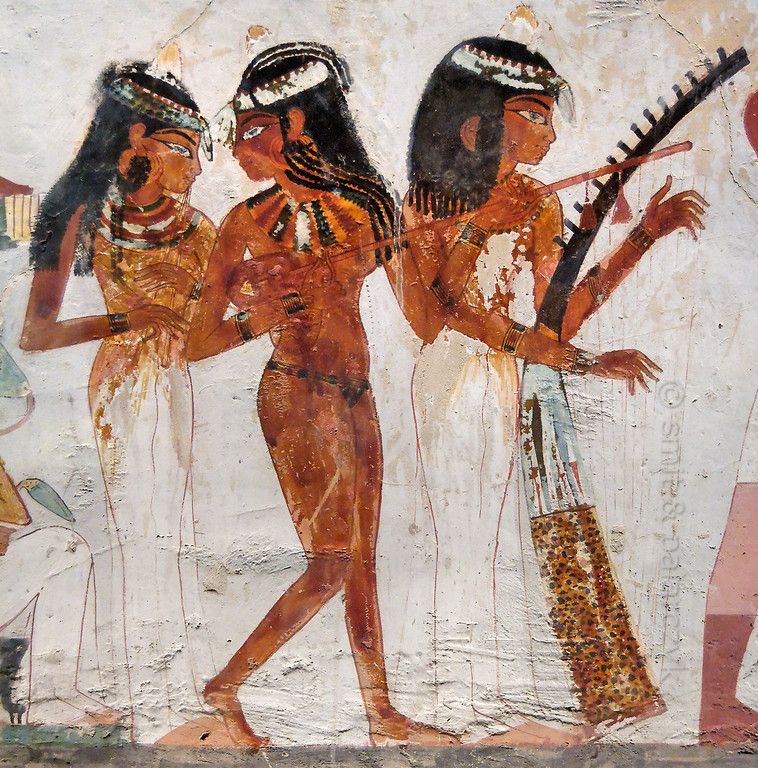
Tombs and funerary objects also preserved valuable information about Egyptian society. Wall paintings show farming, hunting, music, food preparation, clothing, family life, and religious ceremonies. Objects such as jewelry, furniture, weapons, statues, amulets, and coffins reveal the skills of Egyptian craftsmen.

The study of Egyptian mummies has also contributed to modern knowledge about ancient populations, although modern archaeological and scientific methods approach these remains with respect and ethical considerations.

The monumental pyramids, royal tombs, temples, and decorated coffins continue to attract worldwide interest. Sites such as Giza, Saqqara, the Valley of the Kings, Abydos, and other Egyptian necropolises provide extraordinary evidence of ancient funerary traditions.

Most importantly, Ancient Egyptian death and burial beliefs reveal how deeply religion influenced everyday life. Egyptians prepared for death through their choices during life, their family responsibilities, religious practices, and material possessions.

Their funerary traditions demonstrate a powerful desire for continuity, remembrance, protection, and eternal existence.

Today, the study of Ancient Egyptian mummification, burial customs, tombs, funerary rituals, Osiris, the Book of the Dead, the afterlife, and the judgment of the dead remains essential for understanding one of history’s most influential civilizations.

Frequently Asked Questions

Ancient Egyptians believed that death was a transition to an afterlife, not the complete end of existence. They believed the deceased could live eternally if the body was preserved, funerary rituals were performed, and the person successfully passed divine judgment.


Mummification was performed to preserve the body because Egyptians believed the physical body remained important to the deceased’s existence in the afterlife. Embalmers dried the body, treated it with oils and resins, and wrapped it carefully in linen.

The Weighing of the Heart was a judgment ceremony in which the deceased’s heart was weighed against the feather of Ma’at, representing truth and justice. A worthy heart allowed the deceased to continue toward the afterlife, while an unworthy heart faced destruction by Ammit.


Egyptians placed food, jewelry, furniture, clothing, amulets, statues, and other funerary objects in tombs because they believed these items could help the deceased in the afterlife. Some objects had practical purposes, while others provided magical or religious protection.

Osiris was the god associated with death, resurrection, and the afterlife. Egyptians connected themselves with Osiris after death and hoped to experience renewal and eternal life. He was also regarded as the ruler and judge of the dead.