
Welcome to

Ancient Egypt Festivals and Celebrations

Festivals and celebrations were an essential part of life in Ancient Egypt, bringing together religion, culture, community, and royal authority in vibrant public events. Throughout the year, the ancient Egyptians celebrated numerous religious festivals dedicated to their gods, goddesses, pharaohs, and important seasonal events. These occasions featured grand processions, temple ceremonies, music, dancing, feasting, offerings, and rituals that strengthened the connection between the people, their rulers, and the divine world.

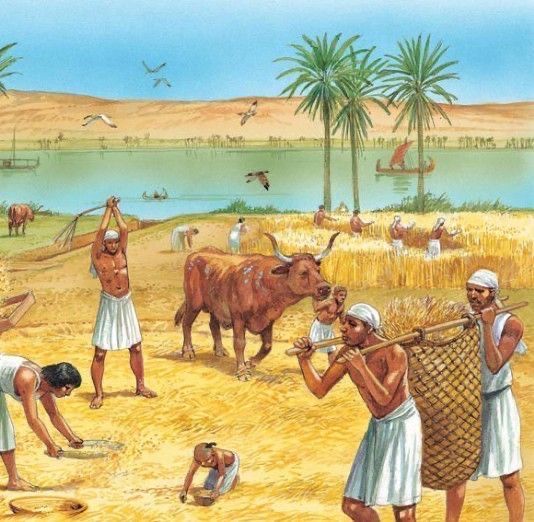
Many Ancient Egyptian festivals were closely linked to the agricultural cycle of the Nile River, which was the foundation of Egypt’s prosperity. Seasonal celebrations marked the annual flooding of the Nile, planting seasons, and harvest periods, giving thanks to the gods for fertility, abundance, and protection. Religious festivals also honored major deities such as Amun, Ra, Osiris, Isis, Horus, Hathor, and Anubis, with elaborate ceremonies held at temples throughout the country.

Among the most famous celebrations was the Opet Festival in Thebes, during which the statues of Amun, Mut, and Khonsu were carried in a grand procession between Karnak Temple and Luxor Temple. Other important festivals included the Beautiful Festival of the Valley, the Sed Festival, which celebrated a pharaoh’s reign and renewal of power, and various ceremonies associated with Osiris and the afterlife. These events attracted large crowds and often included public entertainment, music performances, banquets, and religious rituals.

Ancient Egyptian festivals served not only as religious observances but also as opportunities for social gatherings, economic activity, and cultural expression. They reinforced national identity, promoted loyalty to the pharaoh, and celebrated the values and traditions that united Egyptian society for thousands of years.

In this guide, we explore the most important Ancient Egyptian festivals and celebrations, their religious significance, ceremonial practices, seasonal connections, and their role in shaping the cultural and spiritual life of one of the world’s greatest civilizations.

Ancient Egypt Education

1. The Importance of Festivals in Ancient Egyptian Society

Festivals were an essential part of Ancient Egyptian culture, religion, and daily life. They gave Egyptians opportunities to honor their gods, celebrate important religious events, enjoy entertainment, share food, and gather with family and members of their communities. Although many festivals were organized around temples and religious ceremonies, they also included music, dancing, processions, feasting, and other social activities.

Ancient Egyptians believed that maintaining a good relationship with the gods was necessary for the continued prosperity of the country. Festivals helped strengthen this relationship through prayers, offerings, rituals, songs, and ceremonial processions. Priests performed many of the sacred activities inside temples, while ordinary people could participate in public celebrations surrounding the religious ceremonies.

Different regions of Egypt had their own local festivals. Major religious centers such as Thebes, Memphis, Heliopolis, Abydos, and Dendera developed important celebrations connected with their principal gods. These local traditions contributed to the rich diversity of Ancient Egyptian religious festivals.

Festivals also provided opportunities for people to take a break from their normal responsibilities. Farmers, craftsmen, workers, merchants, and families could gather together during important celebrations. Music and dancing created an atmosphere of happiness, while food and drink allowed people to socialize.

Public processions were especially important. Sacred statues could be carried from temples and displayed to participants. In some cases, statues were transported by ceremonial boats along the Nile. These events allowed ordinary Egyptians to feel closer to their gods.

Festivals also reinforced the authority of the pharaoh. The king was considered an important link between the gods and the people. Royal participation in major ceremonies demonstrated his religious role and political power.

Some celebrations were connected with agricultural cycles and the Nile. Since Egyptian society depended heavily on farming, festivals could reflect ideas of fertility, renewal, death, and rebirth.

Therefore, Ancient Egypt festivals and celebrations were much more than religious ceremonies. They combined spirituality, entertainment, community life, food, music, political traditions, and cultural identity. Through these events, Egyptians maintained their beliefs while creating important opportunities for social interaction and collective celebration.
2. The Opet Festival in Ancient Egypt

The Opet Festival was one of the most important religious celebrations in Ancient Egypt, particularly during the New Kingdom. It was primarily associated with Thebes and the worship of the Theban god Amun, along with his divine family. The festival connected major temples and involved religious processions, music, ceremonies, and large public gatherings.

The central purpose of the Opet Festival was connected with the renewal of divine and royal power. During the celebration, sacred statues representing Amun, Mut, and Khonsu were transported from the Karnak Temple complex toward Luxor Temple. The journey symbolized the movement and renewal of divine power.

Ceremonial boats were used to transport the sacred images along the Nile. These boats were beautifully decorated and accompanied by priests, musicians, and participants. The procession created a spectacular religious event that attracted large crowds.

Music played an important role throughout the festival. Priests and musicians used instruments such as sistrums, drums, flutes, and other instruments. Singing and chanting helped establish the sacred atmosphere.

Ordinary Egyptians could participate in the wider celebrations surrounding the temple rituals. Although they could not enter the most sacred areas of the temples, they could gather along the procession routes and take part in the festive atmosphere.

Food and drink were also associated with the celebration. Religious offerings were presented to the gods, while public festivities could involve communal eating and drinking.

The pharaoh had an important role in the Opet Festival. The king’s participation reinforced his relationship with Amun and emphasized his position as Egypt’s divine ruler. The festival therefore had both religious and political significance.

The Opet Festival demonstrates how Ancient Egyptian religion, royal power, music, processions, and public celebrations could come together in a single event. It transformed the city of Thebes into a major center of religious and social activity.

Through temple reliefs and inscriptions, historians have learned much about this important festival. The Opet Festival remains one of the best examples of how Ancient Egyptian festivals and celebrations connected religious belief with public entertainment and community participation.
3. The Beautiful Festival of the Valley

The Beautiful Festival of the Valley was one of the most important religious celebrations in ancient Thebes. It honored the god Amun and brought together temples, priests, royal officials, families, and local communities. The festival was closely connected with the worship of deceased ancestors, making it an important example of how Ancient Egyptian festivals, religion, family traditions, and beliefs about the afterlife were connected.

During the festival, a sacred image of Amun was carried from the Karnak Temple across the Nile toward the western side of Thebes. The procession traveled toward the area where many royal and private tombs were located. The sacred journey allowed the living to symbolically connect with the world of the dead.

Families played an important role in the celebration. People visited the tombs of deceased relatives, where they could make food and drink offerings. These offerings were intended to provide nourishment for the deceased and maintain the relationship between living family members and their ancestors.

Music and celebration accompanied the religious activities. Priests, musicians, and participants could be involved in the procession, while families gathered around the tombs. The atmosphere combined religious devotion with social interaction.

The festival also included feasting. Families could prepare large quantities of food and drink and spend time together near the tombs. This created a connection between Ancient Egyptian funerary traditions and everyday family life.

The western bank of the Nile was particularly important because it was associated with the setting sun and the realm of the dead. Many royal and private tombs were located there, including the famous Valley of the Kings.

The Beautiful Festival of the Valley demonstrates that Egyptian beliefs about death were not simply expressions of sadness. The deceased remained an important part of family identity, and festivals created opportunities for families to remember and honor their ancestors.

The celebration also strengthened community relationships. Families gathered together, shared food, participated in religious traditions, and experienced the festival as a collective event.

Through temple inscriptions and tomb decorations, historians have learned about the significance of this celebration. The Beautiful Festival of the Valley remains an important example of Ancient Egyptian religious festivals, ancestor worship, funerary beliefs, family traditions, music, processions, and feasting.
4. Festivals Dedicated to Osiris

Festivals dedicated to Osiris were among the most significant religious celebrations in Ancient Egypt. Osiris was associated with death, resurrection, fertility, and the afterlife, making his worship especially important to Egyptians concerned with death and eternal life. Osirian festivals combined religious ceremonies, processions, dramatic rituals, offerings, and public participation.

The story of Osiris was central to Egyptian religious beliefs. According to the traditional myth, Osiris was killed by his brother Seth and later restored through the actions of Isis. Osiris became ruler of the underworld, while his resurrection represented the possibility of renewal after death.

Festivals honoring Osiris often included ceremonies representing important events from his myth. Priests performed rituals within temples, while processions and public activities allowed larger communities to participate in the celebrations.

Abydos was one of the most important centers of Osiris worship. Egyptians considered Abydos a sacred place and an important destination for pilgrimage. People traveled there to honor Osiris and strengthen their connection with the afterlife.

The Osiris Festival at Abydos could involve processions, religious performances, offerings, and ceremonies representing the death and resurrection of the god. These rituals reinforced the Egyptian belief that life could continue after death.

Agricultural symbolism was also connected with Osiris. His death and resurrection were associated with the annual cycle of vegetation and agricultural renewal. This relationship made Osiris important to a society dependent on the Nile and successful farming.

Ordinary Egyptians could participate in certain aspects of Osirian religious traditions by making offerings, visiting sacred places, or creating funerary objects associated with the god.

The festivals also influenced Egyptian funerary practices. Egyptians hoped to achieve an afterlife similar to that of Osiris, and many funerary texts and objects connected the deceased with the god.

Osirian celebrations demonstrate how Ancient Egyptian religion, festivals, agriculture, death, resurrection, and afterlife beliefs were closely connected. These festivals provided Egyptians with opportunities to express their hopes for eternal life while honoring one of the most important gods in Egyptian mythology.

The enduring popularity of Osiris shows the importance of resurrection and renewal in Ancient Egyptian religious culture and festival traditions.

5. Festivals of Hathor in Ancient Egypt

Hathor was one of the most widely worshipped goddesses in Ancient Egypt, and festivals dedicated to her were known for their joyful atmosphere, music, dancing, drinking, and celebrations. Hathor was associated with love, motherhood, fertility, music, dance, beauty, joy, and feminine power, making her festivals an important part of Ancient Egyptian festivals and religious celebrations.

One of the most important centers of Hathor worship was Dendera, where the magnificent Temple of Hathor was built. Religious celebrations there included rituals honoring the goddess and could attract large numbers of worshippers.

Music was especially important in Hathor’s worship. The sistrum, a distinctive Egyptian musical instrument, was strongly associated with the goddess. Priests and priestesses could shake sistrums during religious ceremonies, creating a rhythmic sound believed to please the goddess and maintain divine harmony.

Dancing was another important element of Hathor-related celebrations. Since Hathor was associated with music, joy, and dance, performers could participate in ceremonies and festivals dedicated to her.

Feasting and drinking were also connected with some Hathor traditions. One well-known celebration was the Festival of Drunkenness, associated with the myth of Hathor and the Eye of Ra. In the myth, Hathor was transformed into a dangerous force, and a large quantity of red-colored beer was used to calm her. The festival reflected themes of transformation, protection, joy, and renewal.

Hathor festivals were not limited to priests and royal families. Ordinary Egyptians could participate in wider celebrations, music, dancing, offerings, and communal activities.

The goddess was also associated with fertility and motherhood. Families could seek her protection and blessing, particularly concerning childbirth, family life, and prosperity.

Her festivals demonstrate the importance of emotional and joyful experiences within Ancient Egyptian religion. Religious life was not always solemn; it could include music, dancing, laughter, food, drink, and public celebrations.

The worship of Hathor also demonstrates how Ancient Egyptian women and priestesses participated in religious and musical traditions. Female musicians and dancers were frequently connected with Hathor’s worship.

Through festivals dedicated to Hathor, Egyptians celebrated beauty, fertility, music, motherhood, happiness, and renewal. These traditions reveal the rich variety of Ancient Egyptian religious festivals, music, dance, mythology, and cultural celebrations.

6. The Festival of the Nile and Agricultural Celebrations

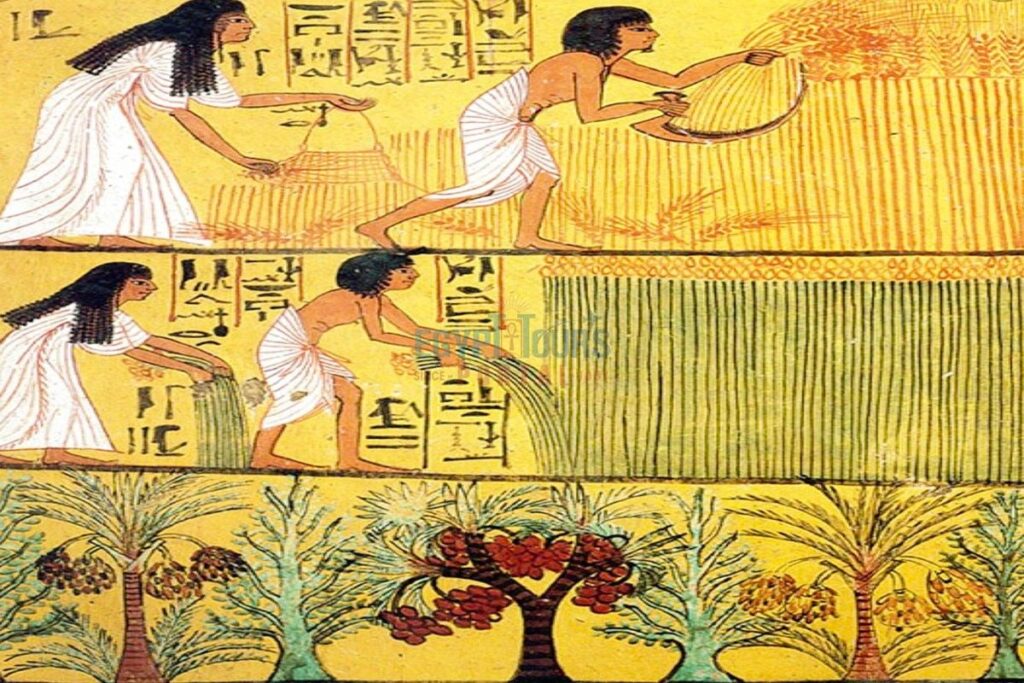
The Nile River was the foundation of Ancient Egyptian civilization, so celebrations connected with water, fertility, agriculture, and the annual flooding of the river were extremely important. Although the modern idea of a single “Nile Festival” does not correspond to every ancient period, Egyptian religious traditions frequently connected the Nile and agricultural renewal with divine forces. These traditions formed an important part of Ancient Egyptian festivals and agricultural celebrations.

Egypt depended on the annual flooding of the Nile to bring fertile soil to the agricultural fields. The success of the flood influenced food production, economic stability, and the survival of communities throughout the country.

The Egyptians associated natural fertility with several gods and goddesses. Hapi, the personification of the Nile flood, was especially important. He was represented as a figure associated with abundance, fertility, and the life-giving waters of the river.

Offerings could be presented to gods connected with the Nile, agriculture, and fertility. Egyptians offered food, flowers, drink, and other items as expressions of gratitude and religious devotion.

Agricultural celebrations could also involve music, dancing, communal meals, and religious rituals. Such activities allowed communities to celebrate the renewal of nature and the beginning of another agricultural cycle.

The Nile was also important for transportation during festivals. Sacred boats could carry religious images along the river, allowing ceremonies to connect different temples and communities.

Agricultural themes appeared throughout Egyptian religious symbolism. Plants, grain, water, lotus flowers, and fertility imagery were frequently represented in temples, tombs, and religious objects.

The relationship between the Nile and Egyptian celebrations demonstrates how closely religion was connected with the natural environment. Egyptians depended on predictable agricultural cycles and therefore incorporated nature into their religious worldview.

Farmers could experience these celebrations as expressions of hope for successful crops, abundant harvests, and continued prosperity. For the wider population, festivals provided opportunities for social gatherings and entertainment.

The importance of the Nile demonstrates why Ancient Egyptian agriculture, religion, festivals, and daily life cannot be separated. The river was more than a source of water; it was the foundation of Egyptian society.

Through religious traditions connected with Hapi, fertility, and agricultural renewal, Egyptians celebrated the natural forces that sustained their civilization. These traditions remain an important part of understanding Ancient Egyptian festivals, farming, Nile cultur, and religious beliefs.

7. The Festival of Wepet-Renpet and the Ancient Egyptian New Year

The beginning of a new year was an important occasion in Ancient Egyptian culture, and the Egyptian New Year was closely connected with the agricultural cycle, the Nile, and religious beliefs. The ancient Egyptian calendar was organized around the natural environment and the annual flooding of the Nile. The New Year was known as Wepet-Renpet, meaning the “Opening of the Year,” and it represented renewal, hope, and the beginning of a new cycle.

Wepet-Renpet was associated with the beginning of the civil year and was an important time for religious observances. The celebration was connected with the rising of the star Sirius, known to the Egyptians as Sopdet. Its appearance in the early morning sky was closely associated with the approaching annual inundation of the Nile.

The Nile flood was essential to Egyptian agriculture. When the river overflowed its banks, it deposited fertile soil across the fields. This allowed farmers to grow crops such as wheat and barley. As a result, the beginning of a new agricultural cycle naturally became a time for religious celebration.

The New Year was also associated with ideas of renewal and protection. Egyptians could make offerings to gods, participate in temple rituals, and celebrate the continuation of life. Religious ceremonies helped ensure that the coming year would bring prosperity and stability.

Food and drink were important parts of celebrations. Families could prepare special meals and participate in social gatherings. Religious offerings could include bread, beer, fruits, vegetables, and other agricultural products.

Music, dancing, and processions could also form part of religious celebrations associated with the new year. Temples served as important centers where priests performed rituals and honored the gods.

The celebration of Wepet-Renpet demonstrates the close relationship between Ancient Egyptian calendar, religion, agriculture, Nile flooding, and festivals. The passage from one year to another was not simply a measurement of time; it represented the continuation of the natural and religious order.

For Egyptians, the new year provided an opportunity to look forward to another cycle of farming, religious worship, family life, and community activity. Ancient Egyptian New Year traditions therefore reflected the civilization’s deep dependence on nature and its belief in renewal, stability, and cosmic order.

8. The Heb-Sed Festival and Royal Celebrations

The Heb-Sed Festival was one of the most important royal celebrations in Ancient Egypt. Unlike festivals dedicated primarily to a particular god, the Sed Festival focused on the renewal of the pharaoh’s physical strength, authority, and ability to rule. It demonstrates how Ancient Egyptian festivals, royal ceremonies, religion, politics, and athletic traditions could be combined.

The festival was traditionally associated with the renewal of the king’s power after many years of rule. The first major celebration was generally connected with the king’s thirtieth year on the throne, although later celebrations could occur at shorter intervals.

One of the most famous parts of the ceremony was a symbolic running ritual. The pharaoh ran around a designated course, demonstrating that he still possessed the physical strength necessary to rule Egypt. This activity connected Ancient Egyptian sports and festivals with royal ideology.

The king also participated in various ceremonial rituals and appeared before representatives of the gods and Egyptian people. Religious ceremonies reinforced the idea that the pharaoh’s authority came from divine sources.

Temples and royal monuments could be decorated with scenes representing the festival. These reliefs show the king performing rituals, wearing ceremonial clothing, receiving offerings, and participating in symbolic activities.

Music and ceremony were important throughout the celebration. Priests, musicians, and officials contributed to the formal atmosphere. Processions and religious performances reinforced the connection between the king, the gods, and the Egyptian state.

The Heb-Sed Festival also symbolized renewal. Egyptians believed that maintaining the strength of the pharaoh was essential for maintaining Ma’at, the principle of cosmic balance, order, and justice.

The festival demonstrates the importance of physical ability in Egyptian royal ideology. The king was expected to be strong enough to protect the country, lead the army, maintain order, and communicate with the gods.

Royal celebrations such as the Sed Festival were therefore much more than entertainment. They served political, religious, and symbolic purposes.

The Heb-Sed Festival in Ancient Egypt provides an excellent example of how festivals could reinforce royal authority while celebrating renewal and continuity. It also demonstrates the relationship between Ancient Egyptian kingship, religion, athletic traditions, ceremonies, and cultural identity.

Ancient Egypt – Education System

9. Music, Dance, and Entertainment During Egyptian Festivals

Music and dance were essential elements of many Ancient Egyptian festivals and celebrations. Although religious rituals were at the center of major festivals, Egyptians also enjoyed performances, singing, dancing, food, and social gatherings. These activities helped transform religious occasions into major community events.

Musicians used many different instruments during festivals. Harps, flutes, lutes, drums, tambourines, clappers, and sistrums were among the instruments known from Ancient Egypt. The sistrum was particularly important during religious ceremonies connected with goddesses such as Hathor.

Singers could perform hymns dedicated to gods and goddesses. Religious songs praised divine powers and expressed devotion. Other forms of singing may have provided entertainment during banquets and public celebrations.

Dancers also played an important role. Egyptian tomb paintings and temple reliefs show groups of dancers performing alongside musicians. Their movements could be energetic, graceful, or ceremonial depending on the occasion.

Festivals provided opportunities for professional performers to demonstrate their skills. Musicians and dancers could be employed by temples, royal households, or wealthy families. Their performances contributed to the cultural importance of major celebrations.

Food and drink added another dimension to festival entertainment. Egyptians prepared bread, beer, wine, meat, fish, fruits, vegetables, and sweets for religious offerings and communal meals. Sharing food helped strengthen family and community relationships.

Decorations also contributed to the atmosphere. Temples and festival spaces could be decorated with flowers, plants, banners, and religious symbols. Participants could wear fine clothing, jewelry, perfumes, and floral garlands.

Public processions were especially impressive. Sacred statues could be carried by priests while musicians and participants followed. Crowds gathered to watch the procession and participate in the surrounding celebration.

The combination of Ancient Egyptian music, dancing, food, religion, and festivals demonstrates that Egyptian celebrations were multi-sensory experiences. People could hear music, see colorful processions, smell perfumes and flowers, taste special foods, and participate in religious traditions.

These activities also strengthened social connections. Festivals gave Egyptians opportunities to meet relatives, friends, neighbors, and members of their wider communities.

Therefore, music and entertainment in Ancient Egyptian festivals were not simply additions to religious ceremonies. They were central elements of the social and cultural experience, helping Egyptians celebrate their gods, traditions, families, and communities.

Ancient Egypt Education

10. Food, Feasting, and Community Celebrations in Ancient Egypt

Food and feasting were important parts of Ancient Egyptian festivals and celebrations. Religious occasions provided opportunities for people to prepare special meals, make offerings to the gods, and share food with family members and communities. Since Egyptian society depended heavily on agriculture, food had both practical and religious importance.

Bread and beer were among the most common foods in Ancient Egypt. They were produced from grain and were consumed by people from different social groups. During festivals, larger quantities of food could be prepared for religious offerings and communal gatherings.

Meat was also associated with special occasions, particularly among wealthier Egyptians. Beef, poultry, fish, and other foods could be prepared for large meals. Fruits, vegetables, dates, figs, grapes, and other agricultural products added variety to festival meals.

Food offerings were an important part of Egyptian religion. Priests presented food and drink to the gods as part of temple rituals. Egyptians believed that offerings helped maintain the relationship between humans and the divine world.

Feasting also had an important social function. Families and communities could gather together during festivals, sharing meals and enjoying music and entertainment. These gatherings strengthened relationships and created a sense of community.

Wealthy Egyptians could organize elaborate banquets featuring decorated furniture, musicians, dancers, flowers, perfumes, and large quantities of food. Tomb paintings frequently show these celebrations, providing valuable information about Ancient Egyptian food, dining, entertainment, and social customs.

Flowers and perfumes were often associated with celebrations. Lotus flowers could be worn or displayed, while scented oils were used by participants. These details created a pleasant and festive atmosphere.

Food also had a funerary connection. During festivals honoring the dead, families could bring offerings to tombs and share meals near the burial place. This allowed the living to maintain a relationship with deceased relatives.

The importance of food demonstrates how Ancient Egyptian agriculture and festivals were closely connected. Successful harvests made celebrations possible, while religious festivals expressed gratitude for the resources provided by the Nile and fertile land.

Through food, offerings, feasting, and communal meals, festivals became opportunities for both religious devotion and social enjoyment. Ancient Egyptian festival food and celebrations therefore reveal how religion, agriculture, family life, and entertainment were deeply interconnected.

Ancient Egypt Education

11. Religious Processions and Temple Celebrations

Religious processions were among the most spectacular features of Ancient Egyptian festivals. During important celebrations, sacred statues representing gods and goddesses could be carried from temples or transported along the Nile in ceremonial boats. These processions allowed religious traditions to move beyond the inner temple and become visible to larger communities.

Egyptian temples were considered sacred homes of the gods. Normally, the most sacred areas were accessible only to priests and authorized individuals. During certain festivals, however, divine images could be carried outside the temple in carefully organized processions.

Priests carried or accompanied sacred images while musicians played instruments such as drums, flutes, harps, and sistrums. Singers and dancers could also participate. The combination of movement, music, religious symbols, and crowds created a powerful ceremonial experience.

Ceremonial boats were especially important during festivals associated with the Nile. Sacred statues could be placed inside specially decorated vessels and transported along the river. The boats were often richly decorated and accompanied by other vessels.

The Opet Festival provides one of the best examples of this tradition. Sacred images associated with Amun and other Theban deities were transported between major temples. The journey represented divine renewal and strengthened the connection between the gods and the pharaoh.

Processions could also take place on land. Participants moved along established routes while crowds gathered to watch. People could pray, make offerings, sing, and participate in the wider celebration.

Religious processions also strengthened the social importance of temples. They connected religious institutions with ordinary communities and allowed people to participate in public expressions of faith.

Royal participation could add another important dimension. The pharaoh’s presence demonstrated his role as an intermediary between the gods and the Egyptian people.

Decorations, clothing, flowers, perfumes, and ceremonial objects added visual and sensory elements to these events.

Ancient Egyptian religious processions therefore combined worship, music, art, politics, and community participation. They transformed festivals into public spectacles that reinforced religious beliefs and social identity.

These processions remain important to the study of Ancient Egyptian religion and festivals, because temple reliefs and inscriptions preserve detailed information about the rituals, participants, sacred boats, gods, and ceremonies involved.

12. The Cultural Importance of Ancient Egyptian Festivals and Celebrations

Festivals and celebrations played a major role in Ancient Egyptian culture, religion, and society. They brought together religious beliefs, music, dance, food, processions, family traditions, agriculture, royal authority, and community life. Through these celebrations, Egyptians maintained their relationship with the gods while also creating opportunities for entertainment and social interaction.

Religious festivals honored important gods and goddesses such as Amun, Osiris, Hathor, Isis, Horus, and many local deities. Each celebration could have its own rituals, processions, songs, offerings, and traditions.

Festivals also reflected important Egyptian ideas about life, death, fertility, renewal, and cosmic order. Celebrations connected with Osiris emphasized resurrection and the afterlife, while festivals connected with Hathor emphasized joy, music, fertility, and celebration.

The Nile and agriculture were also deeply connected with Egyptian festival traditions. The annual flooding of the Nile provided fertile soil and allowed crops to grow. Religious celebrations reflected the importance of water, fertility, harvests, and renewal.

Royal festivals reinforced the authority of the pharaoh. Events such as the Heb-Sed Festival presented the king as physically powerful, divinely supported, and capable of maintaining order in Egypt.

Music and entertainment made festivals enjoyable social experiences. Musicians, dancers, singers, and performers could entertain large crowds, while food and drink encouraged communal participation.

Festivals also strengthened family relationships. People could gather with relatives, remember deceased family members, visit tombs, make offerings, and share meals.

Public celebrations helped create a common Egyptian cultural identity. People from different occupations and communities participated in traditions that connected them with their religion and history.

Archaeological evidence, including temple reliefs, inscriptions, tomb paintings, religious texts, statues, and ceremonial objects, allows historians to reconstruct many aspects of these celebrations.

Ultimately, Ancient Egyptian festivals and celebrations were much more than religious events. They were important social and cultural institutions that connected people with their gods, rulers, families, communities, and natural environment.

Studying these traditions provides a deeper understanding of Ancient Egyptian religion, festivals, music, dance, food, agriculture, mythology, royal ceremonies, and daily life, revealing a civilization in which celebration and religious belief were closely connected.

Frequently Asked Questions

Some important Ancient Egyptian festivals included the Opet Festival, the Beautiful Festival of the Valley, festivals of Osiris and Hathor, the Heb-Sed Festival, and celebrations connected with the Nile, agriculture, and the Egyptian calendar. Different cities and temples also had their own local festivals.

During festivals, Egyptians participated in religious processions, music, dancing, singing, feasting, offerings, prayers, and public celebrations. Sacred statues could be carried outside temples, while musicians and dancers helped create a festive atmosphere.

Festivals allowed Egyptians to honor their gods and goddesses and maintain a relationship between the divine and human worlds. They also celebrated important ideas such as fertility, renewal, death, resurrection, protection, and cosmic order.

Yes. Although priests controlled many religious rituals inside temples, ordinary Egyptians could participate in public celebrations, processions, feasting, music, dancing, and other activities surrounding major festivals. Festivals provided important opportunities for community and family gatherings.

Music, dancing, food, and drink were major parts of many celebrations. Egyptians used harps, drums, flutes, tambourines, and sistrums during ceremonies and performances. Bread, beer, meat, fish, fruits, and vegetables were used for religious offerings and communal feasts, making festivals both religious and social occasions.