
Welcome to

Ancient Egypt Food and Diet

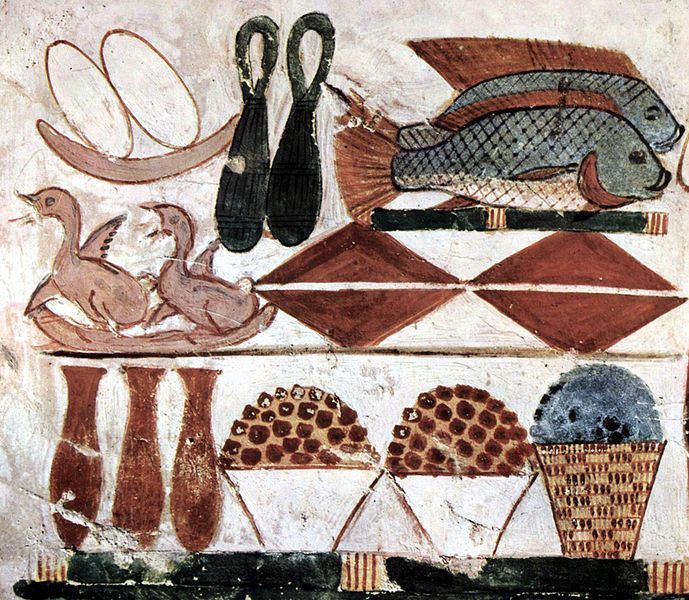
Food and diet were fundamental to life in Ancient Egypt, supporting one of the world’s most successful and enduring civilizations. Thanks to the fertile lands surrounding the Nile River, the ancient Egyptians enjoyed a diverse and nutritious diet based on agriculture, fishing, livestock, and trade. Their food culture reflected the natural resources of the Nile Valley, social status, religious traditions, and seasonal agricultural cycles. From bread and beer to fruits, vegetables, fish, and meat, Ancient Egyptian cuisine played a vital role in daily life, religious ceremonies, and economic prosperity.

The staple foods of Ancient Egypt were bread and beer, which formed the foundation of the Egyptian diet for both rich and poor. Bread was produced in many varieties using wheat and barley, while beer served as a common beverage consumed by adults and children alike. These essential foods provided much of the daily nutrition needed to sustain farmers, craftsmen, laborers, and royal households throughout the kingdom.

Ancient Egyptians also consumed a wide range of fruits and vegetables, including onions, garlic, lettuce, cucumbers, lentils, beans, dates, figs, pomegranates, grapes, and melons. Fish from the Nile River was a major source of protein, while wealthier Egyptians enjoyed beef, mutton, goat, poultry, duck, and goose more frequently. Honey was the primary sweetener used in food preparation, desserts, and medicinal treatments, while herbs and spices added flavor to various dishes.

Food was closely connected to religion and social customs. Offerings of bread, beer, meat, fruits, and vegetables were regularly presented to the gods in temples and placed in tombs to provide nourishment for the deceased in the afterlife. Banquets and festivals often featured elaborate meals, music, entertainment, and communal dining, reflecting the importance of food in both spiritual and social life.

In this guide, we explore Ancient Egypt food and diet, including staple foods, agriculture, bread making, beer production, fruits, vegetables, meat consumption, cooking methods, religious food offerings, and the nutritional habits that helped sustain one of history’s greatest civilizations. Discover how the rich food culture of Ancient Egypt shaped daily life along the banks of the Nile.

1. The Importance of Food in Ancient Egyptian Civilization

Food was one of the most important aspects of Ancient Egyptian daily life, influencing agriculture, economy, religion, and social relationships. The ability to produce enough food was essential for maintaining a stable population and supporting the development of cities, temples, and government institutions. Because of the Nile River and successful farming techniques, Ancient Egypt became one of the most productive agricultural societies in the ancient world.

The Egyptian economy was largely based on agricultural production. Farmers cultivated large quantities of grain, vegetables, fruits, and other crops that supplied food for families, workers, soldiers, priests, and royal officials. Grain was especially valuable because it could be stored for long periods and used as a form of payment for workers and government employees.

Food production also supported Egypt’s famous construction projects. The workers who built pyramids, temples, and royal tombs received regular food supplies, including bread, beer, onions, fish, and vegetables. These provisions allowed thousands of laborers to work on large-scale projects throughout the kingdom.

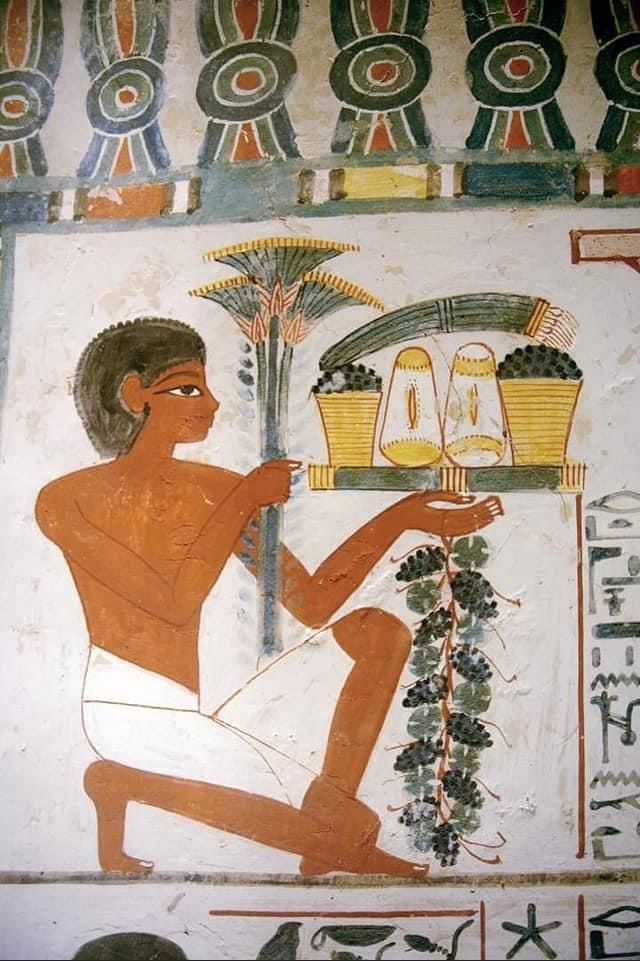
Food had a strong connection with religion. Ancient Egyptians believed that gods controlled natural forces such as fertility, harvests, and the annual Nile flood. Temples received large quantities of food offerings, including bread, meat, fruits, wine, and beer, which were presented during religious ceremonies. After rituals, some offerings were distributed among priests and temple workers.

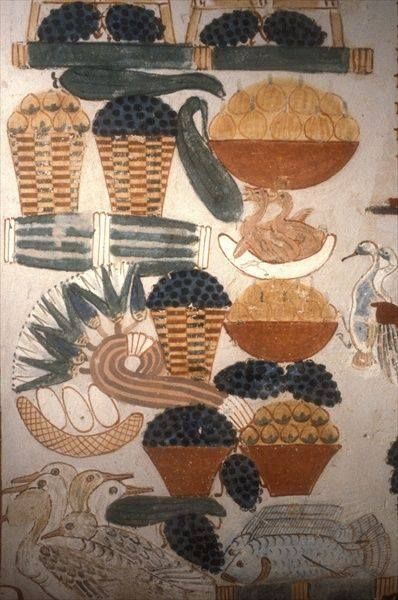
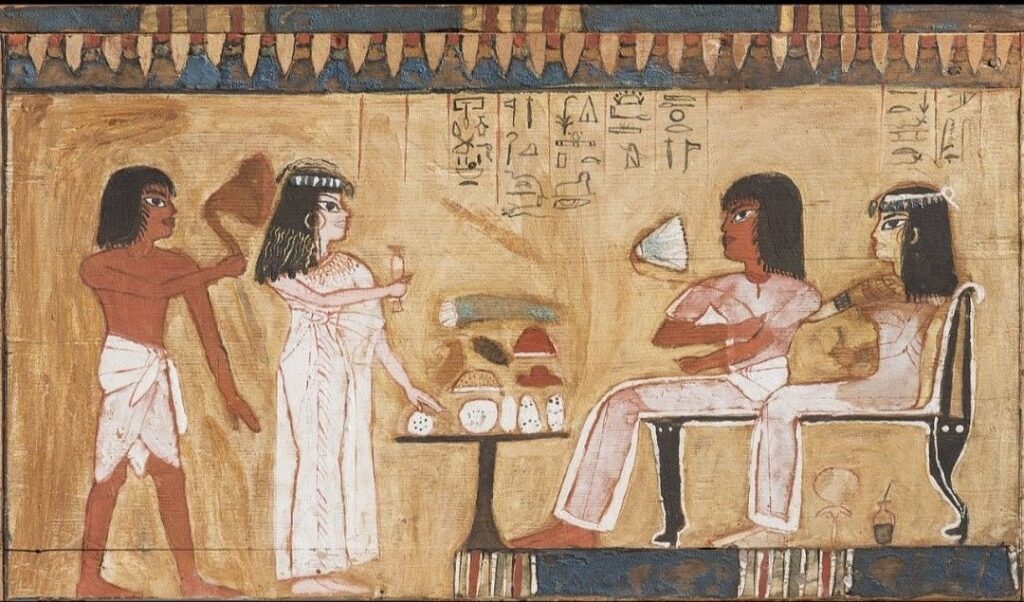
The importance of food continued into beliefs about the afterlife. Egyptians placed food and drink inside tombs because they believed the deceased needed nourishment in the next world. Tomb paintings often show scenes of farming, hunting, fishing, and preparing meals, reflecting the desire for eternal abundance.

Food also played a role in social gatherings and celebrations. Festivals, weddings, and special occasions included large meals with music, dancing, and entertainment. Sharing food strengthened relationships between families, communities, and religious groups.

The successful food system of Ancient Egypt demonstrates how agriculture shaped every part of society. From the fields of farmers to the tables of Pharaohs, food was a symbol of life, prosperity, and connection between humans, nature, and the gods.
2. Bread and Beer: The Foundation of the Ancient Egyptian Diet

Among all foods consumed in Ancient Egypt, bread and beer were the most important and widespread. These two foods formed the foundation of the daily diet for people from nearly every social class, including farmers, workers, craftsmen, soldiers, priests, and even members of the royal family. Their importance was so great that they became symbols of nourishment, prosperity, and everyday life.

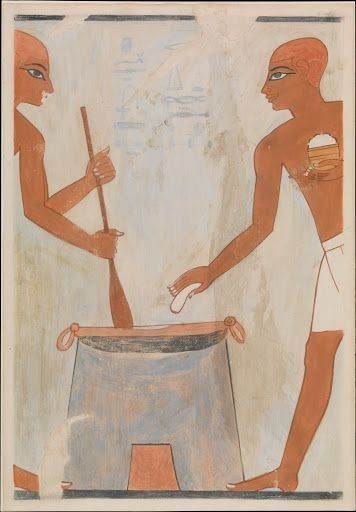
Bread was produced mainly from wheat and barley, two of the most important crops grown along the Nile Valley. Egyptian farmers cultivated grain during the agricultural seasons, then transported harvested grain to bakeries where it was ground into flour. Women often played a major role in bread preparation, grinding grain, mixing dough, shaping loaves, and baking them in clay ovens.

Ancient Egyptians produced many different types of bread. Some loaves were simple and flat, while others were shaped into decorative forms for religious ceremonies or special occasions. Wealthy households could enjoy bread made with higher-quality ingredients, while ordinary families consumed simpler varieties.

Beer was equally important and was considered a basic food source rather than only an alcoholic drink. Egyptian beer was thicker and more nutritious than modern beer because it contained grains and provided calories. It was consumed daily and was often safer than drinking untreated water from the Nile.

Workers received bread and beer as part of their wages. Records from workers’ villages show that laborers involved in building royal tombs and monuments were regularly supplied with these essential foods. Government officials also used bread and beer distributions to organize large labor forces.

Bread and beer were closely connected to religion as well. Egyptians offered them to gods in temples and placed them in tombs to provide nourishment for the deceased. Many ancient inscriptions use expressions similar to “bread and beer” as a symbol of having enough resources for a good life.

The importance of bread and beer demonstrates how food shaped Egyptian society. These simple but essential products supported the population, strengthened the economy, and became lasting symbols of life and prosperity in Ancient Egypt.
3. Crops and Agricultural Products in Ancient Egypt

The success of the Ancient Egyptian diet depended heavily on the agricultural wealth created by the Nile River. Egyptian farmers developed advanced farming techniques that allowed them to cultivate a wide variety of crops throughout the fertile Nile Valley. These agricultural products provided the basic ingredients for daily meals and supported the economy of the entire civilization.

The most important crops were wheat and barley. Wheat was primarily used for making bread, while barley was used for producing beer. These grains were considered essential resources and were carefully stored in government and temple granaries to ensure food supplies throughout the year.

Vegetables were another important part of the Ancient Egyptian diet. Farmers grew onions and garlic, which were among the most commonly consumed foods. Egyptians also cultivated lettuce, cucumbers, beans, lentils, peas, radishes, and leeks. These vegetables provided important nutrients and were eaten by both ordinary families and wealthy households.

Fruit was highly valued, especially among wealthier Egyptians. Dates, figs, grapes, pomegranates, and melons were popular fruits grown in gardens and orchards. Grapes were particularly important because they were used to produce wine, a drink often associated with celebrations, religious ceremonies, and elite households.

Flax was another significant agricultural product. Although it was not eaten, it played an essential role in Egyptian life because it was used to produce linen clothing, ropes, fishing nets, and burial materials. The production of flax contributed to Egypt’s textile industry and trade.

Papyrus plants growing near the Nile were also valuable. Egyptians used papyrus to create writing material, boats, baskets, mats, and other household items.

The variety of crops produced in Ancient Egypt created a balanced food system that supported different social classes. While farmers consumed mainly bread, vegetables, and beer, nobles and royalty enjoyed a wider range of foods, including fruits, meat, and luxury products.

The agricultural achievements of Ancient Egypt demonstrate the importance of the Nile River and the remarkable skills of Egyptian farmers. Their ability to produce abundant crops allowed the civilization to grow, prosper, and maintain a stable food supply for thousands of years.
4. Meat, Fish, and Animal Products in Ancient Egyptian Diet

Although plant-based foods such as bread, vegetables, and grains formed the foundation of the Ancient Egyptian diet, animal products also played an important role in Egyptian food culture. Meat, fish, milk, and eggs provided valuable sources of protein and were especially important during religious festivals, celebrations, and special occasions. However, access to animal products depended greatly on social status, with wealthy Egyptians enjoying more frequent consumption than ordinary farmers.

Fish from the Nile River was one of the most common sources of animal protein in Ancient Egypt. The Nile provided abundant fish, making it accessible to many communities living along its banks. Fishermen used nets, hooks, and wooden boats to catch different types of fish, including tilapia, catfish, and mullet. Fish could be eaten fresh, dried, or salted to preserve it for later use. For many ordinary Egyptians, fish was a regular part of their daily meals.

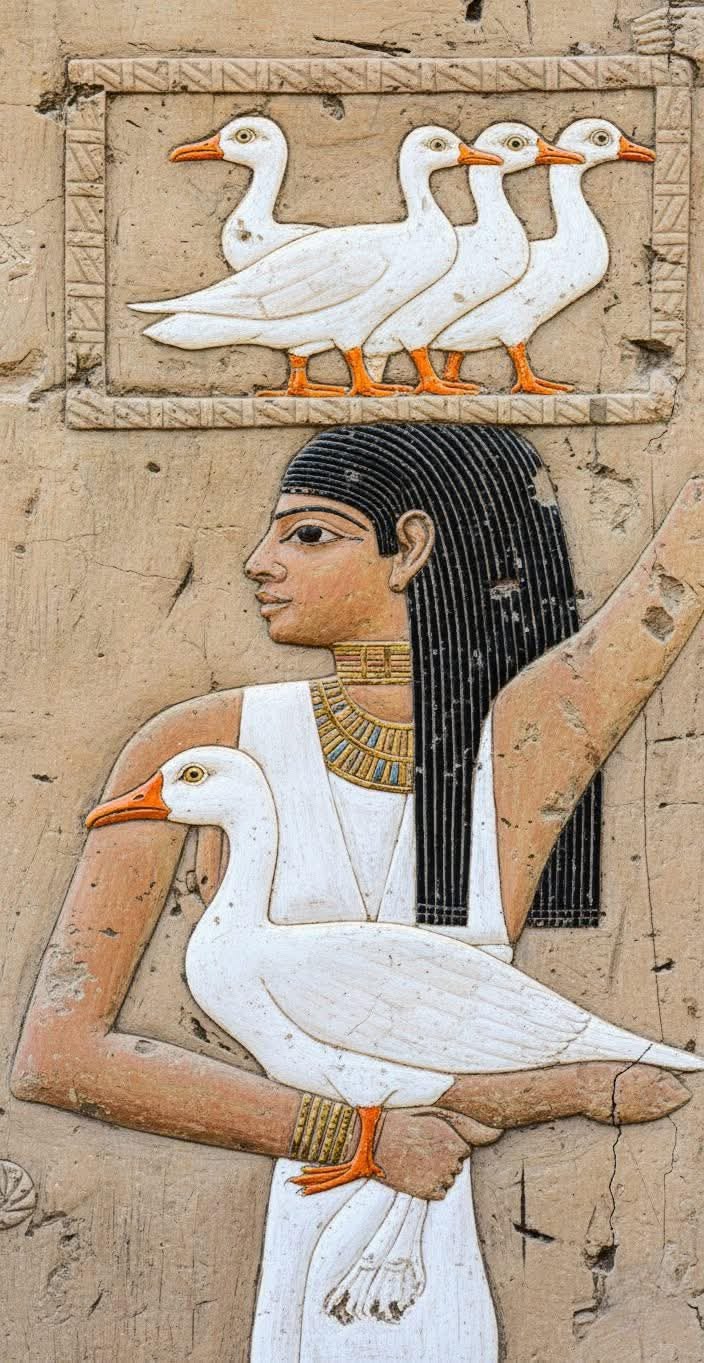
Poultry was also widely consumed. Egyptians raised ducks, geese, pigeons, and chickens for meat and eggs. Birds were commonly kept around homes and farms, providing families with a reliable source of food. Wealthy households often enjoyed larger quantities of poultry prepared for banquets and celebrations.

Cattle were highly valued in Ancient Egypt because they provided meat, milk, leather, and agricultural assistance. Beef was considered a luxury food and was mainly eaten by wealthy families, priests, and royalty. Cattle were also important in religious ceremonies, where selected animals were sometimes offered to the gods.

Sheep and goats provided additional sources of meat and dairy products. Goat and sheep milk were consumed as drinks or used to produce other foods. Their wool and hides were also valuable for producing clothing and household items.

Hunting contributed to the variety of animal foods available in Ancient Egypt. Wealthy Egyptians hunted birds, antelope, and other wild animals in the Nile marshes and desert areas. Hunting scenes shown in tomb paintings demonstrate that it was both a practical activity and a symbol of status.

Animal products were closely connected with Egyptian celebrations and religious traditions. Large feasts often included roasted meat, poultry, fish, bread, fruits, and beer. Temples received animal offerings during ceremonies, and food distribution played an important role in religious life.

The use of meat and animal products reveals the diversity of the Ancient Egyptian food system. While grains and vegetables supported everyday survival, animal foods added variety, nutrition, and cultural importance to Egyptian meals.

5. Fruits, Vegetables, and Spices Used in Ancient Egypt

Fruits, vegetables, and herbs were essential components of the Ancient Egyptian food and diet, providing flavor, nutrition, and variety to daily meals. Thanks to the fertile soil created by the Nile River, Egyptian farmers were able to cultivate many different plants that became important parts of Egyptian cuisine. These foods were consumed by all levels of society, although wealthier Egyptians usually had access to a wider selection.

One of the most important vegetables in Ancient Egypt was the onion. Egyptians valued onions not only as food but also for their medicinal and symbolic importance. Garlic was another essential ingredient and was believed to provide strength and health. Workers involved in building pyramids and monuments reportedly received onions and garlic as part of their food supplies because these foods were considered beneficial for energy.

Other commonly grown vegetables included lettuce, cucumbers, beans, peas, lentils, radishes, and leeks. These vegetables were eaten fresh, cooked, or combined with grains to create filling meals. Legumes such as lentils and beans provided important sources of protein, especially for families who rarely consumed meat.

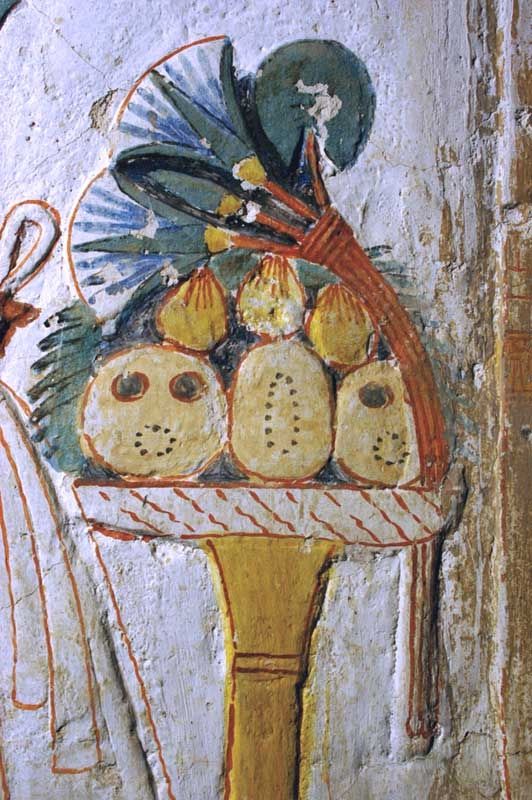
Fruit was highly appreciated in Ancient Egypt. Dates were among the most popular fruits because they were naturally sweet, easy to store, and provided energy. Figs were also common and could be eaten fresh or dried for preservation. Grapes were widely cultivated and used to produce wine, especially among nobles and temple communities. Pomegranates and melons were considered valuable fruits and were often associated with gardens and wealth.

Herbs and spices enhanced the taste of Egyptian food. Egyptians used ingredients such as coriander, cumin, dill, fennel, and sesame seeds to flavor dishes and prepare medicinal mixtures. Honey was another important ingredient used as a natural sweetener because sugar was unknown in Ancient Egypt.

Nuts and seeds, including dates seeds, sesame, and various grains, were also used in cooking and food preparation. These ingredients added flavor and nutritional value to meals.

Food availability depended on seasons and agricultural success. During periods of abundant harvests, Egyptians enjoyed a rich variety of fruits and vegetables, while difficult years required careful storage of dried and preserved foods.

The wide range of plant foods in the Ancient Egyptian diet demonstrates the agricultural knowledge of Egyptian farmers and their ability to create a diverse and healthy food system thousands of years ago.

6. Cooking Methods and Food Preparation Techniques in Ancient Egypt

The cooking methods of Ancient Egypt reveal the creativity and practical knowledge of Egyptian households. Preparing food was an important daily activity, especially for families who depended on locally available ingredients from farms, gardens, rivers, and markets. Ancient Egyptians developed simple but effective cooking techniques that allowed them to prepare nutritious meals using grains, vegetables, fruits, meat, and fish.

Bread production was one of the most important food preparation activities. Women often played a major role in making bread by grinding grain into flour using stone tools, mixing the flour with water and sometimes yeast, shaping the dough, and baking it in clay ovens. Different types of bread were produced, ranging from simple everyday loaves to decorated breads used during religious ceremonies and celebrations.

Cooking was usually done using clay ovens, fireplaces, and simple cooking equipment. Egyptians used pottery vessels for boiling, baking, and storing food. Large clay jars were essential for preserving grains, liquids, and fermented products. Cooking pots made from clay or stone were used to prepare soups, stews, and vegetable dishes.

Meat and fish were prepared in several ways. They could be roasted over fire, boiled, dried, or preserved with salt. Fish preservation was especially important because it allowed communities along the Nile to store food for periods when fresh supplies were unavailable.

Vegetables were commonly boiled, baked, or eaten raw depending on the type of food. Legumes such as beans and lentils were often cooked into thick stews that provided filling and nutritious meals for families. Fruits were eaten fresh, dried, or used in sweet preparations with honey.

Beer production was another important food process. Egyptians made beer from fermented barley bread mixed with water. The mixture was allowed to ferment before being filtered and stored in large pottery jars.

Food storage was essential because agricultural production was seasonal. Egyptians dried fruits, preserved fish, stored grain, and kept food supplies in sealed containers to protect them from insects and spoilage.

Cooking was not only a practical activity but also a social and cultural tradition. Families gathered around meals, religious ceremonies included food offerings, and large feasts strengthened community relationships.

The cooking techniques of Ancient Egypt demonstrate the civilization’s ability to use available resources efficiently. Their methods created a diverse food culture that supported both everyday life and important social traditions.

7. Daily Meals and Eating Habits of Ancient Egyptians

The daily meals and eating habits of Ancient Egyptians reflected their agricultural lifestyle, social traditions, and close connection with the Nile River. Food was an essential part of everyday life, providing energy for workers, supporting family relationships, and playing an important role in religious and social activities. Although meals varied depending on wealth and occupation, most Egyptians relied on a combination of grains, vegetables, fruits, fish, and beverages that were available throughout the year.

The typical meal of an ordinary Egyptian family was based on bread and beer, which were considered the most important sources of nutrition. Bread provided carbohydrates and energy, while beer supplied additional calories and nutrients. These foods were consumed by farmers, craftsmen, laborers, and even children as part of their regular diet.

Breakfast was usually a simple meal eaten before starting daily activities. Workers often ate bread with onions, garlic, dates, or vegetables, accompanied by beer. Farmers and laborers needed foods that provided enough energy for long hours of physical work in the fields, workshops, or construction sites.

The main meal of the day was often eaten later and included a variety of available foods. Families might enjoy bread, vegetables, lentils, beans, fish, fruits, and occasionally meat. Wealthier households had access to more diverse meals that included poultry, beef, wine, and imported ingredients.

Meals were usually eaten while sitting on mats, stools, or simple furniture. Food was commonly served in pottery bowls, and people often used their hands to eat. Families gathered together during meals, creating opportunities for conversation and strengthening relationships.

Food preparation was mainly managed within the household. Women were often responsible for grinding grain, baking bread, preparing vegetables, and producing beer. Larger households belonging to nobles and temples had professional cooks who prepared complex meals for many people.

Festivals and celebrations included much larger meals. Religious ceremonies, weddings, and special events featured abundant food such as roasted meat, bread, fruits, sweets, and wine. Sharing food during these occasions helped strengthen social bonds and community connections.

Ancient Egyptians also believed food had importance beyond daily survival. They placed food offerings in tombs and temples because they believed nourishment continued in the afterlife. Tomb paintings frequently show scenes of farming, food preparation, hunting, and feasting.

The eating habits of Ancient Egyptians demonstrate how food was deeply connected to work, family, religion, and culture. Their balanced diet and organized food system helped support one of the longest-lasting civilizations in history.

8. Food Differences Between Social Classes in Ancient Egypt

The Ancient Egyptian diet varied greatly depending on a person’s social position, wealth, occupation, and access to resources. Although basic foods such as bread, beer, vegetables, and grains were consumed by most Egyptians, the variety and quality of meals differed significantly between farmers, workers, nobles, priests, and the royal family.

Ordinary Egyptians, including farmers and laborers, depended mainly on locally produced foods. Their daily meals usually consisted of bread made from wheat or barley, beer, onions, garlic, vegetables, beans, lentils, and fish from the Nile River. These foods were affordable, nutritious, and available to most families. Meat was less common and was usually eaten during special celebrations or religious festivals.

Workers involved in large construction projects, such as pyramid builders and tomb craftsmen, received regular food supplies from the government. Records from settlements like Deir el-Medina show that workers were provided with bread, beer, grain, vegetables, fish, and sometimes meat as payment for their labor.

Middle-class Egyptians, including merchants, officials, and skilled craftsmen, enjoyed a more varied diet. They had greater access to fruits, poultry, dairy products, and higher-quality bread. Successful craftsmen and government employees could afford foods that were considered luxuries among ordinary families.

The diet of nobles and wealthy officials was much richer and more diverse. Their households included professional cooks who prepared elaborate meals featuring beef, roasted poultry, fresh fruits, honey-sweetened desserts, fine bread, and wine. Large banquets were common among the elite and were often connected with celebrations, religious events, and important social gatherings.

The Pharaoh and royal family enjoyed the most luxurious foods available in Egypt. Royal kitchens employed many workers responsible for preparing large quantities of food. The palace received products from across the kingdom, including the finest grains, meats, fruits, wines, and imported goods.

Temples also controlled large food resources. Priests received offerings of bread, meat, fruits, and drinks from temple estates. After religious ceremonies, some offerings were distributed among temple workers and priests.

Despite these differences, food remained an important part of Egyptian culture for every social class. Whether a farmer eating bread and onions or a Pharaoh enjoying a royal feast, meals represented survival, prosperity, celebration, and connection with Egyptian traditions.

The differences in diet between social classes reveal the organization of Ancient Egyptian society and show how food reflected wealth, occupation, and social status.

9. Drinks and Beverages in Ancient Egyptian Society

Drinks were an important part of the food culture of Ancient Egypt, providing nutrition, refreshment, and social meaning. While modern people often think of beverages mainly as sources of hydration, Ancient Egyptians viewed certain drinks as essential foods that supported daily life, religious ceremonies, and celebrations. The most famous beverages in Ancient Egypt were beer and wine, but people also consumed water, milk, and various fruit-based drinks.

Beer was the most common beverage in Ancient Egypt and was consumed by nearly all social classes. Unlike modern beer, Egyptian beer was thicker, less alcoholic, and more nutritious because it was made from fermented barley bread mixed with water. It contained valuable calories and nutrients, making it an important part of the daily diet.

Workers received beer as part of their regular wages. Laborers building pyramids, temples, and royal tombs were provided with measured amounts of beer along with bread and other food supplies. This demonstrates how important beer was in maintaining energy and supporting large workforces.

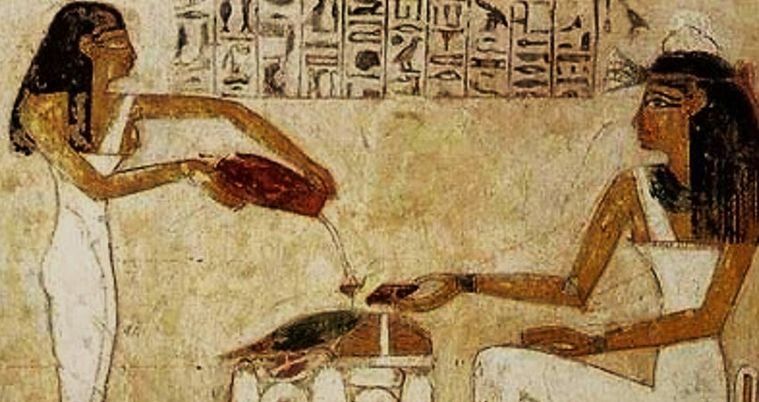
Wine was considered a more luxurious drink and was mainly associated with nobles, priests, and the royal family. Egyptians produced wine from grapes grown in vineyards, especially in regions with suitable conditions such as the Nile Delta. Different varieties of wine were produced, and labels sometimes recorded the year, vineyard, and quality of the wine.

Water from the Nile River was the main source of hydration for most Egyptians. People often filtered or stored water in pottery containers to improve its quality. Communities near canals and wells also used these sources for drinking and household activities.

Milk from cattle, goats, and sheep was another important beverage, especially in rural areas. It provided nutrition and was sometimes used to make dairy products.

Ancient Egyptians also enjoyed sweet drinks made from fruits, honey, and herbs. These beverages were often prepared during festivals and special occasions. Honey was highly valued as a natural sweetener and was used in many food and drink preparations.

Drinks had strong religious significance as well. Beer and wine were offered to gods in temples and placed in tombs as part of burial traditions. Egyptians believed that providing these offerings helped maintain prosperity in both life and the afterlife.

The variety of beverages consumed in Ancient Egypt reflects the civilization’s advanced agricultural system and rich cultural traditions. From everyday beer enjoyed by workers to fine wine served at royal celebrations, drinks were an essential part of Egyptian society.

10. Food in Ancient Egyptian Religion and Afterlife Beliefs

Food had a deep spiritual meaning in Ancient Egyptian religion and beliefs about the afterlife. Egyptians did not view food only as something necessary for physical survival; they believed that nourishment was also important for the soul and continued existence after death. This belief influenced religious ceremonies, temple rituals, burial traditions, and the way Egyptians prepared offerings for gods and deceased family members.

Ancient Egyptians believed that the human being consisted of different spiritual elements, including the ka, which was considered a life force that required nourishment. Because of this belief, families placed food and drink offerings in tombs to provide for the deceased in the afterlife. These offerings often included bread, beer, meat, fruits, vegetables, and wine.

Tomb paintings frequently show scenes of food production, farming, hunting, fishing, and large banquets. These images were not only decorative but were believed to provide the deceased with eternal access to food and abundance. By depicting fields full of crops, tables filled with meals, and workers preparing food, Egyptians hoped to guarantee prosperity in the next world.

Temples also played a major role in the religious food system of Ancient Egypt. Priests presented daily offerings of bread, meat, fruits, vegetables, and beverages to the gods. These offerings were placed before statues of deities during rituals, as Egyptians believed that the gods could receive spiritual nourishment from them. After ceremonies, many offerings were distributed among priests and temple workers.

Certain foods had symbolic meanings in Egyptian religion. Bread represented life and prosperity, while beer symbolized abundance and celebration. Onions and garlic were associated with health and protection, and certain fruits were connected with fertility and renewal.

Religious festivals included large amounts of food and drink. During celebrations honoring gods such as Osiris, Isis, Hathor, and Amun, communities gathered to share meals, listen to music, and participate in ceremonies. These events strengthened the connection between people, their gods, and their traditions.

Food was also important in royal burials. Pharaohs were buried with large quantities of food, containers, and agricultural scenes to ensure that they would have everything needed in the afterlife. The famous tomb of Tutankhamun contained evidence of food storage, vessels, and offerings prepared for the king’s journey into eternity.

The connection between food and religion reveals the deep spiritual importance of eating in Ancient Egypt. Meals represented life, prosperity, and the eternal relationship between humans, nature, and the divine world.

11. Ancient Egyptian Food Preservation and Storage Methods

The ability to preserve and store food was essential for the success of the Ancient Egyptian food system. Because agriculture depended on seasonal cycles, Egyptians needed effective methods to protect food supplies between harvests and during periods when fresh products were unavailable. Their preservation techniques helped maintain food security and supported the growth of cities, temples, armies, and large construction projects.

One of the most important preserved foods was grain. Wheat and barley were harvested in large quantities and stored in government and temple granaries. These storage facilities protected grain from moisture, insects, and spoilage. Large clay containers and specially designed storage rooms allowed Egyptians to keep grain for long periods.

Bread was often prepared regularly, but surplus grain was carefully managed because it represented wealth and stability. Government officials and scribes recorded grain supplies, distributions, and taxes, showing how important food storage was to Egyptian administration.

Fish preservation was another important practice, especially among communities living near the Nile River. Since fish was abundant but could spoil quickly, Egyptians developed methods of drying and salting fish. Dried fish could be transported and stored for extended periods, providing an important source of protein throughout the year.

Fruits were also preserved through drying. Dates, figs, and grapes could be dried under the Egyptian sun, allowing families to enjoy them even outside their growing seasons. Dried fruits were nutritious, easy to transport, and valuable in trade.

Meat preservation included drying, salting, and smoking techniques. Although meat was not eaten daily by most Egyptians, preserved meat allowed wealthier families and temples to store supplies for festivals and special occasions.

Vegetables such as onions and garlic had natural qualities that allowed them to remain fresh for longer periods. These foods were stored in cool areas of homes and agricultural buildings.

Pottery played an essential role in food preservation. Egyptians used clay jars and containers to store grain, beer, wine, oils, fruits, and other products. Some containers were sealed with clay or plant materials to protect their contents.

The Nile climate, combined with Egyptian knowledge of preservation, allowed communities to maintain stable food supplies despite seasonal changes. These methods supported the economy, helped feed workers on major projects, and contributed to the long-term success of Ancient Egyptian civilization.

Ancient Egyptian food storage practices demonstrate their advanced understanding of agriculture, organization, and resource management. Their ability to preserve food was one of the key reasons their civilization remained strong for thousands of years.

12. The Legacy of Ancient Egyptian Food and Diet

The legacy of Ancient Egyptian food and diet continues to influence our understanding of agriculture, nutrition, cooking traditions, and daily life in one of the world’s oldest civilizations. Through archaeological discoveries, tomb paintings, ancient texts, and preserved food remains, historians have gained valuable insights into how Egyptians produced, prepared, and consumed their meals.

Ancient Egypt developed one of the most successful agricultural systems in human history. The relationship between the Nile River, fertile farmland, and skilled farmers created a reliable food supply that supported millions of people. Their agricultural methods, including irrigation systems, crop cultivation, and food storage techniques, influenced farming practices throughout the ancient world.

Many foods commonly associated with Egyptian cuisine today have roots in ancient traditions. Bread, dates, figs, onions, garlic, lentils, beans, and various grains were important parts of the Ancient Egyptian diet and remain popular foods in Egypt and the wider region. The continued use of these ingredients reflects the lasting influence of ancient agricultural practices.

Ancient Egyptians also contributed to the development of food production techniques. Their methods of baking bread, brewing beer, preserving fish, drying fruits, and producing wine demonstrate advanced knowledge of food preparation. These practices reveal a civilization that understood the importance of nutrition, preservation, and resource management.

The study of Ancient Egyptian food provides important information about social organization. Differences between the diets of farmers, workers, priests, nobles, and Pharaohs reveal how food reflected wealth, occupation, and social status. Food was not only a necessity but also a symbol of identity and cultural traditions.

Ancient Egyptian cuisine also played an important role in religious and cultural heritage. Food offerings, festival meals, and burial traditions show how deeply connected food was to Egyptian beliefs about life, death, and the relationship between humans and the gods.

Today, museums and archaeological sites preserve evidence of Ancient Egyptian food culture through pottery vessels, farming tools, paintings, and written records. These discoveries allow modern people to understand how ordinary Egyptians lived and how their food system supported one of history’s greatest civilizations.

The legacy of Ancient Egyptian food and diet reminds us that civilization depends on more than monuments and rulers. It depends on farmers, cooks, workers, and communities who create systems that sustain human life. The foods and traditions of Ancient Egypt continue to inspire historians, researchers, and visitors from around the world.

Frequently Asked Questions

The main foods in Ancient Egypt were bread and beer, which formed the basic diet of most people. Egyptians also ate vegetables, fruits, fish, grains, and occasionally meat.


Yes, Ancient Egyptians ate meat, including beef, poultry, and goat meat, but it was more common among wealthy families and during festivals. Fish from the Nile was a more accessible source of animal protein for ordinary people.


Ancient Egyptians consumed many fruits and vegetables, including dates, figs, grapes, pomegranates, melons, onions, garlic, lettuce, cucumbers, beans, lentils, and peas.

Beer was an important daily beverage because it provided calories and nutrients. Workers often received beer as part of their wages, and it was consumed by people from different social classes.


Food was an important part of Egyptian religion. Egyptians offered food and drinks to gods, placed meals in tombs for the deceased, and used food during religious festivals to maintain connections with the divine world and the afterlife.