
1. Writing and Hieroglyphs as Tools for Preserving Knowledge
Writing was one of the greatest achievements of Ancient Egyptian civilization and played a central role in preserving knowledge for future generations. Egyptians developed hieroglyphic writing around the end of the fourth millennium BCE, and their writing traditions continued to evolve for thousands of years. Through writing, Egyptians were able to record religious beliefs, government administration, economic transactions, medical knowledge, mathematical calculations, historical events, literature, and everyday activities.
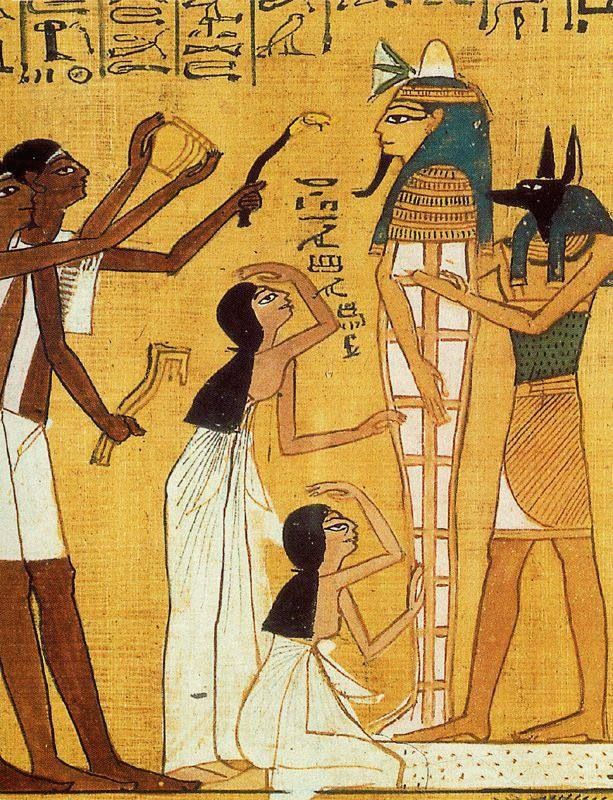
Ancient Egyptian hieroglyphs were composed of signs representing sounds, words, and ideas. They were especially important for religious and monumental inscriptions. Hieroglyphs could be carved into stone walls, columns, statues, tombs, temples, and monuments, making them highly durable forms of written communication.
Egyptians also developed faster writing systems for everyday use. Hieratic script was commonly used by scribes for administrative and religious documents, while Demotic developed later and became widely used for legal, commercial, and everyday writing.
Scribes were responsible for creating and preserving much of Egypt’s written knowledge. They copied important texts, recorded taxes and agricultural production, maintained government records, and prepared religious documents. Becoming a scribe was considered a respected profession because literacy provided access to administrative and intellectual careers.
Papyrus was another major development in Ancient Egyptian writing and knowledge preservation. Made from the papyrus plant that grew along the Nile, papyrus provided a lightweight writing material that could be rolled, stored, and transported. Egyptian scribes used it for letters, contracts, medical texts, stories, mathematical documents, and religious works.
Some important Egyptian texts survived because they were written on durable materials or preserved in dry environments. Tombs and temples also protected many inscriptions from destruction.
The importance of writing extended beyond practical communication. Egyptian texts preserved the names and achievements of kings, religious traditions, scientific observations, and cultural values.
Modern knowledge of Ancient Egypt depends heavily on these surviving written records. By studying Egyptian hieroglyphics, papyri, inscriptions, and manuscripts, historians can reconstruct aspects of Egyptian government, religion, science, medicine, education, and daily life.
The preservation of writing therefore became one of the most important foundations of the Ancient Egyptian intellectual legacy.
2. Scribes and Education in Ancient Egypt
Scribes played a central role in the preservation and transmission of Ancient Egyptian knowledge. They were educated professionals who could read and write, perform calculations, prepare official documents, record economic activities, and copy religious and literary texts. Because literacy was relatively specialized, scribes occupied an important position within Egyptian government and society.
Education for scribes involved extensive practice. Students learned to write hieroglyphic and administrative scripts by copying signs, words, sentences, and passages. They also studied mathematics because scribes needed to calculate taxes, agricultural production, wages, measurements, and building materials.
Many surviving Egyptian school exercises provide evidence of this educational system. Students practiced writing on pieces of pottery called ostraca, papyrus, and wooden boards. Repeated copying helped students develop accurate handwriting and memorize important vocabulary.
Scribal education also included moral instruction. Some Egyptian literary works presented advice about proper behavior, respect for superiors, honesty, discipline, and professional responsibility. These teachings helped preserve social values alongside practical knowledge.
Scribes worked in many areas of Egyptian society. Government officials needed scribes to maintain administrative records, while temples employed scribes to copy religious texts and manage temple property. Military organizations, workshops, and estates also required people capable of reading and writing.
The profession provided opportunities for social advancement. A person who became a successful scribe could obtain an administrative position and potentially achieve a higher social status.
Education was not limited entirely to one institution or standardized school system. Training could take place through apprenticeship and professional instruction, particularly within families and administrative environments.
The transmission of knowledge from experienced scribes to younger students helped maintain Egyptian traditions for generations. Important religious texts, administrative methods, mathematical knowledge, and literary works could be copied repeatedly.
This continuity was essential to the longevity of Egyptian civilization. Even when political dynasties changed, scribal traditions helped preserve cultural practices and institutional knowledge.
The role of Ancient Egyptian scribes and education demonstrates that knowledge preservation required more than writing materials. It depended on trained people who could read, interpret, copy, organize, and teach information.
Through the scribal profession, Egyptians created a system that helped protect their intellectual, religious, administrative, and cultural heritage for thousands of years.
3. Temples and Monuments as Centers of Knowledge Preservation
Temples and monuments were among the most durable methods of Ancient Egyptian knowledge preservation. Unlike papyrus documents, which could deteriorate over time, information carved into stone could survive for thousands of years. Egyptian temples, tombs, statues, obelisks, and monuments therefore became permanent records of religion, history, administration, and culture.
Egyptian temples were not simply places of worship. They were major institutions that controlled land, agricultural resources, workers, workshops, and religious activities. Priests and scribes maintained records related to temple property, offerings, rituals, festivals, and astronomical observations.
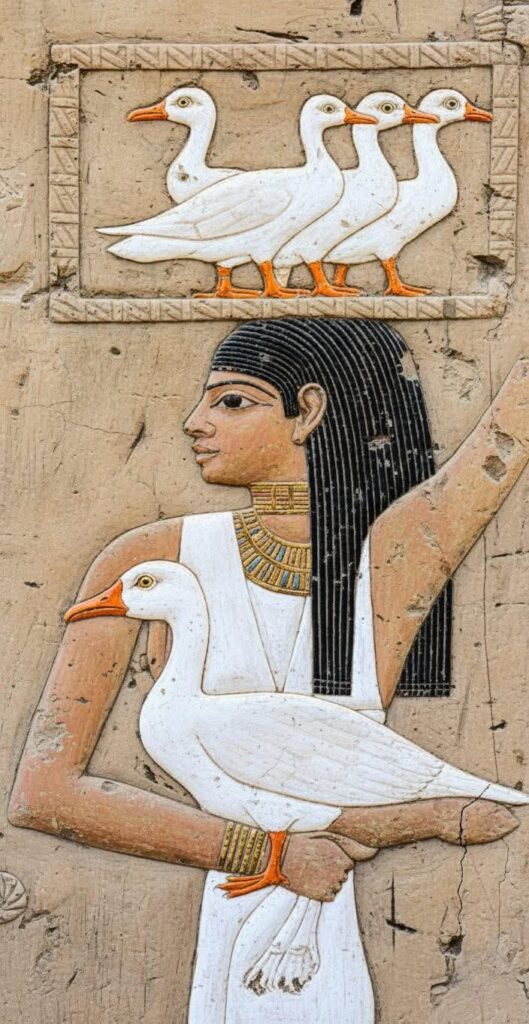
Temple walls were covered with hieroglyphic inscriptions and reliefs. These included religious hymns, myths, royal achievements, ceremonial scenes, lists of gods, festival calendars, and descriptions of rituals.
Large temple complexes such as Karnak, Luxor, Dendera, Abydos, and Edfu contain enormous quantities of information. Their inscriptions provide modern historians with evidence about Egyptian religion, kingship, architecture, festivals, mythology, and political history.
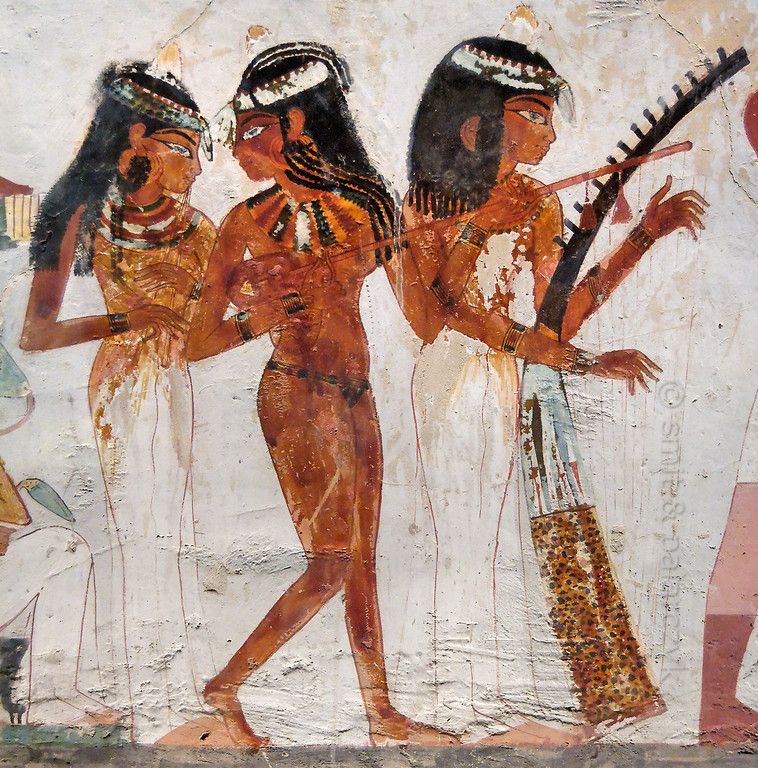
Tombs also served as important repositories of knowledge. Tomb paintings and inscriptions depicted agriculture, hunting, fishing, crafts, food preparation, music, family life, and funerary rituals. These scenes provide a detailed picture of Ancient Egyptian daily life.
Monuments also preserved the memory of Egyptian rulers. Pharaohs commissioned statues, stelae, obelisks, temples, and other structures bearing their names and achievements. Preserving the king’s name was considered important because continued remembrance was connected with continued existence.
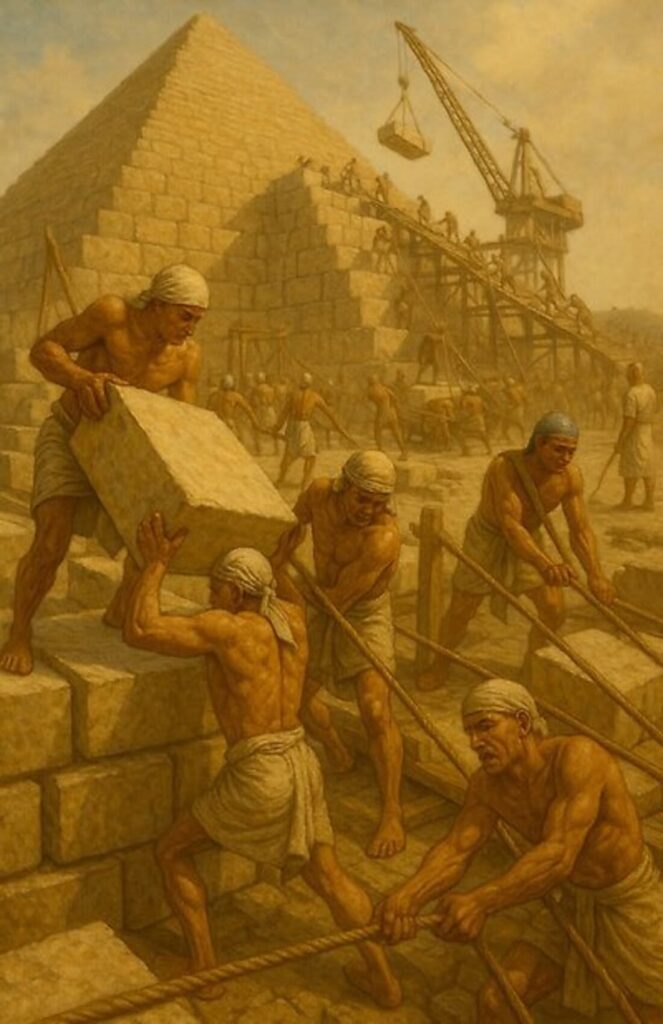
Architectural knowledge was preserved through the monuments themselves. The pyramids, temples, columns, obelisks, and tombs demonstrate Egyptian understanding of mathematics, engineering, surveying, stoneworking, transportation, and construction.
Religious knowledge was similarly preserved through inscriptions. Texts carved on temple walls could remain accessible to priests and later generations, helping maintain rituals and theological traditions.
The durability of stone has made these monuments invaluable to modern archaeology. Even when papyrus records have disappeared, inscriptions on temples and tombs can provide surviving evidence.
The preservation of knowledge through Ancient Egyptian temples and monuments demonstrates the importance Egyptians placed on permanence. Stone architecture allowed religious, political, scientific, and cultural information to survive far beyond the lifetime of the people who originally created it.