
Welcome to

Ancient Egypt Medicine Practice

Ancient Egypt medicine practice was one of the most advanced healthcare systems of the ancient world and a cornerstone of Egyptian scientific achievement. Thousands of years before the development of modern medicine, Ancient Egyptian doctors were diagnosing diseases, treating injuries, performing surgical procedures, prescribing herbal remedies, and recording medical knowledge in detailed papyri. Their remarkable understanding of anatomy, healthcare, hygiene, and disease management helped establish Ancient Egypt as a leader in early medical science and influenced later Greek, Roman, and Islamic medicine.

The practice of medicine in Ancient Egypt combined practical observation, scientific knowledge, and religious beliefs. Egyptian physicians carefully examined patients, identified symptoms, and recommended treatments based on documented medical experience. Some doctors specialized in particular fields such as eye diseases, dentistry, digestive disorders, gynecology, and surgery. Their expertise made physicians among the most respected professionals in Egyptian society.

Much of what we know about Ancient Egyptian medicine comes from famous medical texts such as the Ebers Papyrus, Edwin Smith Papyrus, Kahun Medical Papyrus, and Hearst Papyrus. These documents contain hundreds of medical prescriptions, descriptions of diseases, surgical procedures, diagnostic methods, and pharmaceutical treatments. The Edwin Smith Papyrus is especially significant because it demonstrates a logical and evidence-based approach to treating wounds, fractures, and traumatic injuries.

Herbal medicine played a central role in healthcare. Ancient Egyptian doctors used ingredients such as honey, garlic, onions, aloe vera, cumin, coriander, myrrh, frankincense, and medicinal plants to create treatments for infections, digestive problems, respiratory conditions, and skin diseases. Honey was particularly valued for its natural antibacterial properties and was commonly applied to wounds to promote healing.

Ancient Egyptian surgery was also highly developed for its time. Physicians treated broken bones with splints, stitched wounds, managed infections, and performed minor surgical procedures. Knowledge gained through mummification helped expand understanding of human anatomy, contributing to more effective medical practices and treatments.

In this guide, we explore Ancient Egypt medicine practice, including ancient physicians, medical papyri, surgery, herbal remedies, anatomy, healthcare systems, hygiene, dentistry, and the scientific achievements that made Egyptian medicine one of the most influential medical traditions in history. Discover how the medical knowledge of Ancient Egypt continues to inspire researchers and historians today.

Ancient Egypt Education

1. The Origins of Ancient Egyptian Medicine

The origins of Ancient Egypt medicine practice can be traced to the earliest periods of Egyptian civilization. Before medical knowledge was recorded in detailed texts, Egyptians relied on experience, observation, traditional remedies, and religious beliefs to deal with illness and injury.

The Nile environment influenced health in many ways. Access to water supported agriculture and daily life, but people also faced injuries, infections, parasites, nutritional problems, and diseases associated with living conditions.

Early Egyptian communities developed practical methods for treating wounds and other common conditions.

Knowledge was initially transmitted primarily through families and experienced practitioners. Over time, medical traditions became increasingly organized and were recorded by scribes.

Egyptian physicians observed symptoms and attempted to identify patterns. This practical approach allowed certain treatments to be repeated when they appeared effective.

Medical knowledge expanded as Egyptian civilization developed. Physicians gained experience treating injuries among farmers, craftsmen, construction workers, soldiers, and other workers.

The construction of large monuments may also have exposed physicians to numerous injuries, including fractures, wounds, and musculoskeletal problems.

Military campaigns provided another environment where doctors could gain experience treating trauma.

Egyptians also developed knowledge through embalming and mummification. Although the primary purpose of mummification was religious, the process involved handling the human body and using substances for preservation.

By the Middle and New Kingdoms, Egyptian medical knowledge was sufficiently developed to appear in surviving papyri containing organized treatments.

These documents demonstrate that medicine was becoming a specialized body of knowledge.

Egyptian physicians did not rely exclusively on supernatural explanations. Many treatments involved physical substances and practical procedures.

However, religious beliefs remained an important part of healthcare.

The origins of Egyptian medicine therefore reflect a gradual combination of observation, experience, traditional knowledge, practical treatment, and religious belief.

This combination formed the foundation for one of the ancient world’s most influential medical traditions.
2. Ancient Egyptian Doctors and Medical Professionals

Doctors were important figures in Ancient Egypt medicine practice. Egyptian physicians were trained professionals who treated patients using accumulated medical knowledge, practical experience, and specialized remedies.

The Egyptian word commonly translated as “physician” was swnw. Medical professionals could hold respected positions within society.

Some doctors served the royal household and treated members of the ruling family. Others worked for temples, the military, or local communities.

Egyptian sources also indicate that medical practitioners could specialize. Records mention doctors associated with particular parts of the body or specific areas of treatment.

Specialization could include areas such as the eyes, teeth, stomach, or other parts of the body.

Dentistry was particularly important because dental problems were common. Egyptians experienced tooth wear and damage partly because food could contain small particles of stone or sand from grinding and processing grain.

Military physicians were also valuable because soldiers frequently suffered wounds and fractures during campaigns.

Doctors serving large construction projects may have treated workers injured while quarrying stone or building monuments.

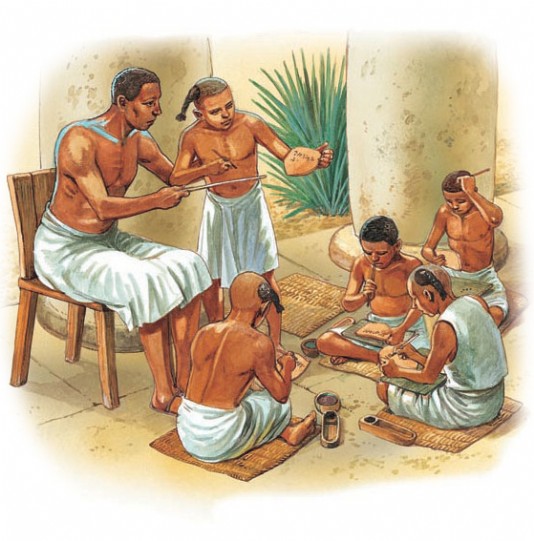
Medical professionals relied on written texts, practical experience, and traditional teaching. Younger practitioners could learn from experienced doctors and scribes.

Some medical knowledge was probably passed through families, with professional traditions continuing across generations.

The social position of physicians could be relatively high, particularly for doctors serving wealthy households, temples, or the royal court.

Women could also participate in healthcare. Egyptian evidence includes references to women involved in medical or childbirth-related roles, although the exact extent of female medical practice is difficult to determine.

Healthcare was not necessarily provided through a single centralized medical system. Different doctors and practitioners operated in different settings.

The existence of specialized physicians demonstrates that Egyptian healthcare was more organized than a simple collection of folk remedies.

Doctors combined observation with treatment and relied on established medical traditions.

Their work represents an important stage in the historical development of professional medicine.
3. Ancient Egyptian Medical Papyri and Written Knowledge

Medical papyri are among the most valuable sources for understanding Ancient Egypt medicine practice. These documents preserve information about diseases, symptoms, treatments, prescriptions, and medical procedures.

The Ebers Papyrus is one of the best-known Egyptian medical texts. It contains a large collection of remedies addressing numerous health problems.

The Edwin Smith Papyrus is particularly important for understanding Egyptian treatment of injuries. It presents cases involving wounds and trauma and includes observations about diagnosis and prognosis.

Other medical texts address subjects such as women’s health, childbirth, and veterinary medicine.

These papyri demonstrate that Egyptian physicians organized medical information rather than relying entirely on oral traditions.

A typical medical case could describe symptoms and then provide a treatment or recommendation.

Some texts show an interest in prognosis, meaning an attempt to predict whether a patient was likely to recover.

This is particularly noticeable in the Edwin Smith Papyrus, where injuries could be classified according to whether they were considered treatable, uncertain, or difficult to treat.

Medical prescriptions could contain specific ingredients and instructions for preparing and administering remedies.

Medicines might be taken orally, applied to wounds, placed on the skin, or used in other ways.

The preservation of these documents allowed medical knowledge to be transmitted across generations.

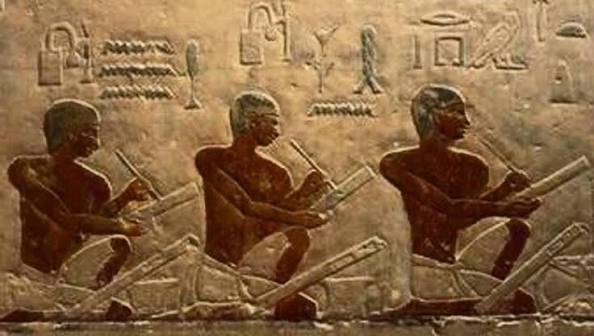
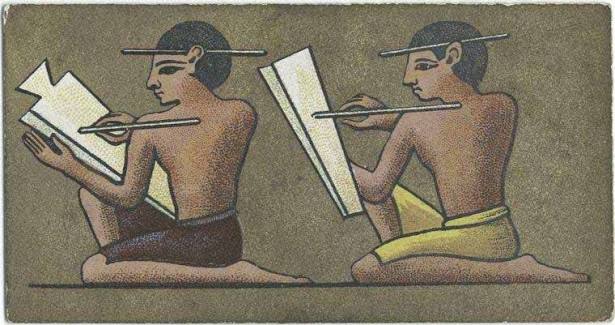
Scribes played an important role because physicians and medical practitioners depended on written records for preserving specialized knowledge.

The papyri also reveal the limitations of Egyptian medicine. Some treatments were based on beliefs that do not correspond with modern medical understanding.

Magical formulas could appear alongside practical remedies.

Nevertheless, the medical papyri are remarkable because they show systematic attempts to describe health problems and provide treatments.

They provide historians with direct evidence of ancient healthcare practices and demonstrate the importance Egyptians placed on recording professional knowledge.
4. Ancient Egyptian Medicines and Natural Remedies

Natural remedies formed a major part of Ancient Egypt medicine practice. Egyptian physicians used plants, minerals, animal products, oils, resins, and other substances to prepare treatments for different illnesses and injuries.

Honey was one of the best-known substances used in Egyptian medicine. It could be applied to wounds and was valued for its protective properties. Egyptian physicians also used fats and oils to soften skin and protect damaged areas.

Garlic and onions were important foods and were also associated with health. Other plants and herbs were used in preparations for digestive problems, pain, inflammation, and various other conditions.

Castor oil was another substance known to Egyptians and could be used for medicinal purposes.

Minerals and salts also had medical applications. Natron, a naturally occurring mixture of salts, was widely used in Egyptian life and was particularly important in mummification.

Medicines could be prepared in different forms. Ingredients might be crushed, mixed, boiled, soaked, or combined with liquids such as beer, wine, or water.

Some remedies were applied directly to the skin or wounds, while others were consumed.

The preparation of medicines required accurate measurement. Medical papyri sometimes provide instructions concerning quantities and methods of preparation.

Egyptians also used aromatic resins and oils. These substances had roles in both medicine and religious practices.

Animal products could also appear in medical recipes. Egyptians used various animal fats, milk, eggs, and other materials in treatments.

Not every Egyptian remedy would have been medically effective by modern standards. Some were based on traditional beliefs or explanations of disease that modern science does not support.

However, several substances used by Egyptian physicians did possess useful physical or medicinal properties.

The importance of natural remedies demonstrates the practical character of Egyptian healthcare. Physicians observed substances available in their environment and incorporated them into treatments.

Over generations, successful remedies could become established parts of medical tradition.

This accumulated knowledge contributed significantly to the development of Ancient Egyptian medicine.

5. Surgery, Wounds, and Fracture Treatment

Surgery and trauma treatment were important components of Ancient Egypt medicine practice. Egyptian physicians developed practical techniques for treating wounds, fractures, burns, and other physical injuries.

The Edwin Smith Papyrus provides some of the clearest evidence of Egyptian approaches to trauma. Its cases are organized in a way that suggests careful observation and assessment.

Physicians examined wounds and considered their location, appearance, and severity.

They could clean injuries and apply dressings to protect wounds. Materials such as linen, oils, and honey could be used during treatment.

Bandaging was particularly important. Egyptian knowledge of textiles provided doctors with suitable materials for wrapping and protecting injured areas.

Fractures also required careful treatment. Physicians could immobilize injured limbs and use splints or other supports.

Egyptians recognized that some injuries were more serious than others. Medical texts sometimes discussed the likely outcome of particular wounds.

This attention to prognosis is one of the notable features of Egyptian medical practice.

Burns were another type of injury requiring treatment. Physicians could apply various substances to affected skin and cover the area.

Surgical procedures were generally practical rather than highly invasive by modern standards. Egyptian doctors lacked modern anesthesia, antibiotics, and antiseptic techniques, making serious surgery extremely dangerous.

Nevertheless, the treatment of wounds demonstrates considerable practical experience.

Military medicine probably contributed to this knowledge because soldiers frequently suffered injuries during battles and campaigns.

Construction workers and laborers also experienced accidents, creating additional opportunities for physicians to treat trauma.

Egyptian doctors could therefore encounter a wide range of physical injuries.

The combination of observation, wound cleaning, dressing, immobilization, and medicinal preparations shows that Egyptian medicine included genuine practical approaches to physical trauma.

Although ancient surgery had significant limitations, the medical texts provide evidence that Egyptian physicians were attempting to treat injuries systematically rather than relying exclusively on magical practices.

6. Diagnosis, Symptoms, and Medical Examination

Diagnosis was an important aspect of Ancient Egypt medicine practice. Egyptian physicians attempted to identify illnesses by observing symptoms, examining patients, and considering the progression of a condition.

Medical papyri contain descriptions of physical symptoms and recommendations for treatment. This demonstrates that Egyptian doctors paid attention to observable signs of disease.

A physician might examine a patient’s wound, swelling, pain, bleeding, breathing, or other symptoms before deciding how to respond.

The Edwin Smith Papyrus provides particularly valuable evidence of this approach. Cases involving injuries are described systematically, with attention given to the location and appearance of wounds.

Egyptian doctors also considered prognosis. They sometimes attempted to determine whether a condition was likely to improve, remain uncertain, or result in death.

This approach represents an important step toward organized clinical reasoning.

However, Egyptian explanations of disease were not purely physical. Supernatural forces, gods, spirits, and magical influences were also considered possible causes of illness.

Consequently, a physician might combine a physical remedy with a spell or protective amulet.

The use of magic does not mean that Egyptian doctors ignored practical observation. Instead, medicine operated within a worldview in which physical and supernatural causes could coexist.

Doctors also had knowledge of recurring health problems. Their experience allowed them to recognize familiar symptoms and apply established treatments.

Medical texts helped standardize this knowledge by recording cases and remedies.

Observation was particularly important because Egyptian physicians did not have modern tools such as microscopes, laboratory tests, X-rays, or advanced imaging.

They relied primarily on the patient’s symptoms and physical examination.

This makes the surviving medical documents especially valuable for understanding the development of diagnostic thinking.

Ancient Egyptian physicians were working within the scientific limitations of their period, yet their emphasis on examining symptoms, describing cases, and considering outcomes represents an important contribution to the history of medicine.

7. Ancient Egyptian Surgery, Dentistry, and Specialized Medicine

Specialized treatment was an important part of Ancient Egypt medicine practice. Egyptian physicians dealt with different areas of health, and evidence suggests that some practitioners developed expertise in particular conditions or parts of the body.

Surgery was mainly associated with practical treatment of injuries. Doctors could clean wounds, apply dressings, immobilize broken bones, and treat burns. More serious procedures were possible, although they were limited by the medical technology available at the time.

Dental care was another important area. Egyptians experienced significant dental problems because their food could contain tiny particles of stone and sand produced during grain processing. These particles could wear down teeth over time.

Egyptian medical evidence includes treatments for toothache and other dental problems. Some dental practices may have involved removing damaged teeth or treating painful areas.

Physicians could also specialize in particular fields. Egyptian titles refer to doctors associated with the eyes, teeth, stomach, and other parts of the body.

Eye problems were particularly common in Egypt because of the intense sunlight, dust, and environmental conditions. Egyptian medical texts contain numerous remedies for eye-related problems.

Skin conditions were also treated using oils, ointments, and other preparations.

Fractures required specialized attention. Physicians could stabilize broken limbs and monitor healing.

The treatment of wounds was especially important for soldiers and workers. Doctors needed to recognize infections and determine whether injuries were likely to heal.

Medical specialists were also present in royal and temple environments. Physicians serving the royal household could hold prestigious positions.

Veterinary medicine existed as well. Animals were economically and religiously important, so Egyptians developed knowledge for treating livestock and other animals.

Specialization demonstrates that Egyptian healthcare was more diverse than a single type of general medicine.

Different practitioners could develop expertise through training and experience.

Although Egyptian doctors lacked modern scientific equipment and treatments, their ability to observe specific conditions and develop specialized remedies contributed to the long history of medical practice.

8. Hygiene, Public Health, and Disease Prevention

Hygiene and cleanliness were important aspects of Ancient Egypt medicine practice. Egyptians placed considerable value on personal cleanliness, bathing, clothing, food preparation, and maintaining a clean appearance.

People in different social groups had varying access to bathing facilities and clean water, but washing was an established part of Egyptian life.

Cleanliness was also connected with religion. Priests in particular followed strict purification practices before performing certain religious duties.

Egyptians commonly used oils and other substances on the skin. These could help protect the body from the dry climate and may have had practical benefits.

Personal grooming was widespread. Egyptians used combs, razors, cosmetics, perfumes, and other products as part of daily hygiene.

Food preparation and storage were important for preventing spoilage. Egyptians developed methods such as drying, salting, and storing food in protected containers.

Clean water was essential. The Nile was the primary source of water, but Egyptians used wells and other sources in various locations.

Waste management was another challenge for Egyptian settlements. Archaeological evidence indicates that households and communities developed different methods for dealing with waste.

Egyptians also understood that some environmental conditions could affect health, although they did not possess modern knowledge of bacteria and viruses.

Medical practitioners used protective measures for certain wounds and illnesses, including coverings and medicinal substances.

Mummification also required detailed knowledge of preservation materials, although its primary purpose was religious rather than public health.

Some Egyptian religious and medical practices may have indirectly encouraged cleanliness and careful treatment of the body.

However, it would be inaccurate to describe Ancient Egypt as having modern public-health systems. Infectious diseases, parasites, nutritional problems, and other illnesses remained common.

The importance of hygiene nevertheless demonstrates that Egyptians recognized a connection between cleanliness, personal care, and health.

Their practices formed one part of a broader medical tradition that combined practical observation with cultural and religious beliefs.

Ancient Egypt – Education System

9. Pregnancy, Childbirth, and Women's Medicine

Pregnancy and childbirth were important areas of Ancient Egypt medicine practice. Egyptian medical texts contain information about women’s health, fertility, pregnancy, and methods associated with childbirth.

Women faced significant health risks during pregnancy and delivery because modern obstetric care, antibiotics, anesthesia, and emergency surgery were unavailable.

Egyptian medical practitioners developed traditional methods for identifying pregnancy and assessing reproductive health.

Some medical papyri contain pregnancy tests involving substances such as grains and urine. Although these methods were based on ancient beliefs and did not follow modern diagnostic science, they demonstrate attempts to identify pregnancy systematically.

Egyptian women also used various remedies for reproductive problems. Medical texts contain treatments involving herbs, oils, and other substances.

Childbirth was often supported by female attendants or midwives who possessed practical experience.

Birth was also strongly connected with religion. Egyptians called upon protective deities associated with childbirth and motherhood, including Taweret and Bes.

Amulets and magical formulas could be used to protect mothers and babies.

The combination of practical assistance and religious protection reflects the broader Egyptian approach to healthcare.

Women could also experience other reproductive conditions that required treatment. Medical texts provide evidence of remedies for gynecological problems and fertility concerns.

Infant health was another important concern. Families used traditional treatments and protective practices for newborn children.

Knowledge about pregnancy and childbirth was probably transmitted largely through experienced women and specialized practitioners.

The surviving evidence provides only a partial picture because many aspects of women’s healthcare were probably transmitted orally and were never recorded.

Nevertheless, Egyptian medical papyri demonstrate that women’s health was recognized as a specialized area of medical knowledge.

Ancient Egyptian approaches to pregnancy and childbirth reveal how practical experience, herbal remedies, religious traditions, and community knowledge worked together in healthcare.

Ancient Egypt Education

10. Ancient Egyptian Medical Tools and Treatment Methods

Medical tools were an important part of Ancient Egypt medicine practice. Egyptian physicians used practical instruments and materials to examine patients, treat injuries, prepare medicines, and perform certain procedures.

Archaeological discoveries have revealed objects that may have been used for medical purposes, although identifying the exact function of some ancient instruments can be difficult.

Knives and cutting instruments could have been used for medical procedures as well as other everyday tasks. Surgical treatment of wounds required sharp tools for specific procedures.

Bandages were among the most important medical supplies. Egyptians produced linen from flax, providing physicians with clean and flexible material for covering wounds.

Doctors could apply ointments, oils, honey, and other substances to injured areas before covering them with linen.

Splints were useful for treating broken bones and keeping injured limbs stable during healing.

Containers were essential for storing medicines. Small vessels could hold oils, powders, herbs, resins, and other medical ingredients.

Mortars and grinding tools were used to prepare substances by crushing and mixing ingredients.

Egyptian physicians also needed measuring equipment to prepare medicines in appropriate quantities. Medical papyri sometimes provide detailed instructions for combining ingredients.

The treatment process could involve several stages. A physician might first examine a patient, prepare a remedy, apply it to the affected area, and then monitor the condition.

For wounds, cleaning and covering the injury were important steps.

Egyptians also used various forms of heat, oils, and herbal preparations as part of treatment.

Medical tools were not necessarily exclusive to physicians. Some instruments may have had multiple uses in everyday life.

Nevertheless, the combination of specialized tools and medical substances demonstrates a practical approach to healthcare.

Egyptian medicine depended heavily on skilled hands and accumulated experience rather than sophisticated machinery.

Physicians had to understand how to use available materials effectively and adapt treatments to different conditions.

The medical tools and techniques of Ancient Egypt therefore reveal a developing tradition of practical healthcare that laid important foundations for later medical practices.

Ancient Egypt Education

11. Religion, Magic, and Healing in Ancient Egypt

سثذئReligion and magic were deeply connected with Ancient Egypt medicine practice. Egyptians believed that illness could have physical causes, but they also recognized supernatural forces as possible sources of disease and suffering.

As a result, medical treatment could combine practical remedies with prayers, spells, amulets, and religious rituals.

Physicians and magical practitioners were not always completely separate. Some medical texts contain both medicinal recipes and magical formulas.

Protective amulets were commonly used to guard people against illness and harmful supernatural forces.

Certain gods were strongly associated with healing and protection. Isis, for example, was connected with healing and protection, while other deities were invoked for specific health concerns.

The god Imhotep was later associated with healing and became an important figure in Egyptian religious tradition.

During childbirth, protective deities such as Taweret and Bes were particularly important.

Magical spells could be recited over medicines or directly over patients. The words were believed to provide supernatural protection or influence the cause of an illness.

This religious approach did not necessarily replace practical treatment. Egyptians could apply a medicinal substance to a wound while simultaneously using a spell or protective object.

Their understanding of disease was therefore broader than modern biomedical explanations.

Egyptian religion also emphasized purification. Priests followed strict cleanliness rituals, and physical purity was connected with religious purity.

Healing could therefore involve the body, mind, community, and spiritual world at the same time.

Modern medicine separates many of these concepts, but Ancient Egyptians viewed them as interconnected aspects of health.

It is important to recognize that Egyptian medical practice contained both empirical observations and supernatural beliefs.

Some remedies may have been genuinely useful, while others were based on ideas that modern science does not support.

The combination nevertheless provides valuable insight into how ancient societies understood illness.

Religion and medicine were not opposing systems in Ancient Egypt. Instead, they often worked together within a worldview in which physical and supernatural explanations could coexist.

12. The Legacy of Ancient Egypt Medicine Practice

The legacy of Ancient Egypt medicine practice remains important to the history of healthcare. Egyptian medical papyri provide some of the earliest detailed written evidence of physicians observing diseases, describing symptoms, preparing treatments, and evaluating injuries.

The Ebers Papyrus preserves hundreds of medical recipes and treatments, while the Edwin Smith Papyrus provides particularly valuable information about trauma and physical injuries.

These documents demonstrate the importance Egyptians placed on recording medical knowledge.

Egyptian physicians used a wide range of natural substances, including herbs, oils, minerals, honey, resins, and other materials.

They also developed practical methods for treating wounds, fractures, burns, and other physical problems.

Their medical tradition included observation and diagnosis, even though explanations of disease were often mixed with religious and magical beliefs.

Egyptian knowledge of anatomy and the human body was also influenced by embalming practices and practical medical experience.

Specialization developed in areas such as eye care, dentistry, and other forms of treatment.

Women’s health and childbirth were also recognized as distinct areas of medical knowledge.

Egyptian medical ideas influenced later civilizations, particularly through the preservation and transmission of knowledge across the ancient Mediterranean and Near Eastern worlds.

However, it is important not to portray Egyptian medicine as identical to modern medicine. Many treatments were ineffective by modern standards, and Egyptians lacked knowledge of microorganisms, modern pharmacology, anesthesia, and advanced surgery.

The importance of Egyptian medicine lies instead in its historical development of organized medical observation and written professional knowledge.

Modern researchers continue to study Egyptian mummies and medical papyri to understand ancient diseases, treatments, nutrition, and health conditions.

The survival of these sources allows us to see how ancient physicians approached medical problems using the knowledge available to them.

Ancient Egypt medicine practice therefore represents an important chapter in the history of human healthcare, combining practical experience, natural remedies, professional knowledge, and religious traditions.

Frequently Asked Questions

Doctors used herbs, honey, oils, minerals, resins, animal products, bandages, and other natural substances to treat different illnesses and injuries.


Yes. Egyptian physicians treated wounds, fractures, burns, and other injuries. The Edwin Smith Papyrus provides important evidence of their approach to trauma treatment.


Yes. Egyptian society had professional physicians, including doctors who served the royal court, temples, military, and local communities.


Yes. Medical treatment could involve practical remedies together with prayers, magical spells, amulets, and religious rituals.


The Ebers Papyrus and Edwin Smith Papyrus are among the most important surviving medical texts. Other papyri provide information about women’s health, childbirth, and veterinary medicine.