
Welcome to

Ancient Egypt Social Structure

The Ancient Egypt social structure was a highly organized hierarchy that helped maintain order, stability, and prosperity throughout one of the world’s longest-lasting civilizations. Egyptian society was divided into different social classes, each with specific responsibilities, privileges, and roles that contributed to the functioning of the kingdom. This structured system allowed Ancient Egypt to efficiently manage government administration, agriculture, trade, religion, construction, and military affairs while supporting a population that lived along the fertile banks of the Nile River.

At the top of the social hierarchy stood the pharaoh, who was regarded as both the political ruler and the divine representative of the gods. The pharaoh held supreme authority over the government, military, economy, and religious institutions. Egyptians believed that the pharaoh was responsible for maintaining Ma’at, the principle of truth, justice, balance, and order that governed both society and the universe.

Below the pharaoh were the highest-ranking members of society, including viziers, nobles, priests, and government officials. These individuals assisted in administering the kingdom, collecting taxes, overseeing construction projects, conducting religious ceremonies, and managing state affairs. Priests played a particularly important role because religion was deeply integrated into every aspect of Egyptian life.

The next level of society included scribes, soldiers, merchants, and skilled craftsmen. Scribes were highly respected because of their literacy and administrative expertise. Soldiers protected Egypt’s borders and participated in military campaigns, while merchants facilitated trade within Egypt and with foreign lands. Craftsmen such as sculptors, jewelers, painters, carpenters, and stonemasons produced the artistic and architectural works that made Egyptian civilization famous.

Farmers formed the largest social group in Ancient Egypt and served as the foundation of the economy. They cultivated crops such as wheat, barley, flax, vegetables, and fruits on the fertile lands created by the Nile’s annual flooding. Their agricultural production provided food for the population and generated the resources needed to support the government, temples, and trade networks.

At the bottom of the social structure were laborers and servants who performed a variety of essential tasks. These workers contributed to construction projects, agricultural operations, transportation, and household services. Although social mobility was limited, education and service as a scribe or government official sometimes provided opportunities for individuals to improve their status.

Despite the hierarchical nature of society, the concept of Ma’at encouraged cooperation, responsibility, and social harmony among all classes. Each group had a role to play in maintaining the stability and success of Egyptian civilization.

In this guide, we explore the Ancient Egypt social structure, including the pharaoh, nobles, priests, scribes, soldiers, merchants, craftsmen, farmers, laborers, and the social hierarchy that helped sustain one of the greatest civilizations in world history.

Ancient Egyptian Pharaohs

1. Pharaohs: The Highest Level of Ancient Egypt Social Hierarchy

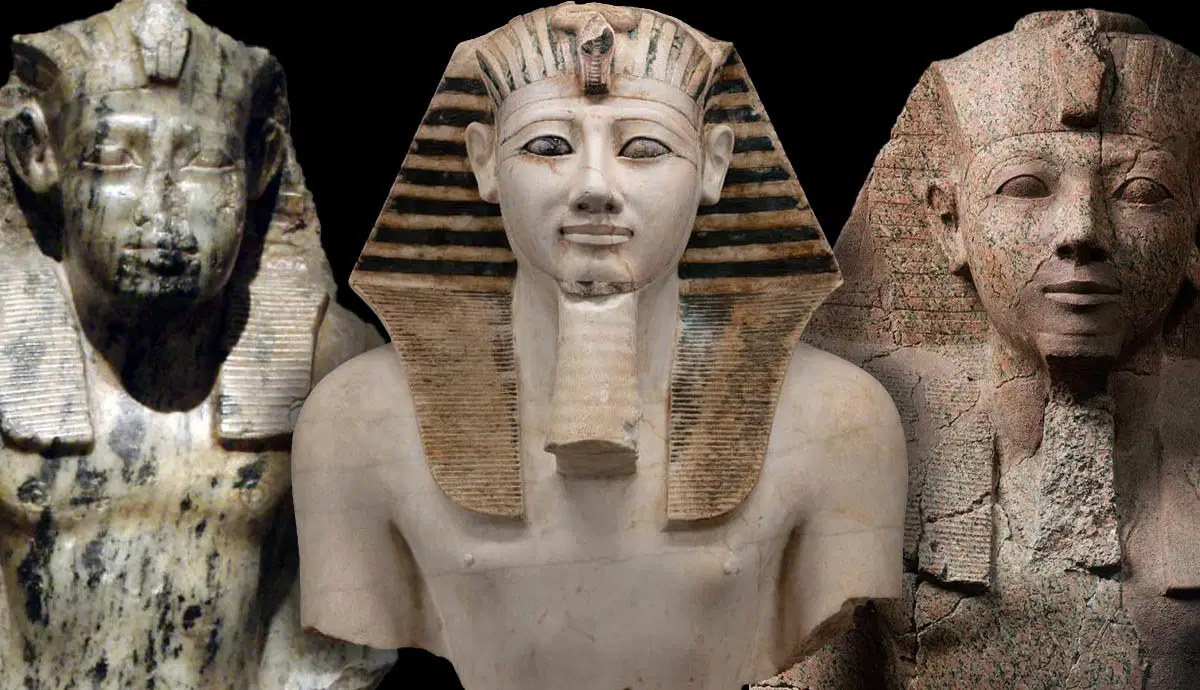
At the top of the Ancient Egypt social structure was the Pharaoh, the most powerful individual in Egyptian society. The Pharaoh was not only the king and political leader of Egypt but was also considered a divine ruler connected to the gods. Ancient Egyptians believed that the Pharaoh had a sacred responsibility to maintain order, protect the kingdom, and ensure prosperity for the people.

The authority of the Pharaoh extended over every aspect of Egyptian life. The Pharaoh controlled the government, military, economy, religious institutions, and major construction projects. Decisions about agriculture, taxation, trade, and foreign relations were made under the Pharaoh’s leadership. Because the Nile River was essential for survival, Pharaohs were also responsible for maintaining harmony with nature and ensuring successful harvests.

Pharaohs lived in magnificent royal palaces surrounded by servants, officials, and advisors. Their lifestyle reflected their position as the highest figure in Ancient Egyptian society. They wore special crowns, participated in religious ceremonies, and appeared in temples as representatives of the gods on Earth. Pharaohs commissioned the construction of enormous monuments, including pyramids, temples, and statues, which demonstrated their power and devotion.

The role of the Pharaoh was strongly connected to ancient Egyptian religion. Egyptians believed that the Pharaoh was the son of the sun god Ra and had a special relationship with other gods. After death, Pharaohs were believed to become divine beings who continued to protect Egypt from the afterlife. This belief explains why royal tombs, such as those in the Valley of the Kings, were built with great care and filled with valuable treasures.

Although the Pharaoh stood above all other social classes, ruling Egypt required the support of many officials, priests, and workers. The success of the kingdom depended on cooperation between different levels of society. The Pharaoh provided leadership and authority, while other groups helped manage the complex system that allowed Ancient Egypt to flourish.

The position of the Pharaoh represents the foundation of the Ancient Egyptian social hierarchy and reflects the importance of leadership, religion, and organization in one of the world’s most remarkable civilizations.
The Tombs of the Nobles The west Bank of Luxor

2. Nobles and Government Officials in Ancient Egyptian Society

Below the Pharaoh in the Ancient Egypt social hierarchy were nobles and government officials who played essential roles in managing the kingdom. These individuals belonged to the upper class of Ancient Egyptian society and were responsible for supporting the Pharaoh in administration, law, taxation, military organization, and economic management.

Nobles often came from powerful families and held important positions passed down through generations. Many served as governors of provinces, royal advisors, military commanders, or administrators responsible for overseeing agricultural production and collecting taxes. Their influence allowed the Pharaoh to control a large kingdom that stretched along the Nile Valley.

Government officials were highly respected because Ancient Egypt required a complex administrative system to manage its resources. Officials supervised farming activities, organized labor for construction projects, maintained irrigation systems, and recorded important information about the population and economy. Their work helped keep Egyptian society stable and organized.

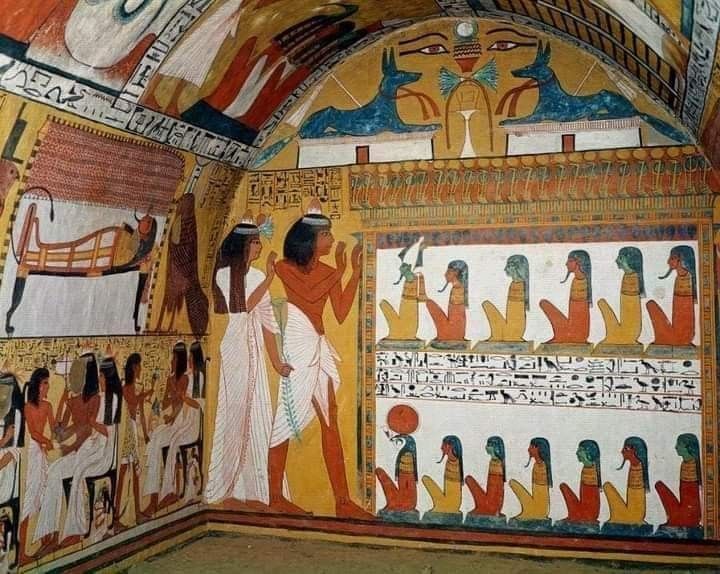
The lifestyle of nobles was very different from that of ordinary Egyptians. Wealthy families lived in large homes decorated with furniture, gardens, and artwork. They enjoyed better food, clothing, and access to education. Many nobles were buried in beautifully decorated tombs containing paintings and inscriptions showing scenes from their lives.

Education played an important role in becoming a government official. Many upper-class Egyptians learned reading, writing, mathematics, and administration. These skills were necessary for managing documents, preparing reports, and communicating with other officials. Scribes often worked closely with nobles and government leaders.

Nobles also supported religious institutions and participated in temple activities. They donated resources to temples and helped organize religious festivals honoring Egyptian gods. Their connection to religion increased their social status and influence.

The role of nobles and officials demonstrates how advanced Ancient Egyptian civilization was. The kingdom depended on a carefully organized administration where different social groups worked together. While the Pharaoh held supreme authority, nobles and officials provided the structure needed to govern Egypt successfully for thousands of years.
Ancient Egyptian Inventions That Changed the World

3. Priests and the Religious Class of Ancient Egypt

Religion was one of the strongest influences on Ancient Egyptian society, and priests occupied a highly respected position within the Ancient Egypt social structure. Priests were responsible for maintaining religious traditions, performing ceremonies, caring for temples, and communicating with the gods on behalf of the people. Their role gave them significant power and influence throughout Egyptian history.

Temples were among the most important institutions in Ancient Egypt. They were not only places of worship but also economic centers that owned farmland, stored resources, and employed many workers. Priests managed these temple activities and controlled valuable resources, making them one of the wealthiest groups in Egyptian society.

The daily responsibilities of priests included performing rituals, presenting offerings, maintaining sacred statues, and organizing religious festivals. Ancient Egyptians believed that proper ceremonies were necessary to keep harmony between humans and the divine world. Because religion was connected to every part of life, priests played an important role in maintaining social and spiritual order.

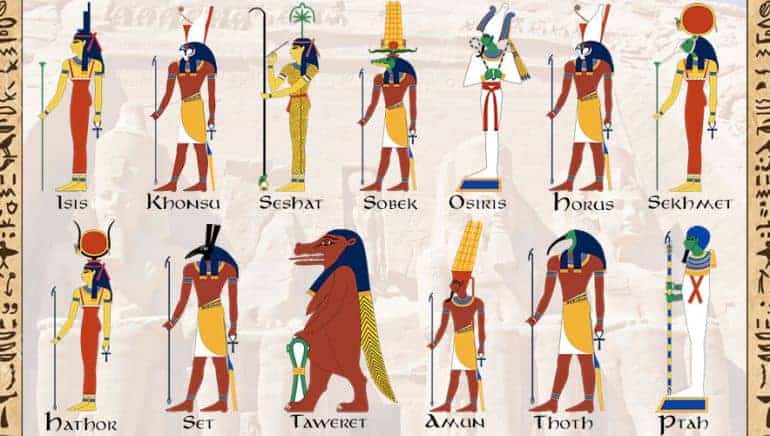
Different levels existed within the priesthood. High priests served major temples dedicated to important gods such as Amun, Ra, and Osiris. Lower-ranking priests assisted with daily temple duties and religious activities. Some priests specialized in areas such as medicine, astronomy, and interpreting religious texts.

The influence of priests extended beyond religious matters. They often advised Pharaohs, participated in government decisions, and helped manage large temple estates. Their knowledge of writing, mathematics, and astronomy made them valuable members of Egyptian society.

Priests also played an important role in funerary practices. Ancient Egyptians believed strongly in the afterlife, and priests performed rituals to help individuals achieve eternal life. They prepared offerings, recited prayers, and conducted ceremonies connected to burial traditions.

The religious class represents one of the most fascinating parts of Ancient Egyptian civilization. Their influence shows how deeply religion shaped the Ancient Egypt social hierarchy and how temples became centers of power, knowledge, and culture throughout the Nile Valley.
4. Scribes and the Importance of Writing in Ancient Egypt

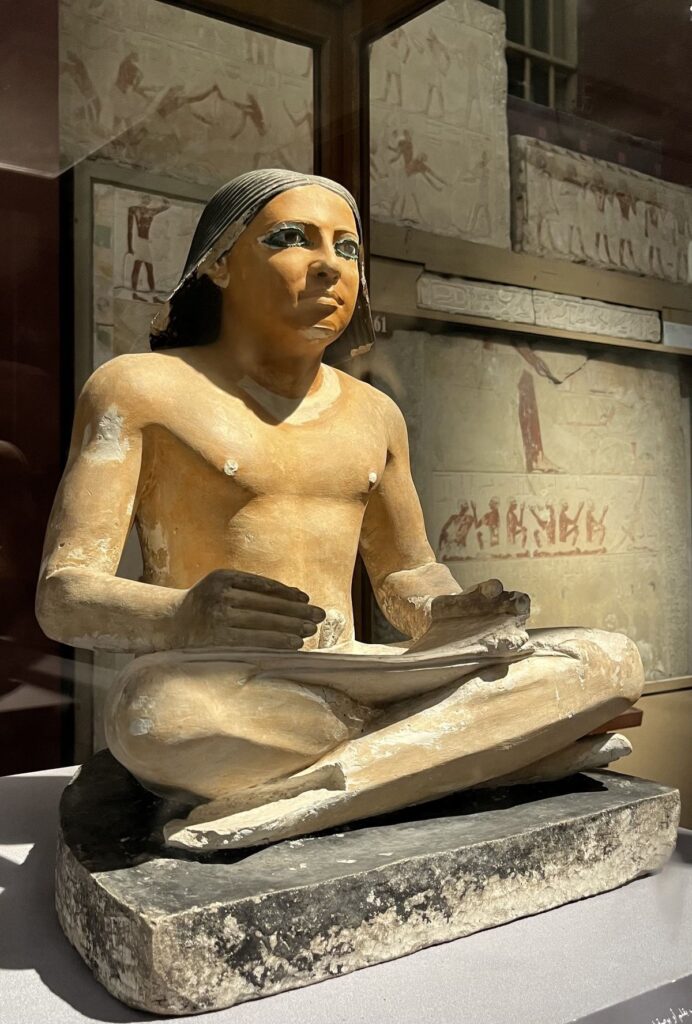
Scribes held one of the most respected positions in the Ancient Egypt social structure. Although they were not part of the royal family or religious elite, their knowledge and skills placed them among the higher levels of Ancient Egyptian society. Scribes were educated professionals responsible for reading, writing, recording information, and managing important documents for the government, temples, and businesses.

In a civilization where written records were essential for administration, scribes played a critical role in maintaining the organization of the Egyptian kingdom. They recorded taxes, agricultural production, trade activities, legal agreements, royal announcements, and religious texts. Their ability to write using hieroglyphics and other writing systems made them extremely valuable to Pharaohs and government officials.

Becoming a scribe required years of education and training. Young students learned reading, writing, mathematics, and administrative skills in special schools often connected to temples or government institutions. Because literacy was limited among the general population, educated scribes enjoyed a higher social status and better living conditions compared to ordinary workers.

Scribes worked in many different areas of Ancient Egyptian life. Some served in royal palaces, helping Pharaohs manage the kingdom. Others worked in temples, recording religious texts and managing temple resources. Many scribes were also employed in military administration, trade centers, and construction projects where they documented workers, materials, and expenses.

The importance of scribes can still be seen today through the many written records they left behind. Ancient Egyptian papyrus documents, temple inscriptions, and tomb writings provide historians with valuable information about Egyptian culture, religion, economy, and daily life. Without scribes, much of what we know about Ancient Egypt would have been lost.

Scribes also contributed to preserving Egyptian knowledge. They copied medical texts, astronomical observations, literature, and religious teachings, allowing important ideas to pass from one generation to another.

The position of scribes demonstrates that knowledge and education were powerful tools in Ancient Egyptian society. Their work connected different levels of the social hierarchy and helped create the organized civilization that continues to fascinate the world today.

5. Craftsmen and Artisans: Builders of Ancient Egyptian Culture

Craftsmen and artisans played a vital role in the development of Ancient Egyptian civilization. They occupied an important position in the middle levels of the Ancient Egypt social structure and were responsible for creating the magnificent artwork, monuments, tools, and objects that represent Egyptian culture today. Their skills transformed ideas from Pharaohs and priests into physical achievements that survived for thousands of years.

Ancient Egyptian craftsmen specialized in many different fields, including stone carving, pottery, jewelry making, painting, woodworking, metalworking, and textile production. Skilled workers created statues of gods and Pharaohs, decorated temple walls with detailed paintings, produced beautiful furniture, and crafted valuable jewelry worn by royalty and wealthy families.

Many artisans worked on major royal projects, including the construction and decoration of pyramids, temples, and tombs. Workers in places such as Deir el-Medina, a famous craftsmen village near Luxor, created some of the most impressive decorations found in the Valley of the Kings. Their paintings and inscriptions provide important information about ancient Egyptian beliefs, daily activities, and funerary traditions.

Although craftsmen were not part of the highest social classes, they were respected because their skills were essential to Egyptian society. Experienced artisans could achieve a comfortable lifestyle and sometimes received special rewards from Pharaohs and officials. Some talented craftsmen became well known for their exceptional abilities.

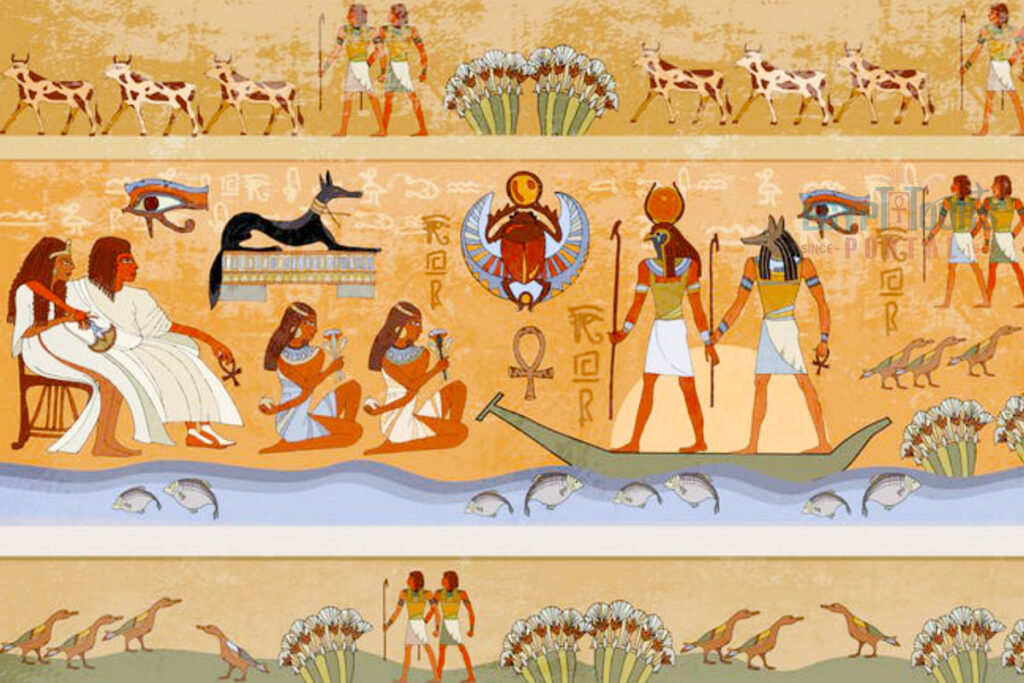
Artisans also contributed to the preservation of Egyptian culture. Through their work, they recorded scenes of farming, religious ceremonies, family life, and royal events. Ancient Egyptian art was not only decorative but also served religious and historical purposes. Many artworks were created to honor the gods or prepare individuals for the afterlife.

Workshops and communities of craftsmen developed around major temples and construction sites. These areas became centers of creativity and technical knowledge, where skills were passed from older generations to younger workers.

The achievements of Ancient Egyptian craftsmen continue to inspire visitors from around the world. When exploring Egypt’s temples, museums, and archaeological sites, travelers can see the incredible talent of artisans who helped build the cultural legacy of one of history’s greatest civilizations.

6. Farmers and Workers: The Foundation of Ancient Egyptian Civilization

Farmers and workers represented the largest group within the Ancient Egypt social structure and formed the foundation of Egyptian civilization. Although they were located at the lower levels of the social hierarchy, their contribution was essential for the success and stability of the kingdom. The work of ordinary Egyptians provided the food, resources, and labor needed to support Pharaohs, temples, and major construction projects.

Farmers depended heavily on the Nile River, which provided fertile soil and water for agriculture. The annual flooding of the Nile created rich farmland where Egyptians grew important crops such as wheat, barley, vegetables, fruits, and flax. Farming followed the natural cycles of the river, and agricultural seasons determined much of daily life in Ancient Egypt.

Farmers were responsible for feeding the entire population, including royal families, priests, soldiers, and craftsmen. They paid taxes in the form of crops and worked on government projects during periods when farming activities were limited. Their efforts supported Egypt’s economy and allowed the civilization to grow stronger.

Workers also played important roles in building Egypt’s famous monuments. Laborers, stone workers, and builders contributed to the construction of pyramids, temples, canals, and other impressive structures. Contrary to some common beliefs, many workers were skilled laborers who received food, housing, and medical care in exchange for their work.

The lives of farmers and workers were closely connected to their communities. Families lived in villages near the Nile Valley, sharing responsibilities and traditions. Many workers developed specialized skills, while others participated in seasonal activities connected to agriculture and construction.

Despite their lower social position, farmers and workers were respected for their essential role in society. Ancient Egyptian civilization could not have achieved its remarkable accomplishments without their dedication and hard work.

Understanding the lives of ordinary Egyptians provides a more complete picture of Ancient Egypt social structure. While Pharaohs and nobles created political and religious systems, farmers and workers created the foundation that allowed this extraordinary civilization to survive for thousands of years.

7. Women’s Role and Status in Ancient Egyptian Society

Women held a unique and respected position within the Ancient Egypt social structure compared to many other civilizations of the ancient world. Ancient Egyptian women had important rights and responsibilities that allowed them to participate in family life, economic activities, religious roles, and even political affairs. Their status reflects the advanced organization and cultural values of Ancient Egyptian society.

In daily life, women were primarily responsible for managing households, raising children, and maintaining family traditions. However, their roles extended beyond domestic responsibilities. Women in Ancient Egypt could own property, inherit wealth, manage businesses, make legal agreements, and control their own possessions. These rights provided women with a level of independence that was unusual in many ancient societies.

Women from different social classes had different lifestyles. Royal women, especially queens and princesses, held significant influence within the palace and sometimes played important political roles. Famous female rulers such as Hatshepsut demonstrated that women could achieve the highest position in Egyptian society. As Pharaoh, Hatshepsut ruled Egypt successfully and oversaw major construction projects and trade expeditions.

Women also participated in religious activities. Some served as priestesses in temples, where they performed ceremonies and honored Egyptian gods. Religious roles gave certain women additional respect and influence within their communities.

In the working population, women contributed to the economy through activities such as farming, textile production, food preparation, and trade. Many women worked alongside their families, helping support household income and community life. Skilled women produced clothing, prepared goods for markets, and managed agricultural tasks.

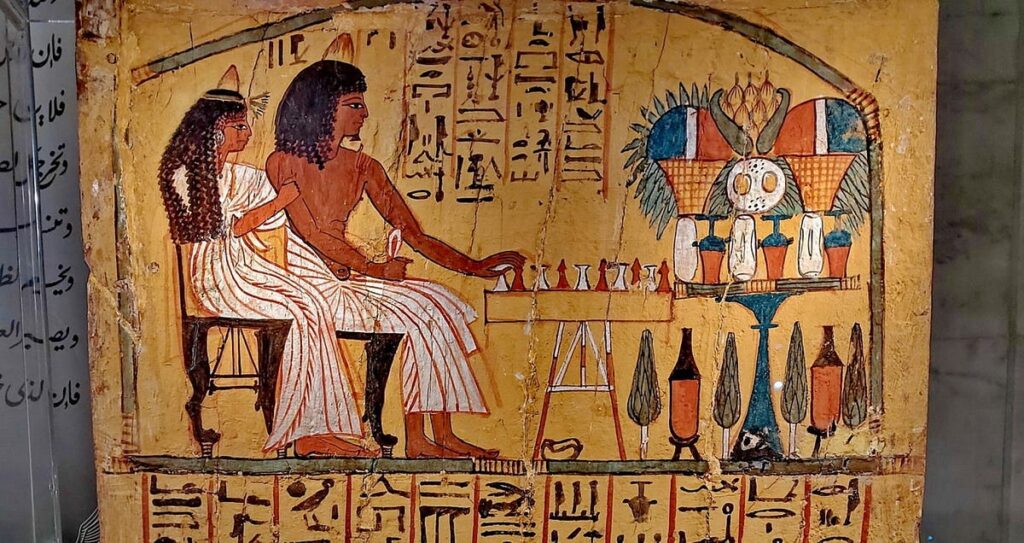
Marriage and family were central parts of Ancient Egyptian culture. Women were considered important partners within households, and family relationships were highly valued. Ancient Egyptian artwork often shows women participating in family events, religious ceremonies, and daily activities.

The role of women in Ancient Egypt demonstrates that society was not only shaped by Pharaohs and male officials but also by the contributions of women across all social levels. Their legal rights, economic participation, and cultural influence made them an essential part of the Ancient Egyptian civilization.

8. Merchants, Traders, and the Egyptian Economy

Family and community life were important parts of Ancient Egyptian society, and most people lived in settlements built near the Nile River. The availability of water, fertile farmland, and natural resources allowed families to create stable communities where traditions and skills were passed from one generation to another. Understanding daily life along the Nile provides a fascinating look beyond the famous pyramids and temples of Ancient Egypt.

Ancient Egyptian homes were usually constructed from mud bricks made using materials found near the Nile. These houses were designed to stay cool during the hot desert climate. Simple homes often included several rooms, storage areas, and open spaces for daily activities. Wealthier families, including nobles and officials, lived in larger houses decorated with paintings, furniture, and gardens.

The family was the foundation of ancient Egyptian society. Parents taught their children important skills, including farming, crafts, trade, and religious traditions. Children often followed the occupations of their parents, helping maintain family businesses and community roles. Marriage and family relationships were highly valued, and women in Ancient Egypt had important rights, including the ability to own property and manage financial affairs.

Social structure in Ancient Egypt was organized into different levels. At the top was the Pharaoh, followed by nobles, priests, government officials, and skilled craftsmen. Farmers and workers represented the majority of the population and played a crucial role in supporting the kingdom. Although social classes were different, every group depended on the Nile River and contributed to Egyptian civilization.

Villages along the Nile were active centers of community life. Markets, workshops, and religious areas brought people together for trade, celebrations, and ceremonies. Festivals connected to agriculture and religious beliefs were important events where communities gathered to honor the gods and celebrate the blessings of the Nile.

The daily lives of ordinary Egyptians reveal the human side of Ancient Egypt. While Pharaohs built monuments that continue to amaze the world, millions of farmers, craftsmen, fishermen, and families created the society that allowed this civilization to flourish.

Today, exploring villages, museums, and archaeological sites along the Nile helps visitors understand how ancient Egyptians lived, worked, and built a culture that continues to inspire the world.

9. Soldiers and the Role of the Military in Ancient Egypt

The military held an important position within the Ancient Egypt social structure, especially during periods when Egypt expanded its territory and defended its borders. Soldiers protected the kingdom, supported Pharaohs, controlled foreign territories, and helped maintain political stability. Their role became increasingly important as Ancient Egypt developed into a powerful empire.

In early periods of Egyptian history, the army was mainly composed of local citizens who served when needed. However, as Egypt grew and faced external threats, the military became a more organized institution with professional soldiers, commanders, and specialized units. The Pharaoh was considered the supreme military leader and controlled major campaigns.

Soldiers came from different backgrounds within Ancient Egyptian society. Some joined the army to gain social benefits, land rewards, or opportunities for advancement. Experienced soldiers could achieve respected positions, while military commanders became influential members of the upper levels of society.

The Egyptian military included infantry, archers, chariot units, and naval forces. The Nile River played a major role in military operations because it allowed armies to move quickly between regions. Ships were used to transport soldiers, equipment, and supplies, making the river essential for defense and expansion.

Military victories were often celebrated through temple inscriptions, statues, and artwork. Pharaohs recorded successful campaigns to demonstrate their power and connection with the gods. Famous rulers such as Ramesses II became known for their military achievements and large building projects.

The army also contributed to Egypt’s economy and administration. Soldiers protected trade routes, guarded important resources, and helped maintain control over distant territories. In some cases, military officials became governors or government administrators after their service.

Although soldiers were not always among the highest social classes, their importance in protecting Ancient Egyptian civilization gave them a respected place in society. Their efforts helped preserve Egypt’s independence, expand its influence, and maintain the stability that allowed this remarkable civilization to flourish.

10. Slavery and Labor Systems in Ancient Egypt

The topic of slavery and labor in Ancient Egypt is an important part of understanding the Ancient Egypt social structure. Like many ancient civilizations, Egypt had different forms of labor systems that supported agriculture, construction, domestic services, and government projects. However, the organization of labor in Ancient Egypt was complex and changed throughout different historical periods.

A large part of the Egyptian workforce consisted of farmers, craftsmen, and paid laborers who contributed to the economy and major construction projects. Many workers who built temples, tombs, and royal monuments were skilled laborers who received food, housing, clothing, and other forms of support from the state. Communities such as Deir el-Medina near Luxor provide evidence of organized workers who were highly skilled and respected for their craftsmanship.

Ancient Egypt also included forms of forced labor, especially during large government projects or military campaigns. Some prisoners of war and foreign captives were brought to Egypt and used as laborers or domestic servants. These individuals occupied a lower position within society and often worked under the authority of households, temples, or government institutions.

The Egyptian state depended on organized labor systems to complete massive projects. During the Nile flood season, when agricultural work was limited, many workers participated in construction activities. This system allowed the government to use available manpower while maintaining agricultural production.

Labor organization was managed by officials who recorded workers, distributed supplies, and supervised projects. Scribes played an important role in documenting workers, wages, materials, and schedules. These records help modern historians understand how Ancient Egyptian society functioned.

It is important to understand that the social structure of Ancient Egypt was not simply divided between rulers and slaves. It was a complex hierarchy containing many levels, from Pharaohs and priests to craftsmen, farmers, and laborers. Each group contributed to the success of Egyptian civilization in different ways.

Studying labor systems in Ancient Egypt provides a more complete picture of how pyramids, temples, and monuments were created. The achievements of Egyptian civilization were made possible through the combined efforts of millions of people who worked within an organized social and economic system.

Pyramids

11. How Ancient Egypt Social Structure Influenced Daily Life and Culture

The Ancient Egypt social structure influenced almost every aspect of daily life, including occupation, education, religion, family relationships, and opportunities for advancement. The organization of Egyptian society created a system where every person had a specific role that contributed to the stability and success of the civilization.

A person’s position in society often determined their lifestyle, responsibilities, and access to resources. The Pharaoh and royal family lived in luxury and controlled the administration of the kingdom, while nobles and officials managed government affairs. Priests held religious authority, scribes controlled written records, craftsmen created important products, and farmers provided the food that supported everyone.

Education was one of the main ways people could improve their social position. Although learning was mainly available to certain groups, individuals who became skilled scribes or administrators could gain respect and better opportunities. Knowledge of writing and mathematics was highly valued because it was necessary for managing the complex systems of Ancient Egyptian government.

Religion also shaped social relationships. Ancient Egyptians believed that maintaining balance and order, known as “Ma’at,” was essential for the prosperity of society. Each person was expected to perform their duties properly to maintain harmony between humans, nature, and the gods.

Family life was another important part of Egyptian culture. Families worked together, passed skills from one generation to another, and maintained traditions. Children often followed the occupations of their parents, creating continuity within communities. However, talented individuals could sometimes rise through society by gaining education or achieving success in their professions.

The social hierarchy also influenced art, architecture, and burial traditions. Tombs, statues, and inscriptions often reflected a person’s position and achievements. Wealthy individuals could afford more elaborate burials, while ordinary people had simpler traditions.

The organization of Ancient Egyptian society helped create a stable civilization that lasted for thousands of years. The cooperation between different social classes allowed Egypt to build impressive monuments, develop advanced knowledge, and create a cultural legacy that continues to influence the world today.

Understanding the connection between social structure and daily life reveals the human story behind Ancient Egypt’s famous pyramids, temples, and historical treasures.

12. The Legacy of Ancient Egyptian Society in Modern Egypt

The social structure of Ancient Egypt left a lasting impact on history and continues to influence how people understand one of the world’s greatest civilizations. The organization of Egyptian society, from Pharaohs and priests to craftsmen and farmers, created a system that supported remarkable achievements in architecture, science, art, and culture.

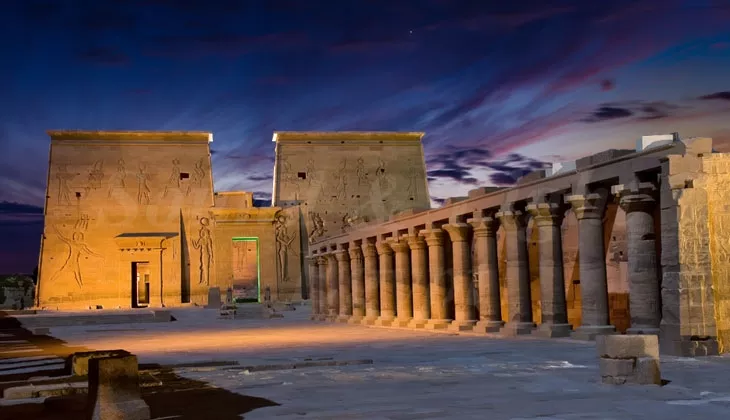
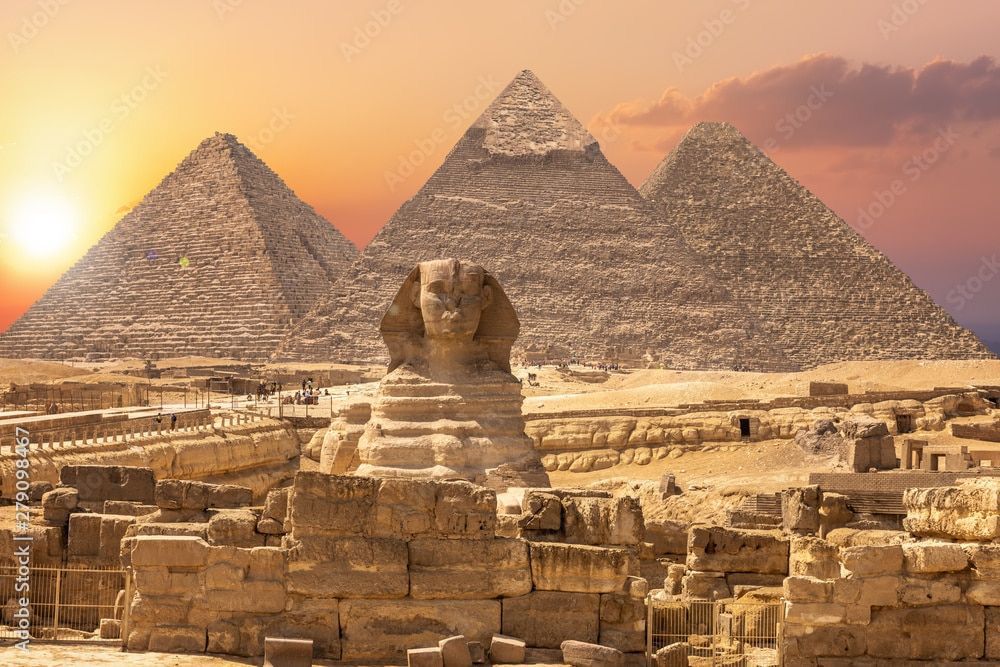
Many aspects of Ancient Egyptian civilization can still be seen in modern Egypt today. The monuments built by different social groups, including the pyramids of Giza, temples of Luxor, and historical sites of Aswan, represent the combined efforts of thousands of people who contributed their skills and knowledge. These achievements continue to attract millions of visitors interested in Egyptian history and culture.

The traditions developed within Ancient Egyptian society also influenced later generations. Egyptian writing, artistic styles, religious ideas, engineering techniques, and agricultural practices became important parts of world heritage. Museums and archaeological discoveries continue to reveal new information about how ancient Egyptians organized their communities and lived along the Nile Valley.

Modern Egypt tourism allows travelers to explore the remains of this extraordinary civilization. Visitors can discover the social world of Ancient Egypt through guided tours of temples, museums, ancient cities, and archaeological sites. Places such as the Grand Egyptian Museum, the Valley of the Kings, Karnak Temple, and the Giza Plateau provide a deeper understanding of Egyptian society and its achievements.

The story of Ancient Egypt social structure is not only about kings and powerful leaders; it is also about ordinary people who built homes, grew crops, created artwork, recorded history, and supported their communities. Farmers, craftsmen, workers, merchants, and families were all essential parts of the civilization’s success.

Today, the legacy of Ancient Egyptian society reminds us of the importance of cooperation, organization, and cultural development. The achievements of this ancient civilization continue to inspire researchers, historians, and travelers from around the world.

By understanding the Ancient Egypt social structure, we gain a clearer picture of how a civilization that began thousands of years ago became one of the most influential cultures in human history.

Frequently Asked Questions About Ancient Egypt Social Structure

The Ancient Egypt social structure was organized as a hierarchy with the Pharaoh at the top, followed by nobles, priests, government officials, scribes, craftsmen, merchants, farmers, workers, and servants. Each group had specific roles that contributed to Egyptian civilization.

The Pharaoh was the most powerful person in Ancient Egypt. He was considered both a political ruler and a divine figure responsible for protecting the kingdom and maintaining order between humans and the gods.

Priests managed temples, performed religious ceremonies, cared for sacred objects, and maintained communication with the gods. They were among the most influential groups because religion was central to Egyptian life.

Yes, women in Ancient Egypt had important legal rights. They could own property, inherit wealth, manage businesses, and participate in economic and religious activities. Some women, such as female Pharaohs, achieved positions of great power.

Farmers were the foundation of Ancient Egyptian civilization because they produced food and supported the economy. Their agricultural work depended on the Nile River and allowed Egypt’s population and cities to grow.