
1. Wrestling: The Most Popular Ancient Egyptian Sport
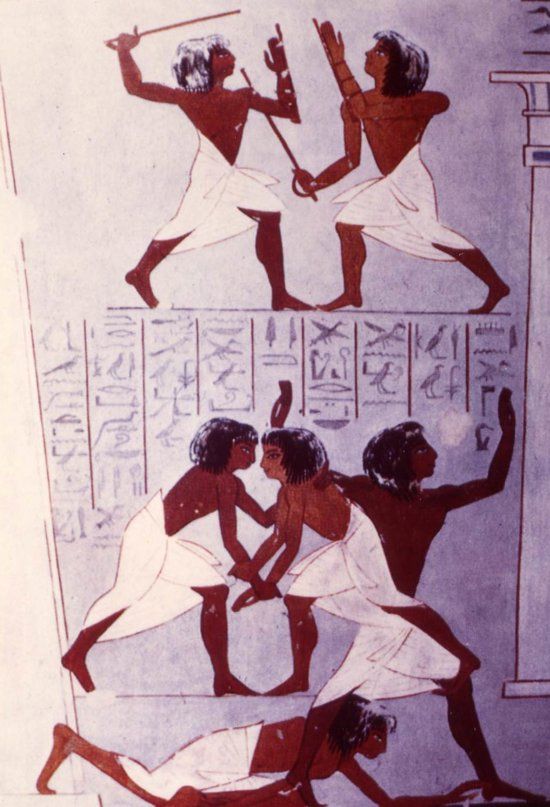
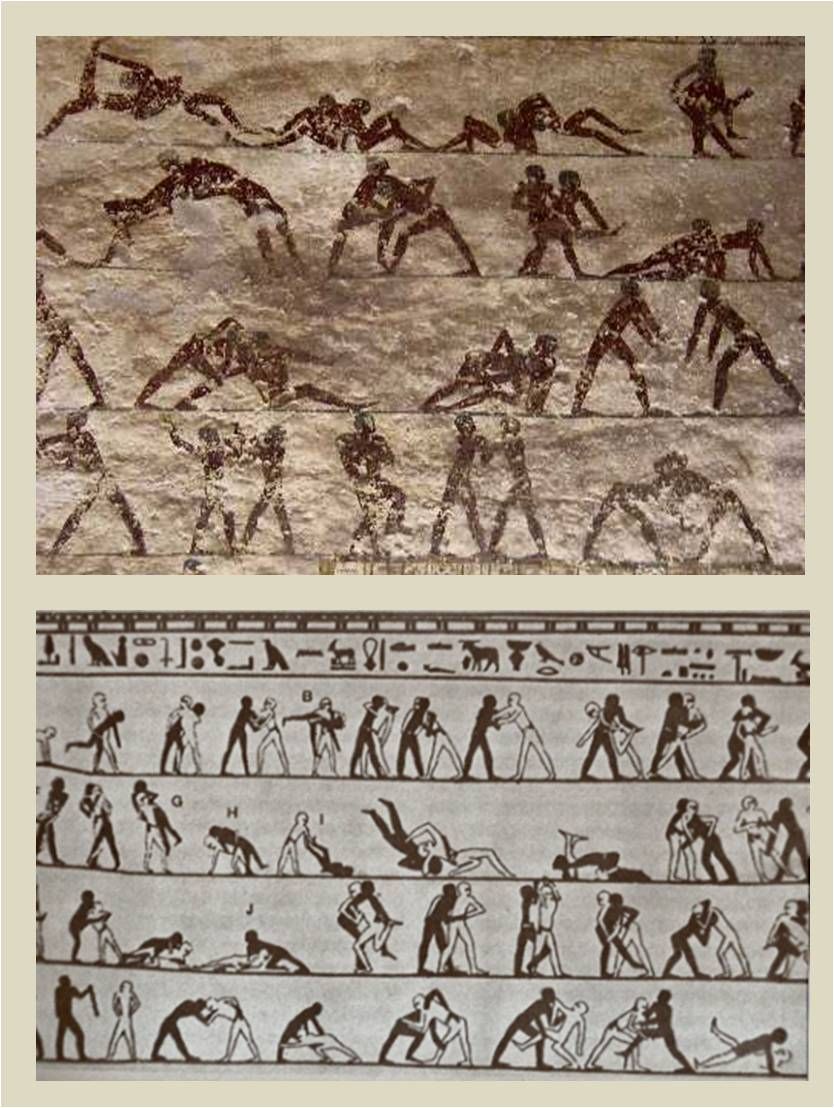
Wrestling was one of the oldest and most popular sports in Ancient Egypt, enjoyed by both soldiers and civilians. Tomb paintings dating back to the Old Kingdom show hundreds of wrestling positions, proving that the sport was highly organized and widely practiced. Wrestling served as entertainment, physical training, and military preparation, making it one of the most important athletic activities in Egyptian society.
Egyptian wrestlers competed using strength, balance, agility, and technique rather than weapons. Artistic scenes from the tombs at Beni Hasan illustrate more than 200 different wrestling holds, throws, and defensive movements. These detailed images suggest that wrestlers followed established rules and practiced regularly to improve their skills.
For soldiers, wrestling was excellent preparation for close combat. It developed endurance, flexibility, coordination, and confidence—qualities that were valuable during military campaigns. Young men often learned wrestling as part of their physical education, while experienced fighters could demonstrate their abilities during festivals and public competitions.
Wrestling also had a social role. Competitions were held during celebrations and community gatherings, attracting spectators who enjoyed watching skilled athletes compete. Unlike royal hunting or elite sports, wrestling could be practiced by people from many social classes, making it one of the most accessible forms of recreation in Ancient Egypt.
The popularity of wrestling demonstrates that Ancient Egyptian sports were not only about entertainment but also about discipline, fitness, and personal achievement. Today, the remarkable wrestling scenes preserved in Egyptian tombs remain some of the earliest visual records of organized sport in human history.
2. Archery and Military Sports
Archery was one of the most respected sports and military skills in Ancient Egypt. While it was essential for hunting and warfare, it also became a competitive athletic activity that demonstrated precision, concentration, and physical strength. Pharaohs often portrayed themselves as master archers, using the sport to symbolize their ability to protect Egypt and defeat its enemies.
Egyptian bows were made from wood and later from composite materials that increased power and range. Archers practiced shooting at stationary and moving targets, improving both accuracy and speed. Soldiers trained extensively with bows because archery was one of the most effective military techniques during the New Kingdom.
Royal inscriptions frequently describe pharaohs performing extraordinary feats of archery. Kings such as Amenhotep II claimed they could shoot arrows through thick copper targets while riding in fast-moving chariots. Whether exaggerated or not, these stories emphasized the ideal image of the strong and skilled ruler.
Archery competitions were also popular during festivals and military celebrations. Participants competed for accuracy rather than simply distance, and successful archers earned admiration for their discipline and technical ability.
Beyond warfare, hunting with bows allowed wealthy Egyptians to pursue birds, gazelles, and other animals in the marshes and deserts. This combined recreation with practical food gathering and reinforced the connection between sport and survival.
The importance of Ancient Egyptian archery shows how athletic activities could serve both recreational and military purposes. It was a sport that celebrated precision, courage, and leadership while preparing soldiers for the defense of the kingdom.
3. Swimming and Rowing on the Nile
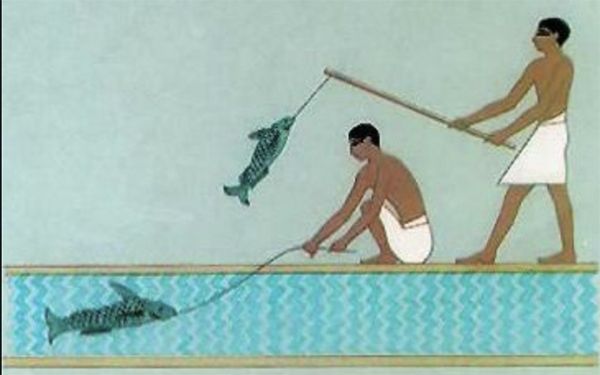
The Nile River made swimming and rowing natural sports for Ancient Egyptians. Living beside one of the world’s greatest rivers meant that many Egyptians learned to swim from an early age, while rowing became both a practical skill and a competitive activity. Water sports were especially important for fishermen, sailors, soldiers, and communities living along the Nile.
Swimming appears frequently in Egyptian artwork, where people are shown diving, floating, and moving confidently through the water. Children often learned to swim while playing near the river, making it both a recreational activity and an essential survival skill in a country surrounded by canals and waterways.
Rowing required teamwork, endurance, and coordination. Egyptian boats were used for transportation, fishing, trade, and religious ceremonies, but rowing competitions also provided entertainment during festivals. Teams competed to move their boats as quickly and smoothly as possible, creating exciting public events along the Nile.
Royal families also enjoyed boating. Pharaohs participated in ceremonial journeys and recreational trips that combined sport with luxury. Wealthy Egyptians organized pleasure cruises featuring music, food, and entertainment while sailing on the river.
Swimming and rowing also supported military training. Soldiers needed strong swimming abilities to cross rivers and canals, while coordinated rowing prepared crews for transporting troops and supplies during campaigns.
The popularity of these water sports highlights the central role of the Nile in Egyptian life. Unlike civilizations separated from major waterways, Egyptians naturally incorporated rivers into their recreation, fitness, and transportation.
Together, Ancient Egyptian swimming and rowing demonstrate how geography shaped athletic culture. The Nile was not only Egypt’s economic lifeline—it was also a place where people exercised, competed, celebrated, and enjoyed some of their favorite sports.