

1. The Importance of Trade in Ancient Egyptian Civilization
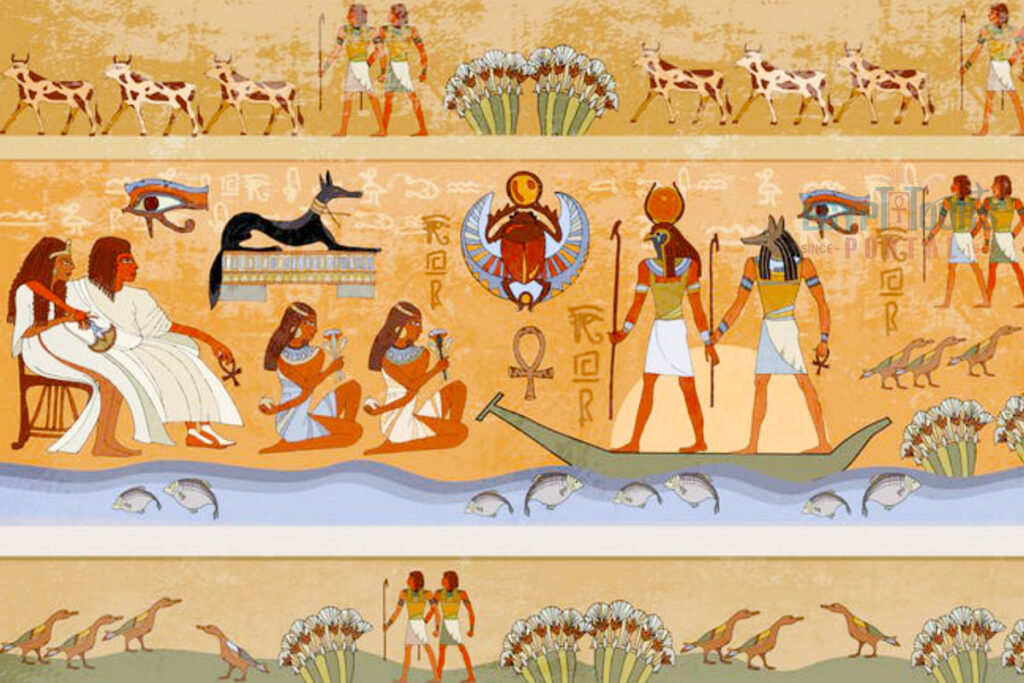
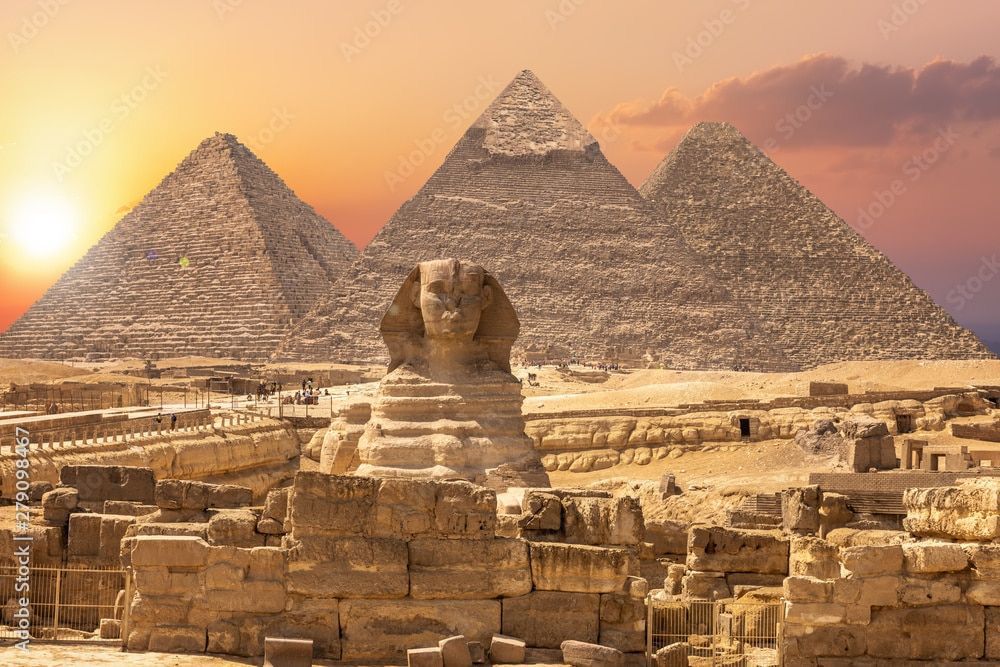
Trade was a vital part of Ancient Egyptian civilization, supporting economic growth, technological development, and access to essential resources. Although Egypt had fertile land, abundant food production, and valuable natural resources, many materials required for construction, manufacturing, and luxury goods were not available within the country. Trade allowed Egyptians to obtain these necessary resources and maintain their powerful civilization.
One of the main reasons trade was important was Egypt’s need for raw materials. The Nile Valley provided agricultural products such as grain, vegetables, and fruits, but Egypt had limited forests and lacked certain metals and stones. Through trade, Egyptians acquired timber, copper, silver, precious stones, and other materials needed for daily life and monumental projects.
The construction of temples, pyramids, and royal buildings depended heavily on imported resources. Cedar wood from the Levant was used for ships, furniture, and construction because high-quality wood was scarce in Egypt. Metals such as copper and gold were essential for tools, weapons, jewelry, and decorative objects.
Trade also strengthened Egypt’s economy by creating opportunities for merchants, craftsmen, and workers. Imported materials supported industries such as jewelry making, shipbuilding, textile production, and pottery manufacturing. These industries created employment and increased Egypt’s wealth.
Agricultural trade was especially important. Egypt’s ability to produce large quantities of grain allowed it to exchange surplus food for foreign products. Egyptian grain was valuable in international trade because many regions depended on agricultural imports during difficult periods.
Trade also increased the political influence of Egyptian rulers. Successful trade expeditions demonstrated the power of Pharaohs and helped establish diplomatic relationships with foreign kingdoms. Gifts and exchanged goods were often used to strengthen alliances.
Temples also benefited from trade activities. Religious institutions controlled agricultural lands, workshops, and storage facilities. They received valuable goods through trade and used them for religious ceremonies and supporting temple communities.
The development of trade encouraged Egyptians to improve transportation and navigation. They built stronger ships, developed sailing techniques, and created organized trade routes across deserts and seas.
The importance of trade in Ancient Egypt shows that the civilization was not isolated. Instead, it was connected to a wider ancient world through economic exchange, cultural interaction, and international relationships.
2. The Nile River and Transportation in Ancient Egyptian Trade
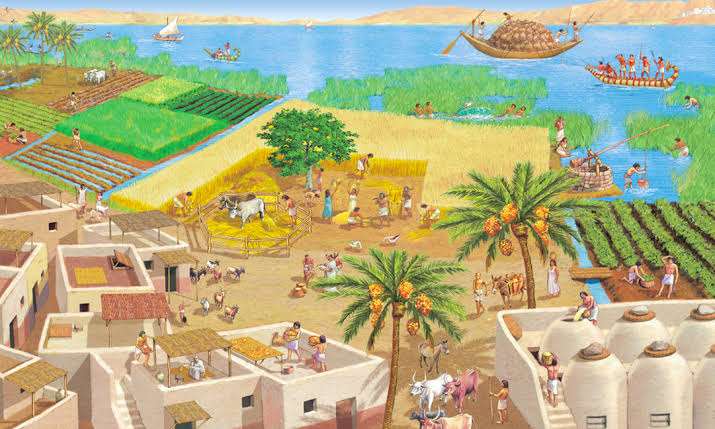
The Nile River transportation system was the foundation of trade in Ancient Egypt. Because the Nile flowed through the entire country, it provided the easiest and most efficient method for moving goods, people, and resources between different regions. The river transformed Egypt into a connected economic network where agricultural products, building materials, and trade goods could travel long distances.
Boats were the primary means of transportation along the Nile. Ancient Egyptian ships were built from papyrus reeds in earlier periods and later from wooden planks. These vessels varied in size depending on their purpose. Small boats were used for local fishing and transportation, while larger ships carried heavy cargo between cities and regions.
The direction of the Nile made transportation especially efficient. Boats traveling north could use the natural flow of the river, while ships traveling south used sails to take advantage of the prevailing winds. This combination of river currents and wind allowed Egyptians to move goods with relatively little effort.
The Nile connected important trade centers such as Memphis, Thebes, and Elephantine. Markets, ports, and storage facilities developed along the riverbanks, creating active economic areas where merchants exchanged products.
Large quantities of agricultural goods were transported through the Nile trade system. Grain, vegetables, fruits, livestock, and other products moved from farming areas to cities and government storage facilities. Stone used for temples and pyramids was also transported by river from distant quarries.
The Nile was especially important for government-controlled trade missions. Royal expeditions used ships to transport workers, supplies, and valuable goods. These missions traveled to foreign lands and returned with resources such as incense, timber, and precious materials.
The river also supported communication and administration. Officials used boats to travel between regions, deliver messages, inspect agricultural areas, and manage economic activities.
Beyond the Nile, Egyptians developed desert routes connecting the river valley with neighboring regions. Caravans crossed deserts using donkeys to transport goods such as minerals, stones, and luxury items.
The success of Egyptian trade depended greatly on this transportation network. The Nile River was more than a source of water and agriculture; it was the economic highway that allowed Ancient Egypt to grow, trade, and maintain its influence for thousands of years.
3. Major Trade Goods Exported by Ancient Egypt
The exports of Ancient Egypt played an important role in establishing the country as a powerful economic center in the ancient world. Egypt produced many valuable goods that were highly desired by neighboring civilizations. These exports allowed Egyptians to obtain foreign resources and strengthen diplomatic and economic relationships with other regions.
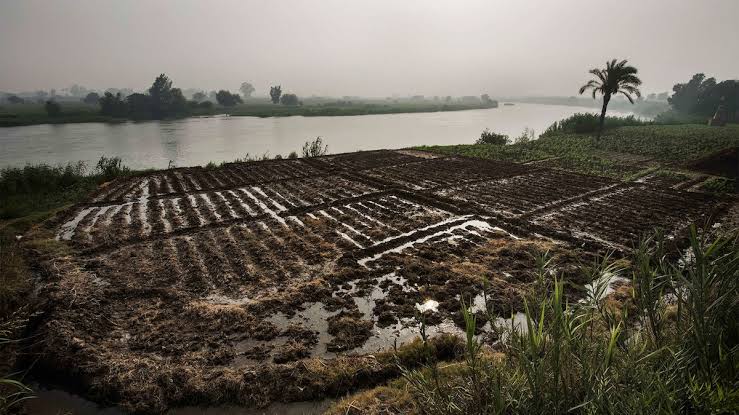
One of the most important Egyptian exports was grain, especially wheat and barley. The fertile lands of the Nile Valley allowed Egypt to produce large agricultural surpluses. Egyptian grain was valuable because it could feed large populations and support regions facing shortages.
Papyrus was another famous Egyptian export. The papyrus plant was used to produce writing material, ropes, baskets, mats, and other products. Egyptian papyrus became an important trade item because writing materials were highly valuable throughout the ancient world.
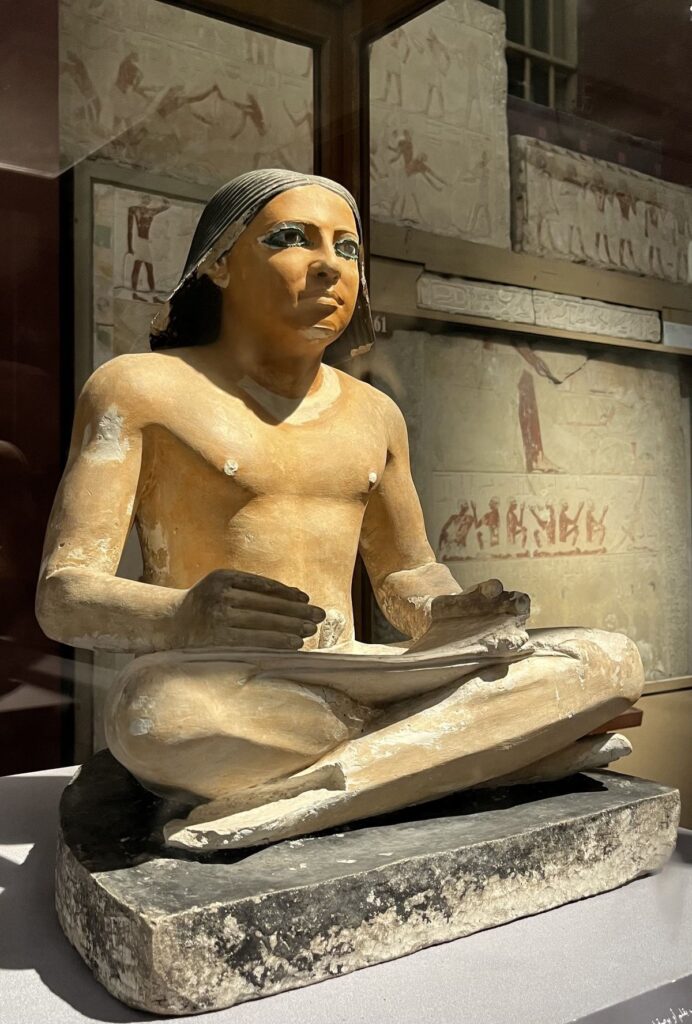
Linen textiles were among Egypt’s most famous manufactured goods. Made from flax plants, Egyptian linen was known for its quality and became a highly desired product. Skilled Egyptian craftsmen produced different types of linen used for clothing, religious purposes, and luxury items.
Egypt also exported gold, especially from mines in Nubia and the Eastern Desert. Gold was used for jewelry, royal decorations, religious objects, and diplomatic gifts. Egyptian gold contributed greatly to the wealth and prestige of the Pharaohs.
Stone and crafted products were also important exports. Egyptian artisans produced statues, pottery, jewelry, and decorative objects that reflected advanced craftsmanship. These goods were exchanged with foreign kingdoms and elite communities.
Other exported products included:
- Glass objects
- Oils and perfumes
- Furniture
- Weapons and tools
- Leather goods
- Food products
Egyptian merchants and government expeditions transported these goods through the Nile, desert routes, and maritime connections. Trade relationships with regions such as Nubia, the Levant, and Punt allowed Egyptian products to reach distant markets.
Exports also helped spread Egyptian culture. Artistic styles, religious symbols, and manufacturing techniques influenced neighboring civilizations through trade connections.
The success of Egyptian exports demonstrates the strength of the country’s economy and craftsmanship. By producing valuable agricultural and manufactured goods, Ancient Egypt created a trade network that supported its political power and cultural influence across the ancient world.