
Welcome to

Ancient Egypt Work of Craftsmen

The craftsmen of Ancient Egypt were among the most skilled artisans of the ancient world, creating the monuments, temples, tombs, statues, jewelry, furniture, and decorative objects that continue to amaze visitors and historians today. Their expertise played a crucial role in the development of Egyptian civilization, transforming raw materials into masterpieces of art, architecture, and craftsmanship. From the construction of the Great Pyramids and magnificent temples to the production of everyday household items, craftsmen contributed significantly to both the economy and cultural identity of Ancient Egypt.

Ancient Egyptian craftsmen worked in a wide variety of specialized trades, including stone carving, sculpture, woodworking, metalworking, pottery, jewelry making, painting, glass production, and textile manufacturing. Skilled artisans were responsible for creating royal treasures, religious statues, ceremonial objects, funerary equipment, and intricate decorations found in temples and tombs throughout Egypt. Their work reflected a deep understanding of artistic techniques, symbolism, and religious traditions that were central to Egyptian society.

Many craftsmen lived and worked in organized communities such as Deir el-Medina, a famous village that housed the artisans responsible for constructing and decorating the royal tombs in the Valley of the Kings. These workers included sculptors, painters, architects, stonemasons, carpenters, and metalworkers who collaborated on some of the most remarkable projects in Egyptian history. Records from Deir el-Medina provide valuable insights into their daily lives, working conditions, wages, and social organization.

The craftsmanship of Ancient Egypt was renowned for its precision, durability, and beauty. Gold jewelry, finely carved statues, painted reliefs, wooden furniture, and elaborate burial goods demonstrate the exceptional skills of Egyptian artisans. Their creations served practical, decorative, religious, and symbolic purposes, helping preserve the cultural and spiritual traditions of the civilization for thousands of years.

In this guide, we explore the work of craftsmen in Ancient Egypt, including their tools, techniques, occupations, workshops, artistic achievements, and contributions to Egyptian architecture, art, trade, religion, and daily life. Discover how these talented artisans helped create one of the greatest civilizations in human history.

1. The Role of Craftsmen in Ancient Egyptian Society

Craftsmen occupied an important position in Ancient Egyptian society because their specialized skills supported almost every part of life. Unlike farmers, who depended mainly on agriculture, Ancient Egyptian craftsmen used technical knowledge and practical experience to transform raw materials into useful and decorative objects. Their work was essential to households, temples, royal palaces, workshops, armies, and construction sites throughout Egypt.

There were many different types of craftsmen in Ancient Egypt. Stone workers carved limestone, sandstone, granite, and other materials for buildings and monuments. Carpenters produced furniture, doors, boats, coffins, and wooden tools. Potters manufactured storage jars, cooking vessels, cups, and ceremonial objects. Metalworkers created tools, weapons, statues, jewelry, and household items. Other artisans specialized in weaving, leatherworking, glassmaking, painting, sculpture, and jewelry production.

The organization of craftsmanship often depended on the workplace. Large royal and temple institutions could employ groups of specialized artisans who worked under supervisors. These workshops received raw materials and produced objects according to specific requirements. Craftsmen working on royal monuments could spend years completing detailed decorations, statues, inscriptions, and architectural elements.

Some communities became famous for particular forms of craftsmanship. The workers’ village at Deir el-Medina, near the Valley of the Kings, provides especially important evidence about skilled artisans who decorated royal tombs during the New Kingdom. These workers were highly trained and produced sophisticated paintings, inscriptions, and reliefs.

Craftsmanship was also connected to social status. Although craftsmen were below the highest officials and priests in the social hierarchy, highly skilled artisans could receive food, housing, clothing, and other benefits from state institutions. Their expertise made them valuable to the Egyptian government.

The work of craftsmen in Ancient Egypt therefore went far beyond manual labor. Artisans preserved religious traditions, supported economic activity, produced essential household goods, and created many of the monuments and artistic treasures that continue to represent Ancient Egyptian civilization today.
2. Stone Carving and Monument Construction

Stone carving was one of the most important forms of Ancient Egyptian craftsmanship. Egypt possessed large quantities of limestone, sandstone, granite, alabaster, and other stones that could be quarried and transformed into monumental architecture, statues, sarcophagi, columns, offering tables, vessels, and decorative elements. Skilled stoneworkers were therefore essential to the construction of pyramids, temples, tombs, obelisks, and royal monuments.

Ancient Egyptian stone craftsmen developed sophisticated techniques for cutting, shaping, smoothing, polishing, and decorating stone. Copper tools, stone hammers, wooden implements, abrasive materials, and later harder metal tools were used according to the type of stone being worked. Hard stones such as granite required considerable effort and specialized techniques.

Stoneworkers were involved in every stage of monumental construction. Quarry workers extracted blocks from the ground, while specialized craftsmen shaped them according to architectural plans. Sculptors then transformed stone blocks into statues of pharaohs, gods, officials, and animals. Other artisans carved hieroglyphic inscriptions and religious scenes onto temple walls, columns, tombs, and funerary objects.

The quality of Ancient Egyptian stone carving was particularly impressive. Sculptors carefully followed established artistic conventions while producing highly detailed human figures, divine images, animals, and symbolic objects. Monumental statues were designed not only as works of art but also as religious and political representations of the pharaoh and the gods.

Stone craftsmanship was especially important in royal funerary architecture. Pyramids and later rock-cut tombs required enormous quantities of stone and the coordinated efforts of thousands of workers, including quarrymen, transporters, masons, sculptors, and other specialists.

The construction of temples also depended heavily on skilled stone artisans. Buildings such as the temples at Karnak, Luxor, Abu Simbel, and other sacred sites contain enormous quantities of carved and decorated stone.

Through their technical knowledge, Ancient Egyptian stone craftsmen transformed natural materials into some of the world’s most famous monuments. Their achievements demonstrate the advanced organization, engineering knowledge, artistic traditions, and craftsmanship of ancient Egyptian civilization.
3. Pottery and Ceramic Crafts in Ancient Egypt

Pottery was one of the most common and useful crafts in Ancient Egypt. Because clay was readily available along the Nile Valley, pottery production became an important occupation in Egyptian communities. Ancient Egyptian potters produced objects for everyday life, agriculture, trade, religious ceremonies, and funerary practices. Their work provides valuable evidence about Egyptian technology, food storage, household activities, and economic life.

Potters collected suitable clay, removed unwanted materials, mixed it with other substances when necessary, and shaped it into different forms. Simple vessels could be shaped by hand, while more advanced pottery was produced using a rotating potter’s wheel. After shaping, vessels were dried and then fired in kilns to make them hard and durable.

Ancient Egyptian pottery included storage jars, bowls, plates, cups, cooking vessels, beer containers, wine jars, water containers, and small decorative objects. Large jars were particularly important for storing grain, oil, wine, beer, and other food products. Because agriculture was central to the Egyptian economy, storage containers were essential for preserving agricultural surplus.

Pottery also played an important role in religious and funerary practices. Egyptians placed ceramic vessels and offerings inside tombs and temples. Some vessels were designed specifically for holding offerings to gods or food and drink intended for the deceased.

Egyptian craftsmen sometimes decorated pottery with painted designs, geometric patterns, plants, animals, and human figures. The decoration and shape of pottery changed throughout different periods of Egyptian history, allowing archaeologists to use ceramics to help identify archaeological sites and establish dates.

Pottery workshops could produce large quantities of standardized vessels, demonstrating that some forms of Egyptian craftsmanship were organized on a significant scale. At the same time, skilled potters produced finely made objects for wealthy customers and religious institutions.

The importance of Ancient Egyptian pottery and ceramics cannot be underestimated. Pottery was affordable, practical, and durable, making it one of the most widespread products created by Egyptian craftsmen. Today, surviving ceramic vessels provide important information about Ancient Egyptian daily life, trade, food storage, religion, technology, and craftsmanship.
4. Woodworking and Carpentry in Ancient Egypt

Woodworking was another highly skilled profession in Ancient Egypt. Although Egypt had limited supplies of large native trees, Egyptian craftsmen developed sophisticated techniques for working with both local and imported timber. Wood was valuable because it was used to produce furniture, boats, doors, coffins, statues, tools, agricultural equipment, and household objects. The work of Ancient Egyptian carpenters and woodworkers therefore supported both everyday life and royal and religious institutions.

Egyptian carpenters worked with different types of wood depending on availability and purpose. Local woods were used for simpler objects, while imported timber from the Levant was particularly prized for high-quality furniture, ships, doors, and luxury objects. Cedar was among the most valued imported woods, while other varieties were used for specialized purposes.

Ancient Egyptian woodworking required careful cutting, shaping, joining, and finishing. Craftsmen used tools such as axes, adzes, saws, chisels, drills, and wooden mallets. They developed methods for joining pieces of wood securely using joints, pegs, dowels, and adhesives. Some furniture was also decorated with paint, carving, inlays, or precious materials.

Furniture was an important product of Egyptian carpentry. Skilled artisans created beds, chairs, stools, tables, chests, boxes, and storage containers. Wealthy Egyptians and members of the royal family could own elaborately decorated furniture featuring carved animals, plants, religious symbols, and precious materials.

Wood was also essential for transportation. Egyptian boatbuilders constructed river vessels and larger ships for Nile travel and Red Sea expeditions. Boats transported people, agricultural products, stone, and other heavy goods throughout Egypt.

Coffins were another important product of woodworking. Egyptian carpenters constructed wooden coffins that were later painted with religious texts, images, and protective symbols. Some elite coffins were extremely elaborate and required the cooperation of carpenters, painters, sculptors, and other artisans.

The skill of Ancient Egyptian woodworkers demonstrates how craftsmen adapted to limited natural resources and developed sophisticated technical knowledge. Their surviving furniture, coffins, boats, and wooden objects provide valuable evidence about Ancient Egyptian craftsmanship, technology, transportation, furniture, daily life, and funerary traditions.

5. Metalworking and Blacksmith Crafts

Metalworking was an important specialized craft in Ancient Egypt, allowing artisans to transform copper, bronze, gold, silver, and other metals into practical and decorative objects. Ancient Egyptian metalworkers produced tools, weapons, jewelry, vessels, statues, mirrors, religious objects, and household equipment. Their work contributed to agriculture, construction, warfare, religion, and elite culture.

Copper was one of the earliest widely used metals in Egypt. It could be shaped into tools such as chisels, knives, axes, and other implements. Copper tools were especially important for craftsmen working with wood and stone. Over time, Egyptians increasingly used bronze, an alloy that could provide greater strength and durability for many applications.

Metalworkers used heating, hammering, casting, cutting, polishing, and other techniques to create finished objects. Some objects were made by repeatedly heating and shaping metal, while others were produced through casting. Specialized craftsmen needed to understand how different metals behaved under heat and pressure.

Goldworking was particularly prestigious. Egypt had access to important gold resources, especially in Nubia and the Eastern Desert. Goldsmiths transformed gold into necklaces, bracelets, rings, crowns, amulets, ceremonial objects, statues, and funerary equipment. Because gold did not easily corrode, Egyptians associated it with the gods, the sun, and eternal life.

Silver was also valued, although it was less abundant in Egypt than gold during many periods. It was used for jewelry, vessels, religious objects, and elite possessions.

Metalworking also had major military importance. Egyptian craftsmen produced spearheads, blades, axes, shields, and other equipment needed by soldiers. During the New Kingdom, improvements in bronze technology contributed to the production of more effective weapons.

The workshops of Ancient Egyptian craftsmen were often organized around specialized tasks. A goldsmith, bronze worker, toolmaker, and sculptor could each possess different skills. Some artisans worked for temples and palaces, while others served wealthy private customers.

The surviving metal objects of Ancient Egypt demonstrate the impressive technical knowledge of Egyptian artisans. Their work reveals the importance of Ancient Egyptian metalworking, goldsmithing, bronze production, tools, weapons, jewelry, and technological development.

6. Jewelry Making and Precious Stone Crafts

Jewelry making was one of the most sophisticated forms of craftsmanship in Ancient Egypt. Egyptian artisans created necklaces, bracelets, rings, earrings, collars, amulets, crowns, pendants, and other ornaments using gold, silver, copper, colored stones, glass, faience, and other materials. Ancient Egyptian jewelry craftsmen combined technical skill with religious symbolism and artistic design.

Jewelry was worn by both men and women, although the quality and quantity of jewelry often reflected wealth and social position. Members of the royal family and wealthy elites could possess elaborate pieces made from precious metals and gemstones. Jewelry was not simply decorative; it could also represent protection, status, religious belief, and connection with the gods.

Gold was especially important in Egyptian jewelry making. Its bright appearance and resistance to corrosion made it a symbol of permanence and divine power. Goldsmiths carefully shaped thin sheets, wires, beads, and other forms to create complex ornaments. They could also combine gold with colored stones and glass to produce striking patterns.

Popular materials included turquoise, lapis lazuli, carnelian, amethyst, jasper, and other colorful stones. Some materials came from distant regions, demonstrating the relationship between Ancient Egyptian trade routes and craftsmanship. Imported stones and metals were transported into Egypt through networks connecting Nubia, Sinai, the Red Sea, and the eastern Mediterranean.

Amulets were particularly important. These small objects were often shaped like scarabs, ankhs, eyes, animals, gods, or other symbols. Egyptians believed that certain amulets provided protection, health, prosperity, or safe passage into the afterlife.

Jewelry was also closely associated with burial customs. Wealthy individuals were sometimes buried with necklaces, rings, bracelets, amulets, and other ornaments. Royal tombs contained exceptionally elaborate examples of Egyptian jewelry, demonstrating the high level of skill achieved by ancient goldsmiths.

The work of Ancient Egyptian jewelry makers combined craftsmanship, symbolism, religion, and luxury. Their surviving creations provide important evidence about Egyptian art, technology, social hierarchy, religious beliefs, trade, and funerary traditions. Ancient Egyptian jewelry remains one of the clearest examples of the extraordinary creativity and technical ability of Egyptian artisans.

7. Textile Production and Weaving in Ancient Egypt

Textile production was an important craft in Ancient Egyptian society, and linen was the most widely used fabric. Egyptian craftsmen and women developed sophisticated methods for turning flax plants into fine linen cloth. Ancient Egyptian textile workers produced clothing, household fabrics, religious textiles, sails, and burial materials. Their work was essential to both everyday life and the economy.

Flax was cultivated extensively in the fertile Nile Valley. After harvesting, the plant was processed to obtain fibers that could be spun into thread. Spinners used simple tools to create continuous strands, while skilled weavers transformed the thread into sheets of fabric on horizontal or vertical looms.

Linen quality varied considerably. Ordinary people generally wore simpler and coarser fabrics, while wealthy Egyptians could afford extremely fine linen garments. High-quality linen could be carefully woven into lightweight material suitable for elite clothing and ceremonial use.

Egyptian clothing was relatively simple in shape but could be carefully pleated, decorated, or combined with jewelry and other accessories. Workers, farmers, servants, officials, priests, and members of the royal family all depended on textile production for clothing.

Textiles also had religious importance. Priests sometimes wore specific types of linen garments during ceremonies, and linen was widely used in the preparation of mummies. Ancient Egyptian funerary practices required large quantities of linen bandages to wrap the deceased. High-quality linen could therefore become an important part of burial preparation.

Weaving was also connected to the Egyptian economy. Temples and large estates could organize textile production on a significant scale. Workers produced fabric that could be distributed as wages, clothing, offerings, or supplies.

Evidence from tomb paintings and archaeological discoveries shows that spinning and weaving were important occupations. Women appear frequently in representations of textile production, although men also participated in related crafts and specialized activities.

The work of Ancient Egyptian textile craftsmen demonstrates the importance of linen production, weaving, spinning, flax cultivation, Egyptian clothing, and textile technology. Their products were essential to daily life and religious practices, while the quality of Egyptian linen became one of the most recognizable features of Ancient Egyptian craftsmanship.

8. Painting, Sculpture, and Artistic Decoration

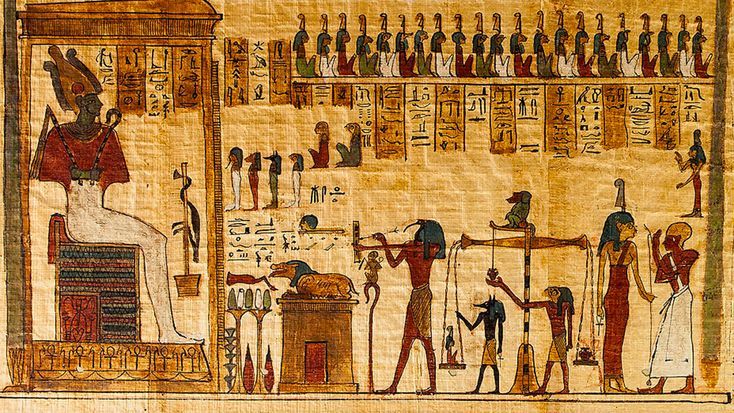
Painting and sculpture were among the most recognizable forms of Ancient Egyptian craftsmanship. Skilled artists decorated temples, tombs, palaces, coffins, statues, furniture, and religious objects with carefully planned images and colors. Their work was not simply created for decoration; it served religious, political, funerary, and symbolic purposes.

Ancient Egyptian sculptors produced statues of pharaohs, queens, gods, officials, animals, and private individuals. Sculptures could be made from limestone, sandstone, granite, wood, or other materials. Artists followed established conventions when representing human figures, especially in royal and religious art.

Egyptian sculpture often emphasized idealized physical forms and symbols of power. Pharaohs were commonly shown in strong and youthful forms to communicate eternal kingship. Gods could be represented as humans, animals, or combinations of human and animal characteristics.

Painting was particularly important in tomb decoration. Artists covered walls with scenes showing agriculture, hunting, fishing, food preparation, religious ceremonies, offerings, and activities associated with daily life. Funerary paintings were believed to help provide the deceased with everything needed for the afterlife.

Colors carried symbolic meanings. Artists used mineral-based pigments and other natural materials to produce shades of red, yellow, blue, green, black, and white. Blue and green could be associated with water, vegetation, life, or regeneration, while other colors could have religious or symbolic meanings depending on context.

Hieroglyphic inscriptions were often incorporated into painted and carved scenes. Scribes and artists sometimes worked together to create complete decorative programs in tombs and temples.

The craftsmen of Deir el-Medina, who decorated many royal tombs in the Valley of the Kings, provide an excellent example of specialized Egyptian artistic labor. Their detailed work demonstrates the training, organization, and technical knowledge required to produce high-quality funerary art.

Ancient Egyptian painting and sculpture therefore combined artistic skill with religious belief. The surviving statues, reliefs, and paintings provide historians with valuable information about Egyptian art, religion, mythology, pharaohs, daily life, funerary customs, and ancient craftsmanship.

9. Glass, Faience, and Decorative Crafts

Ancient Egyptian craftsmen also specialized in producing colorful decorative objects from faience, glass, and other materials. These crafts demonstrate the creativity and technical knowledge of Egyptian artisans. Small decorative objects such as beads, amulets, vessels, figurines, tiles, and inlays were produced in workshops and were used in jewelry, religious ceremonies, furniture, architecture, and funerary equipment.

Faience was particularly popular in Ancient Egypt. Despite its name, Egyptian faience was not ordinary glass or pottery. It was a glazed material made primarily from a silica-rich mixture. Craftsmen could shape it into beads, amulets, bowls, figurines, tiles, and other objects before applying a surface glaze that produced its characteristic bright appearance.

Blue and green were especially popular colors because they could symbolize water, vegetation, regeneration, and life. Faience objects were therefore particularly suitable for religious and funerary purposes.

Amulets were among the most common faience products. Egyptian artisans created protective symbols representing scarabs, the Eye of Horus, ankh signs, gods, animals, and other religious motifs. These objects were worn as jewelry or placed with the dead.

Glassworking also developed into an important specialized craft. Egyptian glassmakers produced beads, vessels, decorative objects, and inlays. Some techniques involved heating and shaping colored glass around a core or forming decorative patterns using different colors. Glass production required considerable knowledge of heat and material behavior.

These crafts were closely connected to the Egyptian luxury economy. Wealthy individuals could own elaborate jewelry and decorative objects, while temples and royal institutions commissioned specialized pieces for religious and ceremonial purposes.

The production of faience and glass also demonstrates the importance of trade. Some raw materials and pigments were obtained from outside Egypt, while finished products could circulate through internal and international trade networks.

The work of Ancient Egyptian glassmakers and faience craftsmen reveals a sophisticated understanding of materials, heat, color, and design. Their surviving objects provide evidence of Ancient Egyptian technology, decorative arts, jewelry making, religious symbolism, funerary practices, and skilled craftsmanship. These colorful creations remain some of the most distinctive artistic products of ancient Egyptian civilization.

10. Leatherworking and Crafting Everyday Objects

Leatherworking was an important practical craft in Ancient Egypt. Egyptian artisans transformed animal hides into useful products such as sandals, belts, bags, containers, shields, straps, furniture coverings, and other everyday objects. Ancient Egyptian leather craftsmen worked with materials obtained from cattle, goats, sheep, and other animals, creating products that served households, soldiers, farmers, travelers, and members of the elite.

The production of leather required several stages. Animal hides had to be cleaned, treated, dried, and processed before they could be shaped into finished products. Skilled workers used knives, punches, needles, and other tools to cut and join pieces of leather. Some leather objects were left relatively plain, while higher-quality products could be decorated with stitching, coloring, or additional materials.

Footwear was one of the most common leather products. Sandals were worn by Egyptians from different social groups, although the quality and decoration varied according to wealth and status. Leather sandals were particularly useful because they protected the feet from hot ground, sharp stones, and rough surfaces.

Leather was also important to the military. Egyptian soldiers used leather for shields, straps, protective equipment, and other military supplies. Harnesses and leather components were also needed for animals and transportation equipment.

Households used leather for bags, containers, straps, furniture components, and other practical objects. Some leather products were also associated with religious and funerary activities.

Craftsmanship in leather required both technical knowledge and careful manual work. Artisans needed to understand how different hides behaved and how to make durable products capable of surviving repeated use.

Leatherworking was often connected with other crafts. Carpenters, metalworkers, textile workers, and leather craftsmen could cooperate when producing complex objects such as furniture, chariots, tools, and military equipment.

Although leather is less frequently preserved than stone or pottery, archaeological discoveries and tomb paintings provide evidence of its widespread use. Ancient Egyptian leatherwork therefore represents an important but sometimes overlooked part of Egyptian craftsmanship.

The work of leather artisans demonstrates how Egyptian craftsmen transformed natural materials into practical products. Their skills contributed to Ancient Egyptian daily life, military technology, transportation, clothing, footwear, household production, and economic activity.

11. Craftsmen in Temples, Palaces, and Royal Workshops

Many of the most skilled craftsmen in Ancient Egypt worked in institutions connected with the pharaoh, temples, and the state. Royal and temple workshops brought together specialists who produced objects required for religious ceremonies, royal residences, funerary complexes, and government activities. These institutions played a major role in organizing Ancient Egyptian craftsmanship on a large scale.

Royal workshops employed different specialists, including sculptors, painters, carpenters, goldsmiths, stoneworkers, potters, textile workers, and other artisans. Each craftsman had a specific role, but large projects required cooperation between several professions.

For example, producing a royal coffin could involve carpenters who constructed the wooden structure, sculptors who shaped decorative elements, painters who applied colors, and craftsmen who added gold or other precious materials. A temple statue could similarly require quarry workers, stone carvers, polishers, painters, and inscription specialists.

Temples functioned not only as religious centers but also as major economic institutions. They controlled agricultural land, livestock, workshops, storage facilities, and large numbers of workers. Craftsmen working for temples could produce statues, ritual vessels, clothing, furniture, offerings, and architectural decorations.

Royal workshops were particularly important during major building programs. Pharaohs commissioned temples, statues, obelisks, tombs, and other monuments that required highly trained artisans. Large construction projects could continue for years or even decades.

The organization of craftsmen is especially visible at Deir el-Medina, where workers involved in decorating royal tombs lived in a specialized community. Their houses, tools, inscriptions, and surviving tombs provide detailed evidence about the lives and occupations of skilled Egyptian artisans.

Craftsmen could receive food, clothing, housing, and other forms of compensation from the institutions employing them. Some skilled workers became relatively prosperous and could own property and participate in community life.

The organization of Ancient Egyptian royal craftsmen and temple artisans demonstrates that craftsmanship was an important component of the state economy. Their work supported religion, royal authority, construction, funerary traditions, and everyday life.

12. The Importance of Craftsmen in Ancient Egyptian Civilization

Craftsmen were among the most important skilled workers in Ancient Egyptian civilization. Their work connected raw materials with the practical, religious, economic, and artistic needs of Egyptian society. From massive stone temples to tiny protective amulets, almost every part of Ancient Egyptian culture depended on the knowledge and labor of specialized artisans.

Stoneworkers created pyramids, temples, statues, columns, sarcophagi, and obelisks. Carpenters built furniture, boats, coffins, doors, and tools. Potters produced vessels for food, water, beer, wine, and religious offerings. Metalworkers created weapons, tools, jewelry, mirrors, and ceremonial objects. Textile workers transformed flax into linen clothing and funerary materials, while painters and sculptors decorated tombs and temples with scenes that continue to provide valuable historical evidence.

Craftsmanship was also closely connected to Ancient Egyptian religion. Artisans produced statues of gods, funerary masks, coffins, amulets, offering vessels, and decorated tombs. Egyptian religious beliefs required objects and images that could serve the deceased and honor the gods. Craftsmen therefore played an important role in maintaining religious traditions.

Their work also supported the Egyptian economy. Workshops required raw materials obtained through agriculture, mining, quarrying, and long-distance trade. Gold from Nubia, timber from the Levant, stones from Egyptian quarries, copper from mining regions, and other materials were transformed by craftsmen into finished products.

Craftsmen also preserved Egyptian artistic traditions. Techniques and design principles were passed from experienced workers to younger generations, allowing distinctive forms of Ancient Egyptian art and craftsmanship to survive for thousands of years.

The importance of Egyptian artisans can still be seen today. The pyramids, temples, tomb paintings, statues, jewelry, furniture, pottery, and funerary objects preserved from ancient times demonstrate their extraordinary skills.

Ultimately, the work of craftsmen in Ancient Egypt was much more than manual labor. It was a combination of technical knowledge, artistic creativity, religious belief, and practical skill. Egyptian craftsmen helped build monuments, support the economy, preserve religious traditions, and create the artistic legacy that makes Ancient Egypt one of the world’s most fascinating ancient civilizations.

Frequently Asked Questions

Craftsmen in Ancient Egypt produced a wide range of useful, decorative, religious, and funerary objects. Their work included stone carving, pottery, woodworking, metalworking, jewelry making, weaving, leatherworking, glassmaking, painting, and sculpture. Skilled artisans created everything from household tools and furniture to royal statues, temple decorations, coffins, jewelry, and funerary objects.

The main types of Ancient Egyptian craftsmen included stone carvers, sculptors, carpenters, potters, metalworkers, goldsmiths, jewelers, textile workers, weavers, painters, leatherworkers, glassmakers, and faience craftsmen. Some artisans specialized in highly specific tasks, particularly those working on royal tombs, temples, palaces, and other major construction projects.

Ancient Egyptian craftsmen worked in many different places, including royal workshops, temple workshops, construction sites, local workshops, and specialized communities. One of the best-known artisan communities was Deir el-Medina, where skilled workers and their families lived while craftsmen decorated royal tombs in the Valley of the Kings during the New Kingdom.

Egyptian craftsmen worked with many natural and imported materials. These included limestone, sandstone, granite, alabaster, wood, clay, copper, bronze, gold, silver, leather, flax, glass, faience, and precious stones. Trade routes were important because materials such as cedar wood, lapis lazuli, and other luxury resources had to be imported from outside Egypt.

Craftsmen were essential because they produced the objects and structures needed for everyday life, religion, government, and royal culture. They built and decorated temples and tombs, created tools and weapons, produced furniture and clothing, and made religious and funerary objects. Their skills also helped preserve Ancient Egyptian artistic traditions and contributed greatly to the civilization’s cultural legacy.