
1. The Role and Powers of Ancient Egyptian Pharaohs
The Ancient Egyptian pharaoh stood at the center of Egypt’s political, religious, and administrative system. The king was not simply a political ruler in the modern sense. Egyptians considered the pharaoh an essential link between the human world and the divine world, with major responsibilities for maintaining order and protecting the kingdom.
One of the most important responsibilities of the pharaoh was maintaining Ma’at, the principle of truth, justice, balance, and cosmic order. Egyptians believed that the stability of the country depended partly on the ruler’s ability to preserve Ma’at and prevent chaos, often associated with Isfet.
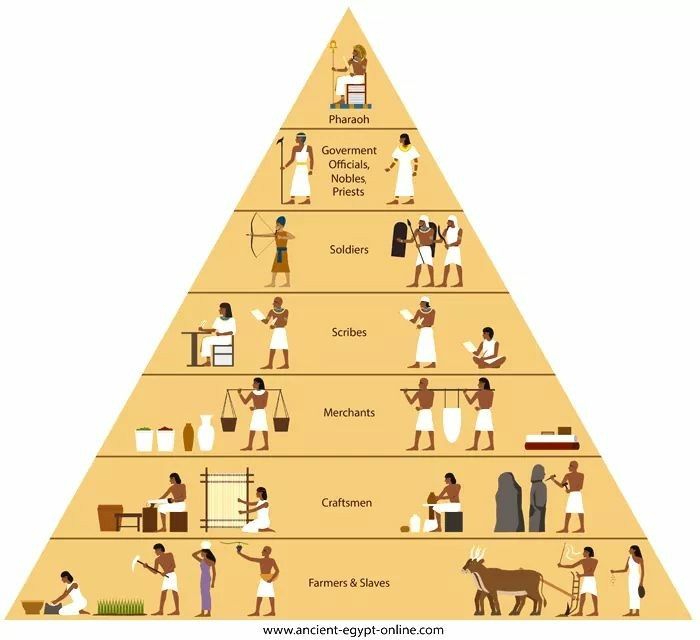
The pharaoh was the highest authority in government. He appointed senior officials, including the vizier, governors, military commanders, and other administrators. These officials managed taxation, agriculture, construction, justice, and regional administration.
The king also controlled or influenced the allocation of important resources. Large agricultural estates, temples, workshops, and administrative institutions contributed to the economy of the state.
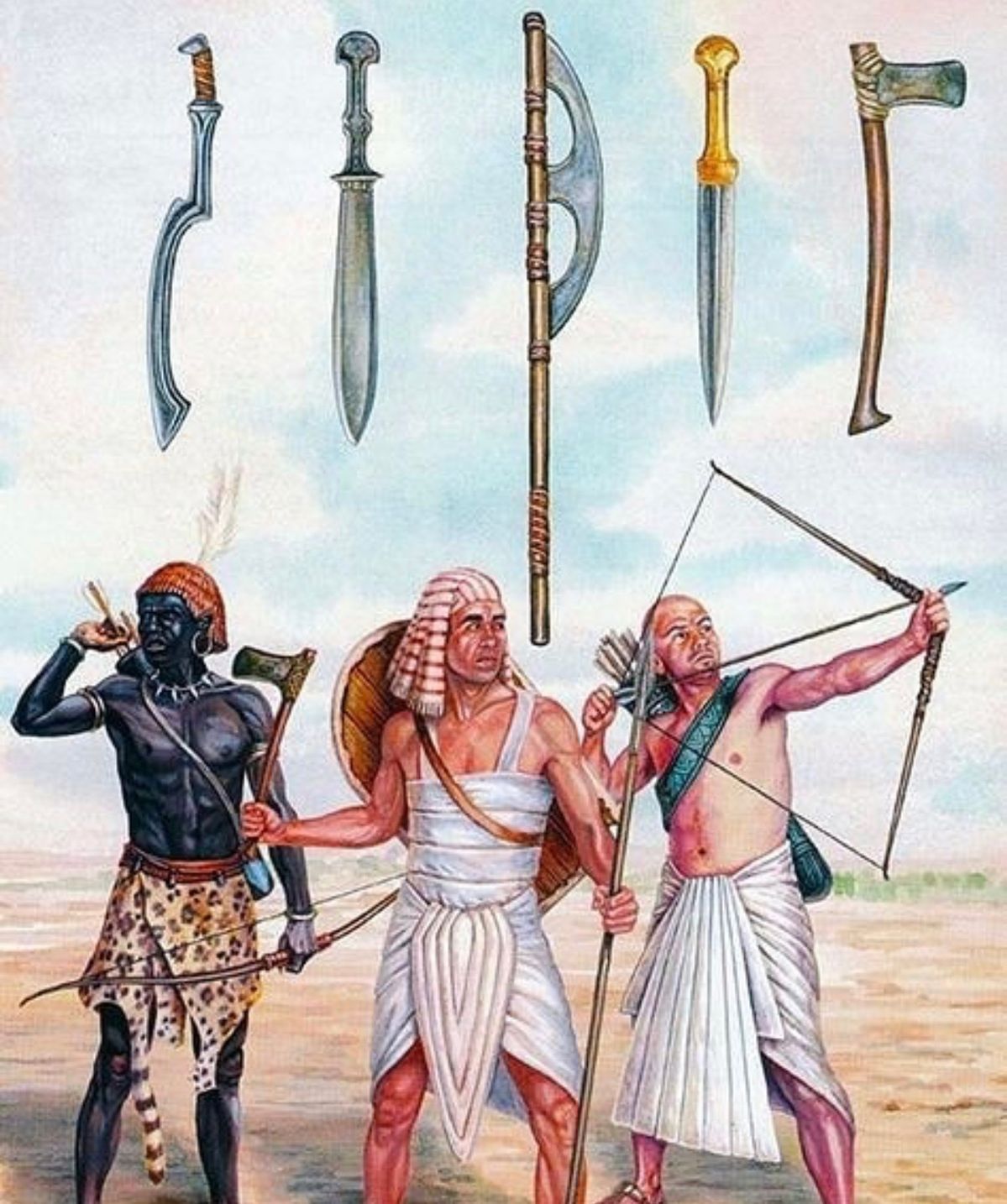
Military leadership was another major responsibility. The pharaoh was expected to defend Egypt from foreign enemies and, during periods of expansion, lead or authorize military campaigns. Royal inscriptions often presented the king as a powerful warrior defeating Egypt’s enemies.
Religion was equally important. Pharaohs commissioned temples, made offerings to the gods, participated symbolically in religious ceremonies, and supported priests and temple institutions.
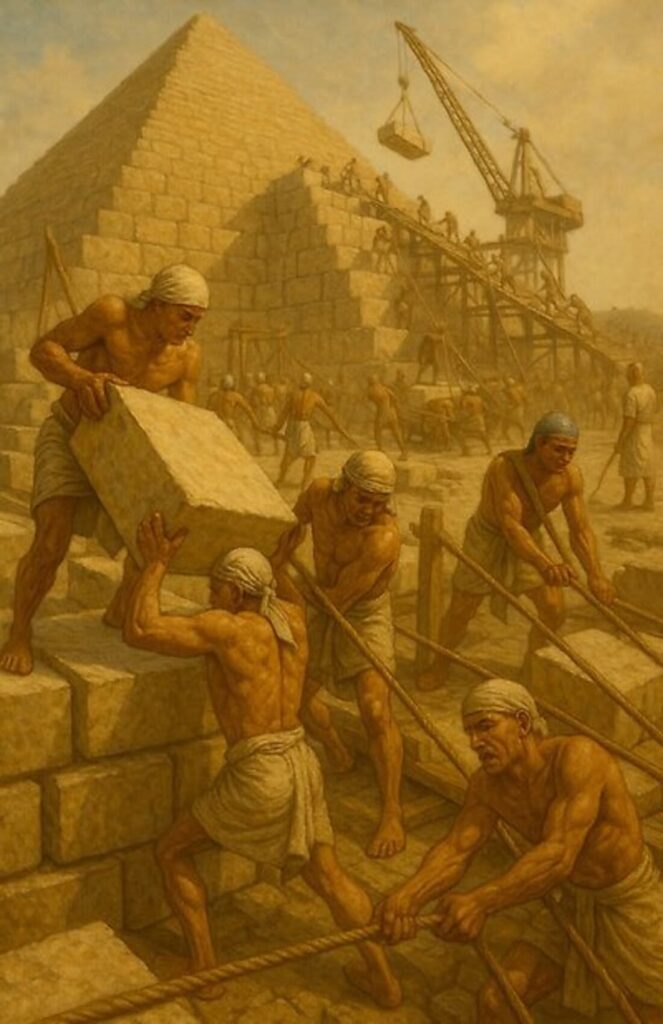
The ruler was also responsible for major building projects. Pyramids, temples, statues, obelisks, and other monuments demonstrated royal power and religious devotion. These projects also employed large numbers of workers and craftsmen.
Pharaohs used symbols to communicate their authority. Crowns, ceremonial clothing, staffs, false beards, and royal poses identified the king as a powerful and sacred figure.
The pharaoh’s role changed somewhat throughout Egyptian history. During periods of strong central government, royal authority could be particularly powerful, while periods of political instability could weaken central control.
Despite these changes, the ideal of the pharaoh remained closely connected with order, protection, religion, and kingship.
The power of Ancient Egyptian pharaohs therefore came from a combination of political authority, economic resources, military responsibility, religious ideology, and cultural tradition. Understanding this role is essential for understanding how Egyptian civilization was governed for thousands of years.
2. The Divine Status and Religious Role of Ancient Egyptian Pharaohs
The religious role of the Ancient Egyptian pharaoh was fundamental to Egyptian kingship. Egyptians did not generally view the king as simply an ordinary human ruler. The pharaoh occupied a special position within the religious order and was believed to have a unique relationship with the gods.
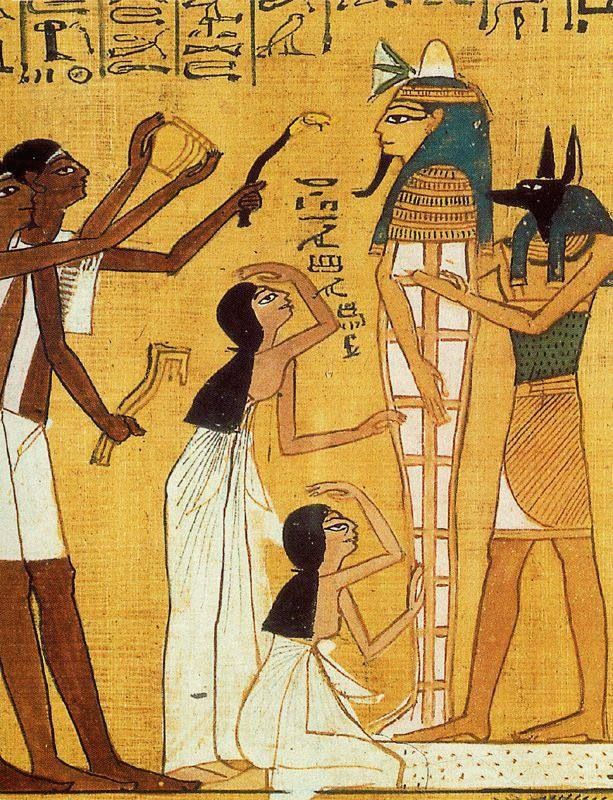
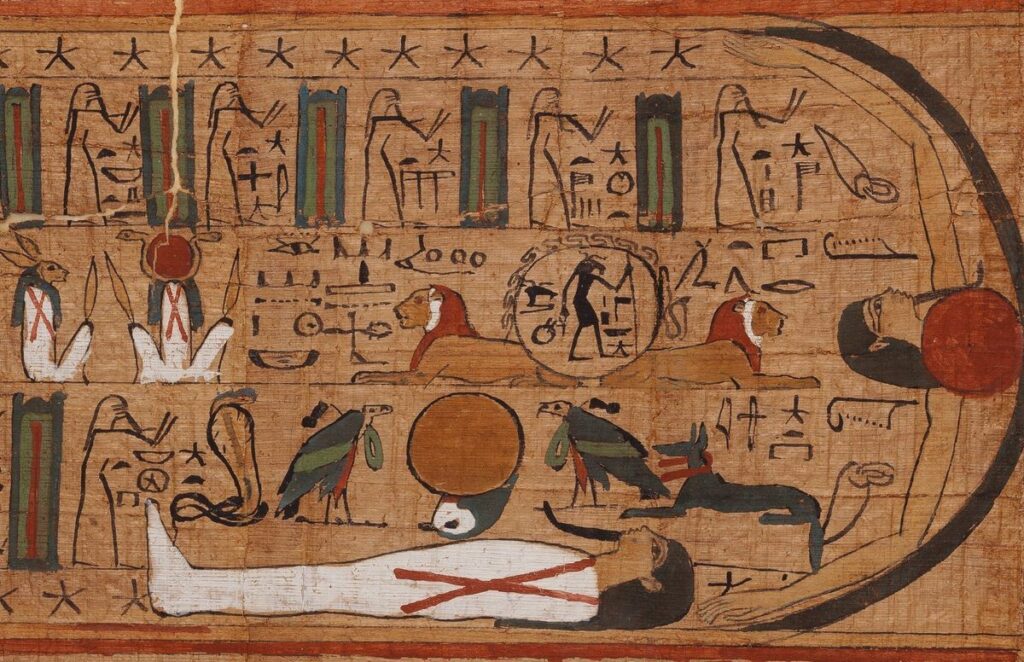
Egyptian kingship was associated with Horus, the falcon-headed god who represented kingship and protection. During his lifetime, the living king could be connected with Horus, while deceased kings became associated with Osiris, the god of the afterlife.
This religious connection helped explain the pharaoh’s authority. The king was expected to act as the intermediary between the gods and the Egyptian people.
Temples were therefore central to royal responsibility. Pharaohs built, expanded, and restored temples throughout Egypt. They commissioned statues, reliefs, inscriptions, and offerings dedicated to the gods.
Royal temple scenes often show the pharaoh presenting offerings to deities. These images symbolized the ruler’s responsibility to maintain communication and proper relationships between the divine and human worlds.
The pharaoh was also associated with the preservation of Ma’at. By performing religious rituals and supporting temples, the king demonstrated that divine and earthly order were being maintained.
The relationship between the pharaoh and the gods was expressed through monumental architecture. Temples such as Karnak, Luxor, Abu Simbel, and many others contain royal inscriptions and images presenting the king as a servant and representative of the gods.
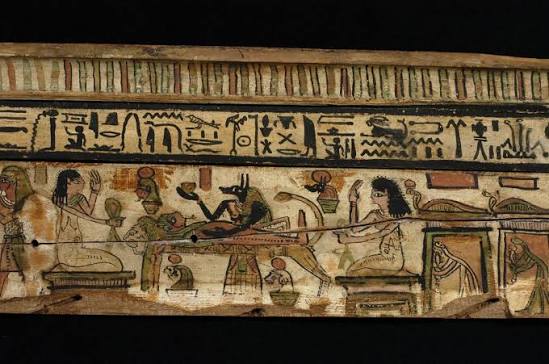
The king’s religious role also appeared in funerary traditions. Royal tombs were designed to support the deceased ruler’s journey into the afterlife.
The Pyramid Texts, Coffin Texts, and later funerary traditions contain religious concepts associated with royal resurrection and eternal life.
However, Egyptian kingship was not static. Religious ideas about the pharaoh developed over different periods, and the exact relationship between the king and the gods varied.
The reign of Akhenaten provides a particularly unusual example. He promoted the worship of the Aten and reduced the traditional prominence of many other Egyptian gods, changing the religious role of kingship for a time.
After his reign, many traditional religious practices were restored.
The religious authority of the pharaoh helped unify Egyptian political and spiritual life. The king represented divine order, national identity, religious tradition, and political authority.
This unique combination of religion and kingship is one of the most distinctive features of Ancient Egyptian civilization.
3. The First Pharaohs and the Unification of Ancient Egypt
The emergence of the first Egyptian kings was closely connected with the unification of Upper and Lower Egypt. Before the formation of a unified Egyptian state, the Nile Valley contained different communities and regional political centers. Over time, rulers consolidated power and created a more centralized kingdom.
The traditional unification of Egypt is associated with Narmer, a ruler who is often identified with the king known as Menes in later traditions. Although historians continue to discuss the exact details of Egypt’s political unification, Narmer is strongly associated with the formation of the early Egyptian state.
The famous Narmer Palette provides important evidence of early Egyptian kingship. It depicts the king wearing symbols associated with both Upper and Lower Egypt, presenting an image of royal power and political unity.
The unification of Egypt created a centralized political structure along the Nile. This allowed rulers to coordinate agriculture, taxation, religious institutions, construction, and military activities across a large territory.
The earliest dynasties established traditions that influenced Egyptian kingship for thousands of years. Royal ceremonies, crowns, symbols, titles, and religious associations developed during this period.
The king became a symbol of the unity of the Egyptian kingdom. The famous White Crown of Upper Egypt and Red Crown of Lower Egypt represented the two regions, while the combined crown symbolized unified Egypt.
The early pharaohs also established administrative centers and supported major religious institutions. Their authority depended on local officials who managed communities and agricultural resources.
Royal tombs from the Early Dynastic Period demonstrate the increasing importance of kingship and elaborate burial traditions.
The development of writing also strengthened royal administration. Officials could record taxes, agricultural production, religious activities, and royal decisions.
The first dynasties established a political tradition based on centralized kingship, which later pharaohs inherited and adapted.
The process of unification was not necessarily a single event completed immediately. Political consolidation developed over time, and regional identities continued to exist within the unified kingdom.
Nevertheless, the formation of a centralized Egyptian state created the foundation for the later Old Kingdom, when Egypt became famous for monumental architecture and powerful royal institutions.
The legacy of the first pharaohs is therefore especially important. They established many of the political, religious, and cultural traditions that shaped Egyptian kingship for the next three thousand years.