
Welcome to

Aswan Travel Guide for First-Time Visitors

Aswan is one of Egypt’s most charming and distinctive destinations, offering visitors a completely different atmosphere from the bustling streets of Cairo and the monument-filled landscapes of Luxor. Located along the Nile River in southern Egypt, Aswan is known for its breathtaking scenery, rich cultural heritage, ancient temples, and relaxed pace of life. For many travelers, it becomes one of the most memorable stops during an Egyptian journey.

Unlike some of Egypt’s larger cities, Aswan provides a peaceful environment where visitors can enjoy beautiful river views, traditional feluccas sailing across the Nile, colorful Nubian villages, and a warm, welcoming atmosphere. The city has long served as an important cultural crossroads, connecting Egypt with Nubia and other regions of Africa. This unique history continues to influence the local culture, architecture, traditions, and cuisine that visitors experience today.

Aswan is also home to some of Egypt’s most famous historical attractions. The magnificent Philae Temple, dedicated to the goddess Isis, stands as one of the country’s most beautiful temple complexes. Nearby, the Unfinished Obelisk provides fascinating insight into ancient stoneworking techniques, while the High Dam represents one of modern Egypt’s most significant engineering achievements. For many travelers, Aswan also serves as the gateway to Abu Simbel, one of the most impressive archaeological sites in the world.

Beyond its historical significance, Aswan offers opportunities to experience local culture in ways that are difficult to find elsewhere in Egypt. Visitors can explore traditional Nubian villages, enjoy authentic cuisine, visit local markets, and learn about customs that have been preserved for generations. These cultural encounters add depth to the travel experience and provide a richer understanding of life along the Nile.

The city is equally appealing to travelers seeking relaxation. Whether enjoying a sunset felucca ride, walking along the Corniche, or simply admiring the river views from a hotel terrace, Aswan encourages visitors to slow down and appreciate the beauty of their surroundings.

For first-time visitors, Aswan combines history, culture, nature, and relaxation in a way that few destinations can match. This guide covers everything you need to know, including top attractions, transportation, accommodation, cultural experiences, travel tips, and practical advice to help you make the most of your visit.

1. Why Visit Aswan?

Aswan is one of Egypt’s most rewarding destinations and offers visitors a unique combination of history, culture, natural beauty, and relaxation. While many travelers initially focus on Cairo’s pyramids or Luxor’s temples, they often discover that Aswan provides a completely different perspective on Egypt—one that is calmer, more scenic, and deeply connected to the Nile River.

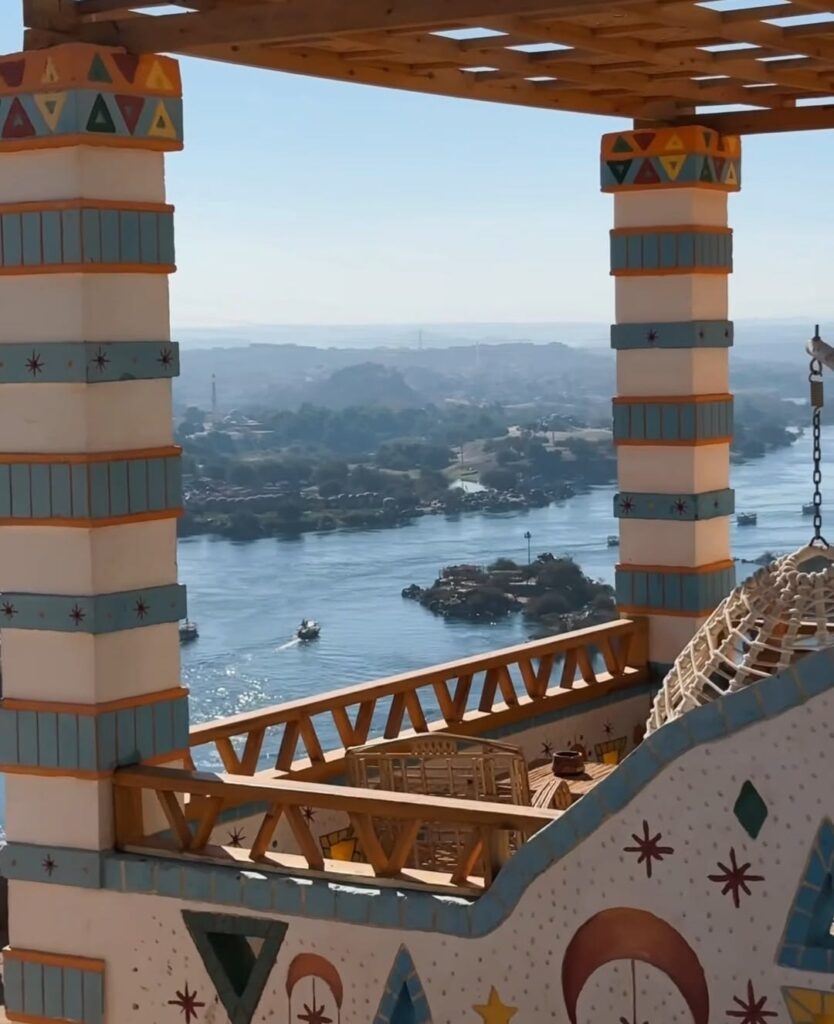
One of the city’s greatest attractions is its atmosphere. Compared to Egypt’s larger urban centers, Aswan moves at a slower pace, allowing visitors to enjoy their surroundings without feeling rushed. The sight of traditional feluccas sailing across the Nile, palm-covered islands, and golden desert landscapes creates a peaceful setting that many travelers find unforgettable.

Aswan is also home to several important historical landmarks. Attractions such as Philae Temple, the High Dam, the Unfinished Obelisk, and nearby Abu Simbel provide fascinating insight into both Ancient Egypt and modern Egyptian history. These sites rank among the most significant attractions in the country and are essential stops for anyone interested in archaeology and culture.

Another reason to visit Aswan is its strong connection to Nubian heritage. The city offers opportunities to explore traditional Nubian villages, learn about local customs, and experience a culture that differs from many other regions of Egypt. These cultural encounters often become highlights of a trip.

Whether you are interested in ancient monuments, local traditions, scenic landscapes, or simply relaxing by the Nile, Aswan offers an experience unlike anywhere else in Egypt. Its combination of history and tranquility makes it an essential destination for first-time visitors.
2. Best Time to Visit Aswan

Choosing the right time to visit Aswan can greatly enhance the overall travel experience. Because the city is located in southern Egypt, it enjoys a desert climate with abundant sunshine throughout the year. While this guarantees excellent weather for most travelers, temperatures can vary significantly depending on the season.

For most visitors, the best time to visit Aswan is between October and April. During these months, daytime temperatures are generally comfortable and well suited for sightseeing. Exploring outdoor attractions such as Philae Temple, the High Dam, the Unfinished Obelisk, and Abu Simbel is far more enjoyable when temperatures are moderate.

Winter is particularly popular among international travelers because it offers pleasant conditions for both sightseeing and Nile activities. Although visitor numbers increase during this period, many travelers consider the comfortable climate well worth it.

Spring and autumn are also excellent times to visit. These seasons often provide a balance between favorable weather and manageable crowd levels, making them attractive options for travelers seeking a more relaxed experience.

Summer in Aswan can be extremely hot, especially during the middle of the day. However, visitors who travel during this period can still enjoy the destination by planning activities early in the morning and taking advantage of cooler evening hours.

Regardless of the season, Aswan’s sunny climate and beautiful Nile scenery make it a rewarding destination year-round.
3. How to Get to Aswan

Aswan is well connected to other parts of Egypt, making it relatively easy for travelers to include the city in their itinerary. Whether arriving from Cairo, Luxor, or another destination, visitors have several transportation options depending on their budget, schedule, and travel preferences.

Domestic flights are the fastest and most convenient way to reach Aswan. Regular flights operate from Cairo and other major Egyptian cities, allowing travelers to minimize travel time and maximize sightseeing opportunities. For visitors with limited vacation time, flying is often the preferred choice.

Train travel is another popular option. Egypt’s railway network connects Aswan with Cairo, Luxor, and several other cities. Many travelers enjoy the scenic journey through the Nile Valley, while overnight services provide a practical way to save time and accommodation costs.

Nile cruises represent one of the most memorable ways to arrive in Aswan. Cruises operating between Luxor and Aswan allow travelers to visit several important archaeological sites while enjoying the beauty of the Nile. For many visitors, the cruise becomes a highlight of the entire trip.

Private transfers and organized tours are also available, particularly for travelers moving between Luxor and Aswan. These options provide flexibility and comfort while allowing opportunities to stop at attractions along the route.

Regardless of how visitors choose to travel, reaching Aswan is generally straightforward. Its strong transportation connections and popularity among tourists make it one of the easiest destinations to include in a broader Egypt itinerary.
4. Philae Temple

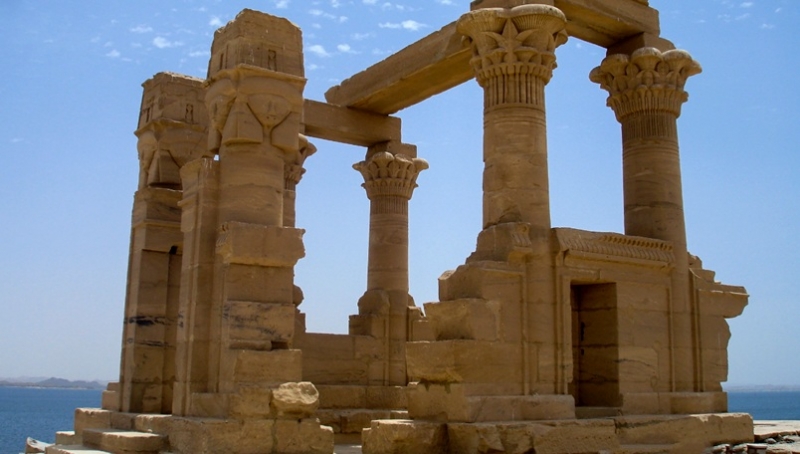
Philae Temple is one of the most beautiful and enchanting ancient monuments in Egypt and is often considered the highlight of a visit to Aswan. Dedicated primarily to the goddess Isis, one of the most important deities in Ancient Egyptian religion, the temple combines remarkable architecture, fascinating history, and a stunning location that makes it one of the country’s most memorable archaeological attractions.

One of the unique aspects of Philae Temple is its setting. The temple complex is located on an island in the Nile and can only be reached by boat. The short journey across the water adds a sense of anticipation and provides visitors with spectacular views before they even arrive at the site. Many travelers consider the boat ride an important part of the overall experience.

The temple itself features impressive halls, elegant columns, monumental gateways, and beautifully preserved reliefs depicting scenes from Egyptian mythology and religious ceremonies. Visitors can spend hours exploring the complex while learning about the significance of Isis worship and the role the temple played in Ancient Egyptian spiritual life.

Philae also has a fascinating modern history. During the construction of the Aswan High Dam, the original island location faced the threat of flooding. In an extraordinary international preservation effort, the entire temple complex was carefully dismantled and relocated to its current island setting, ensuring its survival for future generations.

Photography enthusiasts particularly appreciate Philae Temple because of its scenic surroundings and architectural beauty. The combination of ancient stone structures, blue waters, and dramatic desert landscapes creates some of the most striking views in Egypt.

For first-time visitors to Aswan, Philae Temple is an essential attraction. Its historical importance, elegant design, and unique island location make it one of the most rewarding and unforgettable sites in all of Egypt.

5. Abu Simbel

Abu Simbel is one of the most spectacular archaeological sites in Egypt and is widely regarded as one of the greatest achievements of Ancient Egyptian architecture. Located approximately 280 kilometers south of Aswan near the Sudanese border, the site attracts visitors from around the world and is often considered the highlight of any trip to southern Egypt.

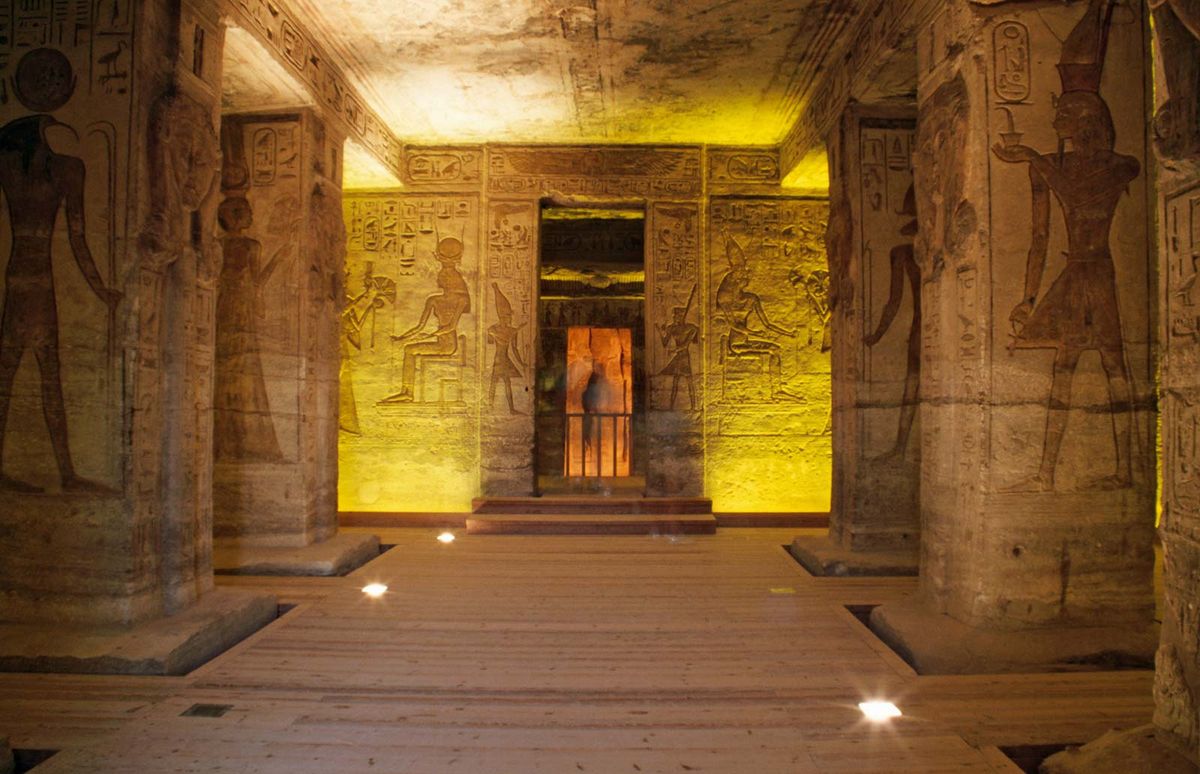
The complex consists of two massive temples built during the reign of Pharaoh Ramses II. The larger temple is famous for its four colossal statues of Ramses II seated at the entrance, creating one of the most iconic images in Egypt. Inside, visitors can explore impressive halls decorated with carvings and inscriptions that celebrate the pharaoh’s achievements, military victories, and religious devotion.

Adjacent to the main temple stands the smaller Temple of Nefertari, dedicated to Ramses II’s queen. This monument is particularly significant because it is one of the few ancient Egyptian temples dedicated to a royal wife, reflecting the importance of Queen Nefertari in Egyptian history.

Abu Simbel is also famous for its dramatic relocation during the twentieth century. When the construction of the Aswan High Dam threatened to submerge the temples beneath the waters of Lake Nasser, an international rescue project carefully dismantled and reconstructed the monuments on higher ground. This extraordinary effort remains one of the greatest preservation achievements in archaeological history.

Most visitors explore Abu Simbel as a day trip from Aswan, either by domestic flight or organized road excursion. Although the journey requires an early start, the experience is widely considered one of the most rewarding excursions available in Egypt.

For travelers interested in Ancient Egyptian history, Abu Simbel is an essential destination and one of the most impressive monuments in the world.

6. Nubian Villages

One of the most unique cultural experiences available in Aswan is a visit to a traditional Nubian village. The Nubian people have lived along the Nile for thousands of years and possess a rich cultural heritage that differs from many other regions of Egypt. Visiting a Nubian community provides travelers with an opportunity to experience local traditions, hospitality, and daily life in a welcoming environment.

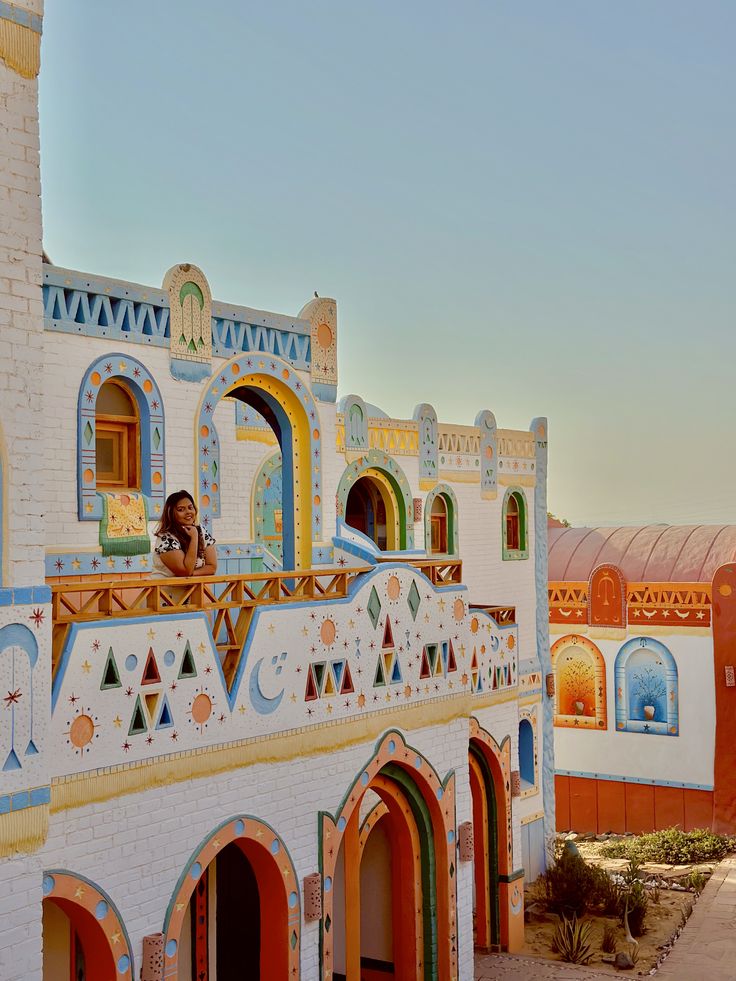
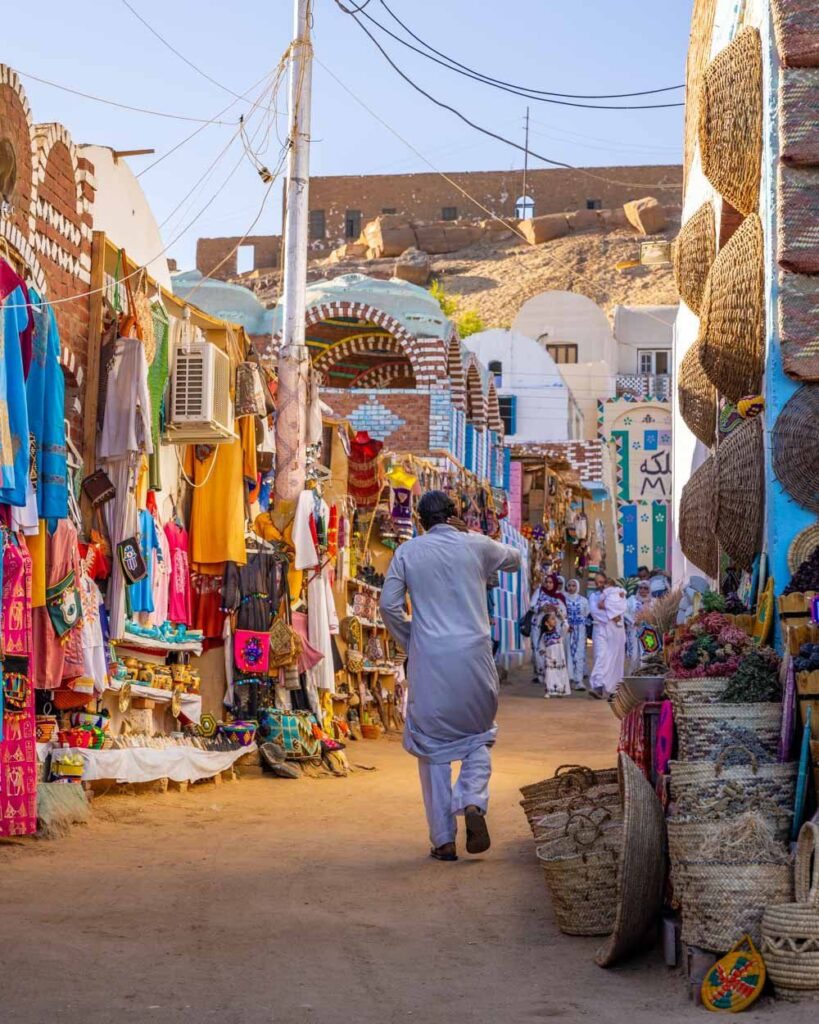
Nubian villages are easily recognizable by their brightly painted houses, colorful decorations, and distinctive architectural style. Walking through the narrow streets offers visitors a glimpse into a culture that has preserved many of its customs despite significant historical changes and modernization.

Many tours include opportunities to meet local residents, learn about Nubian history, listen to traditional music, and sample regional cuisine. These experiences help visitors gain a deeper understanding of the diversity that exists within Egypt and the important role Nubian culture continues to play in the country’s identity.

The warm hospitality of the Nubian people is often one of the most memorable aspects of the visit. Travelers frequently describe their interactions with local families as highlights of their time in Aswan.

In addition to cultural experiences, Nubian villages are often located in beautiful riverside settings that provide excellent opportunities for photography and sightseeing. The combination of colorful scenery, rich traditions, and genuine hospitality makes these visits particularly rewarding.

For first-time visitors seeking more than archaeological attractions, a trip to a Nubian village offers a valuable cultural perspective and a deeper connection to life along the Nile.

7. Felucca Rides on the Nile

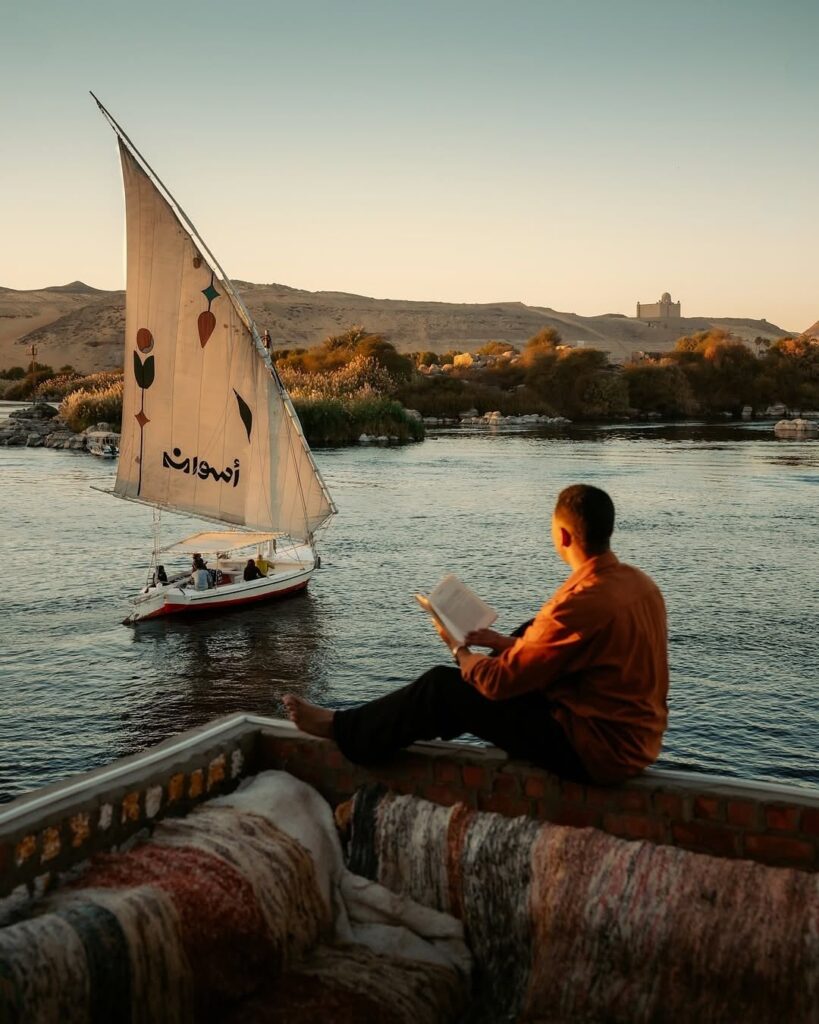
A felucca ride is one of the most relaxing and enjoyable experiences available in Aswan. These traditional wooden sailboats have been used on the Nile for centuries and remain an iconic symbol of river life in Egypt. For many visitors, spending time aboard a felucca becomes one of the most memorable moments of their journey.

Unlike motorized boats, feluccas rely primarily on wind power, creating a peaceful and quiet experience that allows travelers to fully appreciate the beauty of the Nile. As the boat glides across the water, passengers can enjoy views of islands, palm trees, desert landscapes, and traditional riverside communities.

Sunset cruises are particularly popular because they offer spectacular views as the sun descends over the Nile and the surrounding desert. The changing colors of the sky, combined with the calm atmosphere of the river, create an unforgettable setting that many travelers consider one of the highlights of Aswan.

Felucca rides can vary in length depending on personal preferences. Some visitors choose short excursions lasting an hour or two, while others opt for longer experiences that include meals, island stops, or extended journeys along the river.

Beyond the scenery, a felucca ride also provides insight into a traditional form of transportation that has played an important role in Nile life for generations. The experience connects visitors with both the natural beauty and cultural heritage of southern Egypt.

For first-time travelers, a felucca ride offers the perfect opportunity to slow down, relax, and appreciate the timeless beauty of the Nile that has shaped Egyptian civilization for thousands of years.

8. The High Dam and Unfinished Obelisk

Two of Aswan’s most fascinating attractions are the High Dam and the Unfinished Obelisk. Although very different in age and purpose, both sites provide valuable insight into Egypt’s engineering achievements and help visitors understand the country’s historical development from ancient times to the modern era.

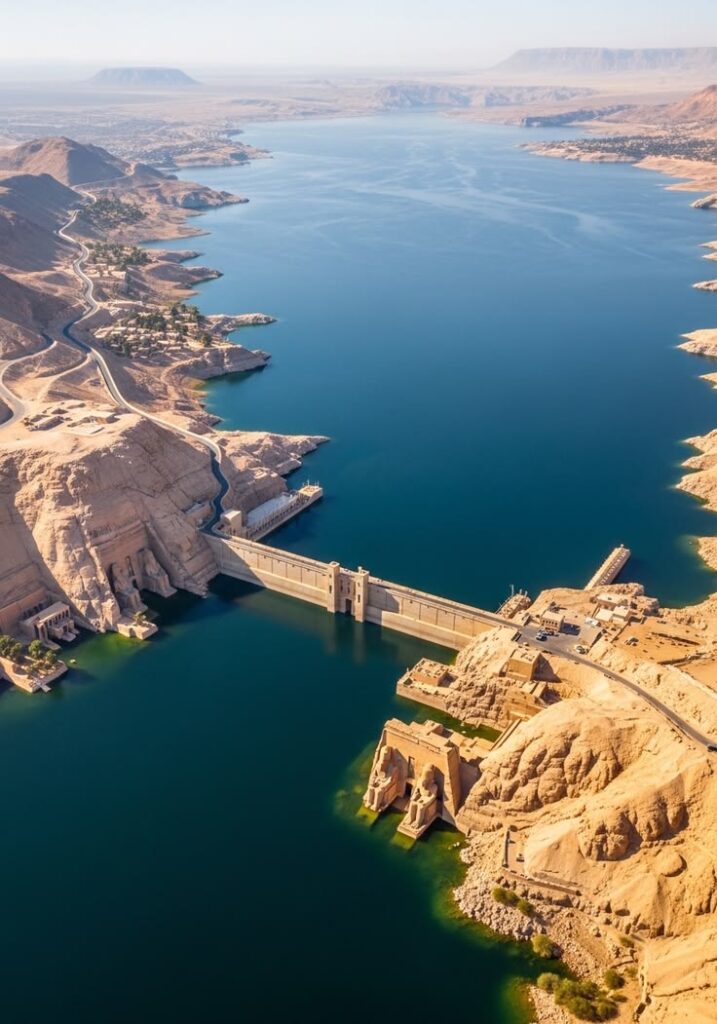
The Aswan High Dam is one of the most important engineering projects in modern Egyptian history. Completed in the twentieth century, the dam was constructed to control the Nile’s annual flooding, improve irrigation, generate hydroelectric power, and support economic development throughout the country. The project transformed Egypt’s relationship with the Nile and remains a symbol of national progress and modernization.

Visitors to the High Dam can enjoy panoramic views of the surrounding landscape, including the vast waters of Lake Nasser, one of the largest artificial lakes in the world. Informational displays and guided tours help explain the significance of the project and its impact on Egyptian agriculture, energy production, and infrastructure.

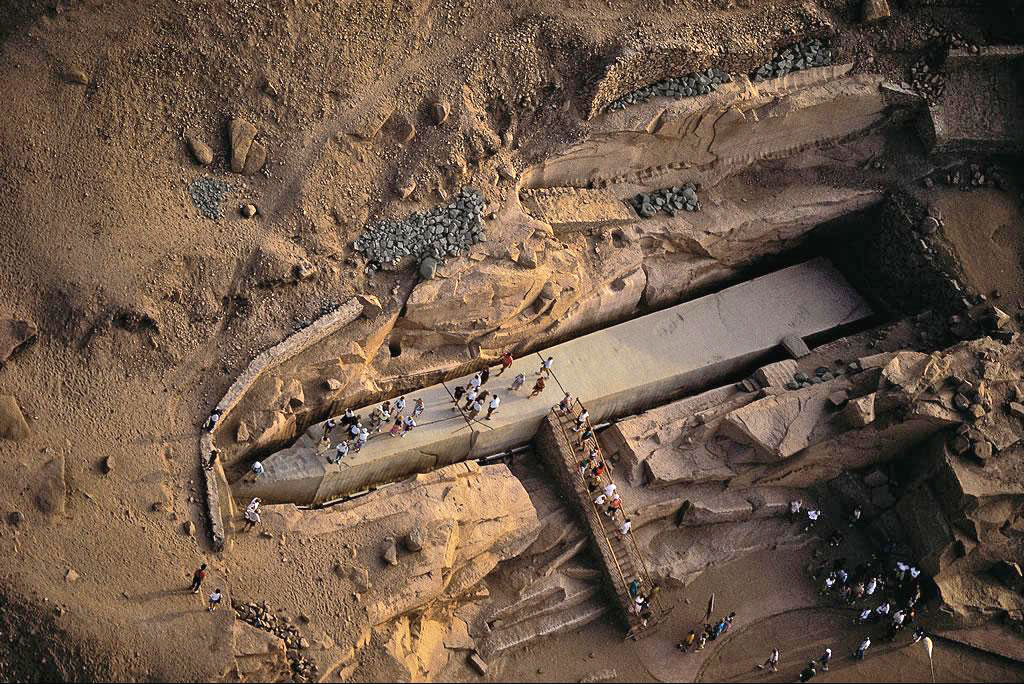
The Unfinished Obelisk offers a completely different perspective by taking visitors back thousands of years into the world of Ancient Egypt. Located within an ancient granite quarry, the massive obelisk was abandoned before completion due to cracks that appeared in the stone. Had it been finished, it would have become the largest obelisk ever erected by the ancient Egyptians.

The site provides a rare opportunity to observe ancient stone-cutting techniques and understand how enormous monuments were carved from solid rock. Visible tool marks and partially completed sections reveal details about construction methods that are not easily observed elsewhere.

Together, the High Dam and the Unfinished Obelisk illustrate the remarkable engineering capabilities of both ancient and modern Egypt. Visiting these attractions allows travelers to appreciate how innovation and large-scale construction projects have shaped the country across different periods of history.

For first-time visitors to Aswan, both sites provide valuable historical context and complement the city’s temples, cultural experiences, and scenic Nile attractions.

9. Where to Stay in Aswan

Aswan offers a wide range of accommodation options suitable for different travel styles and budgets. Whether visitors are seeking luxury resorts overlooking the Nile, comfortable mid-range hotels, boutique guesthouses, or budget-friendly accommodations, the city provides plenty of choices that allow travelers to enjoy its unique atmosphere and beautiful scenery.

Many visitors choose to stay in hotels located along the Nile Corniche, where they can enjoy easy access to restaurants, shops, local attractions, and stunning river views. These properties often provide an excellent base for exploring the city while allowing guests to appreciate Aswan’s relaxed environment.

Luxury travelers will find several high-end resorts and historic hotels offering premium facilities, elegant accommodations, swimming pools, spa services, and panoramic Nile views. These properties are particularly popular among couples, honeymooners, and visitors seeking a more refined experience.

Budget-conscious travelers can choose from guesthouses, locally owned hotels, and smaller properties that offer comfortable accommodation at affordable prices. Many of these establishments provide a more personal atmosphere and opportunities to interact with local residents.

For travelers interested in cultural experiences, some accommodations are located near Nubian villages and offer a chance to experience local traditions, architecture, and hospitality in a more immersive setting.

Regardless of budget or travel style, selecting accommodation with a good location can significantly enhance the overall experience. Staying near the Nile or close to major attractions allows visitors to maximize their time and fully enjoy everything Aswan has to offer.

10. What to Eat in Aswan

Food plays an important role in the travel experience, and Aswan offers visitors the opportunity to enjoy both traditional Egyptian cuisine and dishes influenced by Nubian culture. The city’s unique location and cultural diversity contribute to a culinary scene that is both flavorful and distinctive.

Many restaurants in Aswan serve classic Egyptian dishes such as koshari, ful medames, taameya, grilled meats, and various rice-based meals. These foods provide an excellent introduction to the flavors that are enjoyed throughout the country and remain popular among both locals and visitors.

Nubian cuisine adds another dimension to the dining experience. Traditional recipes often feature local spices, fresh ingredients, and cooking methods that reflect generations of cultural heritage. Travelers interested in experiencing regional specialties frequently find Nubian meals among the most memorable culinary experiences in Aswan.

Fresh fish is also popular due to the city’s proximity to the Nile and Lake Nasser. Many restaurants offer freshly prepared seafood dishes that highlight the region’s natural resources and culinary traditions.

In addition to main meals, visitors can enjoy traditional drinks such as karkadeh, a hibiscus beverage that is particularly popular in southern Egypt. Fresh fruit juices and locally prepared desserts are also widely available.

Exploring local food provides an excellent way to learn more about the culture and traditions of Aswan while adding another enjoyable dimension to the travel experience.

Aswan

11. Travel Tips for First-Time Visitors

A few practical tips can help first-time visitors make the most of their time in Aswan and enjoy a smoother travel experience. While the city is generally relaxed and easy to explore, understanding local conditions and planning ahead can significantly improve comfort and convenience.

One of the most important recommendations is to start sightseeing early, particularly during warmer months. Many of Aswan’s attractions are outdoors, and visiting in the morning allows travelers to enjoy cooler temperatures while avoiding the strongest midday heat.

Staying hydrated is essential. The climate in southern Egypt is typically warm and dry, so carrying water and using sun protection can greatly improve comfort during excursions and sightseeing activities.

Visitors should also allow time for cultural experiences rather than focusing exclusively on historical attractions. Exploring Nubian villages, interacting with local residents, and enjoying a felucca ride often become some of the most memorable parts of a trip to Aswan.

Comfortable clothing and walking shoes are highly recommended, especially when visiting archaeological sites and outdoor landmarks. Lightweight fabrics, hats, and sunglasses can help travelers stay comfortable throughout the day.

Finally, travelers should embrace Aswan’s slower pace. Unlike some of Egypt’s busier cities, Aswan rewards visitors who take time to relax, enjoy the scenery, and appreciate the atmosphere. Slowing down and enjoying the experience often leads to a more meaningful and memorable visit.

With a little preparation and an open mind, first-time visitors will find Aswan to be one of Egypt’s most rewarding and enjoyable destinations.

12. Conclusion: Aswan Travel Guide for First-Time Visitors

Aswan is one of Egypt’s most captivating destinations and offers a travel experience that is both enriching and relaxing. While many visitors are initially drawn to Egypt by the Pyramids of Giza or the temples of Luxor, they often discover that Aswan provides a unique atmosphere unlike anywhere else in the country. Its combination of beautiful Nile scenery, ancient monuments, Nubian culture, and slower pace of life makes it a destination that leaves a lasting impression.

One of Aswan’s greatest strengths is its diversity. Visitors can explore remarkable archaeological sites such as Philae Temple and Abu Simbel, learn about modern engineering achievements at the High Dam, and gain insight into ancient construction techniques at the Unfinished Obelisk. These attractions provide a fascinating journey through different periods of Egyptian history and showcase the country’s remarkable achievements across thousands of years.

The city’s cultural experiences are equally rewarding. Visits to Nubian villages, opportunities to interact with local residents, and the chance to enjoy traditional cuisine allow travelers to connect with aspects of Egyptian life that extend beyond historical monuments. These experiences often become some of the most memorable moments of a trip.

Aswan is also an ideal destination for relaxation. Felucca rides on the Nile, peaceful river views, beautiful sunsets, and the city’s welcoming atmosphere encourage visitors to slow down and appreciate their surroundings. This balance between exploration and relaxation is one of the reasons so many travelers consider Aswan a highlight of their Egyptian journey.

For first-time visitors, Aswan serves as both an important historical destination and a place to experience the beauty and culture of southern Egypt. Whether you are interested in archaeology, photography, local traditions, or simply enjoying the Nile, the city offers something for every type of traveler.

Frequently Asked Questions

Most travelers find that two to three days is enough time to visit the major attractions, enjoy a felucca ride, explore a Nubian village, and experience the city’s relaxed atmosphere.

Yes. Abu Simbel is one of Egypt’s most impressive archaeological sites and is widely considered one of the highlights of any trip to southern Egypt.

The most comfortable period is between October and April when temperatures are milder and sightseeing conditions are more enjoyable.

Absolutely. Many Nile cruises either begin or end in Aswan and include several of the city’s major attractions as part of their itineraries.

Yes. Aswan is easy to explore, rich in history and culture, and offers a relaxed atmosphere that makes it an excellent destination for first-time travelers.