
1. Why This Is the Best Egypt Itinerary for First-Time Visitors
Choosing the right itinerary is one of the most important decisions when planning a first trip to Egypt. With thousands of years of history, countless archaeological sites, and destinations spread across the country, it can be difficult to know where to begin. This itinerary is designed specifically for first-time visitors who want to experience Egypt’s most famous attractions while maintaining a comfortable and enjoyable pace.
The itinerary focuses on three destinations that consistently rank among the highlights of any Egyptian journey: Cairo, Luxor, and Aswan. Together, these locations provide a complete introduction to Egypt’s ancient civilization, modern culture, and natural beauty. Visitors can explore world-famous monuments, discover fascinating museums, enjoy scenic Nile views, and experience local traditions without feeling overwhelmed by excessive travel.
One of the greatest strengths of this itinerary is its balance. It combines historical exploration with opportunities for relaxation and cultural immersion. Rather than rushing from one attraction to another, travelers have enough time to appreciate each destination and fully enjoy the experience.
The itinerary also prioritizes efficiency. By using domestic flights and logical travel routes, visitors can maximize sightseeing time while minimizing long transfers and unnecessary travel stress. This makes the trip particularly suitable for travelers with limited vacation time.
For first-time visitors, this itinerary offers the perfect combination of iconic attractions, authentic experiences, and practical travel planning. It covers the destinations that most travelers dream of seeing while creating a journey that is both memorable and manageable.
2. Days 1–3: Explore Cairo
The first three days of the itinerary are dedicated to Cairo, Egypt’s capital and largest city. Cairo serves as the perfect introduction to the country because it combines ancient wonders, modern urban life, world-class museums, and centuries of cultural heritage within a single destination.
The highlight of any visit to Cairo is the Giza Plateau, home to the Pyramids of Giza and the Great Sphinx. These legendary monuments represent one of humanity’s greatest achievements and provide an unforgettable introduction to Ancient Egypt. Many visitors spend several hours exploring the site, learning about the pharaohs, and admiring the remarkable engineering that allowed these structures to survive for more than four millennia.
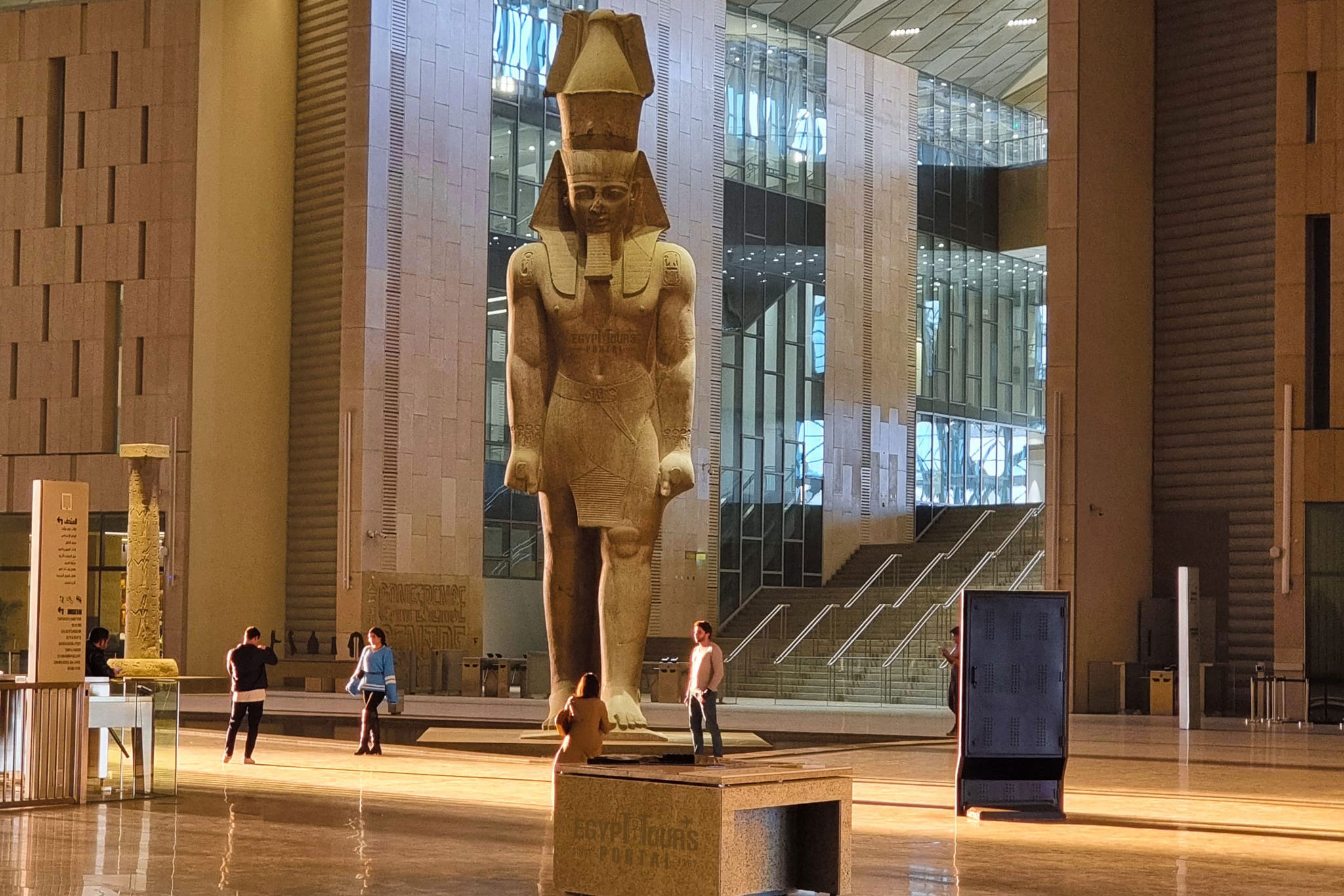
Another essential attraction is the Grand Egyptian Museum. Housing one of the largest collections of Egyptian antiquities in the world, the museum helps visitors understand the civilization responsible for the monuments they will encounter throughout their journey. Its impressive exhibits and modern design make it one of Egypt’s most important cultural attractions.
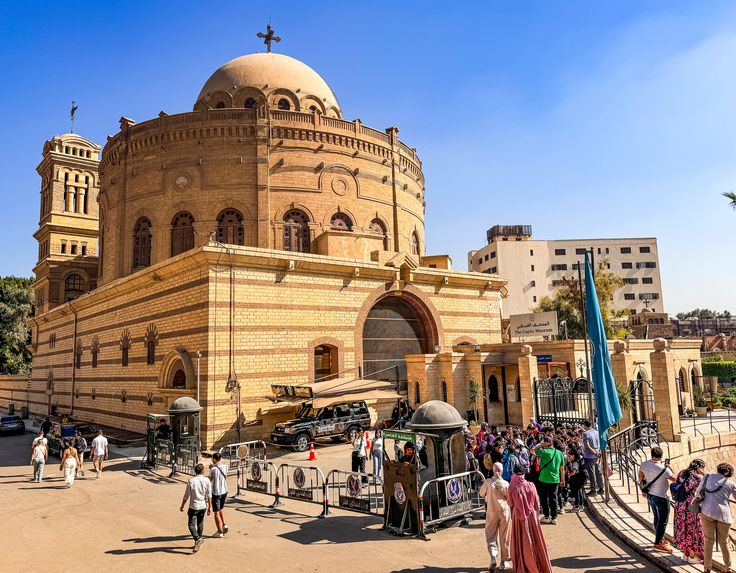
Beyond ancient history, Cairo also offers opportunities to explore Islamic architecture, traditional markets, local cuisine, and vibrant neighborhoods. Walking through historic districts and visiting places such as Khan El Khalili provides insight into the city’s cultural diversity and everyday life.
Three days in Cairo allows visitors to experience both the ancient and modern sides of Egypt while preparing for the archaeological treasures that await further south.
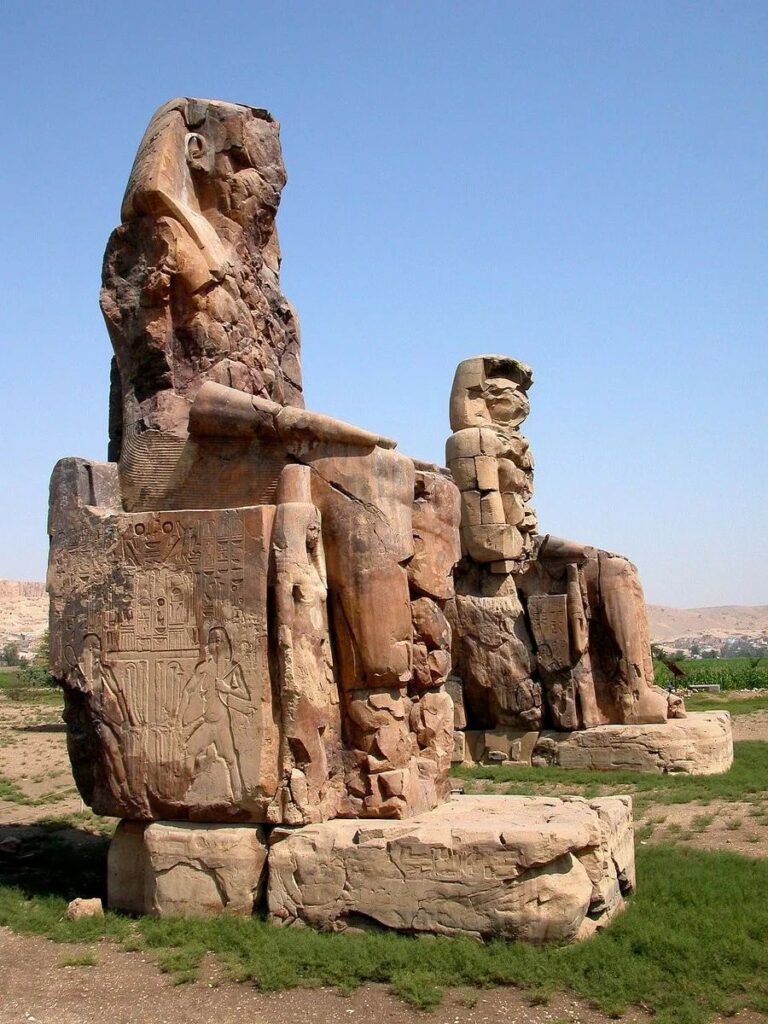
3. Days 4–6: Discover Luxor
After exploring Cairo, the itinerary continues with three days in Luxor, often described as the world’s greatest open-air museum. Few destinations offer such an extraordinary concentration of ancient monuments, making Luxor an essential stop for anyone interested in history, archaeology, and culture.
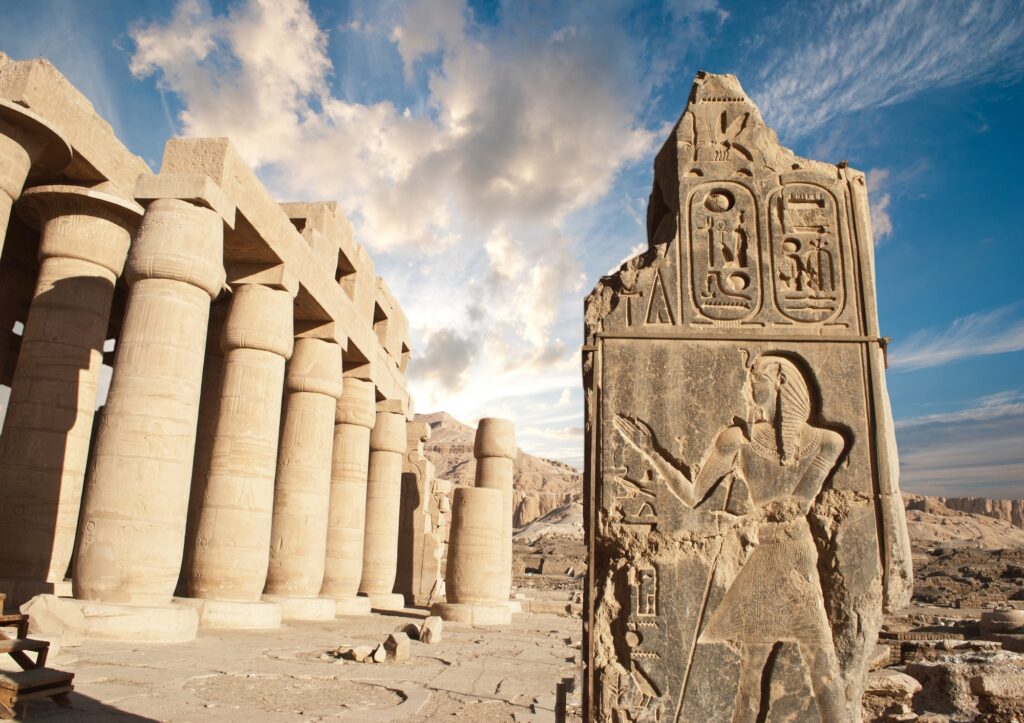
One of the most famous attractions is Karnak Temple, a vast religious complex that served as one of the most important centers of worship in Ancient Egypt. Massive columns, monumental gateways, and impressive carvings reveal the scale and ambition of the civilization that created it. Nearby, Luxor Temple offers another remarkable example of Egyptian architecture and becomes especially beautiful when illuminated after sunset.
The Valley of the Kings is another highlight of any visit to Luxor. This royal burial ground contains the tombs of numerous pharaohs, including King Tutankhamun. Visitors can explore beautifully decorated chambers filled with artwork that has survived for thousands of years and gain valuable insight into ancient beliefs about the afterlife.
Luxor also provides opportunities to visit temples, museums, and archaeological sites that reveal different aspects of Egyptian civilization. Whether exploring the East Bank or the West Bank, travelers encounter some of the most important monuments ever discovered.
Three days in Luxor allows visitors to appreciate these remarkable sites without rushing. The city offers an unforgettable immersion into the world of the pharaohs and remains one of the most rewarding destinations in all of Egypt.