
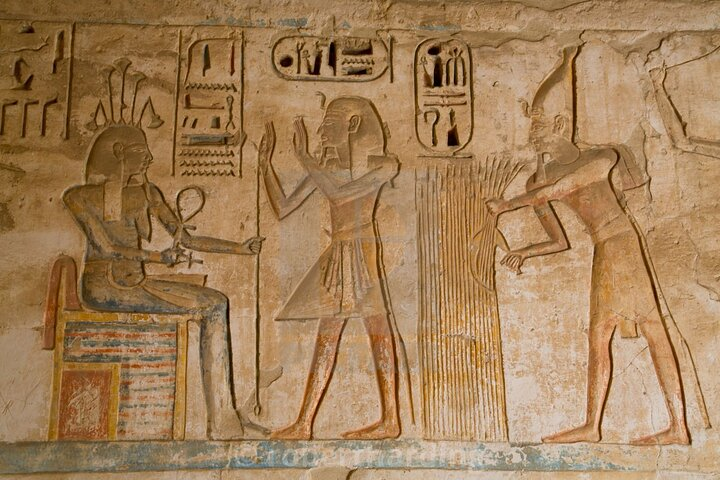
Welcome to

Best Guided Tours in Luxor

Luxor is one of the most extraordinary travel destinations in the world and is often referred to as the world’s greatest open-air museum. Situated on the banks of the Nile River in southern Egypt, Luxor was once the ancient city of Thebes, the capital of Egypt during the New Kingdom and the center of political, religious, and cultural life for centuries. Today, the city is home to some of the most impressive temples, royal tombs, monuments, and archaeological treasures ever discovered. The best guided tours in Luxor allow visitors to explore these remarkable sites with expert Egyptologist guides while gaining a deeper understanding of Ancient Egyptian civilization, history, religion, and architecture.

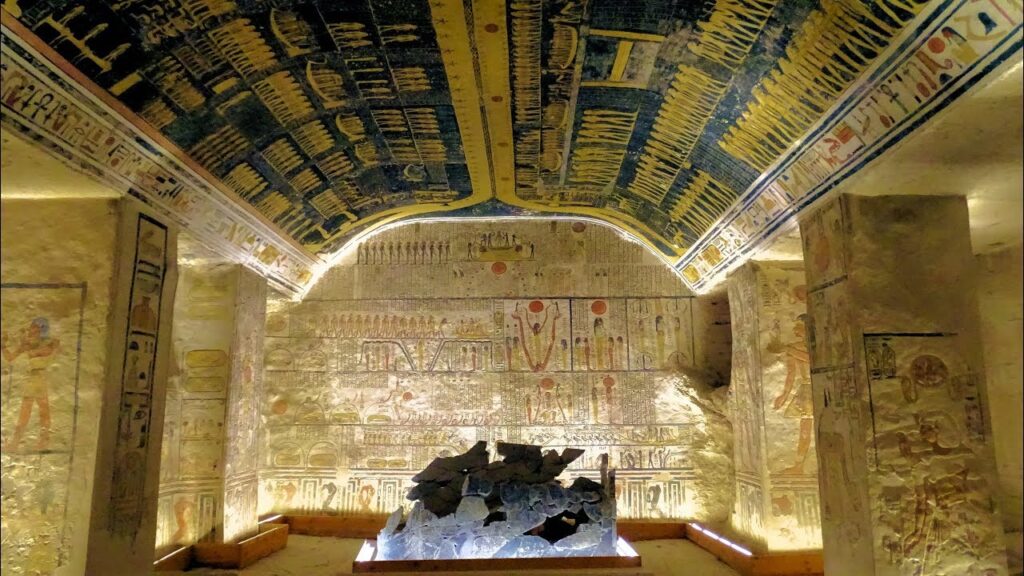
One of the most popular guided tours in Luxor is a visit to the legendary Valley of the Kings, the royal burial ground of Egypt’s New Kingdom pharaohs. Hidden among the desert hills on Luxor’s West Bank, this remarkable site contains the tombs of famous rulers including Tutankhamun, Ramses II, and Seti I. Guided tours provide fascinating insights into ancient burial practices, religious beliefs, hieroglyphics, and the stunning artwork that decorates these underground chambers.

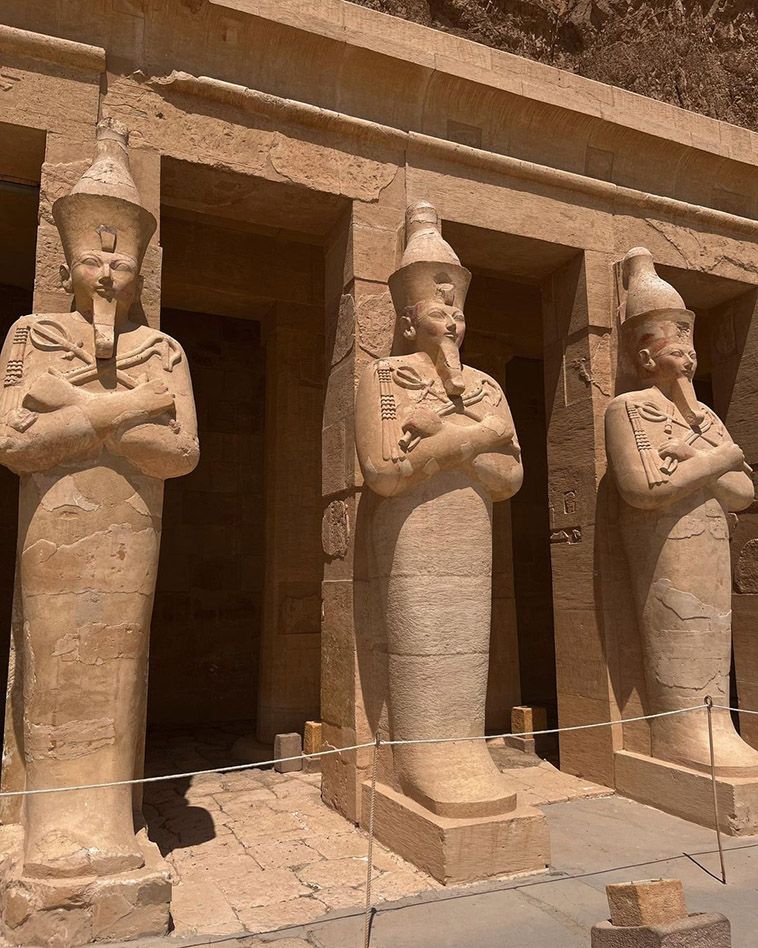
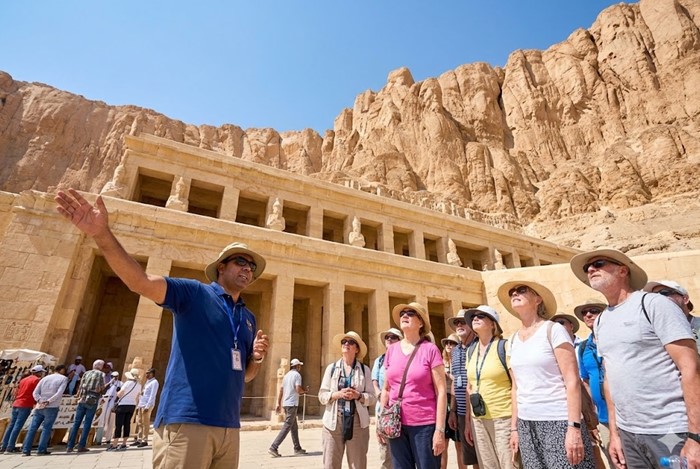
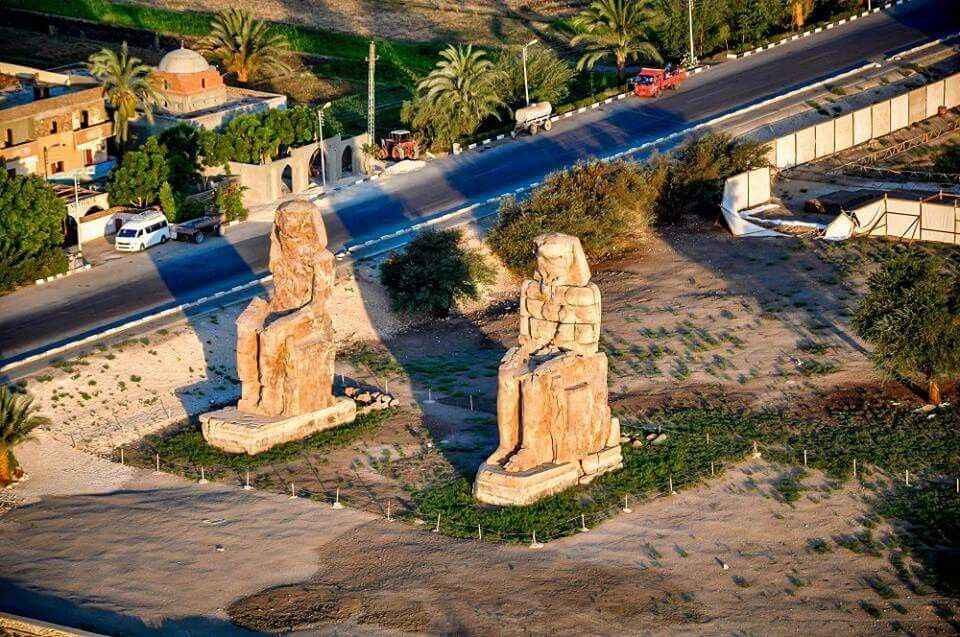
Another must-see attraction included in many Luxor tours is the magnificent Mortuary Temple of Hatshepsut. Built for one of Egypt’s most successful female pharaohs, this architectural masterpiece is famous for its dramatic location beneath the cliffs of Deir el-Bahari and its beautifully preserved reliefs depicting important events from Hatshepsut’s reign. Nearby, visitors can also admire the towering Colossi of Memnon, two massive statues that have stood guard over the Theban Necropolis for more than three millennia.

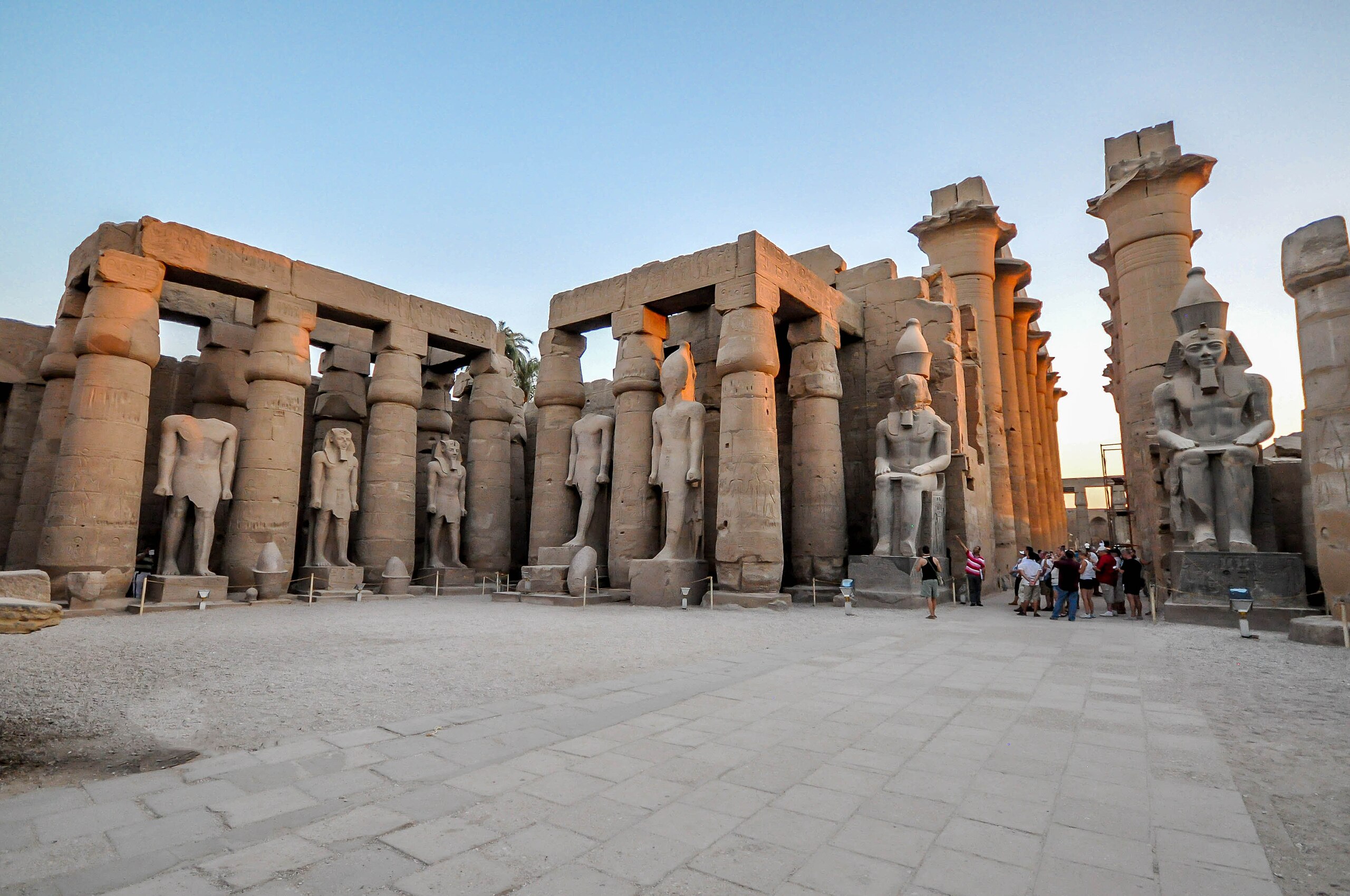
On Luxor’s East Bank, guided tours often focus on the enormous Karnak Temple Complex, the largest religious complex ever built. Covering more than 200 acres, Karnak features colossal columns, towering obelisks, sacred lakes, monumental gateways, and intricately carved temples dedicated to the gods of Ancient Egypt. Egyptologist guides help visitors navigate this vast site while explaining its historical significance and architectural achievements.

Another highlight of Luxor sightseeing is the beautiful Luxor Temple, located in the heart of the modern city. Unlike many ancient temples, Luxor Temple remained an important religious center for thousands of years and continues to impress visitors with its massive statues, elegant colonnades, and spectacular evening illumination. Guided tours often include both daytime and nighttime visits to fully appreciate the temple’s beauty.

For travelers seeking unique experiences, hot air balloon tours over Luxor have become one of the city’s most popular activities. Floating above the Nile River and the ancient monuments at sunrise provides breathtaking panoramic views of temples, tombs, farmland, and desert landscapes. Many visitors consider a hot air balloon ride one of the highlights of their Egyptian journey.

Additional guided excursions may include visits to lesser-known but equally fascinating sites such as the Valley of the Queens, the Medinet Habu, the Ramesseum, and the Luxor Museum. These attractions provide deeper insights into the daily life, religion, art, and politics of Ancient Egypt.

Whether you are interested in archaeology, history, photography, family travel, luxury experiences, or cultural exploration, Luxor offers guided tours for every type of traveler. Private tours, small-group excursions, multi-day sightseeing packages, and customized Egyptologist-led experiences ensure that visitors can fully appreciate the city’s extraordinary heritage.

In this guide, we will explore the best guided tours in Luxor, top attractions, must-see archaeological sites, travel tips, private tour options, and expert recommendations for experiencing one of the most remarkable historical destinations on Earth. From the Valley of the Kings to Karnak Temple and beyond, Luxor promises an unforgettable journey into the heart of Ancient Egypt.

1. The Ultimate Full-Day Core Tour: Exploring the East and West Banks

For first-time travelers operating on a focused timeline, the comprehensive full-day highlights itinerary represents the absolute gold standard for discovering Luxor’s monumental treasures. This classic, high-efficiency tour format is engineered to bridge the profound cosmological divide of the ancient Egyptians by exploring both sides of the Nile River within a single, beautifully coordinated eight-hour journey. By structuring your day around the natural path of the sun, a full-day guided excursion allows you to absorb the dramatic transition from the somber, hidden tombs of the sunset realm to the soaring, triumphant temples of the sunrise bank with total logistical ease.

The journey begins in the early morning hours on the West Bank of the Nile, historically revered as the realm of the dead where the pharaohs sought eternal life. Your private, air-conditioned tour vehicle will glide past the lush sugarcane fields of the river valley before ascending into the arid, white limestone cliffs of the Theban Hills. Here, your expert guide will lead you through the legendary Valley of the Kings, stepping into the subterranean chambers of New Kingdom rulers to marvel at wall reliefs that retain their vibrant, brilliant colors after thousands of years. From there, you will visit the breathtaking, terraced Mortuary Temple of Queen Hatshepsut at Deir el-Bahari and pause for a photo session before the towering Colossi of Memnon.

After a relaxing lunch break at a traditional riverside restaurant to recharge your energy, your guide will cross the modern Luxor bridge to commence your exploration of the East Bank, the historic realm of the living and the gods. The afternoon is dedicated to the staggering scale of the Karnak Temple complex, where you will wander through the awe-inspiring Great Hypostyle Hall, tracing your hands along columns that soar higher than most modern apartment buildings. The day concludes at sunset within the beautifully preserved corridors of Luxor Temple, where the soft evening illumination brings the massive statues of Ramesses the Great to life, offering a profound, deeply complete introduction to the ancient capital.
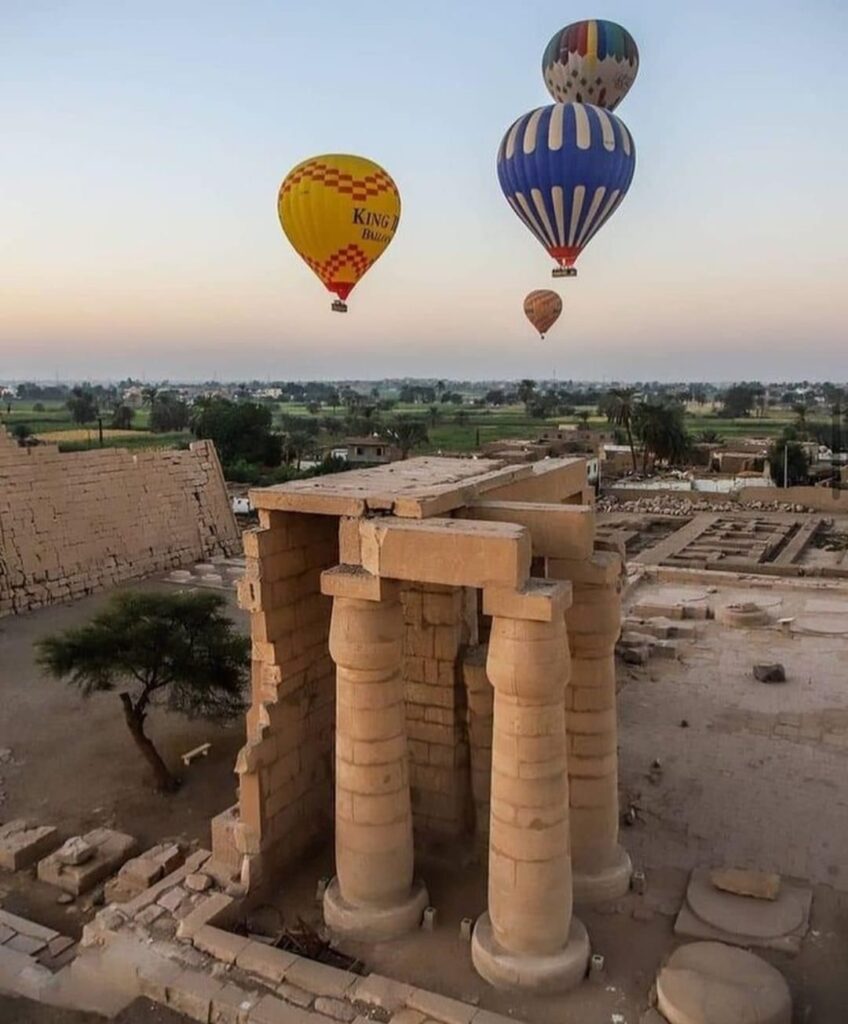
2. The Bucket-List Adventure: Sunrise Hot Air Balloon and West Bank Highlights

For travelers seeking to inject a sense of pure magic and exhilarating adventure into their Egypt vacation, pairing a sunrise hot air balloon flight with a focused West Bank archaeological tour is an absolute must. This legendary combination requires a very early morning wakeup call, usually around four in the morning, but the spectacular visual rewards are unmatched anywhere else on Earth. Your tour begins with a peaceful motorboat crossing of the dark Nile River, where you can enjoy hot tea and local pastries as the crew prepares the massive balloons on the launch field beneath the desert cliffs.

As your balloon gently lifts off the ground into the cool dawn air, the entire geography of ancient Thebes unfolds beneath your basket in a breathtaking panoramic tapestry. To your left, the first golden rays of the Egyptian sun crest over the East Bank, illuminating the sparkling waters of the Nile and the vibrant green agricultural fields of the river valley. To your right, the dramatic shadows recede from the stark, jagged desert mountains, slowly revealing the massive structural outlines of Hatshepsut’s temple, the Ramesseum, and the hidden folds of the royal valleys. Witnessing the ancient monuments from hundreds of feet in the air provides a unique, structural perspective on how the ancients integrated their architecture with the natural landscape.

Immediately upon touching down safely on the desert floor, you will transition directly into a private ground tour with your dedicated Egyptologist guide. This strategic timing gives you a massive advantage over standard tour groups, allowing you to enter the Valley of the Kings right as the gates officially open for the day. You can explore the magnificent underground tombs while the ambient desert temperatures remain wonderfully cool and the stone chambers are perfectly quiet, leaving you with an intimate, deeply spiritual connection to the ancient world before concluding your excursion around midday.
3. Deep-Dive Archaeology Tours: Medinet Habu and Deir el-Medina

While the primary mainstream landmarks draw the largest global crowds, seasoned history enthusiasts and independent adventurers frequently opt for specialized, deep-dive archaeology tours that venture off the beaten path. A focused guided excursion to the lesser-visited sites of the West Bank reveals an entirely different, incredibly intimate layer of pharaonic life and military triumph. By bypassing the heavy tour bus traffic, these specialized itineraries allow you to linger before historic stone reliefs and explore unique ruins that standard tourists rarely get to experience.

The undisputed anchor of a deep-dive itinerary is the magnificent Mortuary Temple of Ramesses III at Medinet Habu. Often considered one of the most underrated architectural masterpieces in all of Egypt, this massive fortress-temple features exceptionally deep, block-carved relief work that has protected its historical inscriptions from the elements for millennia. Your guide will walk you through the imposing mud-brick towers, pointing out dramatic stone murals depicting epic naval battles against the Sea Peoples, and revealing hidden courtyards where the original blue, red, and yellow paint still coats the towering pillars with astonishing intensity.

From the grand military scale of Habu, your guide will lead you into the quiet valley of Deir el-Medina, famously known as the Valley of the Artisans. This unique archaeological site contains the remarkably preserved foundations of the ancient village where the specialized stonecutters, painters, and scribes who built the royal tombs actually lived with their families. Stepping into the small, brilliantly decorated tombs of these master craftsmen, such as the tomb of Sennedjem, reveals vibrant, playful scenes of daily agricultural life, religious devotion, and natural wildlife, providing a beautiful, deeply human counterweight to the grand, monolithic monuments of the pharaohs.
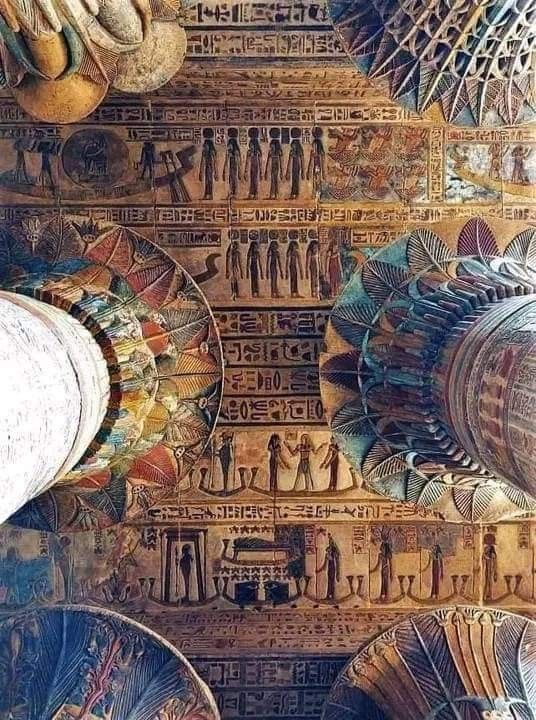
4. Unearthing Regional Wonders: Day Trips to Dendera and Abydos

To truly appreciate the artistic peak of ancient Egyptian civilization, a comprehensive travel itinerary should extend beyond the immediate borders of Luxor and head northward into the Nile Valley. A dedicated day-trip guided tour to the stunning temple complexes of Dendera and Abydos reveals some of the most remarkably preserved architectural interiors in the entire world. Traveling through traditional Egyptian agricultural villages alongside a professional guide and a private driver makes this extended excursion entirely comfortable, safe, and profoundly illuminating.

The first major stop on this regional journey is the Temple of Hathor at Dendera, a majestic complex that showcases the brilliant artistic synthesis of the Greco-Roman period. Because the main temple structure retained its roof for millennia, its interior halls are completely free from weather damage, allowing you to witness the ancient world in its true, vibrant colors. Your guide will lead you through the breathtaking Hypostyle Hall, directing your eyes upward to analyze the legendary astronomical ceiling, which is coated in an intensely rich Egyptian blue paint and covered with complex zodiac signs, star charts, and mythological figures. Your expert will also guide you down into the narrow, hidden subterranean crypts to view pristine relief carvings that casual travelers frequently miss.

From Dendera, your tour continues northward to the holy city of Abydos, ancient Egypt’s premier spiritual pilgrimage site dedicated to Osiris, the lord of the afterlife. Here stands the majestic Mortuary Temple of Seti I, celebrated by global art historians for possessing the most refined, delicate low-relief carvings in pharaonic history. Inside these quiet limestone corridors, your guide will introduce you to the legendary Abydos King List, a massive wall inscription containing the cartouches of seventy-six historic pharaohs that served as a vital chronological key for modern archaeologists. Standing before these pristine carvings while your guide decodes the intricate royal lineages provides an unforgettable, deep-dive historical experience.

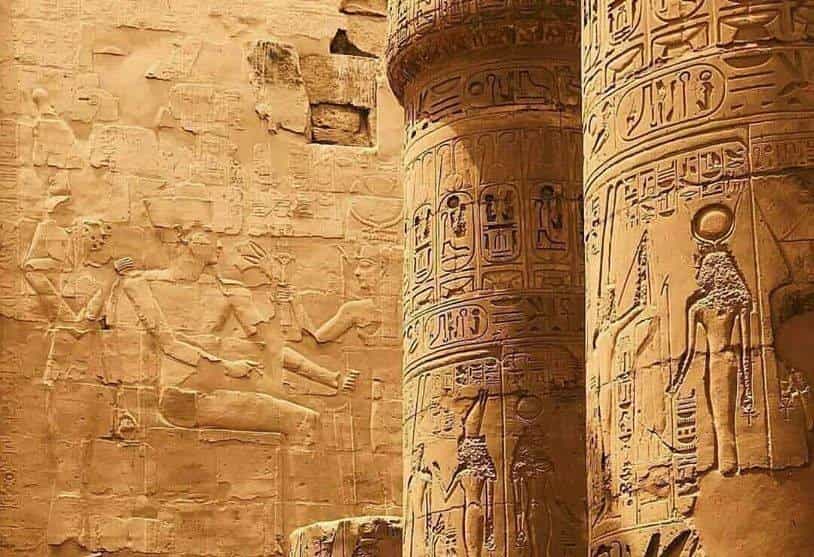
Karnak-Temple

5. Tailoring Your Experience: Private Guides Versus Small-Group Tours

As you finalize the logistics of your upper Egyptian adventure, deciding on the specific structural format of your guided tours is a vital choice that directly influences your daily pacing, learning depth, and personal comfort. The local tourism sector in Luxor is incredibly sophisticated, offering distinct pathways tailored to different travel philosophies, budgets, and group dynamics. Understanding the differences between a structured small-group excursion and a fully customized private guide ensures that your daily exploration matches your exact personal expectations.

Small-group tours represent an exceptionally popular and highly economical option for solo adventurers, budget-conscious couples, and those who thoroughly enjoy a shared, social learning environment. These excursions operate on highly optimized timelines, ensuring that you hit all the major heavyweights like Karnak and the Valley of the Kings within a dependable, pre-arranged schedule. Group transit is seamlessly handled via modern, air-conditioned minibuses, providing a reliable bubble of comfort away from the heat of the day. While this format is highly efficient and budget-friendly, it does require adhering to a fixed group rhythm, which means less flexibility to linger before a specific tomb wall or skip a souvenir stop.

Investing in a private Egyptologist guide represents the absolute gold standard for exploring the ancient capital, offering complete flexibility and ultimate comfort. A private experience allows you to co-create the daily itinerary around your specific historical passions, whether you want to spend hours photographing Mamluk-era modifications inside Luxor Temple or skip the mainstream routes entirely to focus on obscure royal tombs. Moving at your own precise pace allows you to outmaneuver the large tour buses, take spontaneous breaks for a refreshing local juice, and enjoy undivided, one-on-one historical commentary from your peer guide, making it the premier choice for families, photographers, and serious history buffs.

6. Strategic Timing and Weather Logistics for the Perfect Visit

Luxor features an intensely dry, desert climate that demands careful tactical planning when it comes to daily scheduling and seasonal timing. Because the vast majority of your archaeological exploration takes place in open-air environments, exposed stone courtyards, and deep unconditioned underground tombs, understanding the local weather patterns is the absolute key to ensuring a physically comfortable and highly rewarding vacation. Properly pacing your daily exposure allows you to maintain peak energy levels from your morning arrival until your evening relaxation.

The peak travel season for visiting Luxor spans from the refreshing months of October through April, when the daytime temperatures are wonderfully mild and perfectly suited for rigorous outdoor sightseeing. During this period, the winter sun provides comfortable warmth, though the desert evenings can become surprisingly crisp, requiring you to pack a lightweight jacket for sunset strolls along the Nile. If you choose to visit during the summer months, when the southern Egyptian heat peaks dramatically, a strict scheduling strategy is essential. Your guide will insist on starting your West Bank excursions at the crack of dawn, around six in the morning, to ensure you explore the Valley of the Kings before the midday sun radiates off the white limestone cliffs.

Regardless of the season, a smart midday retreat is a classic insider habit shared by veteran travel writers and luxury tour operators alike. Plan your itinerary so that you spend the peak heat hours between one and four in the afternoon enjoying a relaxed lunch at a shaded restaurant, resting at your resort pool, or exploring the air-conditioned galleries of the Luxor Museum. As the late afternoon approaches, you can emerge comfortably to explore Luxor Temple or embark on a sunset boat ride, capturing the monuments in the soft, golden light of dusk.

7. Practical Travel Logistics: Ticket Systems, Digital Passes, and Hours

Navigating the administrative infrastructure of Luxor’s archaeological zones requires a basic understanding of modern ticketing frameworks and seasonal operating hours to ensure a perfectly seamless day of exploration. The vast majority of the primary monuments, including the sprawling Karnak complex and the majestic Luxor Temple, maintain dependable daytime schedules, opening their gates at six in the morning to welcome early birds and closing around five or eight in the evening when the night illumination takes over. However, individual royal tombs within the West Bank valleys may occasionally close on short notice for vital conservation rotations, making it highly advantageous to explore alongside a connected local guide who receives real-time operational updates.

The Ministry of Tourism and Antiquities has completely modernized its entry logistics across upper Egypt, transitioning almost entirely to electronic, cashless ticketing windows at the main gates. Visitors can seamlessly purchase individual site admissions using major international credit cards or debit cards, as cash is no longer widely accepted for official tickets. For history enthusiasts planning a comprehensive multi-day exploration, investing in the Luxor Pass is an exceptionally smart, highly efficient strategy. This unified digital pass grants you unlimited entry to all managed archaeological sites in the region for a consecutive five-day period, completely eliminating the necessity of waiting in line at individual ticketing booths each morning.

When exploring the Valley of the Kings, it is highly important to understand that a standard entry ticket grants you access to your choice of three open royal tombs from the main public rotation. Highly celebrated premium tombs, most notably the pristine burial chambers of Tutankhamun, Seti I, and Queen Nefertari in the nearby Valley of the Queens, require separate, specialized add-on tickets that carry higher preservation fees. Your guide can help you evaluate which premium tombs are currently open and worth the additional investment based on your personal historical interests, ensuring you optimize your time and budget perfectly.

8. Safety and Environmental Comfort: Beating the Heat and Managing Crowds

Ensuring your physical well-being and personal safety while navigating the monument-heavy landscapes of upper Egypt simply requires a foundation of common-sense environmental habits and smart pacing. Because you will be spending hours walking over unpaved desert paths, climbing steep tomb staircases, and standing in open stone courtyards that radiate the intense southern sun, physical comfort is directly linked to how well you prepare for the elements before leaving your hotel room.

The absolute baseline for a successful day of sightseeing is choosing lightweight, breathable, and loose-fitting clothing made from natural fibers like linen or cotton, which provide maximum sun protection while keeping you perfectly cool. Wearing sturdy, well-broken-in athletic sneakers or rugged trail sandals with excellent traction is an absolute non-negotiable for safely navigating the uneven ancient stone surfaces and dusty desert tracks. Additionally, packing a broad-brimmed sun hat, high-quality UV-blocking sunglasses, and broad-spectrum sunscreen protects your skin from the intense midday glare, allowing you to focus completely on the historical commentary of your guide.

Managing your personal energy levels also depends heavily on your hydration strategy. The desert climate of Luxor is exceptionally dry, meaning your body loses moisture rapidly without you realizing it. Make it a continuous, unyielding habit to carry a large bottle of sealed water in your daypack, drinking regularly throughout your tour rather than waiting until you feel intensely thirsty. If you find yourself feeling slightly overwhelmed by the ambient heat inside a deep underground tomb or crowded courtyard, never hesitate to communicate openly with your private guide; they can instantly adjust the daily rhythm, steering you toward a shaded resting spot or an air-conditioned museum gallery to recharge in total comfort.

9. Local Souks and Artisan Villages: Navigating Trade and Alabaster Shops

A comprehensive tour through the cultural fabric of Luxor is beautifully enriched by exploring the traditional artisan communities and bustling marketplaces that keep ancient pharaonic crafting traditions alive. The West Bank of the Nile is world-famous for its traditional alabaster workshops, where generations of local families have hand-carved beautiful, translucent stone vessels, statues, and decorative bowls using the exact techniques pioneered by their New Kingdom ancestors. Visiting one of these verified workshops alongside your trusted guide offers an illuminating, highly educational look into the intense physical labor behind stone artistry.

Navigating these commercial interactions comfortably simply requires an open mind, a lighthearted attitude, and an understanding of the local custom of friendly negotiation. In Egyptian marketplace culture, bargaining is viewed as a natural, highly social expression of mutual respect and business etiquette rather than a stressful confrontation. When you find an item that catches your eye, let your guide handle the initial introductions, and approach the process with a warm smile and a patient demeanor. Having a dedicated pocket filled with small-denomination Egyptian banknotes allows you to settle your transactions smoothly and discreetly without needing large change from the merchant.

On the East Bank, the vibrant, covered lanes of the Luxor Souk offer a completely different, high-energy sensory experience filled with the rich aromas of local hibiscus tea, exotic spices, hand-woven textiles, and traditional leather goods. Walking through this market in the evening provides a wonderful window into contemporary upper Egyptian community life. Whether you are looking to purchase high-quality loose-leaf karkadeh to take home or simply want to sit at a local café to enjoy a refreshing mint tea, having a professional guide by your side ensures that your shopping journey remains entirely respectful, authentic, and delightfully secure.

Luxor Excursions

10. Premium Nile Crossings: Feluccas and Private Motorboats

The natural geography of Luxor is fundamentally defined by the gentle flow of the Nile River, which gracefully separates the city into its historic eastern and western banks. While modern asphalt bridges exist to connect the two sides for vehicular traffic, the absolute finest, most memorable way to transition between your hotel and the archeological sites is by taking to the water. Integrating traditional river transport into your guided itinerary transforms a simple transit necessity into a deeply relaxing, highly scenic highlight of your upper Egyptian vacation.

For quick, efficient daytime crossings, private motorized launch boats offer a fast, reliable, and completely comfortable option. These shaded, modern water taxis are heavily utilized by premium tour operators to transfer guests smoothly from the East Bank docks directly to the West Bank launch points, bypassing the lengthy vehicular traffic route over the southern bridge. Stepping onto the wooden deck of a private launch allows you to catch your breath between intensive sightseeing sessions, enjoy a refreshing river breeze, and photograph the magnificent waterfront facade of Luxor Temple and the winter palms from a spectacular vantage point on the water.

When your afternoon of exploring ancient ruins draws to a close, there is no finer cultural experience than embarking on a sunset sailing excursion aboard a traditional Egyptian felucca. These elegant, single-masted wooden sailing vessels have glided along the Nile since antiquity, relying entirely on the gentle evening currents and desert breezes to navigate the water. Relaxing on the cushioned decks of a private felucca while watching the sun dip behind the dramatic silhouette of the Theban Hills provides a profound sense of tranquility, offering the ultimate, peaceful conclusion to a rigorous day of historical discovery.

11. Where to Stay: Riverside Resorts and Historic Heritage Hotels

Choosing the perfect accommodation base in Luxor is an essential component of a successful vacation, directly impacting your daily transit times, access to expert local guides, and overall physical relaxation. The city features a highly sophisticated hospitality sector that caters beautifully to every travel philosophy and budget, offering everything from sprawling international riverside resorts to charming, family-run heritage guest houses nestled along the edge of the desert.

For travelers who prioritize world-class luxury, modern amenities, and breathtaking waterfront views, the East Bank of the Nile features an incredible array of five-star resorts and historic landmark properties. Staying at a premier property like the legendary Sofitel Winter Palace Luxor allows you to immerse yourself in timeless colonial elegance, walk through lush tropical gardens where royalty once gathered, and enjoy immediate pedestrian access to the Luxor Museum and the illuminated waterfront corniche. These premium resorts offer an exceptional bubble of tranquility, featuring massive swimming pools and upscale dining terraces where you can unwind comfortably after a full morning of walking through hot stone temples.

Mid-range travelers, solo adventurers, and those seeking an intimate, deeply authentic cultural connection frequently choose to base themselves within the quiet neighborhoods of the West Bank. The western riverside is packed with highly rated boutique hotels, eco-lodges, and cozy rooftop guest houses that overlook the green agricultural fields and the ancient mountains. Staying on the West Bank provides a delightfully slow-paced, village-like atmosphere, putting you mere minutes away from the entrance gates of the Valley of the Kings and allowing you to wake up to the spectacular sight of hot air balloons drifting silently through the dawn sky.

12. Recommended Duration: Crafting a Balanced Multi-Day Itinerary

To fully absorb the immense archaeological wealth, distinct spiritual landscapes, and vibrant riverside culture of ancient Thebes without experiencing historical saturation, a minimum dedicated stay of two to three full days is highly recommended. Because the sheer scale of the monuments can be physically demanding under the upper Egyptian sun, a balanced multi-day itinerary allows you to pace your sightseeing intelligently, ensuring you maintain peak energy and appreciation for every single site you visit.

A perfectly engineered three-day guided itinerary begins on your first morning with a focused exploration of the East Bank, dedicating the day to the monumental architecture of Karnak and the exquisite sunset views inside Luxor Temple. This provides a fantastic baseline of pharaonic history while keeping your initial travel logistics light and close to your resort. On your second day, make the essential early morning transition to the West Bank to explore the subterranean masterpieces of the Valley of the Kings, the terraced wonder of Hatshepsut’s temple, and the towering Colossi of Memnon, returning to your hotel by midday to rest and recharge during the peak heat hours.

Your final day in the ancient capital offers the luxury of venturing beyond the standard tourist tracks to uncover the region’s hidden artistic treasures. Spend your morning taking a specialized archaeology tour to the magnificent deep-carved reliefs of Medinet Habu and the intimate craftsmen tombs at Deir el-Medina, or embark on a spectacular regional day trip to the vibrant astronomical ceilings of Dendera Temple. By structuring your journey across several well-paced days, your exploration of Luxor becomes a deeply rewarding, completely stress-free adventure that effortlessly captures the true spirit of Egypt’s golden pharaonic era.

Frequently Asked Questions

Luxor possesses the densest concentration of world-class archaeological ruins on Earth, featuring deep historical layers, complex religious architecture, and intricate hieroglyphic wall reliefs. Attempting to explore sites like Karnak or the Valley of the Kings independently often means missing the essential historical context, structural symbols, and stories that give these monuments their meaning. A certified local Egyptologist guide translates the ancient texts, decodes the pharaonic lineages, handles complex local transit logistics, and serves as your personal cultural bridge for a seamless, stress-free experience.

While Luxor’s archaeological landmarks are open outdoor ruins rather than active houses of worship, practicing cultural modesty and preparing for the intense desert climate are equally vital. Both men and women should wear lightweight, loose-fitting clothing made from natural fibers like cotton or linen that comfortably covers the shoulders and knees to protect against the sun. Wearing sturdy, well-broken-in athletic sneakers with excellent traction is an absolute necessity for safely navigating the uneven ancient stone pavements and dusty desert paths.

The Ministry of Tourism and Antiquities operates a digital, cashless ticketing system across upper Egypt, meaning entry tickets must be purchased at the main gates using a major international credit or debit card. A standard admission ticket to the Valley of the Kings grants you entry into your choice of three open royal tombs from the general public viewing rotation. Highly celebrated, exceptionally preserved premium tombs—such as the final resting places of King Tutankhamun and Seti I—require separate, specialized add-on tickets.

Yes, hot air ballooning in Luxor is a highly regulated, exceptionally safe, and world-famous bucket-list adventure managed by professional aviation crews under strict civil authority guidelines. These excursions require a very early morning pickup, typically between four and five in the morning, crossing the Nile River just as dawn breaks. The flight itself lasts approximately forty-five to sixty minutes, landing safely on the West Bank where you can immediately transition into a morning ground tour of the royal valleys while temperatures remain beautifully cool.

In ancient Egyptian cosmology, the Nile River served as the sacred dividing line between life and death. The East Bank, representing the sunrise and the realm of the living, houses the grand ceremonial houses of worship dedicated to the gods, most notably the sprawling Karnak Temple complex and Luxor Temple. The West Bank, representing the sunset and the realm of the dead, comprises the vast Theban Necropolis, including the hidden underground royal tombs of the Valley of the Kings and monumental mortuary temples like Deir el-Bahari.