
Welcome to

Best Hatshepsut Temple Guided Tours in Luxor

The Temple of Hatshepsut is one of the most breathtaking and historically important monuments in Luxor, attracting travelers from around the world who come to admire its unique architecture and discover the story of one of Ancient Egypt’s most powerful rulers. Located on the west bank of the Nile River beneath the dramatic cliffs of Deir el-Bahari, the temple stands as a masterpiece of ancient engineering and one of the most iconic landmarks in Egypt. The best Hatshepsut Temple guided tours in Luxor offer visitors an unforgettable opportunity to explore this extraordinary site with expert Egyptologist guides who bring the fascinating history of Queen Hatshepsut and Ancient Egyptian civilization to life.

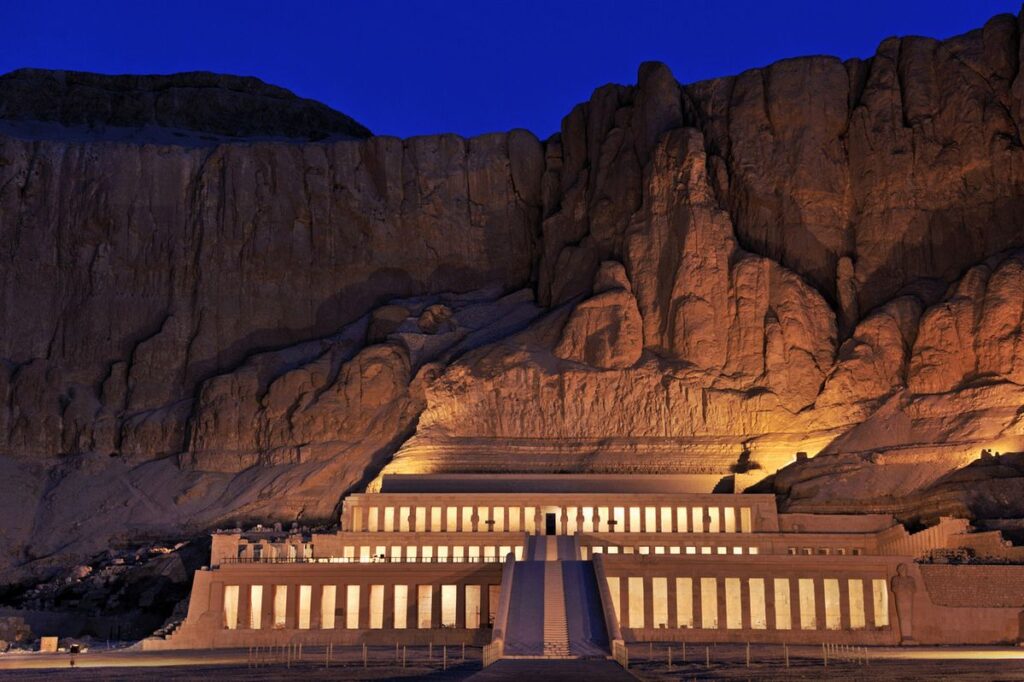
The magnificent Mortuary Temple of Hatshepsut was built during the 18th Dynasty for Pharaoh Hatshepsut, one of the few women who successfully ruled Ancient Egypt as king. Unlike traditional royal monuments, the temple features a distinctive terraced design that blends harmoniously with the surrounding limestone cliffs, creating one of the most visually stunning archaeological sites in Egypt. Its elegant colonnades, grand courtyards, and beautifully decorated reliefs showcase the architectural brilliance of Ancient Egyptian builders during the New Kingdom period.

A guided tour of Hatshepsut Temple allows visitors to gain deeper insights into the life and achievements of Queen Hatshepsut, who transformed Egypt into a prosperous and powerful empire during her reign. Through detailed carvings and inscriptions, the temple tells the story of her divine birth, successful trading expeditions to the Land of Punt, and her efforts to legitimize her position as pharaoh. These remarkable scenes provide valuable information about Ancient Egyptian politics, religion, commerce, and daily life.

One of the highlights of visiting the Temple of Hatshepsut is the opportunity to admire its remarkably preserved reliefs and colorful decorations. The walls feature detailed depictions of religious ceremonies, offerings to the gods, and important historical events that reveal the cultural and spiritual beliefs of Ancient Egypt. Professional Egyptologist guides help visitors understand the symbolism and historical significance behind these fascinating artworks, making the experience far more rewarding than a self-guided visit.

Many Hatshepsut Temple tours in Luxor are combined with visits to nearby attractions such as the Valley of the Kings, the Colossi of Memnon, and the famous temples of Luxor’s West Bank. These full-day excursions provide a comprehensive exploration of Ancient Egypt’s royal necropolis and allow visitors to discover some of the country’s most important archaeological treasures in a single journey.

Whether you are booking a private Luxor tour, a historical sightseeing excursion, a family-friendly cultural experience, or a photography tour, professional guides offer valuable historical context, engaging stories, and expert knowledge that enrich every visit. Guided tours also provide convenient transportation, skip-the-hassle planning, and access to detailed explanations that help travelers fully appreciate the temple’s significance.

In this guide, we will explore the best Hatshepsut Temple guided tours in Luxor, top attractions, historical highlights, travel tips, and the unique experiences that make this temple one of Egypt’s most extraordinary monuments. For history enthusiasts, archaeology lovers, and travelers seeking to uncover the legacy of one of Ancient Egypt’s most remarkable rulers, the Temple of Hatshepsut offers an unforgettable journey into the heart of the pharaohs’ world.

Temple of Hatshepsut

Hatshepsut Temple Guided Tours

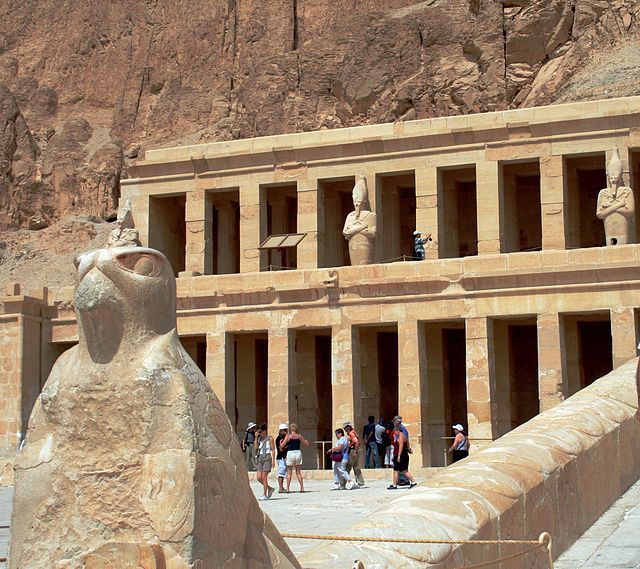
The Temple of Hatshepsut is one of the most breathtaking monuments in Luxor and one of the finest architectural masterpieces of ancient Egypt. Built beneath the dramatic limestone cliffs of Deir el-Bahari on Luxor’s West Bank, this extraordinary mortuary temple was constructed for Queen Hatshepsut, one of the few women to rule Egypt as pharaoh. Its unique three-level terraced design makes it unlike any other ancient Egyptian temple.

Choosing the Best Hatshepsut Temple Guided Tours in Luxor allows visitors to explore the temple with a professional Egyptologist who explains the remarkable story of Queen Hatshepsut, her ambitious building projects, and the religious importance of the temple. Every terrace, colonnade, and relief tells the story of one of ancient Egypt’s most successful rulers.

The temple, known in ancient times as Djeser-Djeseru (“The Holy of Holies”), was designed by Hatshepsut’s trusted architect Senenmut. It served as both her mortuary temple and an important religious sanctuary dedicated primarily to the god Amun, while also honoring Hathor, Anubis, and her father Thutmose I.

The Best Hatshepsut Temple Guided Tours in Luxor are ideal for history lovers, photographers, families, and first-time visitors. Walking through its elegant terraces while learning about its history transforms a sightseeing visit into an unforgettable cultural experience.

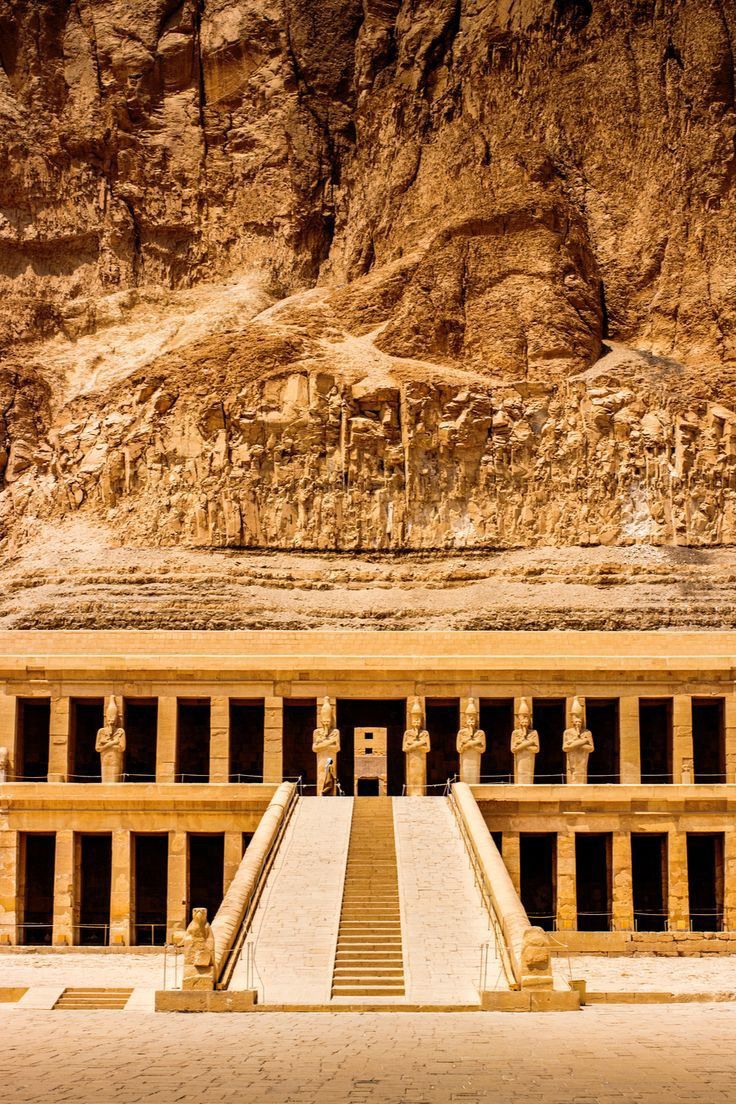
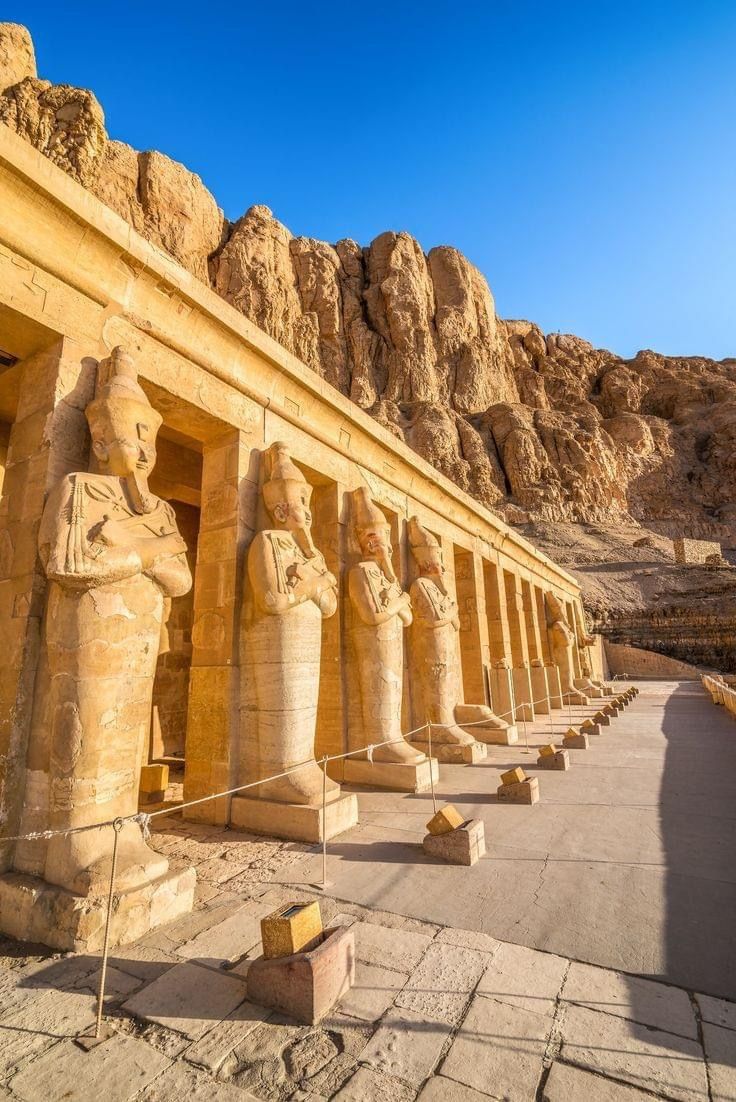
Highlights include the magnificent terraces, the Punt Expedition reliefs, the Birth Colonnade, the Chapel of Hathor, the Sanctuary of Amun, and the impressive Osiride statues that line the upper level.

Whether included in a full West Bank excursion or visited as a standalone attraction, the Temple of Hatshepsut remains one of Luxor’s absolute must-see monuments.
Why Visit Hatshepsut Temple with a Guide?

Visiting Hatshepsut Temple with an experienced Egyptologist allows travelers to understand the incredible achievements of one of Egypt’s most remarkable rulers. While the temple itself is visually stunning, its true significance lies in the stories carved into its walls and the symbolism hidden throughout its architecture.

The Best Hatshepsut Temple Guided Tours in Luxor explain how Queen Hatshepsut successfully ruled Egypt during the 18th Dynasty and commissioned one of the most elegant temples ever built. Guides describe how she presented herself as a legitimate pharaoh through inscriptions, statues, and religious ceremonies.

Unlike many other Egyptian temples, Hatshepsut’s temple was carefully integrated into the surrounding cliffs at Deir el-Bahari. A guide explains why this location was considered sacred and how the temple’s unique design represented harmony between nature and architecture.

Professional guides also interpret the famous reliefs that decorate the temple walls. Visitors learn about Hatshepsut’s famous trading expedition to the Land of Punt, her claimed divine birth, and her dedication to the god Amun.

The Best Hatshepsut Temple Guided Tours in Luxor also help visitors navigate the large complex efficiently, ensuring they do not miss important sections such as the Hathor Chapel, the Anubis Chapel, and the upper sanctuary.

With expert guidance, every terrace and every carving becomes part of a fascinating story about leadership, religion, architecture, and one of ancient Egypt’s greatest female pharaohs.
The Story of Queen Hatshepsut

Queen Hatshepsut remains one of the most extraordinary rulers in Egyptian history. Although she was born a royal princess, she eventually became pharaoh and governed Egypt during one of its most prosperous periods. Her reign brought stability, economic growth, impressive building projects, and successful international trade, making her one of the greatest leaders of the New Kingdom.

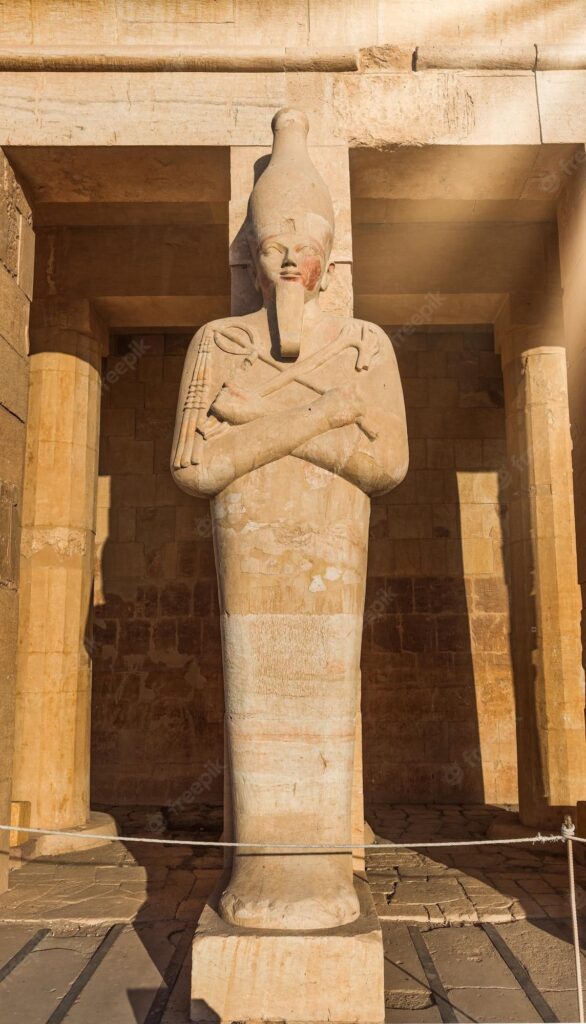
The Best Hatshepsut Temple Guided Tours in Luxor introduce visitors to her remarkable life and explain how she overcame traditional expectations to become Egypt’s ruler. To strengthen her authority, Hatshepsut adopted the traditional appearance of a pharaoh, wearing the royal headdress and ceremonial false beard in many statues and reliefs.

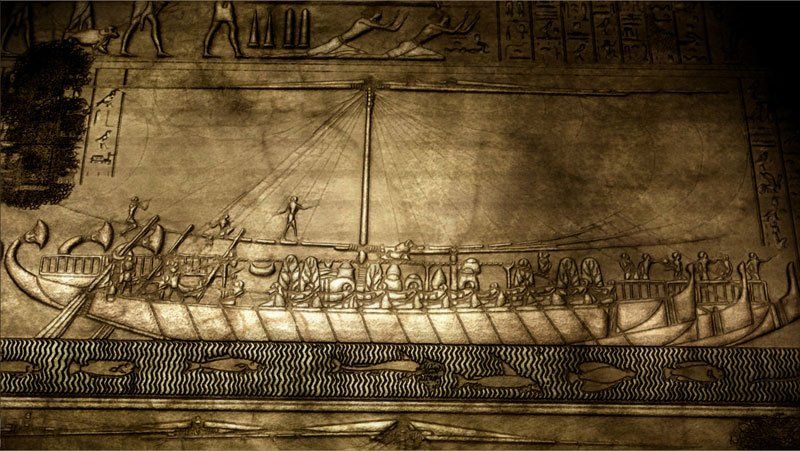
One of her greatest achievements was organizing a famous trading expedition to the mysterious Land of Punt. The reliefs inside her temple vividly illustrate ships returning with exotic trees, incense, gold, rare animals, and luxury goods. These scenes provide valuable historical evidence about Egypt’s international trade during the New Kingdom.

The temple itself became a powerful symbol of her reign. Its elegant terraces, monumental stairways, and beautifully decorated halls reflected both her political success and religious devotion.

The Best Hatshepsut Temple Guided Tours in Luxor explain how later rulers attempted to erase her memory by removing many of her images and inscriptions. Despite these efforts, archaeologists have uncovered enough evidence to restore her place among Egypt’s greatest pharaohs.

Today, Queen Hatshepsut is admired not only as one of Egypt’s most successful rulers but also as the visionary behind one of the world’s most magnificent ancient temples.
Temple Highlights You Should Not Miss

The Temple of Hatshepsut is filled with extraordinary architectural features and historical treasures that make every visit unforgettable. Built on three magnificent terraces connected by wide ramps, the temple stands in perfect harmony with the towering limestone cliffs behind it. The Best Hatshepsut Temple Guided Tours in Luxor ensure visitors discover the most important highlights while learning the fascinating stories behind each section.

One of the most famous attractions is the Punt Expedition Reliefs, which illustrate Queen Hatshepsut’s successful trading mission to the Land of Punt. These detailed carvings show ships, exotic animals, incense trees, and valuable goods brought back to Egypt, offering one of the earliest historical records of international trade.

Another remarkable area is the Birth Colonnade, where reliefs describe the divine birth of Hatshepsut. These scenes were created to strengthen her legitimacy as pharaoh by presenting her as the daughter of the god Amun.

Visitors should also explore the Chapel of Hathor, dedicated to the goddess of love, music, and motherhood. Beautiful columns featuring Hathor-headed capitals and elegant carvings make this one of the temple’s most attractive sections.

The upper terrace contains the Sanctuary of Amun, the holiest area of the temple where important religious ceremonies were performed. Nearby, impressive Osiride statues of Hatshepsut line the colonnades, symbolizing her eternal connection with the god Osiris.

The Best Hatshepsut Temple Guided Tours in Luxor help visitors understand the symbolism behind every terrace, relief, and statue, turning the visit into an engaging historical experience rather than simple sightseeing.

Every level of the temple reveals another chapter in the remarkable story of Queen Hatshepsut and the artistic achievements of ancient Egyptian civilization.

Hatshepsut Temple and Luxor West Bank Tours

The Temple of Hatshepsut is one of the highlights of Luxor’s West Bank and is often included in full-day guided excursions that explore the ancient necropolis of Thebes. Choosing the Best Hatshepsut Temple Guided Tours in Luxor allows travelers to combine this remarkable monument with several of Egypt’s most famous archaeological sites.

Many tours begin at the Valley of the Kings, where visitors explore the underground tombs of Egypt’s greatest pharaohs before continuing to Hatshepsut’s magnificent mortuary temple. This combination provides a fascinating comparison between royal burial traditions and monumental temple architecture.

Another popular stop is the Valley of the Queens, where beautifully decorated tombs belonging to queens and royal family members reveal another side of ancient Egyptian history. Together, these sites provide a complete picture of life, death, and religion during the New Kingdom.

Most West Bank itineraries also include the Colossi of Memnon, two enormous statues that once guarded the entrance to Amenhotep III’s mortuary temple. These iconic monuments remain one of Luxor’s most photographed landmarks.

The Best Hatshepsut Temple Guided Tours in Luxor are carefully organized to maximize sightseeing while minimizing travel time. An Egyptologist guide explains the historical connections between each monument, helping visitors understand how these sites formed the royal landscape of ancient Thebes.

Combining Hatshepsut Temple with other West Bank attractions creates a rich cultural experience that reveals the greatness of ancient Egypt’s rulers, architects, and artists.

Architecture of Hatshepsut Temple

The Temple of Hatshepsut is considered one of the finest examples of ancient Egyptian architecture because of its elegant design and remarkable harmony with the surrounding landscape. Unlike traditional Egyptian temples, which often featured enclosed courtyards and massive pylons, Hatshepsut’s temple was built as a series of open terraces rising toward the cliffs of Deir el-Bahari. Exploring this masterpiece is one of the highlights of the Best Hatshepsut Temple Guided Tours in Luxor.

The temple was designed by Senenmut, one of Queen Hatshepsut’s most trusted officials and architects. His innovative design combined symmetry, spacious colonnades, and wide ramps to create a structure that appears to grow naturally from the mountains behind it.

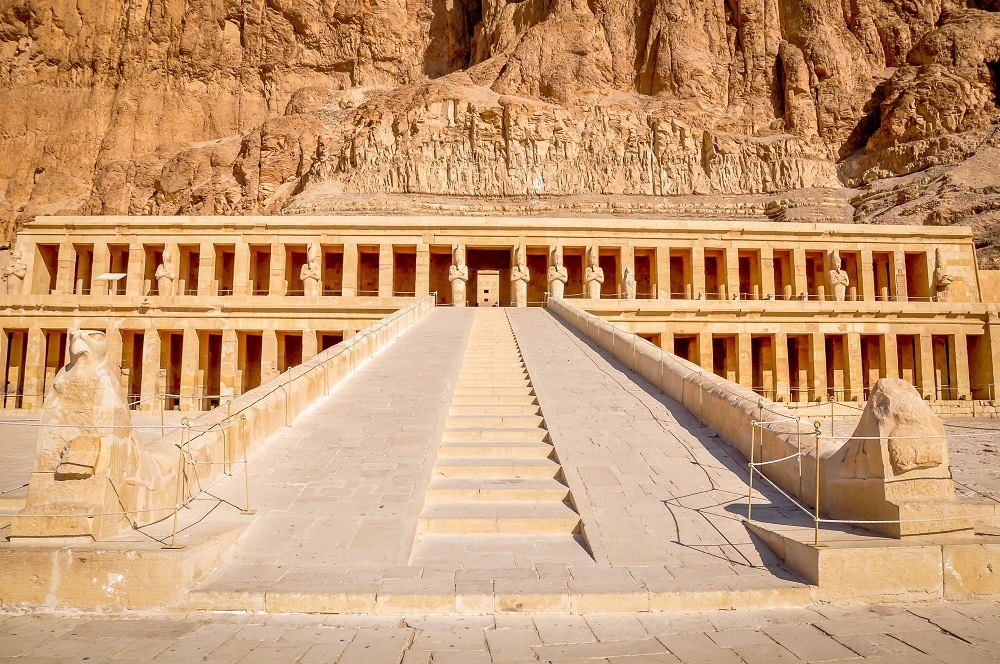
The three terraces are connected by broad central ramps that guide visitors upward through the monument. Each level contains elegant colonnades decorated with statues, reliefs, and inscriptions celebrating Hatshepsut’s reign and religious devotion.

One of the temple’s most impressive architectural achievements is its integration with the dramatic limestone cliffs. Rather than competing with the natural landscape, the building complements it perfectly, creating one of the most spectacular archaeological settings in Egypt.

The Best Hatshepsut Temple Guided Tours in Luxor explain how every architectural element served both practical and symbolic purposes. The terraces represented spiritual progression, while the orientation of the temple reflected important religious beliefs connected with the sun and the god Amun.

Today, the Temple of Hatshepsut remains one of the world’s greatest architectural masterpieces and continues to inspire visitors with its elegance, innovation, and timeless beauty.

Best Time to Visit Hatshepsut Temple

Choosing the right time to visit the Temple of Hatshepsut can make your experience much more enjoyable. Since the temple is built in an open valley surrounded by towering limestone cliffs, temperatures can become quite warm during the middle of the day. The Best Hatshepsut Temple Guided Tours in Luxor are available year-round, but the cooler months offer the most comfortable conditions for exploring this magnificent monument.

The period from October to April is generally considered the best season for visiting. Pleasant temperatures allow visitors to walk through the terraces, admire the detailed reliefs, and enjoy panoramic views of Deir el-Bahari without the intense summer heat.

Morning tours are especially popular because the soft sunlight beautifully illuminates the temple façade while providing cooler weather for sightseeing. Early visits also tend to be less crowded, giving travelers more opportunities for photography and quiet exploration.

Spring and autumn are excellent choices for combining Hatshepsut Temple with other West Bank attractions, including the Valley of the Kings, the Valley of the Queens, and the Colossi of Memnon.

The Best Hatshepsut Temple Guided Tours in Luxor are carefully scheduled to help visitors avoid the hottest part of the day while maximizing the time available for exploring one of Egypt’s most impressive architectural masterpieces.

Whether you visit during winter or summer, comfortable walking shoes, sunscreen, a hat, sunglasses, and plenty of drinking water are recommended.

With the right timing and an experienced guide, a visit to Hatshepsut Temple becomes one of the highlights of any trip to Luxor.

Private Hatshepsut Temple Tours

A private tour is one of the best ways to experience the Temple of Hatshepsut. Instead of following a fixed group schedule, visitors can explore the monument at a comfortable pace while receiving personalized explanations from an experienced Egyptologist. Choosing the Best Hatshepsut Temple Guided Tours in Luxor as a private experience offers greater flexibility and a deeper understanding of one of Egypt’s greatest historical sites.

Private tours allow travelers to spend more time at the areas that interest them most, whether it is the Punt Expedition reliefs, the Birth Colonnade, the Hathor Chapel, or the Sanctuary of Amun. Guides can also adjust the pace to suit families, photographers, or visitors who enjoy detailed historical discussions.

An Egyptologist brings the temple to life by explaining the remarkable achievements of Queen Hatshepsut, the symbolism of the reliefs, and the innovative architecture that makes the temple unique among Egyptian monuments.

The Best Hatshepsut Temple Guided Tours in Luxor often include hotel pickup, private transportation, entrance arrangements, and customized itineraries that can be combined with other nearby attractions on the West Bank.

Private tours are particularly suitable for couples, families, history enthusiasts, and travelers who prefer a quieter and more personalized sightseeing experience.

Exploring Hatshepsut Temple with a dedicated guide allows visitors to appreciate not only the beauty of the monument but also the extraordinary story of one of ancient Egypt’s most influential rulers.

Photography at Hatshepsut Temple

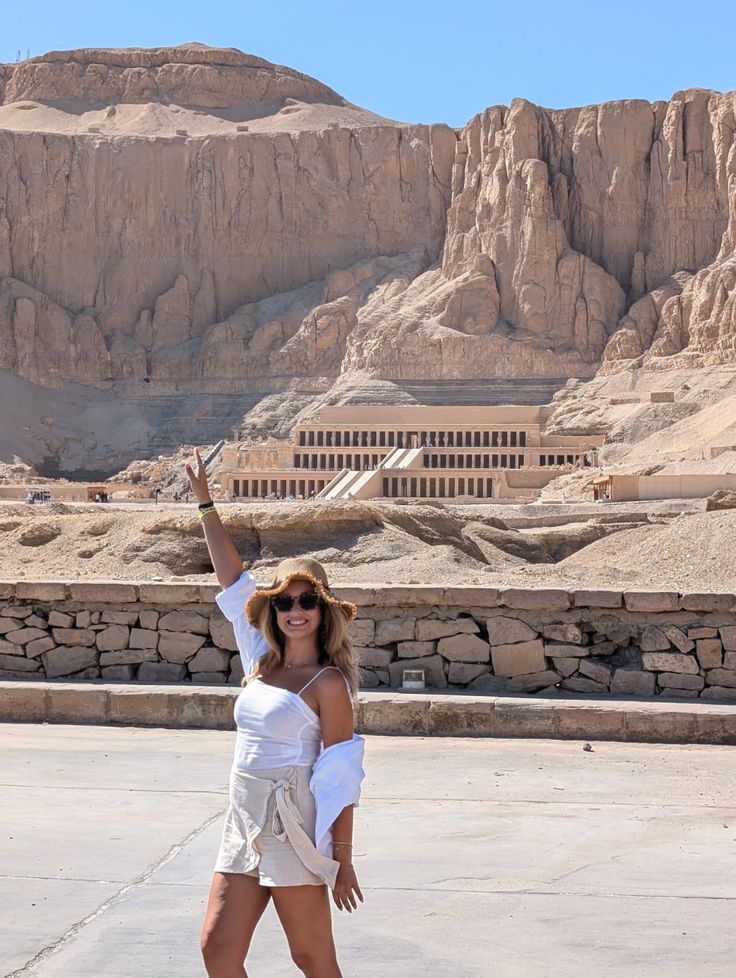
The Temple of Hatshepsut is one of the most photogenic monuments in Egypt. Its dramatic location beneath the towering cliffs of Deir el-Bahari, combined with its elegant terraces and symmetrical architecture, creates spectacular opportunities for photography. The Best Hatshepsut Temple Guided Tours in Luxor help visitors discover the most scenic viewpoints while learning about the historical significance of the monument.

The panoramic view from the entrance offers one of the temple’s most iconic images. The three terraces rising toward the cliffs create an unforgettable composition that perfectly captures the harmony between architecture and nature.

Each terrace provides unique perspectives for photography. Visitors can capture long colonnades, towering statues of Queen Hatshepsut, detailed reliefs, and beautiful architectural lines that showcase the creativity of ancient Egyptian builders.

The surrounding cliffs add another impressive element to every photograph, creating dramatic backgrounds that make Hatshepsut Temple unlike any other monument in Egypt.

The Best Hatshepsut Temple Guided Tours in Luxor often recommend visiting during the early morning when the sunlight enhances the colors of the limestone and creates softer shadows across the terraces. This time of day is ideal for both landscape and architectural photography.

Whether using a professional camera or a smartphone, visitors will find endless opportunities to capture unforgettable images of one of the world’s greatest archaeological masterpieces while preserving memories of an extraordinary journey through ancient Egypt.

Family Tours to Hatshepsut Temple

The Temple of Hatshepsut is an excellent destination for families who want to introduce children to the wonders of ancient Egypt. Its spacious terraces, open courtyards, and fascinating history make it easier to explore than many other archaeological sites. Choosing the Best Hatshepsut Temple Guided Tours in Luxor allows families to enjoy an educational and comfortable experience while discovering one of Egypt’s greatest architectural achievements.

Children are often fascinated by the story of Queen Hatshepsut, one of the few women who ruled ancient Egypt as pharaoh. An experienced Egyptologist can explain her remarkable life in an engaging and easy-to-understand way, turning history into an exciting adventure for younger visitors.

Private family tours provide greater flexibility, allowing parents to set a comfortable pace, take breaks when needed, and spend extra time at the temple’s most interesting areas. This relaxed approach makes the visit enjoyable for both children and adults.

The Best Hatshepsut Temple Guided Tours in Luxor can also be combined with nearby attractions such as the Valley of the Kings, the Valley of the Queens, and the Colossi of Memnon, creating a full day of exploration across Luxor’s famous West Bank.

Families are encouraged to wear comfortable footwear, carry water, use sunscreen, and visit during the cooler morning hours for the most pleasant experience.

A guided family visit to Hatshepsut Temple combines history, culture, and beautiful scenery, creating unforgettable memories while introducing visitors of all ages to one of Egypt’s most extraordinary monuments.

Combining Hatshepsut Temple with Other Luxor Attractions

The Temple of Hatshepsut is one of the highlights of Luxor’s West Bank, but combining it with other nearby attractions creates a complete journey through the heart of ancient Thebes. Many travelers choose the Best Hatshepsut Temple Guided Tours in Luxor because they offer carefully planned itineraries that include several world-famous archaeological sites.

One of the most popular combinations includes the Valley of the Kings, where visitors explore the magnificent tombs of Egypt’s pharaohs before continuing to Hatshepsut’s spectacular mortuary temple. This pairing provides a fascinating comparison between royal burial chambers and monumental temple architecture.

The Valley of the Queens is another excellent addition, allowing travelers to discover the beautifully decorated tombs of queens, princes, and princesses. Together with Hatshepsut Temple, these monuments reveal different aspects of royal life and burial traditions during the New Kingdom.

Many tours also stop at the Colossi of Memnon, the two gigantic statues that have welcomed visitors to Luxor’s West Bank for more than three thousand years. Some itineraries may include visits to local artisan workshops, where travelers can observe traditional alabaster carving and other Egyptian handicrafts.

The Best Hatshepsut Temple Guided Tours in Luxor combine these attractions with expert historical commentary, comfortable transportation, and efficient scheduling, allowing visitors to experience the most important sites without feeling rushed.

Exploring several West Bank landmarks in one guided excursion offers a deeper understanding of Luxor’s extraordinary archaeological heritage and the achievements of ancient Egyptian civilization.

Conclusion – Hatshepsut Temple Guided Tours in Luxor

The Temple of Hatshepsut is one of the most extraordinary monuments in Egypt, combining elegant architecture, fascinating history, and breathtaking natural surroundings. Built beneath the towering cliffs of Deir el-Bahari, this remarkable temple stands as a lasting tribute to one of ancient Egypt’s greatest rulers. The Best Hatshepsut Temple Guided Tours in Luxor provide the perfect opportunity to explore this masterpiece with expert guidance and gain a deeper understanding of Queen Hatshepsut’s remarkable legacy.

Throughout the temple, visitors discover beautifully decorated terraces, impressive colonnades, the famous Punt Expedition reliefs, and sacred chapels dedicated to Egyptian gods. Every section of the monument reveals another chapter in the story of Hatshepsut’s successful reign and her contribution to Egypt’s prosperity.

A professional Egyptologist transforms the visit into an educational journey by explaining the symbolism behind the reliefs, the religious importance of the temple, and the innovative architectural techniques that made this monument one of the greatest achievements of the New Kingdom.

The Best Hatshepsut Temple Guided Tours in Luxor are suitable for history enthusiasts, photographers, families, and first-time visitors alike. Private tours offer personalized experiences, while combined West Bank itineraries allow travelers to discover the Valley of the Kings, the Valley of the Queens, and other nearby attractions in one unforgettable day.

Whether you are passionate about ancient history, architecture, or archaeology, a guided visit to Hatshepsut Temple provides an inspiring experience that showcases the brilliance of ancient Egyptian civilization and one of its most remarkable rulers.

Frequently Asked Questions

The temple is famous for its three-level terraced design built directly against the limestone cliffs of Deir el-Bahari, making it one of the most distinctive monuments in ancient Egypt.

The temple was designed by Senenmut, Queen Hatshepsut’s trusted architect and royal official, who created one of the finest masterpieces of ancient Egyptian architecture.


Most guided visits last between one and two hours, although many travelers combine the temple with other West Bank attractions for a full-day excursion.


Yes. The temple’s terraces, dramatic cliff backdrop, and beautifully preserved reliefs make it one of the best photography locations in Luxor.

Yes. Most West Bank guided tours include both attractions, allowing visitors to explore two of Luxor’s most famous archaeological sites during the same day.