
Welcome to

Best Time to Visit Egypt Weather, Seasons, and Travel Tips

Egypt is a land where time feels both frozen and fleeting. For thousands of years, travelers have been drawn to the banks of the Nile, eager to stand in the shadow of the Giza Pyramids, decode the hieroglyphs of Luxor, and dive into the electric blue waters of the Red Sea. It is a destination that sits firmly at the top of almost every traveler’s bucket list. However, because Egypt is essentially a vast desert punctuated by a single life-giving river, the weather here is not just a daily forecast—it is the ultimate architect of your travel experience. Choosing when to embark on your Egypt vacation can mean the difference between an enchanting walk through ancient history and a punishing endurance test under a relentless sun.

When planning your Egypt itinerary, understanding the local climate zones is crucial. While the Mediterranean coast near Alexandria enjoys breezy, temperate winters, southern destinations like Luxor and Aswan experience dramatic shifts, transitioning from crisp winter nights to blistering summer afternoons. This geographical diversity means there is no single “perfect” weekend or month for everyone; the ideal window depends entirely on what you want to experience. Are you looking to delve into the cool, dark chambers of Pharaonic tombs without breaking a sweat? Or is your dream to spend your days scuba diving alongside thriving coral reefs in Sharm El Sheikh and Hurghada, where the water is warm and crystal clear?

Beyond the fluctuating thermometer, the temporal rhythms of Egypt tourism are dictated by crowd sizes and shifting price points. The winter months represent the undeniable peak season, drawing massive crowds from across the globe who are looking to escape colder northern climates. During this period, ancient landmarks come alive with energy, but hotels and Nile cruises command premium rates. Conversely, the scorching summer months turn the high-traffic historical sites into peaceful, empty sanctuaries for the budget-conscious explorer who does not mind early morning wake-up calls. Between these two extremes lie the often-overlooked shoulder seasons of spring and autumn—vibrant cultural windows that offer a strategic balance of manageable weather, thinner crowds, and excellent financial value.

Navigating these seasons requires a blend of practical logistics and local cultural insight. From preparing for the seasonal Khamsin dust storms of early spring to aligning your travel dates with ancient solar festivals or modern cultural events, timing is everything. This comprehensive Egypt travel guide is designed to break down the complexities of Egypt’s weather patterns, seasonal nuances, and regional climates. By analyzing month-by-month conditions and offering expert local tips, we will help you pinpoint the exact moment to pack your bags. Let’s dive deep into the seasons of this historic land so you can design a flawless, unforgettable journey through the greatest open-air museum on Earth.


1. The High Season: Embracing Egypt’s Magical Winter (October to April)

The winter months represent the undisputed crown jewel of Egypt tourism, drawing travelers from every corner of the globe who are eager to escape colder northern climates. Stretching comfortably from October to April, this peak window transforms the entire country into an inviting oasis where the harsh desert sun softens into a gentle, golden warmth. With daytime temperatures across the major tourist hubs hovering beautifully between $20^\circ\text{C}$ and $26^\circ\text{C}$, winter provides the absolute best time to visit Egypt for extensive outdoor exploration and long days of walking through ancient complexes.

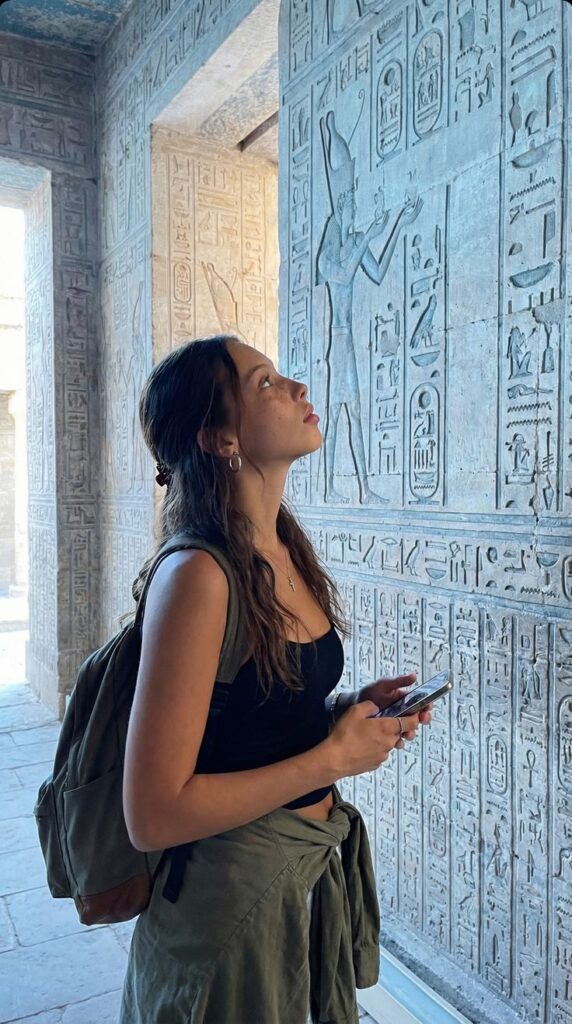
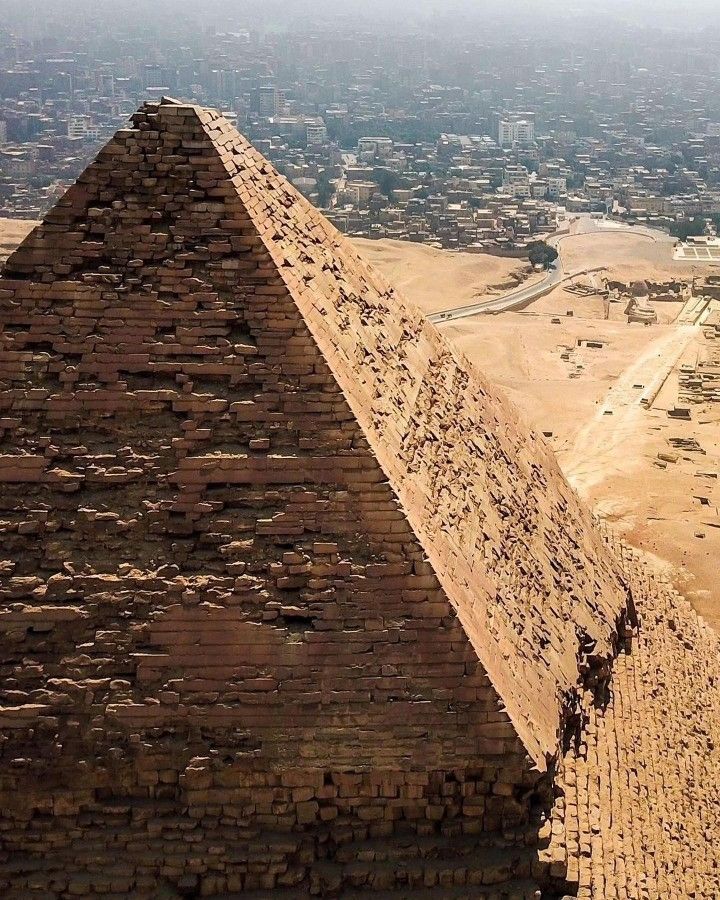
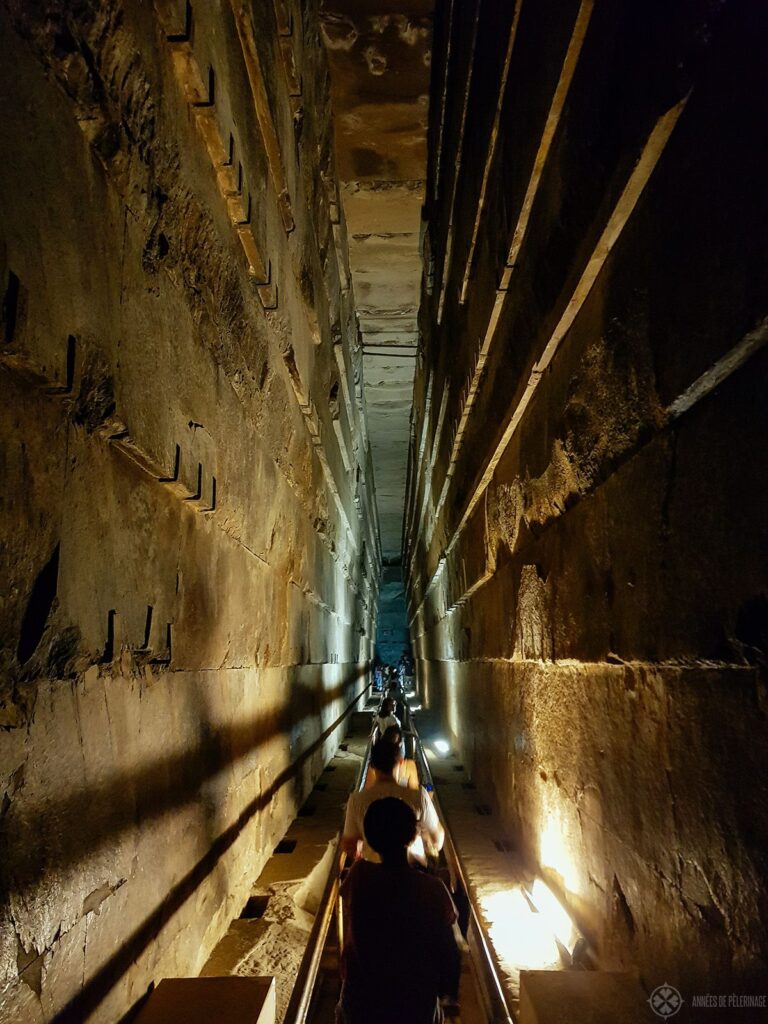
If your dream Egypt itinerary involves spending hours decoding intricate hieroglyphs at the sprawling Karnak Temple, descending into the deep subterranean tombs of the Valley of the Kings, or standing in awe before the Great Pyramids of Giza, this is your ideal travel window. Because ancient Egyptian architecture relies heavily on massive stone structures and enclosed underground chambers, the cooler ambient temperatures make exploring these world-famous spaces incredibly comfortable and physically relaxing. Furthermore, the crisp winter air offers exceptionally clear visibility, a feature highly prized by photographers aiming to capture the brilliant contrast between weathered golden monuments and the deep blue Egyptian sky.

However, planning an Egypt vacation during the pinnacle of the peak season does require a fair amount of logistical foresight and early preparation. Because the weather is so flawless, you will be sharing these legendary historical sites in Egypt with a high volume of fellow travelers, particularly between December and February. To navigate these crowds gracefully, savvy adventurers make it a habit to arrive at the gates early in the morning right as they open, or delay their visits until late afternoon when the large tour buses begin to disperse toward the local souks.
 

2. The Shoulder Seasons: Finding the Perfect Balance in Spring and Autumn

For independent travelers who wish to bypass the dense crowds of the winter peak while completely avoiding the intense mid-summer heat, the shoulder seasons of spring and autumn offer an exceptional compromise. Running from March to May and September to November respectively, these transitional periods are frequently highlighted in any comprehensive Egypt travel guide as the sweetest spots for an authentic vacation. They strike a brilliant balance by offering highly manageable weather, significantly thinner crowds at major landmarks, and much more competitive pricing on international flights, boutique hotels, and guided excursions.

Autumn is an especially phenomenal window to book your travel to Egypt because the intense heat of July and August begins a steady, noticeable retreat. By October and November, the days are beautifully warm and the evenings are remarkably refreshing, creating an ideal environment for a classic Nile River cruise. An additional benefit of an autumn trip is that the waters of the Red Sea remain deeply warmed from the summer months, making it the premier season to seamlessly combine a historical tour of Upper Egypt with world-class snorkeling or scuba diving along the vibrant coastal reefs of Hurghada or Sharm El Sheikh.

Spring offers a similarly beautiful experience with blooming desert landscapes and lively local festivals, though travelers should simply keep an eye on local weather forecasts for the occasional Khamsin wind, a dry desert breeze that can carry fine dust for a day or two. Choosing either of these shoulder windows allows you to experience iconic Egyptian landmarks at a much slower, more contemplative pace. You can enjoy lingering views of the Sphinx without rushing, secure prime seating at authentic local cafés, and capture stunning travel photography without dozens of other tourists obstructing your framing.
 

3. Braving the Summer Heat: Tips for the Ultimate Budget Explorer (May to August)

Summer in Egypt, spanning from May to August, is characterized by a fierce and dry desert heat that regularly pushes daytime temperatures past $40^\circ\text{C}$, particularly in southern archaeological capitals like Luxor and Aswan. While these numbers might initially seem intimidating to first-time visitors, the summer season is actually a hidden gold mine for budget-conscious explorers and minimalist backpackers. It offers a rare opportunity to experience the heavyweights of ancient history in near-total solitude while unlocking massive financial discounts across the tourism industry.

During these sun-drenched months, high-end luxury resorts and premium Nile cruise boats slash their booking rates dramatically, allowing travelers to experience five-star hospitality at a mere fraction of the winter cost. Furthermore, the typical crowds vanish, meaning you can stand completely alone inside the majestic temples or take your time browsing the extensive collections of the Grand Egyptian Museum without fighting through walls of tour groups. For those who love the water, the coastal resorts along the Red Sea actually thrive during the summer, as the warm sea temperatures create perfect conditions for deep-sea diving, windsurfing, and evening beach gatherings.

Conquering a summer vacation in Egypt simply requires shifting your daily itinerary to match the timeless rhythms of the local population. Successful summer travel is all about waking up at the break of dawn to explore outdoor ruins during the coolest hours of the morning, then retreating indoors to air-conditioned museums or shaded pools by noon. After a relaxing lunch and an afternoon siesta, you will find that Egypt undergoes a magical transformation as the sun sets, when the evening breeze cools the cities and the vibrant street markets, outdoor juice bars, and riverfront promenades burst into colorful life until the early hours of the morning.
4. Regional Climate Breakdown: Cairo, Luxor, Aswan, and the Coast

To truly master your Egypt itinerary, you must understand that this historic nation does not have a single, uniform climate. Instead, it is divided into distinct weather zones that behave very differently throughout the year. Cairo and the northern Delta region experience a classic semi-arid Mediterranean climate, which translates to delightfully cool winters where daytime temperatures hover around comfortable averages, alongside occasional light winter rainfall. Summers in the capital are undeniably hot and bustling, but the lack of intense tropical humidity means that finding shade or stepping into an air-conditioned museum offers instant relief from the midday sun.

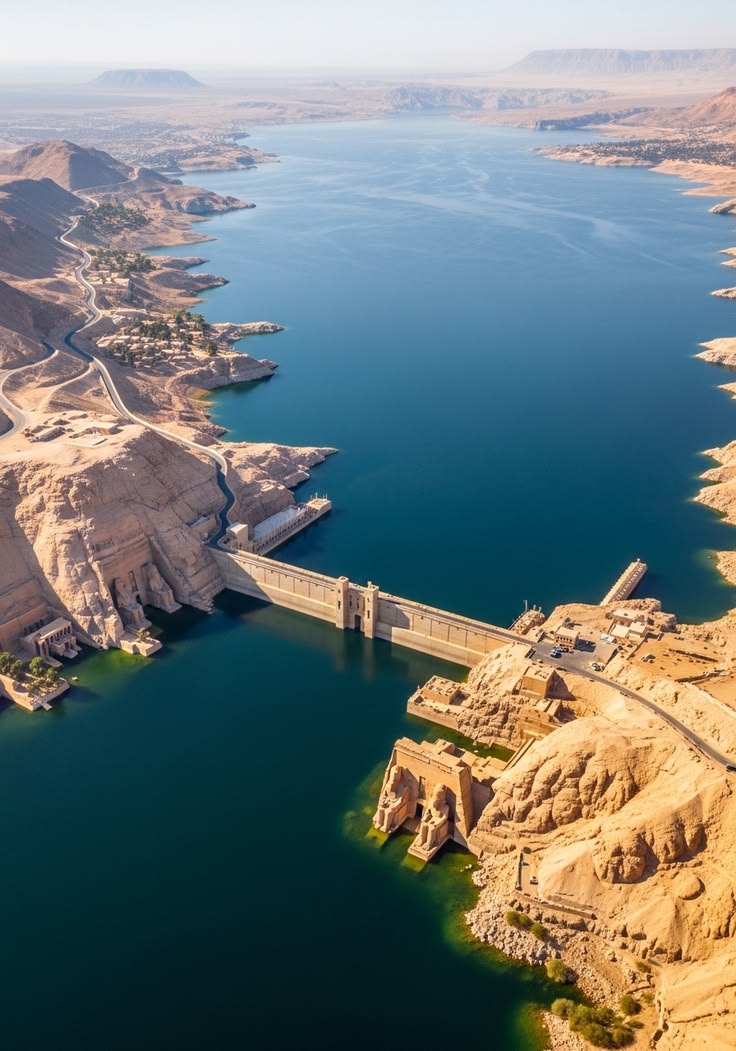
Moving south along the path of the Nile into Upper Egypt, the climate shifts dramatically into a true hyper-arid desert environment. In legendary archaeological hubs like Luxor and Aswan, the weather is significantly warmer and sunnier year-round. Winter days here are absolutely perfect, characterized by brilliant blue skies and a radiant sun, though winter nights can drop surprisingly low, requiring travelers to pack warm layers for evening strolls. Summer in Upper Egypt is an intense display of solar power, with afternoon temperatures frequently soaring, making afternoon shelter an absolute necessity for anyone exploring the open-air temples.

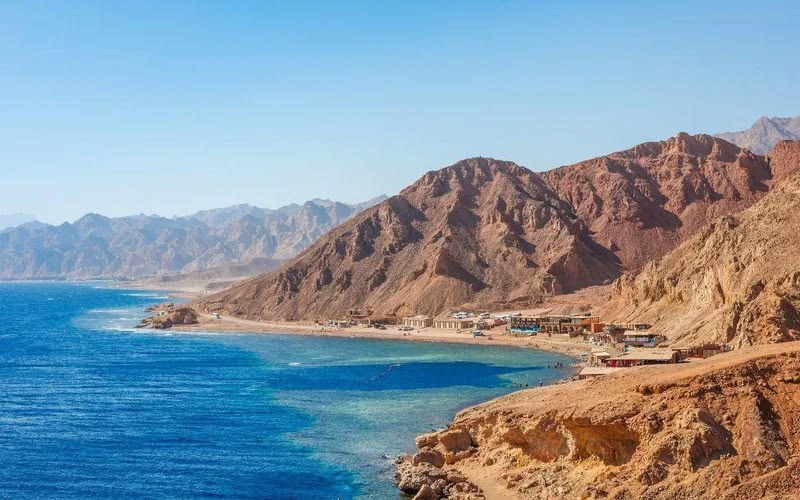
Meanwhile, the Red Sea and Sinai coasts offer an entirely different atmospheric experience that draws sun-seekers year-round. Destinations like Sharm El Sheikh, Hurghada, and El Gouna benefit from refreshing marine breezes that temper the heat of the surrounding desert. Winters along the coast are mild and highly pleasant, while summers are hot but highly popular due to the cooling sea water. This coastal geography makes it incredibly easy for travelers to balance a rigorous historical tour of Egypt’s inland ancient ruins with a relaxing, sun-soaked beach vacation along the shores of the sea.

5. Packing Essentials: How to Dress for Every Egyptian Season

Packing for an Egypt vacation requires a thoughtful combination of climate awareness, physical comfort, and respect for local cultural norms. Regardless of the exact month you choose to travel to Egypt, the golden rule of desert dressing is to prioritize lightweight, breathable fabrics made from natural fibers like linen, cotton, and bamboo. Loose-fitting clothing is highly recommended because it allows air to circulate around your body naturally while providing an effective physical barrier against the strong rays of the afternoon sun.

During the peak winter season, layering is the ultimate secret to staying comfortable throughout the day. A typical winter day in Egypt might begin with a crisp, chilly morning breeze that requires a light jacket or a cozy sweater, transition into a warm afternoon perfect for short sleeves, and then plunge back into cold desert temperatures as soon as the sun dips below the horizon. If you are planning a classic Nile River cruise, an evening desert safari, or a midnight hike up Mount Sinai, a wind-resistant jacket, a warm scarf, and a reliable pair of long trousers are absolutely vital additions to your luggage.

Footwear is another critical element that can make or break your daily exploration of historical sites in Egypt. Most archaeological complexes feature uneven terrain, loose gravel, dusty paths, and ancient, smooth stone steps that can be surprisingly slippery. Leaving the sandals for the beach and investing in a sturdy, broken-in pair of walking shoes or athletic sneakers with excellent grip will protect your feet during long hours of walking. Additionally, never underestimate the power of a wide-brimmed sun hat, high-quality UV-blocking sunglasses, and a premium broad-spectrum sunscreen to safeguard your skin during outdoor adventures.

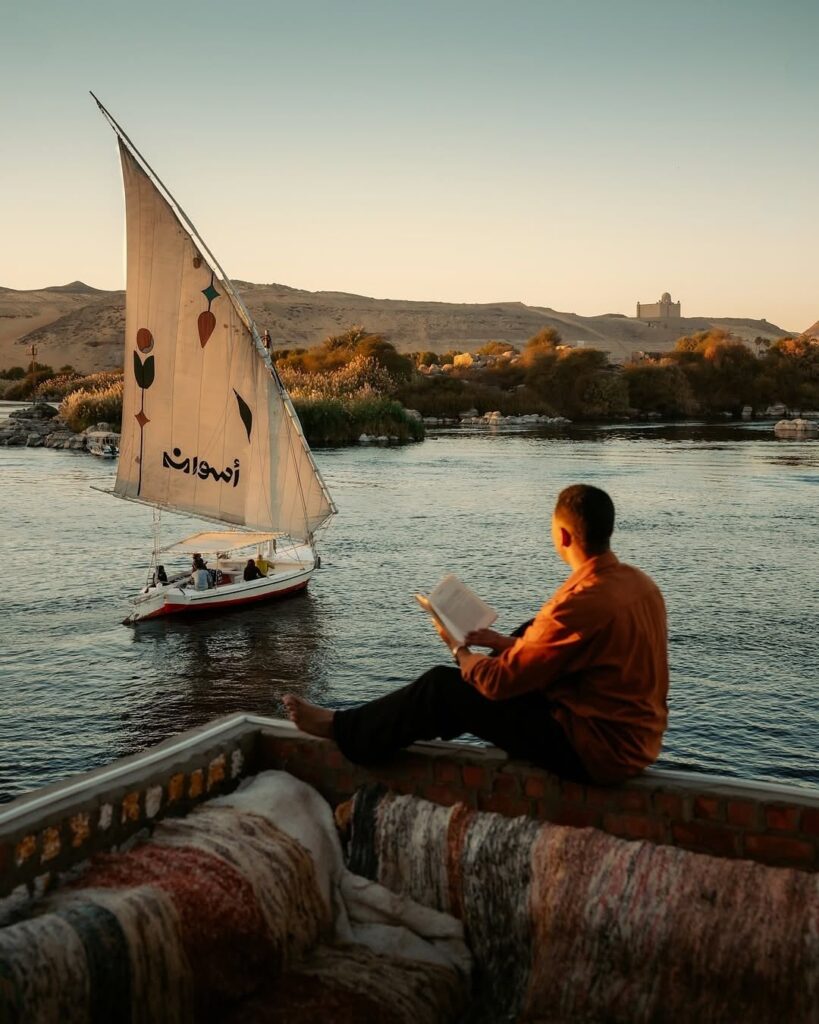
Aswan

6. Cultural and Religious Calendars: Timing Your Trip Around Major Events

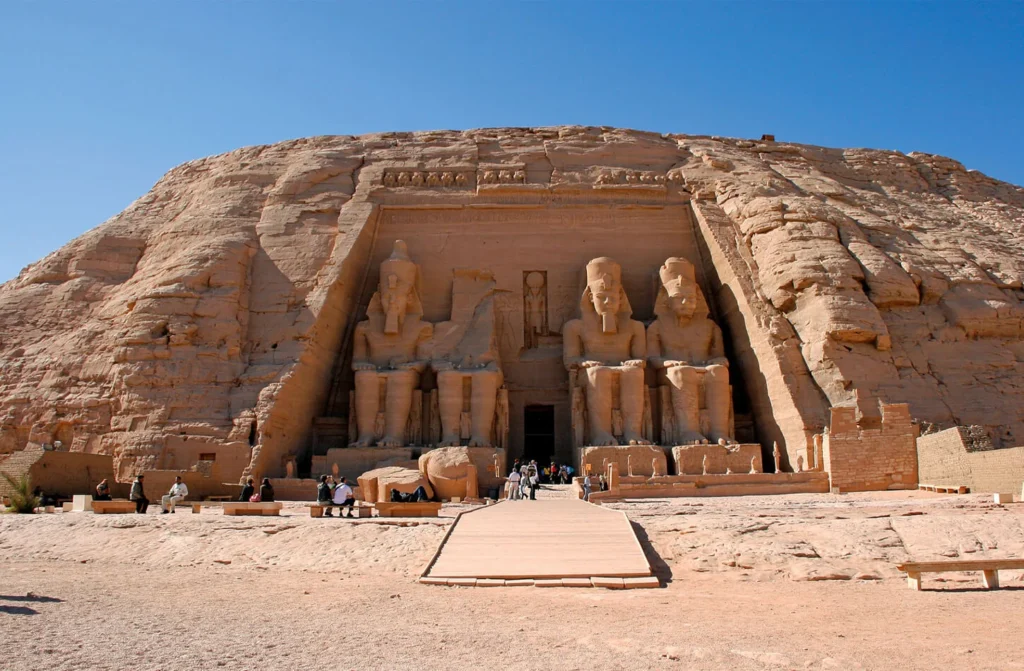
When finalizing your Egypt travel guide checklist, checking the local cultural and religious calendar is just as important as monitoring the weather forecast. As a country with a deeply rooted heritage, Egypt celebrates a variety of spectacular annual events that can add an unforgettable layer of immersion to your journey. One of the most famous examples is the Abu Simbel Sun Festival, which occurs twice a year in February and October. On these specific days, the rising sun aligns perfectly with the inner sanctum of Ramses II’s magnificent rock-cut temple, illuminating the ancient statues deep inside in a breathtaking display of astronomical and architectural precision.

Another major consideration for any international traveler planning a trip to Egypt is the holy month of Ramadan, during which Muslims fast from dawn until sunset. Traveling during Ramadan offers a fascinating window into contemporary Egyptian culture, as the streets come alive after dark with beautiful colorful lanterns, festive music, and massive public charity banquets where communities gather to break their fast. While some local shops and historical sites may operate on shortened daytime hours during this holy month, the vibrant evening atmosphere, unique traditional desserts, and warm hospitality make it an incredibly rewarding time for cultural enthusiasts.

National holidays like Coptic Christmas in January and Sham El-Nessim—an ancient spring festival celebrated by all Egyptians with outdoor picnics and traditional foods—also bring a unique festive energy to the country. Aligning your travel dates with these local celebrations allows you to witness the authentic living traditions of Egypt beyond the ancient stone monuments. Whether you choose to join the joyous crowds during a street festival or simply enjoy the specially curated holiday menus at local restaurants, incorporating these cultural rhythms into your itinerary will elevate your vacation from a standard sightseeing tour into a deeply personal travel experience.

7. Cruising the Nile: Selecting the Ideal Month for a River Journey

A voyage down the historic Nile River is the centerpiece of most premium travel to Egypt itineraries, offering a floating front-row seat to the ancient world. However, because a traditional river cruise involves spending significant time on open-air decks and stepping directly off the boat into sun-exposed temples, choosing the right month for your cruise is essential. The absolute best time to visit Egypt for a river journey is between November and February, when the daytime breezes gliding across the water are delightfully cool and the afternoon sun is exceptionally mild, making the transitions between your air-conditioned cabin and the ancient ruins effortless.

As the calendar transitions into the spring and early autumn shoulder seasons, Nile cruising takes on a different but equally alluring character. During March, April, October, and November, the riverbanks are lush, the weather remains comfortably warm, and the passenger numbers drop significantly compared to the winter rush. This means you can enjoy the top-deck swimming pool without a struggle for lounge chairs and experience more intimate guided tours through riverside landmarks like Kom Ombo and Edfu, capturing that timeless, romantic essence of a classic river expedition.

If you decide to book a cruise during the peak summer months, you will find incredibly enticing price reductions, but you must prepare for the physical reality of the upper Egyptian climate. During July and August, the metal railings of the cruise ships can become hot to the touch, and midday upper decks are often too warm for casual lounging. Cruising successfully in summer means maximizing your time on the water during the early mornings and late evenings, enjoying the misty river breezes under the stars, and treating the ship as a luxurious, air-conditioned sanctuary during the peak heat of the afternoon.

8. Red Sea Adventures: When to Dive into Hurghada and Sharm El Sheikh

While the inland cities of Egypt are world-renowned for their ancient monuments, the coastal resorts of the Red Sea draw a massive global audience for an entirely different reason: world-class marine life. To experience the absolute best of Hurghada, Sharm El Sheikh, Marsa Alam, and El Gouna, timing your trip around water temperatures and wind patterns is key. Unlike the historical ruins where winter is the undisputed peak, the premier diving and snorkeling seasons along the Red Sea actually stretch from late spring through early autumn, when the sea is deeply warmed and underwater visibility is at its absolute highest.

From June to September, water temperatures in the Red Sea climb to a blissful $28^\circ\text{C}$ to $30^\circ\text{C}$, creating conditions that feel almost like a warm bath. This thermal consistency allows scuba divers to spend hours exploring deep coral walls, historic shipwrecks like the SS Thistlegorm, and thriving marine ecosystems without experiencing any chill. This is also the premier window for spotting larger marine life, including hammerhead sharks, manta rays, and gentle whale sharks that travel through the deep currents of the northern and southern marine parks.

For travelers who prefer to visit the coast during the winter months, the experience shifts from intense aquatic sports to a relaxed, sunny beach vacation. Between December and February, the air temperatures remain warm and pleasant, though the water drops to around $22^\circ\text{C}$, which might feel a bit brisk for casual swimming without a light wetsuit. Winter coastal travel is highly recommended for those who want to combine mild desert safaris, quad biking through the Sinai dunes, and outdoor seaside dining with occasional dips in heated resort pools, offering a perfect, multi-dimensional winter escape.

9. Budget Versus Luxury: How Seasonal Swings Impact Your Travel Expenses

The stark seasonal shifts in Egypt’s climate exert a massive, direct influence on the economics of local tourism, creating distinct pricing ecosystems for budget travelers and luxury seekers alike. During the high winter season, demand for flights, premium boutique hotels, historic eco-lodges, and reputable tour guides skyrockets. For a luxury traveler, this is the time to experience Egypt at its most vibrant, but it requires booking months in advance and expecting peak rates for every customized service, from private Egypt vacation packages to high-end domestic flights between Cairo and Aswan.

Conversely, independent budget travelers can leverage the seasonal calendar to stretch their finances exponentially by targeting the late spring and summer months. As the thermometer rises, premium accommodation providers slash their nightly rates, sometimes by half or more, to keep their rooms occupied. This seasonal drop allows budget-conscious explorers to check into highly rated properties, book luxury Nile cruises, and secure experienced private Egypt travel guide services that would otherwise sit outside their financial reach during the crowded winter rush.

For those looking to strike a clever financial and experiential balance, the autumn shoulder season represents the ultimate sweet spot. During late September and throughout October, airlines and resorts begin adjusting their rates, offering moderate pricing before the winter rush takes full effect. By choosing this window, you can avoid paying premium holiday surcharges while still enjoying the beautifully mild weather that makes exploring historical sites in Egypt an absolute pleasure, ensuring you get the maximum value out of every dollar, euro, or pound spent on your vacation.

10. Photography and Visibility: Capturing Egypt’s Monuments in the Best Light

For photographers and visual storytellers planning an Egypt vacation, the seasonal calendar dictates not only how comfortable your trip will be, but also the actual quality of light dancing across ancient stone surfaces. The crisp, clean air of the winter months creates exceptionally clear visibility across the country, minimizing the midday desert haze that can sometimes blur the horizon. During this high season, the winter sun sits lower in the sky, casting long, dramatic shadows that beautifully accentuate the deep relief carvings and massive columns of Egyptian landmarks like the Temple of Hatshepsut and the complex of Karnak.

As spring arrives, the lighting conditions shift into a softer, warmer hue, though photographers must remain mindful of the atmospheric changes that define this season. While the occasional afternoon dust storm can briefly obscure visibility, the days immediately following these weather events often provide the most spectacular, dramatic sunsets of the year, as fine dust particles high in the atmosphere scatter the light into brilliant shades of crimson, violet, and deep gold. Capturing a classic silhouette of the Pymaids of Giza against an electric spring sunset is a definitive highlight for any travel to Egypt portfolio.

Summer photography presents a unique set of challenges and rewards that require careful technical planning and a commitment to early rising. The intense midday summer sun can create harsh, contrasting glares and washed-out colors on sandy monuments, making the hours around noon less than ideal for grand landscape shots. However, by embracing the golden hours of dawn and dusk, summer photographers are rewarded with a beautifully soft, pristine morning light, completely empty historic backdrops, and a stark, ancient stillness that perfectly captures the timeless, mystical spirit of the pharaonic era.

11. Family Travel Logistics: Managing Weather for Kids and Seniors

When orchestrating a multi-generational family trip to Egypt, seasonal weather considerations shift from being a matter of mere comfort to a crucial element of health and safety. Traveling with young children or elderly relatives requires a strategic avoidance of extreme climate conditions, making the mild winter months of November through March the absolute best time to visit Egypt for families. The temperate winter air allows older travelers to navigate the uneven terrain of historical sites in Egypt without the added physical strain of heat exhaustion, while keeping younger children energized and engaged throughout the day.

If your family schedule dictates that you must travel during the warmer shoulder or summer months, successful execution depends entirely on building a highly flexible, pace-conscious Egypt itinerary. It is essential to choose accommodations that feature large, inviting swimming pools where the family can cool off together after a morning of sightseeing. Parents should ensure that daily excursions to outdoor locations like the Valley of the Kings are scheduled for the earliest possible morning slot, always ensuring that everyone is equipped with insulated water bottles, lightweight sun protection gear, and planned indoor breaks.

Furthermore, family travel logistics during warmer seasons should lean heavily toward air-conditioned transit options and well-timed indoor attractions. Balancing a morning temple tour with an afternoon visit to an air-conditioned museum, or taking a refreshing, shaded sunset felucca ride along the Nile, ensures that more vulnerable family members remain perfectly comfortable. By respecting the desert climate and planning regular periods of rest, families can experience the absolute best places to visit in Egypt together, creating magical, stress-free memories that span across generations.

12. Local Wildlife and Nature: Bird Migration and Desert Blooms

Beyond the magnificent stone temples and bustling historic cities, Egypt possesses a rich, often overlooked natural calendar that shifts beautifully with the changing seasons. The country sits directly along one of the most important bird migration corridors on Earth, making it a premier destination for ecotourists and wildlife enthusiasts. Twice a year, during the spring and autumn months, millions of migratory birds—including majestic eagles, storks, pelicans, and colorful falcons—travel between Europe and Africa, using the green ribbon of the Nile Valley, the desert oases, and the Sinai mountains as vital resting stops.

Winter is the premier season for exploring the unique ecosystems of the Egyptian deserts and the lush banks of the Nile. In places like Aswan, the river islands come alive with unique waterfowl and resident bird species, making a wooden boat tour through the cataracts a delightful winter activity. For those venturing into the dramatic landscapes of the Western Desert, including the White Desert and Bahariya Oasis, the cooler winter temperatures create perfect conditions for overnight camping under star-filled skies, where travelers can spot unique desert wildlife like the tiny fennec fox moving quietly across the sand dunes.

Spring brings a subtle but beautiful transformation to the Egyptian landscape, as resilient desert flora and hardy acacia trees burst into brief, vibrant blooms following rare winter rains. This seasonal awakening also transforms the coastal waters of the Red Sea, where optimal water temperatures in late spring trigger coral spawning events and attract unique marine visitors closer to the shore. Aligning your journey with these natural cycles allows you to experience a completely different dimension of Egypt tourism, showcasing a land where ancient human history and vibrant natural rhythms have coexisted in harmony for millennia.


Frequently Asked Questions

For the absolute vast majority of international travelers, October and November stand out as the most spectacular months to plan a trip to Egypt. During this autumn window, the intense heat of the summer has completely dissipated, giving way to beautifully mild daytime temperatures and wonderfully refreshing evenings across both northern and southern regions. This period offers pristine visibility for photography, highly comfortable conditions for exploring massive outdoor historical sites like the Giza Pyramids and Karnak Temple, and perfectly warm waters along the Red Sea coast for snorkeling and scuba diving.

Visiting Luxor and Aswan during July and August is entirely possible and highly rewarding for budget travelers, but it requires a strict adherence to local desert rhythms. Because daytime temperatures regularly exceed forty degrees Celsius, you must plan all your outdoor sightseeing for the early morning hours right at dawn when the archaeological sites open. By noon, you should retreat to air-conditioned museums, enjoy an indoor lunch, or rest by a shaded pool, saving your outdoor strolls and river activities for the beautiful, vibrant evenings when the desert air begins to cool.

Traveling to Egypt during Ramadan offers a deeply enriching cultural experience, though it does introduce a few minor changes to standard tourist logistics. During this sacred month, many historical sites, museums, and local shops operate on slightly shortened daytime hours to allow staff to return home to break their fast at sunset. While major hotel restaurants and tourist-oriented establishments remain open during the day, the real magic happens after dark, when the cities erupt into a festive, joyous atmosphere filled with colorful lanterns, special traditional foods, and warm local hospitality.

While winter is the peak season for tourism, many first-time visitors are surprised by how chilly Cairo and the northern regions can get, especially after sunset. While daytime winter temperatures are delightfully warm and sunny, evening temperatures in the capital can drop significantly, requiring travelers to pack warm layers, a reliable wind jacket, and heavy sweaters. Additionally, the northern coast and Cairo can experience occasional winter rain showers and morning fog, which means you should always monitor local forecasts when planning early morning highway transits.

The premier window for embarking on a classic Nile River cruise stretches from late November through early March. During these winter months, the river breezes are exceptionally pleasant, and the afternoon sun is mild enough that stepping off the cruise boat to tour open-air riverside temples like Kom Ombo and Edfu is physically relaxing. Booking during this high season guarantees that all river locks are fully operational and that you can enjoy the stunning, panoramic views from the ship’s upper sun deck in complete comfort.