
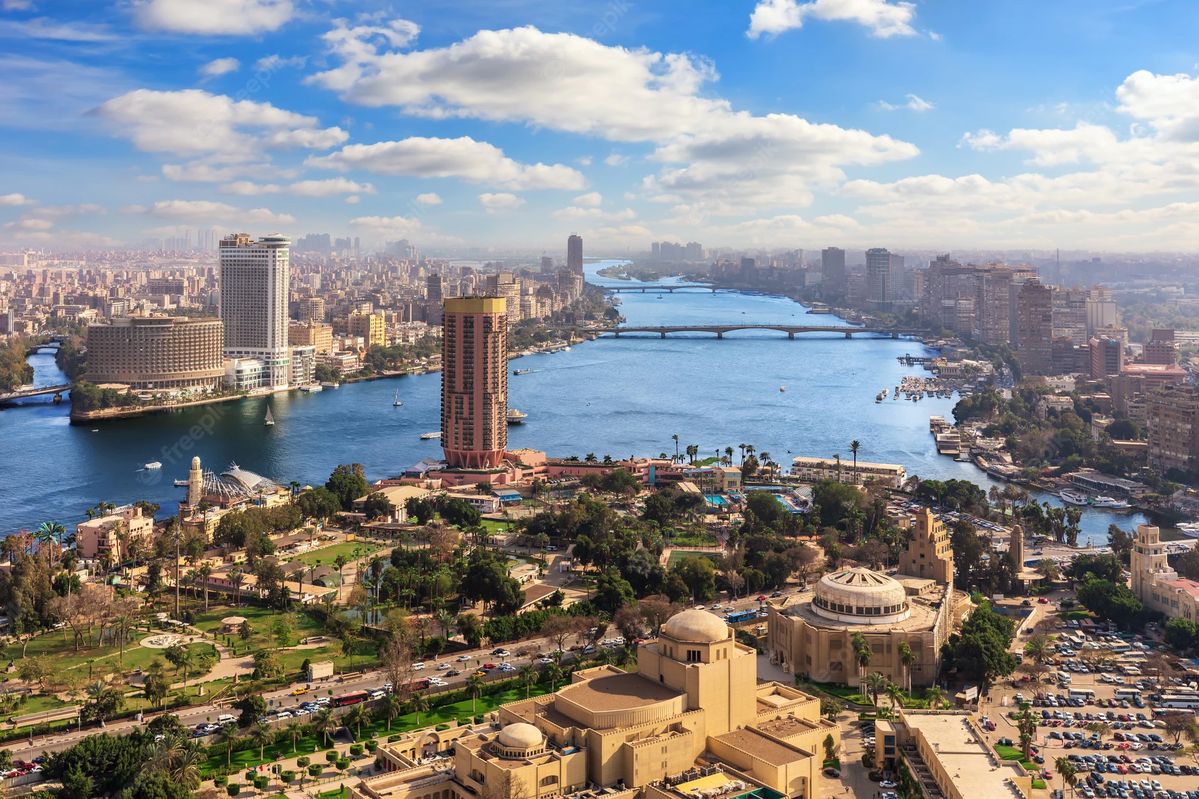
Welcome to

Cairo for First-Time Visitors Ultimate Travel Guide

Welcome to Cairo, the beating heart of Egypt and one of the most fascinating cities in the world for first-time travelers. Known as “The City of a Thousand Minarets,” Cairo is a place where ancient history and modern life blend in a way that feels both chaotic and magical at the same time. For travelers planning an Egypt vacation or building their Egypt itinerary, Cairo is not just a destination—it is the starting point of a journey through thousands of years of civilization.

As one of the largest cities in Africa and the Middle East, Cairo offers an unforgettable mix of Ancient Egypt heritage, Islamic architecture, vibrant street culture, and world-famous landmarks. Whether you are visiting the iconic pyramids, exploring bustling bazaars, or cruising along the Nile, Cairo delivers an experience that is rich, layered, and full of surprises.

Most first-time visitors come to Cairo to witness the legendary Egyptian monuments that have made Egypt tourism famous worldwide. From the awe-inspiring Great Pyramids of Giza to the priceless artifacts of the Egyptian Museum, the city serves as a gateway to some of the most important historical sites in human history. These landmarks are not just tourist attractions—they are living symbols of Ancient Egypt and its powerful legacy.

But Cairo is not only about the past. Modern Cairo is alive with energy. The city’s neighborhoods tell different stories: Downtown Cairo reflects colonial-era charm, Zamalek offers upscale cafes and cultural spaces, while Islamic Cairo showcases centuries-old mosques and winding alleyways. This contrast is what makes Cairo one of the best places to visit in Egypt for both culture lovers and adventure seekers.

For travelers arriving for the first time, Cairo can feel overwhelming. The traffic is intense, the city is massive, and the sensory experience is unlike anywhere else. However, with the right Egypt travel guide, Cairo becomes incredibly rewarding. Understanding transportation options, local customs, and the best time to visit can transform your experience from stressful to unforgettable.

Cairo also serves as a perfect base for exploring nearby Egyptian landmarks and historical sites in Egypt, making it an essential stop in any Egypt vacation. From short day trips to Giza Plateau to extended journeys across Luxor and Aswan, Cairo connects you to the wider story of Egypt’s ancient civilization.

This ultimate travel guide to Cairo for first-time visitors will walk you through everything you need to know—from top attractions and hidden gems to safety tips, food recommendations, hotels, transportation, and expert travel advice. Whether you’re a history enthusiast, a budget traveler, or looking for a luxury experience, Cairo offers something for everyone.

Get ready to explore one of the most iconic cities in the world, where every street has a story and every monument reveals a piece of human history.


1. Overview of Cairo (The City That Never Sleeps)

Cairo is not just a capital city—it is an entire universe of contrasts. As the political, cultural, and economic center of Egypt, Cairo stands as one of the most influential cities in Africa and the Arab world. For travelers exploring Egypt tourism, it is the gateway to Ancient Egypt and the starting point for nearly every major Egypt itinerary.

The city stretches along the banks of the Nile River, blending ancient civilizations with modern urban life. On one side, you’ll find timeless monuments that date back thousands of years; on the other, modern skyscrapers, luxury hotels, and busy commercial districts. This unique combination makes Cairo one of the best places to visit in Egypt for first-time travelers.

Cairo is often described as chaotic—but in a fascinating way. Streets are always alive with movement: cars honking, vendors selling traditional food, and locals going about their daily lives. Despite the intensity, there is a rhythm to the city that visitors gradually learn to appreciate.

For many travelers, Cairo represents their first real encounter with Ancient Egypt. The city is home to some of the world’s most famous Egyptian landmarks, including the nearby Great Pyramids of Giza and the Sphinx. These monuments are part of the broader historical landscape that has shaped global civilization.

Why Cairo is Important for Egypt Tourism

It is the main entry point for international flights to Egypt

It connects travelers to major historical sites in Egypt

 offers a mix of culture, history, and modern entertainment

It provides easy access to Nile cruises, desert trips, and Red Sea resorts

Cairo is also a cultural hub. Museums, theaters, and galleries showcase Egypt’s artistic evolution from Ancient Egypt to the modern era. The city is especially famous for its Islamic Cairo district, where centuries-old mosques and markets reflect the golden age of Islamic architecture.

Despite its fast pace, Cairo is extremely rewarding for travelers who take the time to explore it properly. Whether you are here for history, photography, food, or adventure, the city offers endless discoveries.
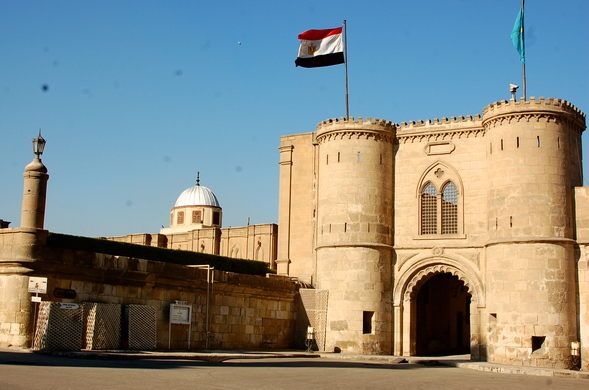
2. Historical Significance of Cairo

The history of Cairo is deeply intertwined with the story of Egypt itself. While modern Cairo was officially founded in the 10th century during the Fatimid dynasty, the surrounding region has been inhabited for thousands of years, making it one of the oldest continuously evolving urban areas in the world.

Long before Cairo became a capital, nearby areas such as Memphis served as powerful centers of Ancient Egypt. This proximity to ancient capitals is one reason why Cairo is so important for understanding Egyptian civilization.

During the Islamic Golden Age, Cairo flourished as a center of learning, trade, and culture. The Fatimids established it as a planned city, and later dynasties expanded its influence across Africa and the Middle East. This legacy is still visible today in the form of mosques, madrasas, and historic gates that define Islamic Cairo.

One of the most significant historical transformations came during the Ottoman and Mamluk periods, when Cairo became one of the richest cities in the region. Many of the architectural masterpieces you see today—including intricate mosques and medieval streets—date back to this era.

In modern times, Cairo played a key role in Egypt’s political history, including the formation of the modern Egyptian state and major cultural movements in the 20th century.

Key Historical Highlights

Founding by the Fatimid dynasty in 969 AD

Expansion during the Mamluk and Ottoman periods

Close connection to Ancient Egypt capitals like Memphis

Role in modern Egyptian independence and culture

Today, Cairo stands as a living museum of history. Unlike many historical sites in Egypt that are preserved separately, Cairo integrates history into daily life. You can walk through centuries-old streets while modern life continues around you.

This deep historical layering is what makes Cairo unique among global cities. It is not just a destination—it is a timeline of human civilization.
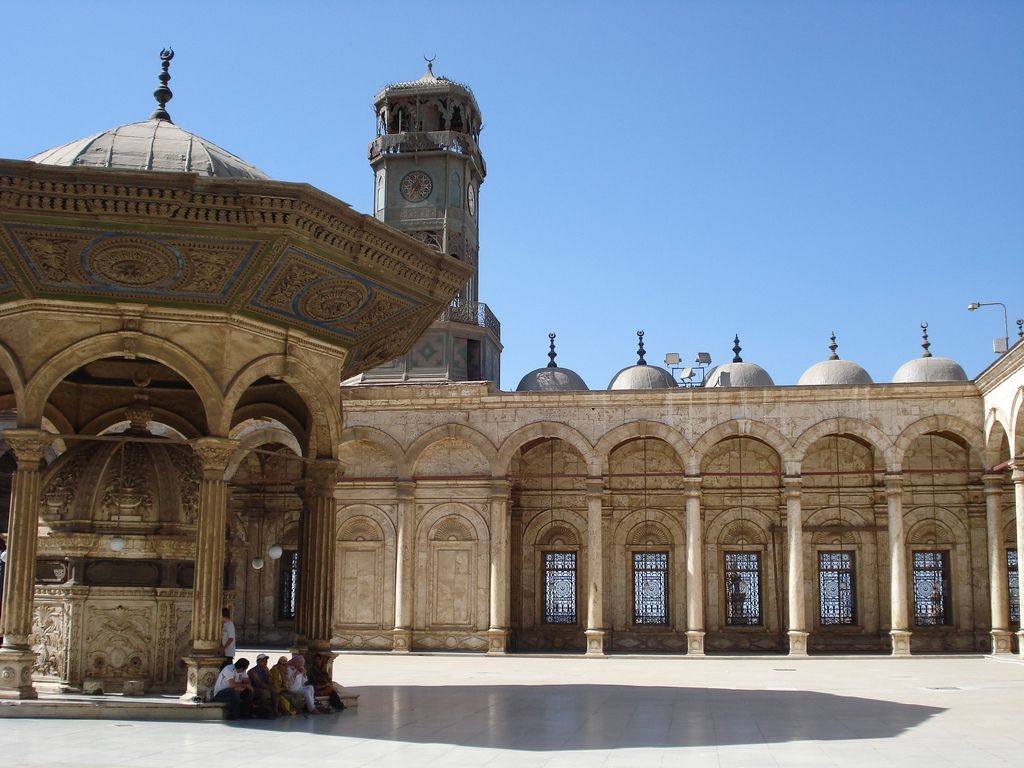
3.Architecture and Unique Features of Cairo

Cairo’s architecture is one of the most diverse in the world, reflecting thousands of years of cultural evolution. From Ancient Egypt influences to Islamic masterpieces and European-style buildings, the city is a visual journey through history.

One of the most iconic architectural features near Cairo is the monumental design of the pyramids in Giza. These structures represent the pinnacle of Ancient Egypt engineering and remain unmatched in scale and precision even today.

Inside the city itself, Islamic Cairo showcases some of the most beautiful examples of medieval Islamic architecture. The area is filled with intricate mosques, towering minarets, carved stone facades, and geometric designs that reflect centuries of craftsmanship.

Architectural Styles in Cairo

Ancient Egyptian style: pyramids, temples, and monumental stone structures

Islamic architecture: mosques, domes, minarets, and decorative calligraphy

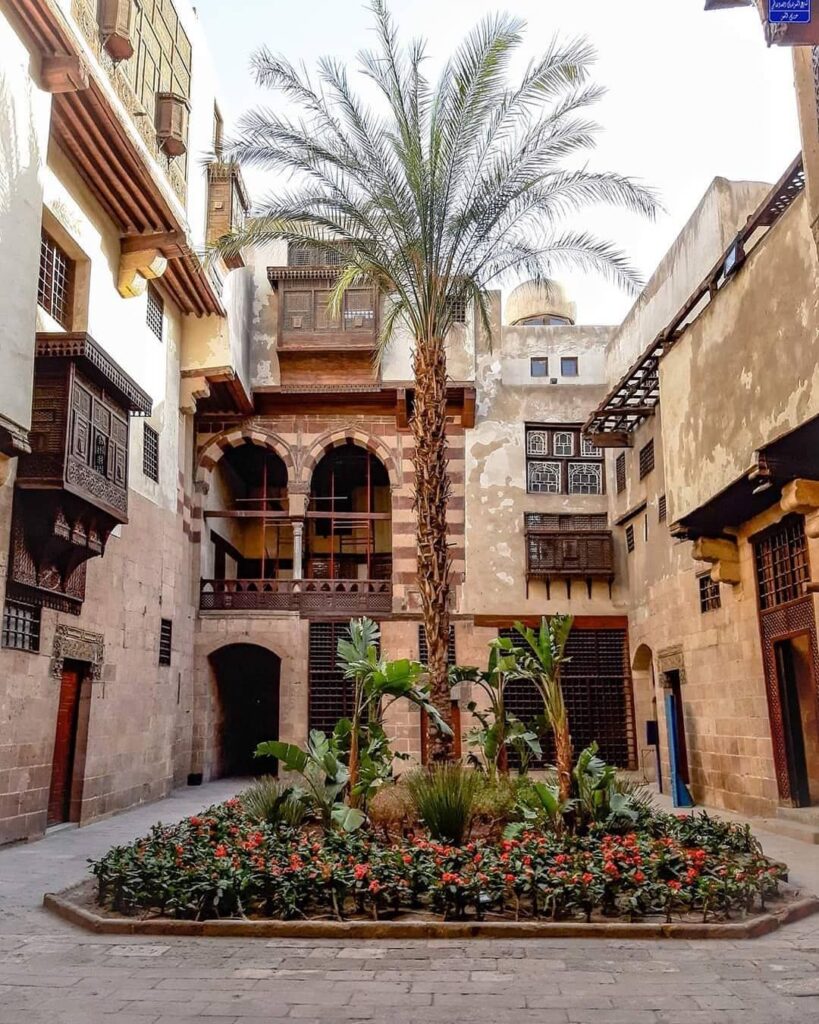
Ottoman influence: elegant courtyards and ornate interiors

Colonial European style: buildings in Downtown Cairo with French and British influences

Modern architecture: skyscrapers and contemporary developments along the Nile

One of Cairo’s unique features is its layered cityscape. It is common to see ancient structures standing near modern buildings, creating a contrast that is rare anywhere else in the world.

Hidden Architectural Gems

Historic gates of Islamic Cairo

Traditional wooden mashrabiya balconies

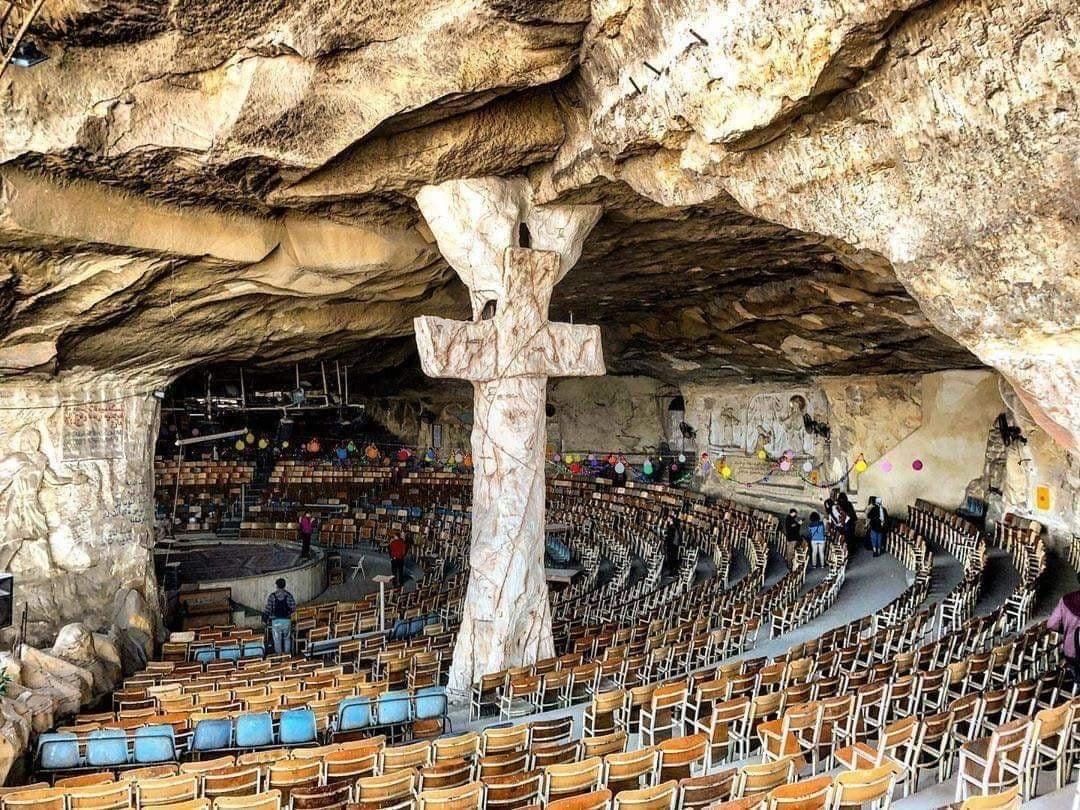
Old Cairo churches in Coptic Cairo

Restored Ottoman-era houses turned into museums or cafés

Photography enthusiasts find Cairo especially rewarding because every corner offers a different visual story. Golden-hour light on mosque domes, bustling street scenes, and Nile sunsets all create unforgettable images.

Cairo’s architecture is not just about beauty—it tells the story of civilizations, religions, and empires that shaped Egypt over thousands of years.
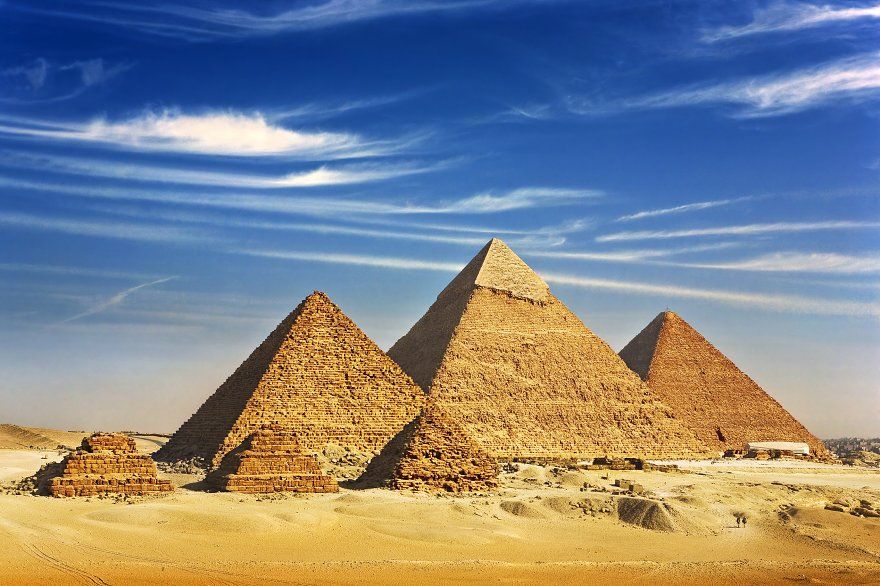
4.Why Cairo is Famous Worldwide

Cairo’s global fame comes from its unmatched combination of Ancient Egypt heritage, living culture, and world-renowned landmarks. Few cities on Earth can claim to be both a modern capital and a gateway to one of the oldest civilizations in human history, but Cairo does exactly that.

The city is most famous for being the home base of the legendary pyramids at Giza Plateau, where the Great Pyramids and the Sphinx stand as eternal symbols of Ancient Egypt. These monuments alone make Cairo one of the best places to visit in Egypt and a bucket-list destination for travelers worldwide.

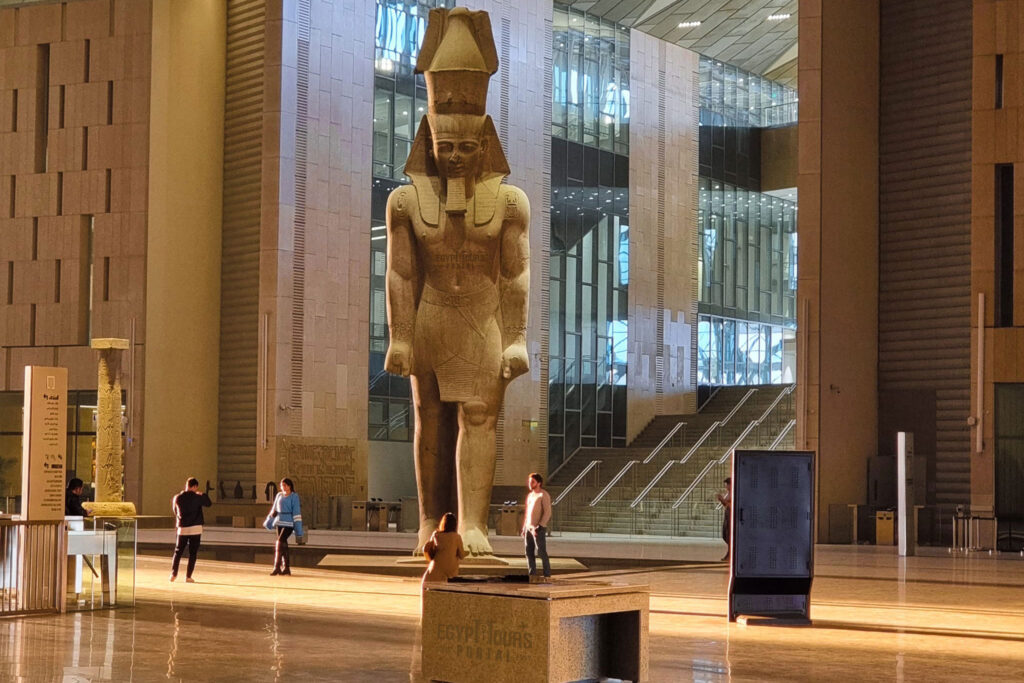
Cairo is also known for its world-class museums, especially the museum housing treasures from the pharaohs. These artifacts give visitors a direct connection to Ancient Egypt and help explain why Egyptian civilization remains one of the most studied in history.

Key Reasons Cairo is Famous

Home to the Great Pyramids of Giza

Gateway to Ancient Egypt monuments and tombs

Rich Islamic and Coptic heritage sites

Vibrant street culture and authentic local life

Major center of Egypt tourism and travel routes

Another reason Cairo stands out is its cultural influence. The city has long been a center for Arabic cinema, music, and literature, shaping the identity of the entire region. Even today, Cairo is often called the “Hollywood of the Middle East.”

For travelers, Cairo is not just about sightseeing—it is about experiencing a living, breathing city where history is part of everyday life. You can explore ancient mosques in the morning, shop in centuries-old bazaars in the afternoon, and enjoy a Nile dinner cruise at night.

5 . UNESCO World Heritage Status and Ancient Legacy

Cairo’s historical importance is officially recognized through its connection to UNESCO World Heritage sites. While the modern city itself is not entirely a single UNESCO site, several of its most important areas are protected for their outstanding universal value.

One of the most significant nearby sites is the Giza pyramid complex, which is part of the UNESCO-listed Memphis and its Necropolis – the Pyramid Fields from Giza to Dahshur. This designation highlights the global importance of these monuments as some of the greatest achievements of Ancient Egypt.

UNESCO Highlights Near Cairo

Pyramids of Giza

Sphinx monument

Ancient necropolis areas of Memphis

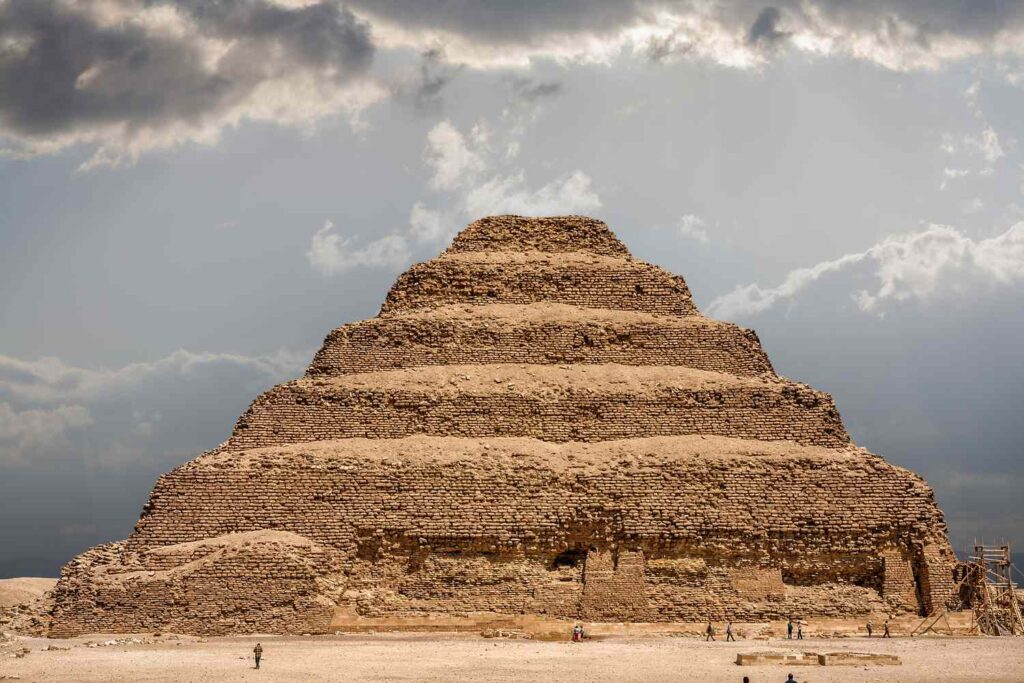
Saqqara step pyramid region (nearby Cairo outskirts)

These sites represent the evolution of pyramid construction and royal burial traditions in Ancient Egypt. Visiting them gives travelers a deeper understanding of how Egyptian civilization developed over thousands of years.

Cairo itself also contains protected historic zones, particularly in Islamic Cairo and Coptic Cairo, where centuries-old religious and architectural landmarks are preserved. These districts reflect the city’s layered history, from early Christian settlements to Islamic dynasties.

UNESCO recognition ensures that these treasures are preserved for future generations while allowing visitors to experience them today as part of Egypt travel guide itineraries.

For tourists, this means Cairo is not just a destination—it is a global heritage hub. Every visit contributes to understanding and preserving one of the most important civilizations in human history.

grand egyptian museum

6.Location, How to Get to Cairo, and Transportation

Cairo is located in northern Egypt along the Nile River, making it one of the most accessible cities in North Africa and the Middle East. It serves as the main international gateway for Egypt tourism, with most travelers entering the country through its primary airport.

The city is served by Cairo International Airport, which connects Cairo to major cities across Europe, Asia, Africa, and the Americas. From the airport, visitors can reach downtown Cairo in approximately 30–60 minutes depending on traffic conditions.

Transportation Options in Cairo

Taxis and ride apps: Uber and Careem are widely used and reliable

Metro system: Affordable and efficient for avoiding traffic

Private transfers: Recommended for airport pickups and tours

Buses and minibuses: Budget-friendly but can be crowded

Car rentals: Available but not recommended for first-time visitors due to traffic

Traffic in Cairo is famously busy, so planning travel times carefully is important. Many tourists prefer private drivers or guided tours when visiting major Egyptian landmarks such as the pyramids or museums.

Getting Around Efficiently

Avoid peak rush hours when possible

Use ride-hailing apps for transparent pricing

Stay in central areas like Downtown, Zamalek, or Giza

Combine sightseeing areas to reduce travel time

Despite its size and traffic, Cairo is well-connected and surprisingly easy to navigate once you understand the basics. For first-time visitors, transportation planning is key to enjoying a smooth Egypt vacation experience.

Cairo’s accessibility is one of the main reasons it remains the heart of Egypt travel and tourism, connecting millions of visitors each year to the wonders of Ancient Egypt and beyond.

7.Opening Hours, Tickets & Entry Information

General Opening Hours (Typical Range)

Museums: 9:00 AM – 5:00 PM

Archaeological sites: 8:00 AM – sunset

Mosques and religious sites: open daily, with prayer-time closures

Markets (souks): morning until late evening

Ticket prices vary depending on the attraction. Entry fees for Egyptian landmarks such as museums or pyramid sites are usually paid on arrival. Prices may change frequently, so visitors should always check the latest official updates before visiting.

Ticket Tips for Travelers

Bring cash (Egyptian pounds) for smaller sites

Some major attractions accept cards, but not all

Student discounts may be available with valid ID

Separate tickets may be required for interior tombs or special exhibits

For popular sites like the Giza Plateau, additional tickets are often needed for entering pyramids or special viewpoints. Booking guided tours in advance is recommended, especially during peak Egypt tourism seasons.

8.Best Time to Visit Cairo & Weather Guide

Cairo has a desert climate, which means it is generally hot and dry for most of the year. However, the best time to visit is during the cooler months when exploring outdoor Egyptian landmarks becomes much more comfortable.

Best Time to Visit

October to April: Ideal weather for sightseeing

May to September: Very hot, especially midday

During winter months, temperatures are mild and perfect for walking tours around Islamic Cairo, museum visits, and exploring the pyramids.

Weather Overview

Summer: hot and dry (can exceed 35–40°C)

Winter: mild and pleasant (15–25°C)

Rain: very rare

Travel Tips for Weather

Wear lightweight, breathable clothing in summer

Carry sunscreen, sunglasses, and a hat

Drink plenty of water during outdoor tours

Plan outdoor activities early in the morning or late afternoon

Photography is especially beautiful during golden hour when sunlight enhances the color of ancient stone structures and desert landscapes. This is one of the reasons Cairo is considered one of the best places to visit in Egypt for photographers.

Coptic cairo

9.Photography, Hidden Gems & Local Experiences

Cairo is a paradise for photography lovers. Every corner of the city offers a unique visual story—from ancient monuments to lively street scenes and Nile views.

Best Photography Spots

Giza Plateau at sunrise or sunset

Rooftop views in Islamic Cairo

Nile River bridges at night

Historic mosques and courtyards

Bustling local markets

The contrast between Ancient Egypt monuments and modern city life creates unforgettable photo opportunities.

Hidden Gems in Cairo

Beyond famous attractions, Cairo has many lesser-known treasures:

Quiet alleys in Islamic Cairo

Traditional artisan workshops

Old Coptic churches with peaceful courtyards

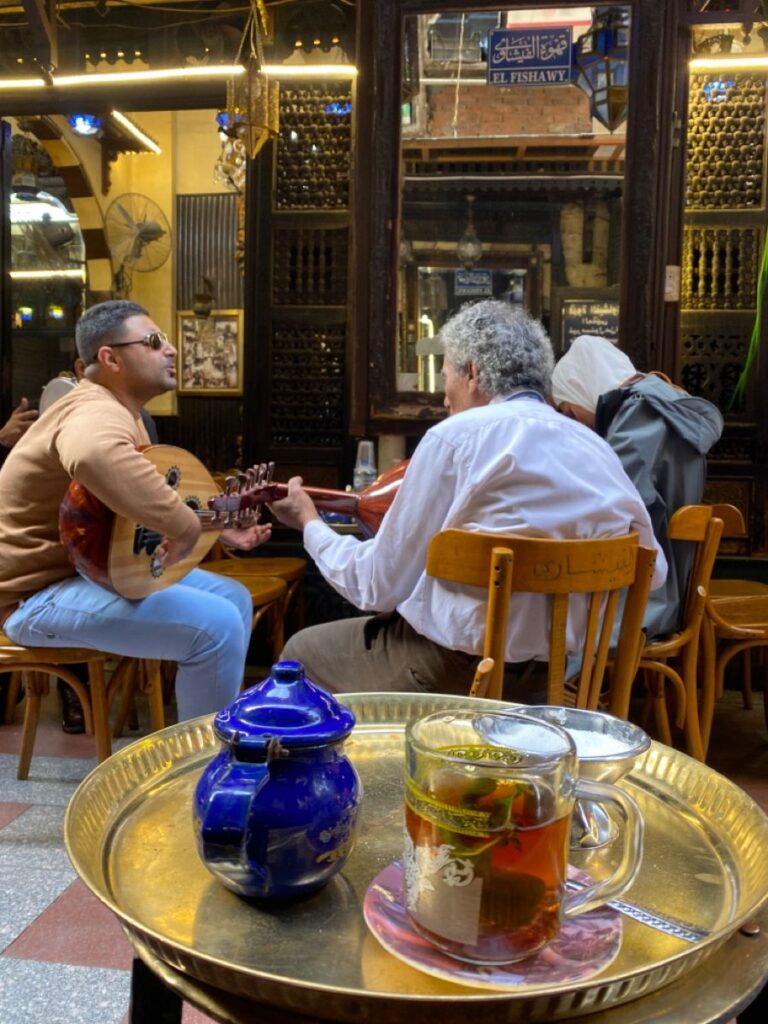
Local cafés overlooking historic streets

These hidden spots offer a more authentic side of Cairo tourism, away from crowded tourist areas.

Local Experiences

Try traditional Egyptian street food like koshari and falafel

Ride a felucca boat on the Nile

Explore local bazaars and handmade crafts

Visit traditional coffeehouses

For travelers seeking deeper cultural immersion, these experiences are just as important as visiting major Egyptian landmarks.

Cairo is not only about sightseeing—it is about feeling the rhythm of daily life in one of the world’s oldest continuously inhabited cities.

10.Nearby Attractions and Things to Do Around Cairo

One of the biggest advantages of staying in Cairo is that some of Egypt’s most remarkable historical sites and cultural experiences are located within easy reach. Whether you are interested in Ancient Egypt, Islamic heritage, or modern entertainment, the city offers countless opportunities for exploration.

Must-Visit Attractions Near Cairo

The Pyramids of Giza and the Great Sphinx

Located just outside the city center, the Giza Plateau is the crown jewel of Egypt tourism and one of the most iconic places in the world. No first-time visit to Cairo is complete without seeing these legendary monuments.

The Grand Egyptian Museum

Situated near the pyramids, the museum houses thousands of treasures from Ancient Egypt and is becoming one of the world’s leading archaeological museums.

Islamic Cairo

Explore centuries-old mosques, narrow alleyways, and vibrant markets that showcase Cairo’s medieval heritage.

Coptic Cairo

This historic district contains some of Egypt’s oldest churches and religious landmarks, reflecting the country’s Christian heritage.

Saqqara and Memphis

These ancient sites provide insight into the earliest stages of pyramid construction and are among the most important historical sites in Egypt.

Other Activities Nearby

Nile dinner cruises

Sound and Light Show at the pyramids

Traditional bazaars and shopping

Desert excursions

Cultural performances and museums

Because of its central location, Cairo serves as the perfect base for an unforgettable Egypt vacation.

11. Where to Eat and Where to Stay in Cairo

Cairo offers accommodation and dining options for every type of traveler, from backpackers to luxury seekers.

Restaurants and Cafés

Visitors should not miss traditional Egyptian dishes such as:

Koshari

Falafel (Taameya)

Molokhia

Grilled kebabs

Stuffed pigeon

Umm Ali dessert

Popular areas for dining include:

Zamalek

Downtown Cairo

New Cairo

Giza

Islamic Cairo

International cuisine is also widely available, making Cairo suitable for travelers from all over the world.

Budget Hotels

Budget-conscious travelers can find affordable guesthouses and hotels in Downtown Cairo and Giza. These properties provide convenient access to major attractions while helping visitors save money.

Mid-Range Hotels

Travelers seeking comfort and value will find many excellent options in Zamalek and central Cairo. These hotels often include breakfast and easy transportation access.

Luxury Hotels

Luxury travelers can enjoy five-star properties overlooking the Nile or the pyramids. Many offer:

Fine dining restaurants

Swimming pools

Spa facilities

Private transfers

Exclusive views

Choosing accommodation close to your planned sightseeing areas can save valuable time and improve your overall experience.

12. Final Thoughts on Visiting Cairo for the First Time

For first-time travelers, Cairo offers an experience unlike anywhere else in the world. Few destinations combine the wonders of Ancient Egypt, vibrant local culture, and modern city life as seamlessly as Egypt’s capital. From standing before the timeless Pyramids of Giza to wandering through centuries-old streets in Islamic Cairo, every moment in the city reveals another layer of its fascinating history and character.

While Cairo’s fast pace and bustling atmosphere may seem overwhelming at first, visitors quickly discover that its energy is part of its charm. Whether you’re exploring world-class museums, enjoying authentic Egyptian cuisine, shopping in historic bazaars, or taking in the beauty of the Nile at sunset, the city provides unforgettable memories for every type of traveler.

As the heart of Egypt tourism and the gateway to many of the country’s most famous landmarks, Cairo deserves more than just a brief stop. Taking the time to experience its history, traditions, and hospitality will reward you with a deeper appreciation for one of the world’s oldest and most captivating civilizations.

Whether you are planning your first Egypt vacation or adding Cairo to a longer Egypt itinerary, the city promises an extraordinary journey filled with iconic sights, rich culture, and countless discoveries. For many visitors, a trip to Cairo is not only the beginning of their adventure in Egypt—it becomes one of the highlights of their travels and a destination they hope to return to again and again.


Frequently Asked Questions

Most travelers should spend 3 to 5 days in Cairo to explore the city’s major attractions, including the Pyramids of Giza, the Grand Egyptian Museum, Islamic Cairo, and Coptic Cairo, while also enjoying local culture and cuisine.

The best time to visit Cairo is between October and April, when temperatures are cooler and more comfortable for sightseeing. Summers can be extremely hot, especially from June to August.

Yes, Cairo is generally safe for tourists. Visitors should take normal precautions, use reputable transportation services, keep valuables secure, and follow local customs to ensure a pleasant and safe trip.

Top attractions include:

The Pyramids of Giza and the Great Sphinx

The Grand Egyptian Museum

Islamic Cairo and Al-Muizz Street

Khan El Khalili Bazaar

Coptic Cairo

The Citadel of Saladin and the Mosque of Muhammad Ali

Lightweight and comfortable clothing is recommended. Modest attire is appreciated, especially when visiting mosques and religious sites. Comfortable walking shoes, sunglasses, and sunscreen are also essential for exploring Cairo’s many attractions.