
Welcome to

Can You Drink Tap Water in Egypt?

One of the most common questions travelers ask before visiting Egypt is whether it is safe to drink tap water. Staying hydrated is essential while exploring the country’s ancient monuments, vibrant cities, Red Sea resorts, and desert landscapes, especially given Egypt’s warm climate and year-round sunshine. Understanding local water safety can help visitors avoid health issues and enjoy a more comfortable travel experience.

The simple answer is that tap water in Egypt is generally treated and considered safe for local residents in many areas. However, most international travelers are advised to drink bottled or filtered water during their visit. This recommendation is not necessarily because the water is dangerous, but because differences in water treatment methods, mineral content, and local bacteria can sometimes cause stomach discomfort for visitors who are not accustomed to it.

Tourists often have more sensitive digestive systems when exposed to unfamiliar environments. Even if the water meets local safety standards, changes in water composition may result in mild digestive issues for some travelers. For this reason, many hotels, tour operators, and travel experts recommend bottled water as a simple precaution.

Fortunately, bottled drinking water is inexpensive, widely available, and easy to find throughout Egypt. Visitors can purchase it from hotels, supermarkets, convenience stores, restaurants, cafés, tourist attractions, and airports. Many travelers choose to rely on bottled water throughout their stay for added peace of mind.

Water safety considerations extend beyond drinking water alone. Travelers often wonder whether they can use tap water for brushing their teeth, making ice, washing fruits and vegetables, or preparing infant formula. Understanding these situations helps visitors make informed decisions and reduce the likelihood of unnecessary health concerns during their trip.

In this guide, we will explore everything travelers need to know about drinking water in Egypt, including tap water safety, bottled water recommendations, hydration tips, and practical advice for staying healthy while visiting one of the world’s most fascinating destinations.

Can You Drink Tap Water in Egypt?

1. Is Tap Water Safe in Egypt?

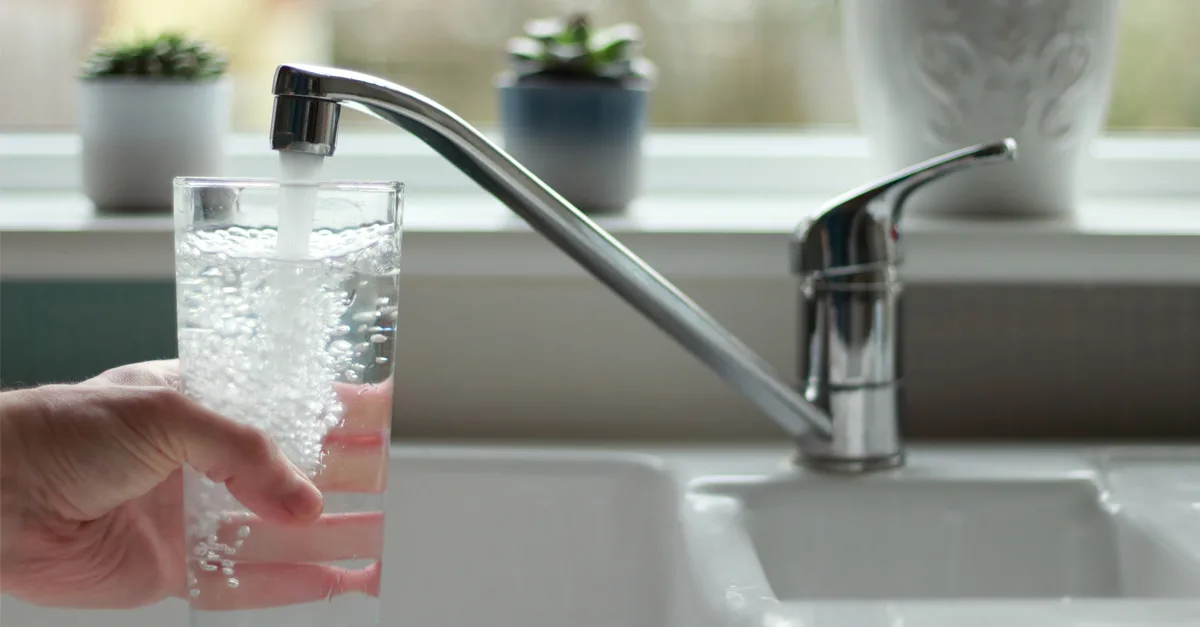
One of the first concerns many travelers have when planning a trip to Egypt is whether tap water is safe to drink. The answer is somewhat nuanced. In many cities and urban areas, Egypt’s tap water is treated and regulated, and local residents commonly use it for daily household needs. However, most international travelers are still advised to avoid drinking tap water directly and instead rely on bottled or properly filtered water.

The primary reason for this recommendation is not necessarily the presence of harmful contaminants, but rather differences in water treatment processes, mineral content, and local microorganisms. Visitors who are unfamiliar with these differences may experience stomach discomfort or mild digestive issues, even when the water meets local safety standards.

Water quality can also vary depending on location, building infrastructure, storage systems, and plumbing conditions. While modern hotels and resorts often maintain high standards, older buildings may have pipes or storage tanks that affect water quality before it reaches the tap.

For most tourists, choosing bottled water is a simple precaution that helps reduce the risk of gastrointestinal problems during their vacation. Considering the relatively low cost and widespread availability of bottled water in Egypt, many travelers find this to be the most practical approach.

Ultimately, while tap water may be suitable for many local residents, visitors are generally encouraged to drink bottled or filtered water throughout their stay for maximum comfort and peace of mind.
2. Why Tourists Are Advised to Drink Bottled Water

Even though Egypt’s municipal water systems treat and distribute water to millions of residents, bottled water remains the preferred choice for most international visitors. This recommendation is based largely on preventing avoidable digestive issues rather than concerns about widespread water contamination.

Travelers often react differently to unfamiliar water sources. Changes in mineral composition, local bacteria, and water treatment methods can affect people whose digestive systems are not accustomed to the local environment. As a result, even water that local residents consume daily may occasionally cause mild stomach discomfort for tourists.

Bottled water offers a consistent and convenient solution. It is sealed, widely available, inexpensive, and easy to purchase almost everywhere in Egypt. Hotels, restaurants, supermarkets, convenience stores, tourist attractions, airports, and transportation hubs all typically sell bottled drinking water.

Many tour operators and hotels automatically provide bottled water to guests, particularly during sightseeing excursions in destinations such as Cairo, Luxor, Aswan, and the Red Sea resorts. This reflects common tourism industry practices designed to help visitors stay comfortable and hydrated.

Choosing bottled water can also eliminate uncertainty when traveling between different regions of Egypt. Visitors do not need to evaluate local water conditions or worry about variations in infrastructure from one destination to another.

For most travelers, drinking bottled water is a simple, affordable precaution that contributes to a healthier and more enjoyable trip.
3. Can You Brush Your Teeth with Tap Water?

Another question frequently asked by travelers is whether it is safe to brush their teeth using tap water while visiting Egypt. In most tourist destinations, many visitors do brush their teeth with tap water without experiencing any problems. However, opinions and practices vary depending on individual comfort levels and travel habits.

For travelers with particularly sensitive stomachs or those who prefer to minimize any potential risk, using bottled water for brushing teeth can provide additional peace of mind. Because only a small amount of water is typically used during brushing, many visitors find this precaution easy to follow throughout their stay.

In major hotels and resorts, tap water used for brushing is generally considered low risk for most travelers. However, visitors who are especially cautious—such as those with sensitive digestive systems, young children, or certain medical conditions—may choose bottled water as an extra safeguard.

The decision ultimately comes down to personal preference and risk tolerance. Many tourists brush their teeth with tap water without issue, while others prefer bottled water simply because it eliminates uncertainty.

Regardless of the method chosen, maintaining good hydration and following sensible food and water safety practices remain far more important factors in preventing travel-related digestive problems during a trip to Egypt.
4. Is Bottled Water Easy to Find in Egypt?

Yes, bottled water is extremely easy to find throughout Egypt and is available in virtually every tourist destination, city, town, and resort area. For most travelers, obtaining safe drinking water is one of the simplest aspects of visiting the country.

Visitors can purchase bottled water at supermarkets, convenience stores, hotels, restaurants, cafés, pharmacies, airports, train stations, and tourist attractions. Whether you are exploring Cairo, Luxor, Aswan, Alexandria, Hurghada, Sharm El Sheikh, or Siwa Oasis, bottled water is generally readily available and affordable.

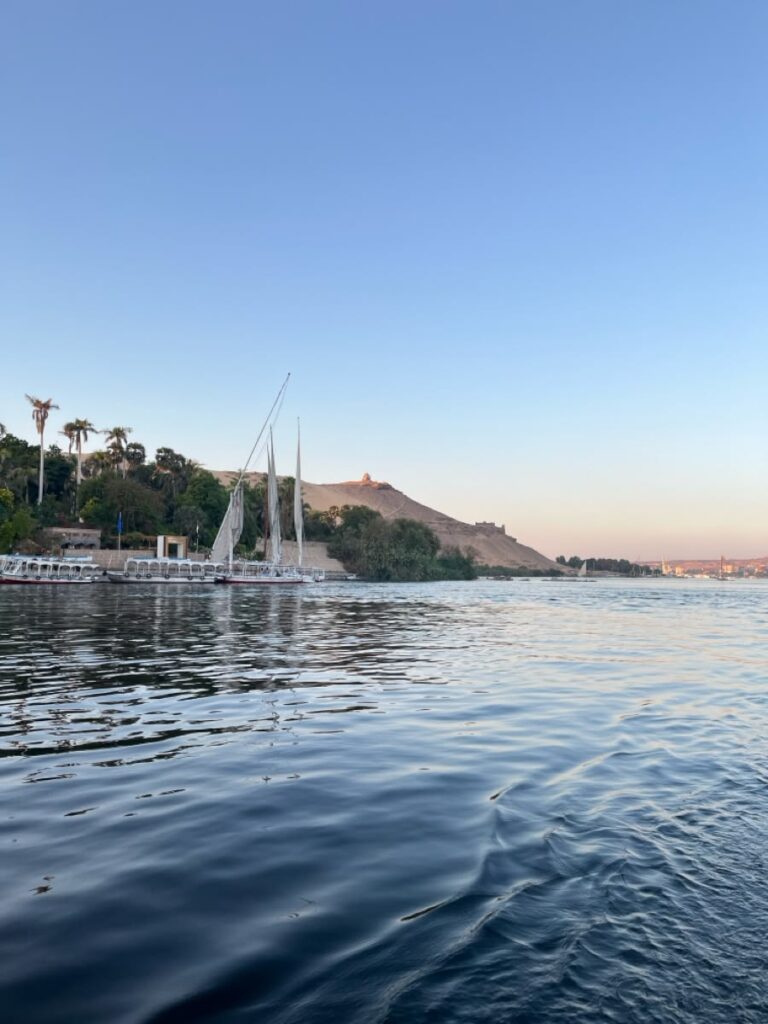
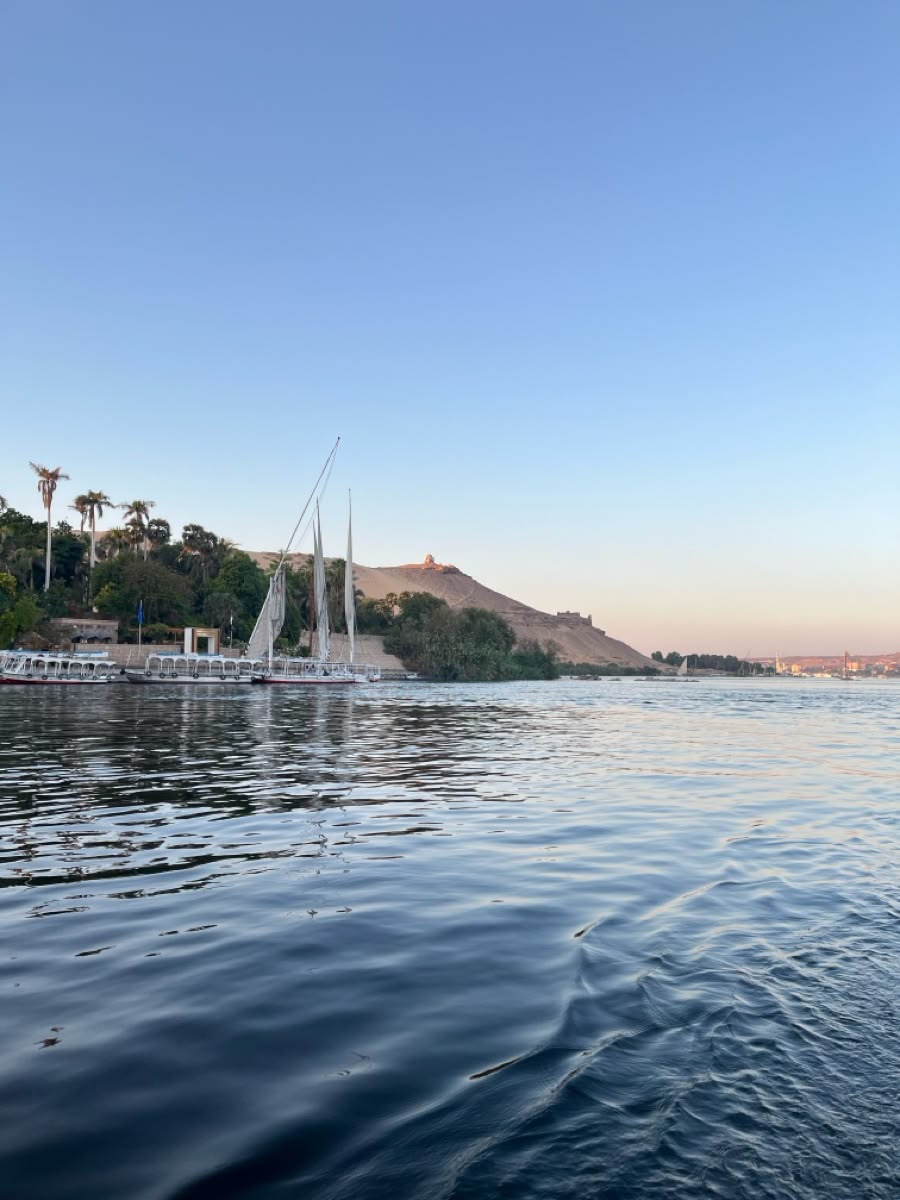
Many hotels provide complimentary bottles of water in guest rooms, while tour operators frequently supply bottled water during sightseeing excursions, airport transfers, and day trips. Nile cruise ships and Red Sea resorts also commonly offer bottled water to guests as part of their hospitality services.

Travelers can choose from a variety of bottle sizes ranging from small individual bottles to large containers suitable for extended stays. Purchasing water in larger quantities can be particularly convenient for families or visitors planning long excursions.

Because Egypt’s climate is often warm, especially during sightseeing activities, carrying a bottle of water throughout the day is highly recommended. Easy access to bottled water helps travelers stay hydrated while exploring archaeological sites, museums, markets, and outdoor attractions.

The widespread availability and low cost of bottled water are among the reasons why most tourists choose it as their primary source of drinking water during their visit. For travelers concerned about hydration and water safety, Egypt offers convenient and reliable access to bottled drinking water almost everywhere they go.

5. How Much Water Should You Drink in Egypt?

Staying hydrated is one of the most important aspects of maintaining good health and comfort while traveling in Egypt. The country’s warm climate, strong sunshine, and extensive outdoor sightseeing opportunities can increase the risk of dehydration, particularly for visitors who are not accustomed to hot weather conditions.

The amount of water each traveler needs depends on factors such as age, activity level, season, and overall health. However, most visitors will benefit from drinking water regularly throughout the day rather than waiting until they feel thirsty. By the time thirst becomes noticeable, mild dehydration may already have begun.

Travelers exploring outdoor attractions such as the Pyramids of Giza, Saqqara, Luxor’s temples, the Valley of the Kings, Abu Simbel, or desert destinations should pay particular attention to hydration. Long periods of walking in direct sunlight can significantly increase fluid requirements.

Many experienced travelers carry a bottle of water at all times and take frequent small drinks throughout the day. This approach often proves more effective than consuming large quantities of water all at once. Electrolyte-rich beverages may also be helpful during particularly hot days or extended excursions.

Signs of dehydration can include fatigue, headaches, dizziness, dry mouth, and reduced energy levels. Maintaining consistent hydration helps travelers remain comfortable, energetic, and able to fully enjoy Egypt’s many attractions.

The Majestic Nile

6. What About Ice in Drinks?

Another common concern among travelers is whether ice in drinks is safe to consume while visiting Egypt. In most reputable hotels, restaurants, resorts, and tourism-oriented establishments, ice is generally produced using filtered or treated water and is typically considered safe for visitors.

Major hotels, international restaurants, Nile cruise ships, and well-established cafés that regularly serve international guests usually maintain hygiene standards that align with tourism industry expectations. As a result, ice served in these locations rarely causes problems for travelers.

However, caution may be advisable in smaller establishments where water sources and preparation methods are less certain. Visitors who have particularly sensitive stomachs or who prefer to minimize all potential risks may choose to request drinks without ice, especially when dining outside major tourist areas.

Many travelers follow a simple rule: if the establishment appears clean, professional, and accustomed to serving international tourists, ice is generally considered acceptable. If there is uncertainty regarding hygiene standards, avoiding ice can provide additional peace of mind.

Ultimately, the risk associated with ice is usually far lower than many travelers expect, particularly in hotels and reputable restaurants. Nevertheless, personal comfort levels and individual travel preferences should guide the decision.

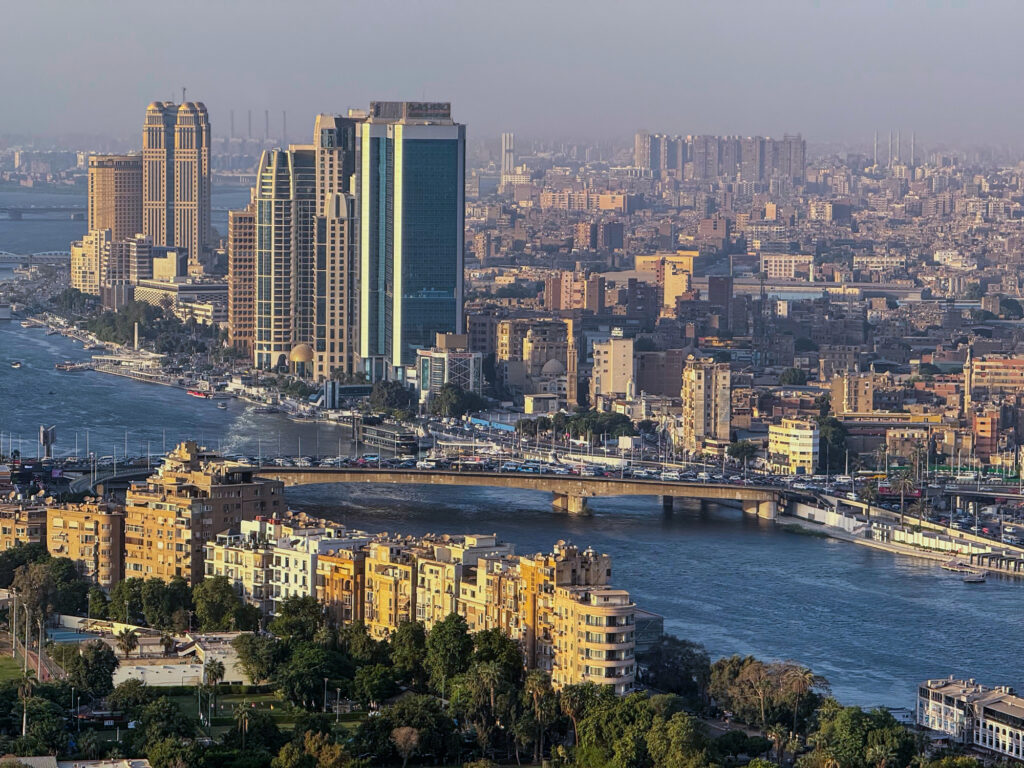
Cairo

7. Water Safety in Hotels and Resorts

Hotels and resorts in Egypt generally maintain higher water quality standards than many other types of accommodations, particularly those that cater to international visitors. Large hotels, luxury resorts, Nile cruise ships, and major tourism properties often implement additional filtration and treatment measures to ensure guest comfort.

Many travelers find that water-related concerns are minimal when staying in reputable accommodations. Hotels frequently provide complimentary bottled water in guest rooms and make additional bottles available through restaurants, room service, and reception desks.

Luxury resorts along the Red Sea and high-end hotels in Cairo, Luxor, and Aswan often take extra precautions regarding food preparation, ice production, and water quality management. These measures are designed specifically to meet the expectations of international guests and reduce the likelihood of travel-related health issues.

Even when staying at high-quality properties, many visitors continue to drink bottled water as a precaution. This remains the most commonly recommended practice among travel professionals and tourism providers.

Travelers with specific concerns can always ask hotel staff about water sources, filtration systems, and recommendations for drinking water. Most properties are accustomed to these questions and can provide clear guidance.

For the vast majority of visitors, reputable hotels and resorts offer a comfortable and low-risk environment for managing hydration and water-related concerns throughout their stay in Egypt.

8. Can You Use Tap Water for Cooking and Tea?

Many travelers wonder whether tap water used in cooking, tea, coffee, or other hot beverages presents the same concerns as drinking tap water directly. In most cases, food and beverages served in reputable hotels, restaurants, cafés, and tourist establishments are prepared according to accepted hygiene standards and are generally considered safe for visitors.

Hot beverages such as tea and coffee are typically prepared using water that has been boiled. Boiling significantly reduces many potential concerns related to microorganisms, which is one reason why many travelers feel comfortable consuming tea and coffee in hotels, restaurants, and established cafés throughout Egypt.

Similarly, food prepared in reputable kitchens usually undergoes cooking processes that involve heat, further reducing risks associated with water used during preparation. Restaurants that regularly serve international tourists generally follow food safety procedures designed to maintain quality and protect customer health.

However, travelers should still exercise reasonable caution when purchasing food or beverages from sources where hygiene standards are uncertain. Choosing clean, reputable establishments remains one of the most effective ways to minimize the risk of digestive problems during travel.

Visitors who prefer to be especially cautious may choose bottled water for drinking while continuing to enjoy tea, coffee, and professionally prepared meals without concern. For most tourists, this balanced approach provides both convenience and peace of mind.

Overall, hot beverages and properly prepared food served by reputable establishments are generally not considered major sources of water-related health issues for visitors to Egypt.

9. Water Safety in Rural Areas and Desert Destinations

While major cities and tourist centers generally offer reliable access to bottled water and modern infrastructure, travelers visiting rural regions, desert destinations, and remote communities should exercise additional caution regarding drinking water. Areas such as the Western Desert, remote oases, and smaller villages may have different water systems and fewer options for purchasing bottled water.

For this reason, visitors traveling outside major tourism centers are strongly encouraged to carry sufficient bottled water with them, especially during long excursions. Desert environments can be particularly challenging because of high temperatures, dry conditions, and the increased risk of dehydration.

Organized tours to destinations such as the White Desert, Black Desert, Siwa Oasis, and other remote locations typically include bottled water as part of the itinerary. Nevertheless, travelers should confirm arrangements in advance and carry extra water whenever possible.

In rural areas, visitors should avoid assuming that all local water sources are suitable for drinking. Even when water is safe for local residents, tourists may still experience digestive discomfort due to differences in water composition and treatment methods.

Proper planning and hydration are especially important when exploring remote regions of Egypt. Carrying bottled water and following basic travel health precautions helps ensure a safe and enjoyable experience away from major cities.

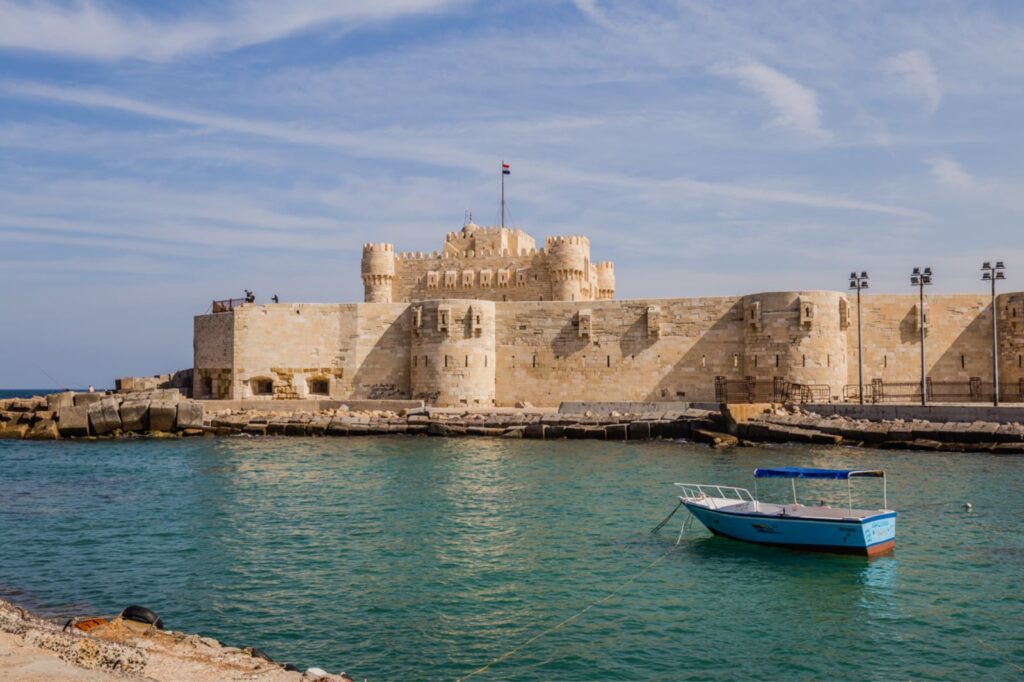
Alexandria Corniche

10. Common Water-Related Health Tips for Travelers

Maintaining good health while traveling in Egypt often involves more than simply choosing bottled water. A few practical habits can help visitors reduce the risk of digestive problems and enjoy a more comfortable trip.

One of the simplest recommendations is to drink bottled or properly filtered water consistently throughout the journey. Travelers should also check that bottled water seals are intact before purchasing or consuming the product.

Hydration is particularly important because Egypt’s climate can be hot and dry, especially during sightseeing activities. Drinking water regularly throughout the day helps prevent dehydration and supports overall well-being.

Visitors should also wash their hands frequently, especially before eating. Hand sanitizer can be useful when access to soap and water is limited. Good personal hygiene often plays a significant role in preventing travel-related illness.

When consuming fresh fruits and vegetables, travelers may prefer items that can be peeled or those prepared in reputable establishments. Choosing restaurants and cafés that maintain good hygiene standards is another sensible precaution.

Finally, travelers should listen to their bodies. If symptoms such as severe stomach discomfort, prolonged diarrhea, or dehydration occur, seeking medical advice is recommended. Fortunately, most visitors who follow basic precautions experience few, if any, water-related health issues during their trip to Egypt.

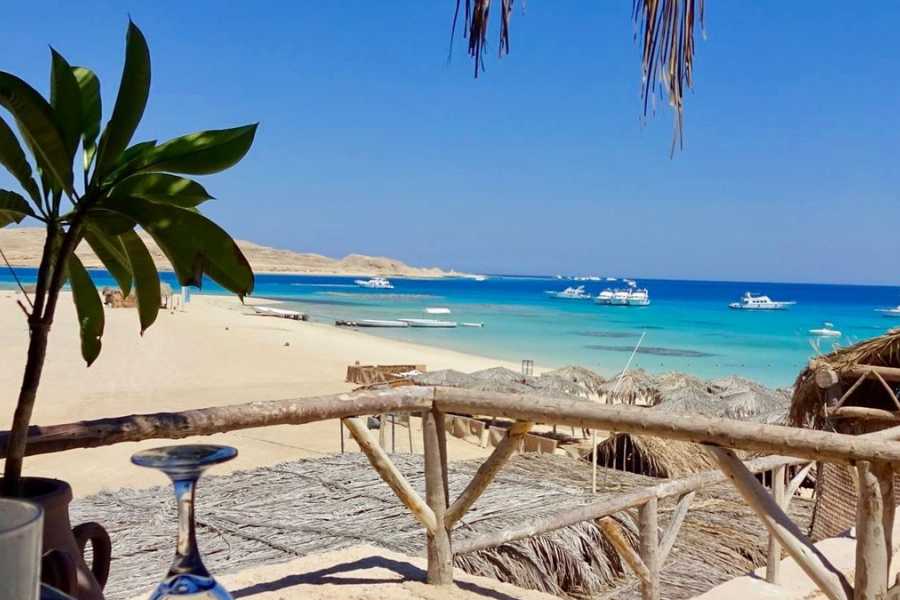
The Best Time to Visit the Red Sea Islands

11. Bottled Water vs Filtered Water in Egypt

Travelers often wonder whether bottled water is the only safe option in Egypt or if filtered water can be used as well. The good news is that both bottled and properly filtered water can be suitable choices, depending on the circumstances.

Bottled water remains the most popular option among tourists because it is inexpensive, widely available, and easy to verify. The sealed packaging provides reassurance and eliminates uncertainty about water sources. This convenience explains why bottled water is the standard recommendation from many hotels, guides, and tour operators.

Filtered water can also be an excellent option when produced by reliable filtration systems. Many luxury hotels, modern resorts, and international-standard establishments use advanced filtration methods that provide high-quality drinking water. Some environmentally conscious travelers prefer filtered water because it reduces plastic waste associated with bottled water consumption.

Portable water filters and purification systems are sometimes used by adventure travelers visiting remote areas. However, these solutions are generally unnecessary for most visitors because bottled water is so readily available throughout Egypt’s major tourism destinations.

For the average traveler, either bottled water or water from trusted filtration systems is usually sufficient. The most important factor is ensuring that the water source is reliable and that hydration remains a priority throughout the trip.

By understanding the differences between bottled and filtered water, visitors can choose the option that best suits their travel style, preferences, and environmental considerations.

12. Conclusion: Can You Drink Tap Water in Egypt?

While tap water in Egypt is treated and commonly used by local residents, most international travelers are advised to drink bottled or properly filtered water during their visit. This recommendation is largely a precaution to help visitors avoid potential digestive discomfort caused by differences in water composition, treatment methods, and local microorganisms rather than widespread concerns about water safety itself.

Fortunately, staying hydrated in Egypt is easy. Bottled water is inexpensive, widely available, and sold throughout major cities, tourist attractions, hotels, restaurants, airports, and resorts. Many accommodations and tour operators also provide bottled water to guests, making it convenient for travelers to maintain safe hydration throughout their trip.

Visitors can generally enjoy tea, coffee, and professionally prepared food in reputable establishments without concern. Ice served in major hotels and tourism-oriented restaurants is typically safe as well, although travelers who prefer extra caution may choose to avoid it in smaller venues where hygiene standards are uncertain.

The key to avoiding water-related issues is following simple precautions: drink bottled or trusted filtered water, stay hydrated throughout the day, practice good hygiene, and choose reputable establishments for meals and beverages. These habits significantly reduce the likelihood of health problems and help ensure a comfortable travel experience.

Whether you are exploring the Pyramids of Giza, cruising the Nile, relaxing on the Red Sea coast, or venturing into Egypt’s desert landscapes, proper hydration is essential. By making informed choices about drinking water, travelers can focus on enjoying the country’s extraordinary history, culture, and natural beauty with confidence.

Frequently Asked Questions

Tap water is treated and commonly used by local residents, but most tourists are advised to drink bottled or filtered water to avoid potential digestive discomfort.

Many travelers do so without issues, but those with sensitive stomachs may prefer using bottled water for additional peace of mind.

Yes. Bottled water is widely available in hotels, supermarkets, restaurants, convenience stores, tourist attractions, airports, and resorts throughout the country.

Ice served in reputable hotels, restaurants, and tourist establishments is generally considered safe. Visitors who are particularly cautious may choose to avoid ice in smaller venues.

Most travelers do not need one because bottled water is inexpensive and readily available. However, some environmentally conscious travelers prefer portable filtration systems as an alternative to bottled water.