
Welcome to

Common Mistakes First-Time Visitors Make in Egypt

Egypt is one of the most fascinating destinations in the world, attracting millions of travelers each year with its ancient monuments, vibrant cities, beautiful beaches, and rich cultural heritage. From the Pyramids of Giza and the temples of Luxor to the Red Sea resorts and the peaceful landscapes of Aswan, the country offers countless unforgettable experiences. However, for first-time travelers, visiting Egypt can be very different from traveling in Europe, North America, or other popular destinations.

While Egypt tourism is generally safe and welcoming, many visitors arrive without fully understanding local customs, transportation, weather conditions, or the best ways to plan their itineraries. As a result, some travelers make avoidable mistakes that can affect their overall experience. Fortunately, with proper preparation and realistic expectations, these common issues can easily be avoided.

One of the biggest misconceptions about travel to Egypt is that it is similar to visiting a typical beach destination or a European city. In reality, Egypt is a unique country where ancient history, bustling modern life, and traditional customs coexist. Understanding these differences can help visitors appreciate the country more deeply and enjoy a smoother journey.

Another challenge for first-time travelers is trying to fit too much into a single trip. Egypt is larger and more diverse than many people expect. Distances between Cairo, Luxor, Aswan, and the Red Sea can be considerable, and rushing from one attraction to another often leads to exhaustion rather than enjoyment. Careful planning and allowing enough time in each destination are essential for creating a memorable Egypt vacation.

Weather is another factor that many visitors underestimate. Egypt enjoys sunshine throughout the year, but temperatures can become extremely high, especially during summer. Knowing when to travel and how to prepare for the climate can significantly improve the experience.

In this Egypt travel guide, we’ll explore the most common mistakes first-time visitors make in Egypt and explain how to avoid them. Whether you’re interested in Ancient Egypt, cultural experiences, beach holidays, or adventure travel, understanding these travel tips will help you make the most of your journey and enjoy one of the world’s most extraordinary destinations.

1. Overpacking Your Egypt Itinerary

One of the most common mistakes first-time visitors make in Egypt is trying to include too many destinations in a very short period of time. Because Egypt is home to so many world-famous attractions such as the Pyramids of Giza, Luxor Temple, Karnak Temple, the Valley of the Kings, Aswan, and the Red Sea resorts, many travelers assume they can easily see everything in just a few days. However, this approach often leads to exhaustion, stress, and a less enjoyable experience overall. Distances between major cities in Egypt are much longer than most visitors expect. For example, traveling from Cairo to Luxor or Aswan requires either a domestic flight or an overnight train, and moving between destinations can take several hours. Instead of rushing, travelers should focus on selecting a few key locations and spending more quality time in each one. Cairo and Giza are perfect for exploring Ancient Egypt and historical landmarks, while Luxor offers an open-air museum experience filled with temples and tombs. Aswan provides a peaceful atmosphere and cultural depth, and the Red Sea destinations are ideal for relaxation and water activities. A balanced itinerary allows visitors to truly appreciate Egypt’s diversity without feeling rushed. Planning realistically is essential for enjoying Egypt tourism at its best and creating meaningful travel memories.
2. Underestimating the Weather Conditions

Another major mistake many travelers make is underestimating the weather in Egypt. While the country is famous for its sunny climate, temperatures can become extremely high, especially during summer months between May and September. In cities like Luxor and Aswan, temperatures can exceed 40°C, making outdoor sightseeing very challenging during midday hours. Even in Cairo and Giza, walking around the pyramids or exploring open archaeological sites can become exhausting without proper preparation. Many first-time visitors do not realize how intense the sun can be and may forget essential items such as sunscreen, hats, sunglasses, and lightweight breathable clothing. On the other hand, winter months from October to April offer much more comfortable weather, making them the peak season for Egypt tourism. However, even during winter, mornings and evenings can be cooler, especially in desert areas. Proper planning according to the season is essential for a comfortable experience. Travelers should also schedule sightseeing activities early in the morning or late in the afternoon to avoid peak heat. Staying hydrated and taking breaks during the day can also make a big difference. Understanding Egypt’s climate is key to enjoying historical sites in Egypt without discomfort and ensures a smoother, more enjoyable Egypt vacation.
3. Ignoring Local Culture and Customs

Many first-time visitors also make the mistake of not paying attention to local customs and cultural etiquette in Egypt. Although Egypt is a very welcoming and tourist-friendly country, it is still deeply rooted in traditional and conservative values. Dressing modestly, especially when visiting religious sites such as mosques or churches, is highly recommended. Both men and women should avoid overly revealing clothing in such areas to show respect for local traditions. Another important aspect is behavior in public spaces. Egyptians are known for their hospitality and friendliness, but polite communication and respectful interaction are always appreciated. Visitors should also be mindful when taking photographs of local people and should always ask permission before doing so. In addition, bargaining is a common practice in traditional markets like Khan El Khalili in Cairo, and it is considered part of the cultural experience rather than a conflict. Understanding these small cultural details helps travelers connect more deeply with the local community and enhances the overall experience of travel to Egypt. By respecting traditions and customs, visitors not only avoid misunderstandings but also gain a more authentic and enriching journey through one of the world’s most culturally rich destinations.
4. Relying Only on Taxis Without Using Ride Apps

One very common mistake among first-time visitors in Egypt is relying only on traditional taxis without considering modern ride-hailing apps. While taxis are widely available in cities like Cairo, Alexandria, and Giza, they are not always the most convenient option for tourists.

Some travelers face challenges such as negotiating fares, language barriers, or unclear pricing. In certain cases, drivers may not use meters, which can lead to confusion or higher costs than expected.

Because of this, many experienced travelers prefer using ride-hailing apps such as Uber or Careem, which are widely used across Egypt. These apps provide fixed pricing, clear routes, and a more predictable travel experience.

Another advantage is that the fare is known in advance, which helps avoid misunderstandings. The apps also allow easy communication through location pins instead of verbal directions.

Public transportation like the Cairo Metro is another option. It is affordable and efficient, but some tourists avoid it due to crowding or unfamiliar systems.

Understanding transportation options in advance helps travelers move smoothly between attractions. It also saves time and reduces stress during sightseeing.

Using a mix of ride apps, taxis, and private transfers creates a more comfortable and efficient travel experience in Egypt.

Top Attractions in Aswan

5. Not Planning Transportation Between Cities in Advance

Another major mistake many travelers make is not planning transportation between cities before arriving in Egypt. The country is large, and distances between major destinations are often underestimated.

Cities like Cairo, Luxor, Aswan, and the Red Sea resorts are far apart. Travelers often assume they can move between them quickly by road, but this is not always practical.

For example, traveling from Cairo to Luxor by road can take more than eight hours. In contrast, a domestic flight takes about one hour and is often the most efficient option.

Similarly, reaching Aswan or coastal cities requires choosing between flights, trains, or long-distance buses. Each option has different costs, comfort levels, and travel times.

Without proper planning, travelers may lose valuable time or feel exhausted from long journeys. This can affect the overall enjoyment of the trip.

Booking domestic flights or train tickets in advance is strongly recommended, especially during peak tourist seasons when demand is high.

Many Egypt tour packages also include transportation between cities. This helps reduce stress and ensures a smoother travel experience.

Good planning allows visitors to maximize their time at attractions instead of dealing with logistics. It also helps create a more balanced and enjoyable Egypt itinerary.

Understanding intercity transportation is essential for a successful Egypt vacation.

6. Missing Out on Guided Tours at Historical Sites

One of the most common mistakes in Egypt is skipping guided tours when visiting major historical sites. Many travelers assume they can explore independently, but this often leads to missing important details.

Egypt’s historical sites, such as the Pyramids of Giza, Karnak Temple, and the Valley of the Kings, are rich in history. Without a guide, much of this meaning can be lost.

Professional Egyptologists and licensed guides explain the stories behind the monuments. They help visitors understand Ancient Egypt’s culture, religion, and architectural achievements.

This context transforms a simple visit into a much deeper and more meaningful experience.

Guides also help visitors navigate large archaeological areas more efficiently. They can suggest the best routes and help avoid crowded times.

They may also show hidden details that most tourists would miss on their own. This adds significant value to the visit.

Although guided tours cost extra money, they greatly improve the quality of the experience. Many travelers consider them essential when visiting historical sites in Egypt.

For first-time visitors, hiring a knowledgeable guide is one of the best decisions they can make during their Egypt trip.

7. Spending Too Much Time in Cairo Only

One of the biggest mistakes first-time visitors make in Egypt is spending most or even all of their trip in Cairo. While Cairo is an exciting city filled with history, culture, and iconic landmarks, it represents only one part of what Egypt has to offer.

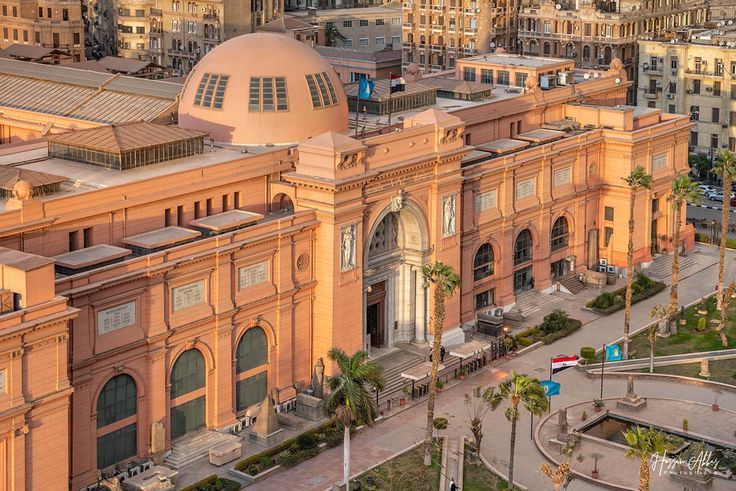
Many travelers focus only on the Pyramids of Giza, the Egyptian Museum, and Old Cairo, without exploring other regions. This limits their experience of the country’s diversity.

Egypt is much more than its capital. Luxor offers incredible temples and tombs from Ancient Egypt. Aswan provides peaceful Nile scenery and Nubian culture. The Red Sea resorts such as Hurghada and Sharm El Sheikh offer world-class beaches and diving.

By staying only in Cairo, travelers miss the chance to experience Egypt’s natural beauty and cultural variety. Each region has a completely different atmosphere and identity.

A well-balanced Egypt itinerary should include at least two or three destinations. This allows visitors to understand both ancient history and modern Egyptian life.

Exploring beyond Cairo creates a richer and more complete travel experience. It also helps travelers appreciate why Egypt is considered one of the most diverse destinations in the world.

8. Not Carrying Cash in Small Denominations

Another very common mistake tourists make when visiting Egypt is not carrying enough cash, especially in small denominations. While credit cards are widely accepted in hotels, international restaurants, and larger businesses, cash is still the dominant form of payment in many everyday situations across the country.

In local shops, street markets, small cafés, taxis, and from street vendors, cash is not just preferred but often expected. In these places, having small Egyptian pound notes makes transactions much easier, faster, and more convenient for both visitors and locals. It also helps avoid misunderstandings or delays when paying for simple services or goods.

Many travelers face difficulties when they only carry large banknotes. In some cases, vendors may not have enough change, which can lead to unnecessary confusion or uncomfortable situations. This is especially common in busy tourist areas where small purchases happen frequently throughout the day.

For a smoother travel experience, it is highly recommended to always keep a mix of small denominations for daily use. This includes expenses such as buying bottled water, snacks, small souvenirs, tipping service staff, or paying for short taxi rides. Having the right change available makes daily interactions much more efficient.

ATMs are widely available in major cities such as Cairo, Luxor, Aswan, Alexandria, and tourist areas like Hurghada and Sharm El Sheikh. However, in more remote locations or during excursions, access to cash machines may be limited. For this reason, withdrawing cash in advance is always a smart idea before traveling outside major urban centers.

Security is also an important consideration when carrying cash. Travelers should avoid keeping all their money in one place and instead use secure wallets, hidden pouches, or hotel safes when possible. Carrying only what is needed for the day reduces risk and increases peace of mind.

Being prepared with local currency in small denominations not only makes transactions easier but also helps travelers interact more smoothly with locals. It reduces stress, saves time, and ensures a more comfortable and enjoyable Egypt travel experience overall.

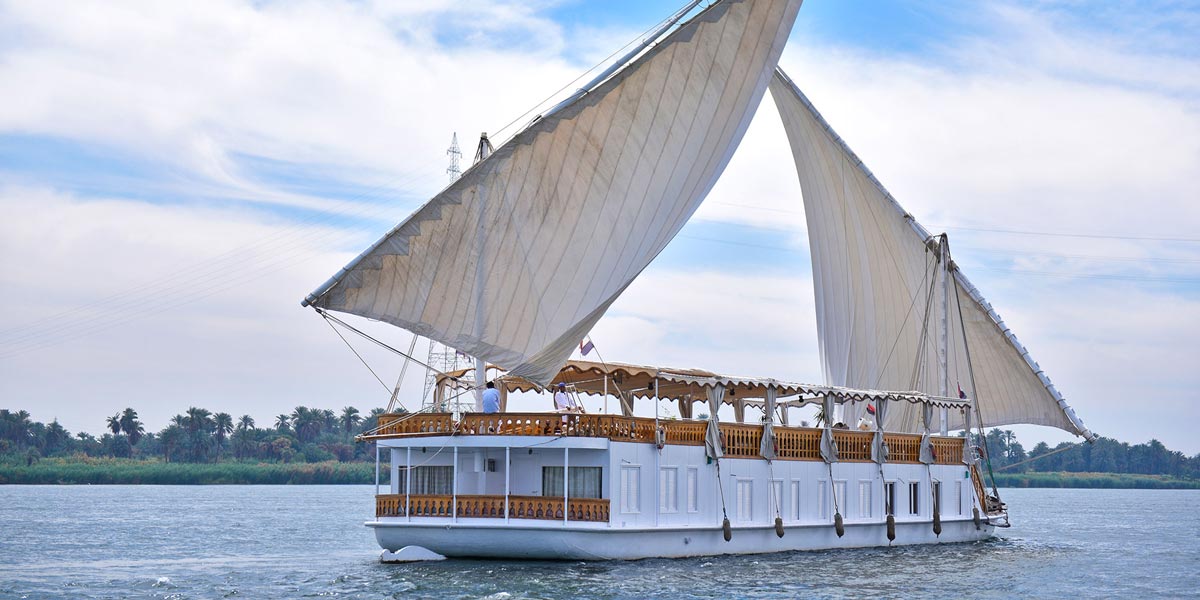
Dahabiya Nile Cruise Luxor to

9. Underestimating Tipping Culture in Egypt

Many first-time visitors are surprised by the tipping culture in Egypt, and not understanding it can become a common travel mistake. Tipping, known locally as “baksheesh,” is an important part of daily life and service culture in the country.

Small tips are often expected for services such as hotel staff assistance, restaurant service, tour guides, drivers, and even restroom attendants. These amounts are usually small but culturally significant.

Visitors who are unaware of this system may feel confused when tips are requested in various situations. However, it is not considered rude or forced; rather, it is a customary way of showing appreciation.

Typical tips are usually small amounts depending on the service. In restaurants, a small percentage is often appreciated if service charges are not included. For hotel staff or drivers, small daily tips are common.

Understanding tipping culture helps travelers avoid awkward situations and improves interactions with locals. It also contributes positively to the service experience throughout the trip.

Being prepared for this cultural norm ensures smoother communication and a more respectful and enjoyable Egypt vacation.

10. Booking Tours Without Researching Properly

One of the most serious mistakes first-time visitors make in Egypt is booking tours without proper research. Because Egypt tourism is highly popular, there are many tour operators offering a wide range of services, from budget group tours to luxury private experiences.

However, not all providers offer the same level of quality, professionalism, or transparency. Some travelers choose the cheapest option without checking reviews, itinerary details, or what is actually included in the price. This can sometimes lead to disappointing experiences, hidden fees, or poorly organized trips.

A well-planned tour should clearly include transportation, entrance fees, a licensed guide, and a detailed itinerary. Travelers should always read recent reviews, compare multiple options, and confirm exactly what is covered before booking.

Choosing reputable companies ensures a safer, smoother, and more enjoyable journey. It also helps travelers get the most out of Egypt’s incredible historical sites, from the Pyramids of Giza to Luxor and Aswan.

Taking time to research tours properly is essential for avoiding stress and maximizing the value of your Egypt vacation.

11. Ignoring Time Needed for Major Attractions

Many visitors underestimate how much time is needed to properly explore Egypt’s major attractions. As a result, they often rush through sites like the Pyramids of Giza, Karnak Temple, or the Valley of the Kings without fully appreciating them.

Egypt’s historical sites are large, detailed, and filled with layers of history. Exploring them properly requires time, patience, and energy. For example, the Karnak Temple Complex alone can take several hours to visit, while the Valley of the Kings includes multiple tombs spread across a wide area.

When travelers schedule too many activities in a single day, they often end up exhausted and unable to enjoy the experience. This reduces the overall quality of the trip and limits their understanding of Ancient Egypt.

A better approach is to allow enough time for each attraction and avoid rushing from one site to another. This creates a more relaxed and meaningful travel experience.

Good time planning ensures visitors truly appreciate Egypt’s cultural and historical richness instead of simply checking landmarks off a list.

12. Not Staying Hydrated and Prepared for Walking

Another very common mistake tourists make when visiting Egypt is not staying properly hydrated and physically prepared for long periods of walking. Many of the country’s most famous attractions are open-air archaeological sites, which means visitors spend a large amount of time under direct sunlight while exploring vast historical areas.

Sites such as the Giza Plateau, the temples of Luxor and Karnak, the Valley of the Kings, and desert safari areas all require significant walking. Without proper preparation, travelers can quickly feel tired, overheated, or dehydrated, especially during the warmer months.

Drinking enough water throughout the day is absolutely essential. Egypt’s climate, particularly in Upper Egypt and desert regions, can cause dehydration much faster than many travelers expect. Carrying a reusable water bottle and refilling it whenever possible helps maintain energy levels and ensures a more comfortable experience while sightseeing.

In addition to hydration, choosing the right clothing plays an important role in overall comfort. Light, breathable fabrics are highly recommended, along with comfortable walking shoes suitable for uneven terrain. Sunscreen, sunglasses, and a wide-brim hat also provide important protection from strong sunlight.

It is also a good idea to plan breaks during the day. Resting in shaded areas, visiting indoor sections of temples when available, or taking short pauses between attractions can significantly improve stamina and enjoyment.

Avoiding peak midday hours for outdoor sightseeing is another smart strategy. Early mornings and late afternoons are usually the most comfortable times to explore major historical sites in Egypt, offering better lighting and cooler temperatures.

Being physically prepared not only improves comfort but also enhances the overall travel experience. When travelers take care of hydration and energy levels, they can fully enjoy Egypt’s incredible monuments, rich history, and breathtaking landscapes without unnecessary stress or fatigue. This simple preparation makes a major difference in creating a smooth, safe, and memorable Egypt vacation.

Frequently Asked Questions

The biggest mistake is overpacking the itinerary and trying to visit too many cities in a short time, which leads to exhaustion and rushed experiences.

Yes, Egypt is generally safe for tourists, especially in major destinations, but using trusted transport and guided tours is recommended.

A guide is highly recommended at historical sites because they provide important context and help you understand Ancient Egypt better.

Yes, cash in small denominations is essential for taxis, markets, tips, and small purchases.

Light, breathable clothing is best, along with modest attire for religious or traditional sites.