
1. What Is a Nile Cruise?
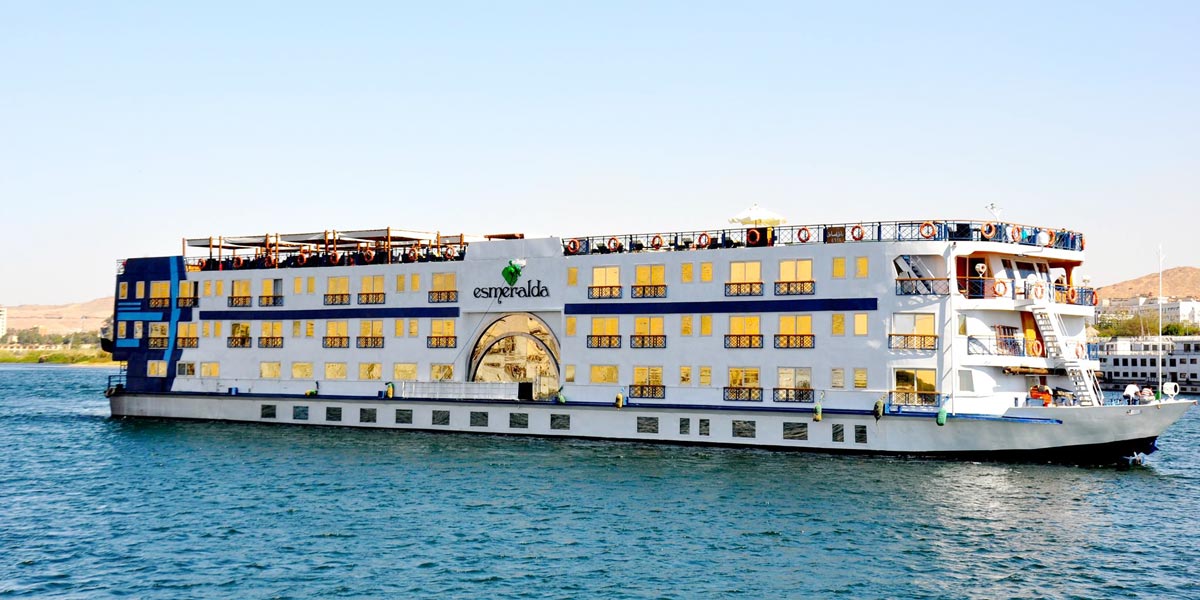
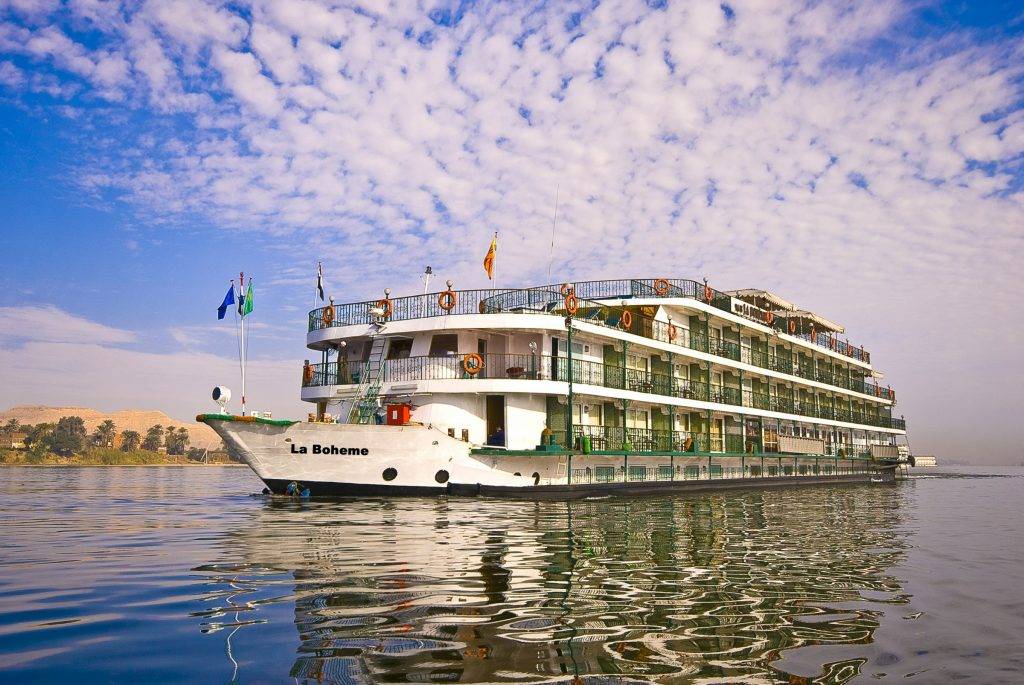
A Nile cruise is a multi-day journey along the Nile River that combines transportation, accommodation, dining, and sightseeing into a single travel experience. Most cruises operate between Luxor and Aswan in Upper Egypt, allowing travelers to visit some of the country’s most important archaeological sites while enjoying the comfort of a floating hotel.
The concept is simple yet highly effective. Instead of staying in multiple hotels and arranging separate transportation between destinations, passengers remain on the same vessel throughout the journey. As the ship travels along the Nile, travelers participate in guided excursions to temples, tombs, and historical landmarks located along the riverbanks.
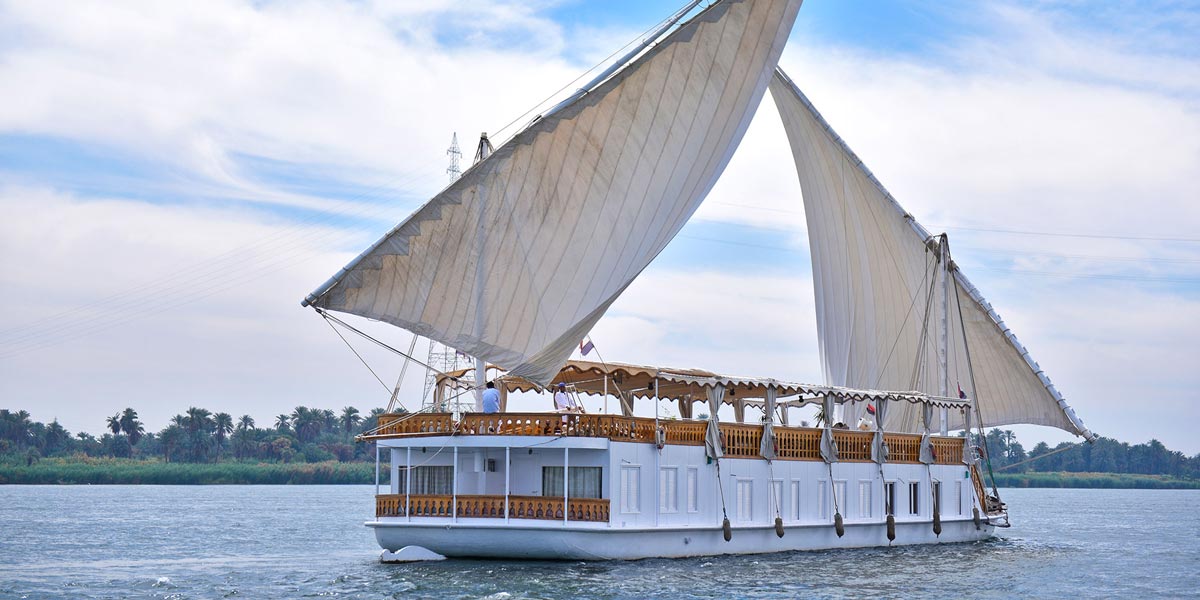
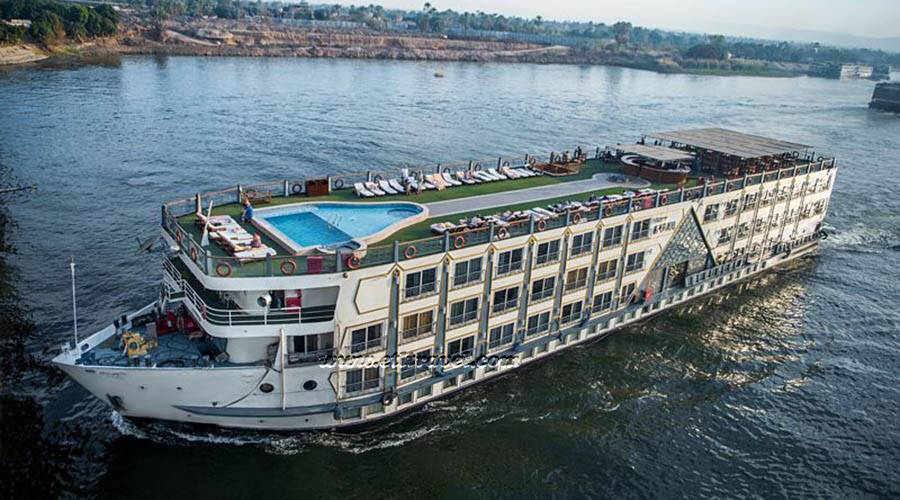
Nile cruises vary in size, style, and level of luxury. Some vessels provide comfortable standard accommodations, while others offer luxury suites, fine dining, spa facilities, and premium services. Regardless of category, most cruises are designed to provide a relaxed and convenient way to explore Upper Egypt.
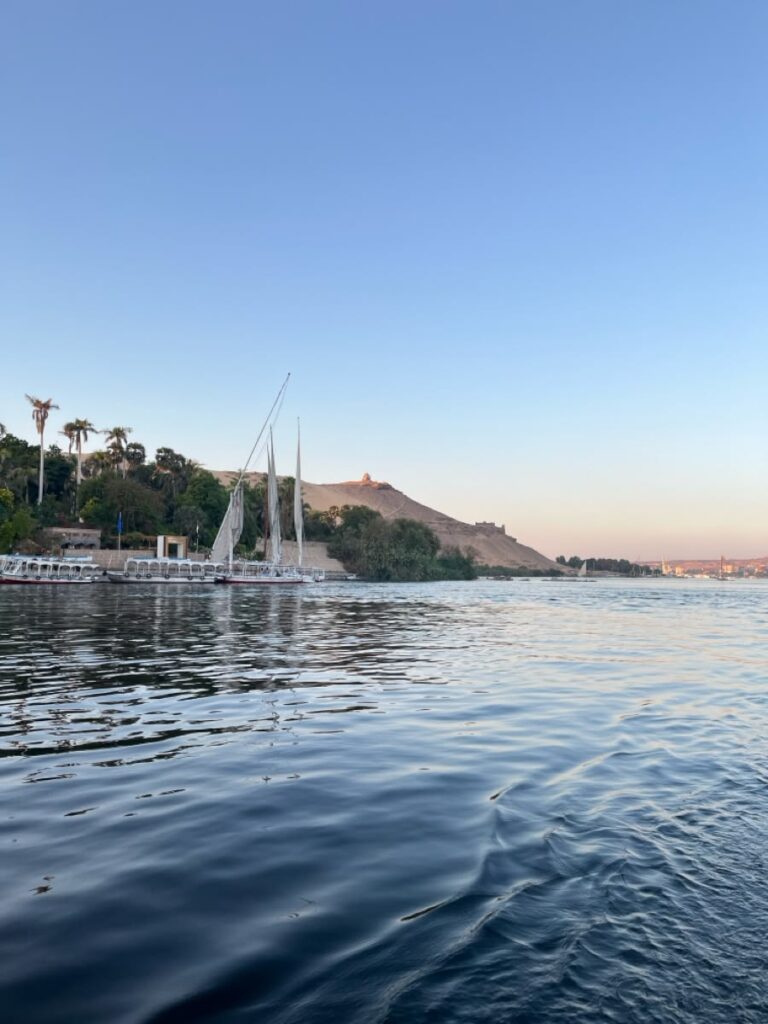
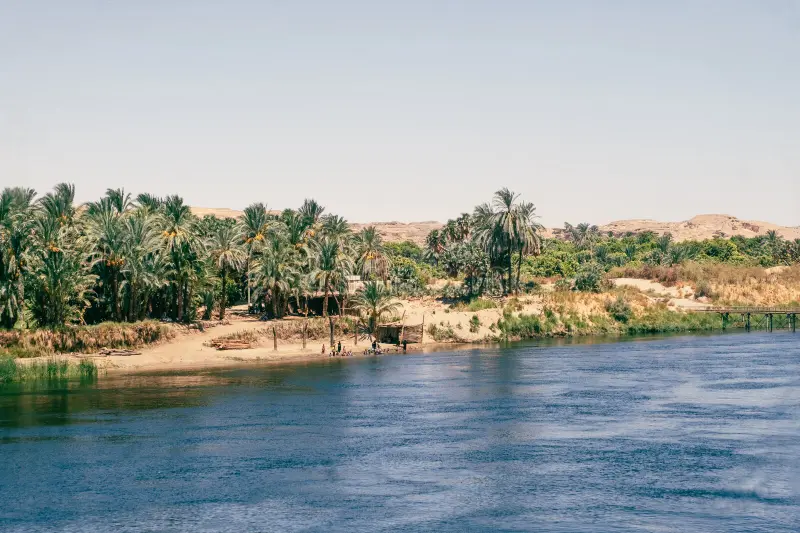
For many visitors, the cruise itself becomes just as memorable as the attractions. Watching daily life unfold along the river, enjoying sunsets from the deck, and sailing through landscapes that have remained largely unchanged for centuries create a unique travel experience.
A Nile cruise is therefore much more than a method of transportation. It is a journey through history, culture, and some of Egypt’s most beautiful scenery, making it one of the country’s most popular travel experiences.
2. Why Take a Nile Cruise?
There are many ways to travel between Luxor and Aswan, but a Nile cruise remains one of the most popular choices for first-time visitors. The combination of convenience, comfort, historical exploration, and scenic beauty creates an experience that is difficult to match through other forms of travel.
One of the greatest advantages is simplicity. A Nile cruise combines accommodation, transportation, meals, and guided sightseeing into a single package. This eliminates much of the planning and logistical coordination normally required when visiting multiple destinations independently.
Another major benefit is access to important archaeological sites. Many of Egypt’s most famous temples are located along the Nile between Luxor and Aswan. Cruise itineraries typically include visits to landmarks such as Karnak Temple, Luxor Temple, the Valley of the Kings, Edfu Temple, Kom Ombo Temple, and Philae Temple, allowing travelers to experience a remarkable concentration of historical attractions within a short period.
The scenery is another reason many travelers choose a cruise. While moving between destinations, passengers can relax on deck and observe traditional villages, palm groves, agricultural fields, and desert landscapes that reveal a side of Egypt many visitors would otherwise miss.
For travelers seeking a comfortable, efficient, and memorable way to explore Upper Egypt, a Nile cruise offers one of the best travel experiences available in the country.
3. Luxor to Aswan vs. Aswan to Luxor
One of the most common questions beginners ask when planning a Nile cruise is whether they should travel from Luxor to Aswan or from Aswan to Luxor. Fortunately, both routes visit the same major attractions and offer very similar experiences, making either option an excellent choice.
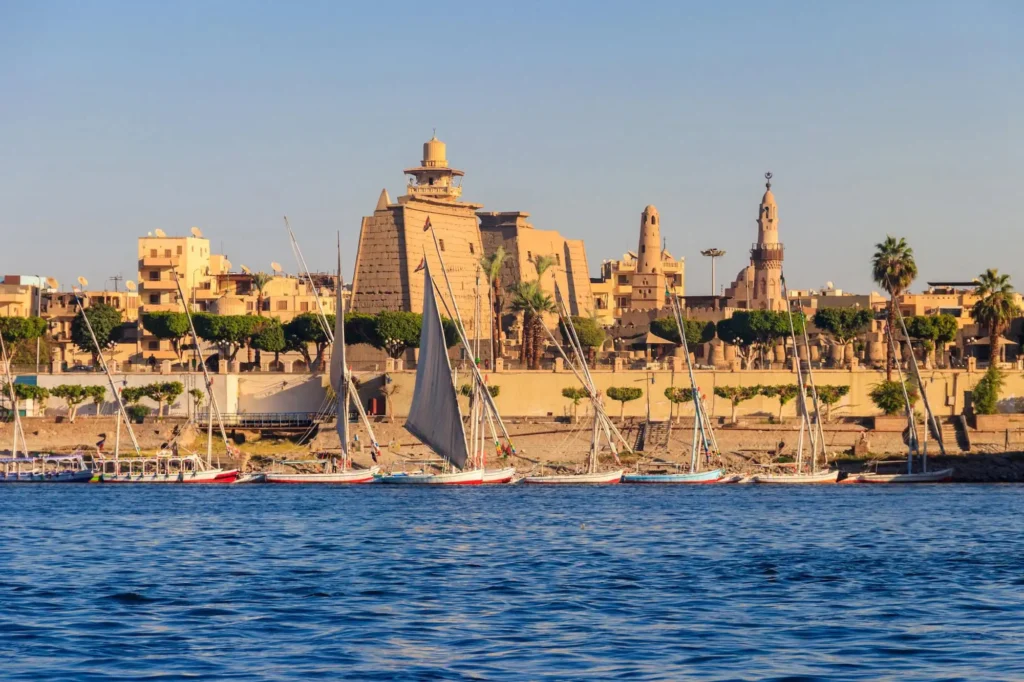
The Luxor-to-Aswan route is often slightly more popular because many travelers begin their Egyptian journey in Cairo and then fly south to Luxor before starting the cruise. This route allows visitors to explore some of Egypt’s most famous monuments immediately, including Karnak Temple, Luxor Temple, and the Valley of the Kings.
The Aswan-to-Luxor route offers the same attractions but in reverse order. Some travelers prefer this option because Aswan provides a more relaxed introduction to Upper Egypt before moving toward the larger concentration of archaeological sites found around Luxor.
In most cases, the choice depends on flight schedules, overall travel plans, cruise availability, and personal preferences rather than any significant difference in the cruise experience itself. Both routes include visits to important temples, scenic Nile landscapes, and opportunities to learn about Ancient Egyptian civilization.
Travelers should therefore focus less on the direction of the cruise and more on selecting the itinerary, ship, and travel dates that best fit their schedule. Regardless of the route chosen, a Nile cruise remains one of the most rewarding experiences available in Egypt.