
Welcome to

Egypt Travel Guide for First-Time Visitors

Egypt is one of the most remarkable travel destinations in the world, offering a unique combination of ancient history, vibrant culture, and breathtaking natural landscapes. Every year, millions of travelers from different countries visit Egypt to explore its iconic landmarks, experience its rich traditions, and enjoy its warm hospitality. From the legendary Pyramids of Giza and the Great Sphinx to the temples of Luxor and the peaceful waters of the Nile River, Egypt provides an unforgettable journey through time that connects the modern world with one of the oldest civilizations in human history.

For first-time visitors, Egypt can feel both exciting and overwhelming. The country is large, diverse, and full of contrasts. You will find modern cities like Cairo filled with traffic, markets, and energy, while also discovering quiet historical towns such as Aswan, where life moves at a slower pace. Along the Red Sea coast, destinations like Hurghada and Sharm El Sheikh offer completely different experiences with luxury resorts, beaches, and world-class diving spots. This variety makes Egypt a destination that suits all types of travelers, whether they are interested in history, adventure, relaxation, or cultural exploration.

Planning a trip to Egypt requires some basic understanding of practical travel information. Things like the best time to visit, transportation options, cultural etiquette, and safety tips can significantly improve your overall experience. Egypt is a country where preparation makes a big difference, especially for those visiting for the first time. Knowing what to expect helps travelers move more confidently between cities, interact respectfully with locals, and enjoy attractions without unnecessary stress.

Another important aspect of visiting Egypt is understanding its unique cultural identity. Egyptian people are known for their hospitality and friendliness, and visitors are often welcomed warmly. At the same time, Egypt is a country with strong traditions and customs, so being aware of local norms, especially regarding dress code and behavior in public spaces, enhances the travel experience.

This complete Egypt travel guide for first-time visitors is designed to help you explore the country with confidence and ease. It covers everything you need to know before and during your trip, including top attractions, transportation methods, food recommendations, safety advice, and practical travel tips. Whether you are planning a short vacation or a longer journey through Egypt, this guide will help you make informed decisions and get the most out of your experience.

By the end of this guide, you will have a clear understanding of how to plan your Egypt itinerary, what places to prioritize, and how to enjoy a smooth and memorable trip in one of the most fascinating countries in the world.

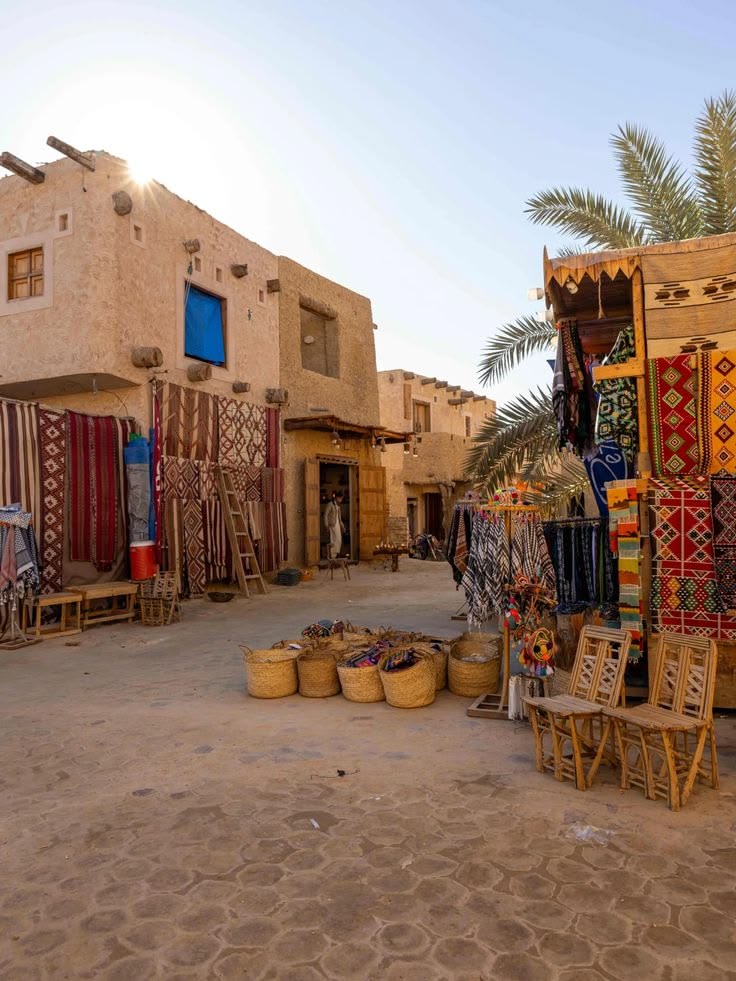
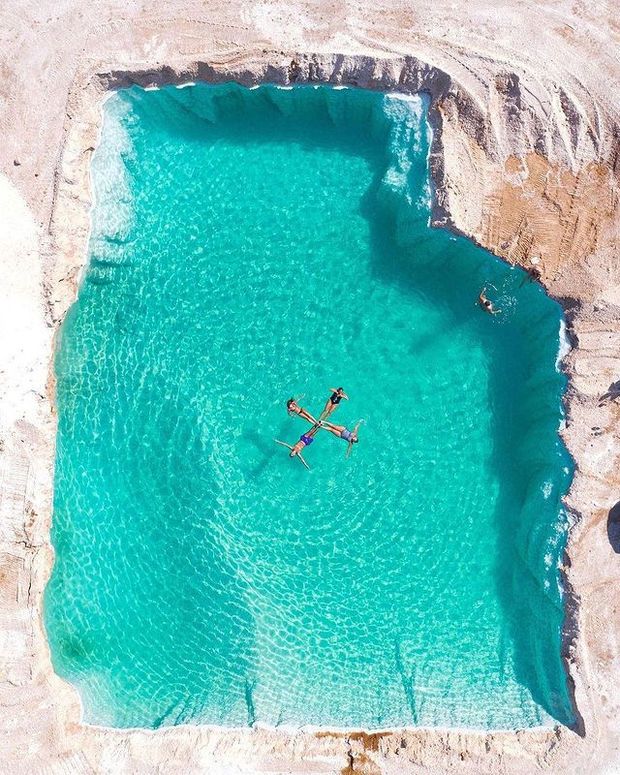
Siwa Oasis - try egypt tours

1. Best Time to Visit Egypt

The best time to visit Egypt largely depends on weather conditions and the type of experience travelers are looking for. In general, the most comfortable and popular time for tourism is between October and April. During these months, the weather is mild and pleasant, making it ideal for exploring outdoor attractions such as the Pyramids of Giza, Luxor temples, Aswan monuments, and other historical sites across the country. Temperatures are generally moderate during the day and cooler in the evenings, which allows visitors to enjoy sightseeing without the extreme heat that characterizes the summer months.

From May to September, Egypt experiences very hot weather, especially in Upper Egypt where cities like Luxor and Aswan can reach extremely high temperatures. While this period is less comfortable for walking tours and outdoor exploration, it is still popular for travelers who prefer Red Sea resorts such as Hurghada and Sharm El Sheikh, where beach activities, diving, and water sports are the main attractions.

Winter is considered the peak tourist season due to its perfect balance of warm daytime temperatures and cool evenings. However, it is also the busiest time, meaning higher prices and larger crowds at major attractions. Spring and autumn are excellent alternatives for travelers seeking fewer crowds and pleasant weather conditions.

Choosing the right time to visit Egypt ensures a more enjoyable experience, allowing travelers to explore the country’s rich history and natural beauty in the most comfortable conditions possible.
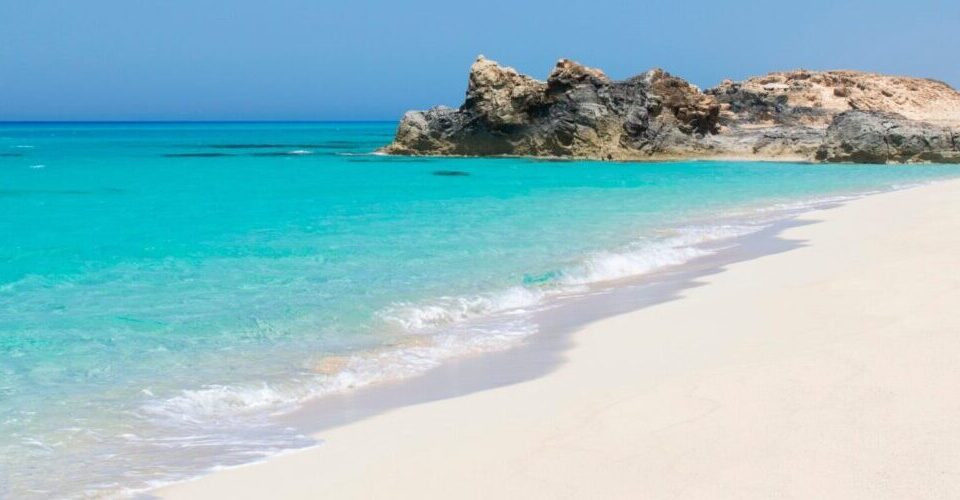
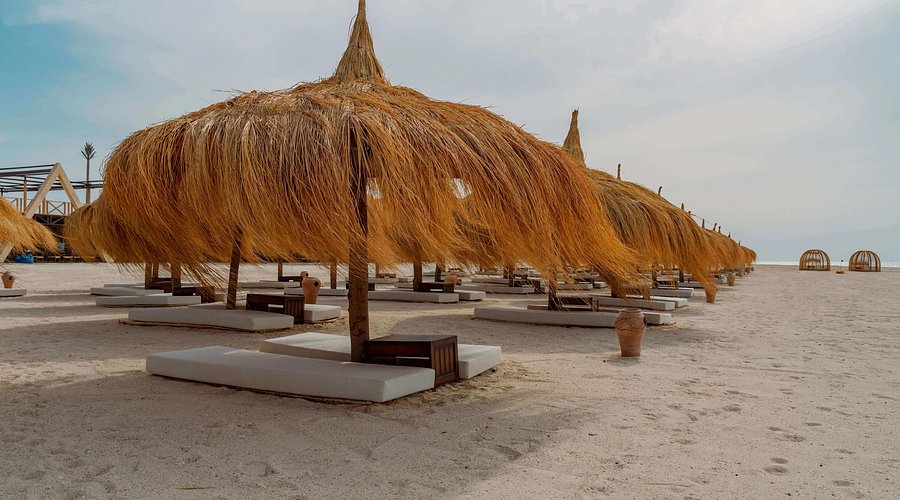
Marsa Matruh

2. Top Places to Visit in Egypt

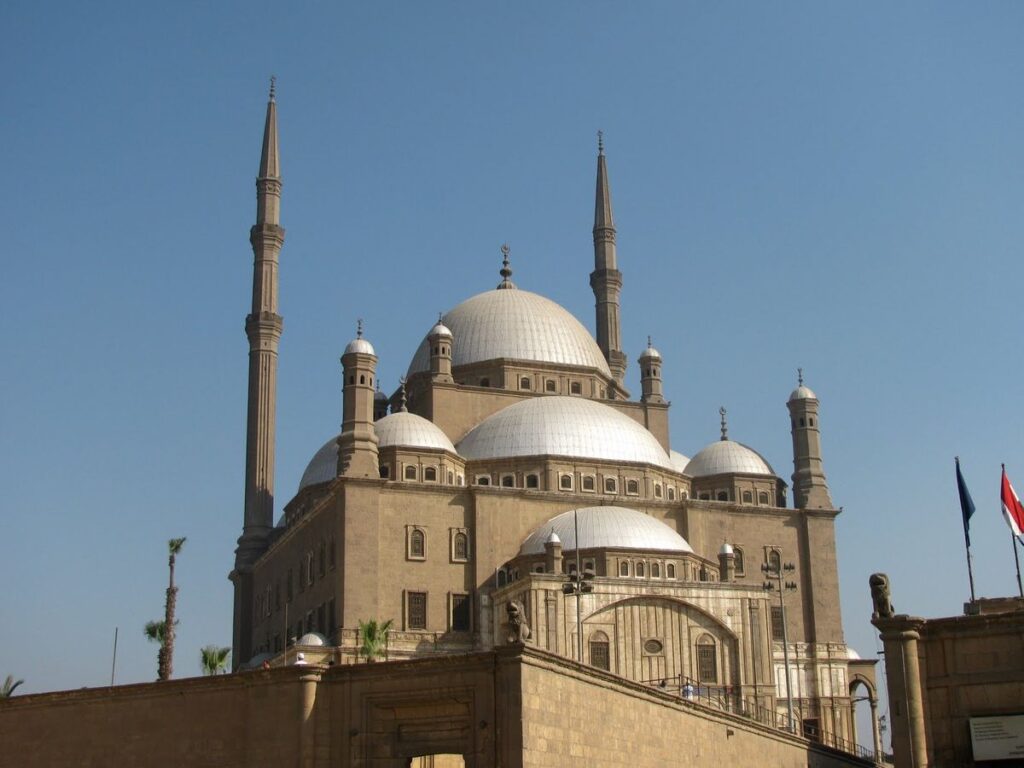
Egypt is home to some of the most iconic and historically significant destinations in the world, making it a dream location for travelers interested in history, culture, and natural beauty. Cairo, the capital city, is usually the starting point for most trips and offers incredible landmarks such as the Great Pyramids of Giza, the Sphinx, and the Grand Egyptian Museum, which showcases thousands of ancient artifacts from Egypt’s long history.

Moving south, Luxor is often described as the world’s largest open-air museum. It is home to extraordinary sites like Karnak Temple, Luxor Temple, and the Valley of the Kings, where ancient pharaohs were buried in richly decorated tombs. Nearby Aswan offers a more peaceful and scenic experience, with beautiful Nile views, traditional Nubian culture, and attractions such as Philae Temple and the Aswan High Dam.

On the Red Sea coast, destinations like Hurghada and Sharm El Sheikh are famous for their crystal-clear waters, coral reefs, and luxury resorts. These areas are perfect for relaxation, snorkeling, diving, and enjoying marine life in some of the world’s most beautiful underwater environments.

Each destination in Egypt offers a completely different experience, making it a diverse country where travelers can enjoy ancient history, cultural richness, and modern leisure activities all in one trip.
3. Transportation in Egypt

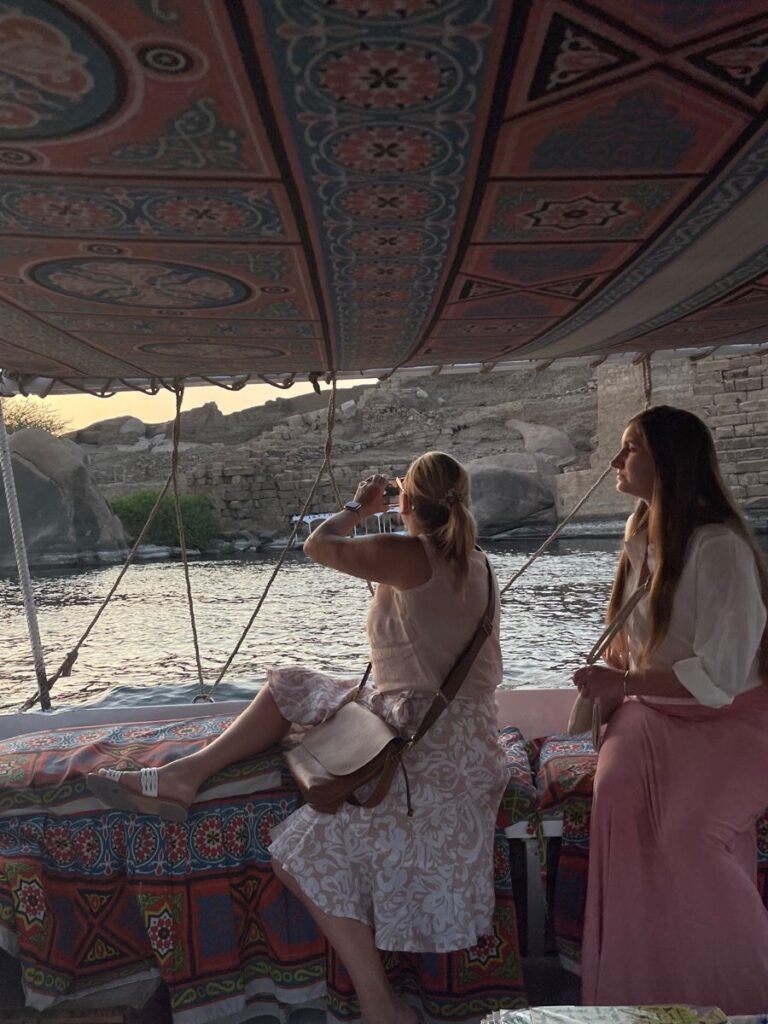
Transportation in Egypt offers a variety of options that suit different budgets, travel styles, and levels of comfort. In major cities such as Cairo, the most common forms of transportation include taxis and ride-hailing services like Uber and Careem. These options are widely used by both locals and tourists because they are convenient, affordable, and easy to access through mobile apps. They also help travelers avoid language barriers and negotiation issues that can sometimes occur with traditional taxis.

For longer distances between cities, domestic flights are one of the fastest and most comfortable options. Egypt has several airports connecting major destinations such as Cairo, Luxor, Aswan, and the Red Sea resorts. This is especially useful for travelers with limited time who want to cover multiple regions efficiently.

Another popular option is the train system, particularly for routes along the Nile Valley. First-class and sleeper trains are available between Cairo, Luxor, and Aswan, offering a scenic and more relaxed travel experience. Buses are also available for intercity travel and are generally more budget-friendly, although they may take longer.

In tourist areas, private drivers and organized tours are commonly used for convenience and safety. These options allow travelers to explore attractions without worrying about navigation or logistics. However, public transportation is also available but may be challenging for first-time visitors due to crowding and limited English signage.

Choosing the right transportation method in Egypt depends on your travel plan, budget, and comfort level, but overall the country offers flexible options for all types of travelers.
4. Food and Drinks in Egypt

Egyptian cuisine is an essential part of the travel experience and offers visitors a rich variety of traditional dishes that reflect the country’s long history and cultural diversity. For first-time visitors, trying local food is one of the best ways to connect with Egyptian culture and understand everyday life.

One of the most famous traditional dishes is koshari, a popular street food made from rice, pasta, lentils, chickpeas, and tomato sauce topped with crispy onions. It is widely available in local restaurants and is considered a must-try dish. Another common option is falafel, known locally as taameya, which is made from fava beans and served in bread with fresh vegetables and sauces.

Egypt also offers a wide range of grilled meats such as kebabs and kofta, often served with rice, salads, and bread. For those who prefer lighter meals, seafood is very popular in coastal cities like Alexandria and the Red Sea resorts, where fresh fish and shrimp dishes are commonly served.

Fresh juices, especially sugarcane juice and mango juice, are very popular drinks in Egypt. Tea is also a staple in daily life and is often served sweet and strong. Coffee is widely available as well, especially in traditional cafés.

Trying local food in Egypt is generally safe for tourists if they choose clean and reputable restaurants. It is always recommended to drink bottled water and avoid untreated tap water.

5. Safety Tips for First-Time Visitors

Egypt is generally a safe destination for tourists, especially in major cities and popular tourist areas. Millions of visitors travel to Egypt every year to explore its historical landmarks, beaches, and cultural attractions without major issues. However, like any travel destination, it is important to follow basic safety precautions to ensure a smooth and enjoyable experience.

One of the most important safety tips is to stay aware of your surroundings, especially in crowded places such as markets, train stations, and tourist sites. Keeping personal belongings secure and avoiding displaying large amounts of cash or valuables helps reduce the risk of pickpocketing.

Using trusted transportation options such as official taxis, ride-hailing apps, or organized tours is also recommended. These options provide more reliability and reduce the chances of misunderstandings or overcharging.

Travelers should also be cautious when dealing with unofficial guides or street offers at tourist attractions. It is better to book tours through reputable companies or verified agencies to ensure quality and safety.

In general, Egyptian people are very welcoming and helpful toward tourists. Most visitors find their experience in Egypt friendly and positive. Following simple precautions and respecting local customs is usually enough to ensure a safe and enjoyable trip.

6. Currency, Costs, and Budget Tips

The official currency in Egypt is the Egyptian Pound (EGP), and it is widely used in all types of transactions, from small street purchases to hotel payments. Credit cards are accepted in many hotels, restaurants, and larger shops, but cash is still very important for everyday expenses, especially in local markets and smaller establishments.

Egypt is considered an affordable travel destination compared to many other countries, making it attractive for both budget travelers and luxury tourists. Costs for food, transportation, and accommodation can vary depending on the level of comfort chosen. Street food and local restaurants are generally inexpensive, while high-end hotels and fine dining experiences are available in major cities and resort areas.

ATMs are widely available in cities such as Cairo, Luxor, and Aswan, allowing easy access to local currency. It is advisable to carry small denominations of cash for convenience, especially when tipping or making small purchases.

Travelers can manage their budget effectively by choosing local transportation, eating at authentic restaurants, and booking tours in advance. At the same time, luxury options are available for those who prefer premium experiences, including five-star hotels, private guides, and Nile cruises.

Overall, Egypt offers excellent value for money, allowing visitors to enjoy a rich travel experience regardless of their budget.

7. Cultural Etiquette in Egypt

Understanding cultural etiquette in Egypt is an important part of having a smooth and respectful travel experience. Egypt is a country with deep-rooted traditions and strong cultural values, and while it is very welcoming to tourists, being aware of local customs helps visitors interact more comfortably with locals and enjoy a more authentic experience.

One of the key aspects of cultural etiquette is dressing modestly in public areas, especially in traditional neighborhoods, markets, and religious sites. While there is no strict dress code for tourists, covering shoulders and knees is generally appreciated and helps avoid unwanted attention.

Greeting people politely is also important. A simple smile or greeting in Arabic such as “hello” or “salam” is often warmly received. Egyptians are known for their hospitality and friendliness, and small gestures of respect are usually appreciated.

When visiting religious sites, visitors should follow specific guidelines such as removing shoes before entering prayer areas and dressing modestly. Women may also be required to cover their hair in certain mosques.

It is also considered polite to ask permission before taking photos of people, especially in rural areas or traditional settings. Respecting personal space and local customs contributes to a more positive travel experience.

By following these simple etiquette rules, travelers can enjoy a more meaningful connection with Egyptian culture and people.

8. Shopping in Egypt

Shopping in Egypt is a vibrant and enjoyable experience that reflects the country’s rich culture and traditional craftsmanship. From modern shopping malls in Cairo to bustling street markets and historic bazaars, visitors can find a wide variety of products and souvenirs to take home.

One of the most famous shopping destinations is Khan El Khalili Bazaar in Cairo, where tourists can explore narrow streets filled with shops selling spices, perfumes, handmade jewelry, textiles, and traditional crafts. Bargaining is a common practice in such markets, and visitors are often expected to negotiate prices in a friendly manner.

Modern shopping malls are also widely available in major cities, offering international brands, restaurants, and entertainment options. These malls provide a more comfortable and air-conditioned shopping experience, especially during hot weather.

Popular souvenirs from Egypt include papyrus artwork, alabaster statues, handmade carpets, and traditional Egyptian clothing. These items reflect the country’s artistic heritage and make meaningful gifts or keepsakes.

Food items such as spices and herbal teas are also popular among tourists who want to take a taste of Egypt back home.

Shopping in Egypt offers a mix of traditional and modern experiences, making it an enjoyable activity for all types of travelers.

9. Accommodation Options in Egypt

Egypt offers a wide range of accommodation options to suit all types of travelers, from budget backpackers to luxury holidaymakers. Whether you are staying in Cairo, Luxor, Aswan, or along the Red Sea coast, you will find hotels and resorts that match your preferences and budget.

In major cities like Cairo, travelers can choose from budget hotels, mid-range accommodations, and luxury five-star hotels. Budget hotels are ideal for short stays and offer basic comfort at affordable prices, while mid-range hotels provide more amenities and better service. Luxury hotels offer high-end facilities, including fine dining, swimming pools, and stunning views of the Nile or city skyline.

In tourist destinations such as Luxor and Aswan, many hotels are located near historical sites or along the Nile River, offering beautiful scenic views and easy access to attractions. Nile cruises are also a unique accommodation option that combines lodging with sightseeing along the river.

On the Red Sea coast, resorts in Hurghada and Sharm El Sheikh are popular for beach vacations. These resorts often include all-inclusive packages, private beaches, and water activities such as diving and snorkeling.

Choosing the right accommodation depends on your travel style, budget, and itinerary, but Egypt offers excellent options for every type of traveler.

10. Communication and Language in Egypt

Arabic is the official language in Egypt, and it is widely spoken across the country in daily life, government offices, and local businesses. However, English is also commonly understood in tourist areas, hotels, airports, and major attractions, making communication relatively easy for first-time visitors.

In popular destinations such as Cairo, Luxor, Aswan, and Red Sea resorts, many people working in tourism speak basic to intermediate English. This includes hotel staff, tour guides, and restaurant employees. As a result, travelers can usually navigate most situations without major language barriers.

Learning a few simple Arabic phrases can greatly enhance the travel experience. Basic greetings such as “hello” (salam), “thank you” (shukran), and “yes” or “no” are often appreciated by locals and can help create friendly interactions.

In more rural or less touristy areas, English may be less common, so using gestures, translation apps, or a local guide can be helpful. Tourists are encouraged to remain patient and polite when communicating, as language differences are a normal part of travel.

Overall, communication in Egypt is manageable for international visitors, especially in tourist regions, and language barriers rarely prevent travelers from enjoying their trip.

11.Conclusion

Egypt is truly one of the most unforgettable travel destinations in the world, offering first-time visitors a rare combination of ancient history, rich culture, and diverse landscapes. From the timeless monuments of the Pharaohs to the modern energy of Cairo and the peaceful beauty of the Nile and Red Sea, every part of the country tells a different story and creates a unique travel experience.

For many travelers, visiting Egypt is not just a holiday, but a journey through time. Walking among the Pyramids of Giza, exploring the temples of Luxor, or sailing along the Nile allows visitors to connect directly with one of the oldest civilizations in human history. At the same time, Egypt offers modern comforts, luxury resorts, and vibrant city life, making it suitable for all types of travelers.

A successful trip to Egypt depends largely on good planning. Understanding the best time to visit, preparing the right documents, respecting local customs, and choosing suitable transportation all contribute to a smoother and more enjoyable experience. First-time visitors who take the time to prepare will find it much easier to navigate the country and enjoy everything it has to offer.

What makes Egypt truly special is its people. Egyptian hospitality is warm, welcoming, and memorable, often leaving visitors with lasting positive impressions. Whether you are traveling on a budget or enjoying a luxury vacation, Egypt offers incredible value and unforgettable moments.

Ultimately, Egypt is not just a destination you visit—it is a place you experience, remember, and often return to again.

Frequently Asked Questions

Yes, Egypt is generally safe for tourists, especially in major cities and tourist areas.

The best time is from October to April when the weather is cooler and more comfortable.

Most travelers need a visa, which can often be obtained online or on arrival depending on nationality.

The official currency is the Egyptian Pound (EGP).

Yes, English is widely spoken in tourist areas, hotels, and airports.