
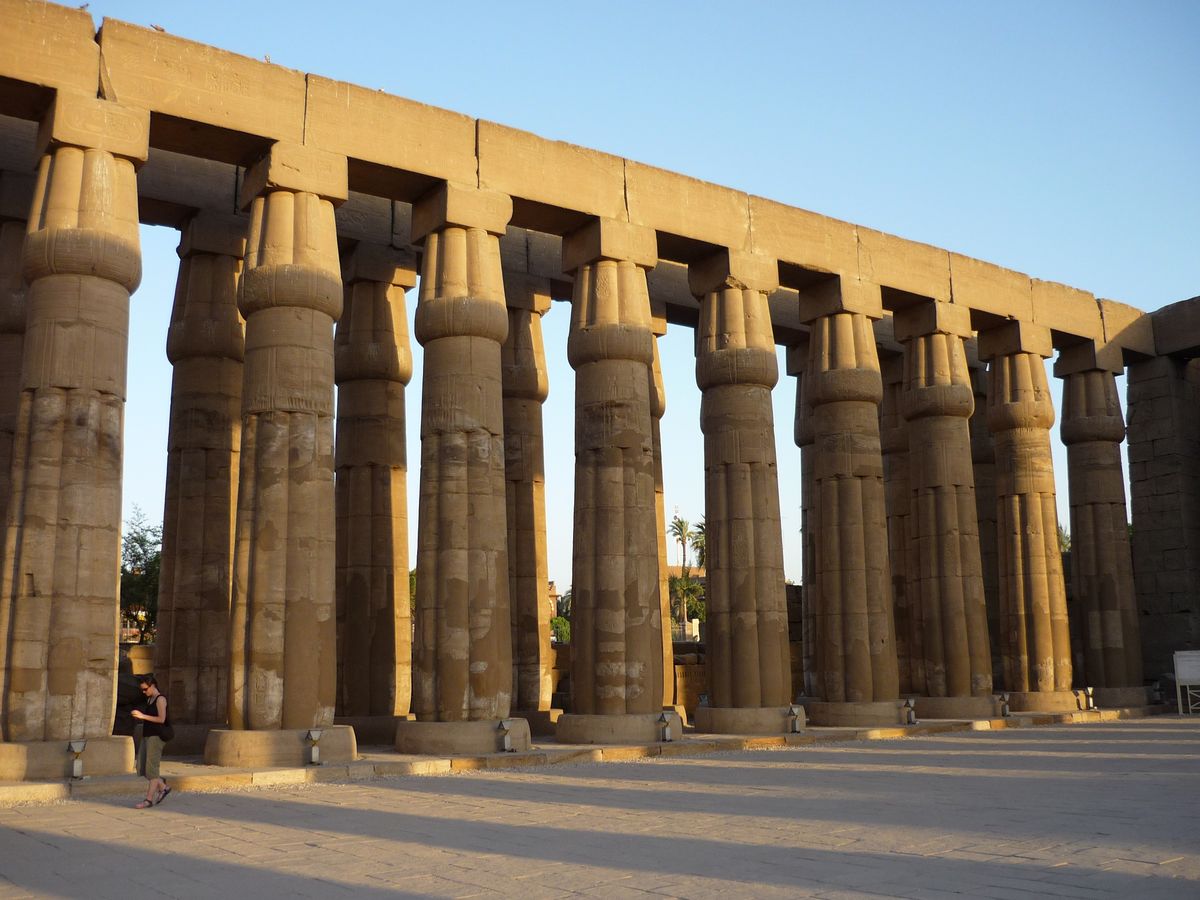
Welcome to

Egypt Travel Tips Nobody Tells You Before You Visit

Egypt is a destination that captures the imagination like few places on Earth. Home to the Pyramids of Giza, the Nile River, ancient temples, vibrant markets, and stunning Red Sea resorts, the country attracts millions of visitors every year. Most travelers arrive expecting incredible history and unforgettable sights, and Egypt certainly delivers on both. However, there are many practical aspects of traveling in Egypt that first-time visitors often do not discover until after they arrive.

Travel guides typically focus on major attractions, visa requirements, and popular itineraries, but they often overlook the small details that can have a significant impact on the overall travel experience. Understanding these lesser-known tips can help visitors avoid common frustrations, save time, stay comfortable, and enjoy their trip with greater confidence.

Many first-time travelers are surprised by how different Egypt can feel from what they expected. The pace of life, local customs, bargaining culture, transportation systems, weather conditions, and everyday interactions may take some adjustment. Fortunately, most challenges are easy to navigate once travelers know what to expect.

Some of the most useful travel advice has little to do with famous landmarks and everything to do with daily experiences. Knowing when to carry cash, how to handle tipping, what to wear at religious sites, how to deal with persistent vendors, and why early morning sightseeing can dramatically improve your experience are examples of practical insights that can make a major difference during a trip.

The good news is that Egypt is far easier to enjoy when visitors arrive prepared. Understanding local customs and travel realities allows travelers to focus less on logistics and more on exploring the country’s extraordinary history, culture, and natural beauty.

In this guide, we share some of the most valuable Egypt travel tips that many visitors wish they had known before arriving. Whether you are planning your first trip or returning for another adventure, these practical recommendations will help you travel more comfortably, confidently, and efficiently throughout Egypt.

1. Start Sightseeing Early

One of the most valuable travel tips for visitors to Egypt is to begin sightseeing as early as possible. Many of the country’s most famous attractions are outdoor sites, and temperatures can become quite warm as the day progresses, particularly during the spring and summer months. Starting early allows travelers to enjoy a more comfortable experience while avoiding some of the busiest periods at major attractions.

Popular destinations such as the Pyramids of Giza, the Valley of the Kings, Karnak Temple, Abu Simbel, and other archaeological sites are often at their best during the early morning hours. Cooler temperatures make walking and exploring more enjoyable, while softer lighting creates excellent conditions for photography.

Arriving early can also help visitors avoid larger crowds. Tour groups frequently arrive later in the morning, meaning early visitors often enjoy a more relaxed atmosphere and shorter waiting times. This additional space and quiet can significantly enhance the experience at some of Egypt’s most iconic landmarks.

Another advantage of early starts is increased flexibility. Travelers who complete major sightseeing activities during the morning often have more time later in the day to relax, enjoy local restaurants, visit museums, or explore neighborhoods at a slower pace.

Many experienced travelers consider this simple adjustment one of the easiest ways to improve a trip to Egypt. By taking advantage of the cooler temperatures and quieter conditions of the morning, visitors can make the most of their time while enjoying a more comfortable and rewarding sightseeing experience.
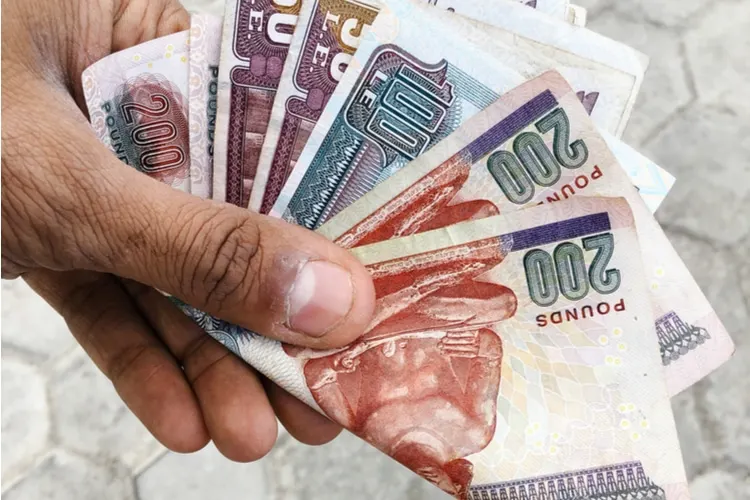
Do You Need Cash in Egypt?

2. Always Carry Small Cash Notes

Although credit cards and digital payments are becoming increasingly common in Egypt, carrying small cash notes remains one of the most practical habits travelers can develop. Many everyday situations still require cash, particularly when visiting local markets, using small transportation services, purchasing snacks, or providing tips.

One of the main reasons small denominations are useful is the widespread practice of tipping. Visitors may wish to tip hotel staff, drivers, guides, restaurant employees, or other service providers during their trip. Having smaller notes available makes these interactions more convenient and helps avoid situations where exact change is difficult to obtain.

Cash is also useful when shopping in traditional markets, purchasing street food, or visiting smaller businesses that may not accept cards. While larger hotels, restaurants, and tourist facilities often accept electronic payments, local establishments frequently prefer cash transactions.

Another benefit of carrying smaller notes is flexibility. Travelers can make quick purchases without needing large bills and are less likely to encounter difficulties related to change. This is particularly helpful in busy environments where transactions often occur quickly.

Keeping a modest amount of small denomination Egyptian Pounds readily available can significantly improve day-to-day convenience. Most experienced visitors find that combining cash with cards provides the best balance of flexibility, security, and practicality while traveling throughout Egypt.

Tipping in Egypt Complete Tourist Guide

3. Tipping Is Part of Daily Life

One aspect of Egyptian culture that often surprises first-time visitors is the role tipping plays in everyday interactions. Known locally as “baksheesh,” tipping is a common and widely accepted practice that extends beyond restaurants and hotels into many areas of daily life.

Travelers may encounter tipping opportunities when receiving assistance from hotel staff, porters, drivers, guides, housekeeping personnel, restaurant servers, boat crews, and various other service providers. In many cases, tips are viewed as a gesture of appreciation for good service and form an important part of local service culture.

Understanding this custom before arriving helps visitors avoid confusion and feel more comfortable during their trip. While tipping is common, it does not mean travelers should feel pressured in every situation. The amount generally depends on the service provided and the visitor’s personal judgment.

Having small cash notes available makes tipping easier and helps travelers respond appropriately when they wish to show appreciation. Many visitors quickly adapt to the practice and find that it becomes a natural part of their experience in Egypt.

Rather than viewing tipping as an inconvenience, it can be helpful to see it as part of the local culture and a way to acknowledge the efforts of the people who contribute to a positive travel experience. Understanding this custom in advance helps create smoother and more comfortable interactions throughout a visit to Egypt.
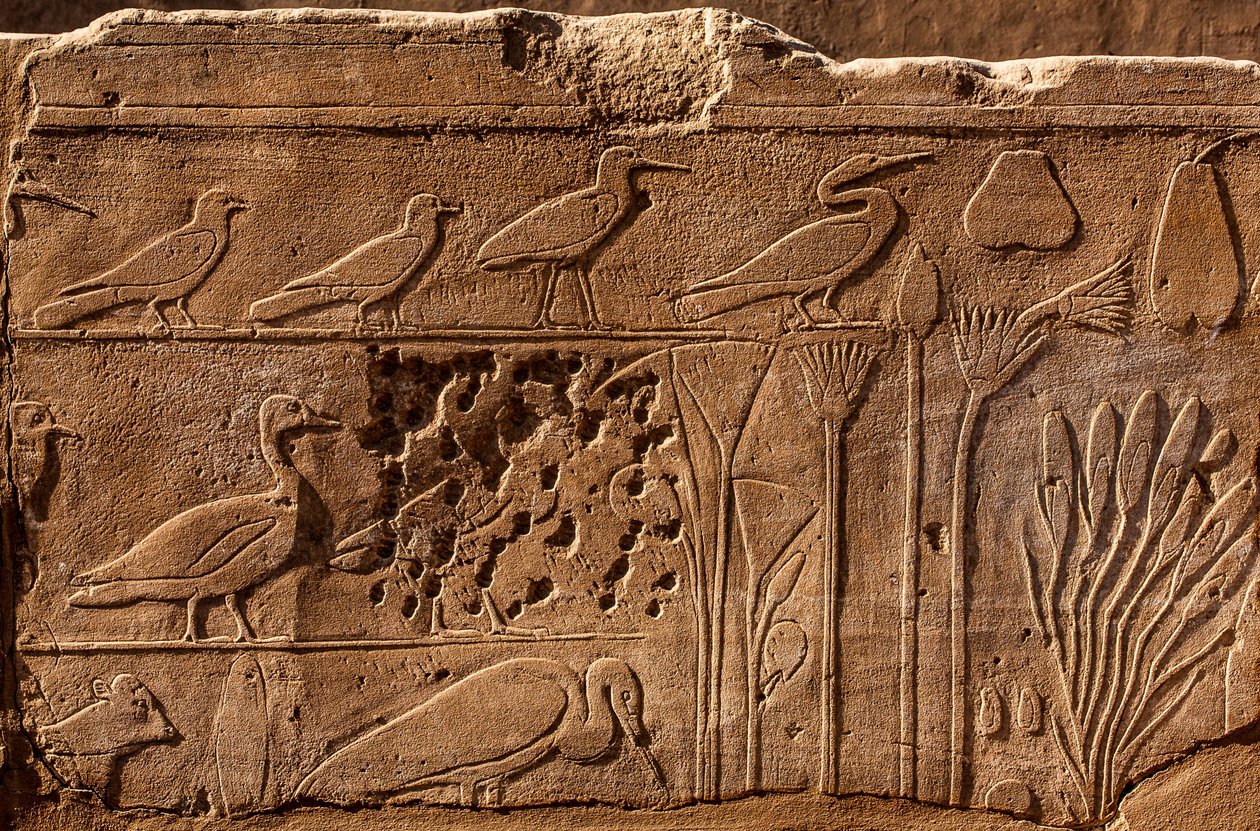
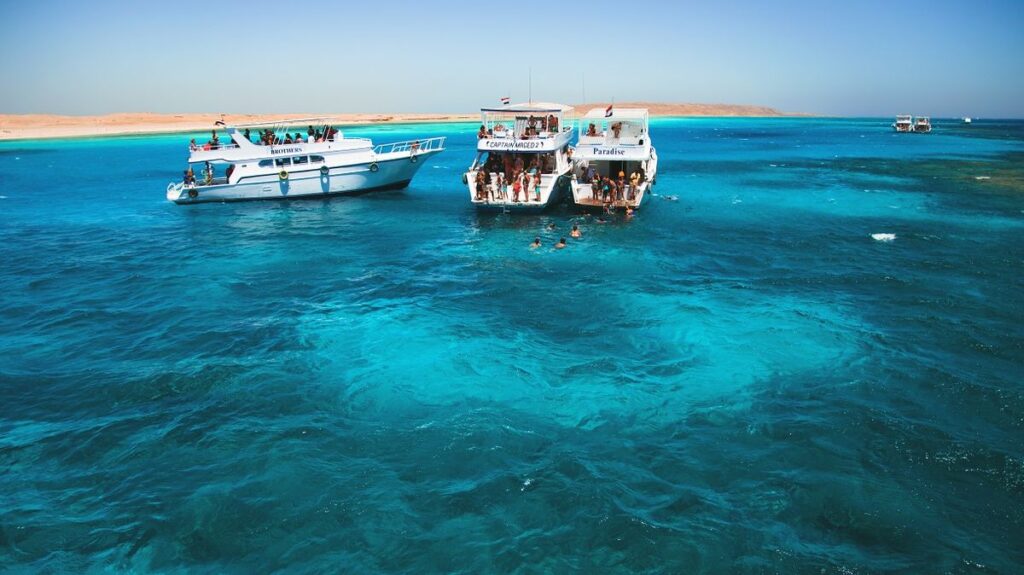
4. Dress for Comfort and Respect

Choosing the right clothing can have a significant impact on your overall travel experience in Egypt. While many first-time visitors focus primarily on what is culturally appropriate, comfort is equally important due to the country’s climate, extensive sightseeing opportunities, and long days spent exploring outdoor attractions.

Lightweight and breathable fabrics such as cotton and linen are often the best choices, particularly during warmer months. Many of Egypt’s most famous sites, including the Pyramids of Giza, Luxor’s temples, and archaeological areas throughout the country, involve considerable walking under the sun. Comfortable clothing can make these experiences much more enjoyable.

At the same time, it is important to respect local customs, especially when visiting religious sites or more traditional communities. While Egypt is accustomed to international tourism and visitors generally have flexibility in their clothing choices, modest dress is often appreciated. Clothing that covers the shoulders and knees is usually recommended when entering mosques and certain religious locations.

Comfortable footwear is another essential consideration. Uneven surfaces, stone pathways, and extensive walking are common at historical sites, making supportive walking shoes one of the most important items travelers can pack. A hat, sunglasses, and sunscreen can also help protect against the strong Egyptian sun.

Many travelers find that dressing appropriately enhances both comfort and confidence during their trip. The goal is not only to respect local traditions but also to remain comfortable while spending long hours exploring some of the world’s most remarkable historical and cultural attractions.

By choosing practical clothing and preparing for the climate, visitors can focus on enjoying Egypt’s incredible experiences rather than worrying about discomfort. This simple preparation often makes a noticeable difference throughout the journey.

Karnak-Temple

5. Don't Expect Everything to Run Exactly on Time

One travel tip that many visitors learn quickly in Egypt is the importance of flexibility. While flights, tours, transportation services, and attractions generally operate as planned, schedules do not always unfold with the same level of precision that travelers may be accustomed to in some other countries. Adopting a flexible mindset can significantly reduce stress and make the overall travel experience more enjoyable.

Traffic conditions are one of the most common reasons for delays, particularly in large cities such as Cairo and Alexandria. Travel times can vary depending on the time of day, road conditions, and local events. Visitors who build extra time into their schedules are often better prepared for unexpected changes.

Occasionally, transportation services, hotel arrangements, or tour schedules may require minor adjustments. In most cases, these changes are temporary and manageable, but travelers who remain patient and adaptable usually find the experience far less frustrating.

Many experienced visitors discover that embracing flexibility allows them to appreciate Egypt more fully. Rather than focusing on rigid schedules, they enjoy the spontaneity and unexpected moments that often become memorable parts of the journey.

Approaching travel with realistic expectations and a willingness to adapt can help visitors navigate small inconveniences while maintaining a positive and relaxed attitude throughout their trip.

6. Learn Basic Arabic Phrases

Although English is widely spoken in hotels, tourist attractions, airports, and many tourism-related businesses, learning a few basic Arabic phrases can greatly enhance your experience in Egypt. Even a small effort to communicate in the local language is often appreciated and can help create more positive interactions with local residents.

Simple expressions such as greetings, thank you, please, and basic questions can be useful in a variety of situations. Visitors often find that using a few Arabic words demonstrates respect for local culture and helps establish friendly connections with the people they meet during their travels.

Language can also be helpful when exploring local markets, neighborhood cafés, or areas that receive fewer international tourists. While communication is usually possible without Arabic, knowing a few common phrases can make everyday interactions easier and more enjoyable.

Many travelers are pleasantly surprised by how warmly local residents respond when visitors attempt to use Arabic, even if their pronunciation is not perfect. The effort itself is often appreciated more than linguistic accuracy.

Learning a handful of useful expressions before departure requires very little time but can contribute significantly to a richer and more immersive travel experience throughout Egypt.

Egypt Travel Tips Nobody Tells You Before You Visit

7. Drink Plenty of Water

Staying hydrated is one of the most important travel tips for anyone visiting Egypt. The country’s climate is generally warm and dry, and many popular attractions involve spending extended periods outdoors. Visitors often underestimate how quickly they can become dehydrated while exploring historical sites, walking through cities, or participating in outdoor activities.

Sightseeing locations such as the Pyramids of Giza, the temples of Luxor, Abu Simbel, and various desert destinations frequently involve long periods of walking under direct sunlight. Even during cooler months, the dry climate can increase the body’s need for water throughout the day.

Most travelers choose bottled or properly filtered water during their visit. Bottled water is widely available at hotels, restaurants, supermarkets, convenience stores, and tourist attractions, making it easy to stay hydrated while traveling.

Carrying a bottle of water during sightseeing excursions is a simple habit that can significantly improve comfort and energy levels. Visitors who remain properly hydrated often find that they enjoy activities more and experience less fatigue during long days of exploration.

Maintaining hydration is a small but important part of travel preparation. Combined with appropriate clothing, sun protection, and sensible scheduling, it helps ensure a safer, more comfortable, and more enjoyable experience while discovering Egypt’s extraordinary attractions.

8. Be Prepared for Persistent Sellers

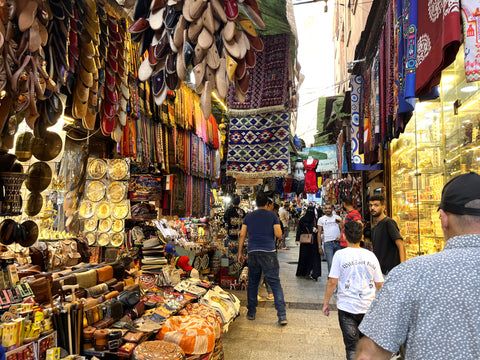
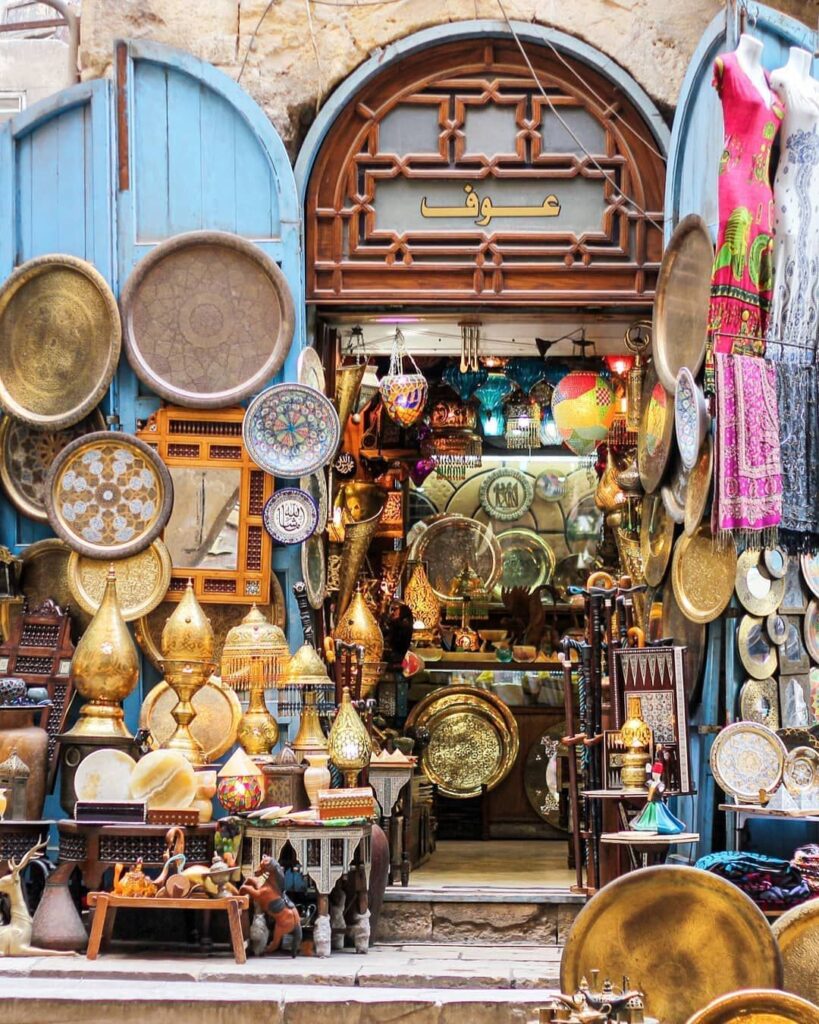
One of the things that often surprises first-time visitors to Egypt is the level of enthusiasm displayed by some vendors in popular tourist areas. In markets, near major attractions, and around busy shopping districts, travelers may encounter sellers who actively encourage them to browse products, enter shops, or consider purchasing souvenirs. While this can feel unusual to some visitors, it is a common part of the local tourism environment.

The most important thing to remember is that persistence does not necessarily indicate dishonesty or aggression. In many cases, vendors are simply trying to attract customers in highly competitive areas where tourism plays a significant role in local business. Understanding this cultural difference can help travelers respond more comfortably and confidently.

Visitors should feel completely comfortable declining offers if they are not interested. A polite smile, a simple “no thank you,” and continuing to walk are usually sufficient. Most interactions end quickly when travelers respond confidently and avoid engaging in lengthy conversations if they do not intend to make a purchase.

It is also important to remember that browsing does not create an obligation to buy. Travelers should never feel pressured to purchase an item simply because a vendor has spent time speaking with them or showing merchandise. Taking time to compare products and prices often leads to a better shopping experience.

Many visitors find that approaching these situations with patience, confidence, and a sense of humor makes them easier to manage. Once travelers become familiar with the local style of selling, they often feel far more comfortable navigating markets and tourist areas.

By understanding what to expect and responding politely but firmly when necessary, visitors can enjoy Egypt’s vibrant shopping culture while avoiding unnecessary stress or pressure during their trip.

9. Use Reputable Transportation Options

Transportation is an important part of any trip to Egypt, and choosing reputable transportation providers can greatly improve both comfort and convenience. While Egypt offers a wide range of transportation options, including taxis, ride-hailing applications, trains, domestic flights, buses, and private drivers, not all services provide the same level of reliability or transparency.

Many experienced travelers prefer using established transportation providers whenever possible. Ride-hailing applications are particularly popular in major cities because they offer fare estimates, route tracking, and digital payment options that help reduce misunderstandings. Private transfers arranged through hotels, tour operators, or reputable transportation companies can also provide a comfortable and stress-free experience.

When using traditional taxis, confirming details before beginning the journey can help avoid confusion. Travelers should also allow extra time when moving through large cities where traffic conditions can affect travel schedules.

Choosing trusted transportation options often provides peace of mind and allows visitors to focus on enjoying their trip rather than worrying about logistics. A little preparation can make transportation throughout Egypt significantly smoother and more efficient.

Coptic cairo

10. Don't Try to See Everything in One Trip

One of the most common mistakes first-time visitors make is trying to fit too much into a single itinerary. Egypt is a large and diverse country with an extraordinary number of historical sites, cultural attractions, coastal destinations, and natural wonders. Attempting to see everything in one trip often leads to exhaustion rather than enjoyment.

Many travelers arrive with ambitious plans that include Cairo, Luxor, Aswan, Abu Simbel, Alexandria, the Red Sea, desert destinations, and numerous museums and archaeological sites. While it may be technically possible to visit many of these locations, doing so within a limited timeframe can create a rushed experience.

Instead, it is often better to prioritize the attractions that matter most and allow enough time to appreciate them fully. Spending an extra day exploring Luxor or enjoying a relaxed evening along the Nile can be more rewarding than constantly moving from one destination to another.

Many visitors discover that Egypt offers far more than they expected and decide to return in the future. Accepting that it is impossible to see everything during a single visit can actually make the experience more enjoyable and less stressful.

Focusing on quality rather than quantity often leads to richer experiences, better memories, and a deeper appreciation of everything Egypt has to offer.

11. Embrace the Unexpected

Perhaps the most valuable travel tip of all is to embrace the unexpected. Egypt is a country full of surprises, and some of the most memorable moments often occur when things do not go exactly according to plan. Travelers who remain flexible and open-minded frequently discover experiences that never appeared in their original itinerary.

Unexpected conversations with local residents, spontaneous invitations to try traditional food, hidden viewpoints, cultural encounters, and unplanned discoveries often become highlights of the journey. These moments provide insight into daily life and create memories that go far beyond famous landmarks and historical sites.

Travel inevitably involves occasional challenges, whether related to transportation, weather, crowds, or schedule changes. Visitors who approach these situations with patience and a positive attitude often find that minor inconveniences become insignificant compared to the overall experience.

One of Egypt’s greatest strengths is its ability to surprise travelers. The country’s history, culture, hospitality, and energy create opportunities for discovery around every corner. Remaining open to these experiences allows visitors to connect with the destination on a deeper level.

Rather than focusing solely on schedules and plans, travelers should leave room for curiosity and spontaneity. In many cases, the experiences that were never planned become the stories people remember and share long after returning home.

12. Conclusion: Egypt Travel Tips Nobody Tells You Before You Visit

Egypt is a destination unlike any other, offering a remarkable combination of ancient history, vibrant culture, breathtaking landscapes, and unforgettable experiences. While most travel guides focus on famous attractions such as the Pyramids of Giza, Luxor’s temples, and the Nile River, many of the most valuable lessons travelers learn come from everyday experiences rather than major landmarks.

Simple tips such as starting sightseeing early, carrying small cash notes, understanding local tipping customs, dressing appropriately, staying hydrated, and choosing reliable transportation can have a significant impact on the quality of a trip. These practical details often make the difference between a stressful experience and a smooth, enjoyable journey.

Visitors who approach Egypt with flexibility and realistic expectations usually find the country easier to navigate than they anticipated. Traffic, schedules, cultural differences, and busy tourist areas may occasionally present challenges, but they are rarely difficult to manage when travelers understand what to expect. Patience, preparation, and a positive attitude often go a long way.

Another important lesson is that Egypt rewards curiosity. Some of the most memorable moments occur when travelers step beyond their itineraries and embrace local culture, food, traditions, and unexpected encounters. Whether sharing tea with locals, exploring a neighborhood market, or discovering a hidden viewpoint, these experiences often become treasured memories.

Perhaps the most valuable tip of all is not to rush. Egypt is a country with thousands of years of history and countless attractions spread across diverse regions. Accepting that it is impossible to see everything in one visit allows travelers to slow down, appreciate the experience, and focus on meaningful moments rather than checking items off a list.

With proper preparation and an open mind, most visitors discover that Egypt is welcoming, rewarding, and far easier to enjoy than they initially imagined. By applying the practical advice shared in this guide, travelers can avoid common frustrations, travel more confidently, and make the most of every moment spent exploring one of the world’s most fascinating destinations.

Frequently Asked Questions

Starting sightseeing early is one of the most valuable tips because it helps visitors avoid crowds, enjoy cooler temperatures, and make the most of their day.

Yes. Although cards are widely accepted in many places, small cash notes remain useful for tipping, local purchases, transportation, and markets.

No, but learning a few basic Arabic phrases can enhance interactions with local residents and make everyday situations easier.

Being flexible, allowing extra time for transportation, staying hydrated, and understanding local customs can help visitors avoid many common challenges.

Remain patient and adaptable. Many travelers find that unexpected experiences often become some of the most memorable parts of their trip to Egypt.