
Welcome to

Egyptian Food Guide: What to Eat During Your First Trip

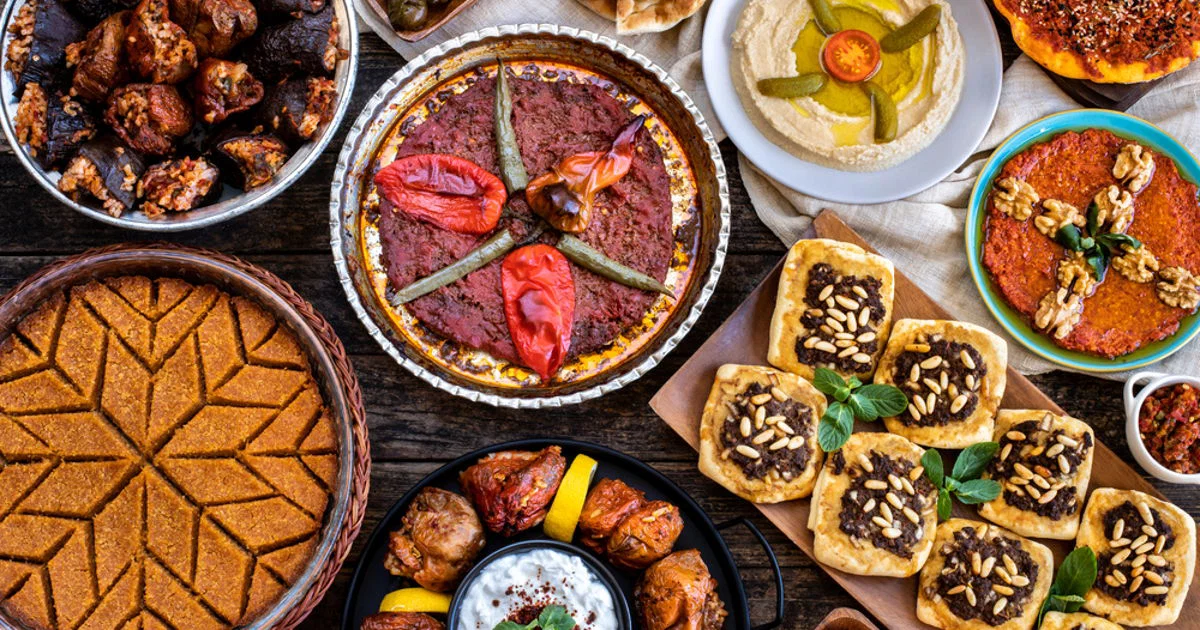
Egypt is famous for its ancient pyramids, magnificent temples, and thousands of years of history, but one of the country’s most underrated attractions is its food. For many travelers, Egyptian cuisine becomes one of the most memorable parts of their journey. Rich in flavor, deeply connected to local traditions, and influenced by centuries of cultural exchange, Egyptian food offers visitors a unique opportunity to experience the country beyond its archaeological treasures.

Food has always played an important role in Egyptian society. The fertile lands surrounding the Nile River have supported agriculture for thousands of years, allowing generations of Egyptians to develop recipes that continue to be enjoyed today. Many traditional dishes have roots that stretch back centuries, while others reflect influences from the Mediterranean, the Middle East, North Africa, and the Ottoman period. The result is a diverse and distinctive cuisine that combines simple ingredients with rich flavors and satisfying textures.

One of the most appealing aspects of Egyptian food is its accessibility. Whether dining in a traditional restaurant, visiting a local market, enjoying street food, or sharing a meal with Egyptian friends, travelers can find authentic dishes almost everywhere they go. From Cairo and Alexandria to Luxor, Aswan, and the Red Sea resorts, regional variations and local specialties provide endless opportunities for culinary discovery.

Many first-time visitors are surprised by the variety of foods available. Egyptian cuisine includes hearty vegetarian dishes, flavorful bean-based meals, grilled meats, fresh seafood, stuffed vegetables, aromatic rice dishes, homemade breads, and an impressive selection of desserts. While some dishes may appear simple at first glance, they often reflect generations of culinary tradition and local expertise.

Another reason travelers enjoy Egyptian food is its affordability. Many of the country’s most popular dishes are inexpensive yet incredibly satisfying, making it easy for visitors to sample a wide range of local specialties without significantly increasing their travel budget. Street food, in particular, offers an authentic and affordable introduction to everyday Egyptian cuisine.

Food is also closely connected to hospitality in Egypt. Visitors frequently encounter warm welcomes and generous servings, reflecting a culture that places great value on sharing meals with family, friends, and guests. Dining experiences often become opportunities to learn more about local customs and traditions while interacting with the people who make Egypt such a memorable destination.

In this guide, we explore the essential foods every first-time visitor should try during their trip to Egypt. From the country’s famous national dishes to traditional desserts and refreshing local drinks, these culinary experiences offer a delicious introduction to Egyptian culture and help create unforgettable memories long after the journey ends.

Egyptian Food Guide What to Eat During Your First Trip

1. What Makes Egyptian Food Unique?

Egyptian cuisine is unique because it reflects thousands of years of history, cultural influences, and agricultural traditions that have shaped daily life along the Nile River. Unlike many international cuisines that rely heavily on complex spices or elaborate cooking techniques, Egyptian food often focuses on simple ingredients prepared in ways that maximize flavor, nutrition, and comfort. The result is a cuisine that feels both familiar and distinctive to first-time visitors.

One of the defining characteristics of Egyptian food is its strong connection to locally grown ingredients. Staples such as beans, lentils, rice, wheat, vegetables, herbs, and legumes have formed the foundation of Egyptian cooking for centuries. These ingredients are transformed into hearty meals that remain popular across all regions of the country.

Egyptian cuisine has also been influenced by numerous civilizations throughout history. Ancient Egyptian traditions blend with Mediterranean, Middle Eastern, African, Turkish, and Arab influences to create a diverse culinary landscape. This combination of cultural influences contributes to the variety of dishes found throughout Egypt today.

Another unique aspect of Egyptian food is its accessibility. Traditional dishes are enjoyed by people from all backgrounds and can be found everywhere from family homes and local cafés to restaurants and street food stalls. Many recipes have been passed down through generations, preserving culinary traditions that remain central to Egyptian culture.

For visitors, Egyptian food offers more than just a meal. It provides insight into the country’s history, geography, and cultural identity. Every dish tells a story about the people, traditions, and ingredients that have shaped life along the Nile for thousands of years.
2. Koshari: Egypt's National Dish

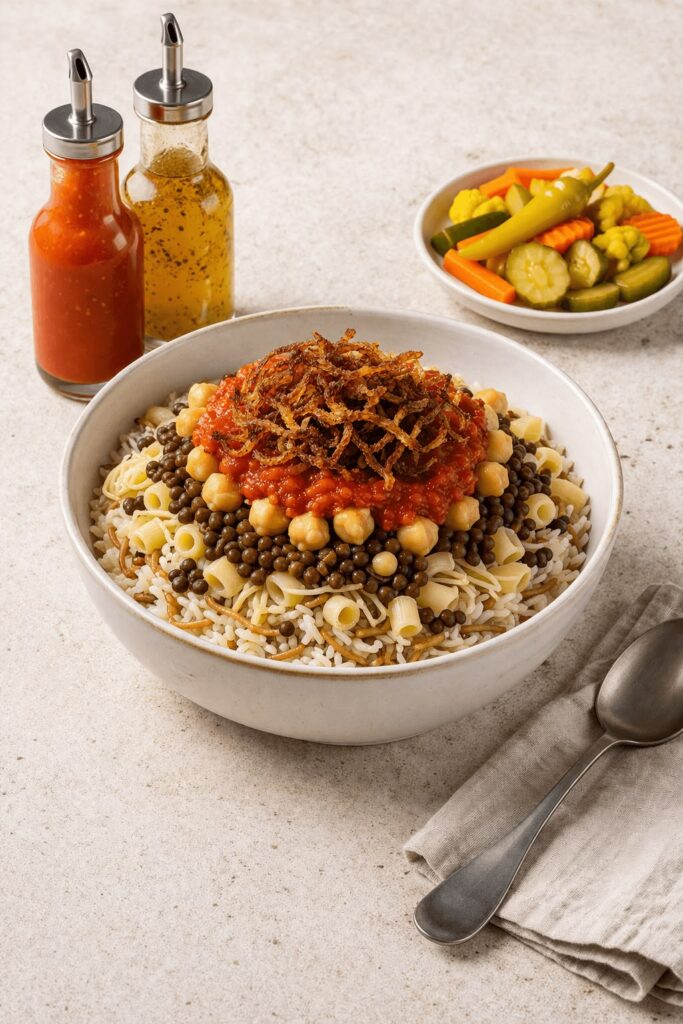
Koshari is widely regarded as Egypt’s national dish and is often the first traditional meal recommended to visitors. Found throughout the country, this hearty and affordable dish has become one of the most beloved foods in Egyptian cuisine. Although its ingredients may seem simple, the combination creates a satisfying and flavorful meal that reflects the creativity of Egyptian cooking.

The dish typically consists of rice, pasta, lentils, chickpeas, and crispy fried onions layered together and topped with a rich tomato sauce. Many restaurants also offer additional garlic vinegar sauce and spicy chili sauce, allowing diners to customize the flavor according to their preferences. The mixture of textures and flavors makes koshari both unique and memorable.

One of the reasons koshari is so popular is its affordability and availability. It is enjoyed by people from all walks of life and can be found in dedicated koshari restaurants, local eateries, and food stalls across Egypt. Despite its modest ingredients, the dish is filling and often considered one of the best examples of Egyptian comfort food.

For first-time visitors, trying koshari provides an authentic introduction to local cuisine. It is entirely different from many dishes travelers may expect to find in the Middle East and has developed into a culinary symbol of modern Egypt.

Whether enjoyed as a quick lunch or a hearty evening meal, koshari remains an essential food experience and a must-try dish during any visit to Egypt.
3. Ful Medames

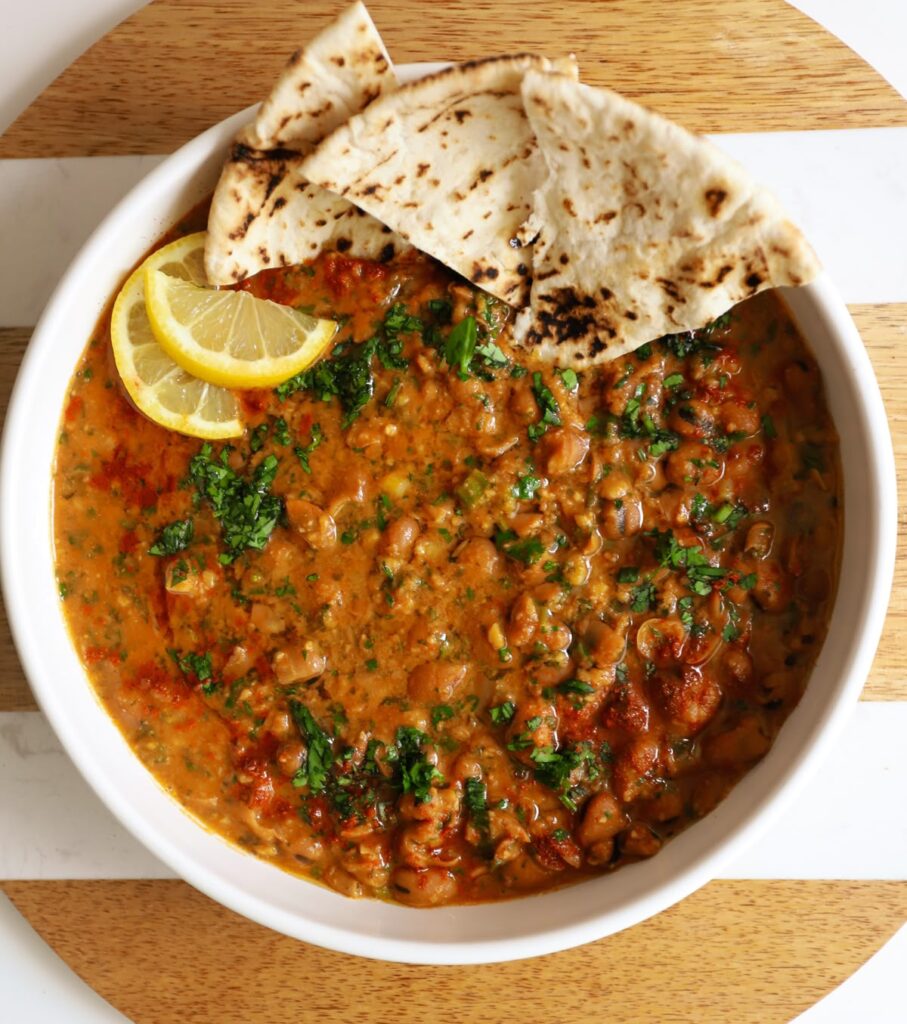
Ful Medames is one of Egypt’s oldest and most traditional dishes and has been a staple of the local diet for centuries. Often considered the country’s most popular breakfast food, this simple yet nutritious meal is deeply rooted in Egyptian culture and remains an important part of daily life throughout the country.

The dish is primarily made from slow-cooked fava beans that are seasoned with ingredients such as olive oil, lemon juice, garlic, and various herbs and spices. While the preparation may vary from one region to another, the result is a flavorful and satisfying meal that is both healthy and affordable.

Ful Medames is commonly served with fresh bread, vegetables, pickles, and other traditional side dishes. Many Egyptians begin their day with a plate of ful, making it one of the most authentic foods visitors can experience during their trip. The dish is available everywhere from street food stalls and local cafés to restaurants and hotels.

One of the reasons Ful Medames has remained popular for generations is its simplicity. The ingredients are inexpensive, widely available, and highly nutritious, making the dish accessible to people from all backgrounds. Its long history also connects modern Egyptian cuisine to traditions that stretch back thousands of years.

For first-time visitors, trying Ful Medames offers a delicious opportunity to experience one of Egypt’s most iconic foods while gaining insight into the country’s culinary heritage and everyday culture.
4. Taameya (Egyptian Falafel)

Taameya, often referred to as Egyptian falafel, is one of the most popular street foods in Egypt and a favorite among both locals and visitors. While falafel is enjoyed throughout the Middle East, the Egyptian version is unique because it is traditionally made from fava beans rather than chickpeas. This difference gives taameya a distinctive flavor, texture, and appearance that sets it apart from similar dishes found elsewhere in the region.

The preparation begins with ground fava beans mixed with fresh herbs, onions, garlic, and spices. The mixture is shaped into small patties or balls before being fried until golden and crispy on the outside while remaining soft and flavorful on the inside. Many vendors coat the exterior with sesame seeds, adding extra texture and flavor.

Taameya is commonly served as part of breakfast, although it can be enjoyed at any time of day. It is often accompanied by fresh bread, salad, tahini sauce, pickled vegetables, and other traditional side dishes. The combination creates a satisfying meal that is both affordable and nutritious.

One reason taameya remains so popular is its accessibility. Visitors can find it almost everywhere, from local cafés and restaurants to street food stalls and markets. Because it is inexpensive and widely available, it provides an excellent introduction to everyday Egyptian cuisine.

For first-time visitors, taameya offers a delicious opportunity to experience one of Egypt’s most beloved traditional foods. Its unique flavor, cultural significance, and widespread popularity make it an essential dish to try during any visit to Egypt.

5. Shawarma and Grilled Meats

Shawarma and grilled meat dishes are among the most popular foods enjoyed throughout Egypt and can be found in restaurants, cafés, and street food establishments across the country. While shawarma originated elsewhere in the Middle East, it has become a beloved part of Egyptian cuisine and is widely enjoyed by both locals and visitors.

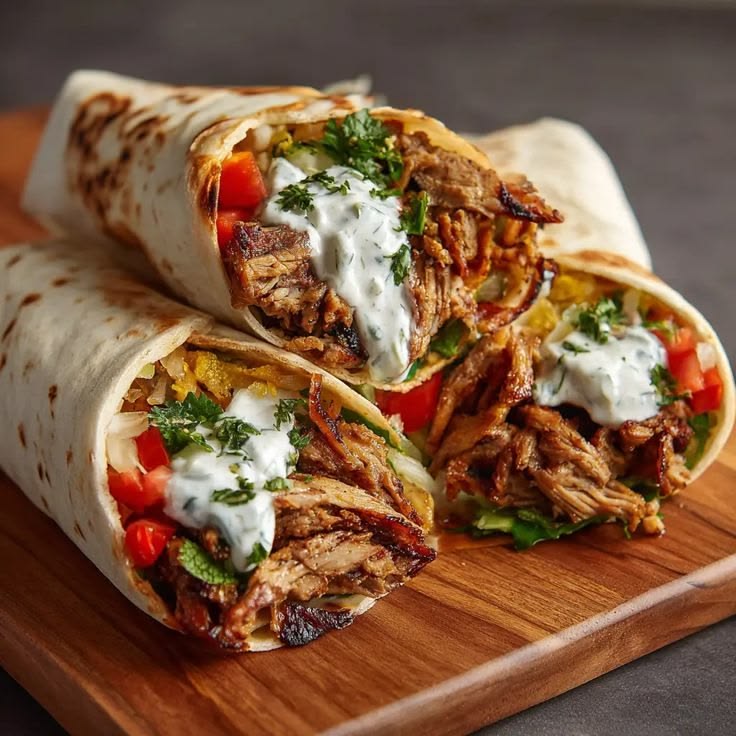
Shawarma is typically prepared by slowly roasting seasoned meat on a vertical spit. Thin slices are carved from the outer layer and served in bread or wraps with vegetables, sauces, and various accompaniments. The combination of tender meat and flavorful seasonings creates a satisfying meal that appeals to many travelers.

In addition to shawarma, Egypt is famous for its grilled meat dishes. Kebabs, kofta, and other grilled specialties are commonly served with rice, bread, salads, and traditional side dishes. These meals often highlight the simple yet flavorful cooking techniques that characterize much of Egyptian cuisine.

Many restaurants specialize in grilled meats and offer a variety of options suitable for different tastes and preferences. The dishes are commonly enjoyed during family gatherings, celebrations, and everyday meals.

For first-time visitors, trying shawarma and traditional grilled meats provides an excellent introduction to another important aspect of Egyptian food culture. These flavorful dishes remain favorites throughout the country and continue to play an important role in local dining traditions.

6. Mahshi (Stuffed Vegetables)

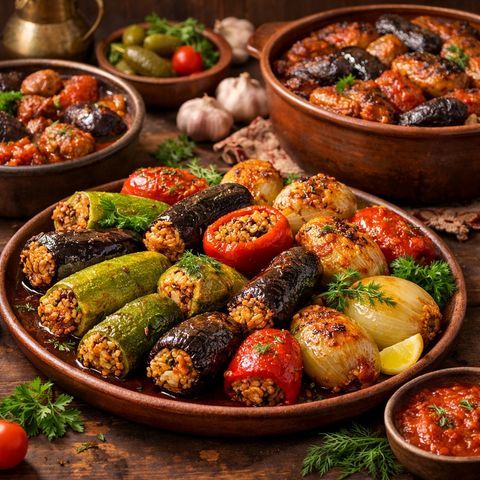
Mahshi is one of Egypt’s most beloved homemade dishes and is widely considered a comfort food enjoyed by families throughout the country. The name refers to vegetables that are carefully stuffed with a flavorful mixture of rice, herbs, spices, and other ingredients before being cooked until tender.

A variety of vegetables can be used to prepare mahshi, including zucchini, bell peppers, eggplants, cabbage leaves, and grape leaves. Each variation offers a slightly different flavor and texture while maintaining the characteristic richness that makes the dish so popular.

Preparing mahshi often requires considerable time and effort, which is one reason it is commonly associated with family meals, celebrations, and special occasions. Many recipes have been passed down through generations, making the dish an important part of Egyptian culinary heritage.

The filling is typically seasoned with fresh herbs and aromatic spices that create a distinctive flavor profile. Some versions may also include additional ingredients depending on regional traditions and family preferences.

For visitors, mahshi provides an opportunity to experience authentic Egyptian home-style cooking. The dish reflects the importance of family, hospitality, and traditional recipes within Egyptian culture. Its comforting flavors and long-standing popularity make it a memorable addition to any culinary journey through Egypt.

7. Molokhia

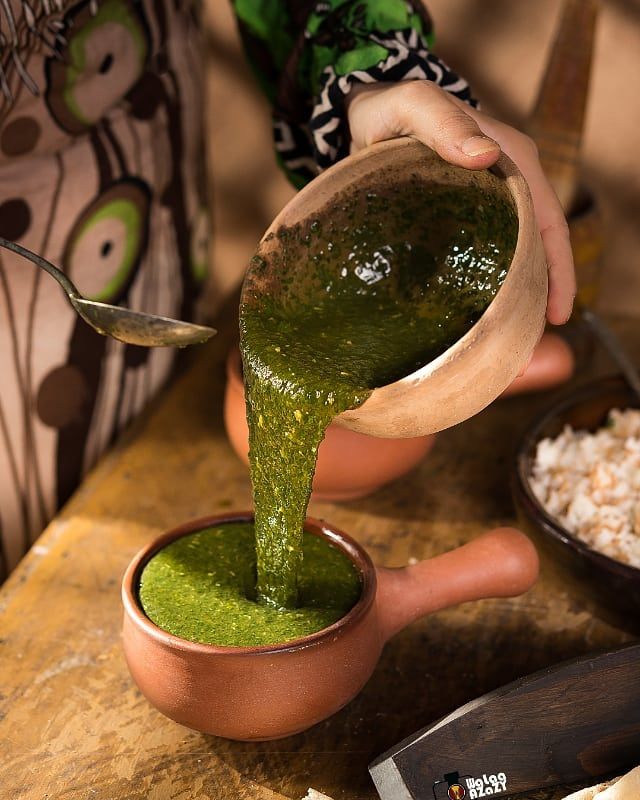
Molokhia is one of the most distinctive and traditional dishes in Egyptian cuisine and has been enjoyed for centuries. Made from finely chopped molokhia leaves, this unique green soup is considered a national favorite and remains a staple in many Egyptian households.

The dish is typically prepared by cooking the leaves in a flavorful broth that may be made with chicken, rabbit, beef, or other ingredients. Garlic, coriander, and various seasonings are often added to create the characteristic flavor that Egyptians know and love.

For first-time visitors, the texture of molokhia may be different from anything they have experienced before. However, many travelers quickly discover why the dish has remained popular for generations. When served with rice, bread, and meat, molokhia creates a hearty and satisfying meal that reflects the richness of Egyptian culinary traditions.

Molokhia is deeply connected to Egyptian culture and is commonly enjoyed during family gatherings and traditional meals. The dish is often associated with home cooking and is considered a source of comfort by many Egyptians.

Trying molokhia offers visitors the opportunity to experience one of the country’s most authentic foods. Its long history, distinctive flavor, and cultural significance make it an essential dish for travelers seeking a deeper understanding of Egyptian cuisine.

8. Fattah

Fattah is one of Egypt’s most traditional and celebratory dishes, often associated with special occasions, religious holidays, family gatherings, and festive events. Rich, flavorful, and deeply rooted in Egyptian culture, this dish has been enjoyed for generations and remains an important part of the country’s culinary heritage.

The dish is typically made using layers of crispy bread, rice, and tender meat, usually beef or lamb. These ingredients are topped with a flavorful garlic and vinegar tomato sauce that gives fattah its distinctive taste. The combination of textures and flavors creates a hearty meal that is both satisfying and memorable.

Fattah is particularly popular during major celebrations such as Eid al-Adha and other important family occasions. Because of its association with gatherings and hospitality, many Egyptians consider it a dish that brings people together around the dining table. It is often prepared in large quantities and shared among relatives and guests.

Although fattah can be found in some restaurants, it is most commonly enjoyed as a homemade meal prepared according to family traditions. Recipes may vary slightly from one household to another, with each family adding its own unique touches while preserving the essential elements of the dish.

For visitors, fattah offers an opportunity to experience a food that is closely connected to Egyptian customs and celebrations. Unlike some everyday dishes, fattah represents the festive side of Egyptian cuisine and reflects the importance of food in social and family life.

For first-time travelers seeking a deeper understanding of local culture, trying fattah is highly recommended. Its rich flavors, historical significance, and connection to Egyptian traditions make it one of the country’s most memorable culinary experiences.

9. Fresh Seafood in Egypt

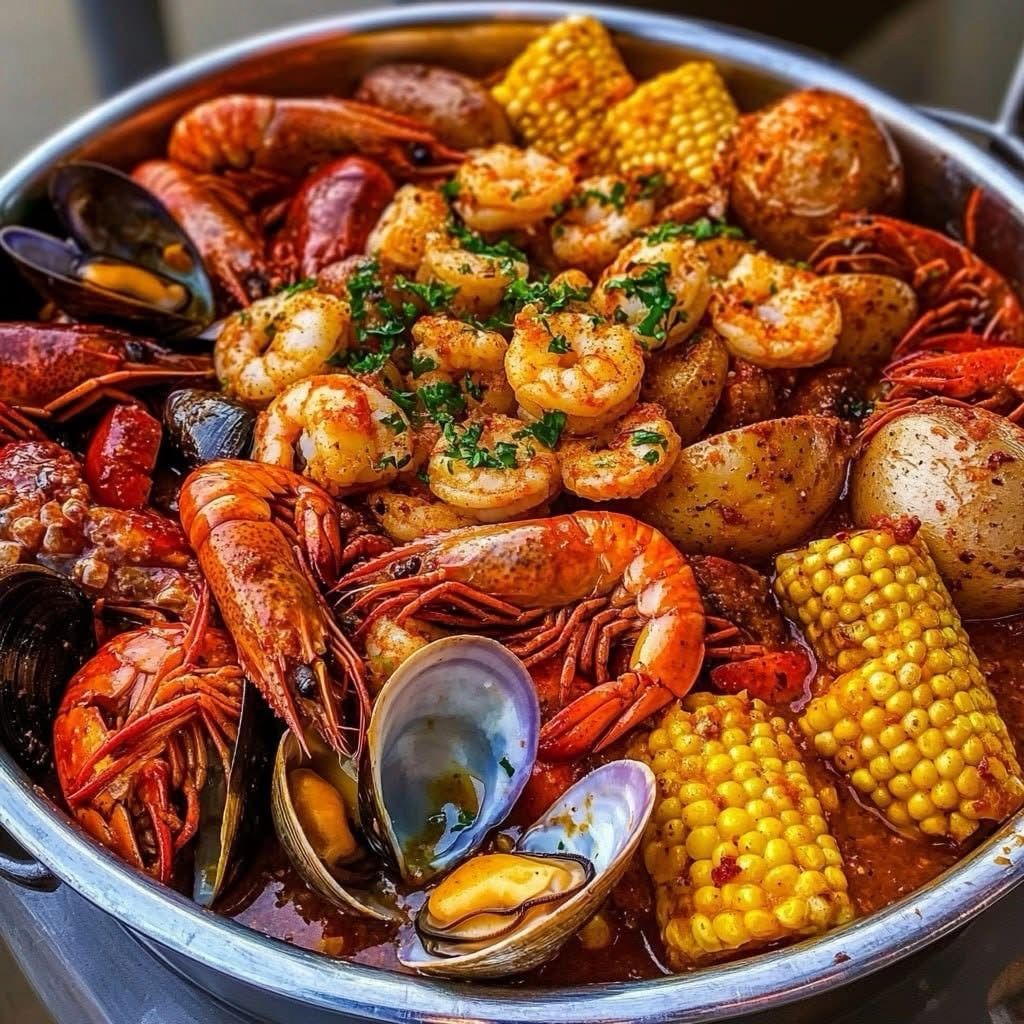
Thanks to its long coastlines along the Mediterranean Sea and the Red Sea, Egypt offers an abundance of fresh seafood that is enjoyed throughout the country. Seafood plays an especially important role in coastal cities such as Alexandria, Port Said, Suez, Hurghada, and Sharm El Sheikh, where visitors can enjoy some of the freshest fish and seafood dishes available in the region.

One of the most appealing aspects of seafood dining in Egypt is the variety of options. Restaurants commonly serve fish, shrimp, calamari, crab, lobster, and other locally sourced seafood. Many establishments allow customers to select their fish directly before it is prepared, ensuring freshness and giving diners greater control over their meal.

Egyptian seafood is often grilled, baked, fried, or cooked with flavorful herbs, garlic, lemon, and traditional spices. While recipes vary by region, the emphasis is usually on enhancing the natural flavor of the seafood rather than overpowering it with heavy sauces. This simple approach creates meals that are both delicious and satisfying.

Alexandria is particularly famous for its seafood culture and is often considered the best destination in Egypt for seafood lovers. The city’s restaurants serve a wide range of Mediterranean-inspired dishes that have become an important part of its culinary identity.

For visitors exploring the Red Sea coast, seafood is also a highlight of the local dining experience. Many resorts and restaurants offer freshly prepared seafood while providing beautiful views of the water.

For first-time travelers, trying fresh seafood in Egypt offers an excellent opportunity to experience another side of the country’s cuisine. The quality, variety, and freshness of the seafood make it a memorable part of any culinary journey through Egypt.

10. Egyptian Desserts

Egyptian cuisine is not complete without its impressive selection of traditional desserts. Influenced by centuries of cultural exchange and local culinary traditions, Egyptian sweets are known for their rich flavors, generous portions, and use of ingredients such as honey, nuts, milk, butter, and aromatic syrups.

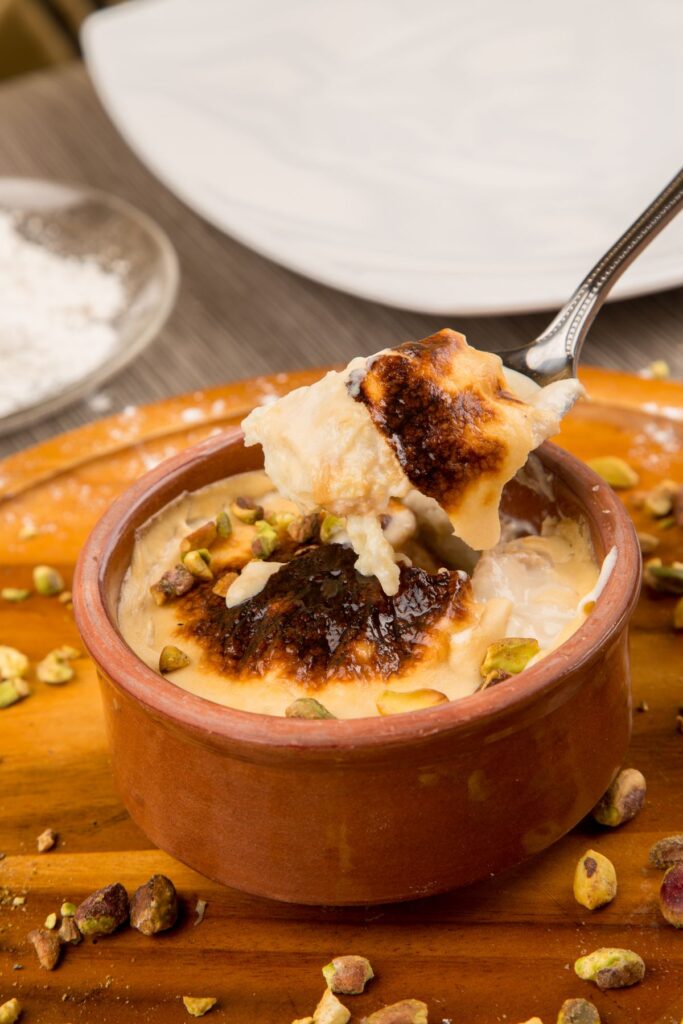
One of the most popular desserts is Om Ali, often described as Egypt’s version of bread pudding. Made with layers of pastry, milk, cream, nuts, and raisins, it is baked until golden and served warm. Many visitors consider it one of the most delicious desserts they try during their trip.

Other well-known sweets include basbousa, a semolina cake soaked in sweet syrup, and konafa, a pastry made from thin strands of dough filled with cream, nuts, or other ingredients. These desserts are especially popular during holidays, celebrations, and family gatherings.

Egyptian bakeries and dessert shops can be found throughout the country, offering visitors countless opportunities to sample traditional sweets. Many cafés also serve desserts alongside tea or coffee, creating a relaxing way to experience local culinary culture.

For first-time visitors, exploring Egyptian desserts provides a delicious introduction to the country’s sweet traditions. Their unique flavors, cultural importance, and wide availability make them an essential part of the Egyptian food experience.

11. Traditional Egyptian Drinks

In addition to its famous food, Egypt offers a variety of traditional beverages that have been enjoyed for generations. These drinks reflect local ingredients, cultural traditions, and the country’s warm climate, making them an important part of everyday life.

Tea is one of the most widely consumed beverages in Egypt and is often served throughout the day. Whether enjoyed at home, in cafés, or during social gatherings, tea plays an important role in Egyptian hospitality and daily routines. Coffee is also popular, particularly strong Turkish-style coffee that is commonly served in traditional cafés.

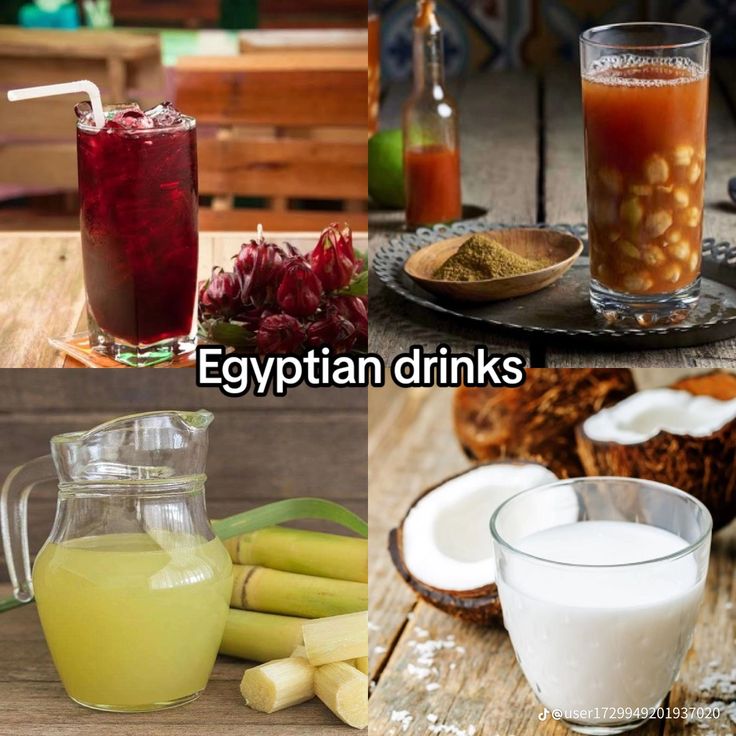
Egypt is also known for several refreshing herbal and fruit-based drinks. Hibiscus tea, known locally as karkadeh, is especially popular and can be served hot or cold. Sugarcane juice is another favorite, offering a refreshing option during hot weather. Other traditional beverages include tamarind drinks and various herbal infusions.

Fresh fruit juices are widely available throughout Egypt, particularly in local juice shops where fruits are blended and served immediately. Mango, guava, orange, and pomegranate juices are among the most popular choices.

For visitors, trying traditional Egyptian drinks provides another opportunity to experience local culture and culinary traditions. Whether relaxing in a café with tea or enjoying a cold glass of karkadeh, these beverages offer a refreshing complement to Egypt’s diverse and flavorful cuisine.

12. Conclusion: What to Eat During Your First Trip to Egypt

Egyptian cuisine is an essential part of the travel experience and offers visitors a unique way to connect with the country’s history, culture, and traditions. While Egypt is best known for its ancient monuments and archaeological treasures, many travelers discover that the food becomes one of the most memorable highlights of their journey. From simple street food to elaborate family recipes, Egyptian dishes reflect centuries of culinary heritage shaped by the Nile, local agriculture, and diverse cultural influences.

One of the greatest strengths of Egyptian food is its variety. Visitors can enjoy hearty meals such as koshari, ful medames, taameya, mahshi, molokhia, and fattah while also exploring grilled meats, fresh seafood, traditional desserts, and refreshing local drinks. Each dish offers a different perspective on Egyptian culture and provides insight into the ingredients and traditions that have influenced daily life for generations.

Another advantage for travelers is accessibility. Authentic Egyptian food can be found almost everywhere, from local cafés and street food stalls to traditional restaurants and modern dining establishments. Many of the country’s most famous dishes are affordable, making it easy for visitors to sample a wide variety of foods without significantly increasing their travel budget.

Food also plays an important role in Egyptian hospitality. Sharing meals is often considered a symbol of friendship, generosity, and community. Visitors who embrace local cuisine frequently find that dining experiences become opportunities to interact with residents, learn about traditions, and gain a deeper appreciation for everyday life in Egypt.

For first-time travelers, trying traditional Egyptian food is highly recommended. Whether enjoying a plate of koshari in Cairo, fresh seafood in Alexandria, or a glass of karkadeh in Aswan, each culinary experience adds another layer to the journey. Exploring local food not only satisfies curiosity and appetite but also helps create lasting memories that remain long after the trip has ended.

Frequently Asked Questions

Koshari is widely considered Egypt’s national dish and is one of the most popular foods among both locals and visitors.

Most traditional Egyptian dishes are flavorful rather than spicy. However, spicy sauces are often available for those who enjoy additional heat.

Vegetarians have many options, including koshari, ful medames, taameya, mahshi, and numerous vegetable-based dishes found throughout the country.

Many travelers enjoy Egyptian street food without issues. Choosing busy vendors with good food turnover and proper hygiene practices is generally recommended.

Karkadeh (hibiscus tea) is one of the most popular traditional Egyptian drinks and is commonly served both hot and cold.