
Welcome to

First Trip to Egypt Checklist: A Step-by-Step Guide for an Unforgettable Adventure

Planning your first trip to Egypt is an exciting experience. From the majestic Pyramids of Giza and the treasures of ancient temples to the crystal-clear waters of the Red Sea and the peaceful landscapes of the Western Desert, Egypt offers an incredible variety of attractions for every type of traveler. However, visiting a country with such a rich history and diverse geography requires careful preparation to ensure a smooth and enjoyable journey.

For first-time visitors, it is natural to have questions about visas, transportation, accommodation, cultural customs, safety, currency, and what to pack. Proper planning can help you avoid common travel mistakes and make the most of your time in one of the world’s most fascinating destinations. Whether you are planning a short vacation focused on Cairo and the pyramids or a longer adventure that includes Luxor, Aswan, Hurghada, Sharm El Sheikh, or Siwa Oasis, having a clear travel checklist can make the entire process much easier.

Egypt welcomes millions of visitors each year who come to explore its ancient monuments, vibrant cities, beautiful beaches, and unique cultural heritage. While the country is highly rewarding to visit, understanding the basics before you arrive can significantly improve your overall travel experience. From booking your flights and choosing the right accommodations to learning local customs and preparing for the climate, every step plays an important role in creating a successful trip.

This comprehensive step-by-step guide is designed specifically for first-time visitors to Egypt. It covers everything you need to know before departure, during your journey, and throughout your stay. By following this checklist, you can travel with confidence, focus on enjoying your adventure, and create unforgettable memories while discovering one of the most extraordinary destinations on Earth.

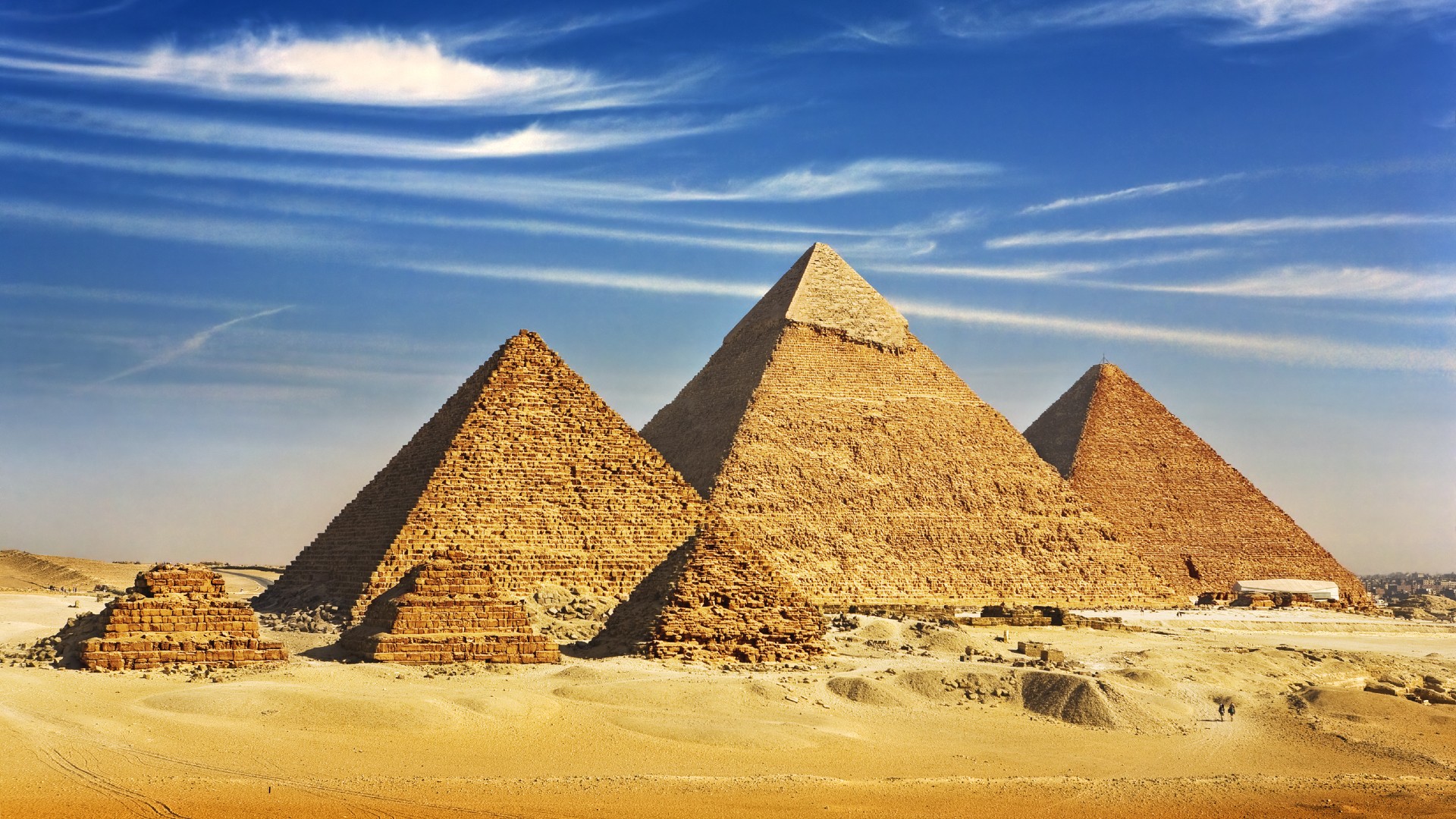
the Pyramids

1. Check Passport and Visa Requirements

Before booking your dream trip to Egypt, the first and most important step is ensuring that your passport and travel documents are in order. Many travelers focus on flights and hotels while overlooking essential entry requirements, which can lead to unnecessary stress or travel disruptions. Taking the time to verify your documents well in advance will help ensure a smooth and hassle-free journey.

Your passport should be valid for at least six months beyond your planned date of arrival in Egypt. This is a common requirement for international travelers and is strictly enforced by immigration authorities. If your passport is due to expire soon, it is highly recommended that you renew it before making any travel arrangements.

The next step is checking visa requirements based on your nationality. Egypt offers several visa options, including electronic visas (e-Visas), visas on arrival for eligible nationalities, and visas obtained through Egyptian embassies or consulates. Many travelers can conveniently apply for an e-Visa online before departure, which simplifies the arrival process and saves time at the airport.

It is also wise to keep both digital and printed copies of important travel documents, including your passport, visa, travel insurance, hotel reservations, and flight confirmations. Having backup copies can be extremely helpful in case of loss or emergencies during your trip.

Travelers should also verify any transit requirements if their journey includes connecting flights through other countries. Some destinations may have specific entry or transit regulations that need to be considered before departure.

By taking care of your passport and visa requirements early in the planning process, you can focus on the exciting aspects of your Egyptian adventure while avoiding last-minute complications. Proper preparation is the foundation of a stress-free and enjoyable travel experience.
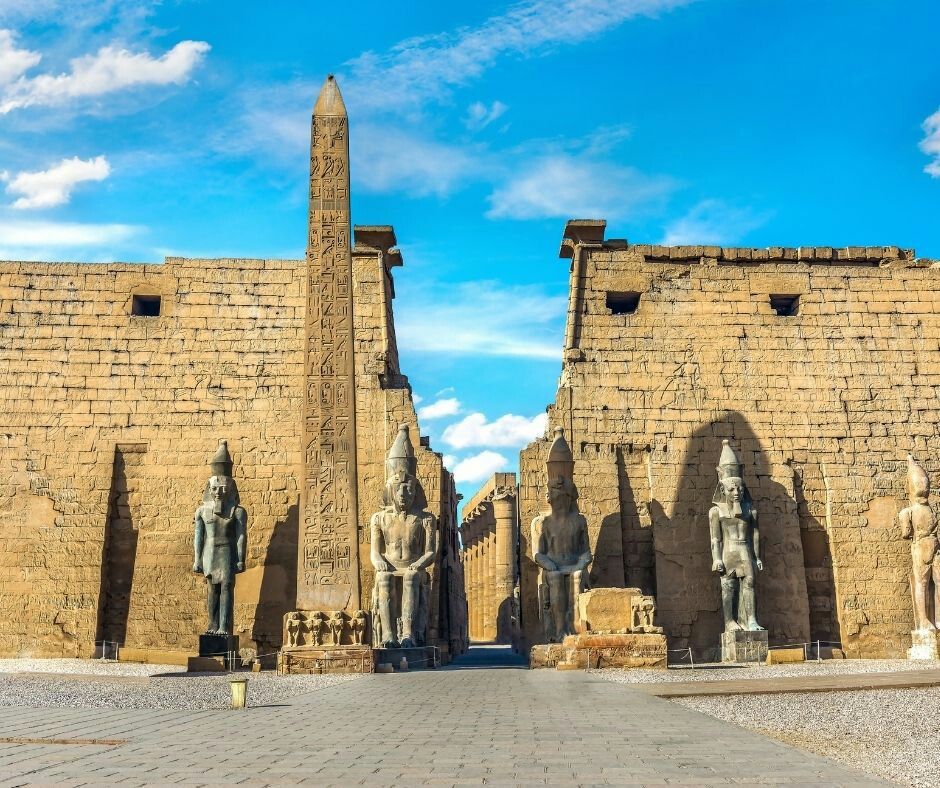
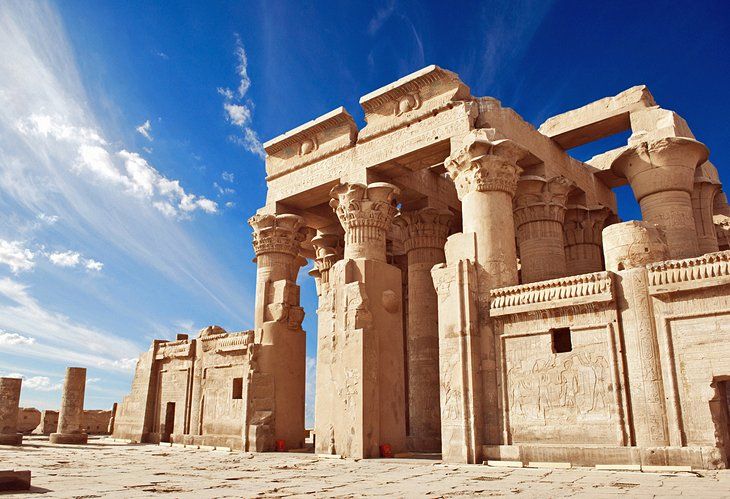
The Pylon of Ramesses II Luxor Temple

2. Choose the Best Time to Visit Egypt

Selecting the right time to visit Egypt can significantly influence your travel experience. The country offers attractions year-round, but weather conditions vary considerably depending on the season and destination. Understanding Egypt’s climate will help you plan an itinerary that matches your interests and comfort preferences.

For most travelers, the best time to visit Egypt is between October and April. During these months, temperatures are generally mild and comfortable, making sightseeing much more enjoyable. This period is particularly ideal for exploring outdoor attractions such as the Pyramids of Giza, the temples of Luxor and Aswan, and the historic streets of Cairo.

Winter months from November to February are considered the peak tourist season. Visitors can enjoy pleasant daytime temperatures and comfortable conditions for walking tours, desert excursions, and Nile cruises. However, because this is the most popular travel period, accommodations and tours may be more expensive and require advance booking.

Spring and autumn are also excellent times to visit. These shoulder seasons often offer fewer crowds while still providing favorable weather conditions. Travelers can enjoy major attractions with a more relaxed atmosphere and sometimes benefit from better travel deals.

The summer season from May to September can be extremely hot, particularly in Upper Egypt destinations such as Luxor and Aswan, where temperatures frequently exceed 40°C (104°F). However, this period can be ideal for Red Sea destinations such as Hurghada and Sharm El Sheikh, where beach vacations, snorkeling, and diving are popular activities.

Choosing the right season allows you to maximize comfort, optimize your itinerary, and fully enjoy the diverse experiences that Egypt has to offer.
3. Book Your Flights Early

One of the smartest decisions first-time travelers can make is booking flights as early as possible. Airfare often represents a significant portion of the travel budget, and securing tickets well in advance can help reduce costs while providing greater flexibility when planning your itinerary.

Egypt is served by several international airports, with Cairo International Airport being the primary gateway for most visitors. Depending on your travel plans, you may also consider flying directly to destinations such as Hurghada, Sharm El Sheikh, Luxor, or Aswan. Understanding which airport best suits your itinerary can save both time and money.

Booking flights several months before departure often provides access to better prices and a wider selection of flight schedules. Travelers visiting during peak tourist seasons, particularly between October and April, should secure flights as early as possible to avoid higher fares and limited availability.

When comparing flights, it is important to consider more than just the ticket price. Factors such as baggage allowances, layover durations, airline reputation, and arrival times can have a significant impact on the overall travel experience. Sometimes a slightly more expensive ticket offers greater convenience and value.

Travelers should also monitor airline promotions and seasonal sales. Many carriers periodically offer discounts that can result in substantial savings, especially for international routes. Flexible travel dates may provide additional opportunities to secure lower fares.

Once flights are booked, it is advisable to keep copies of all confirmations and review airline policies regarding baggage, cancellations, and schedule changes. Proper planning at this stage creates a solid foundation for the rest of your trip and helps ensure a smooth arrival in Egypt.

By securing your flights early, you can focus on the exciting details of your itinerary while enjoying greater peace of mind and potentially significant savings.
4. Plan Your Egypt Itinerary

Creating a well-organized itinerary is one of the most important steps when planning your first trip to Egypt. The country is filled with incredible attractions spread across different regions, and without proper planning, it can be easy to miss some of its most remarkable experiences. A carefully designed itinerary helps maximize your time, manage your budget, and ensure that you enjoy a balanced combination of history, culture, adventure, and relaxation.

The first step is deciding how many days you will spend in Egypt. Travelers visiting for one week often focus on Cairo, Giza, and either Luxor or a Red Sea destination. Those with ten days to two weeks can explore a wider range of attractions, including Aswan, Abu Simbel, Hurghada, Sharm El Sheikh, or Siwa Oasis. Longer trips allow for a more comprehensive exploration of Egypt’s diverse landscapes and cultural treasures.

Cairo is usually the starting point for most visitors and offers world-famous attractions such as the Pyramids of Giza, the Sphinx, the Grand Egyptian Museum, and historic Islamic Cairo. From there, many travelers continue south to Luxor and Aswan, where some of Ancient Egypt’s most impressive temples and tombs can be found.

If relaxation is part of your travel plans, consider including a few days on the Red Sea coast. Destinations such as Hurghada and Sharm El Sheikh offer beautiful beaches, snorkeling, diving, and luxury resorts. Adventure seekers may also choose to explore Siwa Oasis, the White Desert, or other unique destinations in Egypt’s Western Desert.

When planning your itinerary, it is important to avoid overloading your schedule. Allowing time for rest, spontaneous exploration, and local experiences often leads to a more enjoyable and memorable trip. A balanced itinerary helps ensure that your first visit to Egypt is both exciting and comfortable, giving you the opportunity to fully appreciate one of the world’s most fascinating travel destinations.

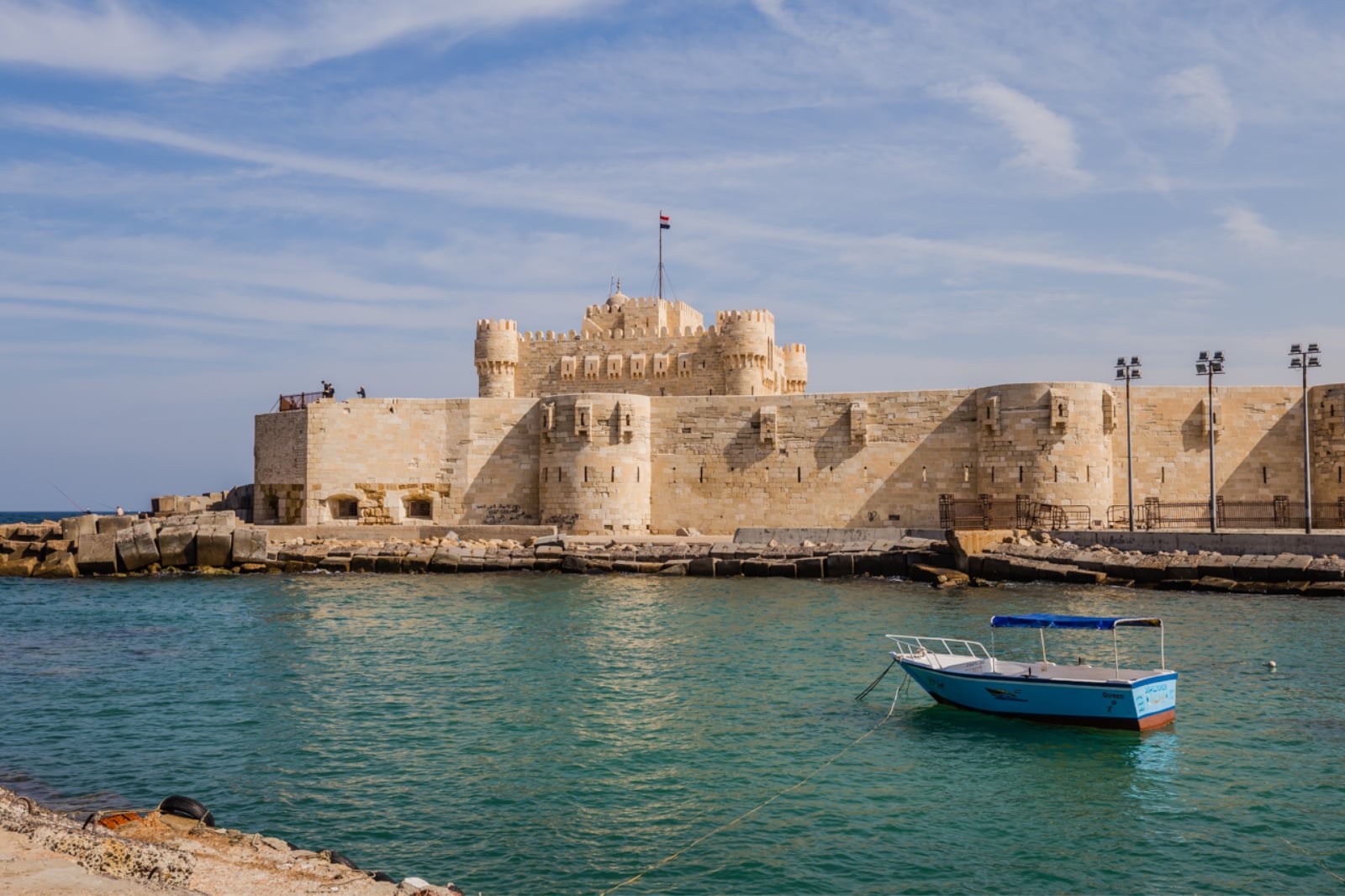
Alexandria Corniche

5. Choose the Right Accommodation

Selecting the right accommodation can have a major impact on your overall travel experience in Egypt. Fortunately, the country offers a wide range of options to suit every budget and travel style, from luxury resorts and international hotel chains to boutique hotels, eco-lodges, and budget-friendly guesthouses. Choosing accommodations that match your interests and itinerary will help ensure a comfortable and enjoyable stay.

When deciding where to stay, location should be one of your top priorities. In Cairo, many travelers prefer hotels near the Pyramids of Giza for spectacular views and easy access to the ancient monuments, while others choose accommodations in central Cairo to be closer to museums, restaurants, and shopping areas. In Luxor and Aswan, hotels along the Nile River often provide beautiful scenery and convenient access to major archaeological sites.

Travelers visiting the Red Sea coast can choose from a variety of beachfront resorts in destinations such as Hurghada and Sharm El Sheikh. These properties often offer all-inclusive packages, private beaches, water sports, and family-friendly facilities. Meanwhile, visitors exploring Siwa Oasis may prefer eco-lodges and traditional accommodations that provide a more authentic cultural experience.

Reading recent reviews, checking amenities, and comparing locations can help you make informed decisions. Booking accommodations well in advance is especially important during peak travel seasons when the most popular hotels can fill quickly.

The right accommodation provides more than just a place to sleep—it becomes an important part of your Egyptian adventure and contributes to the overall quality of your trip.

6. Arrange Airport Transfers and Transportation

Planning transportation before arriving in Egypt can save valuable time and reduce travel-related stress. While Egypt offers a variety of transportation options, understanding how you will move between airports, hotels, and attractions helps create a smoother and more enjoyable travel experience.

Airport transfers are often the first transportation decision travelers face. Many hotels offer private pickup services, which can provide convenience and peace of mind, especially for first-time visitors arriving after long international flights. Private transfers eliminate the need to negotiate transportation immediately upon arrival and help ensure a comfortable journey to your accommodation.

For travel between major cities, Egypt offers several transportation options. Domestic flights are the fastest choice for routes such as Cairo to Luxor, Aswan, Hurghada, or Sharm El Sheikh. Trains provide another popular option, particularly for travel between Cairo, Luxor, and Aswan. Many visitors also enjoy taking a Nile cruise, which combines transportation with sightseeing and relaxation.

Within cities, taxis, ride-hailing services, and private tours are widely available. Guided tours often include transportation to major attractions, making sightseeing more convenient and efficient. Travelers who prefer flexibility may choose private drivers for day trips and excursions.

Planning transportation in advance allows you to spend less time worrying about logistics and more time enjoying Egypt’s incredible attractions. A well-organized transportation strategy contributes significantly to a smooth and memorable journey.

7. Pack Smart for Egypt’s Climate

Packing appropriately is essential for a successful trip to Egypt. The country’s climate varies depending on the region and season, but visitors should generally expect plenty of sunshine, warm temperatures, and significant outdoor sightseeing. Bringing the right items will help ensure comfort while exploring Egypt’s historical sites, beaches, deserts, and cities.

Lightweight, breathable clothing is recommended for most of the year. Cotton and moisture-wicking fabrics are ideal for staying comfortable during warm days. However, travelers visiting during winter months may want to pack a light jacket or sweater for cooler evenings, particularly in desert areas and during Nile cruises.

Comfortable walking shoes are among the most important items to bring. Many of Egypt’s most famous attractions involve extensive walking, including archaeological sites, temples, tombs, museums, and historic districts. Proper footwear helps make long sightseeing days much more enjoyable.

Sun protection is equally important. Sunscreen, sunglasses, a wide-brimmed hat, and a reusable water bottle can help protect against the strong Egyptian sun. Travelers planning desert excursions should pay particular attention to hydration and sun safety.

Additional useful items include travel adapters, portable chargers, basic medications, copies of important documents, and a small daypack for daily excursions. Swimsuits are essential for visitors planning to enjoy the Red Sea, hotel pools, natural springs, or the famous Salt Lakes of Siwa.

Packing thoughtfully allows travelers to remain comfortable and prepared throughout their journey. With the right essentials in your luggage, you can focus on enjoying Egypt’s extraordinary history, culture, and natural beauty without unnecessary inconvenience.

8. Understand Egyptian Currency and Payment Methods

Understanding how money works in Egypt is an important part of preparing for your first visit. While many tourist areas are well-equipped to serve international travelers, knowing how to manage currency, payments, and everyday expenses can help you avoid confusion and enjoy a smoother travel experience throughout your journey.

The official currency of Egypt is the Egyptian Pound (EGP). Although some hotels, tour operators, and tourist-oriented businesses may accept major foreign currencies such as US Dollars, Euros, or British Pounds, most daily transactions are conducted in Egyptian Pounds. Having local currency available is especially useful when shopping in local markets, purchasing snacks, using transportation services, or tipping service providers.

Credit and debit cards are widely accepted in major hotels, restaurants, shopping centers, and tourist establishments in cities such as Cairo, Luxor, Aswan, Hurghada, and Sharm El Sheikh. However, smaller shops, local cafés, street vendors, and some attractions may prefer cash payments. For this reason, carrying a reasonable amount of local currency is always recommended.

ATMs are available throughout Egypt and can be found in airports, banks, shopping malls, and tourist districts. Many travelers choose to withdraw Egyptian Pounds after arrival rather than carrying large amounts of cash from home. Before traveling, it is a good idea to notify your bank about your trip to prevent any issues with international card usage.

Tipping, commonly known as “baksheesh,” is an important part of Egyptian culture and is often expected for good service. Small tips are frequently given to hotel staff, guides, drivers, restaurant employees, and other service providers. Having smaller denominations available can be very helpful for these situations.

By familiarizing yourself with Egypt’s currency and payment practices before your trip, you can manage your budget more effectively and focus on enjoying the incredible experiences that await you throughout the country.

Private Yacht Tours

9. Learn Basic Egyptian Customs and Etiquette

One of the best ways to enhance your travel experience in Egypt is by understanding and respecting local customs and cultural traditions. Egyptians are widely known for their hospitality, friendliness, and welcoming nature, and showing respect for local etiquette can help create positive interactions throughout your journey.

Greetings are an important part of Egyptian culture. A simple smile, friendly attitude, and polite greeting can go a long way when interacting with locals. While English is commonly spoken in tourist areas, learning a few basic Arabic phrases such as “Shukran” (Thank you) and “Salam Alaikum” (Peace be upon you) is often appreciated and can help build rapport.

Dress modestly when visiting religious sites, traditional communities, and rural areas. While tourist destinations are generally relaxed, conservative clothing demonstrates respect for local customs and can make visitors feel more comfortable in various settings. Women may wish to carry a light scarf when visiting mosques.

Photography is usually welcomed at tourist attractions, but it is always polite to ask permission before photographing people, especially in villages and local communities. Some religious or government-related locations may also have photography restrictions.

Respecting cultural traditions, being patient, and maintaining a friendly attitude will help travelers enjoy authentic experiences and meaningful connections with the people they meet. Understanding local etiquette is not only courteous but also contributes to a richer and more rewarding visit to Egypt.

10. Stay Safe and Healthy During Your Trip

Egypt is one of the world’s most popular travel destinations and welcomes millions of visitors every year. Like any international destination, practicing common-sense safety measures and maintaining good health habits can help ensure a smooth and enjoyable trip.

Travel insurance is highly recommended before departure. Comprehensive coverage can provide peace of mind by protecting against unexpected situations such as medical emergencies, trip cancellations, lost luggage, or travel delays. Having a copy of your insurance information readily available is always a good idea.

Staying hydrated is particularly important in Egypt’s warm climate. Travelers should drink plenty of water throughout the day, especially when visiting archaeological sites, participating in desert excursions, or spending extended periods outdoors. Sunscreen, sunglasses, and hats can also help protect against strong sunlight.

It is wise to keep valuables secure and remain aware of your surroundings in crowded areas, just as you would in any major tourist destination. Using hotel safes for passports, extra cash, and important documents can provide additional security.

When participating in activities such as desert safaris, diving trips, Nile cruises, or adventure excursions, travelers should always follow the instructions of qualified guides and tour operators. Choosing reputable companies helps ensure both safety and quality experiences.

With proper preparation and responsible travel habits, visitors can confidently enjoy Egypt’s incredible historical sites, vibrant culture, beautiful coastlines, and unforgettable adventures.

11. Must-Have Apps and Travel Essentials for Egypt

Modern technology can make traveling in Egypt significantly easier and more convenient. Before departure, travelers should consider downloading several useful apps and preparing essential items that can help simplify navigation, communication, transportation, and daily travel activities.

Navigation apps are among the most valuable travel tools. GPS-based maps help visitors navigate cities, locate attractions, and estimate travel times. Downloading offline maps before arrival can be particularly useful when internet access is limited or unavailable.

Translation apps can also be helpful, especially when interacting with people outside major tourist areas. While many Egyptians working in tourism speak English, having a translation tool available can improve communication and enhance cultural interactions.

Ride-hailing and transportation apps provide convenient ways to arrange transportation in major cities. These services often offer transparent pricing and can help travelers move around comfortably without language barriers or fare negotiations.

Portable chargers are another essential travel item. Long sightseeing days, photography sessions, and frequent map usage can quickly drain smartphone batteries. A reliable power bank helps ensure that important devices remain charged throughout the day.

Other useful travel essentials include travel adapters, reusable water bottles, lightweight backpacks, copies of important documents, and any personal medications you may require. Having these items readily available can improve comfort and reduce unnecessary stress during your journey.

Combining practical travel tools with thoughtful preparation allows first-time visitors to navigate Egypt with confidence while focusing on enjoying the country’s incredible attractions and experiences.

12. Final Pre-Departure Checklist for Your First Trip to Egypt

As your departure date approaches, taking the time to complete a final travel checklist can help ensure a smooth, stress-free, and enjoyable journey. While the excitement of visiting Egypt may be building, reviewing all essential preparations before leaving home can prevent common travel issues and allow you to focus entirely on the adventure ahead.

Start by confirming that all travel documents are ready and easily accessible. Double-check your passport validity, visa requirements, flight tickets, hotel reservations, travel insurance details, and any tour confirmations you may have booked. Keeping both printed and digital copies of these documents is highly recommended for added security and convenience.

Next, review your packing list to ensure you have all necessary items. Verify that you have appropriate clothing for Egypt’s climate, comfortable walking shoes, personal medications, travel adapters, chargers, and any other essentials required for your itinerary. If your trip includes activities such as desert safaris, Red Sea excursions, or Nile cruises, make sure you have packed accordingly.

It is also a good idea to check your financial preparations before departure. Notify your bank about your international travel plans, confirm that your payment cards will work abroad, and prepare a reasonable amount of cash for initial expenses upon arrival. Familiarizing yourself with exchange rates and local payment methods can help avoid unnecessary complications during your trip.

Technology preparations should not be overlooked. Download useful travel apps, save important contact information, and ensure your phone is fully updated and ready for international use. Offline maps, translation tools, and transportation apps can prove especially helpful once you arrive in Egypt.

Finally, take a moment to review your itinerary, transportation arrangements, and arrival plans. Knowing what to expect upon landing can reduce stress and help you start your journey with confidence.

By completing this final checklist, you will be fully prepared to enjoy Egypt’s ancient wonders, vibrant culture, breathtaking landscapes, and unforgettable experiences. With careful planning and a positive attitude, your first trip to Egypt is sure to become a memorable adventure that lasts a lifetime.

First Trip to Egypt: Frequently Asked Questions

Yes, Egypt is an excellent destination for first-time international travelers. The country offers a wide range of attractions, established tourism infrastructure, guided tours, and welcoming hospitality, making it easy for visitors to explore its historical, cultural, and natural treasures.

A trip of 7 to 10 days is ideal for first-time visitors. This allows enough time to explore Cairo, the Pyramids of Giza, Luxor, and either Aswan or a Red Sea destination such as Hurghada or Sharm El Sheikh.

Travelers should pack lightweight clothing, comfortable walking shoes, sunscreen, sunglasses, a hat, travel adapters, personal medications, and a reusable water bottle. A light jacket may also be useful during winter evenings.

Both cash and cards are useful. Credit cards are widely accepted in hotels, restaurants, and major tourist establishments, while cash is often preferred for local markets, small shops, transportation, and tipping.

The most important tip is to plan ahead while remaining flexible. Organizing your documents, accommodations, transportation, and itinerary in advance will help ensure a smooth trip, while allowing time for spontaneous experiences will make your journey even more memorable.