
Welcome to

How to Avoid Tourist Scams in Egypt

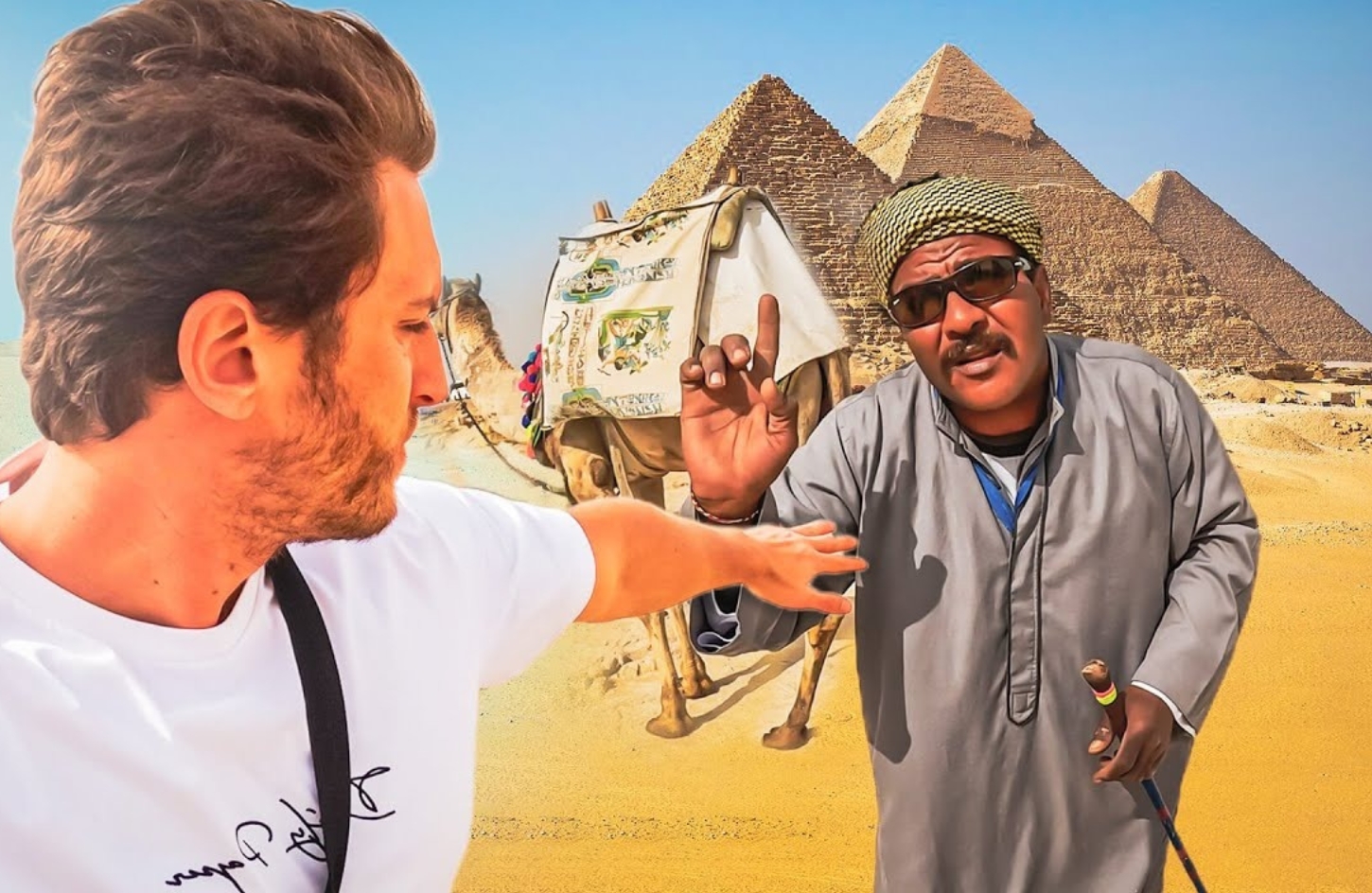
Egypt is one of the world’s most exciting travel destinations, welcoming millions of visitors each year who come to explore its ancient monuments, vibrant cities, beautiful beaches, and rich cultural heritage. Like many popular tourist destinations around the world, however, Egypt also has occasional tourist scams and aggressive sales tactics that travelers should be aware of. Understanding these situations before your trip can help you avoid unnecessary stress and enjoy a smoother travel experience.

It is important to emphasize that the vast majority of Egyptians are friendly, welcoming, and genuinely helpful toward visitors. Most interactions tourists have during their stay are positive and memorable. However, in heavily visited tourist areas such as Cairo, Giza, Luxor, Aswan, and certain markets, some individuals may attempt to take advantage of inexperienced travelers through misleading information, inflated prices, or unwanted services.

Many common tourist scams are not unique to Egypt. Similar situations occur in famous destinations around the world where tourism plays an important role in the local economy. Fortunately, most scams can be avoided through simple awareness, preparation, and confidence. Travelers who understand how these situations typically work are far less likely to become targets.

Common issues may include unofficial guides offering services without authorization, pressure to purchase souvenirs, taxi fare misunderstandings, requests for excessive tips, misleading offers of assistance, or claims that certain attractions are closed when they are actually open. While these situations can be frustrating, they are usually easy to avoid once travelers know what to expect.

The goal is not to become suspicious of everyone you meet but rather to travel with realistic expectations and basic awareness. Most visitors who prepare in advance find that they encounter few problems and enjoy a wonderful experience throughout their journey.

In this guide, we examine the most common tourist scams in Egypt, explain how they work, and provide practical advice for avoiding them. By following a few simple precautions, travelers can focus on enjoying Egypt’s incredible history, culture, and hospitality while minimizing unnecessary complications.

How to Avoid Tourist Scams in Egypt

1. Are Tourist Scams Common in Egypt?

One of the first questions many travelers ask before visiting Egypt is whether tourist scams are common. The reality is that while scams and aggressive sales tactics do exist in some tourist areas, most visitors enjoy their trip without experiencing any serious problems. Egypt welcomes millions of international travelers every year, and the vast majority of interactions tourists have with local people are positive, friendly, and helpful.

Like many popular tourist destinations around the world, Egypt has certain areas where visitors may encounter individuals attempting to earn money through unofficial services, inflated prices, or misleading information. These situations are most likely to occur near major attractions, transportation hubs, busy markets, and heavily visited tourist sites.

It is important to understand that most of these situations involve inconvenience rather than serious criminal activity. Travelers who remain aware of common tactics, ask questions, and make informed decisions can usually avoid problems with ease. Confidence, preparation, and a basic understanding of local customs often make a significant difference.

Rather than creating fear, awareness helps travelers recognize potential issues before they occur. Most scams rely on confusion, pressure, or lack of information. Visitors who understand how common tourist scams operate are far less likely to become targets.

For most travelers, Egypt remains a welcoming destination where positive experiences greatly outweigh occasional inconveniences. A little preparation goes a long way toward ensuring a smooth and enjoyable trip.
 

Can You Visit Egypt Independently or Should You Book a Tour?

2. Fake Tour Guides

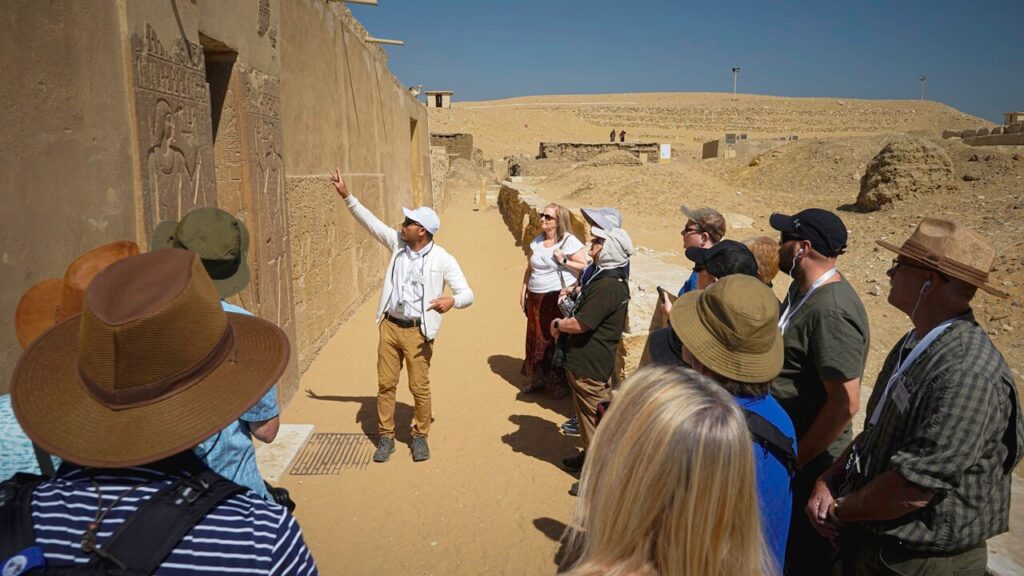
One of the most common situations tourists may encounter in Egypt involves unofficial or unlicensed individuals offering guiding services near major attractions. These individuals often approach visitors near sites such as the Pyramids of Giza, Luxor Temple, Karnak Temple, or other popular landmarks and claim to be professional guides.

In some cases, they may offer historical explanations, assistance with tickets, or help navigating the site. While some may possess basic knowledge, they are often not licensed guides and may ultimately request unexpectedly large payments for their services. Others may attempt to lead visitors toward specific shops or businesses where they receive commissions.

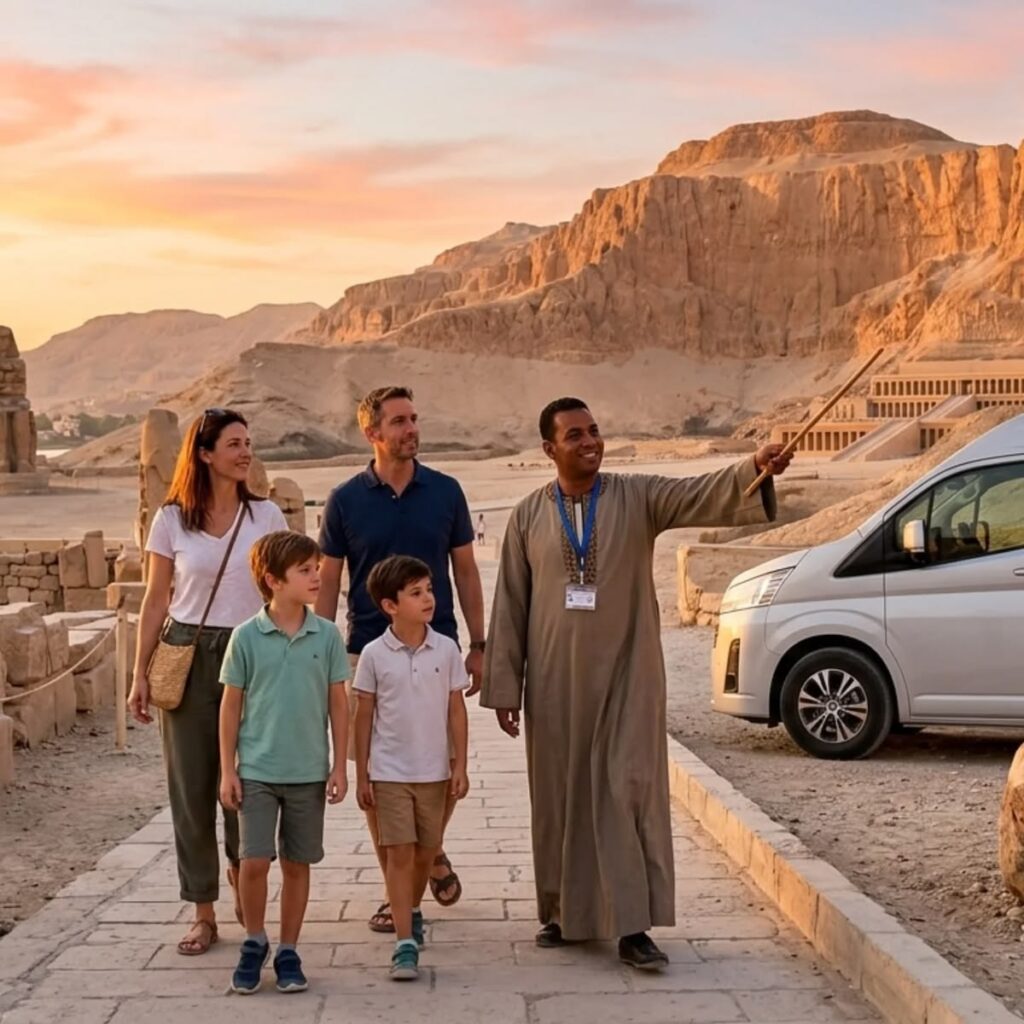
The simplest way to avoid this situation is to book guides through reputable tour operators, hotels, or licensed tourism companies. Professional Egyptologist guides typically carry official identification and provide a much higher level of expertise and professionalism.

Travelers should also be cautious when approached by individuals offering unsolicited assistance. Politely declining and continuing on your way is usually the easiest response. Visitors who genuinely want a guide should arrange services in advance whenever possible.

By choosing licensed professionals and avoiding unofficial offers, travelers can enjoy accurate historical information, transparent pricing, and a more rewarding sightseeing experience.

3. Taxi Fare Scams

Transportation misunderstandings are among the most common issues travelers encounter in many countries, and Egypt is no exception. Taxi-related problems typically involve fare disputes, unclear pricing, or misunderstandings about the final cost of a journey.

Some drivers may quote a low fare initially and then request a higher amount upon arrival. Others may avoid discussing the price beforehand, creating confusion once the trip has ended. These situations are more likely to affect visitors who are unfamiliar with local transportation practices.

One of the easiest ways to avoid fare-related problems is to use ride-hailing applications whenever available. These services provide fare estimates in advance, route tracking, and transparent pricing that significantly reduce misunderstandings.

When using traditional taxis, travelers should discuss the fare before starting the journey if a meter is not being used. Confirming the price clearly and politely helps establish expectations and prevents disputes later.

Visitors should also carry small denominations of local currency whenever possible. This makes payment easier and reduces complications related to change. Remaining calm, respectful, and confident is often the best approach if any misunderstanding occurs.

With a little preparation and awareness, taxis can be a convenient way to travel throughout Egypt while avoiding unnecessary complications.
4. Overpriced Souvenirs

should exercise a little caution. In popular tourist destinations such as Cairo, Giza, Luxor, Aswan, and major markets, some vendors may initially quote prices that are significantly higher than what they expect to receive. This practice is common in many tourist destinations around the world and is often part of the bargaining culture rather than an attempt at outright fraud.

Many first-time visitors are unfamiliar with local pricing and may assume that the first price offered is fixed. In reality, negotiation is often expected in traditional markets and souvenir shops. Vendors frequently leave room for bargaining, and prices can vary depending on the location, product, and customer.

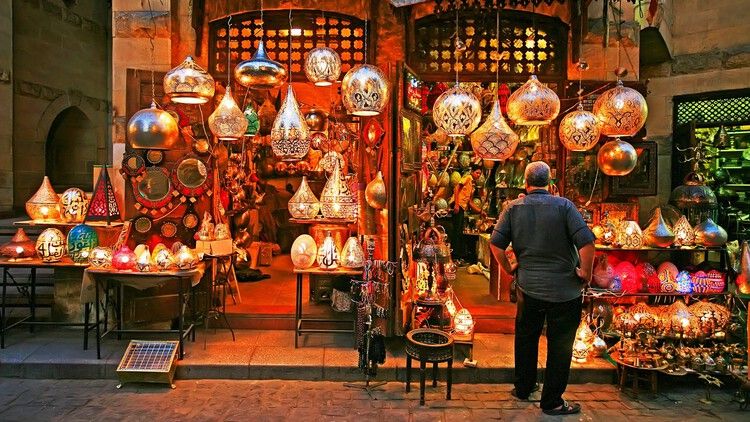
Travelers can reduce the risk of overpaying by comparing prices at multiple shops before making a purchase. Taking time to browse different stores provides a better understanding of the market value of common souvenirs such as papyrus artwork, scarves, jewelry, spices, alabaster products, and decorative items.

Another useful strategy is to approach shopping with patience and a sense of humor. Polite negotiation is often viewed as a normal part of the experience and can be enjoyable when handled respectfully. Visitors should never feel pressured to buy something simply because a conversation has started.

It is also wise to purchase souvenirs from reputable shops, museum stores, established businesses, and trusted vendors whenever possible. These locations often provide more transparent pricing and higher-quality products.

By understanding local shopping customs, comparing prices, and negotiating respectfully, travelers can enjoy the experience of shopping in Egypt while avoiding overpriced purchases and unnecessary frustration.

How to Choose the Best Tour Guide in Egypt pyramids

5. Unofficial Ticket Sellers

One scam that occasionally targets tourists near major attractions involves unofficial ticket sellers. These individuals may approach visitors outside archaeological sites, museums, transportation hubs, or tourist areas and claim they can provide discounted tickets, faster entry, or special access to attractions.

In reality, these tickets may be invalid, overpriced, or entirely fraudulent. In some cases, travelers only discover the problem after reaching the entrance and being denied access. Others may end up paying more than the official ticket price without receiving any real benefit.

The safest way to avoid this situation is to purchase tickets only through official ticket offices, authorized websites, licensed tour operators, or reputable travel providers. Travelers should be cautious of anyone approaching them unexpectedly with offers that seem unusually convenient or significantly cheaper than standard prices.

Visitors should also avoid handing over passports, personal information, or money to individuals who cannot clearly demonstrate official authorization. If uncertain, travelers can ask attraction staff or tourism officials for guidance before making a purchase.

By relying on official sources and avoiding unsolicited offers, visitors can protect themselves from ticket-related scams and enjoy a smoother sightseeing experience.


How to Choose the Best Tour Guide in Egypt pyramidss

6. Excessive Tipping Requests

Tipping, commonly known as “baksheesh,” is a normal part of daily life in Egypt and an accepted way of showing appreciation for good service. However, some travelers occasionally encounter situations where individuals request tips for minor assistance, unsolicited help, or services they did not specifically ask for.

Examples may include someone offering directions, taking a photograph, pointing out an attraction, or providing assistance that was never requested. Afterward, the individual may expect a payment or tip in return. While these situations are generally more annoying than serious, they can make some visitors feel uncomfortable if they are unprepared.

The best way to handle these situations is politely but confidently. Travelers should feel comfortable declining services they do not want and should not assume that every offer of assistance is free. A simple and respectful refusal is usually sufficient.

When tipping is appropriate, carrying small denomination Egyptian Pound notes can make the process easier. Travelers who understand local tipping customs are often better able to distinguish between reasonable gratuities and excessive requests.

Awareness, confidence, and polite communication are usually all that is needed to manage tipping situations effectively during a visit to Egypt.

7. The "Attraction Is Closed" Scam

One of the most common tourist scams found in destinations around the world is the “attraction is closed” scam, and it occasionally appears in some tourist areas of Egypt. In this situation, an individual approaches visitors and claims that a museum, temple, market, or attraction is closed for the day, undergoing maintenance, or unavailable to visitors.

The goal is often to redirect tourists toward a different attraction, souvenir shop, transportation service, or guided tour where the individual may receive a commission or payment. Travelers who trust the information without verification can sometimes miss the opportunity to visit the attraction they originally intended to see.

The simplest way to avoid this scam is to verify information through official sources. Attraction entrances, ticket offices, hotel staff, licensed guides, and official tourism websites are generally reliable sources of information regarding opening hours and access conditions.

Visitors should be cautious when receiving unexpected advice from strangers, particularly if they are immediately encouraged to visit another location instead. Taking a moment to confirm the information independently can prevent misunderstandings and ensure that sightseeing plans remain on track.

Most major attractions in Egypt clearly display operating hours and visitor information. By relying on official sources rather than unsolicited advice, travelers can avoid this common scam and enjoy a more confident and stress-free experience.

8. Camel and Horse Ride Scams

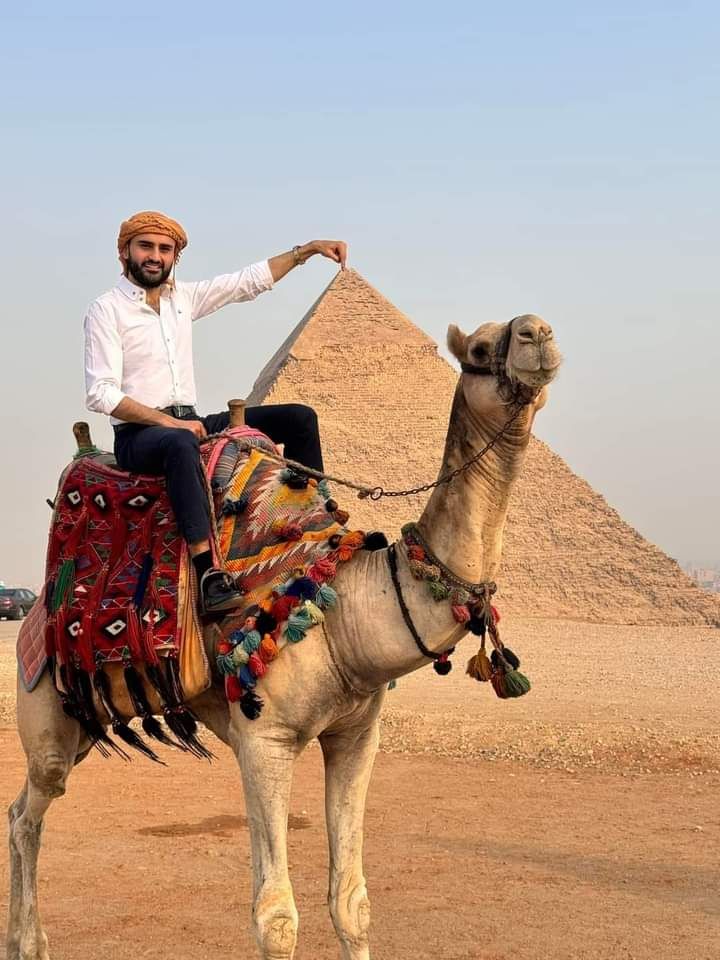
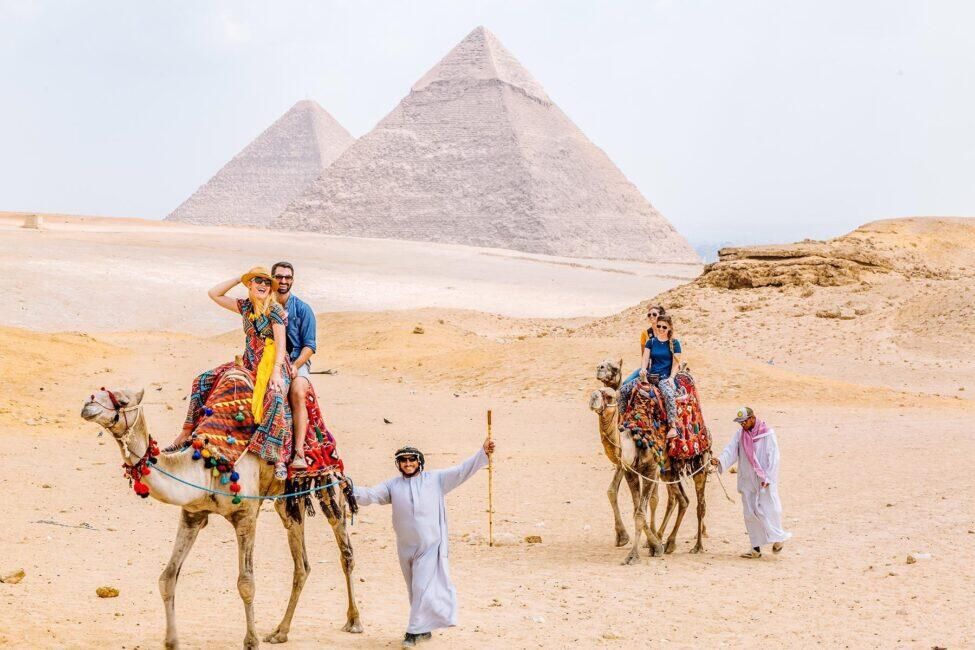
Camel and horse rides are among the most iconic experiences available at several tourist sites in Egypt, particularly around the Pyramids of Giza and certain desert locations. While many operators provide legitimate and enjoyable experiences, travelers should be aware of situations where misunderstandings about pricing or services can occur.

One common issue involves unclear pricing. A rider may be quoted a low price for a camel or horse ride, only to discover later that additional charges apply for photographs, longer routes, assistance mounting the animal, or returning to the starting point. In some cases, visitors may feel pressured to pay more than they originally expected.

Another situation occurs when travelers agree to a ride without clearly discussing the duration, route, or total cost in advance. This can lead to disagreements at the end of the experience regarding what was included in the original price. While these situations are usually resolved without serious problems, they can create unnecessary frustration.

The best way to avoid misunderstandings is to confirm all details before beginning the ride. Travelers should clearly agree on the total price, duration, route, and any additional services that may be offered. Asking questions in advance helps ensure that both parties have the same expectations.

Booking through reputable tour operators or licensed providers can also reduce the likelihood of problems. Established companies typically provide transparent pricing and clearly explain what is included in the experience.

Camel and horse rides can be enjoyable and memorable activities when arranged properly. By discussing details beforehand and choosing trusted providers, visitors can focus on enjoying the scenery and the experience rather than worrying about unexpected costs or misunderstandings.

9. Helpful Stranger Scams

Egyptians are generally known for their hospitality and friendliness, and many visitors genuinely receive helpful advice from local residents during their travels. However, tourists should also be aware that some individuals may approach them offering assistance with the expectation of receiving money or directing them toward businesses where they earn commissions.

A common example involves someone offering to help with directions, guide visitors through a market, assist with purchasing tickets, or explain local attractions. While the assistance may appear friendly and informal, the individual may later request payment or expect a tip for their services. In some situations, travelers may also be encouraged to visit specific shops, restaurants, or souvenir stores.

The best way to avoid misunderstandings is to politely decline assistance when it is not needed and seek information from official sources whenever possible. Hotel staff, licensed guides, attraction employees, and tourism offices are usually reliable sources of information and support.

Travelers should remember that not every friendly interaction is a scam. Most local residents who offer assistance do so with good intentions. The key is simply to remain aware of situations where unsolicited help may later result in unexpected requests for money.

By maintaining polite boundaries and relying on trusted sources when necessary, visitors can enjoy positive interactions while avoiding potential misunderstandings.

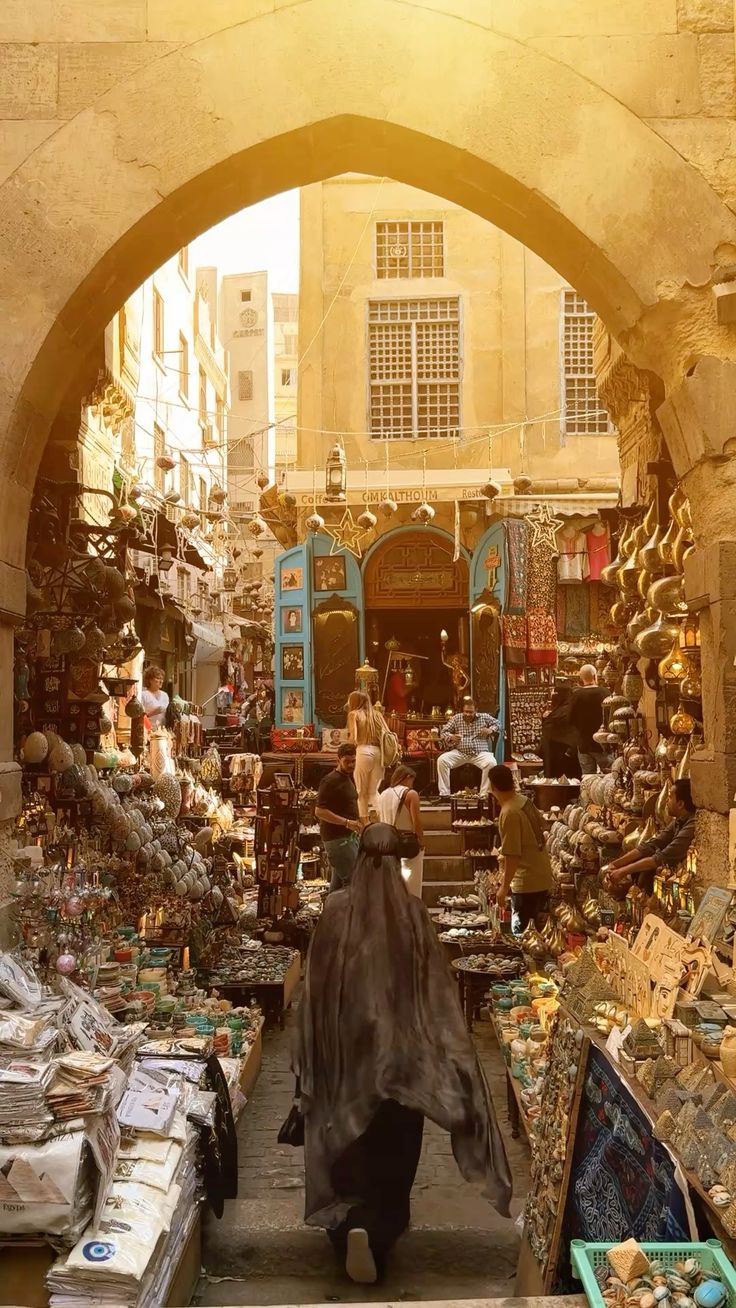
khan el khalili egypt 2

10. How to Handle Aggressive Sales Tactics

Many popular tourist destinations around the world have vendors who actively encourage visitors to enter their shops or purchase products, and Egypt is no exception. In some markets and tourist areas, travelers may encounter persistent salespeople who invite them to browse souvenirs, take a look at merchandise, or visit a nearby store.

While some visitors enjoy the lively atmosphere and bargaining culture, others may find these interactions uncomfortable, especially if they are not accustomed to frequent sales approaches. It is important to understand that persistence does not necessarily indicate dishonesty. In many cases, vendors are simply trying to attract customers in highly competitive tourist areas.

The most effective response is usually a polite but confident refusal. Travelers should feel comfortable saying no and continuing on their way without feeling obligated to stop, browse, or make a purchase. Avoiding lengthy conversations when uninterested often makes the situation easier to manage.

Visitors should also remember that browsing does not create an obligation to buy. Taking time to compare products, prices, and quality from different vendors often leads to better purchasing decisions and a more enjoyable shopping experience.

Confidence, patience, and good humor are often the best tools for handling sales pressure while exploring Egypt’s markets and tourist districts.

11. General Safety Tips for Tourists

The best defense against tourist scams is preparation. Travelers who understand local customs, transportation systems, pricing practices, and common tourist situations are generally far less likely to encounter problems during their visit to Egypt.

One of the most important recommendations is to use reputable service providers whenever possible. Booking tours through established companies, using licensed guides, arranging transportation through trusted sources, and purchasing tickets from official outlets all help reduce potential risks.

Visitors should also remain aware of their surroundings, particularly in crowded tourist areas. Keeping personal belongings secure, carrying only the cash needed for the day, and avoiding the display of large amounts of money are simple precautions that can improve overall travel security.

Researching common scams before arrival is another valuable strategy. Most scams rely on surprise, confusion, or lack of information. Travelers who know what to expect can usually recognize questionable situations quickly and respond appropriately.

Perhaps most importantly, visitors should trust their instincts. If an offer sounds too good to be true, feels unnecessarily rushed, or creates pressure to make an immediate decision, taking a moment to evaluate the situation is often wise.

With basic awareness and preparation, most travelers enjoy safe, smooth, and memorable experiences in Egypt while encountering few significant problems.

12. Conclusion: How to Avoid Tourist Scams in Egypt

Egypt is an extraordinary destination that offers travelers the opportunity to experience some of the world’s most remarkable historical monuments, vibrant cultural traditions, and unforgettable landscapes. While tourist scams and aggressive sales tactics do exist in certain areas, they should not discourage visitors from exploring the country. Most travelers discover that the vast majority of their interactions with Egyptians are positive, welcoming, and genuinely helpful.

The key to avoiding scams is awareness rather than suspicion. Understanding the most common situations—such as unofficial guides, taxi fare misunderstandings, overpriced souvenirs, excessive tipping requests, and misleading offers of assistance—allows travelers to recognize potential problems before they occur. In many cases, simple preparation is all that is needed to avoid unnecessary complications.

Using reputable tour operators, licensed guides, official ticket offices, trusted transportation providers, and reliable travel resources can significantly reduce the likelihood of encountering difficulties. Visitors who take the time to research local customs and understand how common scams work are generally far less likely to become targets.

Confidence also plays an important role. Politely declining unwanted services, verifying information through official sources, and taking a few moments to confirm prices or arrangements can help travelers navigate unfamiliar situations comfortably. Most scammers rely on confusion, urgency, or uncertainty, making informed travelers much harder to exploit.

It is also important to remember that many experiences that visitors initially perceive as scams are often cultural differences, misunderstandings, or examples of local bargaining traditions. Approaching situations with patience, respect, and realistic expectations can make travel much more enjoyable.

Ultimately, Egypt remains one of the world’s most rewarding destinations. By combining awareness with common sense, travelers can focus on what truly matters—exploring ancient wonders, experiencing local culture, and creating unforgettable memories. With a little preparation, most visitors find that avoiding tourist scams is relatively easy and that the incredible experiences Egypt offers far outweigh occasional inconveniences.

Frequently Asked Questions

Yes. Egypt welcomes millions of visitors every year, and most tourists enjoy safe and trouble-free trips. The majority of scams involve minor inconveniences rather than serious safety concerns.

Some of the most common issues involve unofficial guides, taxi fare misunderstandings, overpriced souvenirs, excessive tipping requests, and misleading claims that attractions are closed.

No. Most Egyptians are friendly and genuinely helpful. Travelers should simply remain aware of situations involving unsolicited services, unexpected offers, or requests for money.

Using reputable transportation providers, ride-hailing applications, licensed drivers, and confirming fares before beginning a journey can help prevent misunderstandings.

Remain calm, polite, and confident. Declining the offer, walking away, and seeking assistance from official staff or trusted service providers is usually the best approach.