
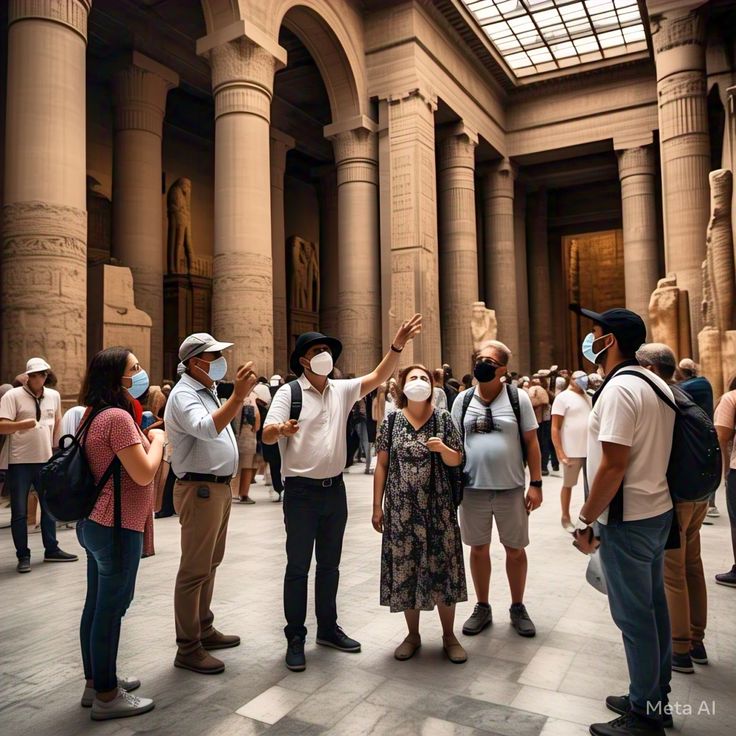
Welcome to

How to Choose the Best Tour Guide in Egypt

Choosing the right tour guide can make the difference between a good trip and an unforgettable journey through Egypt. With thousands of years of history, countless archaeological sites, vibrant cities, and rich cultural traditions, Egypt is a destination where expert guidance can significantly enhance your experience. Whether you are planning to visit the Great Pyramids of Giza, cruise the Nile River, explore the temples of Luxor, or discover hidden gems beyond the main tourist attractions, knowing how to choose the best tour guide in Egypt is essential for getting the most value from your trip.

One of the most important factors to consider is professional qualifications and experience. The best tour guides in Egypt are licensed Egyptologists or certified tourism professionals with extensive knowledge of Ancient Egyptian history, archaeology, culture, and local traditions. A qualified guide should be able to explain complex historical topics in an engaging and understandable way while answering questions confidently and accurately. When researching guides or tour companies, look for information about their experience, training, and areas of expertise.

Reviews and traveler feedback are also valuable when selecting a tour guide. Reading testimonials from previous visitors can provide insights into the guide’s communication skills, professionalism, punctuality, knowledge, and overall service quality. Travelers often share detailed experiences about tours to attractions such as the Great Pyramid of Giza, the Grand Egyptian Museum, the Valley of the Kings, and the Karnak Temple Complex, helping future visitors identify guides who consistently deliver exceptional experiences.

Language skills are another key consideration. The best guides communicate clearly and fluently in the traveler’s preferred language. Effective communication not only improves understanding but also allows for more meaningful conversations, personalized recommendations, and deeper cultural insights throughout the journey.

Travelers should also consider the type of experience they want. Some guides specialize in archaeological and historical tours, while others focus on family-friendly experiences, photography tours, luxury travel, religious tourism, adventure excursions, or cultural immersion. Choosing a guide whose expertise matches your interests can greatly improve the quality of your trip. For example, history enthusiasts may prefer an Egyptologist with in-depth archaeological knowledge, while families may benefit from a guide experienced in creating engaging activities for children.

Flexibility and customization are important qualities of excellent tour guides. The best private guides are willing to adapt itineraries, adjust schedules, recommend additional attractions, and tailor experiences based on travelers’ preferences. Whether you want to spend extra time exploring ancient tombs, enjoy a traditional local meal, or visit lesser-known sites, a flexible guide can help create a more personalized and rewarding experience.

Professionalism and reliability should never be overlooked. A quality tour guide should be punctual, organized, respectful, and responsive to communication before and during the tour. Clear pricing, transparent inclusions, and detailed itinerary information are also signs of a reputable guide or tour company.

For travelers seeking a seamless experience, booking through a reputable tour operator can provide additional peace of mind. Established companies often work with experienced guides, maintain high service standards, and offer support throughout the trip. This can be particularly helpful for first-time visitors to Egypt.

Another factor to consider is local knowledge. Exceptional guides do more than explain historical facts—they provide insights into modern Egyptian life, local customs, traditions, cuisine, and everyday culture. These personal perspectives often become some of the most memorable aspects of a trip and help visitors develop a deeper connection with the destination.

Whether you are planning a private Cairo tour, a Luxor excursion, a Nile cruise, an Abu Simbel adventure, or a comprehensive journey across Egypt, choosing the right guide can transform your travel experience. In this guide, we will explore the most important factors to consider when selecting a tour guide in Egypt, including qualifications, reviews, communication skills, specialization, pricing, and practical tips to help you find the perfect guide for your Egyptian adventure.

1. Why a Good Tour Guide Matters in Egypt

Egypt is one of the most historically rich destinations on Earth, and the difference between visiting its monuments alone and exploring them with an exceptional guide can be enormous. A good tour guide does far more than simply accompany travelers from one attraction to another. They provide context, storytelling, cultural insight, and expert knowledge that bring Egypt’s ancient civilization to life.

Many of Egypt’s most famous sites, including the Pyramids of Giza, the Valley of the Kings, Karnak Temple, Luxor Temple, and Abu Simbel, contain layers of historical significance that are not immediately obvious to casual visitors. Without proper explanation, travelers may admire the architecture and scenery but miss the deeper stories behind the monuments. A skilled guide helps visitors understand the people, beliefs, and events that shaped Ancient Egypt.

A knowledgeable guide can also improve the overall travel experience by managing logistics efficiently. They know how to navigate busy attractions, avoid unnecessary delays, recommend the best visiting times, and provide practical assistance throughout the day. This can save travelers both time and stress.

Another major benefit is the opportunity to ask questions. Professional guides adapt their explanations to match the interests and knowledge level of each traveler, creating a more personalized and engaging experience. Whether you are interested in archaeology, religion, architecture, photography, or local culture, a great guide can tailor the experience accordingly.

For many visitors, the guide becomes the bridge between ancient history and modern Egypt, making the journey more meaningful, educational, and memorable.
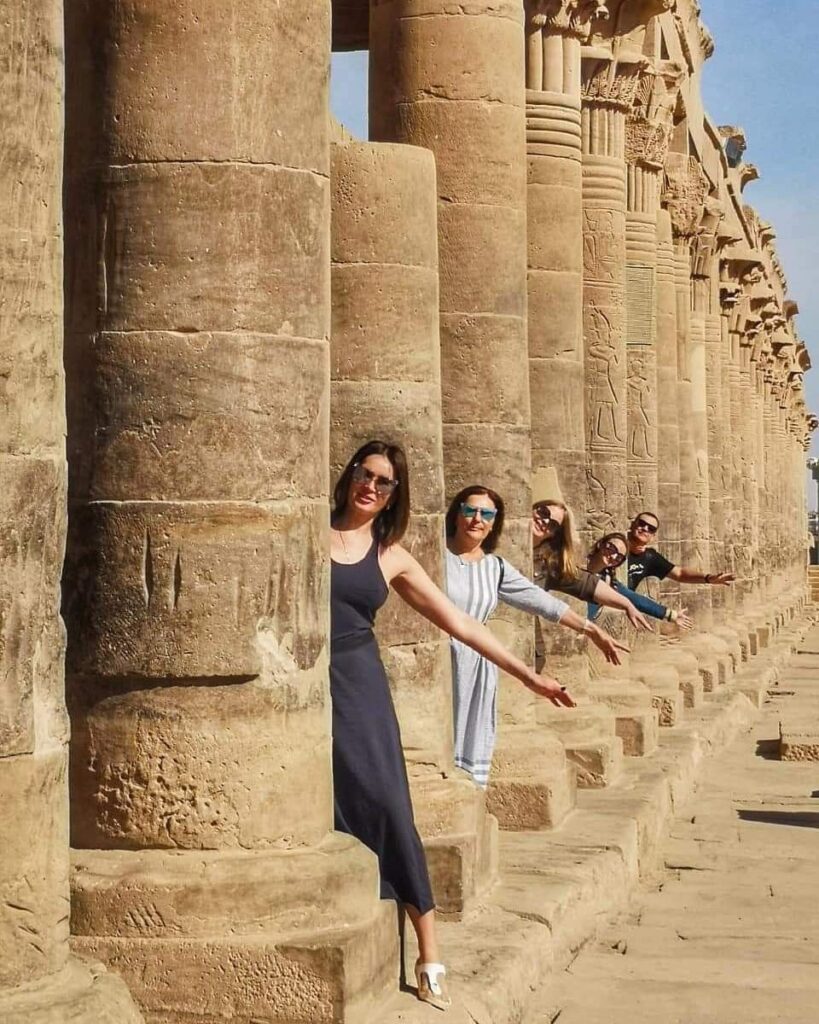
2. Choose a Licensed Egyptologist Guide

One of the most important steps when selecting a tour guide in Egypt is ensuring that they are properly licensed. Professional Egyptologist guides undergo specialized training and certification, allowing them to provide accurate historical information and legally guide visitors inside Egypt’s major archaeological sites, museums, and monuments.

Licensed Egyptologists possess extensive knowledge of Ancient Egyptian history, archaeology, religion, art, architecture, and culture. Their education enables them to explain complex topics in a clear and engaging manner while answering detailed questions about the sites being visited. This level of expertise often makes a significant difference in the quality of the tour.

Choosing a licensed guide also provides an additional layer of professionalism and accountability. Certified guides typically work through registered tourism companies or operate under official regulations established by Egyptian tourism authorities. This helps ensure a higher standard of service and ethical conduct.

Travelers should not hesitate to ask whether a guide is licensed or affiliated with a recognized tourism organization. Reputable tour operators are usually proud to highlight their guides’ qualifications and professional credentials.

While local escorts and unofficial guides may sometimes offer lower prices, they often lack the historical expertise and legal authorization required to provide comprehensive guiding services inside major attractions. For travelers seeking a deeper understanding of Egypt’s remarkable heritage, investing in a qualified Egyptologist is often well worth the additional cost.
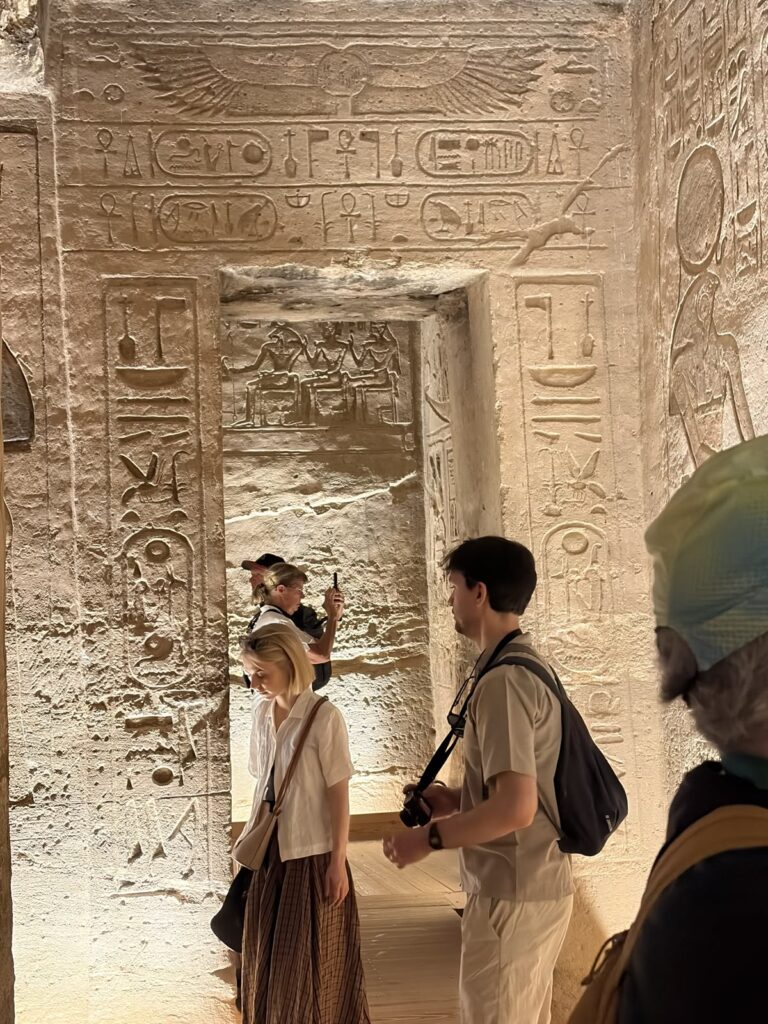
3. Read Reviews and Traveler Feedback Carefully

In today’s digital travel environment, reviews are among the most valuable tools available when choosing a tour guide in Egypt. Feedback from previous travelers can provide important insights into a guide’s knowledge, professionalism, communication skills, reliability, and overall quality of service.

Before booking a guide or tour company, travelers should take time to read reviews across multiple platforms. Consistent positive feedback often indicates a strong track record of customer satisfaction, while recurring complaints may reveal potential issues that should not be ignored.

Particular attention should be paid to comments regarding historical knowledge, punctuality, communication, flexibility, and the ability to personalize tours. Many travelers specifically mention guides who made their experience exceptional by providing engaging explanations, adapting itineraries to personal interests, or going above and beyond to ensure comfort and enjoyment.

Reviews can also help travelers determine whether a guide is suitable for their travel style. Some guides excel at detailed historical discussions, while others focus more heavily on photography opportunities, family-friendly experiences, luxury travel, or adventure-focused itineraries.

It is often helpful to look beyond overall ratings and read detailed comments describing specific experiences. These firsthand accounts frequently provide the clearest picture of what travelers can realistically expect.

By carefully evaluating traveler feedback, visitors can make more informed decisions and significantly increase their chances of selecting a guide who will enhance every aspect of their Egyptian adventure.
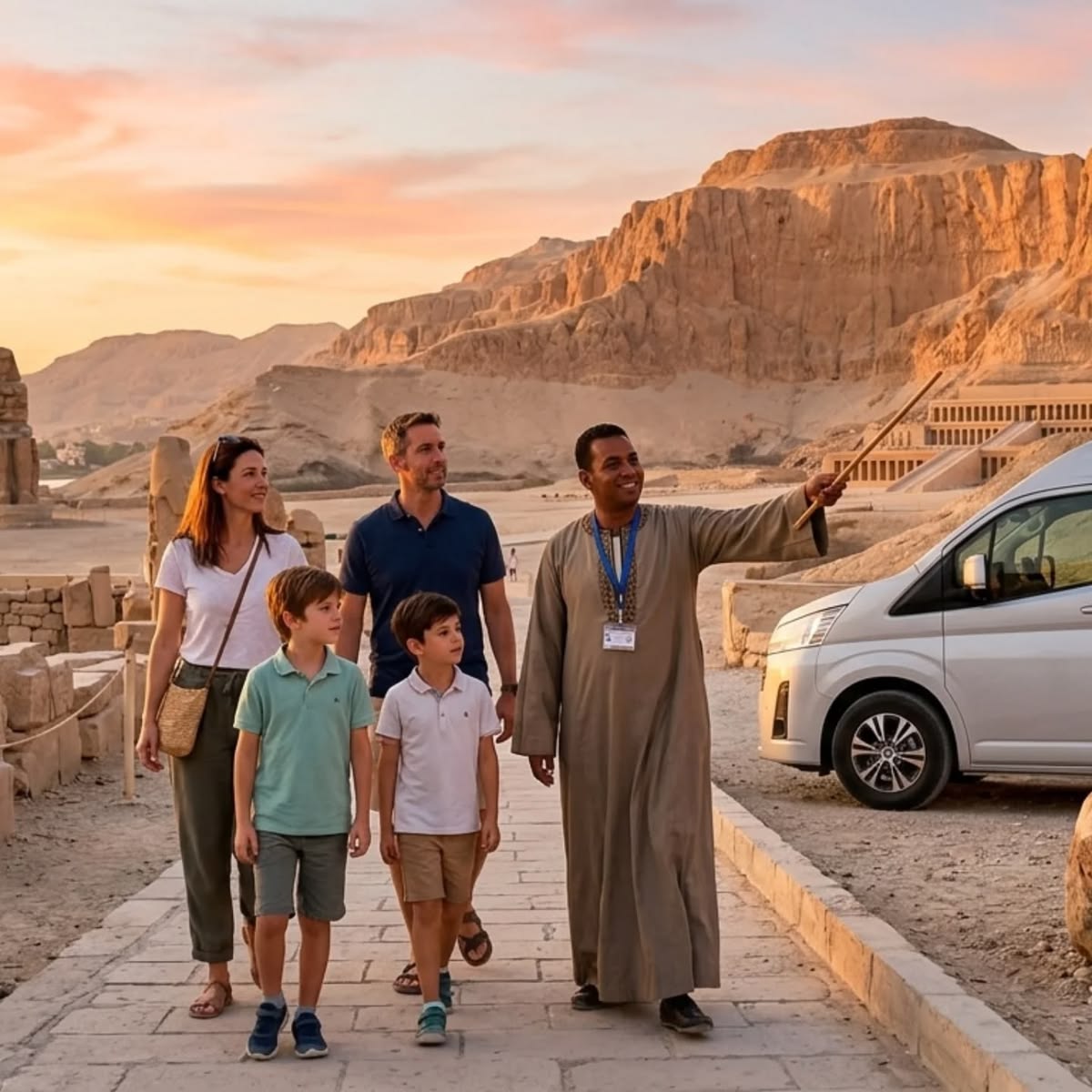
4. Decide Between Private and Group Tour Guides

One of the most important decisions travelers face when choosing a tour guide in Egypt is whether to book a private guide or join a group tour. Both options offer advantages, and the best choice depends on your budget, travel style, interests, and expectations for the experience.

Private tour guides provide a highly personalized experience. The itinerary can often be customized according to your interests, allowing you to spend more time at attractions that fascinate you and skip those that are less appealing. Private guides also offer greater flexibility when adjusting schedules, answering questions, and tailoring explanations to your specific interests.

For travelers interested in photography, archaeology, history, family travel, or luxury experiences, private guides often provide exceptional value. They can adapt the pace of the tour to suit individual preferences and create a more intimate learning environment.

Group tours, on the other hand, are usually more affordable because costs are shared among participants. They can also provide opportunities to meet other travelers and enjoy a social travel experience. Many group tours still include excellent guides and well-organized itineraries, making them an attractive option for budget-conscious visitors.

However, group tours generally follow fixed schedules and must accommodate multiple participants. This can limit flexibility and reduce the amount of personalized attention available during the excursion.

When choosing between private and group guides, travelers should consider whether they value customization and flexibility more than cost savings. For many visitors, especially those exploring Egypt for the first time, a private guide often delivers a deeper and more rewarding experience.

5. Look for Strong Communication Skills

Historical knowledge is important, but even the most educated guide may struggle to deliver an exceptional experience if they cannot communicate effectively. Strong communication skills are one of the most valuable qualities to look for when selecting a tour guide in Egypt.

A great guide should be able to explain complex historical topics in a way that is engaging, clear, and easy to understand. Ancient Egyptian history spans thousands of years and includes numerous dynasties, pharaohs, religious beliefs, and archaeological discoveries. The best guides simplify these subjects without sacrificing accuracy, making the information accessible to travelers with varying levels of prior knowledge.

Language proficiency is another critical factor. Travelers should ensure that the guide speaks their preferred language fluently and confidently. Clear communication reduces misunderstandings, improves comfort, and allows visitors to ask questions freely throughout the tour.

The ability to adapt explanations to different audiences is equally important. Families, history enthusiasts, photographers, and casual tourists often have different interests and expectations. Skilled guides adjust their presentations accordingly, ensuring that each traveler remains engaged and interested.

Listening skills also matter. Excellent guides pay attention to questions, preferences, and feedback while adapting the experience to meet the needs of their guests. This creates a more personalized and enjoyable journey.

When evaluating potential guides, reviews frequently reveal whether previous travelers found the guide engaging, informative, and easy to communicate with. Strong communication often separates a good guide from a truly exceptional one.

6. Evaluate Local Knowledge Beyond Ancient History

While Egypt’s ancient monuments are the primary reason many people visit the country, the best tour guides offer much more than archaeological expertise. They also provide valuable insight into modern Egyptian culture, daily life, traditions, food, customs, and society. This broader perspective often enriches the travel experience significantly.

Visitors frequently have questions that extend beyond the temples and pyramids. They may want to understand contemporary Egyptian life, local customs, religious practices, cuisine, transportation systems, or current social trends. Guides with strong local knowledge help bridge the gap between ancient history and present-day Egypt.

This cultural context often adds depth to the journey. Understanding how modern Egyptians live, celebrate, work, and interact with their rich historical heritage allows travelers to develop a more complete appreciation of the country.

Local knowledge can also be extremely practical. Experienced guides often recommend authentic restaurants, local markets, shopping opportunities, cultural experiences, and lesser-known attractions that may not appear in standard guidebooks. These recommendations can help visitors discover a more authentic side of Egypt.

Guides who live and work in the regions they serve frequently possess unique insights into local communities and traditions. Their personal experiences often lead to fascinating conversations that extend beyond the official tour itinerary.

A guide who combines historical expertise with cultural understanding provides a more comprehensive and memorable travel experience, helping visitors connect with both ancient and modern Egypt.

7. Consider Experience and Specialization

Not all tour guides have the same level of experience, and this can greatly influence the quality of a tour. While newly qualified guides may be enthusiastic and knowledgeable, experienced professionals often bring additional skills that enhance the overall visitor experience.

Years of guiding experience typically help professionals develop stronger storytelling abilities, better crowd-management techniques, and a deeper understanding of visitor expectations. Experienced guides are often more comfortable adapting to unexpected situations such as schedule changes, weather conditions, transportation issues, or special requests.

Specialization is another important consideration. Some guides focus primarily on archaeological and historical tours, while others specialize in family travel, luxury tourism, photography excursions, desert adventures, religious tourism, or cultural experiences. Choosing a guide whose expertise aligns with your interests can significantly improve the quality of your trip.

For example, travelers interested in photography may benefit from guides who know the best viewpoints and ideal lighting conditions at major attractions. Families may prefer guides who excel at making history engaging for children. History enthusiasts often appreciate guides with advanced academic backgrounds in Egyptology.

Many professional guides highlight their specialties on tourism websites, social media profiles, or review platforms. Reading traveler feedback can also reveal whether a guide consistently delivers exceptional experiences within a particular niche.

By considering both experience and specialization, travelers can select a guide whose skills and expertise closely match their personal interests, resulting in a more enjoyable and rewarding journey through Egypt.

8. Ask About Flexibility and Personalization

One of the defining characteristics of an outstanding tour guide is the ability to adapt the experience to the needs and interests of individual travelers. While historical knowledge and professional qualifications are essential, flexibility and personalization often determine whether a tour feels ordinary or truly memorable.

Every traveler has different expectations. Some visitors are passionate about Ancient Egyptian history and want detailed explanations of every temple and tomb, while others may be more interested in photography, local culture, architecture, food, or simply enjoying the atmosphere. A great guide recognizes these differences and adjusts the tour accordingly.

Before booking, it is worth asking whether the guide can customize the itinerary. Private guides often have the flexibility to modify schedules, spend additional time at favorite attractions, recommend alternative sites, or adjust the pace of the day based on traveler preferences. This level of personalization can greatly enhance the overall experience.

Flexibility is particularly important in Egypt because travel conditions can sometimes change unexpectedly. Traffic, weather, site opening hours, and crowd levels may affect plans. Experienced guides know how to adapt quickly while ensuring that travelers continue to enjoy a smooth and rewarding journey.

Personalized service also extends to communication style. Some travelers prefer detailed academic explanations, while others enjoy storytelling and informal conversations. The best guides are able to recognize these preferences and tailor their approach accordingly.

When researching potential guides, reviews often reveal whether previous travelers appreciated the guide’s flexibility and willingness to adapt. A guide who listens carefully and creates a personalized experience can transform a standard tour into an unforgettable Egyptian adventure.

9. Compare Prices but Don’t Choose Based on Cost Alone

Price is naturally an important factor when choosing a tour guide in Egypt, but it should never be the only consideration. While travelers often look for the best value, selecting a guide solely because they offer the lowest price can sometimes lead to disappointment and a less rewarding travel experience.

Professional licensed Egyptologists invest years in education, training, and experience. Highly qualified guides who consistently receive excellent reviews often charge higher rates because they provide superior service, deeper historical knowledge, stronger communication skills, and greater professionalism. In many cases, the additional cost is justified by the significant improvement in the overall experience.

When comparing prices, travelers should examine exactly what is included. Some guides may include transportation, entrance arrangements, hotel transfers, bottled water, or customized itineraries, while others charge separately for these services. A seemingly cheaper option may not always provide the best overall value.

It is also wise to be cautious of prices that seem unusually low. Extremely cheap tours may involve large groups, limited personalization, rushed itineraries, or guides with less experience and fewer qualifications. In some cases, low-cost tours may rely heavily on shopping stops or commission-based activities rather than focusing on sightseeing and education.

The goal should be to find the best balance between quality and budget. Many travelers discover that investing slightly more in an excellent guide significantly enhances their understanding and enjoyment of Egypt’s extraordinary historical treasures.

10. Verify the Guide’s Professionalism Before Booking

Before confirming any tour, travelers should take time to evaluate the guide’s professionalism. The way a guide communicates before the tour often provides valuable insight into the level of service they are likely to deliver during the experience itself.

Professional guides typically respond promptly to inquiries, answer questions clearly, and provide detailed information about the itinerary, inclusions, meeting points, and expectations. They are transparent about pricing and willing to explain any additional costs that may arise.

Good communication before arrival can help establish trust and reduce uncertainty. Travelers should feel comfortable asking questions about qualifications, guiding experience, language skills, transportation arrangements, and tour customization options. Reputable guides generally welcome these questions and provide clear answers.

Professionalism also includes punctuality, reliability, honesty, and respect for clients. Reading reviews can often reveal whether previous travelers found the guide dependable and easy to work with. Consistent comments about organization, responsiveness, and customer service are usually positive indicators.

If a guide is difficult to reach, avoids answering questions, provides vague information, or pressures travelers into making quick decisions, it may be worth considering alternative options. Choosing a professional guide helps ensure a smoother and more enjoyable experience throughout the trip.

11. Questions to Ask Before Hiring a Tour Guide

Asking the right questions before booking a tour guide can help travelers make informed decisions and avoid misunderstandings later. A short conversation or email exchange often reveals important information about the guide’s qualifications, experience, and suitability for your travel style.

One of the first questions should be whether the guide is a licensed Egyptologist. Professional certification helps ensure that the guide has received appropriate training and is legally authorized to guide visitors at Egypt’s major historical sites and museums.

Travelers may also wish to ask how many years of experience the guide has and whether they specialize in particular types of tours. Some guides focus on archaeology, family travel, photography, luxury experiences, or cultural immersion, and choosing a guide whose expertise matches your interests can improve the overall experience.

Other useful questions include:

  • Can the itinerary be customized?
  • What languages do you speak fluently?
  • What is included in the tour price?
  • Are transportation and entrance arrangements provided?
  • How large are the tour groups?
  • What happens if plans need to change due to weather or unexpected circumstances?

These questions help clarify expectations and allow travelers to compare different guides more effectively. The answers often provide valuable insight into the guide’s professionalism, flexibility, and commitment to customer satisfaction.

Investing a little time in the selection process can greatly increase the chances of finding a guide who will make your Egyptian journey educational, comfortable, and unforgettable.

12. Conclusion: Finding the Right Tour Guide in Egypt

Choosing the right tour guide can be one of the most important decisions you make when planning a trip to Egypt. The country’s extraordinary historical sites, rich cultural heritage, and fascinating stories become far more meaningful when experienced with a knowledgeable, professional, and engaging guide.

The best guides do much more than explain facts and dates. They bring ancient monuments to life, provide valuable cultural insights, help travelers navigate attractions efficiently, and create experiences that are both educational and enjoyable. Whether you are exploring the Pyramids of Giza, the Grand Egyptian Museum, Luxor’s temples, the Valley of the Kings, or Abu Simbel, the right guide can dramatically enhance your understanding and appreciation of each destination.

When choosing a guide, travelers should prioritize qualifications, licensing, communication skills, experience, traveler reviews, and local knowledge. It is also important to consider personal preferences, including whether a private or group experience is more suitable and whether the guide’s specialization matches your interests.

Taking time to research, compare options, and ask thoughtful questions before booking can help ensure a successful experience. A professional guide should be transparent, reliable, flexible, and committed to delivering excellent service throughout the journey.

While price is certainly a factor, the value of an exceptional guide often extends far beyond the cost of the tour itself. Many travelers find that their guide becomes one of the highlights of their trip and plays a major role in shaping their overall impression of Egypt.

By selecting the right guide, visitors can gain deeper insight into one of the world’s most remarkable civilizations while enjoying a smoother, more rewarding, and more memorable travel experience.

Frequently Asked Questions

No, a guide is not required, but many travelers find that a professional guide greatly enhances their understanding of Egypt’s history, culture, and archaeological sites.

A licensed Egyptologist has specialized education and official certification in Egyptian history and archaeology, allowing them to provide deeper historical explanations and guide visitors at major sites.

For many travelers, yes. Private guides offer personalized itineraries, flexible schedules, individualized attention, and the ability to focus on specific interests.

You can ask about licensing, certifications, years of experience, language skills, and affiliations with registered tourism companies. Reading reviews from previous travelers is also highly recommended.

The most important qualities include historical knowledge, strong communication skills, professionalism, flexibility, reliability, local expertise, and positive traveler reviews.