
Welcome to

Is Egypt Safe to Visit? A Complete Guide for First-Time Travelers

Egypt is a destination that captures the human imagination like nowhere else on Earth. For centuries, travelers have crossed oceans and deserts just to catch a glimpse of the Great Pyramids of Giza, sail the timeless waters of the Nile River, and walk through the colossal, sun-drenched temple complexes of the ancient world. With its vibrant modern culture, stunning Red Sea coastlines, and a monumental legacy that shaped civilization itself, planning an Egypt vacation is often the ultimate dream for history enthusiasts and global adventurers alike. However, as you begin to map out your itinerary and browse international flight options, one completely natural question almost always rises to the very forefront of the planning process: Is Egypt safe to visit?

It is a highly valid question, especially for first-time travelers who might be entirely unfamiliar with the dynamic, fast-paced environment of the Middle East and North Africa. International media headlines can sometimes paint a complex or intimidating picture of the broader region, inevitably leading to hesitation among those who are otherwise deeply eager to explore this historic country. The short, highly reassuring answer is that Egypt is remarkably safe for tourists. Millions of international visitors travel to Egypt every single year without experiencing any negative incidents whatsoever. The Egyptian government places a massive, highly visible priority on the security of its tourism sector, recognizing it as a vital pillar of the national economy. When you explore the best places to visit in Egypt—such as the bustling streets of Cairo, the archaeological capitals of Luxor and Aswan, or the serene coastal resorts of the Red Sea—you will immediately notice a strong, reassuring security presence designed specifically to protect, guide, and assist international guests.

Beyond the official security measures, the true safety of the country lies in the legendary, warm hospitality of the Egyptian people. Locals are fiercely proud of their ancient heritage and are generally very eager to welcome visitors. You will frequently find ordinary citizens going out of their way to offer helpful directions, share a welcoming cup of traditional mint tea, or simply ensure that you feel at home in their country.

Of course, like navigating any major international destination—from Paris to New York to Rome—traveling safely requires a healthy dose of common sense, situational awareness, and a basic understanding of the local cultural landscape. While violent crime against tourists is exceedingly rare, first-time visitors do need to be mentally prepared for the bustling, high-energy nature of Egyptian streets, the highly enthusiastic approach of local street vendors, and the occasional petty scams that are common in busy tourist hotspots worldwide. Understanding these subtle nuances is the absolute key to transforming a potentially overwhelming trip into a deeply relaxed, culturally enriching adventure.

This comprehensive Egypt travel guide is specifically designed to unpack the realities of modern travel within the country. We will journey beyond the basic safety statistics to explore the day-to-day practicalities of navigating Egyptian landmarks, offering expert local insights on everything from safely crossing the vibrant streets of downtown Cairo to selecting reliable transportation and respecting local customs. Whether you are a solo traveler, a group of friends, or a family planning your first foray into ancient Egypt, this guide will provide you with the exact knowledge and confidence you need. Let us dive deep into the realities of Egyptian tourism so you can pack your bags with ultimate peace of mind.

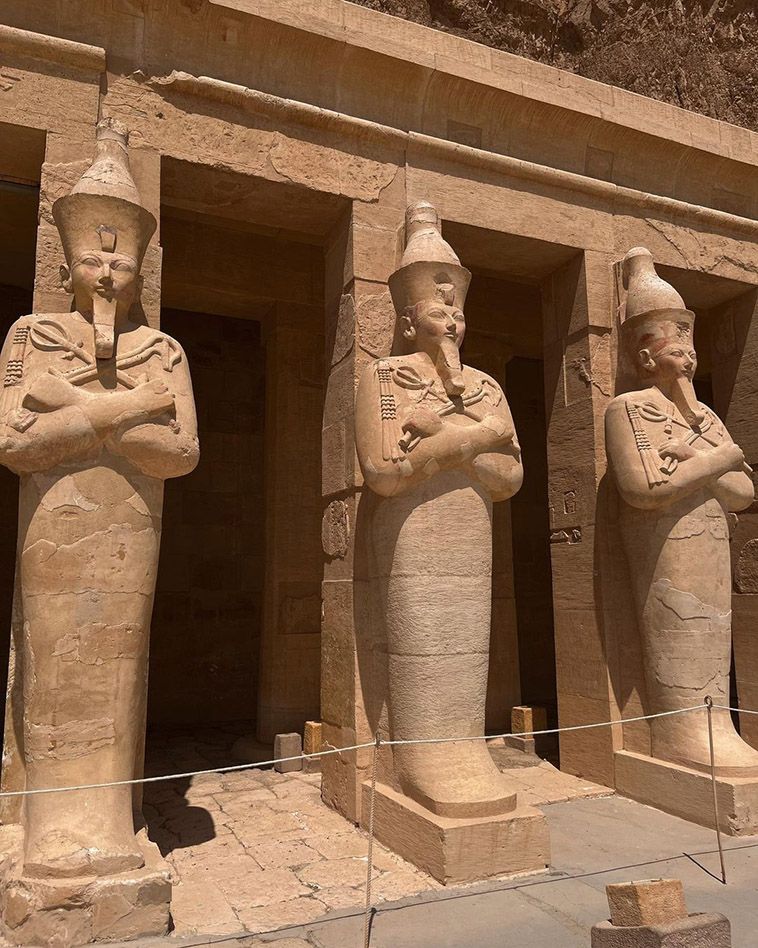
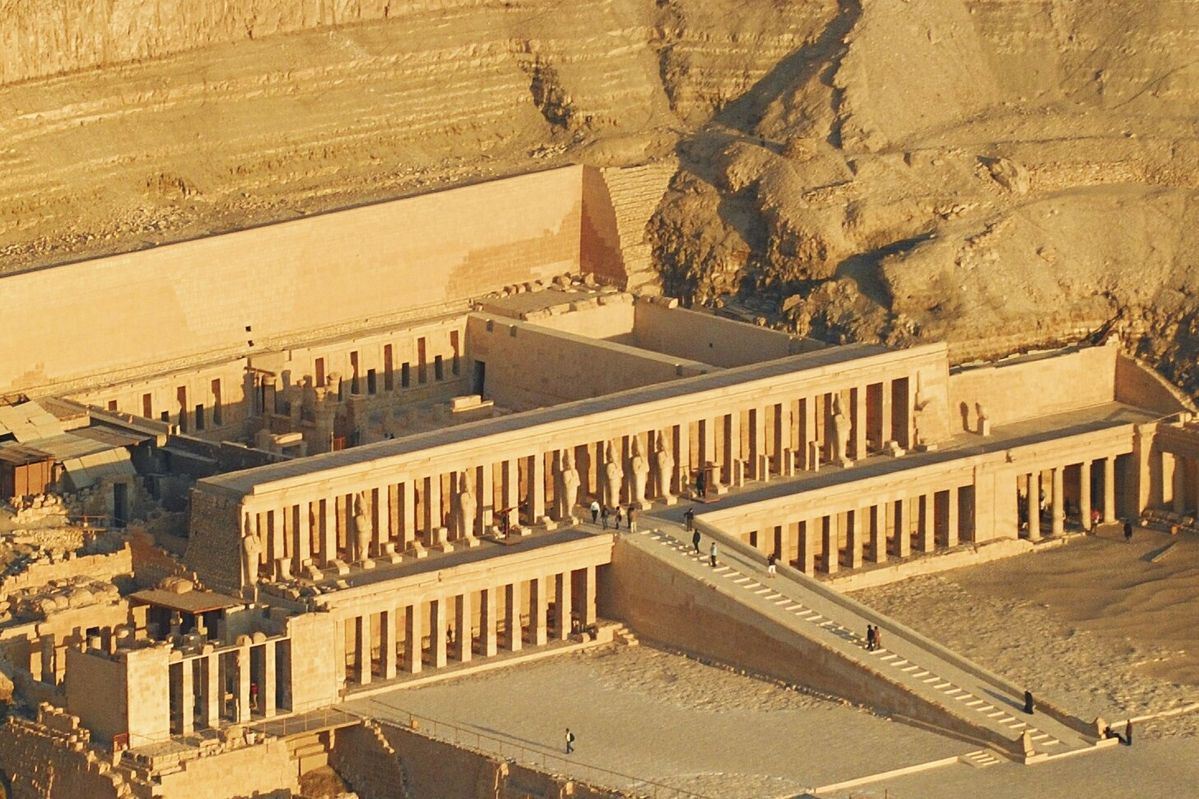
Temple of Hatshepsut 3

1. Understanding the Current Safety Landscape across Egyptian Tourism Hubs

When assessing whether it is safe to travel to Egypt, first-time visitors must look beyond generalized regional headlines and examine the actual reality on the ground within the primary tourism corridors. The Egyptian government has implemented an incredibly robust, multi-layered security framework specifically engineered to protect international travelers. This protective infrastructure is highly visible, featuring dedicated Tourism Police checkpoints, modern airport screening facilities, and secure entry protocols at all major hotels, resorts, and historical sites in Egypt. These measures are taken very seriously, ensuring that legendary landmarks like the Giza Plateau, the Valley of the Kings, and the bustling city centers remain peaceful and secure spaces for global exploration.

The vast majority of tourist activity in the country is concentrated along a highly protected geographical spine that runs from Alexandria on the Mediterranean coast, down through the capital city of Cairo, and along the Nile River valley to Luxor and Aswan. Additionally, the entire Red Sea riviera—including popular coastal resorts like Sharm El Sheikh, Hurghada, and El Gouna—operates under specialized security zones that feel remarkably tranquil and detached from the frantic energy of the major metropolitan centers. Violent crime against foreign visitors in these primary tourist zones is statistically almost non-existent, making the day-to-day experience of exploring ancient ruins or relaxing on pristine beaches feel just as secure as visiting any major Western European capital.

To get the most out of your Egypt vacation, maintaining a healthy sense of situational awareness is all that is required. This means staying informed about local travel advisories, sticking to well-established tourist routes, and avoiding isolated or non-touristic border regions, particularly in parts of the North Sinai governorate or deep into the uninhabited Western Desert near the border. By focusing your Egypt itinerary on the incredible wealth of mainstream historical, cultural, and coastal destinations, you can immerse yourself fully in the wonders of the ancient world with complete peace of mind, knowing that your safety is backed by a highly coordinated national security system.
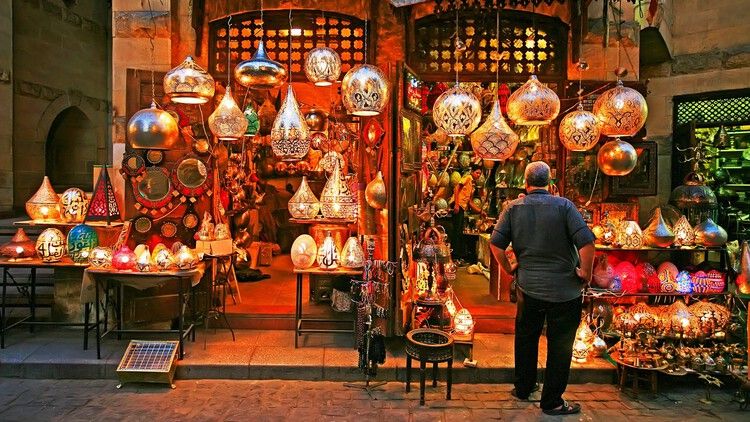
khan el khalili egypt 2

2. Navigating the Hustle: Handling Street Vendors, Haggling, and Scams

For many first-time travelers, the primary challenge to their sense of comfort in Egypt does not stem from actual security threats, but rather from the intense, high-energy nature of local commerce. At major Egyptian landmarks, you will encounter highly enthusiastic street vendors, camel drivers, and souvenir sellers who are fiercely determined to catch your attention. This intense sales pressure can initially feel overwhelming to visitors accustomed to more passive retail environments, but it is important to understand that this behavior is rooted in economic necessity rather than malice, and navigating it simply requires a specific cultural approach.

The absolute best way to handle persistent vendors at historical sites is to maintain a polite but firm demeanor. A simple, polite smile combined with the phrase La, Shukran, which translates to “No, thank you” in Arabic, delivered with direct eye contact, is usually highly effective. If a vendor continues to follow you, simply ignore the persistence and continue walking toward your destination without engaging further. When you do find an item you wish to purchase in a traditional souk, remember that haggling is an expected, deeply ingrained cultural art form. Approach the negotiation as a friendly, lighthearted game rather than a stressful confrontation, and never be afraid to politely walk away if the price does not align with your personal budget.

Additionally, first-time travelers should be aware of a few common, non-violent tourist scams that frequently occur near the pyramids or historic markets. These include unofficial guides offering free tours that later demand a heavy tip, horse-carriage drivers attempting to alter the agreed-upon price halfway through a journey, or vendors handing you a souvenir as a gift only to demand payment once you hold it. You can easily bypass these minor inconveniences by booking all excursions through reputable tour agencies, utilizing official pre-paid transportation apps, and clearly confirming final prices before stepping into a taxi, mounting a camel, or accepting any local service.
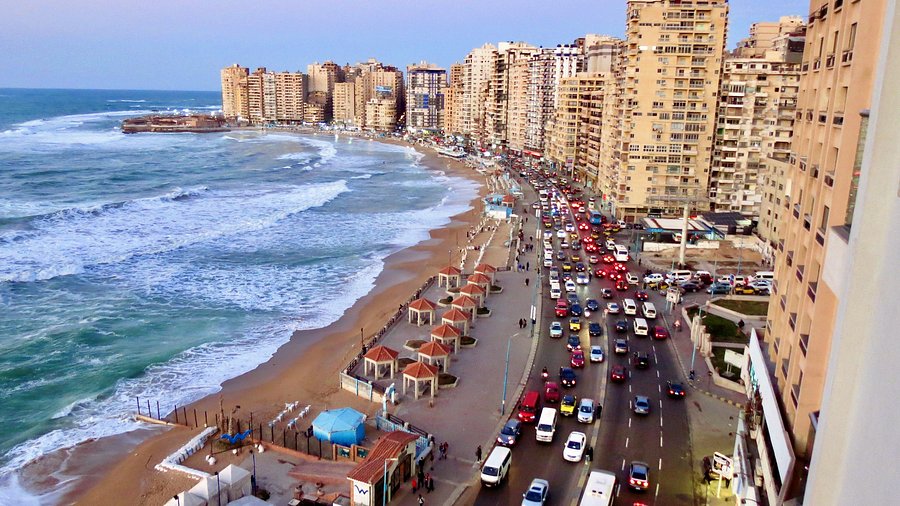
3. Transportation Safety: Taxis, Trains, and Domestic Flights

Getting around during your Egypt travel guide journey is an area where a little bit of advance planning pays massive dividends in terms of personal safety and comfort. In major metropolitan areas like Cairo and Alexandria, the traditional white taxis are everywhere, but they can sometimes present challenges for first-time visitors due to non-functioning meters or language barriers. To avoid any stressful price negotiations, the overwhelming majority of modern travelers prefer to use ride-sharing apps like Uber or Careem, which are widely available, highly affordable, and provide pre-determined pricing, GPS tracking, and driver accountability directly through your smartphone.

For long-distance travel between major tourist hubs like Cairo, Luxor, and Aswan, Egypt offers several highly reliable transit options. Domestic flights operated by the national carrier are fast, incredibly safe, and represent the most efficient way to maximize your time if you are operating on a tight Egypt itinerary. If you prefer a more scenic, classic travel experience, the dedicated overnight sleeper trains cater specifically to tourists, offering secure, private compartments and meals as you travel parallel to the Nile River. While standard daytime commuter trains are also available, the tourist sleeper train or a domestic flight provides a significantly higher level of security, comfort, and peace of mind for international visitors.

When it comes to exploring within the historic towns of Upper Egypt, walking or utilizing organized tour buses is generally the most practical approach. Avoid renting a car to drive yourself through the chaotic traffic of downtown Cairo, as local driving patterns are highly fluid, lanes are treated as suggestions, and navigating the intense congestion requires an advanced level of local driving experience. By relying on professional drivers, utilizing modern ride-sharing technology, and booking verified internal transit options, you can ensure that your journeys between Egypt’s greatest landmarks are entirely seamless, safe, and stress-free.
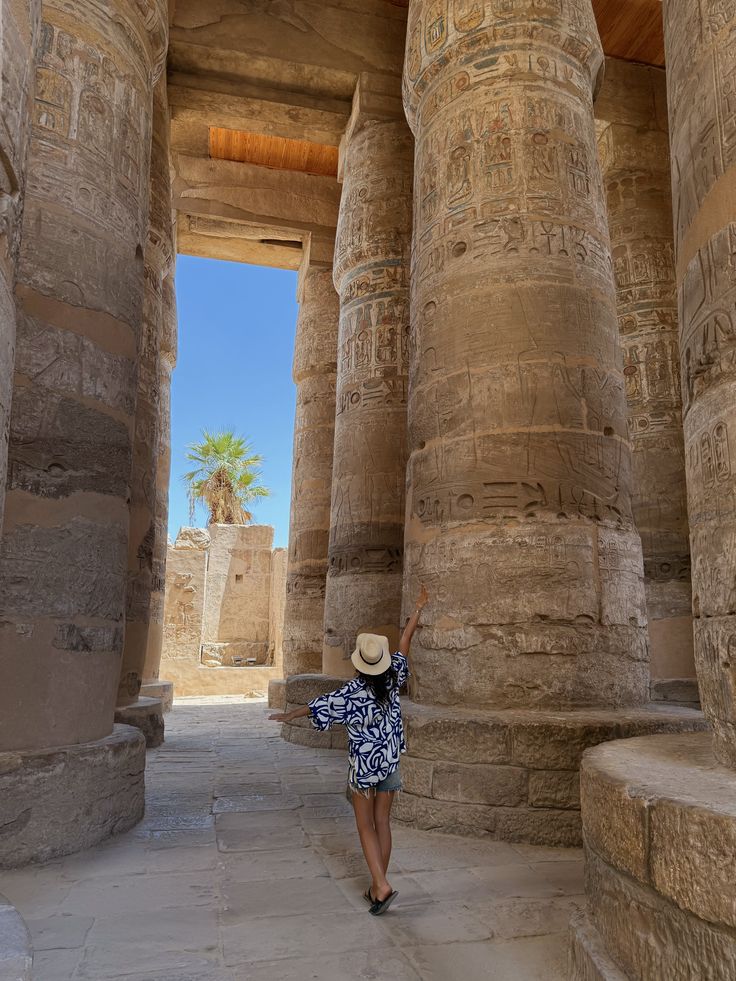
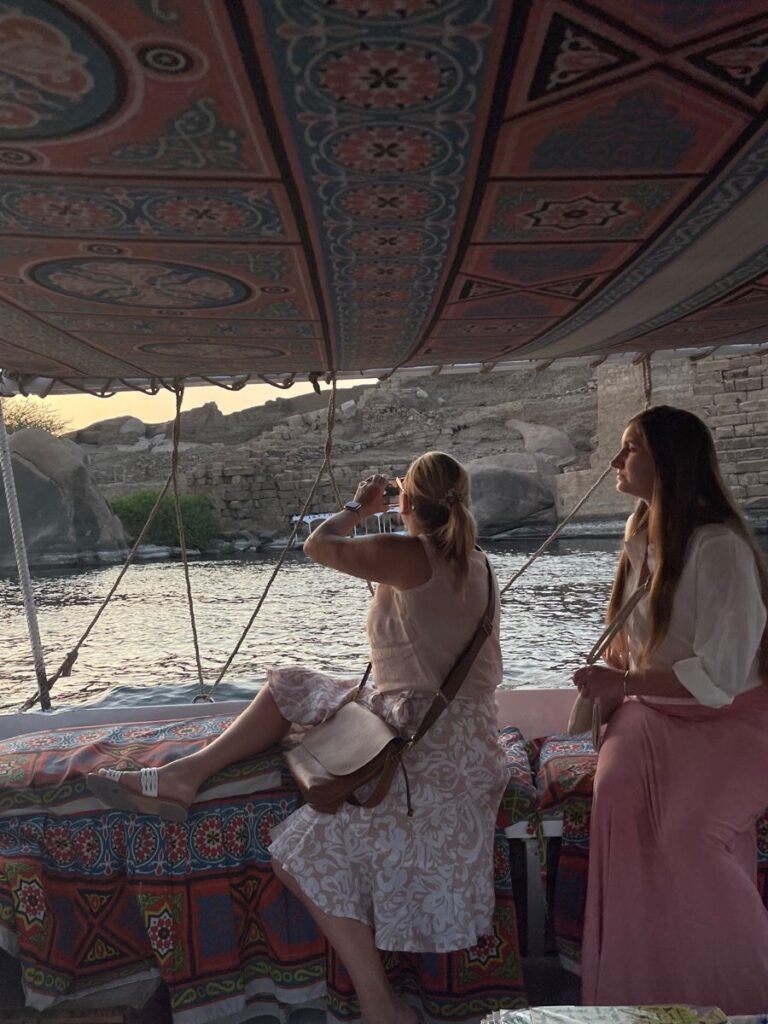
4. Solo Traveler Safety: Special Insights for Independent Adventurers

Embarking on a solo trip to Egypt is an incredibly empowering and profoundly rewarding experience that allows you to absorb the majesty of the ancient world completely at your own pace. Independent travelers frequently discover that navigating the country alone opens doors to deep, authentic interactions with locals that group tourists rarely experience. While traveling solo requires a slightly higher degree of self-reliance, the general safety rules remain exactly the same as anywhere else. By blending meticulous preparation with a confident public demeanor, solo adventurers can navigate the vibrant streets of Cairo or the historic lanes of Luxor with total security and ease.

One of the most valuable strategies for a successful solo vacation is to carefully select centrally located, highly rated accommodations that serve as secure home bases. Properties that feature active social spaces, helpful front-desk staff, and trusted in-house tour desks provide an excellent environment for gathering real-time local advice and meeting fellow international travelers. When exploring the city or visiting major Egyptian landmarks alone, it is wise to plan your daily itinerary so that you arrive at your destinations during daylight hours, leaving the late evening hours for relaxed dining near your hotel or exploring well-lit, heavily populated pedestrian avenues and traditional markets.

For solo travelers who occasionally crave companionship or want to simplify the logistics of visiting more complex or remote historical sites in Egypt, utilizing day tours is an exceptional compromise. Booking a single-day guided excursion through a reputable local agency allows you to enjoy the expertise of an official Egypt travel guide, secure seamless transportation, and share the experience with a small group of like-minded global travelers. This flexible approach allows you to maintain the freedom of independent travel while enjoying the comfort, community, and added peace of mind that comes with professional local curation.

5. Female Solo Travel in Egypt: Cultural Awareness and Practical Tips

Egypt welcomes hundreds of thousands of solo female travelers every year, offering a culturally rich environment that is both deeply hospitable and intensely traditional. To ensure a comfortable and entirely positive experience, understanding the local social landscape and adjusting your daily approach to match cultural expectations is key. In Egypt, modesty is highly valued in public life, and aligning your wardrobe with local norms is one of the most effective ways for a solo female traveler to minimize unwanted attention and show respect for the local community.

When packing for your Egypt vacation, focus on loose-fitting, lightweight clothing that covers your shoulders and knees. Long, breathable maxi dresses, linen trousers, and loose shirts are perfect because they keep you cool under the desert sun while matching the conservative aesthetic of the country. Carrying a lightweight scarf or pashmina in your daypack is another excellent habit, as it can be quickly draped over your head or shoulders when entering historic mosques or traditional neighborhoods. While coastal resorts like Hurghada and Sharm El Sheikh are completely westernized regarding beach attire, maintaining a modest standard while exploring inland historical sites in Egypt makes a massive difference in your daily comfort.

Navigating public spaces confidently also involves utilizing gender-specific transport options designed for comfort and convenience. For instance, the Cairo Metro system features dedicated, women-only carriages in the middle of every train, providing a relaxed, crowd-free environment during rush hour. If you ever find yourself needing directions or feeling slightly disoriented in a busy market, look to approach local women or families first, as Egyptian women are notoriously protective of female visitors and will gladly go out of their way to guide you safely to your destination, often treating you with the warmth of an old family friend.

6. Health and Wellness: Staying Safe from Dehydration and Food Illness

When considering how safe it is to visit Egypt, protecting your physical health from environmental factors is just as important as navigating city streets. The most common health challenge that international tourists face is not serious illness, but rather simple dehydration and minor stomach upsets, often colloquially referred to as Nile belly. Because the Egyptian climate is intensely dry and sunny, your body loses moisture rapidly without you realizing it. Staying perfectly healthy simply requires carrying a reliable supply of sealed bottled water at all times, drinking consistently throughout the day, and pacing your physical exertion during outdoor temple tours.

When it comes to enjoying the incredible culinary landscape of Egypt, a few mindful choices will keep your digestive system completely happy. The golden rule for travelers is to stick strictly to drinking bottled water and using it even for brushing your teeth, while ensuring that the seals on your bottles are intact before opening. When sampling the delicious local street food, look for busy stalls and popular local restaurants that experience a high turnover of local families, as this guarantees that the food is freshly prepared, piping hot, and safe to consume. Avoid raw, unpeeled fruits or vegetables washed in tap water, and always opt for cooked dishes.

It is also highly recommended to pack a compact personal medical kit containing basic rehydration salts, antacids, and standard over-the-counter stomach remedies just in case your body takes a day or two to adjust to new spices. If you do happen to feel unwell during your trip, do not hesitate to notify your hotel front desk or tour guide; Egyptian pharmacies are incredibly sophisticated, widely available, and pharmacists can provide effective, fast-acting local remedies that resolve minor issues within hours, ensuring you get right back to enjoying your historic itinerary.

7. Emergency Contacts and Vital Safety Infrastructure for Peace of Mind

An essential component of any comprehensive Egypt travel guide is familiarizing yourself with the reliable safety infrastructure and emergency systems available across the country. The most critical point of contact for international visitors is the Egyptian Tourist Police, a specialized division of the national police force whose personnel are explicitly trained to assist foreign travelers, handle disputes, and overcome language barriers. They are a constant, helpful presence at all major archaeological landmarks, train stations, and coastal resort entrances, and they can be reached instantly from any local mobile phone or landline by dialing the direct emergency code of one hundred and twenty-six.

In addition to this specialized tourist assistance network, Egypt operates a modern and highly responsive medical emergency infrastructure designed to provide immediate care. In the rare event that you require urgent medical transportation or need to locate the nearest state-of-the-art public or private hospital, dialing the national ambulance service at one hundred and twenty-three will connect you directly to emergency dispatchers. Furthermore, the country has introduced a unified, consolidated emergency hotline—one hundred and twelve—which functions identically to the emergency systems used across Europe and the Americas, automatically routing your call to the nearest police, medical, or fire rescue team based on your precise location.

Before departing on your highly anticipated Egypt vacation, it is a brilliant habit to register your travel itinerary with your home nation’s embassy or consulate located in Cairo, such as enrolling in the Safe Traveler Enrollment Program for American citizens. Storing these vital emergency numbers, along with your embassy’s direct consular assistance hotline, in your smartphone ensures that you have an immediate digital safety net. Knowing that a robust network of dedicated tourist law enforcement professionals and world-class private medical facilities is just a quick, free phone call away allows you to explore the timeless wonders of ancient Egypt with total confidence and ultimate peace of mind.

8. Local Customs, Etiquette, and Law: Staying on the Right Side of the Culture

To ensure your journey through the best places to visit in Egypt is entirely smooth, safe, and respectful, you must develop a basic appreciation for the local legal landscape and social traditions. Egypt is a society deeply rooted in conservative values, religious devotion, and community honor, which means that actions that might be considered ordinary in Western nations can carry significant social weight or legal consequences here. For example, public displays of intense affection—such as prolonged kissing or loud arguments in public spaces—run counter to local etiquette and should be strictly avoided to prevent unnecessary friction or unwanted attention from community members and local law enforcement.

From a strict legal perspective, first-time travelers must be highly mindful of local regulations regarding photography and digital devices, especially given the strict national laws surrounding state infrastructure. While taking casual snapshots of historical sites in Egypt, bustling markets, and public landscapes is completely legal and enthusiastically encouraged, photographing military installations, police checkpoints, government buildings, bridges, or canal infrastructure is strictly illegal and can result in immediate questioning or the confiscation of your camera. Furthermore, bringing commercial-grade drones into the country without explicit, pre-approved permits from the civil aviation authority is completely banned at the border, so it is best to leave your aerial photography equipment at home.

Respecting local religious traditions is another incredibly powerful way to ensure a welcoming, safe experience during your Egypt itinerary. When touring active places of worship, such as the breathtaking historic mosques of Islamic Cairo or ancient Coptic churches, always remember to remove your shoes before stepping onto the prayer rugs, keep your voice to a respectful murmur, and ensure your clothing is appropriately modest. By moving through the country with an open mind, observing how local families conduct themselves, and showing a genuine appreciation for the rich cultural fabric of modern Egypt, you will be met with overwhelming warmth, respect, and unparalleled hospitality wherever you wander.

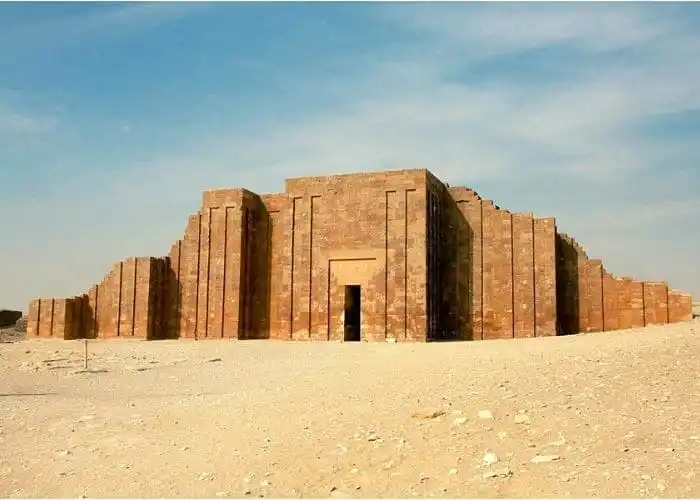
Saqqara - Try Egypt tours

9.Safe Financial Practices: Cash, Cards, and Tipping in Egypt

Navigating the financial landscape safely and efficiently is a vital skill for anyone looking to execute a flawless, stress-free trip to Egypt. The official currency is the Egyptian Pound, and while modern electronic payment systems are rapidly expanding across the country, Egypt remains a heavily cash-centric society where physical paper money is absolute king for daily transactions. When exploring traditional souks, riding in local taxis, purchasing street food, or paying small entry fees, having a ready supply of small-denomination Egyptian banknotes is essential, as local vendors rarely have change for large bills.

To manage your cash safely, always utilize the official automated teller machines that are securely located inside major hotel lobbies, reputable bank branches, or well-lit shopping complexes rather than isolated street machines. Most modern Egyptian automated teller machines accept international debit and credit cards seamlessly, though it is highly recommended to notify your home bank of your travel dates to prevent your cards from being temporarily frozen for suspicious overseas activity. When you are visiting premium establishments, high-end restaurants, luxury resorts, or booking domestic flights, using major international credit cards is completely safe, highly efficient, and offers excellent, real-time foreign exchange rates.

Finally, mastering the local custom of Baksheesh—the deeply ingrained Egyptian tradition of tipping for small services—is the ultimate way to ensure smooth interactions and exceptional service throughout your vacation. Tipping is viewed locally as a natural expression of appreciation and wealth distribution rather than an annoying obligation. Keeping a dedicated pocket filled with small five, ten, and twenty-pound notes allows you to discreetly tip temple guards who show you hidden tomb reliefs, hotel porters who carry your luggage, and drivers who navigate traffic safely, transforming your daily financial interactions into moments of mutual respect and genuine local connection.

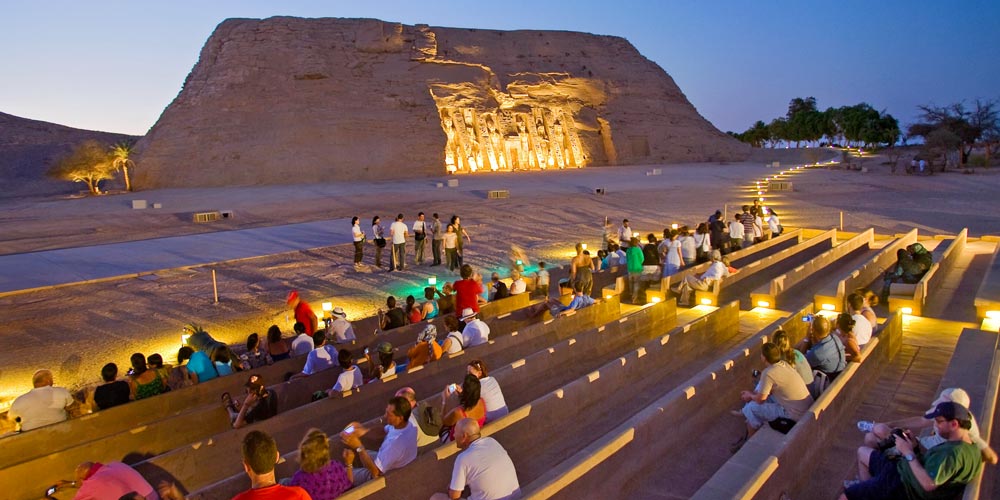
Aswan

10. Nightlife and Evening Exploration: Staying Secure After Sunset

Egypt undergoes a magical transformation once the sun dips below the horizon, as the daytime desert heat gives way to refreshing evening breezes and cities truly come alive. Unlike many Western cities where streets empty out late at night, Egyptian metropolitan centers like Cairo, Alexandria, and Mansoura do not even begin their peak social hours until well after nine in the evening. Families, couples, and groups of friends crowd the sidewalks, outdoor juice bars, and illuminated market lanes until the early hours of the morning, creating a natural, collective community safety net that makes evening exploration remarkably secure for international tourists.

To enjoy this vibrant nocturnal culture with complete peace of mind, first-time visitors should focus their evening itineraries on heavily populated, well-traveled entertainment districts and pedestrian-friendly zones. Wandering through the historic, brilliantly lit avenue of Al-Muizz Street in Islamic Cairo, enjoying a late-night mint tea at the legendary El Fishawy café in Khan el-Khalili, or taking a relaxed stroll along the Corniche in Alexandria are all highly secure activities due to the constant presence of local families and protective tourism security. Sticking to well-lit main roads and relying on verified ride-sharing applications to travel between your hotel and evening venues completely eliminates the logistical stress of navigating unfamiliar nighttime transit.

If you are looking to experience Egypt’s modern nightlife, including upscale lounges, trendy rooftop bars, and international clubs, you will find an incredibly sophisticated scene concentrated within premium neighborhoods like Zamalek and Maadi, or inside luxury five-star hotels. These venues enforce strict security protocols at their entrances, ensuring a safe, relaxed, and highly controlled environment for guests. By maintaining the same common-sense boundaries regarding alcohol consumption that you would practice at home, and staying aware of your immediate surroundings, you can immerse yourself in Egypt’s legendary, high-energy nightlife safely and memorably.

11. Scuba Diving and Water Sports Safety along the Coastal Rivieras

For many global travelers, the ultimate highlight of an Egypt vacation takes place away from the ancient stone monuments and deep within the crystal-clear waters of the Red Sea coast. Destinations like Hurghada, Sharm El Sheikh, Dahab, and Marsa Alam are celebrated as some of the premier marine territories on Earth, drawing scuba divers, snorkelers, and windsurfers from every corner of the globe. Because these aquatic activities involve natural marine environments and specialized equipment, ensuring your physical safety along the coast depends entirely on choosing reputable, fully certified operators who place a premium on safety protocols.

When booking a diving excursion, a boat cruise, or a kite-surfing lesson, always verify that the operator is officially licensed by the Chamber of Diving and Watersports, which is the national governing body that enforces strict international environmental and safety regulations in Egypt. Reputable centers will always insist on verifying your diving certification levels, requiring you to fill out comprehensive medical questionnaires, and providing thorough, detailed safety briefings before anyone steps into the water. Never compromise your personal safety by booking cut-rate, unlicensed boat trips offered by random street vendors, as these cheaper operations often bypass vital safety standards, high-quality life vest availability, and proper emergency communication equipment.

Furthermore, practicing responsible marine etiquette is a vital component of staying safe in the water. The Red Sea is a pristine but fragile ecosystem home to unique coral walls, historic shipwrecks, and powerful underwater currents that require respect. Always maintain excellent buoyancy control to avoid making physical contact with sharp coral formations or hazardous marine life like stonefish and sea urchins, and strictly follow the depth limits set by your professional dive guide. By pairing world-class professional instruction with a respect for the sea, your coastal adventures will be an entirely safe, exhilarating, and flawless addition to your travel itinerary.

12. Digital and Cyber Security: Protecting Your Data on the Road

In our modern, interconnected travel landscape, safeguarding your personal data and digital identity is just as important as protecting your physical luggage while exploring the world. While planning your daily routes, checking museum hours, and uploading beautiful snapshots of Egyptian landmarks to social media requires constant internet access, relying entirely on unsecured public internet connections can expose your sensitive personal information to cyber vulnerabilities. Practicing smart digital hygiene ensures that your financial accounts, email access, and personal communications remain completely secure throughout your journey.

One of the smartest digital safety moves you can make upon arriving at Cairo International Airport is to purchase a local tourist subscriber identity module card from an official network provider like Vodafone, Orange, or Etisalat. These local tourist cellular data packages are incredibly affordable, require only your physical passport for registration, and provide you with a fast, private, and highly secure internet connection across almost all major tourist regions in Egypt. Having dedicated cellular data completely removes the risky necessity of connecting to unencrypted, public wireless networks in crowded airports, local cafés, or open transit stations where data interception is a possibility.

If you do find yourself needing to utilize hotel wireless networks to access sensitive accounts, such as mobile banking or personal email, always activate a high-quality Virtual Private Network on your smartphone or laptop beforehand. A Virtual Private Network creates an encrypted digital tunnel for your internet traffic, preventing third parties from monitoring your online browsing activity or harvesting your private passwords. Additionally, storing digital back-ups of your vital travel documents—including your passport photo page, travel insurance policies, and flight confirmations—on a secure, password-protected cloud server guarantees that you can instantly access your essential records from any device in the event of a physical loss, providing an extra layer of invaluable tech safety on the road.

Frequently Asked Questions

Walking through the primary touristic and commercial neighborhoods of Cairo during the evening is remarkably safe and highly recommended. Unlike many major Western cities, Egyptian metropolitan centers experience their peak social activity late into the night, resulting in lively streets filled with local families, shoppers, and outdoor diners until the early hours of the morning. Sticking to vibrant pedestrian zones, heavily populated areas like Zamalek, or historic illuminated routes like Al-Muizz Street provides a highly secure, welcoming environment where petty crime is statistically minimal.

If you encounter an overenthusiastic vendor or carriage driver while exploring historical sites in Egypt, the most effective response is to remain completely calm, polite, and firm. Simply make direct eye contact, offer a polite smile, and clearly state La, Shukran, which means “No, thank you” in Arabic, while continuing to walk steadily toward your destination. Avoid engaging in casual conversation or looking at merchandise if you have no intention of purchasing, as breaking off contact completely signalizes to the vendor that you are not a prospective customer.

Yes, Egypt operates highly efficient, specialized emergency hotlines that can be reached instantly from any local or international mobile phone. For any immediate assistance, tourists can dial the unified national emergency number on one hundred and twelve, which automatically routes calls to police, fire, or rescue teams based on location. Additionally, travelers should save the direct line for the dedicated Egyptian Tourist Police on one hundred and twenty-six, and the national medical ambulance service on one hundred and twenty-three for specialized support.

While tap water in major Egyptian cities is heavily treated and perfectly safe for local municipal utilities, it contains a distinct mineral composition that can easily upset the digestive systems of international travelers. To keep your body completely healthy, always rely on sealed bottled water for drinking and brushing your teeth, ensuring the factory plastic seal is intact before opening. Because the desert climate is intensely dry, make it a continuous habit to carry bottled water in your daypack and drink regularly throughout your outdoor sightseeing tours.

Utilizing major ride-sharing applications like Uber or Careem is widely considered the safest, most convenient, and most reliable transportation method for first-time visitors navigating Cairo and Alexandria. These digital platforms completely eliminate the language barriers and stressful fare negotiations that sometimes occur with traditional white street taxis by providing upfront, transparent pricing before you enter the vehicle. Furthermore, ride-sharing offers valuable built-in security features, including digital GPS tracking, verified driver profiles, and route accountability.