
Welcome to

Luxor East Bank vs West Bank Guided Tours

Luxor is often called the world’s greatest open-air museum, and for good reason. Once the ancient city of Thebes, the capital of Egypt during the New Kingdom, Luxor is home to some of the most spectacular temples, tombs, monuments, and archaeological treasures ever discovered. When planning a visit, travelers frequently encounter an important question: Should you choose a Luxor East Bank tour or a West Bank tour? While both sides of the Nile offer extraordinary experiences, each provides a unique perspective on Ancient Egyptian civilization. Understanding the differences between Luxor East Bank vs West Bank guided tours can help visitors create the perfect itinerary and make the most of their time in this remarkable destination.

The Nile River divides Luxor into two distinct historical regions. In Ancient Egyptian belief, the east represented life, rebirth, and the rising sun, while the west symbolized death, the afterlife, and the setting sun. As a result, the East Bank became the center of worship, administration, and daily life, while the West Bank served as the vast royal necropolis where pharaohs and nobles were buried.

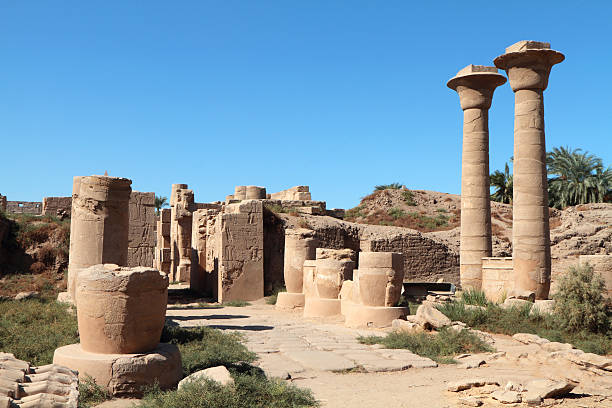
Guided tours of Luxor’s East Bank focus primarily on temples and religious monuments. The most famous attraction is the magnificent Karnak Temple Complex, the largest religious complex ever built. Covering more than 200 acres, Karnak features colossal columns, towering obelisks, sacred lakes, monumental gateways, and beautifully carved temples dedicated to the gods of Ancient Egypt. A guided tour helps visitors understand the site’s complex history, architectural development, and religious significance over nearly two thousand years of construction.

Another highlight of East Bank tours is the impressive Luxor Temple, located in the heart of modern Luxor. Built primarily by Amenhotep III and Ramses II, the temple served as an important religious center and remains one of Egypt’s best-preserved ancient monuments. Many travelers enjoy visiting Luxor Temple in the evening when its dramatic illumination creates a magical atmosphere.

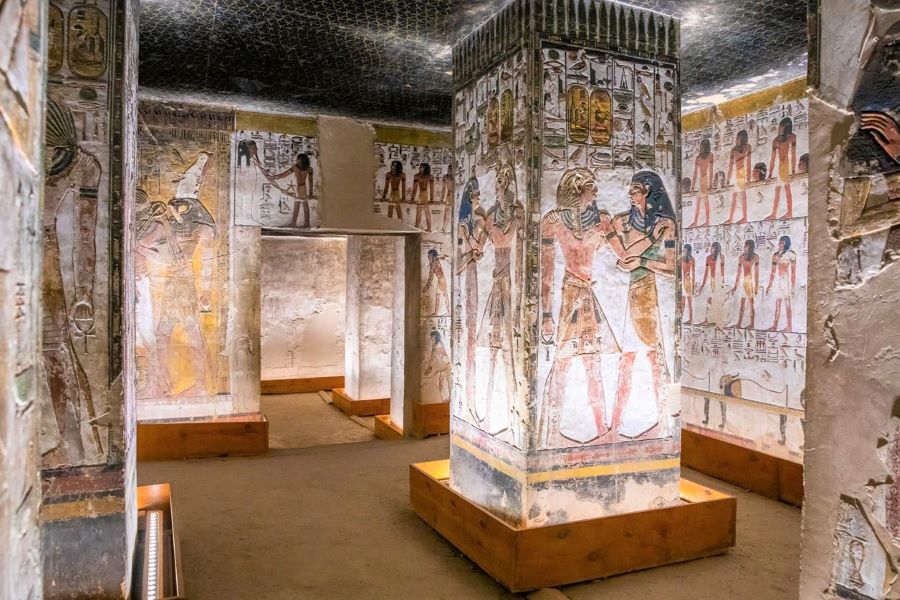
The West Bank offers a completely different experience, focusing on royal tombs, mortuary temples, and funerary monuments. The most famous site is the legendary Valley of the Kings, where more than 60 royal tombs were carved into the desert mountains. Visitors can enter beautifully decorated burial chambers and learn about the lives, beliefs, and burial traditions of Egypt’s most powerful pharaohs, including Tutankhamun, Ramses II, and Seti I.

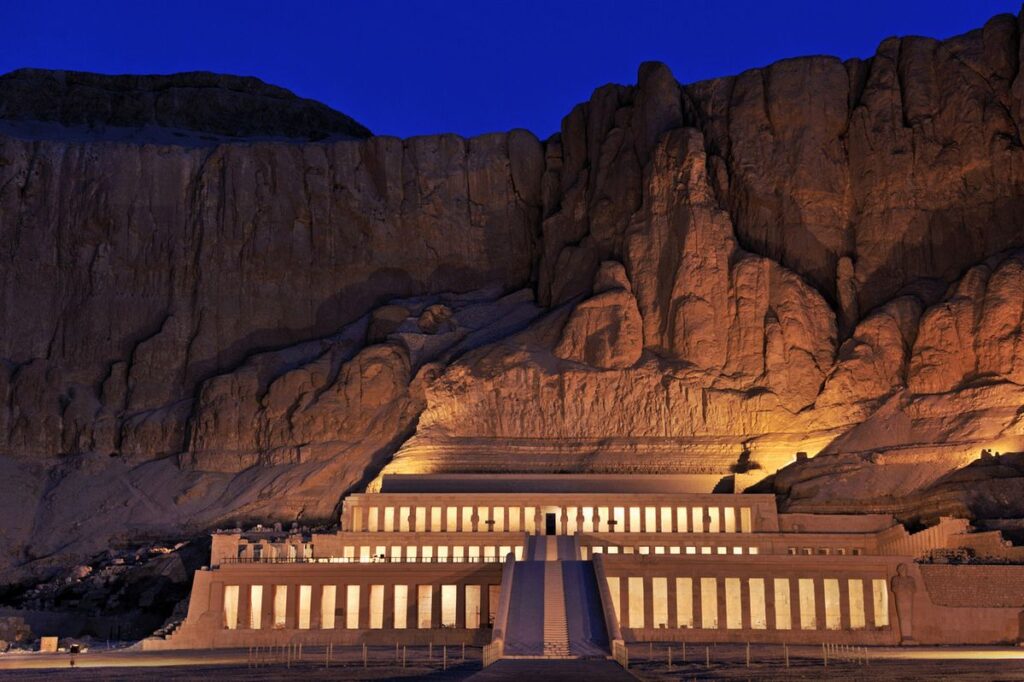
Another major attraction on the West Bank is the breathtaking Mortuary Temple of Hatshepsut. Built for one of Egypt’s most successful female rulers, this architectural masterpiece is famous for its elegant terraces and dramatic setting beneath the cliffs of Deir el-Bahari. Nearby, travelers can visit the iconic Colossi of Memnon, two massive statues that have stood guard over the Theban Necropolis for more than 3,000 years.

Many West Bank tours also include lesser-known but fascinating sites such as the Valley of the Queens, Medinet Habu, and the Ramesseum, offering deeper insights into Ancient Egyptian religion, art, and royal life.

For travelers with limited time, choosing between the East Bank and West Bank depends largely on personal interests. Visitors fascinated by temples, architecture, and religious history may prefer the East Bank, while those interested in royal tombs, archaeology, and burial traditions often favor the West Bank. However, most travelers find that both sides are essential for understanding the full story of Ancient Egyptian civilization.

Many guided tours combine East Bank and West Bank attractions into full-day or multi-day itineraries, allowing visitors to experience the best of both worlds with the assistance of expert Egyptologist guides. Private tours offer additional flexibility, enabling travelers to customize their schedule and focus on the sites that interest them most.

In this guide, we will compare Luxor East Bank vs West Bank guided tours, explore the top attractions on each side of the Nile, discuss tour options, travel tips, and help you determine which experience best matches your interests. Whether you choose the majestic temples of the East Bank, the royal tombs of the West Bank, or both, Luxor promises one of the most unforgettable journeys into the heart of Ancient Egypt.

1. Understanding the Difference Between Luxor East Bank and West Bank

One of the most important things to understand when visiting Luxor is the distinction between the East Bank and the West Bank. Although both areas are home to some of the most remarkable monuments of Ancient Egypt, they served very different purposes during the time of the pharaohs. Understanding this historical division helps visitors appreciate the significance of the sites they explore and choose the guided tour that best matches their interests.

The East Bank of Luxor was traditionally known as the land of the living. Ancient Egyptians associated the rising sun with life, renewal, and daily worship. As a result, this side of the Nile became the center of religious and political life. Massive temples dedicated to gods and royal ceremonies were constructed here, and many people lived and worked in the surrounding area. Today, the East Bank remains the modern center of Luxor and is home to hotels, restaurants, and bustling streets.

In contrast, the West Bank was associated with the setting sun and symbolized death and the afterlife. This area became the burial ground of kings, queens, and nobles during the New Kingdom period. It contains some of the most famous archaeological treasures in Egypt, including the Valley of the Kings and the Temple of Hatshepsut.

While both sides offer extraordinary experiences, they complement each other perfectly. Exploring both the East and West Banks provides a complete picture of Ancient Egyptian civilization and reveals how the ancient Egyptians viewed life and death.
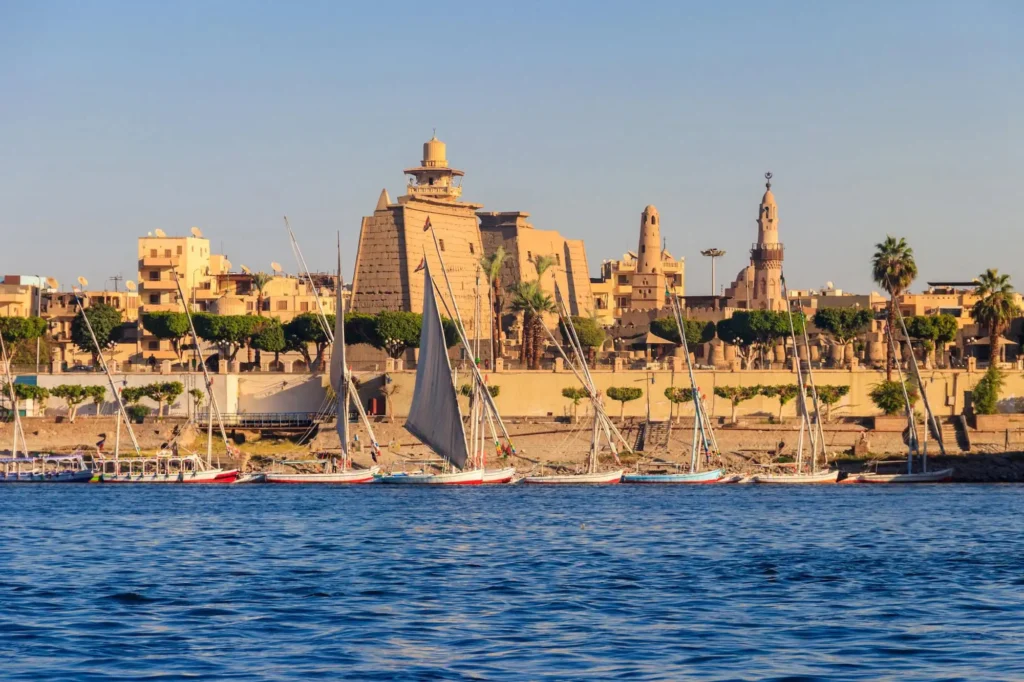
The Nile Corniche The East Bank of Luxor

2. Top Attractions on the East Bank

Luxor’s East Bank is home to some of the most impressive temple complexes in the world and represents the spiritual and political center of Ancient Egypt. Most East Bank guided tours focus on two extraordinary monuments that attract travelers from around the globe: Karnak Temple and Luxor Temple. These sites are among the most important historical landmarks in Egypt and are essential stops for first-time visitors.

Karnak Temple is the largest religious complex ever built and was expanded by numerous pharaohs over a period of nearly two thousand years. Visitors are often amazed by its enormous columns, sacred lake, obelisks, and beautifully carved walls. The Great Hypostyle Hall, with its massive pillars, is one of the most photographed locations in Luxor and remains one of the greatest architectural achievements of Ancient Egypt.

Luxor Temple, located closer to the city center, offers a completely different atmosphere. Connected to Karnak Temple by the ancient Avenue of Sphinxes, this magnificent structure was dedicated primarily to royal ceremonies and festivals. In the evening, the temple becomes especially beautiful when illuminated, creating a magical setting for visitors.

Besides these famous landmarks, the East Bank also offers museums, local markets, restaurants, and hotels, making it a convenient base for travelers staying in Luxor. Guided tours of the East Bank provide fascinating insights into the religious life and ceremonial traditions of Ancient Egypt.
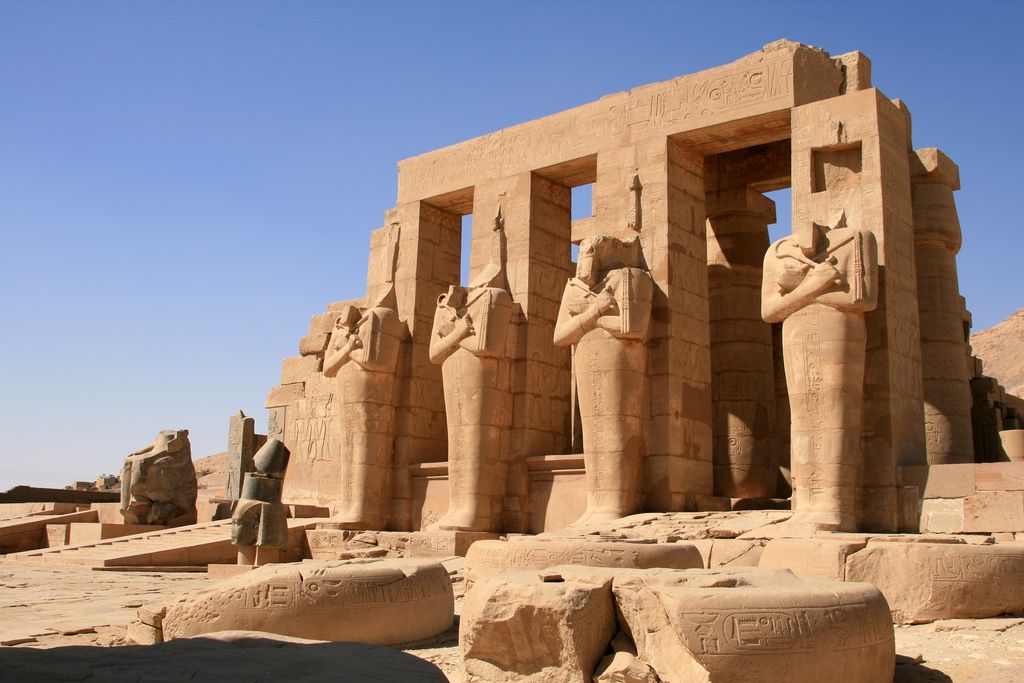
3. Top Attractions on the West Bank

The West Bank of Luxor is often considered the highlight of any trip to Egypt because it contains some of the country’s most famous archaeological sites. Known as the land of the dead, this side of the Nile served as the royal necropolis of Ancient Egypt and contains remarkable tombs and temples that have survived for thousands of years.

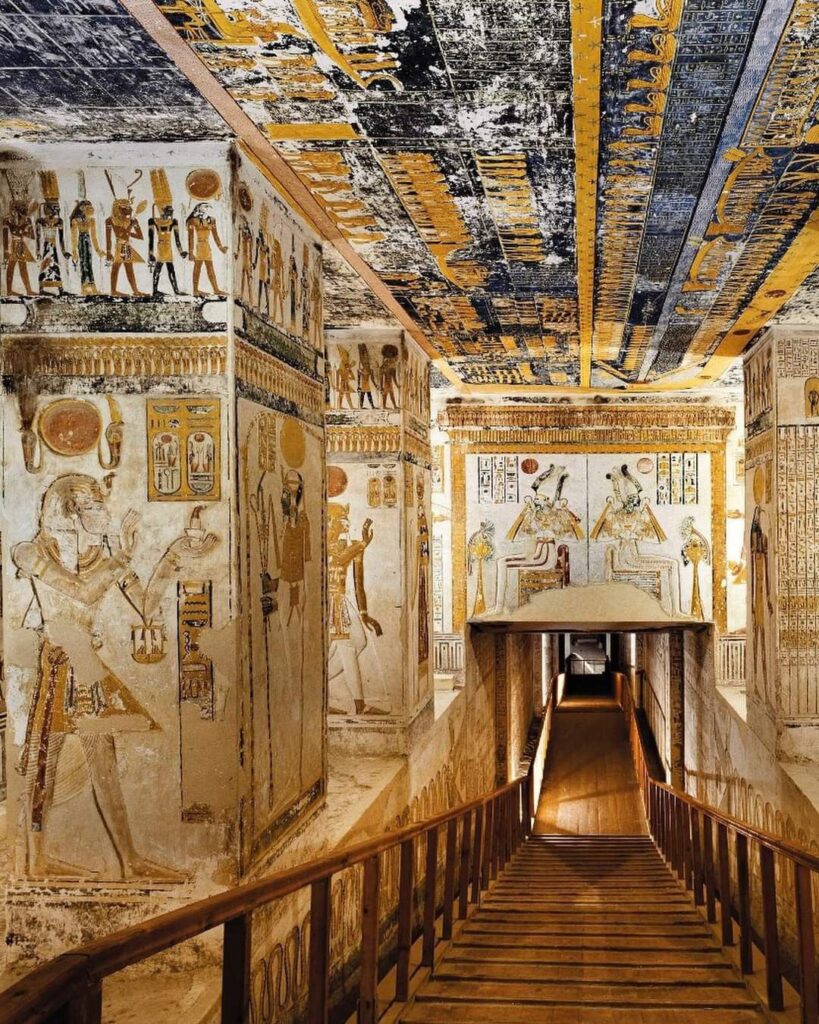
The most famous attraction on the West Bank is undoubtedly the Valley of the Kings. This UNESCO World Heritage Site contains the tombs of many pharaohs, including Tutankhamun, Ramses VI, and Seti I. The colorful paintings and intricate hieroglyphics inside these tombs offer a fascinating glimpse into ancient beliefs about the afterlife.

Another major attraction is the Temple of Hatshepsut, one of the most unique and impressive monuments in Egypt. Built for one of the country’s greatest female rulers, the temple features elegant terraces and dramatic views of the surrounding cliffs. Nearby, visitors can also see the Colossi of Memnon, two enormous statues that have stood guard over the area for more than three thousand years.

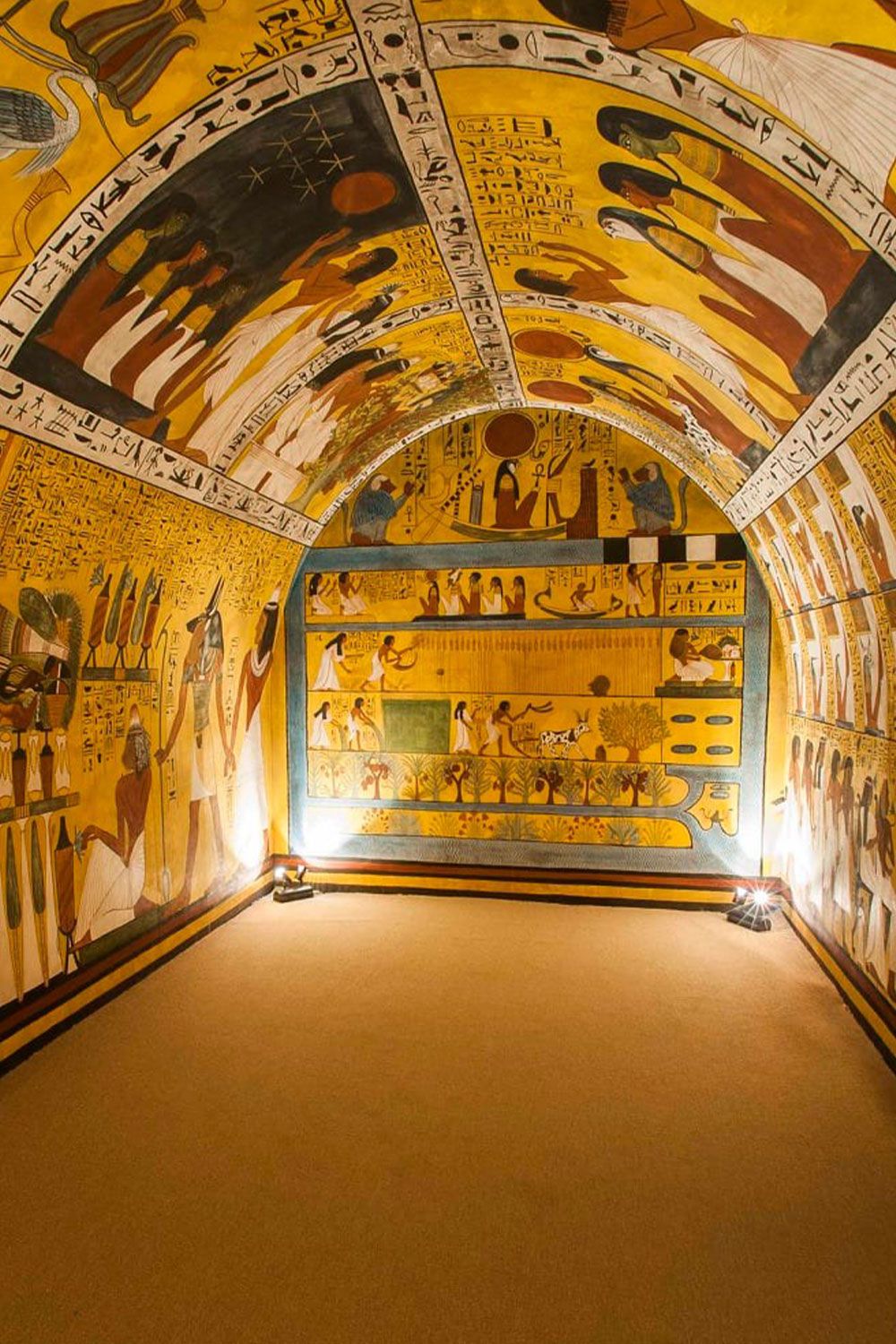
Many guided tours also include visits to the Valley of the Queens and the tombs of the nobles, providing additional insight into life and death during the New Kingdom period. For travelers interested in archaeology and the pharaohs, the West Bank offers an unforgettable journey into the heart of Ancient Egypt.
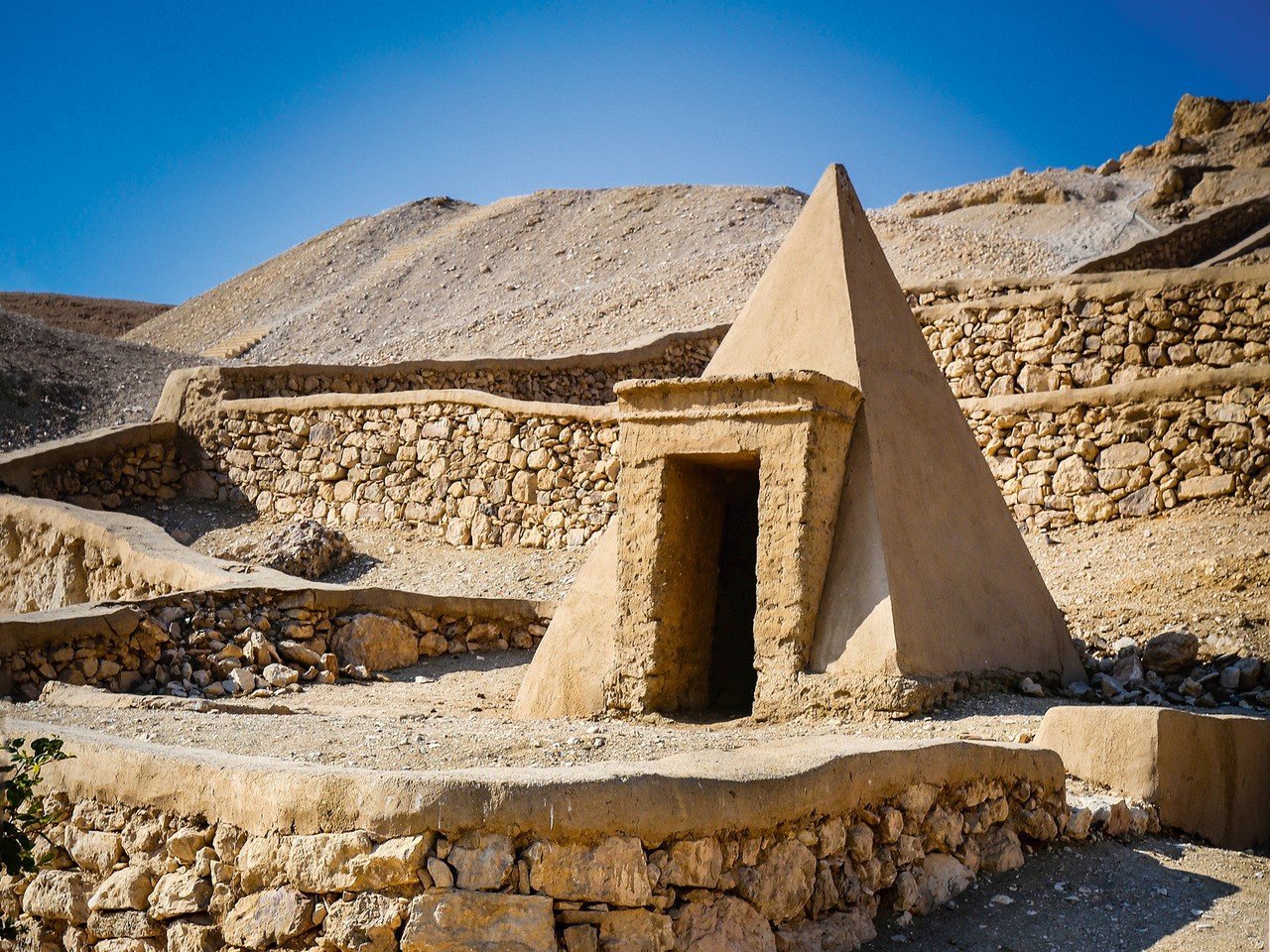
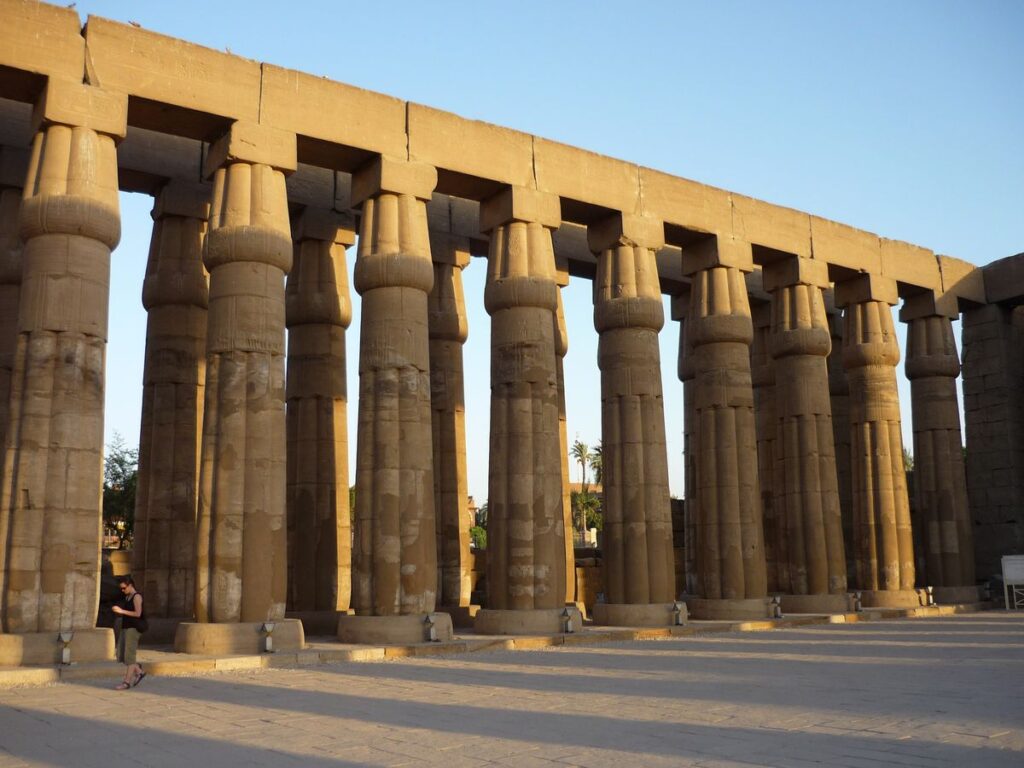
4. East Bank Guided Tours: What to Expect

East Bank guided tours in Luxor are designed to showcase the most important temples and cultural landmarks of Ancient Egypt while offering a comfortable and well-organized sightseeing experience. Most tours focus on Karnak Temple and Luxor Temple, but they are often structured in a way that also includes insights into modern Luxor life, giving visitors a balanced view of the city’s past and present.

A typical East Bank tour begins with pickup from the hotel or Nile cruise, followed by a short drive through the modern city. The first major stop is usually Karnak Temple, where visitors spend a significant amount of time exploring its massive columns, sacred lake, and vast courtyards. Guides explain the religious importance of the temple complex and how it was expanded over nearly 2,000 years by different pharaohs.

After Karnak, most tours continue to Luxor Temple. Unlike Karnak, Luxor Temple has a more intimate and centralized design, and it is especially stunning in the late afternoon or evening when it is beautifully illuminated. Many visitors find this temple more atmospheric due to its location in the heart of the modern city.

East Bank tours are generally less physically demanding compared to West Bank excursions, making them suitable for families, older travelers, and those with limited time. They offer a deep cultural experience focused on Ancient Egyptian religion, ceremonies, and architectural achievements.

5. West Bank Guided Tours: What to Expect

West Bank guided tours in Luxor provide a more archaeological and historical experience, taking visitors deep into the world of Ancient Egypt’s royal tombs and mortuary temples. This side of the Nile is quieter and more desert-like, offering a completely different atmosphere compared to the busy East Bank.

Most West Bank tours begin early in the morning to avoid the intense heat and include transportation from hotels or cruise ships. The first major stop is usually the Valley of the Kings, where visitors explore the tombs of famous pharaohs such as Tutankhamun and Ramses VI. Guides explain the meanings behind the colorful wall paintings and religious texts that decorate the tomb interiors.

After the Valley of the Kings, tours typically continue to the Temple of Hatshepsut. This architectural masterpiece is carved into the cliffs of Deir el-Bahari and stands as a symbol of one of Egypt’s most powerful female rulers. The design and location of the temple make it one of the most unique monuments in Egypt.

Many tours also include a stop at the Colossi of Memnon, two massive stone statues that once guarded a now-lost mortuary temple. Some extended tours may also include visits to the Valley of the Queens or nearby noble tombs.

West Bank tours are ideal for travelers interested in Ancient Egyptian history, archaeology, and royal heritage, offering one of the most immersive experiences in Luxor.

6. Which Side of Luxor Is Better for First-Time Visitors?

Choosing between the East Bank and West Bank in Luxor depends largely on your interests, available time, and travel style. Both sides offer world-class attractions, and ideally, first-time visitors should experience both to gain a complete understanding of Ancient Egypt. However, if time is limited, understanding the differences can help you prioritize.

The East Bank is generally better for travelers who prefer monumental temples, easier access, and a less physically demanding experience. It is also ideal for those staying in Luxor city who want to explore without long travel times. Karnak Temple and Luxor Temple provide an impressive introduction to Ancient Egyptian religion, architecture, and ceremonial life.

On the other hand, the West Bank is better suited for visitors who are more interested in archaeology, tombs, and the history of pharaohs. It offers a more adventurous and immersive experience, especially for those fascinated by the afterlife beliefs of Ancient Egypt. The Valley of the Kings alone is often considered one of the highlights of any Egypt itinerary.

For most first-time travelers, combining both sides in a full-day guided tour is the best option. This allows visitors to experience the full spectrum of Luxor’s historical significance, from grand temples to royal tombs, in a single unforgettable journey.

7. Combined East & West Bank Full-Day Tours

Many travelers visiting Luxor for the first time choose a combined East and West Bank full-day tour because it offers the most complete experience of the city in a single itinerary. Instead of choosing between temples or tombs, this option allows visitors to explore both sides of the Nile and understand the full story of Ancient Egyptian civilization.

A typical combined tour begins early in the morning on the West Bank, where travelers visit the Valley of the Kings. This is usually the highlight of the day, as visitors explore the decorated tombs of famous pharaohs and learn about their journey into the afterlife. The tour then continues to the Temple of Hatshepsut, followed by a stop at the Colossi of Memnon.

After completing the West Bank, travelers usually break for lunch before crossing to the East Bank. Here, the focus shifts from burial sites to grand temples dedicated to worship and royal ceremonies. Karnak Temple is often the first stop, followed by Luxor Temple, especially if time allows for a late afternoon or evening visit.

These combined tours are highly recommended for first-time visitors because they save time, reduce transportation stress, and provide a well-balanced historical overview. With a professional Egyptologist guide, travelers gain deeper insight into both the religious and political aspects of Ancient Egypt.

8. Best Time to Take Luxor East vs West Bank Tours

The best time to enjoy Luxor East and West Bank tours is during the cooler months between October and April. During this period, temperatures are much more comfortable for sightseeing, allowing travelers to explore outdoor archaeological sites without extreme heat. This is especially important for West Bank tours, which involve walking between tombs in open desert areas.

Morning hours are generally ideal for both East and West Bank excursions. Starting early helps visitors avoid crowds and take advantage of softer lighting conditions, which are perfect for photography. West Bank tours often begin at sunrise or shortly after, as temperatures can rise quickly in Luxor.

The East Bank, particularly Luxor Temple, becomes especially beautiful in the late afternoon and evening when it is illuminated. This makes sunset or evening visits a popular choice for travelers who want a more atmospheric experience.

Summer months from May to September can be very hot, especially on the West Bank, where shade is limited. Travelers visiting during this time are advised to start tours as early as possible, stay hydrated, and take regular breaks.

By choosing the right time of day and season, visitors can enjoy a much more comfortable and rewarding experience while exploring both sides of Luxor.

karnak temple complex

9. Final Tips for Choosing the Right Tour in Luxor

Choosing the right tour in Luxor depends on your interests, available time, and travel expectations. Both the East Bank and West Bank offer unique experiences, and the best choice often depends on how deeply you want to explore Ancient Egypt.

If you are interested in monumental temples, religious ceremonies, and easier access, the East Bank is a great starting point. It is less physically demanding and provides a strong introduction to Egyptian architecture and history. On the other hand, if you are fascinated by pharaohs, tombs, and archaeology, the West Bank offers a more immersive and historical experience.

For first-time visitors, the most recommended option is a combined full-day tour. This allows you to experience both sides of the Nile in one organized itinerary with a professional guide. It also ensures that you do not miss any of Luxor’s most important highlights.

It is also important to choose a licensed guide and a reputable tour operator to ensure a smooth and informative experience. Comfortable clothing, sun protection, and water are essential for all tours, especially during warmer months.

Ultimately, Luxor is one of the most rewarding destinations in Egypt, and whether you choose East Bank, West Bank, or both, you are guaranteed an unforgettable journey into the heart of Ancient Egypt.
Tomb of Seti I (KV17) 5

10. Transportation Between East and West Bank in Luxor

Getting between Luxor’s East Bank and West Bank is simple, but it’s important to understand your options to make your guided tour smoother and more efficient. The two sides of the Nile are connected by bridges and ferry boats, and most organized tours handle transportation for you, which is the easiest option for first-time visitors.

The most common way to cross is by road using the Luxor Bridge, which allows vehicles to travel directly between both banks. This is the fastest and most comfortable option, especially for private tours and air-conditioned vehicles. Travel time is usually short, making it easy to visit multiple attractions in one day.

Another popular and more traditional option is the local ferry boat across the Nile. This is often used by independent travelers who want a more authentic experience. The crossing is quick, inexpensive, and offers beautiful views of the river, especially during sunrise or sunset.

Taxis and private drivers are widely available in Luxor, and many visitors choose to hire a car for the full day to move between sites on both banks. Most guided tour packages already include transportation, which removes the need to arrange anything separately.

Overall, transportation in Luxor is very manageable, and moving between East and West Bank is not difficult. With proper planning or a guided tour, visitors can explore both sides of the city comfortably in a single day.

11. Photography Tips for East and West Bank Tours

Luxor is one of the most photogenic destinations in Egypt, and both the East and West Bank offer incredible opportunities for photography. From massive temple columns to detailed tomb paintings and desert landscapes, every corner of the city provides unique visual moments for travelers.

On the East Bank, Karnak Temple is one of the best places for dramatic architectural photography. The towering columns of the Great Hypostyle Hall create powerful perspectives, especially when sunlight filters through them in the morning. Luxor Temple also offers stunning shots at sunset or during the evening when it is beautifully illuminated.

On the West Bank, the Valley of the Kings provides a different type of photography experience. While photography inside some tombs may be restricted, the surrounding desert scenery and tomb entrances offer excellent outdoor shots. The Temple of Hatshepsut is another highlight, with its terraces blending naturally into the cliffs, creating striking compositions.

Visitors should always check photography rules before entering tombs or museums, as regulations may change. Using a smartphone or standard camera is usually allowed in outdoor areas, but flash photography is often prohibited inside tombs to protect the ancient artwork.

Early morning and late afternoon are the best times for photography due to softer light and fewer crowds. Carrying a spare battery and keeping equipment protected from dust is also recommended for a smooth photography experience in Luxor.

12. Why Luxor East and West Bank Tours Are a Must-Do in Egypt


The East Bank showcases the grandeur of Ancient Egyptian religion and public life, with massive temple complexes like Karnak and Luxor Temple demonstrating the architectural brilliance of the pharaohs. These sites reflect the power, rituals, and ceremonies that defined ancient society along the Nile.

The West Bank, on the other hand, reveals the mysteries of death, burial, and the afterlife. The Valley of the Kings and surrounding sites allow visitors to step directly into the world of the pharaohs and explore their final resting places, decorated with detailed artwork and sacred texts.

Together, both sides of Luxor create a complete historical narrative that cannot be experienced anywhere else in the world. Guided tours make this experience even more meaningful by providing expert explanations and cultural context that bring the ancient sites to life.

For travelers seeking the best places to visit in Egypt, Luxor stands out as a highlight of any Egypt vacation. Whether you are interested in history, photography, or cultural exploration, East and West Bank tours offer an unforgettable journey that connects you directly with the legacy of Ancient Egypt.

Frequently Asked Questions

Most guided tours include hotel pickup, private or shared transport, a licensed Egyptologist guide, entrance to major sites like Karnak Temple, Luxor Temple, Valley of the Kings, Hatshepsut Temple, and Colossi of Memnon, depending on the itinerary.

Ideally, 2 to 3 days in Luxor is enough to comfortably explore both the East Bank and West Bank without rushing. Some travelers also complete both in a single full-day tour.

Neither is better—they are different experiences. The East Bank focuses on grand temples and city life, while the West Bank focuses on tombs, archaeology, and the afterlife beliefs of Ancient Egypt.

Yes, but a guide is highly recommended. A licensed Egyptologist provides historical context, explains symbols and hieroglyphs, and helps you understand the significance of each site.

The best time is from October to April when the weather is cooler. Morning tours are ideal for both banks to avoid heat and crowds, especially on the West Bank.