
Welcome to

Luxor Travel Guide for First-Time Visitors

Luxor is often described as the world’s greatest open-air museum, and for good reason. Located on the banks of the Nile River in southern Egypt, the city is home to an extraordinary concentration of ancient temples, royal tombs, and archaeological treasures that span thousands of years of history. For first-time visitors to Egypt, Luxor is one of the country’s most essential destinations and is frequently regarded as the highlight of an Egyptian journey.

Known in ancient times as Thebes, Luxor served as the capital of Egypt during the height of the New Kingdom and became one of the most important political, religious, and cultural centers of the ancient world. The city’s remarkable monuments reflect the wealth and power of some of Egypt’s greatest pharaohs, including Ramses II, Hatshepsut, Tutankhamun, and Amenhotep III. Today, these incredible structures continue to captivate millions of travelers from around the globe.

Luxor is traditionally divided into two main areas. The East Bank, often associated with life and worship, is home to famous sites such as Karnak Temple and Luxor Temple. The West Bank, symbolizing the realm of the dead, contains the Valley of the Kings, the Temple of Hatshepsut, and numerous royal tombs and ancient cemeteries. Together, these sites provide one of the most complete and impressive collections of ancient monuments anywhere in the world.

Despite its immense historical significance, Luxor is not simply a destination for archaeologists and history enthusiasts. The city also offers beautiful Nile scenery, traditional felucca rides, vibrant local markets, hot air balloon experiences, and a relaxed atmosphere that allows travelers to appreciate the beauty of Upper Egypt. Whether exploring monumental temples or watching the sunset over the Nile, visitors quickly discover why Luxor holds such a special place in Egyptian tourism.

For first-time travelers, planning a visit to Luxor can feel overwhelming because of the sheer number of attractions available. Knowing where to go, how much time to spend, and what experiences should not be missed can make a significant difference.

This guide covers everything first-time visitors need to know, including the best attractions, transportation options, accommodation choices, local experiences, and practical travel tips to help you make the most of your journey to one of the most extraordinary destinations on earth.

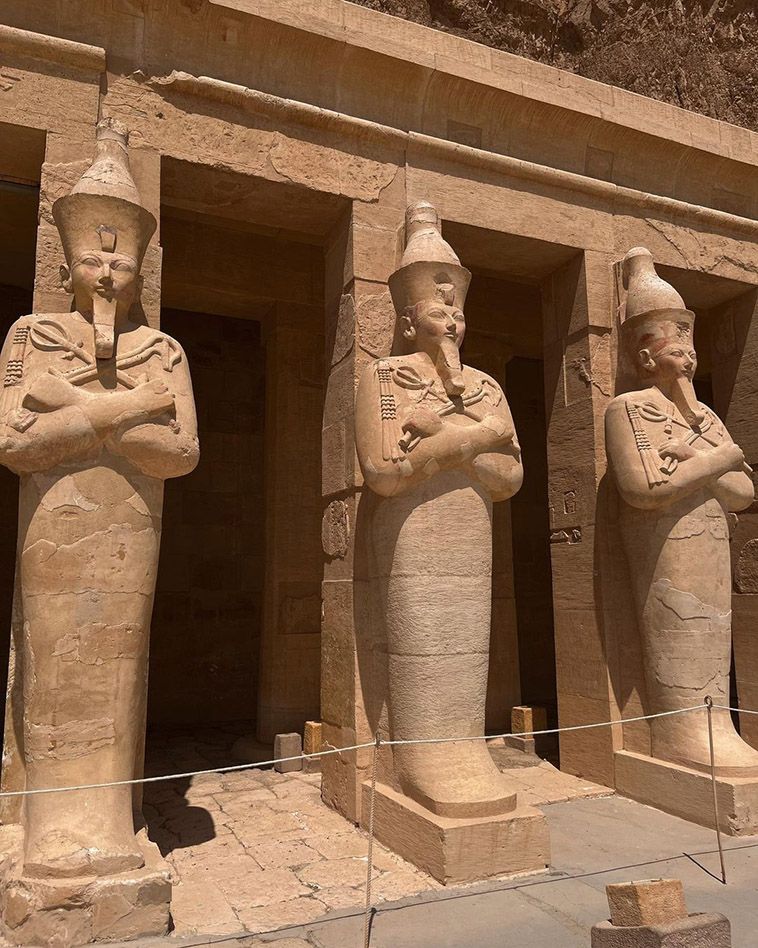
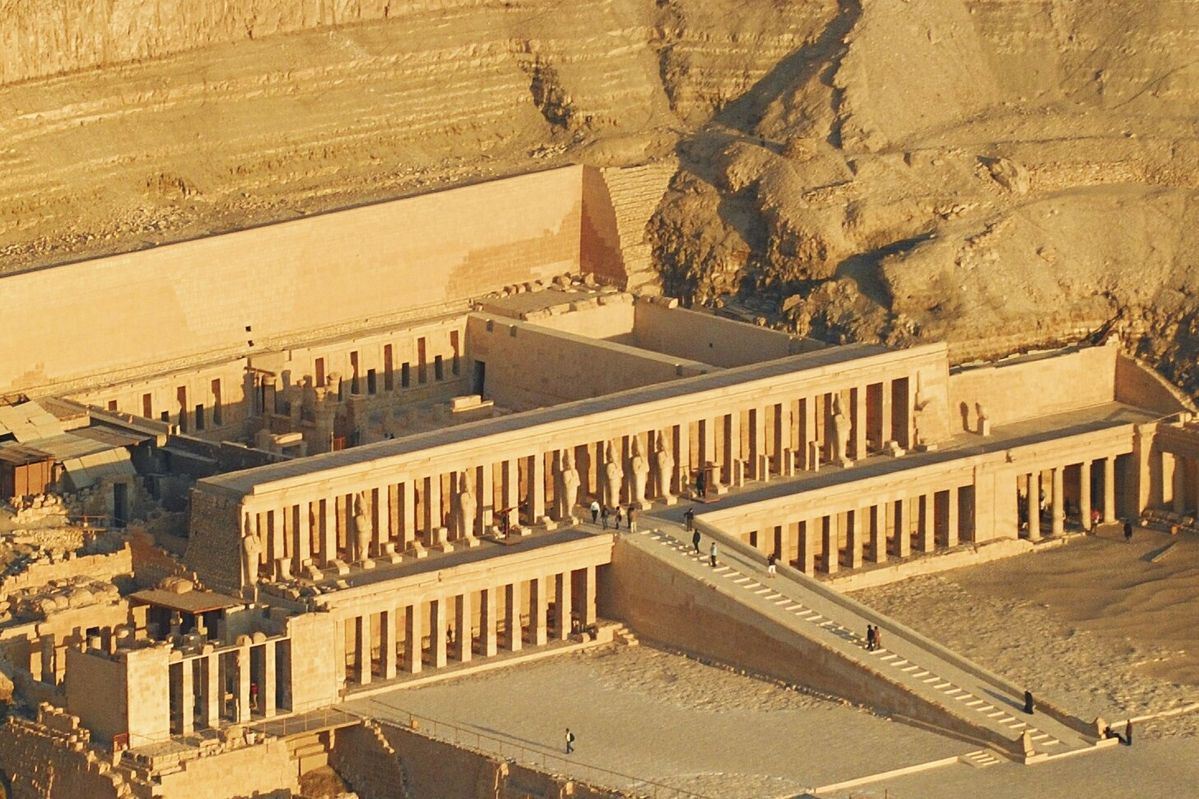
Temple of Hatshepsut 3

1. Why Visit Luxor?

Luxor is one of the most extraordinary destinations in Egypt and is widely regarded as one of the greatest archaeological sites in the world. For first-time visitors, the city offers an unparalleled opportunity to experience the grandeur of Ancient Egyptian civilization through its temples, tombs, monuments, and breathtaking Nile scenery.

One of Luxor’s greatest attractions is the sheer concentration of historical sites. No other place in Egypt contains such an impressive collection of ancient monuments within a relatively compact area. Visitors can explore colossal temples, royal burial chambers, and monuments built by some of the most famous pharaohs in history, all while learning about a civilization that flourished thousands of years ago.

Luxor is traditionally divided between the East Bank and the West Bank of the Nile. The East Bank was associated with life and worship and contains magnificent temples such as Karnak Temple and Luxor Temple. The West Bank, symbolizing the afterlife, is home to the Valley of the Kings, the Temple of Hatshepsut, and numerous tombs and archaeological sites. Together, these areas provide a fascinating journey through Ancient Egyptian beliefs and history.

Beyond archaeology, Luxor also offers beautiful landscapes and authentic experiences. Visitors can enjoy felucca rides on the Nile, hot air balloon flights at sunrise, local markets, and stunning desert scenery. The combination of history and natural beauty creates a travel experience unlike any other.

For many travelers, Luxor becomes the highlight of their trip to Egypt. Whether you are passionate about history or simply curious about one of the world’s oldest civilizations, Luxor provides an unforgettable experience that few destinations can rival.
2. Best Time to Visit Luxor

Choosing the right time to visit Luxor can greatly improve the overall experience, particularly because most of the city’s attractions are located outdoors. Luxor enjoys abundant sunshine throughout the year, but temperatures vary considerably depending on the season.

For most travelers, the best time to visit Luxor is between October and April. During these months, temperatures are generally mild and comfortable, creating ideal conditions for exploring archaeological sites and spending long hours outdoors. Walking through Karnak Temple, the Valley of the Kings, and other attractions becomes much more enjoyable when the weather is pleasant.

Winter is especially popular among international visitors because daytime temperatures are comfortable and evenings remain relatively mild. As a result, this period represents the peak tourism season, and travelers are advised to book accommodations and tours in advance.

Spring and autumn are also excellent seasons to visit. These months often provide favorable weather while avoiding some of the larger tourist crowds. Many travelers find that these shoulder seasons offer an excellent balance between comfort and availability.

Summer in Luxor can be extremely hot, with temperatures often exceeding 40°C (104°F). Travelers visiting during this period should plan sightseeing activities early in the morning and spend the hottest hours of the day relaxing indoors or by the pool.

Regardless of the season, Luxor’s remarkable historical treasures make it one of Egypt’s most rewarding destinations throughout the year.
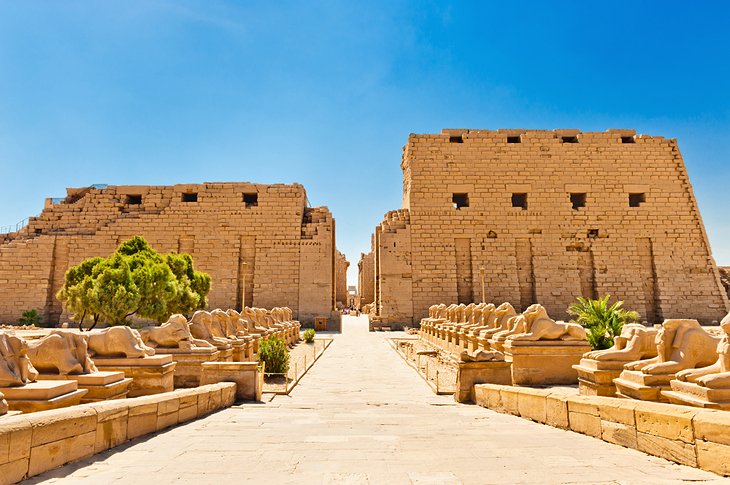
Karnak-Temple

3. How to Get to Luxor

Luxor is one of Egypt’s most popular tourist destinations and is well connected to the rest of the country through a variety of transportation options. Whether traveling from Cairo, Aswan, Hurghada, or another destination, visitors can easily include Luxor in their Egyptian itinerary.

Domestic flights are the fastest and most convenient way to reach Luxor. Regular connections operate from Cairo and several other Egyptian cities, making air travel particularly attractive for visitors with limited time. Luxor International Airport serves both domestic and international routes and provides easy access to the city center.

Train travel is another popular option, especially for travelers interested in experiencing the Nile Valley. Egypt’s railway system connects Luxor with Cairo, Aswan, and several intermediate destinations. Overnight trains are particularly popular because they allow travelers to save time while enjoying a comfortable journey.

Many visitors arrive in Luxor as part of a Nile cruise. Cruises operating between Luxor and Aswan offer one of the most enjoyable ways to travel through Upper Egypt while visiting important archaeological sites along the river. For many travelers, the cruise itself becomes one of the highlights of the trip.

Road transportation is also available. Private transfers, buses, and organized tours connect Luxor with nearby destinations such as Hurghada and Marsa Alam, allowing visitors to combine beach holidays with cultural experiences.

Thanks to its excellent transportation links and central role in Egyptian tourism, reaching Luxor is straightforward and convenient for first-time visitors.
4. Karnak Temple

Karnak Temple is one of the most impressive and significant archaeological sites in the world and is widely considered the crown jewel of Luxor’s East Bank. Covering more than 200 acres, it is the largest religious complex ever built and represents the combined efforts of numerous pharaohs who expanded and enhanced the site over a period of nearly two thousand years.

Dedicated primarily to the god Amun-Ra, Karnak served as one of the most important religious centers of Ancient Egypt. Generations of rulers, including Seti I, Ramses II, Hatshepsut, and Thutmose III, contributed to its construction, resulting in an extraordinary collection of temples, chapels, obelisks, statues, and sacred lakes.

One of the most famous features of Karnak Temple is the Great Hypostyle Hall. This remarkable area contains 134 massive columns arranged in rows that create one of the most breathtaking architectural spaces in the ancient world. Walking among these towering pillars gives visitors a powerful sense of the scale and grandeur achieved by Ancient Egyptian builders.

The temple complex also includes impressive obelisks, monumental gateways, and beautifully carved reliefs that depict religious rituals, military victories, and scenes from the lives of the pharaohs. Every section of the site reveals new details and offers insight into the beliefs and traditions that shaped Ancient Egyptian civilization.

Because of its enormous size, many visitors choose to explore Karnak with the assistance of a guide or Egyptologist who can explain the historical significance of the various structures and bring the site’s fascinating history to life.

For first-time visitors to Luxor, Karnak Temple is an absolute must-see. Its extraordinary scale, architectural beauty, and historical importance make it one of the greatest monuments not only in Egypt but anywhere in the world.

5. Luxor Temple

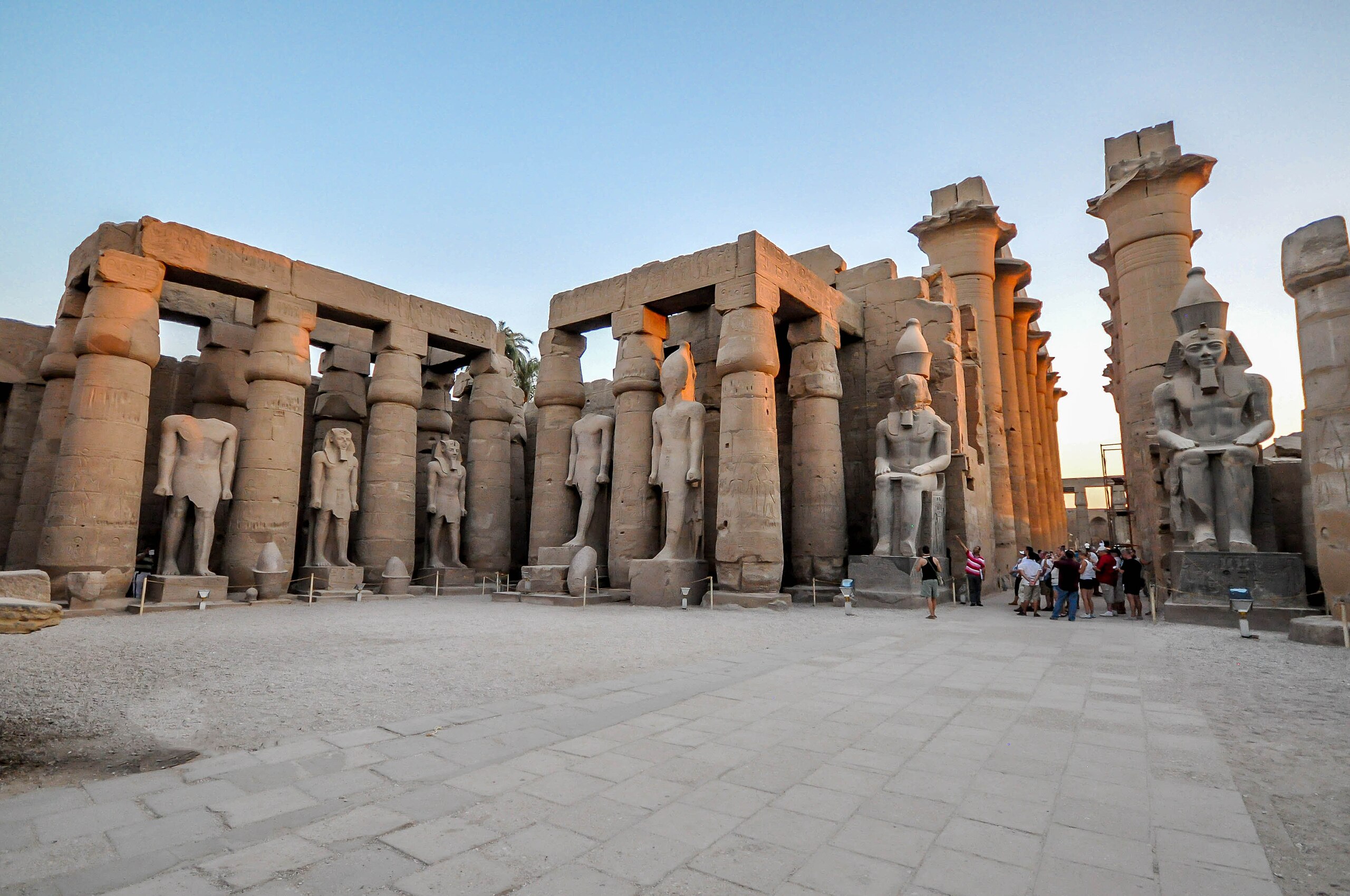
Luxor Temple is one of the most beautiful and iconic monuments on Luxor’s East Bank. Unlike many other temples in Egypt, which were primarily dedicated to specific gods, Luxor Temple played an important role in royal ceremonies and was closely associated with the divine kingship of the pharaohs. Its elegant architecture and remarkable state of preservation make it one of the highlights of any visit to Luxor.

Construction of the temple began during the reign of Amenhotep III and was later expanded by Ramses II, whose colossal statues and impressive entrance structures continue to dominate the site today. Walking through the temple, visitors encounter magnificent columns, grand courtyards, and beautifully carved walls that illustrate scenes from religious festivals and royal rituals.

One of the unique features of Luxor Temple is its location in the heart of modern Luxor. Unlike many ancient monuments situated in isolated desert landscapes, the temple stands amid the city itself, creating a fascinating contrast between ancient and modern Egypt.

Luxor Temple is particularly impressive during the evening when the monument is illuminated. The lighting highlights the architectural details and creates a magical atmosphere that many travelers consider one of the most memorable experiences in the city.

Historically, the temple was connected to Karnak Temple by the famous Avenue of Sphinxes, which was used during important religious processions. Today, sections of this ancient ceremonial road have been restored, allowing visitors to appreciate the scale and importance of these sacred connections.

For first-time visitors, Luxor Temple offers a remarkable introduction to the artistic achievements and spiritual traditions of Ancient Egypt and remains one of the most captivating monuments in the country.

6. Valley of the Kings

The Valley of the Kings is one of the most famous archaeological sites in the world and represents the burial place of many of Egypt’s most powerful rulers. Located on Luxor’s West Bank, the valley served as the royal cemetery during the New Kingdom and contains more than sixty tombs carved deep into the desert mountains.

The site is best known as the resting place of pharaohs such as Ramses II, Seti I, and the young king Tutankhamun, whose tomb became one of the most important archaeological discoveries of the twentieth century. Although the treasures from Tutankhamun’s tomb are now displayed in museums, visitors can still enter the burial chamber and witness the place where the famous pharaoh was laid to rest.

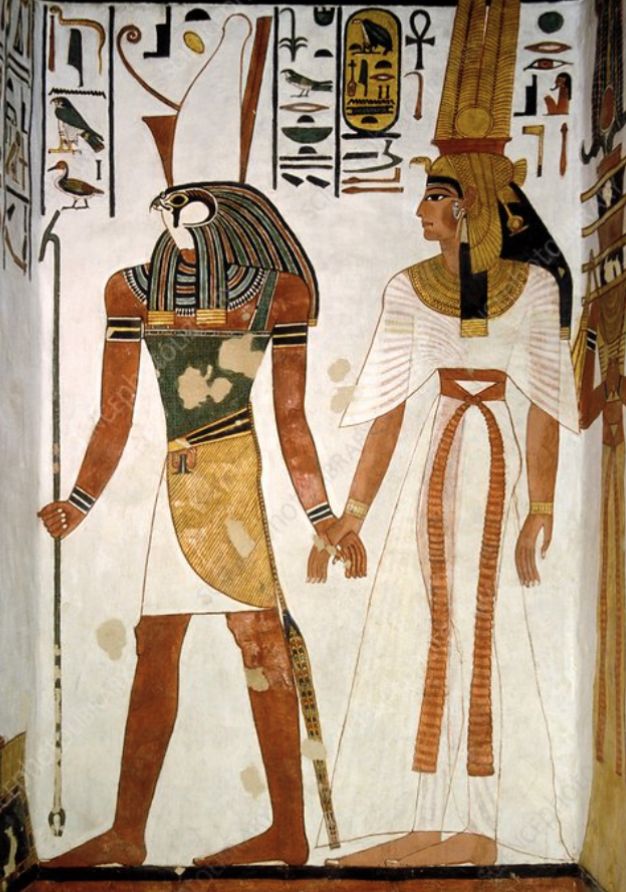
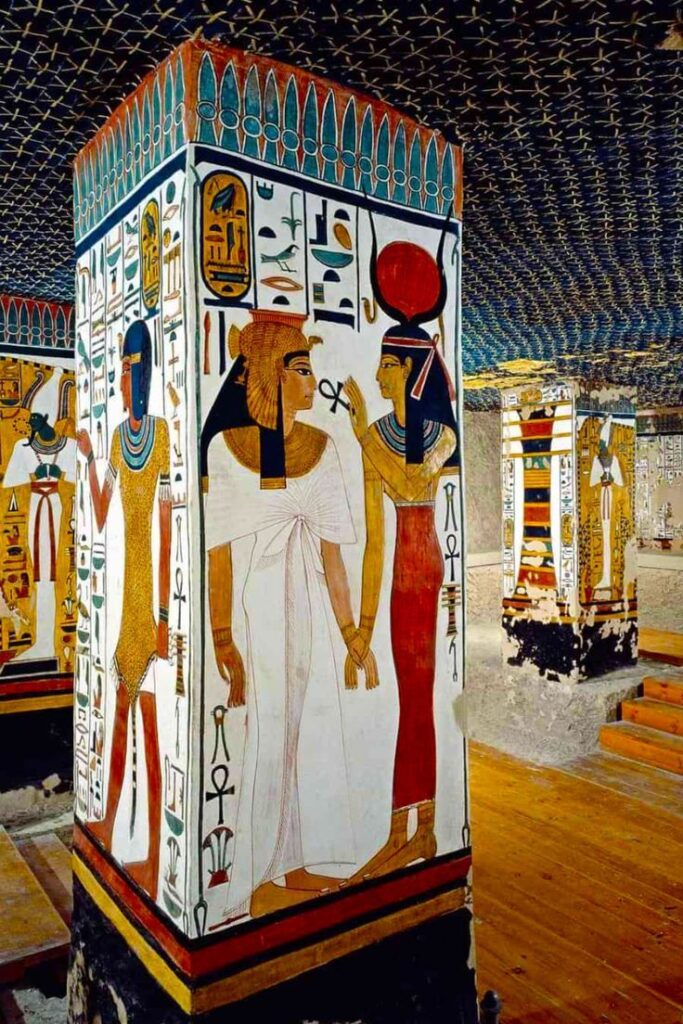
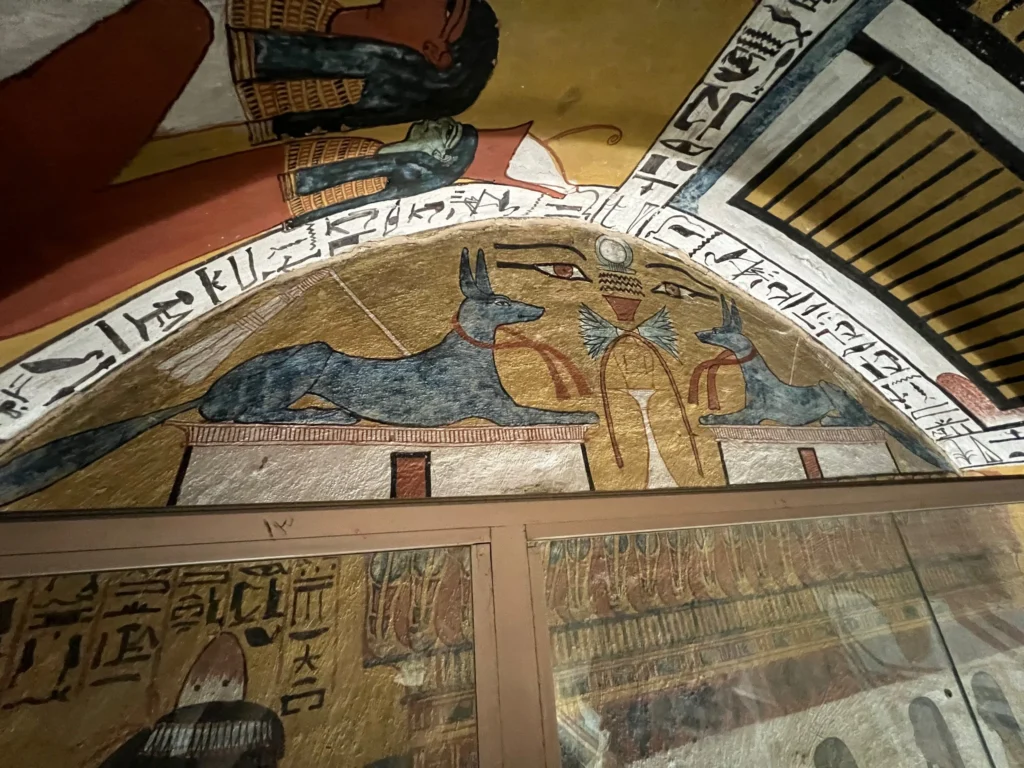
The tombs themselves are extraordinary works of art. Their walls are covered with colorful scenes depicting religious beliefs, sacred texts, and journeys into the afterlife. Despite being thousands of years old, many of these paintings remain remarkably well preserved and provide valuable insight into Ancient Egyptian ideas about death and immortality.

Because not all tombs are open at the same time, the selection available to visitors changes periodically to support conservation efforts. This means that each visit can offer slightly different experiences depending on which tombs are accessible.

For history enthusiasts and first-time visitors alike, the Valley of the Kings is one of Egypt’s most fascinating attractions. Its combination of historical significance, artistic beauty, and archaeological importance makes it an essential part of any Luxor itinerary.

7. Temple of Hatshepsut

The Temple of Hatshepsut is one of the most distinctive and elegant monuments in Egypt. Built in honor of Queen Hatshepsut, one of the few female pharaohs in Ancient Egyptian history, the temple stands dramatically against the limestone cliffs of Luxor’s West Bank and is widely regarded as a masterpiece of ancient architecture.

Unlike many traditional temples, the structure features a series of terraces connected by ramps, creating a harmonious design that blends beautifully with the surrounding landscape. Its unique appearance makes it immediately recognizable and sets it apart from other monuments in Egypt.

The walls of the temple contain detailed reliefs that document important events from Hatshepsut’s reign, including her famous trading expedition to the Land of Punt. These carvings provide valuable historical information and highlight the achievements of one of Egypt’s most successful rulers.

The temple’s setting adds greatly to its appeal. Surrounded by towering cliffs and desert scenery, the monument creates some of the most impressive views in Luxor and is particularly popular among photographers.

Beyond its architectural beauty, the Temple of Hatshepsut offers insight into the remarkable story of a woman who ruled Egypt with extraordinary skill and left behind one of the most enduring legacies of the New Kingdom.

For first-time visitors, the Temple of Hatshepsut is one of Luxor’s most memorable attractions and provides a fascinating perspective on the diversity and sophistication of Ancient Egyptian civilization.

8. Hot Air Balloon Experience

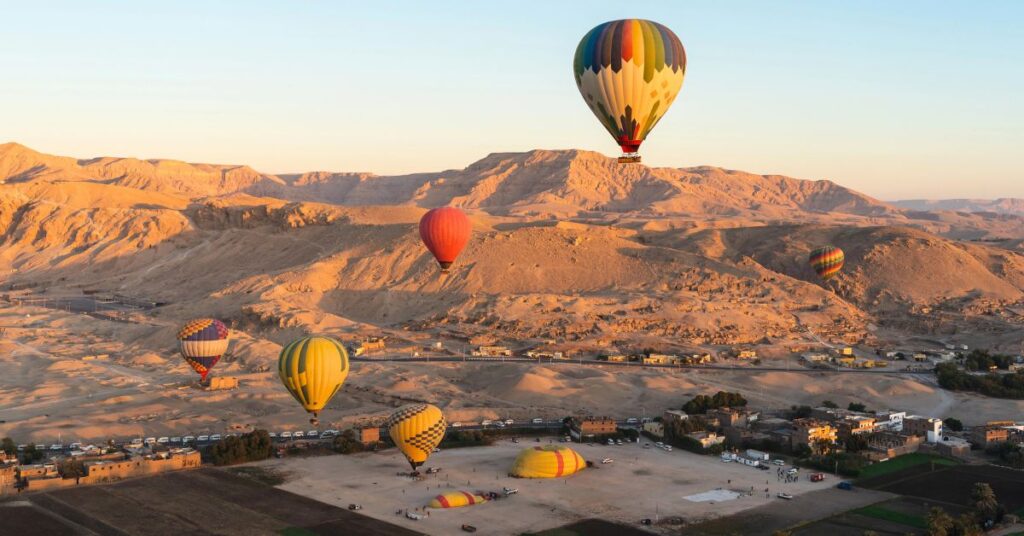
A hot air balloon ride over Luxor is one of the most unforgettable experiences available in Egypt and is often considered a highlight of a visit to the city. Offering breathtaking views of the Nile River, ancient monuments, fertile farmland, and the surrounding desert landscape, the experience provides a completely different perspective on one of the world’s most remarkable archaeological regions.

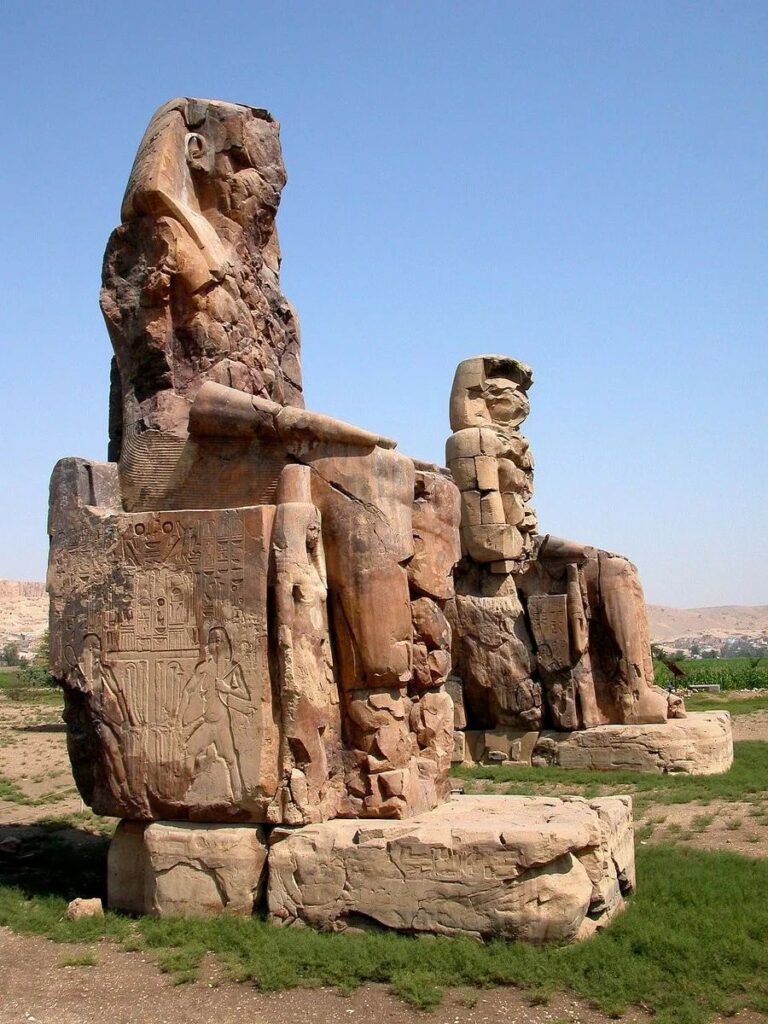
Most balloon flights take place shortly before sunrise, when weather conditions are calm and the soft morning light creates spectacular scenery. As the balloon slowly rises above the West Bank, passengers can enjoy panoramic views of the Valley of the Kings, the Temple of Hatshepsut, the Colossi of Memnon, and countless other historical sites scattered across the landscape.

One of the most remarkable aspects of the experience is the contrast between the lush green fields along the Nile and the vast desert beyond. From the air, travelers gain a deeper appreciation of how ancient Egyptian civilization developed in harmony with the river that sustained it for thousands of years.

The peaceful nature of hot air ballooning also adds to its appeal. Floating silently above Luxor while watching the sunrise over the Nile creates a magical atmosphere that many visitors describe as one of the most memorable moments of their entire trip to Egypt.

Flights are generally suitable for most travelers and are operated by experienced companies following strict safety procedures. Because the activity is extremely popular, especially during the peak tourism season, advance reservations are highly recommended.

For first-time visitors to Luxor, a hot air balloon ride offers a once-in-a-lifetime opportunity to witness the beauty and grandeur of Ancient Egypt from above. The stunning views and unforgettable sunrise make it one of the most rewarding experiences available anywhere in the country.

9. Where to Stay in Luxor

Luxor offers a wide variety of accommodation options that cater to different budgets and travel styles. Whether visitors are looking for luxury resorts overlooking the Nile, comfortable mid-range hotels, boutique guesthouses, or budget-friendly accommodations, the city provides plenty of choices for first-time travelers.

Many visitors choose to stay on the East Bank, where most hotels, restaurants, shops, and major attractions are conveniently located. This area offers easy access to Karnak Temple, Luxor Temple, and transportation services, making it particularly attractive for travelers who want to maximize their sightseeing opportunities.

Luxury travelers can enjoy elegant hotels with Nile views, swimming pools, spa facilities, and fine dining experiences. Some of Luxor’s historic hotels have welcomed royalty, celebrities, and famous explorers, adding an extra layer of charm and prestige to the visitor experience.

Budget-conscious travelers will find numerous affordable hotels and guesthouses that provide comfortable accommodations and excellent value for money. Many smaller properties offer personalized service and opportunities to experience local hospitality.

The West Bank has also become increasingly popular among travelers seeking a quieter atmosphere. Staying near the Valley of the Kings and other archaeological sites allows visitors to enjoy beautiful scenery and a more relaxed environment away from the busier city center.

Regardless of where visitors choose to stay, selecting accommodations with a convenient location can greatly enhance the overall experience and make exploring Luxor much easier.

10. What to Eat in Luxor

Luxor offers visitors the opportunity to enjoy a wide range of traditional Egyptian dishes while experiencing the flavors of Upper Egypt. Food plays an important role in local culture, and exploring the city’s culinary offerings adds another enjoyable dimension to the travel experience.

Classic Egyptian dishes such as koshari, ful medames, taameya, grilled meats, and stuffed vegetables are widely available throughout Luxor. These meals provide an excellent introduction to Egyptian cuisine and are popular among both locals and international visitors.

Travelers can also enjoy freshly baked bread, rice dishes, soups, and a variety of vegetable-based meals that reflect the agricultural traditions of the Nile Valley. Many restaurants serve generous portions and offer excellent value for money.

Grilled meats and traditional barbecue dishes are especially popular in Upper Egypt. Visitors frequently have the opportunity to enjoy meals prepared using recipes that have been passed down through generations.

Fresh fruit juices and traditional beverages such as karkadeh are commonly served and provide refreshing options during Luxor’s warm climate. Egyptian desserts, including basbousa and konafa, offer delicious ways to conclude a meal.

Whether dining in local restaurants or enjoying meals with Nile views, first-time visitors often discover that the food in Luxor becomes an enjoyable and memorable part of their journey through Egypt.

11. Travel Tips for First-Time Visitors

A few simple travel tips can help first-time visitors make the most of their experience in Luxor. Because many of the city’s attractions are located outdoors and involve considerable walking, proper preparation can significantly improve comfort and enjoyment.

One of the most important recommendations is to begin sightseeing early in the morning. Temperatures are generally cooler, and many major attractions are less crowded during the first hours of the day. Early visits also provide better lighting conditions for photography.

Staying hydrated is essential, especially during warmer months. Carrying water, wearing lightweight clothing, and using sunscreen can help travelers remain comfortable while exploring archaeological sites.

Comfortable walking shoes are highly recommended because many monuments feature uneven surfaces, stone pathways, and large areas that require extended periods of walking. Good footwear can make a noticeable difference during busy sightseeing days.

Travelers should also consider hiring an Egyptologist guide or joining organized tours. Understanding the historical significance of the temples and tombs greatly enhances the experience and allows visitors to appreciate details that might otherwise be overlooked.

Finally, visitors should avoid trying to see everything in a single day. Luxor contains an extraordinary number of attractions, and allowing enough time to explore at a relaxed pace often leads to a far more enjoyable and memorable experience.

With thoughtful planning and realistic expectations, first-time visitors will find Luxor to be one of the most fascinating destinations in the world.

12. Conclusion: Luxor Travel Guide for First-Time Visitors

Luxor is one of the most remarkable destinations not only in Egypt but anywhere in the world. Often described as the world’s greatest open-air museum, the city offers visitors an extraordinary opportunity to step back thousands of years and experience the grandeur of Ancient Egyptian civilization. For first-time travelers, few destinations can match the combination of history, culture, scenery, and unforgettable experiences that Luxor provides.

The city’s unique layout, divided between the East Bank and the West Bank, allows visitors to explore both the spiritual and funerary sides of Ancient Egypt. Magnificent monuments such as Karnak Temple and Luxor Temple showcase the religious importance of ancient Thebes, while the Valley of the Kings and the Temple of Hatshepsut reveal the beliefs and achievements of some of Egypt’s greatest rulers.

Beyond its archaeological treasures, Luxor offers experiences that appeal to every type of traveler. Hot air balloon rides at sunrise, peaceful felucca cruises on the Nile, vibrant local markets, and beautiful desert landscapes create memories that extend far beyond the temples and tombs. These experiences help visitors appreciate not only Egypt’s history but also the natural beauty and atmosphere that make Luxor so special.

Luxor is also one of the most rewarding destinations for travelers who enjoy learning. Every monument, inscription, and statue tells a story that contributes to a deeper understanding of one of humanity’s greatest civilizations. Whether you are a passionate history enthusiast or simply curious about Ancient Egypt, the city offers countless opportunities for discovery.

For first-time visitors, spending at least two or three days in Luxor is highly recommended. This allows enough time to explore the major attractions without feeling rushed and provides opportunities to enjoy the city’s relaxed atmosphere and beautiful Nile scenery.

Ultimately, Luxor is much more than a collection of ancient ruins. It is a destination where history comes alive and where travelers can experience some of the greatest achievements ever created by human civilization. For many visitors, Luxor becomes the highlight of their journey through Egypt and a place they hope to return to again.

Frequently Asked Questions

Most travelers recommend spending two to three days in Luxor to comfortably explore the major attractions on both the East Bank and the West Bank.

The Valley of the Kings and Karnak Temple are generally considered Luxor’s most famous attractions and are essential sites for first-time visitors.

Yes. A sunrise hot air balloon flight offers spectacular views of the Nile and ancient monuments and is often considered one of the best experiences in Egypt.

Absolutely. Luxor is easy to explore independently, although many visitors choose to hire Egyptologist guides to gain deeper insight into the historical significance of the monuments.

The most comfortable period is between October and April when temperatures are milder and ideal for outdoor sightseeing.