
Welcome to

The Pyramids of Giza: A First-Time Visitor's Guide

The Pyramids of Giza are among the most extraordinary monuments ever built and remain one of the most recognizable symbols of Egypt and human civilization. Rising above the desert plateau on the outskirts of Cairo, these ancient structures have captivated travelers, explorers, and historians for thousands of years. For many visitors, standing in front of the pyramids is a once-in-a-lifetime experience and one of the highlights of any Egypt vacation. Their remarkable scale, mysterious origins, and enduring legacy have made them one of the best places to visit in Egypt and an essential destination for anyone interested in Ancient Egypt.

Constructed more than 4,500 years ago during the Fourth Dynasty of the Old Kingdom, the Pyramids of Giza were built as royal tombs for three powerful pharaohs: Khufu, Khafre, and Menkaure. The Great Pyramid of Khufu, the largest and most famous of the three, held the title of the world’s tallest man-made structure for nearly 4,000 years and remains the only surviving wonder of the Ancient Seven Wonders of the World. Together with the Great Sphinx, mortuary temples, and smaller pyramids, these monuments provide a fascinating glimpse into the beliefs, engineering skills, and artistic achievements of ancient Egyptian civilization.

Today, the Giza Plateau is one of the most visited historical sites in Egypt and welcomes millions of tourists from around the world every year. Recognized as part of the UNESCO World Heritage Site of Memphis and its Necropolis, the Pyramids of Giza are not only icons of Egypt tourism but also priceless treasures of global cultural heritage. Their historical significance and breathtaking beauty make them a must-see destination for travelers planning an Egypt itinerary or searching for unforgettable things to do in Egypt.

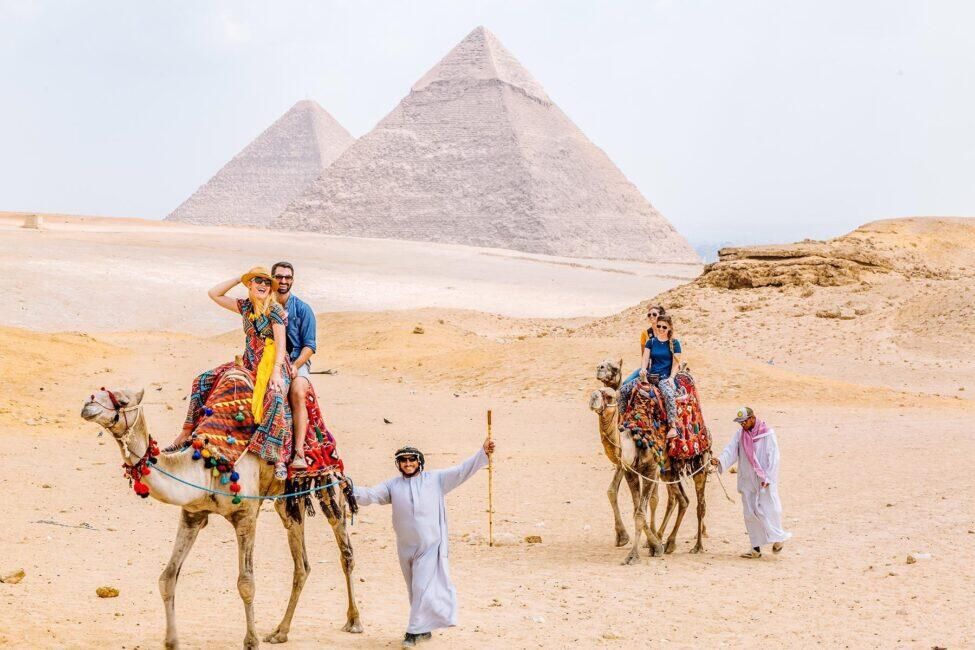
A visit to the Pyramids of Giza offers much more than simply admiring ancient monuments from afar. Visitors can enter selected pyramids, explore burial chambers, stand before the enigmatic Great Sphinx, enjoy camel or horse rides across the desert, and capture incredible photographs from panoramic viewpoints overlooking the entire plateau. In the evening, many travelers choose to attend the famous Sound and Light Show, which brings thousands of years of history to life through music and storytelling.

Another reason for the site’s popularity is its convenient location. Situated just outside Cairo, the pyramids are easily accessible from downtown, Cairo International Airport, and many of the city’s major hotels. The surrounding area also offers museums, restaurants, cafés, shopping opportunities, and accommodations suitable for every budget, making it easy to spend a full day exploring one of Egypt’s most iconic landmarks.

This first-time visitor’s guide to the Pyramids of Giza covers everything you need to know before you travel to Egypt. From the history and significance of these legendary monuments to ticket prices, opening hours, transportation options, nearby attractions, and practical travel tips, this guide will help you plan an unforgettable journey to one of the world’s greatest archaeological treasures.

Overview of the Pyramids of Giza

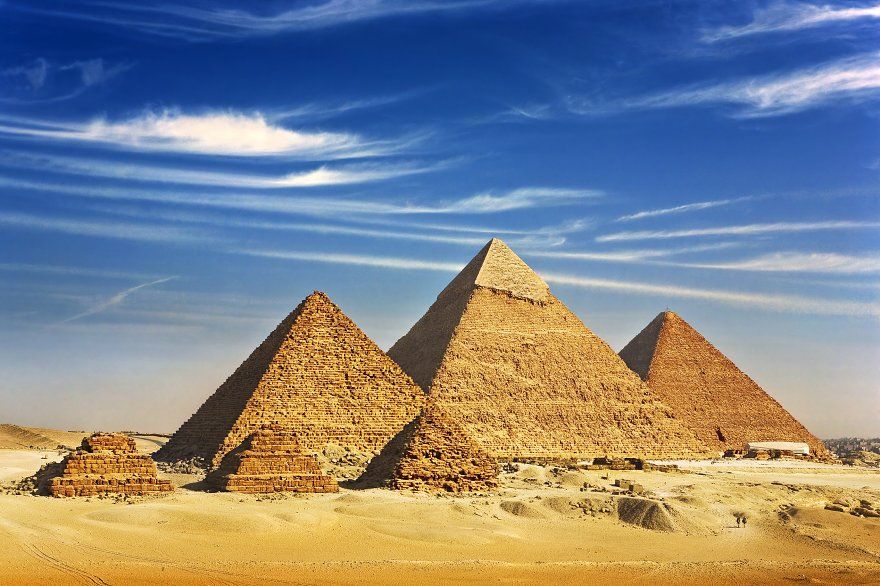
The Pyramids of Giza are the most famous ancient monuments in Egypt and one of the most iconic landmarks in the world. Located on the Giza Plateau on the western bank of the Nile River, just outside Cairo, the site consists of the Great Pyramid of Khufu, the Pyramid of Khafre, and the Pyramid of Menkaure, along with several smaller pyramids, temples, and the legendary Great Sphinx. Together, these remarkable structures represent one of the greatest achievements of Ancient Egypt and continue to attract millions of visitors each year.

As one of the top attractions in Egypt tourism, the Pyramids of Giza offer travelers a unique opportunity to step back in time and witness monuments that have stood for more than 4,500 years. The Great Pyramid of Khufu is particularly significant because it is the only remaining wonder of the Ancient Seven Wonders of the World. Its immense size and extraordinary precision continue to amaze engineers and historians alike, making it one of the most impressive historical sites in Egypt.

Visitors to the Giza Plateau can explore much more than the pyramids themselves. The site includes the Great Sphinx, ancient causeways, mortuary temples, and panoramic viewpoints that provide breathtaking views of the desert landscape. Whether you are interested in history, photography, or simply experiencing one of the best places to visit in Egypt, the Pyramids of Giza promise an unforgettable adventure. Their cultural importance and timeless beauty make them an essential stop on any Egypt itinerary and one of the most memorable experiences for anyone planning to travel to Egypt.
History and Historical Significance

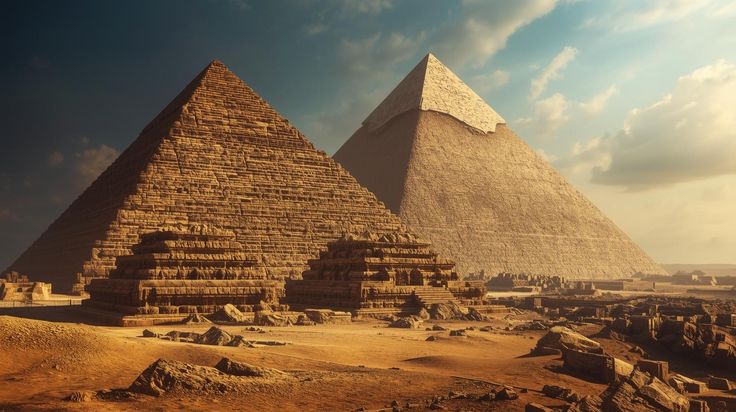
The history of the Pyramids of Giza dates back to the Fourth Dynasty of the Old Kingdom, between approximately 2580 and 2510 BC. These magnificent monuments were built as royal tombs for Pharaoh Khufu, his son Khafre, and his grandson Menkaure. Ancient Egyptians believed that the pharaohs would continue their journey in the afterlife, and the pyramids were designed to protect their bodies and provide everything they would need in the world beyond.

The construction of these monuments required remarkable planning, engineering, and organization. Contrary to popular myths, historians believe that skilled laborers and craftsmen, rather than slaves, built the pyramids. Thousands of workers lived in nearby settlements and participated in one of the most ambitious building projects in human history. The precision with which massive limestone blocks were transported and assembled continues to fascinate archaeologists and researchers today.

Throughout history, the Pyramids of Giza have inspired countless travelers, scholars, and explorers. Ancient Greek historians wrote about them, medieval Arab travelers admired them, and modern archaeologists continue to uncover new secrets hidden beneath the sands of the Giza Plateau. Their historical significance extends far beyond Egypt, as they represent the ingenuity, religious beliefs, and artistic achievements of one of the world’s greatest civilizations.

Today, the Pyramids of Giza stand as enduring symbols of Ancient Egypt and are considered among the most important Egyptian landmarks. Their legacy continues to influence architecture, archaeology, and popular culture, making them one of the most visited and celebrated historical sites in Egypt.
Architecture and Unique Features

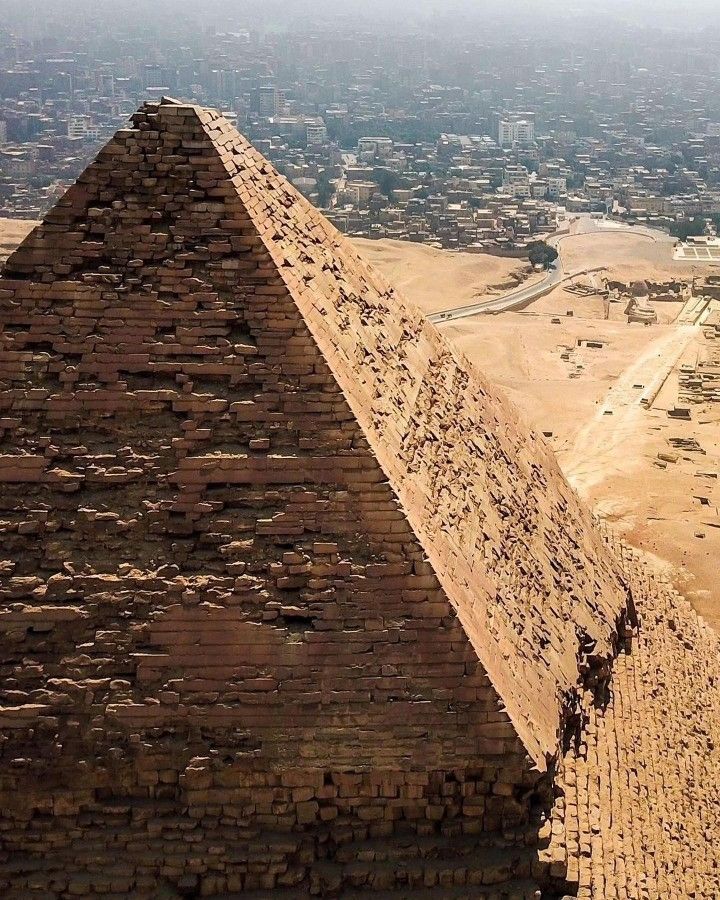
The architecture of the Pyramids of Giza remains one of the greatest engineering achievements in history. Built with millions of limestone blocks weighing several tons each, these monuments demonstrate the extraordinary skills and knowledge possessed by the ancient Egyptians. Despite being constructed more than four millennia ago, the pyramids continue to amaze experts with their precision and durability.

The Great Pyramid of Khufu is the largest and most impressive structure on the plateau. Originally standing at approximately 146 meters (481 feet), it was the tallest man-made structure in the world for nearly 4,000 years. Its sides are aligned almost perfectly with the cardinal directions, a remarkable feat that highlights the advanced understanding of astronomy and mathematics in Ancient Egypt.

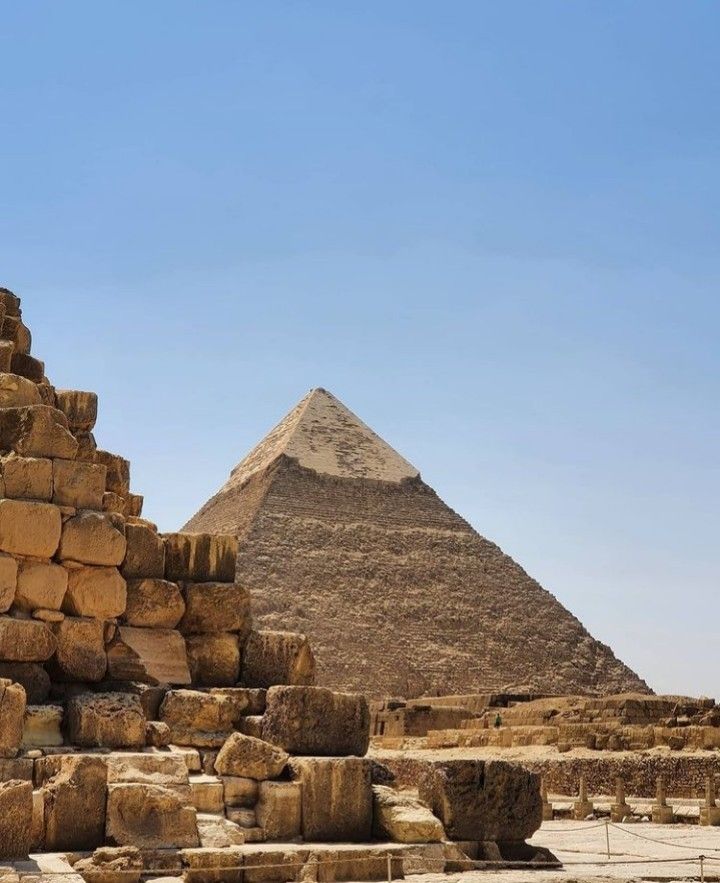
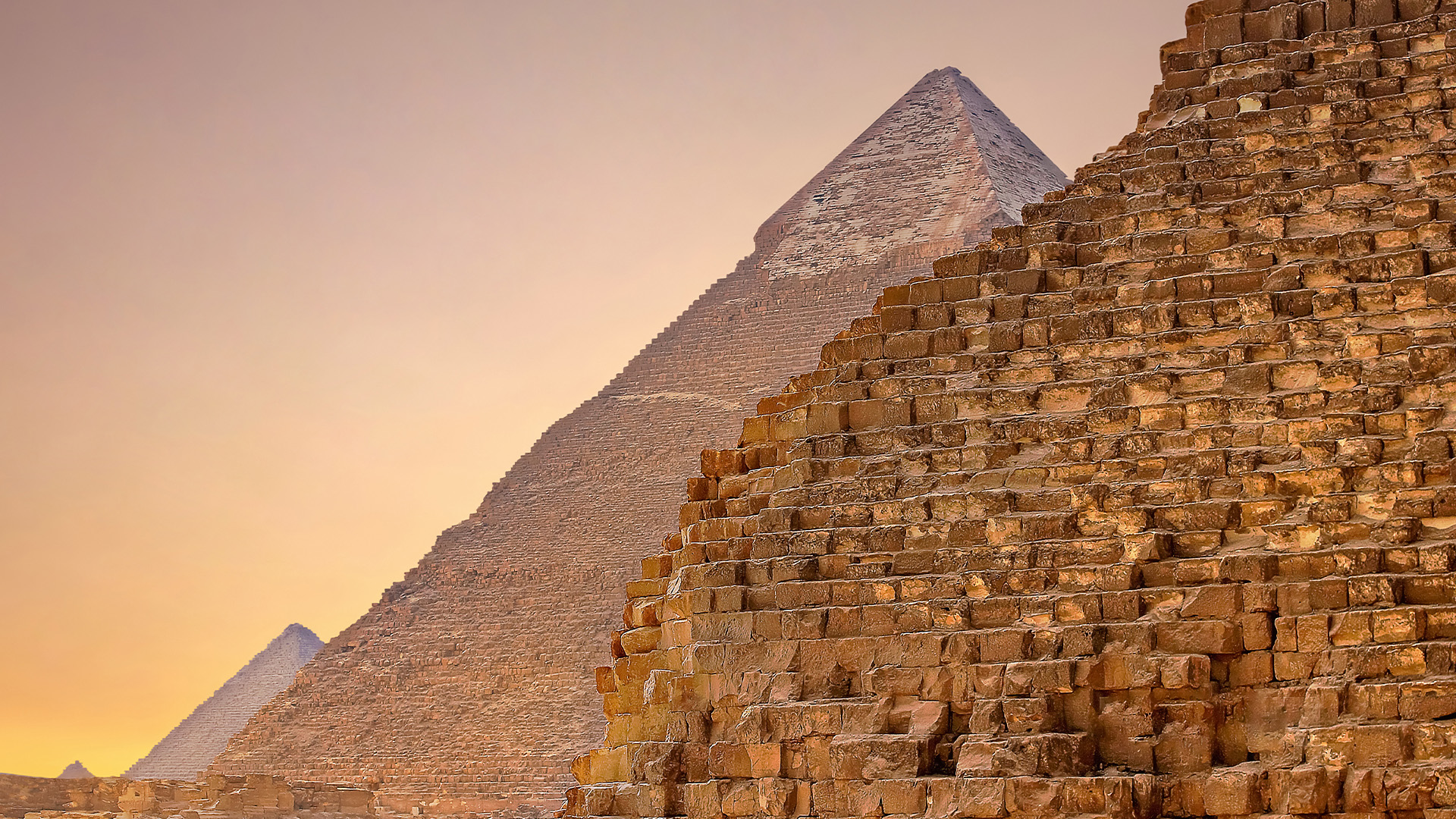
The Pyramid of Khafre appears taller than the Great Pyramid because it was built on higher ground, and it still retains some of its original polished limestone casing near the summit. Meanwhile, the smaller Pyramid of Menkaure is notable for its elegant design and distinctive granite blocks. Nearby, the Great Sphinx adds another layer of mystery to the complex with its lion’s body and human head believed to represent Pharaoh Khafre.

Inside the pyramids, visitors can find narrow passages, burial chambers, and ancient architectural features that reveal the sophistication of Egyptian builders. The entire complex, including the mortuary temples and ceremonial causeways, reflects the religious beliefs and funerary traditions of Ancient Egypt. These unique characteristics have made the Pyramids of Giza one of the most remarkable historical sites in Egypt and one of the most extraordinary destinations in the world.
Why Are the Pyramids of Giza Famous?

The Pyramids of Giza are famous not only because of their immense size and extraordinary age but also because they represent one of the greatest achievements in human history. For more than 4,500 years, these magnificent monuments have stood as enduring symbols of Ancient Egypt and continue to inspire wonder among travelers, historians, and archaeologists from around the world. Their remarkable preservation and mysterious origins have made them one of the most recognizable Egyptian landmarks and among the best places to visit in Egypt.

One of the main reasons for their worldwide fame is the Great Pyramid of Khufu, which is the only surviving monument of the Ancient Seven Wonders of the World. Originally reaching a height of about 146 meters (481 feet), it remained the tallest man-made structure on Earth for nearly four millennia. The incredible precision with which millions of massive stone blocks were assembled continues to puzzle experts and demonstrates the advanced engineering skills of ancient Egyptian civilization.

The Pyramids of Giza have also gained international recognition through centuries of exploration and scientific research. Ancient Greek historians, Arab scholars, and modern archaeologists have all been fascinated by these monuments and have contributed to uncovering their secrets. Numerous discoveries, including workers’ villages, burial chambers, and hidden passages, have provided valuable insights into the lives and beliefs of the ancient Egyptians.

In addition to their historical importance, the pyramids have become a powerful symbol of Egypt tourism and are featured in countless books, documentaries, films, and works of art. Millions of visitors travel to Egypt every year to witness these extraordinary structures firsthand and experience the atmosphere of one of the world’s most iconic archaeological sites. Whether admired for their architectural brilliance, cultural significance, or enduring mysteries, the Pyramids of Giza remain one of the most celebrated historical sites in Egypt and a highlight of any Egypt vacation.

Complete List of Egyptian Pyramids

UNESCO World Heritage Status

The Pyramids of Giza are recognized as part of the UNESCO World Heritage Site known as “Memphis and its Necropolis – the Pyramid Fields from Giza to Dahshur.” The site was inscribed on the UNESCO World Heritage List in 1979 in recognition of its outstanding universal value and its importance to human history. This prestigious designation highlights the significance of the pyramids not only as national treasures of Egypt but also as cultural landmarks that belong to the heritage of all humanity.

The UNESCO-protected area includes the Pyramids of Giza, the Great Sphinx, Saqqara, Dahshur, Abu Sir, and several other ancient necropolises associated with the ancient capital of Memphis. Together, these sites provide a remarkable record of the architectural, religious, and artistic achievements of Ancient Egypt. The preservation and protection of these monuments remain a priority for Egyptian authorities and international organizations to ensure that future generations can continue to appreciate their historical and cultural importance.

As one of the world’s most famous historical sites, the Pyramids of Giza attract millions of visitors annually and play a central role in Egypt tourism. Their UNESCO status further enhances their reputation as one of the best places to visit in Egypt and one of the most valuable archaeological treasures on Earth.

Exact Location and How to Get There

The Pyramids of Giza are located on the Giza Plateau, approximately 15 kilometers (9 miles) southwest of downtown Cairo. Situated on the western bank of the Nile River, the complex lies within Giza Governorate and is easily accessible from most parts of the Egyptian capital. Thanks to its convenient location, the pyramids are one of the most visited attractions in Egypt and a popular destination for travelers planning an Egypt itinerary.

Visitors arriving by air can reach the site from Cairo International Airport in about 45 to 60 minutes, depending on traffic conditions. The easiest and most comfortable way to visit is by private car, taxi, Uber, or organized tour. Many hotels in Cairo also offer transportation services and guided excursions to the Giza Plateau.

Public transportation is another option for budget travelers. The Cairo Metro provides access to Giza Station, from where visitors can continue by taxi or local bus to the pyramids. Several buses and minibuses also connect different districts of Cairo with the Giza area. However, first-time visitors often find taxis or ride-sharing services more convenient and easier to navigate.

For travelers staying in downtown Cairo or nearby districts, the journey usually takes between 30 and 60 minutes. Because traffic in Cairo can be heavy, it is recommended to start early in the morning to avoid congestion and enjoy cooler temperatures. Whether traveling independently or as part of a guided tour, reaching the Pyramids of Giza is relatively simple and makes for an unforgettable experience.

Opening Hours

The Pyramids of Giza are generally open every day throughout the year, making them one of the most accessible historical sites in Egypt. The archaeological complex typically welcomes visitors from around 8:00 AM until 5:00 PM during the winter season, while summer closing times may extend slightly depending on daylight hours and operational schedules. Since opening hours can occasionally change during public holidays or special events, travelers are advised to verify the latest schedules before their visit.

Early morning is widely considered the best time to explore the site. Arriving shortly after opening allows visitors to avoid the largest crowds, enjoy cooler weather, and capture stunning photographs with softer natural light. Sunrise visits are particularly popular among photographers and travelers seeking a more peaceful experience.

Most visitors spend between three and five hours exploring the pyramids, the Great Sphinx, and the surrounding temples and viewpoints. Those interested in entering one of the pyramids, riding camels or horses, or visiting nearby attractions such as the Grand Egyptian Museum may wish to allocate a full day.

Because operating hours and access regulations may change over time, especially during special occasions or restoration projects, visitors should always check the latest official information before planning their trip. Doing so ensures a smooth and enjoyable experience while exploring one of the world’s most remarkable archaeological wonders.

Ticket Prices

Ticket prices for the Pyramids of Giza vary depending on the type of admission and whether visitors wish to enter one of the pyramids or explore only the archaeological complex. Separate tickets are available for access to the Great Pyramid of Khufu and other interior chambers, while discounted rates are often offered for students with valid identification. Since prices are subject to change, travelers are strongly advised to check the latest official rates before visiting.

A standard entrance ticket provides access to the Giza Plateau, allowing visitors to admire the three pyramids, the Great Sphinx, panoramic viewpoints, and several surrounding temples. Additional tickets may be required for entry into the Great Pyramid or other specific monuments within the complex. Visitors interested in guided tours, camel rides, or private transportation should also factor these extra expenses into their travel budget.

For most travelers, the Pyramids of Giza offer excellent value considering their historical importance and the unforgettable experience they provide. Budget-conscious visitors can explore the site independently, while those seeking a more comfortable experience may choose private tours that include transportation and professional guides.

Because ticket prices and regulations can change over time, especially following restoration projects or tourism updates, it is always recommended to verify the latest official information before your trip. Planning ahead helps ensure a smooth visit to one of the most famous historical sites in Egypt and one of the greatest treasures of Ancient Egypt.

How to Choose the Best Tour Guide in Egypt pyramidss

Best Time to Visit the Pyramids of Giza

The Pyramids of Giza can be visited throughout the year, but the best time to visit is generally between October and April, when temperatures are milder and outdoor exploration is more comfortable. During these months, daytime temperatures are pleasant, making it easier to spend several hours walking around the Giza Plateau and enjoying nearby attractions.

The winter season, especially from November to February, is considered the peak tourist period in Egypt. Visitors can expect comfortable weather and clear skies, although popular attractions may be busier. Those seeking fewer crowds may prefer visiting during the shoulder seasons of October, March, or April, when the climate remains enjoyable and visitor numbers are slightly lower.

Summer months, from June to August, can be extremely hot, with temperatures often exceeding 35°C (95°F). Travelers visiting during this period are advised to arrive early in the morning or later in the afternoon to avoid the intense midday heat. Regardless of the season, sunrise and sunset provide some of the most spectacular views and photography opportunities at the Pyramids of Giza.

For travelers planning an Egypt itinerary, combining a visit to the pyramids with other attractions in Cairo or nearby destinations is an excellent way to make the most of an Egypt vacation.

Weather Considerations

The climate around the Pyramids of Giza is characterized by hot, dry conditions and abundant sunshine throughout the year. Rainfall is extremely rare, which makes the site accessible in all seasons. However, temperatures vary considerably between summer and winter, and understanding the weather can help visitors prepare for a more comfortable experience.

Winter temperatures typically range between 10°C and 22°C (50°F to 72°F), making this period ideal for sightseeing. Light jackets or sweaters are recommended for early mornings and evenings, especially between December and February. Spring and autumn offer pleasant weather and are among the most popular seasons for Egypt tourism.

Summer temperatures can become very high, particularly during July and August. Visitors should wear lightweight clothing, use sunscreen, carry plenty of water, and wear hats or sunglasses to protect themselves from the sun. Comfortable walking shoes are also highly recommended, as exploring the Giza Plateau involves considerable walking on sandy and uneven surfaces.

Occasionally, strong desert winds may cause dusty conditions, especially during springtime. Checking the local weather forecast before your visit can help you plan accordingly and ensure an enjoyable experience while exploring one of the most remarkable historical sites in Egypt.

Can Women Travel Alone in Egypt pyramids

Photography Opportunities

The Pyramids of Giza offer some of the most breathtaking photography opportunities in Egypt and are among the most photographed landmarks in the world. Whether you are using a professional camera or simply capturing memories with your smartphone, the site provides countless spectacular viewpoints and unforgettable scenes.

One of the most popular locations for photography is the panoramic viewpoint, where visitors can capture all three pyramids together against the backdrop of the desert. This elevated area provides some of the most iconic images associated with Ancient Egypt and is particularly beautiful during sunrise and sunset when the golden light enhances the colors of the landscape.

The Great Sphinx also offers incredible photo opportunities. Its mysterious expression and impressive scale make it one of the most recognizable symbols of Egypt tourism. Visitors often enjoy taking creative perspective shots with the pyramids in the background, creating unique and memorable images.

For photography enthusiasts, early morning and late afternoon are generally considered the best times to capture the site. These hours provide softer lighting, cooler temperatures, and fewer crowds. Sunset, in particular, creates dramatic shadows and warm tones that add depth and beauty to photographs.

Drone photography is subject to strict regulations in Egypt, and visitors should always follow local laws and site rules. Regardless of your level of experience, the Pyramids of Giza provide endless opportunities to capture some of the most extraordinary scenes in the world and preserve memories of one of the greatest Egyptian landmarks.

Things to See Inside the Pyramids of Giza

A visit to the Pyramids of Giza offers much more than simply admiring the monuments from the outside. The archaeological complex is home to a variety of fascinating structures and ancient treasures that provide visitors with a deeper understanding of the grandeur of Ancient Egypt. Exploring the site allows travelers to experience one of the most extraordinary historical destinations in the world and discover why it remains one of the best places to visit in Egypt.

The highlight of the complex is undoubtedly the Great Pyramid of Khufu, where visitors can purchase a separate ticket to enter the interior. Although many of the original treasures have long disappeared, the narrow ascending passages and the King’s Chamber offer a unique opportunity to stand inside the only surviving wonder of the Ancient Seven Wonders of the World. The atmosphere inside the pyramid provides an unforgettable glimpse into the engineering achievements of ancient Egyptian builders.

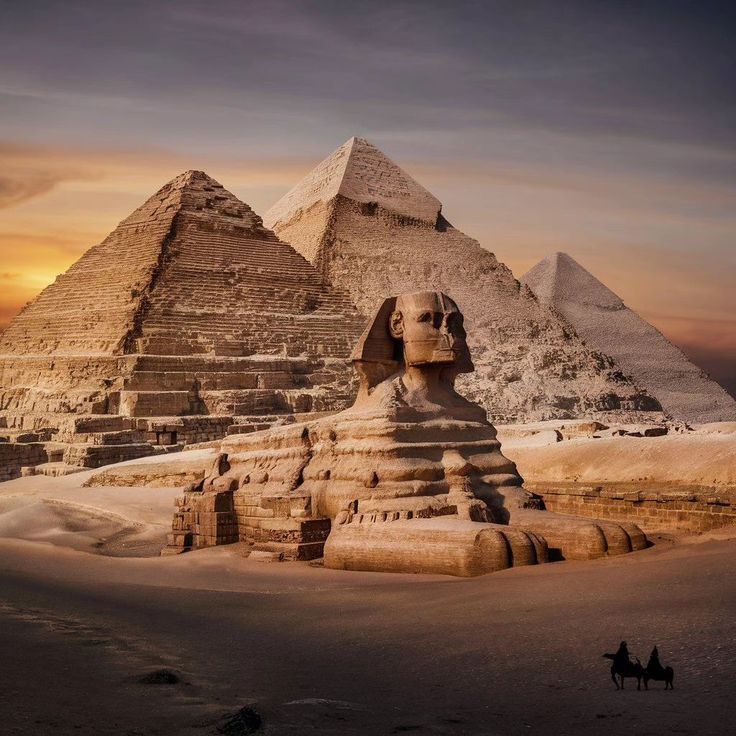
Another must-see attraction is the Great Sphinx, one of the most iconic symbols of Egypt tourism. Believed to represent Pharaoh Khafre, this colossal limestone statue has guarded the Giza Plateau for thousands of years and continues to inspire mystery and fascination. Nearby, visitors can explore the Valley Temple of Khafre, where ancient rituals associated with mummification and burial ceremonies once took place.

The Pyramid of Khafre and the Pyramid of Menkaure are equally impressive and can be admired from various viewpoints throughout the plateau. Visitors should also take time to explore the panoramic area, which offers stunning views of all three pyramids rising from the desert landscape. In addition, several smaller queens’ pyramids, causeways, and ancient temples are scattered across the site, revealing further insights into the religious beliefs and architectural achievements of Ancient Egypt.

Whether you are passionate about history, archaeology, or photography, the Pyramids of Giza provide countless opportunities for discovery and remain one of the most remarkable historical sites in Egypt.

Frequently Asked Questions

The Pyramids of Giza are located on the Giza Plateau, about 15 km southwest of downtown Cairo, Egypt. They are easily accessible from most parts of the city and are one of the top attractions in Egypt tourism.

The pyramids were built during the Fourth Dynasty of the Old Kingdom, around 2580–2510 BC. This makes them more than 4,500 years old and among the oldest historical sites in Egypt.

Yes, visitors can enter the Great Pyramid of Khufu and, at times, the Pyramid of Khafre or Menkaure for an additional ticket. However, the interior passages are narrow and may not be suitable for everyone.

The best time to visit is from October to April when the weather is cooler. Early morning or late afternoon visits are recommended for the best experience and photography conditions.

Most visitors spend around 3 to 5 hours exploring the site. However, a full day is ideal if you want to include camel rides, museum visits, and nearby attractions.