
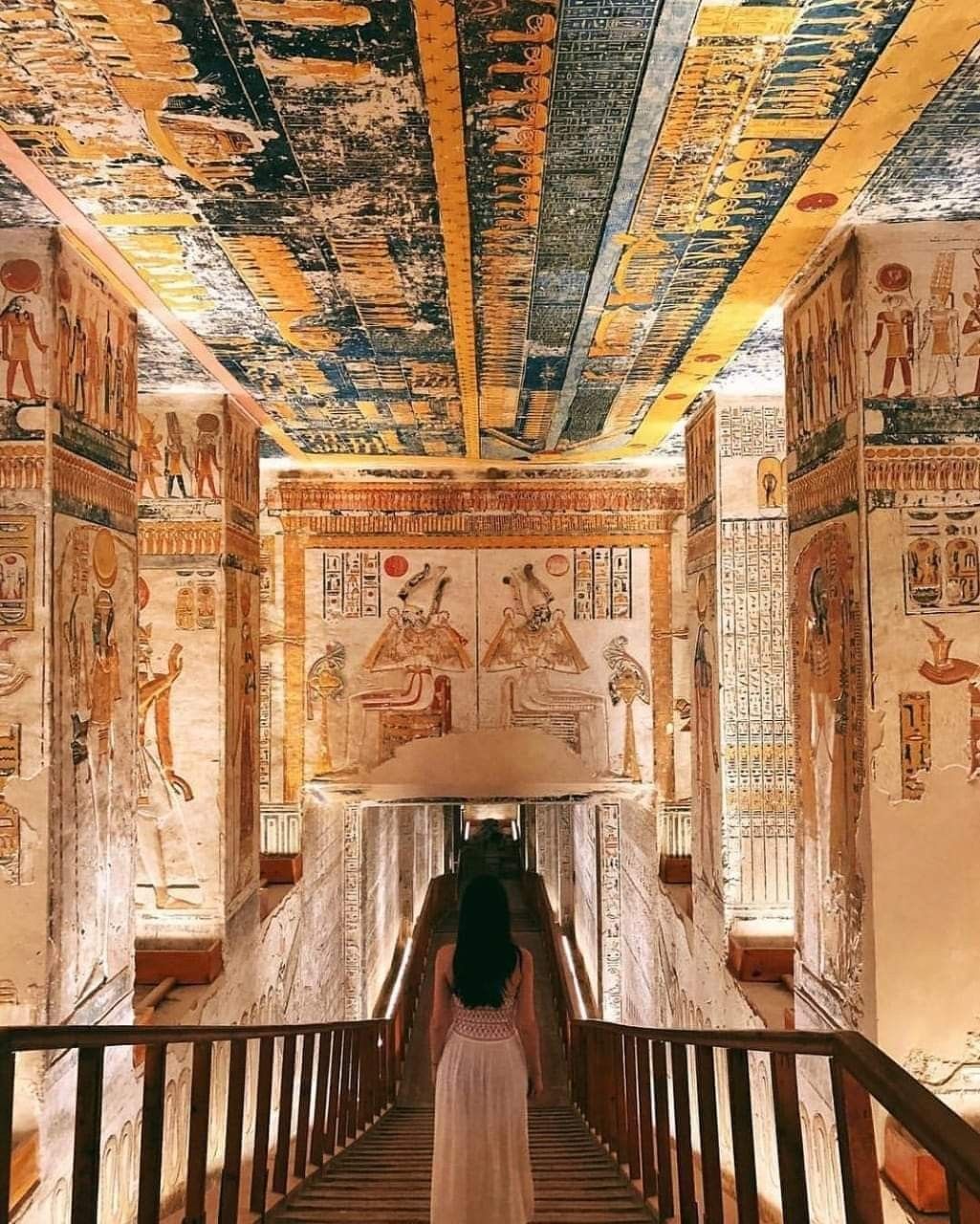
Welcome to

Valley of the Kings Guided Tours in Luxor

The Valley of the Kings is one of the most famous archaeological sites in the world and one of the top attractions for travelers visiting Luxor. Hidden among the rugged desert hills on the west bank of the Nile River, this legendary royal necropolis served as the burial place of Egypt’s pharaohs and powerful nobles during the New Kingdom period, between approximately 1550 and 1070 BC. Today, Valley of the Kings guided tours in Luxor offer visitors an extraordinary opportunity to explore the tombs of Ancient Egypt’s greatest rulers while uncovering the fascinating stories, beliefs, and artistic achievements that shaped one of history’s most remarkable civilizations.

Located near Luxor, the Valley of the Kings contains more than 60 known tombs carved deep into the limestone mountains of the Theban Necropolis. These tombs were designed to protect the pharaohs and their treasures for eternity while ensuring their successful journey into the afterlife. Guided tours provide invaluable insights into the religious beliefs, burial customs, and architectural innovations of Ancient Egypt, transforming a simple visit into a fascinating historical experience.

One of the main advantages of joining a guided Valley of the Kings tour is the expertise of a professional Egyptologist guide. The intricate wall paintings, hieroglyphic inscriptions, and symbolic decorations found within the tombs contain complex stories from ancient religious texts such as the Book of the Dead, the Book of Gates, and the Amduat. A knowledgeable guide helps visitors understand the meaning behind these scenes, bringing the ancient artwork and mythology to life.

Among the most famous tombs in the valley is the tomb of Tutankhamun, discovered in 1922 by British archaeologist Howard Carter. Although relatively small compared to some other royal tombs, Tutankhamun’s burial chamber remains one of the most visited sites in Egypt due to the incredible treasures found inside and the global fascination surrounding the young pharaoh. Many guided tours include the opportunity to visit this iconic tomb and learn about one of archaeology’s greatest discoveries.

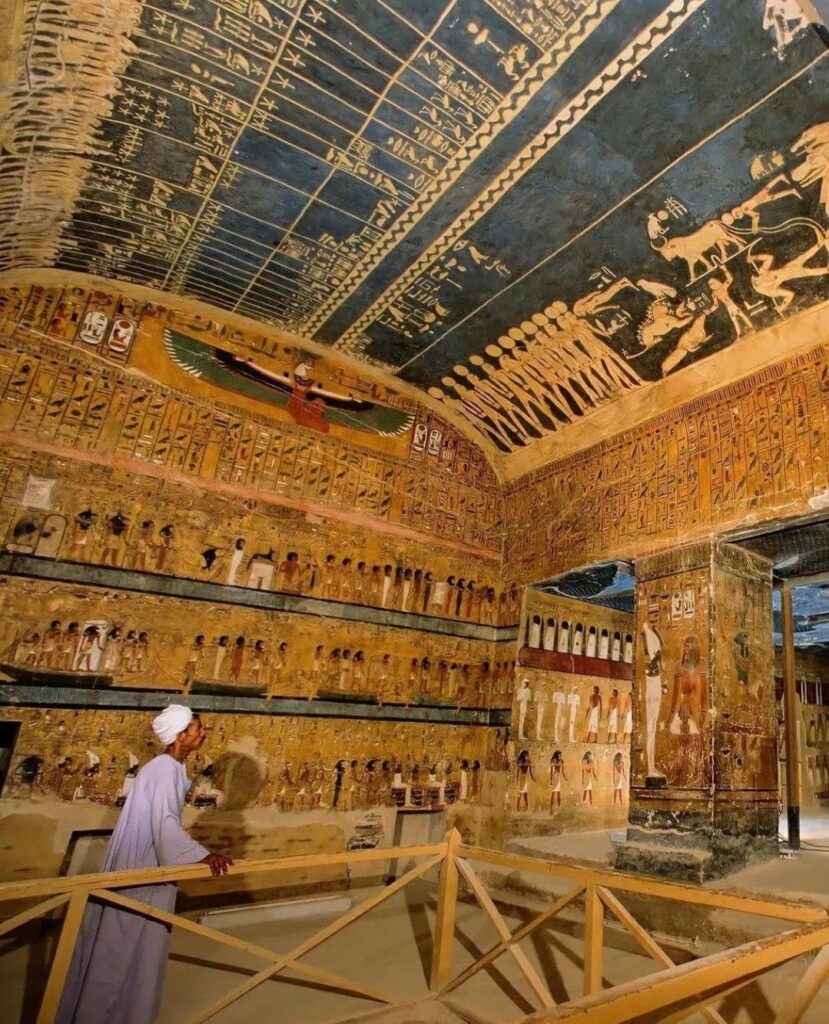
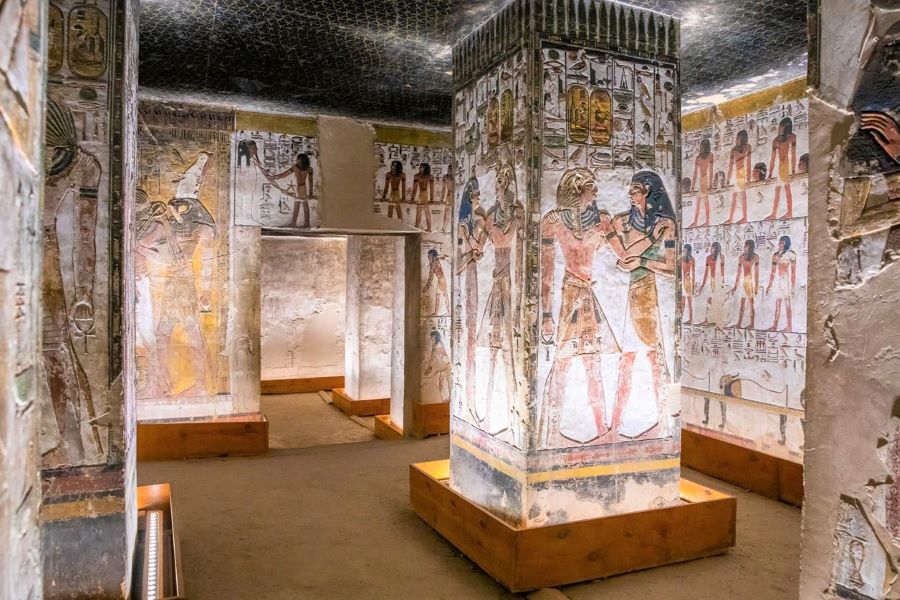
Other notable tombs frequently highlighted during guided tours include those of Ramses III, Ramses IV, Merenptah, and Seti I. The tomb of Seti I is widely considered one of the most beautifully decorated royal tombs in Egypt, featuring stunning artwork and exceptionally preserved carvings. Depending on ticket availability and site regulations, visitors may have the opportunity to enter some of these extraordinary burial chambers.

Most Valley of the Kings guided tours are combined with visits to other famous attractions on Luxor’s West Bank. Popular additions include the magnificent Mortuary Temple of Hatshepsut, the towering Colossi of Memnon, and sometimes the remarkable Valley of the Queens or Medinet Habu. These combined tours provide a comprehensive overview of the ancient royal necropolis and the surrounding monuments.

Private Valley of the Kings tours are especially popular because they allow travelers to explore at their own pace, spend more time inside selected tombs, and receive personalized explanations from dedicated Egyptologist guides. Luxury tours often include private transportation, hotel pickup and drop-off, and customized itineraries that maximize the visitor experience.

For photographers, history enthusiasts, and first-time visitors alike, the Valley of the Kings is often considered the highlight of any trip to Luxor. The site offers a rare opportunity to step inside the actual burial places of Ancient Egypt’s most powerful rulers and witness some of the finest surviving examples of ancient art and craftsmanship.

In this guide, we will explore the best Valley of the Kings guided tours in Luxor, top tombs to visit, historical highlights, ticket options, private tour experiences, travel tips, and everything you need to know to make the most of your visit to one of the greatest archaeological sites in the world. Whether you are passionate about Ancient Egyptian history or simply seeking an unforgettable cultural experience, the Valley of the Kings promises a journey into the heart of the pharaohs’ eternal legacy.

1. Why Take a Guided Tour of the Valley of the Kings?

Exploring the Valley of the Kings independently can certainly be rewarding, but joining a guided tour offers a much richer and more meaningful experience. The Valley of the Kings is far more than a collection of ancient tombs. It is one of the most important archaeological sites in the world and contains centuries of history, religion, and royal traditions that are difficult to fully understand without expert explanation.

Professional guides, especially licensed Egyptologists, help visitors understand the stories behind the pharaohs buried in the valley and explain the significance of the colorful wall paintings, hieroglyphic inscriptions, and religious scenes found inside the tombs. These details often go unnoticed by travelers who visit without a guide.

Another advantage of guided tours is convenience. Most tours include transportation from hotels or Nile cruise ships in Luxor, saving travelers time and eliminating the stress of arranging taxis or navigating unfamiliar roads. Many tours also combine the Valley of the Kings with nearby attractions such as the Temple of Hatshepsut and the Colossi of Memnon, making sightseeing more efficient.

Private tours provide flexibility and personalized attention, while group tours offer a more budget-friendly option. Both choices allow visitors to learn more about Ancient Egypt and make the experience far more engaging.

For first-time visitors especially, a guided tour transforms the Valley of the Kings from a simple sightseeing stop into a fascinating journey through one of the greatest civilizations in history.
2. History and Significance of the Valley of the Kings

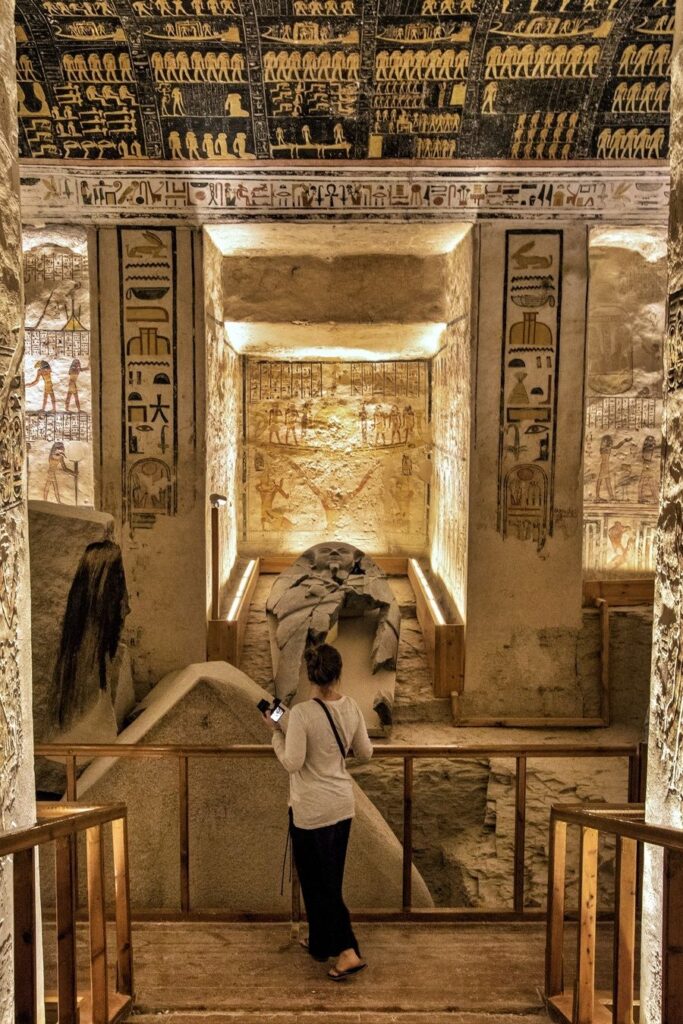
The Valley of the Kings was established during the New Kingdom period and served as the royal burial ground for Egypt’s pharaohs and powerful nobles for nearly five centuries. Located on the west bank of the Nile opposite Luxor, the valley became the preferred burial site after the pyramid age came to an end. The hidden location among the desert hills was chosen to provide greater protection against tomb robbers and preserve the treasures buried with the kings.

More than sixty tombs have been discovered in the valley, ranging from simple chambers to elaborate underground complexes decorated with colorful scenes and sacred texts. Among the most famous tombs is that of Tutankhamun, whose discovery in 1922 by Howard Carter became one of the greatest archaeological discoveries in history. Other notable rulers buried in the valley include Ramses II, Seti I, and Thutmose III.

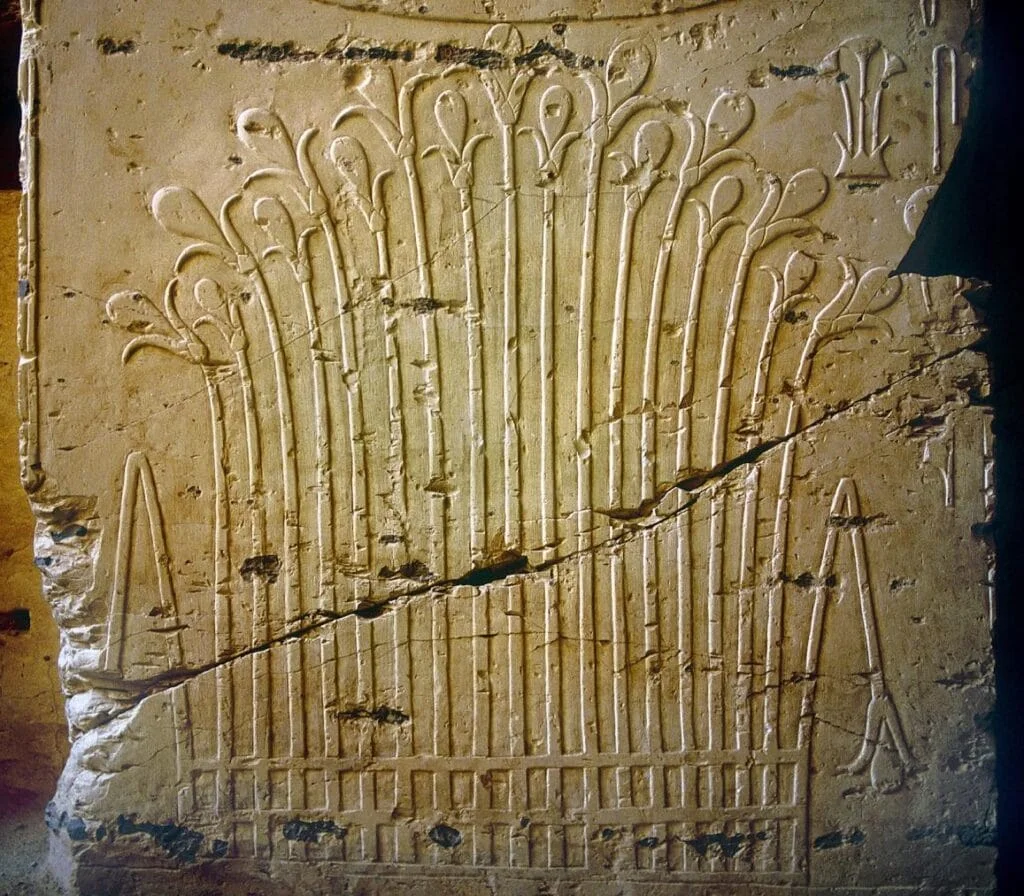
The wall paintings inside the tombs illustrate scenes from ancient Egyptian religious books and beliefs about the afterlife. These artistic masterpieces have survived for thousands of years and provide historians with valuable information about the culture and traditions of Ancient Egypt.

Today, the Valley of the Kings is recognized as part of the UNESCO World Heritage Site known as Ancient Thebes with its Necropolis. It remains one of the most important historical sites in Egypt and one of the most visited attractions in Luxor.
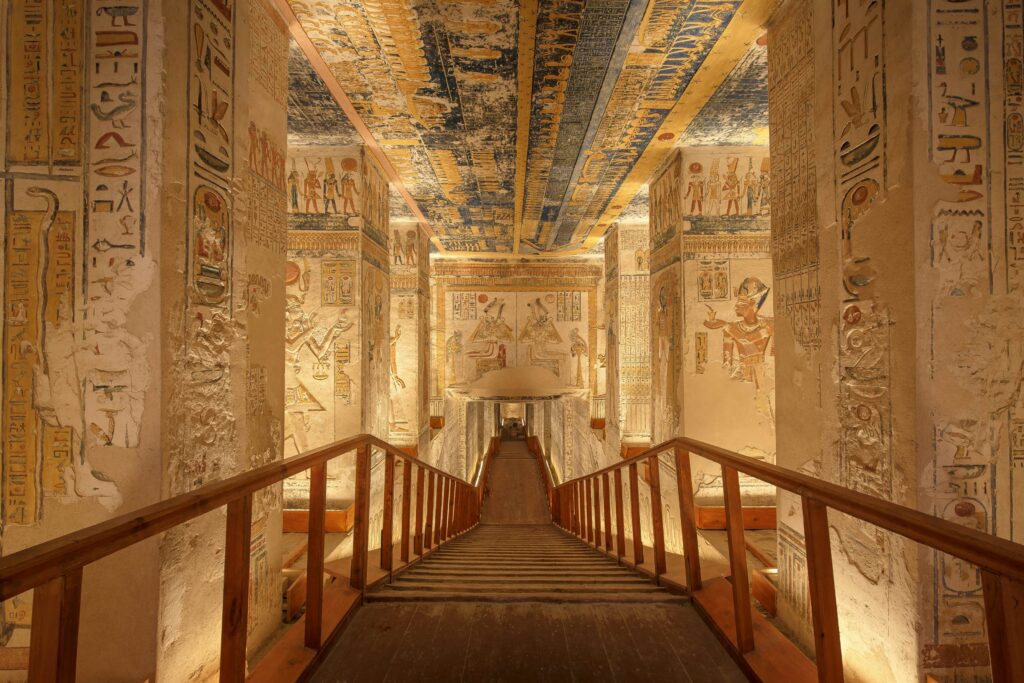
Valley of the Kings - Try Egypt tours 10

3. What to Expect During a Valley of the Kings Tour

A typical Valley of the Kings guided tour begins with transportation from your hotel or Nile cruise in Luxor to the west bank of the Nile. The journey itself is relatively short, and many tours include additional stops at nearby landmarks, allowing visitors to explore several important sites in one day.

Upon arrival at the Valley of the Kings, travelers usually purchase tickets or enter with pre-arranged admission included in the tour package. Standard tickets allow access to several tombs, although some famous tombs, such as Tutankhamun’s tomb or Seti I’s tomb, require additional tickets. Since tombs open and close on a rotating basis to aid preservation, the selection available may vary from day to day.

Inside the valley, visitors walk between the entrances to different tombs while guides explain the history of the rulers buried there and interpret the fascinating artwork covering the walls. The vibrant colors and detailed hieroglyphics remain remarkably well preserved despite being thousands of years old.

Most tours also include time for photography outside the tombs, panoramic views of the surrounding mountains, and opportunities to ask questions about Egyptian history. Depending on the itinerary, visitors may continue to the Temple of Hatshepsut, the Colossi of Memnon, or other famous attractions on Luxor’s West Bank.

For many travelers, visiting the Valley of the Kings becomes one of the highlights of their Egypt vacation and an unforgettable encounter with Ancient Egypt.
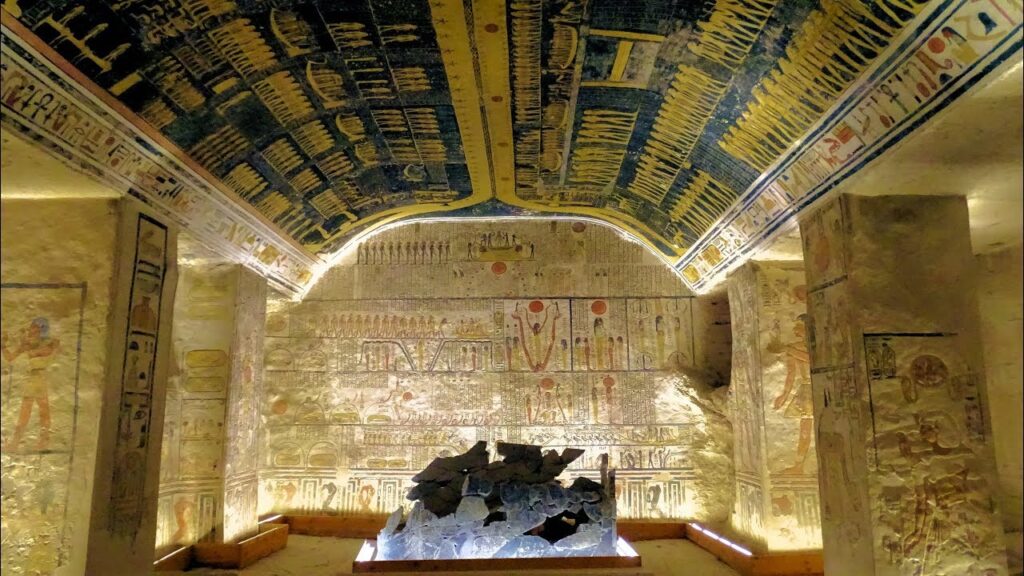
4. Best Tombs to Visit in the Valley of the Kings

One of the highlights of visiting the Valley of the Kings is exploring some of the magnificent tombs that have survived for thousands of years. Although more than sixty tombs have been discovered, only a selection is open to visitors at any given time. Choosing which tombs to visit can greatly enhance the overall experience, especially for first-time travelers exploring Luxor.

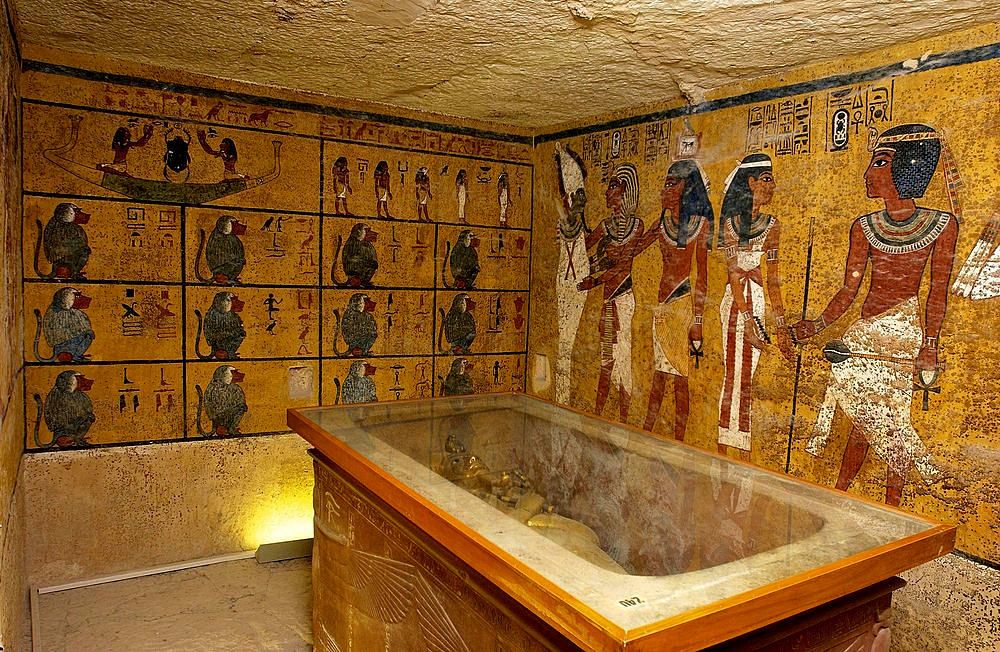
The Tomb of Tutankhamun is undoubtedly the most famous. Although relatively small compared to other royal tombs, it attracts visitors because of the extraordinary discovery made by Howard Carter in 1922. The mummy of the young pharaoh still rests inside the burial chamber, making it one of the most unique experiences in Egypt.

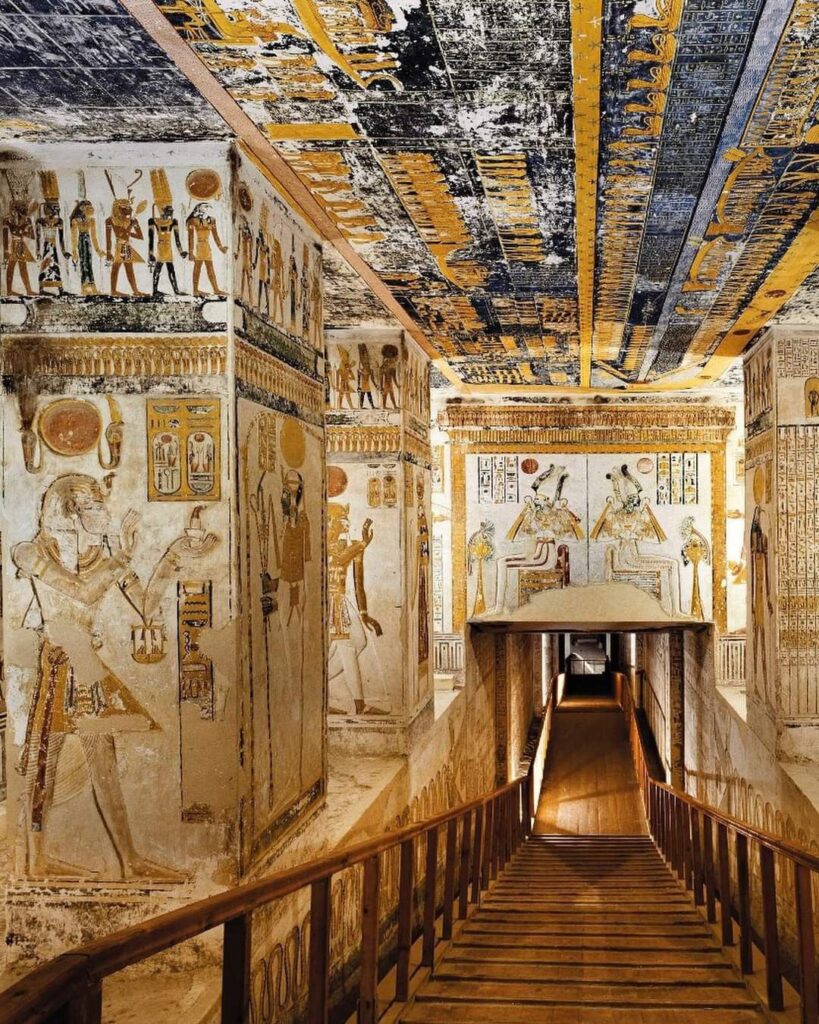
Another exceptional tomb is that of Ramses VI. It is widely regarded as one of the most beautifully decorated tombs in the valley, featuring vibrant colors and impressive astronomical scenes on the ceiling. The Tomb of Seti I is considered one of the finest masterpieces of Ancient Egyptian art, although access requires a separate ticket and is more expensive than standard tomb entries.

Travelers may also have the opportunity to visit the tombs of Merenptah, Thutmose III, and Ramses III, depending on which tombs are open during their visit. Each tomb has its own distinctive layout, artwork, and historical significance.

Exploring a variety of tombs allows visitors to appreciate the incredible craftsmanship and religious beliefs of Ancient Egypt while gaining a deeper understanding of the pharaohs who once ruled the Nile Valley.

5. Private vs Group Tours

When planning a Valley of the Kings excursion, travelers often need to decide between a private tour and a group tour. Both options offer excellent opportunities to explore one of Egypt’s most famous historical sites, but the experience can differ significantly depending on individual preferences, travel style, and budget.

Private tours are highly popular among visitors who value flexibility and personalized attention. With a private guide, travelers can spend more time at the sites that interest them most and enjoy a customized itinerary. Egyptologists leading private tours can answer questions in greater detail and adapt the pace of the tour according to the visitors’ needs. This option is particularly appealing to families, couples, and photography enthusiasts who prefer a more relaxed experience.

Group tours, on the other hand, are usually more economical and provide an opportunity to meet fellow travelers from around the world. These tours follow a fixed schedule and often include transportation, entrance fees, and several attractions in one package. Group tours are ideal for solo travelers or those seeking a cost-effective way to explore Luxor’s West Bank.

Regardless of the option chosen, both private and group tours provide valuable historical insights and professional guidance. The decision ultimately depends on whether travelers prioritize flexibility and exclusivity or affordability and social interaction.

Either choice offers a memorable journey through one of the most fascinating archaeological sites in the world.

6. Half-Day and Full-Day Valley of the Kings Tours

Valley of the Kings tours are available in several formats, allowing travelers to choose the option that best suits their schedule and interests. The two most common choices are half-day tours and full-day tours, each offering a different level of exploration and sightseeing.

Half-day tours are ideal for visitors with limited time or those who wish to focus primarily on the Valley of the Kings itself. These tours generally include transportation, a professional guide, and visits to several tombs. Some half-day experiences also include brief stops at nearby attractions such as the Colossi of Memnon or the Temple of Hatshepsut. They provide an efficient way to experience Luxor’s West Bank without spending an entire day sightseeing.

Full-day tours offer a more comprehensive experience and are among the most popular choices for first-time visitors. In addition to the Valley of the Kings, these tours often include the Temple of Hatshepsut, the Colossi of Memnon, Karnak Temple, and Luxor Temple. Some itineraries even include lunch and additional cultural experiences, creating a complete introduction to the history of Ancient Egypt.

Travelers who want to maximize their time in Luxor often prefer full-day tours, while those with shorter itineraries appreciate the convenience of half-day excursions. Both options provide unforgettable experiences and allow visitors to discover the incredible treasures of the ancient Theban Necropolis.6.7.8


7. Ticket Prices and Opening Hours

Before visiting the Valley of the Kings, it is important to familiarize yourself with the latest ticket prices and opening hours to plan your day efficiently. As one of the most popular historical sites in Egypt, the Valley of the Kings welcomes visitors throughout the year and operates daily. However, schedules and entrance fees may occasionally change, so travelers should always verify the latest information through official sources before their visit.

The archaeological site generally opens early in the morning at around 6:00 AM, making it possible to explore the tombs before the intense heat of the day. Most visitors prefer arriving shortly after opening because temperatures in Luxor rise quickly, especially during the summer months. Early morning visits also offer a quieter atmosphere and smaller crowds, allowing travelers to enjoy the experience more comfortably.

A standard entrance ticket gives visitors access to three tombs selected from those open to the public on the day of the visit. Since conservation work is constantly being carried out, the tombs available may vary from time to time. Some of the most famous tombs, including those of Tutankhamun and Seti I, require separate tickets and additional fees.

Visitors should also remember that ticket prices are periodically updated by the Egyptian authorities. Therefore, checking the latest official rates before traveling is strongly recommended. This ensures accurate budgeting and helps avoid surprises upon arrival. With proper planning, exploring the Valley of the Kings becomes a smooth and rewarding experience for history lovers and first-time visitors alike.

8. Best Time to Visit the Valley of the Kings

Choosing the right time to visit the Valley of the Kings can greatly enhance your overall experience. Although the site is open year-round, the most pleasant months for sightseeing are generally between October and April. During this period, temperatures are milder, making it much easier to explore the tombs and surrounding attractions comfortably.

Winter is considered the peak tourist season in Luxor. Daytime temperatures are pleasant and ideal for outdoor activities, attracting travelers from around the world. Although this season offers excellent weather, it also brings larger crowds, particularly around major attractions. Visitors who prefer a quieter experience may find that spring and autumn provide a better balance between comfortable weather and fewer tourists.

Summer in Luxor, particularly from June to August, can be extremely hot. Temperatures often exceed 40°C, making sightseeing during the middle of the day challenging. For those visiting during summer, starting early in the morning is highly recommended. Arriving shortly after the site opens allows travelers to avoid both the heat and the busiest hours.

In addition to seasonal considerations, weekdays are generally less crowded than weekends and public holidays. Sunrise hours are especially popular among photographers because the soft morning light creates excellent conditions for capturing the surrounding mountains and desert scenery.

By choosing the right season and time of day, visitors can enjoy a more comfortable and memorable journey through one of the most remarkable archaeological sites of Ancient Egypt.

9. Travel Tips for First-Time Visitors

For first-time visitors, exploring the Valley of the Kings is often one of the highlights of an Egypt vacation. However, proper preparation can make the experience much more enjoyable and comfortable. Since the site is located in a desert environment and involves a fair amount of walking, travelers should plan accordingly.

Arriving early in the morning is one of the most valuable pieces of advice. Not only does this help visitors avoid the midday heat, but it also provides a more peaceful atmosphere before larger tour groups arrive. Wearing comfortable walking shoes is essential, as visitors will spend time walking between tomb entrances and navigating uneven surfaces.

Lightweight clothing, sunglasses, sunscreen, and a hat are highly recommended, particularly during warmer months. Carrying a bottle of water is equally important to stay hydrated throughout the visit. Since temperatures can rise rapidly, taking short breaks and avoiding prolonged exposure to the sun helps ensure a more pleasant experience.

Hiring a licensed Egyptologist guide is another excellent idea, especially for first-time travelers. Professional guides provide fascinating explanations about the pharaohs, religious beliefs, and artwork inside the tombs, helping visitors appreciate details that might otherwise go unnoticed.

Finally, travelers should allow enough time to explore nearby attractions on Luxor’s West Bank, including the Temple of Hatshepsut and the Colossi of Memnon. Combining these sites with the Valley of the Kings creates an unforgettable journey into the heart of Ancient Egypt and one of the most rewarding experiences in Egypt tourism.

Tomb of Seti I (KV17) 5

10. Nearby Attractions to Combine with Your Tour

One of the advantages of visiting the Valley of the Kings is its location near several of Luxor’s most impressive historical landmarks. Many guided tours combine multiple attractions on the West Bank, allowing visitors to experience some of the greatest treasures of Ancient Egypt in a single day.

The Temple of Hatshepsut is among the most popular sites to visit after the Valley of the Kings. Built for one of Egypt’s most remarkable female pharaohs, the temple features unique terraces and spectacular views of the surrounding cliffs. Another nearby landmark is the Colossi of Memnon, two massive stone statues that have stood for more than three thousand years and continue to attract travelers from around the world.

Visitors who have additional time often include the Valley of the Queens, where several royal family members were buried, including Queen Nefertari. On the East Bank of Luxor, Karnak Temple and Luxor Temple provide an equally fascinating experience and are frequently included in full-day guided tours.

Combining these attractions creates a deeper understanding of Ancient Egyptian history and allows travelers to appreciate the importance of ancient Thebes as one of the most influential cities of the pharaohs. Whether you choose a half-day or full-day excursion, adding nearby sites to your itinerary helps make your visit to Luxor even more memorable.

11. Photography Opportunities and Visitor Facilities

The Valley of the Kings offers excellent opportunities for photography and provides several facilities designed to enhance the visitor experience. The surrounding desert mountains, dramatic landscapes, and ancient atmosphere make the area one of the most photogenic locations in Luxor. Early morning and late afternoon are considered the best times for capturing stunning images because the softer light creates beautiful contrasts across the rocky hills.

Photography regulations may change from time to time, and some tombs may have restrictions regarding cameras or professional equipment. Visitors are advised to check the latest rules before entering individual tombs. Respecting these regulations helps preserve the delicate artwork and ensures a pleasant experience for everyone.

In addition to its historical significance, the site offers several visitor services. There is a small visitor center near the entrance where travelers can obtain information and purchase tickets. Electric shuttle trains are available to transport visitors from the entrance area to the beginning of the archaeological site, reducing the amount of walking required under the sun.

Restrooms, souvenir shops, and refreshment areas are also available nearby. Many travelers choose to bring water, sunscreen, and hats to remain comfortable during their visit. Overall, the facilities are well organized and help make exploring one of Egypt’s most famous archaeological treasures both convenient and enjoyable.

12. Why the Valley of the Kings Is a Must-Visit Destination

The Valley of the Kings is widely regarded as one of the most extraordinary historical sites in the world and remains one of the absolute highlights of any Egypt itinerary. Its remarkable collection of royal tombs, breathtaking artwork, and incredible historical importance make it a destination that continues to fascinate travelers, archaeologists, and historians alike.

Unlike many other ancient monuments, the Valley of the Kings offers visitors the opportunity to walk inside the burial places of pharaohs who ruled thousands of years ago. The colorful hieroglyphics and intricate scenes covering the walls provide a rare glimpse into Ancient Egyptian beliefs about the afterlife and reveal the exceptional artistic skills of the civilization that created them.

For history enthusiasts, few places in the world compare to the experience of standing inside the tomb of Tutankhamun or admiring the spectacular decorations of Ramses VI and Seti I. Even visitors with little knowledge of Ancient Egypt often leave deeply impressed by the scale and beauty of the site.

Combined with nearby attractions such as the Temple of Hatshepsut, Karnak Temple, and Luxor Temple, the Valley of the Kings forms an essential part of any visit to Luxor. It is more than just an archaeological site—it is a journey into the heart of one of humanity’s greatest civilizations and an unforgettable experience for every traveler.

Frequently Asked Questions

A standard entrance ticket to the Valley of the Kings allows visitors to enter three tombs selected from those open to the public on the day of their visit. Since the Egyptian authorities rotate tomb access to help preserve the artwork and reduce visitor impact, the available tombs may vary from time to time. Famous tombs such as Tutankhamun and Seti I require separate tickets and additional fees.

Yes, a guided tour is highly recommended, especially for first-time visitors. Professional Egyptologist guides provide valuable insights into the history, symbolism, and religious beliefs behind the tomb decorations. They also help visitors understand the stories of the pharaohs buried in the valley, making the experience much more informative and memorable.

The best time to visit is between October and April when temperatures are cooler and more comfortable for sightseeing. Morning visits are particularly recommended because they offer pleasant weather, fewer crowds, and better lighting conditions for photography. Summer visits are still possible, but travelers should start early to avoid extreme heat.

Most visitors spend between two and three hours exploring the Valley of the Kings. However, travelers taking guided tours that include nearby attractions such as the Temple of Hatshepsut and the Colossi of Memnon should allow at least half a day. Full-day tours often combine several sites on Luxor’s West Bank and East Bank.

Absolutely. Many tours combine the Valley of the Kings with nearby landmarks such as the Temple of Hatshepsut, the Colossi of Memnon, Karnak Temple, and Luxor Temple. These combinations provide a more complete understanding of Ancient Egypt and allow travelers to experience some of the most important historical sites in Egypt during a single day.