
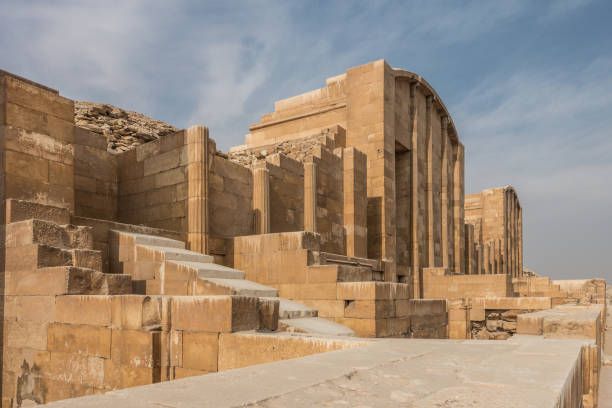
1. What Is a Guided Tour in Egypt?
A guided tour in Egypt is a structured travel experience organized by a tour company or local travel provider and led by a professional guide, often a licensed Egyptologist. These tours are designed to help visitors explore Egypt’s most important attractions while minimizing the challenges associated with planning, transportation, and logistics. Guided tours can range from a few hours at a single attraction to comprehensive multi-day journeys covering multiple destinations across the country.
Most guided tours include transportation, sightseeing, entrance arrangements, and expert commentary. Depending on the package, accommodations, domestic flights, meals, airport transfers, and Nile cruises may also be included. Travelers benefit from having a knowledgeable guide who explains the historical significance of monuments, temples, museums, and archaeological sites, transforming a simple visit into a much richer educational experience.
Guided tours are available in various formats. Some travelers choose private tours, which offer personalized itineraries and dedicated guides, while others prefer group tours that allow them to share experiences with fellow travelers. Both options provide structured itineraries that help visitors maximize their time and see the most important attractions efficiently.
In Egypt, guided tours are particularly popular because of the country’s vast historical heritage and the large number of archaeological sites spread across different regions. Professional guides help visitors navigate complex historical information while ensuring smooth access to attractions.
For many travelers, guided tours offer a convenient and stress-free way to experience Egypt’s highlights while benefiting from local expertise and organized travel arrangements.

2. What Does Independent Travel in Egypt Look Like?
Independent travel in Egypt involves planning and managing every aspect of the trip without relying on organized tours or dedicated guides. Travelers arrange their own transportation, accommodations, sightseeing schedules, and daily activities, allowing them complete control over their itinerary and travel experience.
One of the biggest attractions of independent travel is freedom. Visitors can decide where to go, how long to stay, and what activities to prioritize without being restricted by fixed tour schedules. This flexibility appeals to adventurous travelers who enjoy discovering destinations at their own pace and making spontaneous decisions along the way.
Independent travelers often use a combination of domestic flights, trains, buses, taxis, and ride-hailing services to move between destinations. They may choose accommodations ranging from budget hostels and guesthouses to luxury hotels, depending on their preferences and budget.
While independent travel offers greater flexibility, it also requires more preparation and research. Visitors must organize transportation, understand local customs, purchase attraction tickets, and learn how to navigate unfamiliar cities and archaeological sites. For experienced travelers, these responsibilities may be part of the adventure. For others, they can become time-consuming or stressful.
One challenge is that many of Egypt’s historical attractions contain complex stories and cultural significance that may not be immediately obvious without expert explanation. Independent travelers often rely on guidebooks, audio guides, mobile applications, or online research to enhance their understanding of the sites they visit.
Despite these challenges, independent travel can be highly rewarding and allows visitors to create a uniquely personal Egyptian adventure based on their individual interests and travel style.
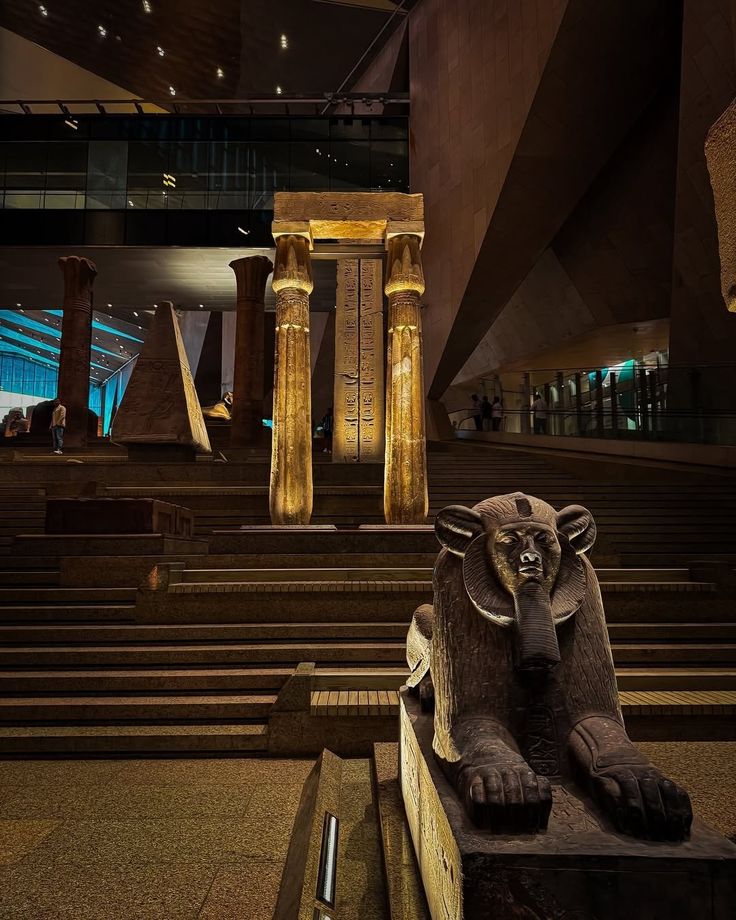
3. Cost Comparison: Guided Tours vs Independent Travel
Cost is often one of the most important factors when deciding between guided tours and independent travel in Egypt. While many travelers assume that independent travel is always cheaper, the reality is more nuanced. The overall value depends on the type of experience a traveler is seeking and how efficiently they can organize their trip.
Independent travel generally provides greater control over spending. Travelers can choose budget accommodations, use public transportation, dine at local restaurants, and prioritize only the attractions they wish to visit. This flexibility can result in significant savings, particularly for backpackers and budget-conscious visitors.
Guided tours, however, often include multiple services bundled into a single price. Transportation, guides, entrance fees, accommodations, and logistical support may all be included. While the initial cost may appear higher, these packages can sometimes offer excellent value when compared to arranging every component separately.
Private guided tours are typically the most expensive option because they provide personalized services, dedicated transportation, and customized itineraries. Group tours are generally more affordable because costs are shared among participants.
Another factor to consider is hidden costs. Independent travelers may encounter unexpected transportation expenses, ticket purchases, or logistical challenges that increase overall spending. Guided tours often reduce these uncertainties by providing clear and predictable pricing.
For travelers who prioritize convenience and expert guidance, guided tours can represent excellent value. Those focused primarily on minimizing expenses may find independent travel more economical. Ultimately, the best choice depends on balancing budget considerations with desired comfort, flexibility, and travel experience.