
1. The Nile River: Foundation of Ancient Egyptian Civilization
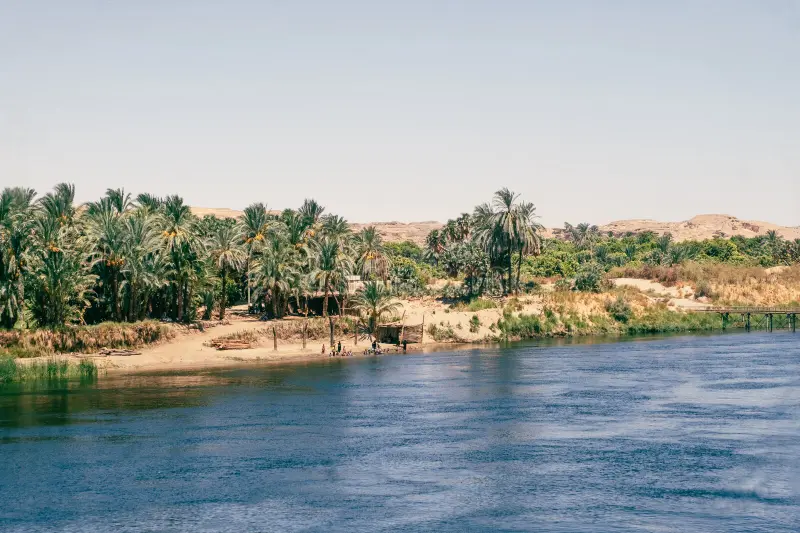
The story of Ancient Egypt begins with the Nile River, the lifeline that made one of the world’s earliest civilizations possible. Stretching more than 6,600 kilometers through northeastern Africa, the Nile provided the essential resources that allowed human settlements to flourish in an otherwise harsh and arid environment. Without the Nile, Ancient Egypt as we know it would never have existed.
Each year, seasonal floods deposited nutrient-rich silt along the riverbanks, transforming the surrounding land into fertile farmland. This natural cycle allowed early Egyptians to cultivate crops such as wheat, barley, vegetables, and flax. Reliable agricultural production created food surpluses that supported population growth and enabled communities to develop beyond simple farming villages.
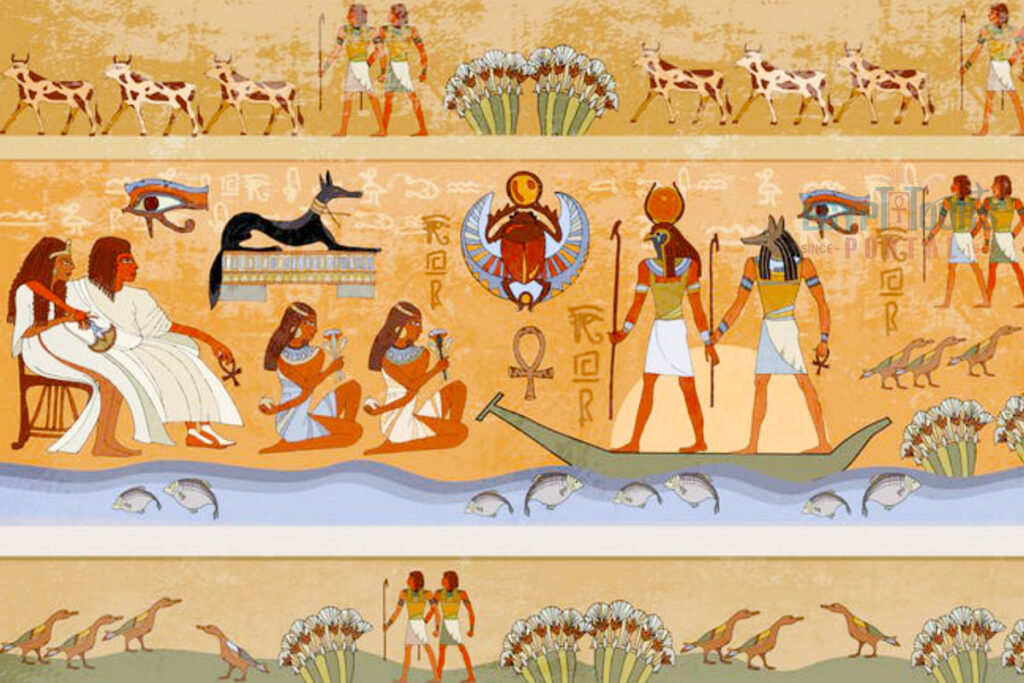
The Nile also served as Egypt’s primary transportation route. Boats traveled along the river carrying people, goods, and building materials between settlements. This connectivity helped unite communities, encouraged trade, and facilitated communication throughout the region. As villages grew into towns and towns developed into cities, the Nile became the backbone of Egypt’s economy and political structure.
Beyond its practical benefits, the Nile played a central role in Egyptian religion and culture. Ancient Egyptians viewed the river as a divine gift that sustained life and prosperity. Many religious beliefs, ceremonies, and myths were closely connected to the river and its annual flooding cycle.
The stability provided by the Nile allowed Egyptians to focus on innovation, administration, architecture, and cultural development. While many early civilizations struggled with unpredictable environments, Egypt benefited from a dependable natural system that encouraged long-term growth and social organization.
For this reason, historians often describe the Nile as the foundation upon which Ancient Egyptian civilization was built. Its influence touched every aspect of life and helped transform a collection of farming communities into one of the greatest civilizations in human history.
2. The Unification of Upper and Lower Egypt
One of the most significant events in Ancient Egyptian history was the unification of Upper and Lower Egypt. Before this transformation, the Nile Valley was divided into separate regions, each governed by local rulers and communities. While these societies shared cultural similarities, they functioned independently and often competed for resources and influence.
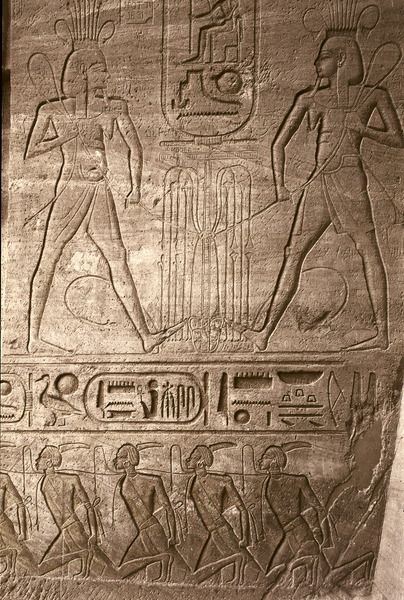
Around 3100 BC, a powerful ruler traditionally identified as King Narmer succeeded in uniting the two regions under a single government. This achievement marked the beginning of the Early Dynastic Period and established the foundation for the Egyptian state that would endure for thousands of years.
The unification of Egypt created a centralized political system led by a king who would eventually become known as the pharaoh. This new authority helped maintain stability, organize large-scale projects, and coordinate agricultural production throughout the kingdom. A unified government also strengthened Egypt’s ability to defend its territory and expand its influence.
The event held enormous symbolic significance. The pharaoh was often depicted wearing the Double Crown, which combined the crowns of Upper and Lower Egypt and represented the unity of the nation. This symbolism became an important part of Egyptian identity and royal authority.
Political unification also encouraged economic growth and cultural development. Resources from different regions could be shared more effectively, trade expanded, and administrative systems became increasingly sophisticated. The centralized government provided the structure necessary for the construction of monuments, temples, and cities that would later define Egyptian civilization.
The unification of Upper and Lower Egypt is widely considered one of the most important milestones in world history because it created one of humanity’s first large, organized states and laid the groundwork for over three thousand years of Egyptian civilization.
3. The Rise of the Pharaohs
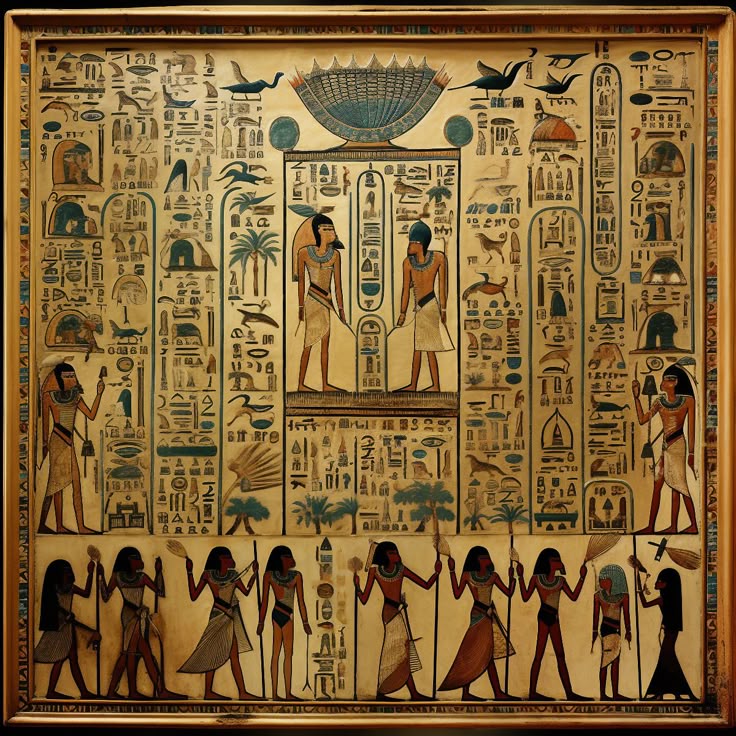
The rise of the pharaohs marked the emergence of one of the most powerful and enduring institutions in ancient history. Following the unification of Egypt, the pharaoh became the central figure in Egyptian society, serving as political leader, military commander, religious authority, and symbol of national unity.
Ancient Egyptians believed that the pharaoh was chosen by the gods and acted as a bridge between the divine and human worlds. This belief gave rulers extraordinary authority and helped maintain social order throughout the kingdom. The pharaoh’s primary responsibility was to preserve “Ma’at,” a concept representing balance, harmony, justice, and stability within the universe.
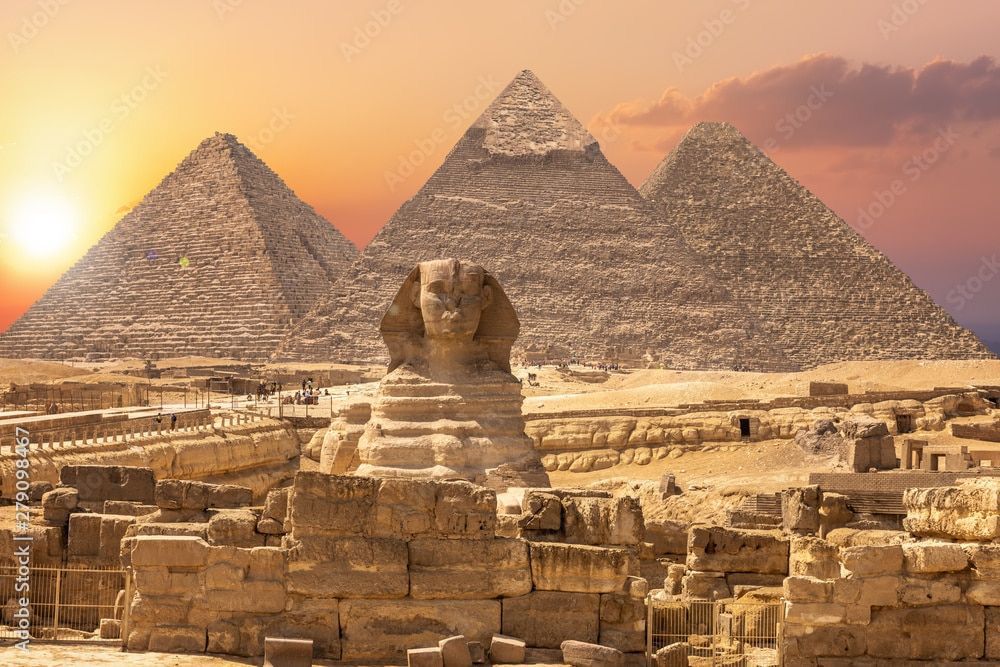
As Egypt grew stronger, pharaohs oversaw ambitious construction projects, expanded trade networks, and organized military campaigns. They controlled vast resources and directed large workforces capable of building some of the most impressive monuments ever created. The pyramids, temples, statues, and tombs that survive today are lasting reminders of their power and influence.
Different dynasties produced some of history’s most famous rulers. Pharaohs such as Djoser, Khufu, Hatshepsut, Thutmose III, Akhenaten, Tutankhamun, and Ramesses II each contributed to Egypt’s development in unique ways. Their achievements helped shape the civilization’s political, religious, and cultural landscape.
The institution of kingship also promoted continuity. Although individual rulers came and went, the concept of the pharaoh remained remarkably stable for thousands of years. This continuity helped Egypt maintain its identity through periods of prosperity, conflict, and change.
The rise of the pharaohs transformed Egypt from a newly unified kingdom into one of the most powerful civilizations of the ancient world. Their leadership played a central role in creating the achievements that continue to fascinate humanity today.