
Ancient Egypt Government System
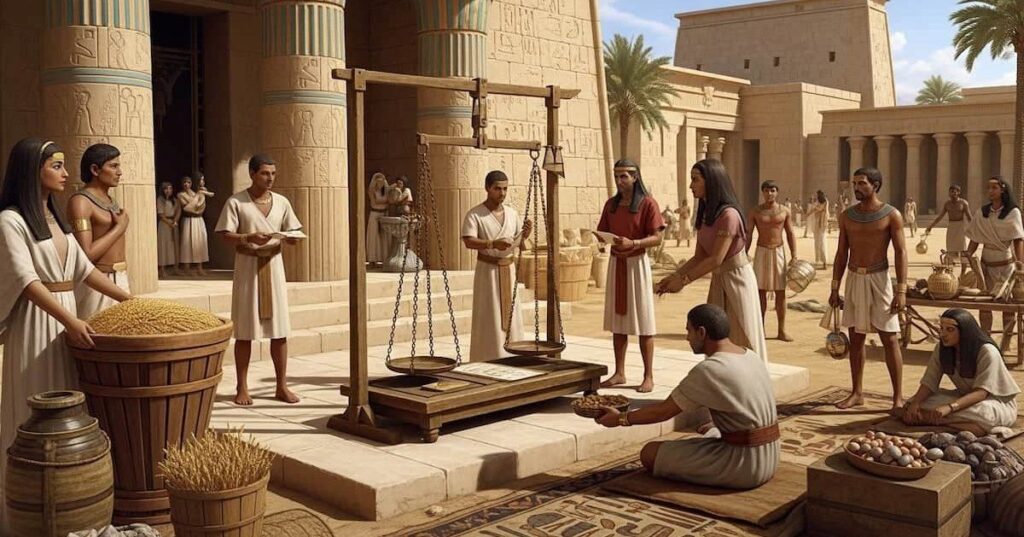
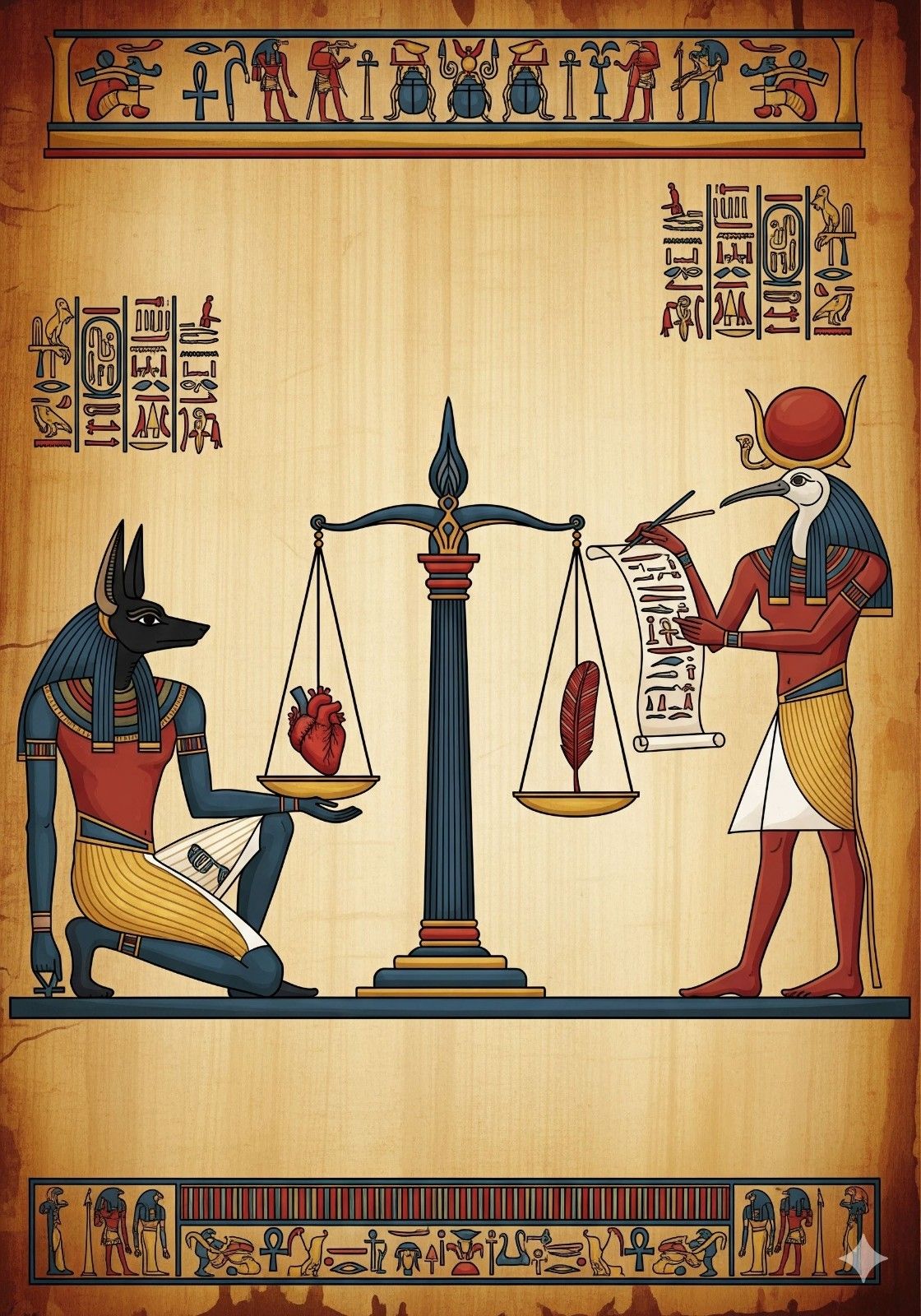
The government system of Ancient Egypt was one of the most remarkable political organizations in the ancient world, sustaining a civilization that flourished for more than three thousand years. From the unification of Upper and Lower Egypt around 3100 BCE until the arrival of foreign empires, Egyptian rulers developed a highly centralized administration capable of governing vast territories, managing valuable resources, and maintaining social stability. Unlike many neighboring societies, Egypt enjoyed long periods of political continuity because its institutions combined practical administration with powerful religious beliefs. Government was not viewed merely as a collection of officials or laws; instead, it represented the earthly expression of cosmic harmony known as Ma’at, the principle of truth, justice, and balance. Every level of administration, from royal advisors to village scribes, existed to preserve this sacred order. The annual flooding of the Nile demanded careful planning, organized labor, and efficient distribution of agricultural resources, making effective government essential for survival. Monumental achievements, including pyramids, temples, irrigation systems, and fortified settlements, reflected the remarkable administrative capabilities of the Egyptian state rather than the authority of individual rulers alone. Officials recorded harvests, supervised taxation, resolved disputes, and coordinated large construction projects with impressive precision. Throughout different historical periods, including the Old, Middle, and New Kingdoms, the governmental structure adapted to changing political circumstances while preserving its fundamental principles. Understanding the Ancient Egyptian government therefore reveals how religion, administration, economics, and military organization worked together to sustain one of history’s most enduring civilizations. Its institutions influenced neighboring kingdoms and demonstrated that stable governance depended upon capable leadership, organized bureaucracy, and shared cultural beliefs, establishing foundations that continued inspiring political systems across the ancient Mediterranean world.
The Pharaoh and the Concept of Kingship
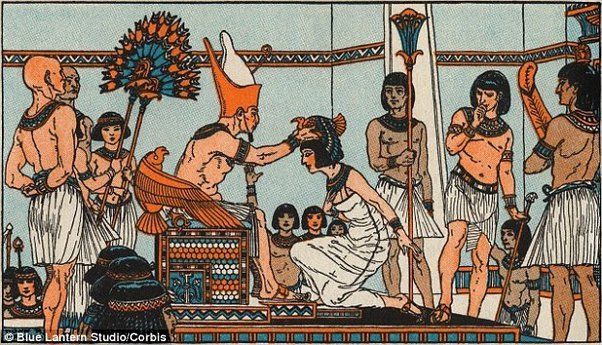
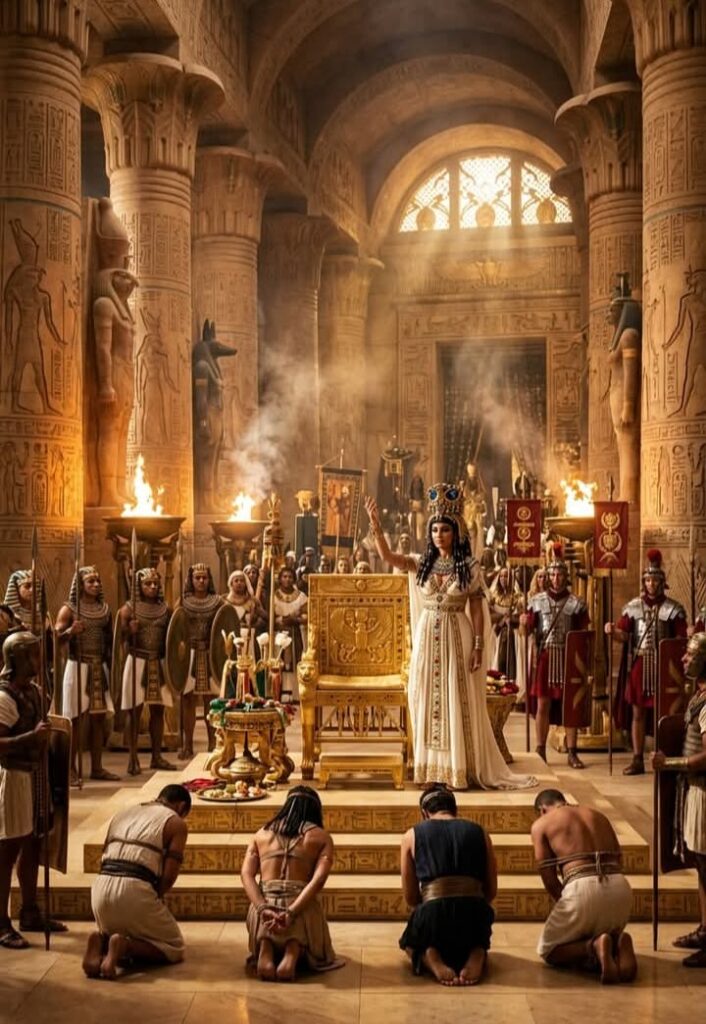
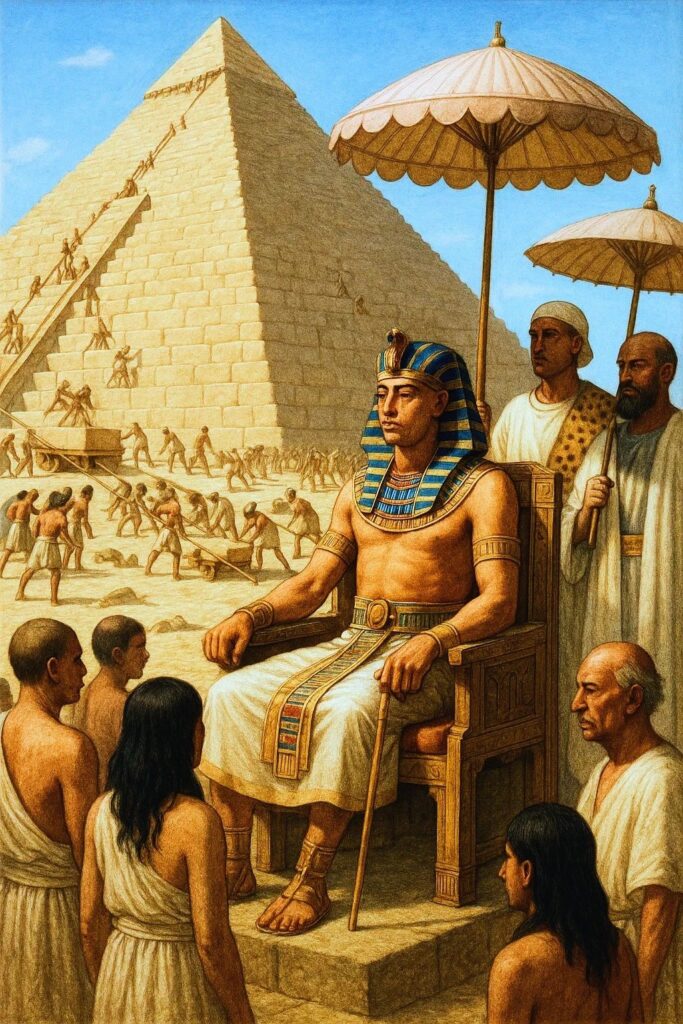
At the center of the Ancient Egyptian government stood the Pharaoh, whose authority extended beyond ordinary political leadership into every aspect of national life. Egyptians regarded the king as the living representative of divine power on earth, responsible for preserving order, protecting the kingdom, and ensuring prosperity for all inhabitants. Rather than ruling through personal ambition alone, the Pharaoh embodied the state itself, symbolizing unity between Upper and Lower Egypt after their historic unification. Royal ceremonies, official inscriptions, and monumental architecture consistently emphasized the king’s sacred responsibility to maintain Ma’at through wise governance and righteous decisions. The Pharaoh commanded the military, appointed senior officials, supervised major construction projects, authorized taxation, and directed foreign diplomacy. Although enormous authority rested with the monarch, practical administration depended upon experienced advisors who transformed royal commands into everyday policy. Famous rulers such as Djoser, Khufu, Hatshepsut, Thutmose III, and Ramesses II demonstrated different styles of leadership while reinforcing the enduring prestige of kingship. Their reigns illustrate how successful rulers balanced religious obligations with political realities, strengthening both domestic stability and international influence. Royal succession usually followed hereditary principles, although periods of instability occasionally produced competing claimants or influential queens who assumed full royal authority. The king’s image appeared throughout Egypt in statues, temples, official documents, and public monuments, constantly reminding subjects of the government’s presence. Despite occasional political crises, Egyptians generally viewed the institution of kingship as essential for national survival because it united administrative efficiency with sacred legitimacy. Through this extraordinary combination of religious symbolism and executive authority, the Pharaoh became the enduring foundation upon which the entire governmental structure securely depended across centuries.
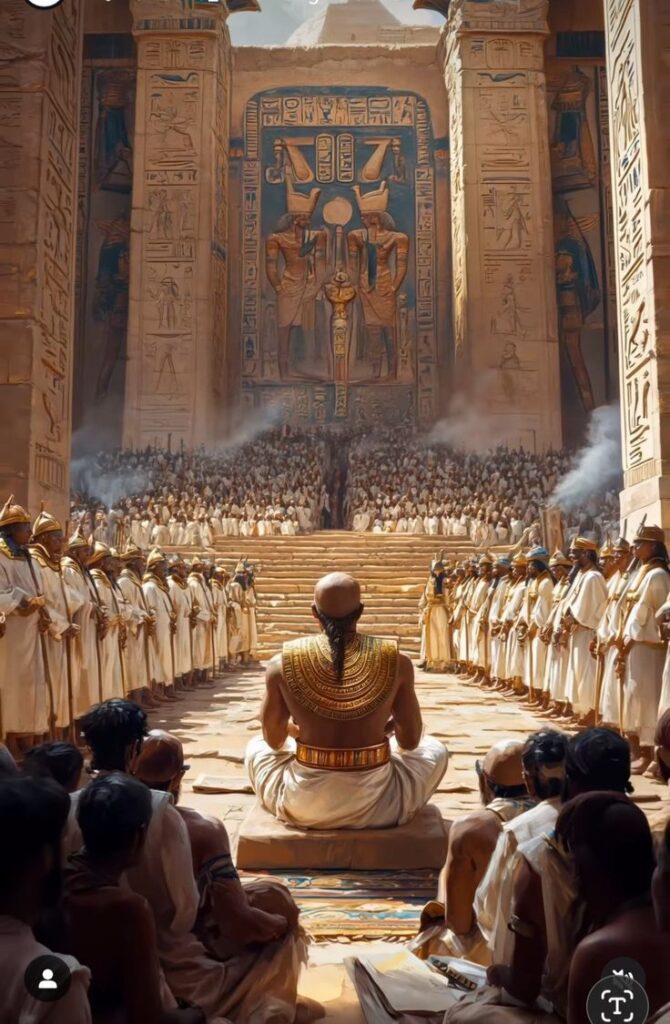
Divine Kingship and Religious Legitimacy
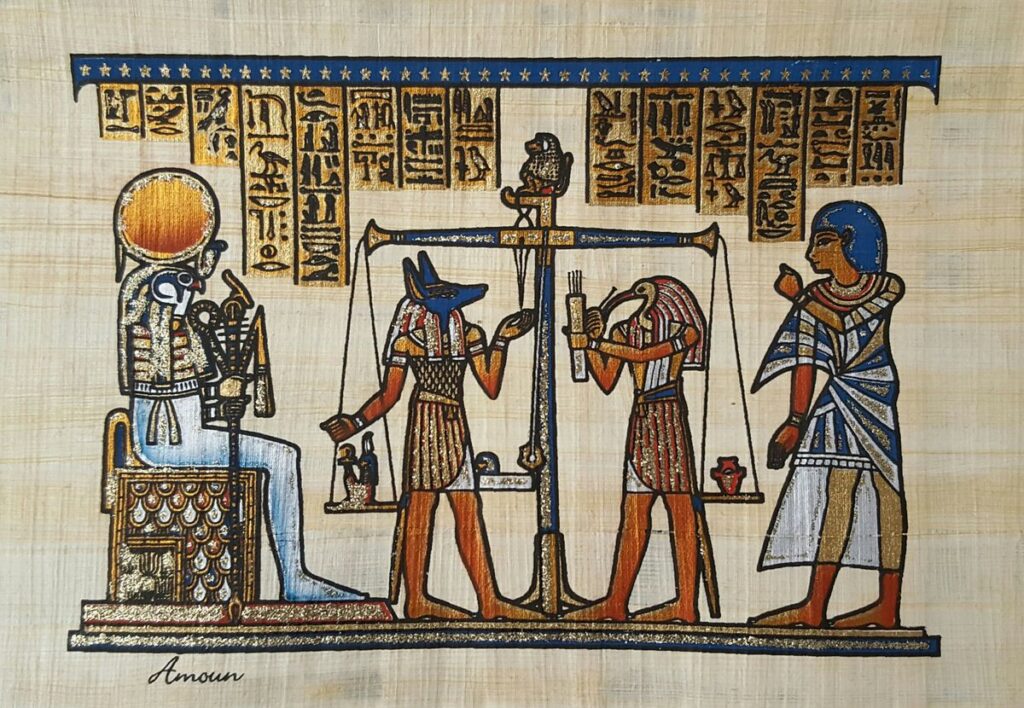
Religion formed the ideological foundation of the Ancient Egyptian government, transforming political authority into a sacred institution supported by deeply rooted spiritual beliefs. Egyptians believed that the Pharaoh ruled not simply by inheritance or military strength but through divine selection, serving as the earthly representative of the gods and the protector of universal order. During life, the king was closely associated with Horus, the falcon god of kingship, while after death he became identified with Osiris, ruler of the underworld. This religious framework gave extraordinary legitimacy to royal authority because obedience to the king was considered an act of devotion toward the gods themselves. Temples, festivals, and ceremonial rituals reinforced this connection by presenting the Pharaoh as the mediator between humanity and the divine realm. Priests conducted elaborate ceremonies in which the king offered gifts to the gods, symbolically ensuring fertile harvests, successful military campaigns, and the continued flooding of the Nile. Monumental inscriptions frequently described victorious rulers as chosen by Amun, Ra, or other major deities, emphasizing divine approval for governmental decisions. Queen Hatshepsut famously strengthened her claim to the throne by promoting the story of her divine birth, while Ramesses II filled temple walls with scenes portraying the gods granting him victory over foreign enemies. Such narratives were not merely religious expressions but powerful political statements supporting royal legitimacy. Through this close union of faith and government, Egypt created an enduring system in which political authority rested upon spiritual conviction as much as administrative efficiency. Consequently, the concept of divine kingship united society, reinforced loyalty, and preserved governmental continuity throughout centuries of remarkable cultural achievement and enduring historical stability.