
Welcome to

Ancient Egypt Life of Workers

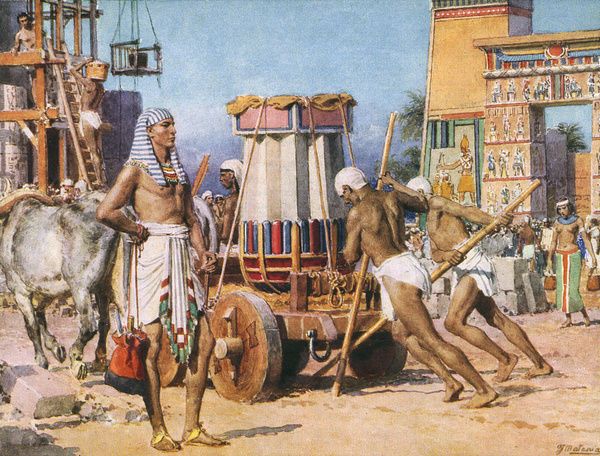
The life of workers in Ancient Egypt was essential to the success and development of one of the world’s greatest civilizations. From farmers and builders to craftsmen, miners, sailors, and laborers, ordinary workers formed the backbone of Egyptian society. Their efforts supported agriculture, trade, construction, manufacturing, transportation, and the creation of the magnificent temples, tombs, pyramids, and monuments that continue to inspire the world today. Understanding the daily lives of these workers provides valuable insight into how Ancient Egypt functioned and prospered for more than three thousand years.

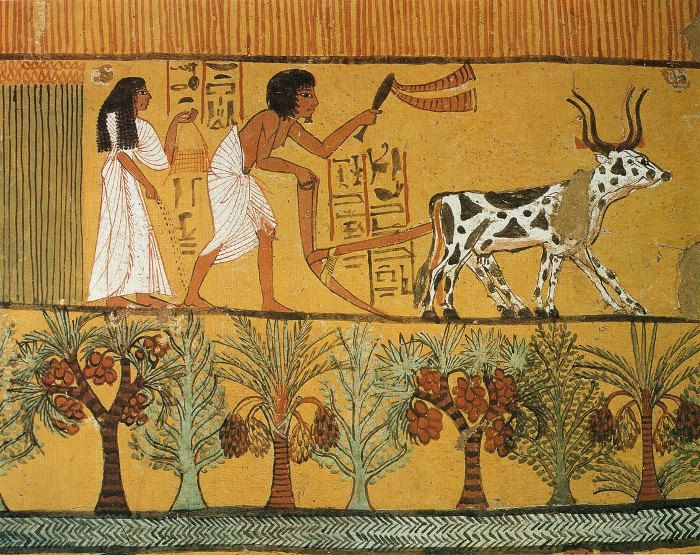
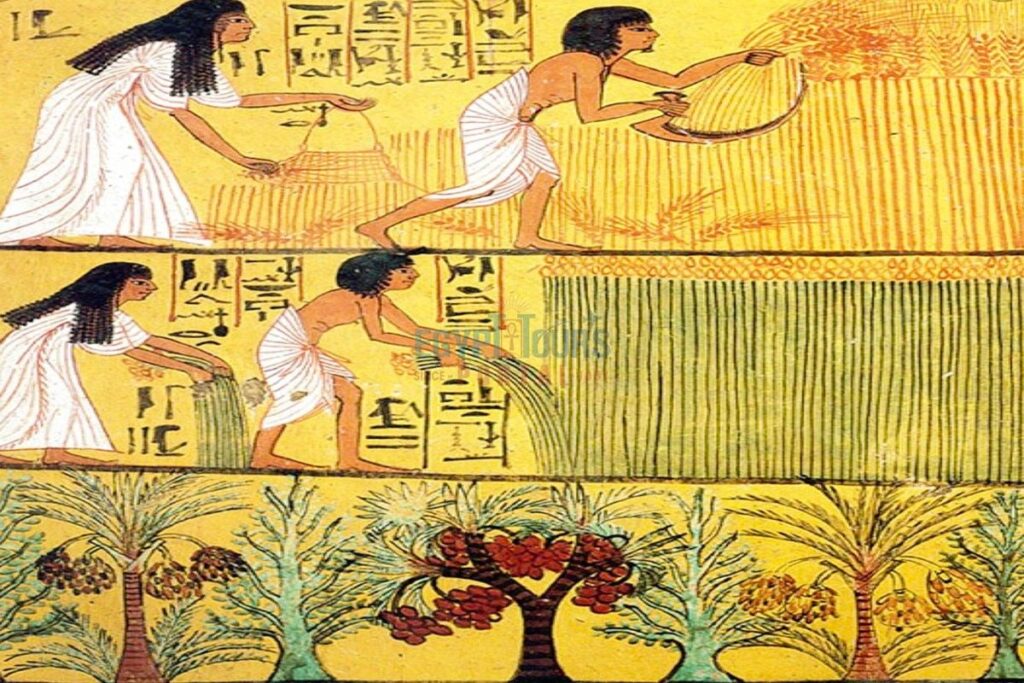
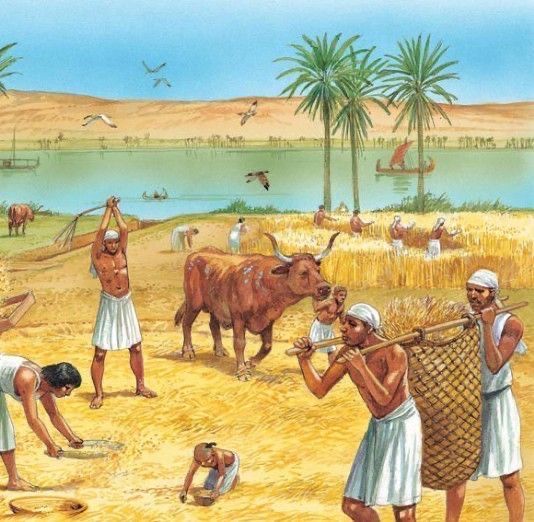
Most workers in Ancient Egypt were involved in agriculture, the foundation of the Egyptian economy. Farmers cultivated crops such as wheat, barley, flax, vegetables, and fruits on the fertile lands nourished by the Nile River. Their work followed the annual agricultural cycle of flooding, planting, and harvesting. During periods when farming activities were limited, many laborers participated in state-sponsored projects, including canal construction, temple building, and public works.

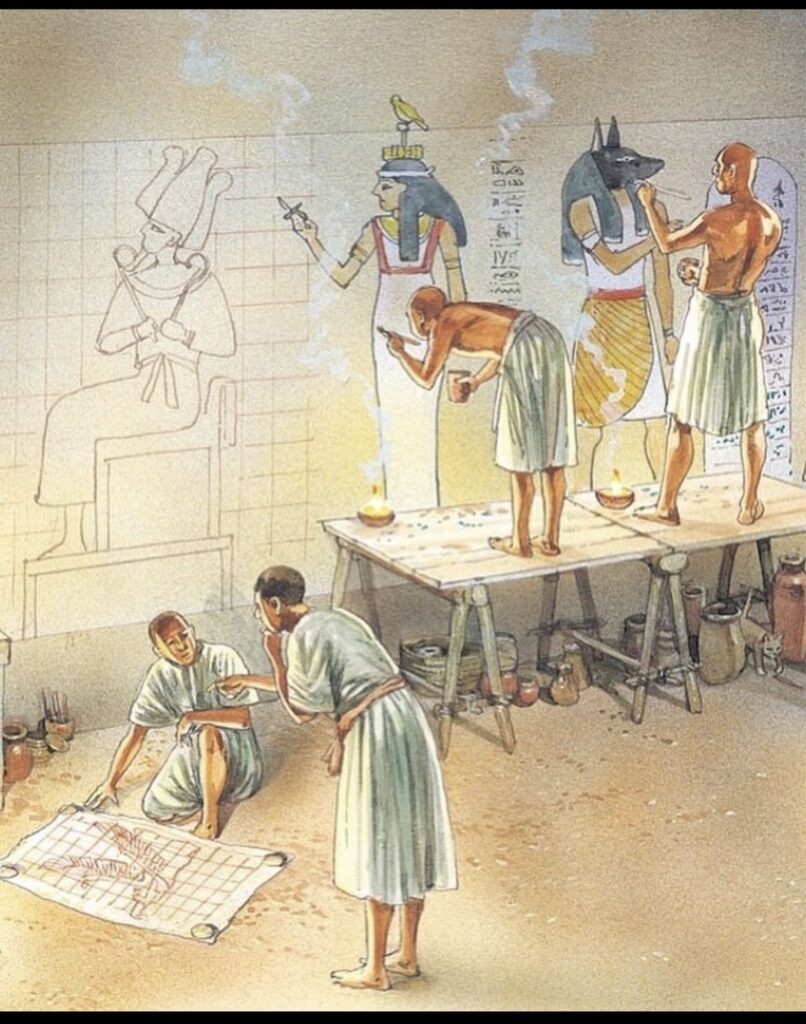
Construction workers and craftsmen played a particularly important role in Egyptian society. Skilled stonemasons, carpenters, sculptors, painters, metalworkers, and jewelers created the structures and artistic masterpieces that defined Egyptian civilization. The workers of Deir el-Medina, for example, were responsible for building and decorating the royal tombs in the Valley of the Kings. Archaeological evidence suggests that these workers received wages in the form of grain, beer, food, clothing, and other supplies, demonstrating that many were organized laborers rather than slaves.

Daily life for workers involved long hours of physical labor, but communities often provided social support, housing, food distribution, and religious activities. Workers lived with their families, participated in festivals, worshipped local gods, and maintained strong community relationships. Records indicate that workers could file complaints, receive medical treatment, and occasionally organize work stoppages when wages were delayed, highlighting a surprisingly structured labor system.

The experiences of workers varied according to occupation, social status, and location. While some laborers faced difficult conditions in quarries, mines, and large construction projects, skilled craftsmen and specialized workers often enjoyed greater stability and respect. Regardless of their profession, workers made indispensable contributions to Egypt’s economy, culture, and architectural achievements.

In this guide, we explore the life of workers in Ancient Egypt, including farming, construction, craftsmanship, wages, housing, working conditions, labor organization, family life, and the role of ordinary Egyptians in building one of the most remarkable civilizations in world history.

1. The Importance of Workers in Ancient Egyptian Civilization

Workers formed the foundation of Ancient Egyptian civilization, transforming natural resources into the monuments, tools, homes, temples, and works of art that defined one of history’s greatest cultures. Although Pharaohs commissioned grand projects and government officials organized labor, it was skilled workers and laborers who turned ambitious plans into reality. Their contributions supported every aspect of Egyptian society, from agriculture and trade to religion and architecture.

Most Egyptians belonged to the working population. They included builders, craftsmen, potters, carpenters, blacksmiths, goldsmiths, textile weavers, fishermen, merchants, sailors, and transport workers. Each profession required practical knowledge that was passed from one generation to the next through apprenticeships and family traditions.

Construction workers built some of the world’s most famous monuments, including pyramids, temples, obelisks, tombs, palaces, canals, and city walls. Their work demanded exceptional skill in stone cutting, engineering, transportation, and organization. Without these workers, the magnificent structures of Ancient Egypt would never have existed.

Craftsmen created furniture, statues, pottery, jewelry, cosmetics, clothing, tools, and religious objects used throughout Egyptian society. Their products supported daily life while also serving the needs of temples, royal households, and international trade.

Workers contributed directly to Egypt’s economy by producing goods for local markets and foreign commerce. Egyptian linen, gold jewelry, papyrus, carved statues, and luxury items became highly valued throughout the ancient Mediterranean world.

The success of Ancient Egypt depended on cooperation among thousands of workers performing specialized tasks. Their dedication, practical knowledge, and remarkable craftsmanship allowed Egyptian civilization to flourish continuously for more than three thousand years.
2. Different Types of Workers and Skilled Professions

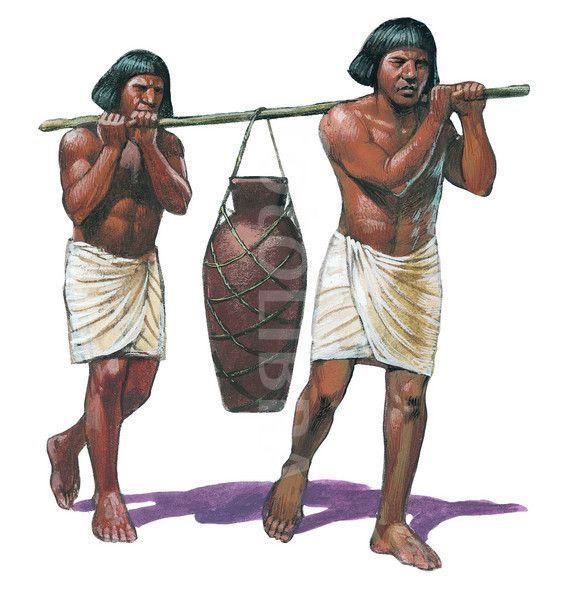
Ancient Egypt had one of the most specialized workforces in the ancient world. Workers developed expertise in many professions that supported agriculture, industry, construction, religion, and trade. Skilled labor was highly respected because experienced craftsmen produced goods that were both practical and beautiful.

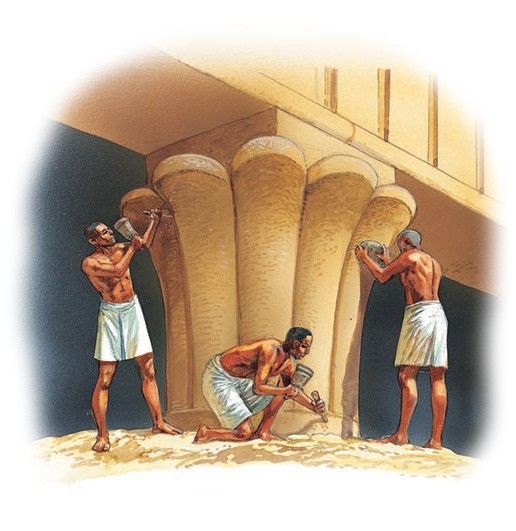
Stone masons shaped enormous limestone, sandstone, and granite blocks used for pyramids, temples, statues, and tombs. Their precision allowed monuments to survive for thousands of years. Carpenters built furniture, doors, boats, chariots, and household equipment using imported cedar and native Egyptian woods.

Metalworkers produced copper and bronze tools, weapons, farming equipment, mirrors, and decorative objects. Goldsmiths crafted magnificent jewelry for Pharaohs, nobles, and temples using gold, silver, precious stones, and colorful glass.

Potters created storage jars, cooking vessels, drinking cups, lamps, and ceremonial containers essential for everyday life. Textile workers spun flax into fine linen that became Egypt’s most important fabric for clothing, sails, and burial wrappings.

Artists and painters decorated temples and tombs with colorful scenes showing religious ceremonies, daily activities, agriculture, hunting, and royal achievements. Sculptors carved statues of gods, kings, and officials from stone and wood, preserving Egyptian history through art.

Boat builders constructed fishing boats, cargo ships, military vessels, and ceremonial barges that traveled along the Nile River. Merchants and transport workers distributed goods throughout Egypt and beyond, strengthening trade with neighboring civilizations.

Each profession required years of experience and careful training. Many children learned their family’s occupation from their parents, ensuring that valuable knowledge continued across generations.
3. Daily Work and Working Conditions

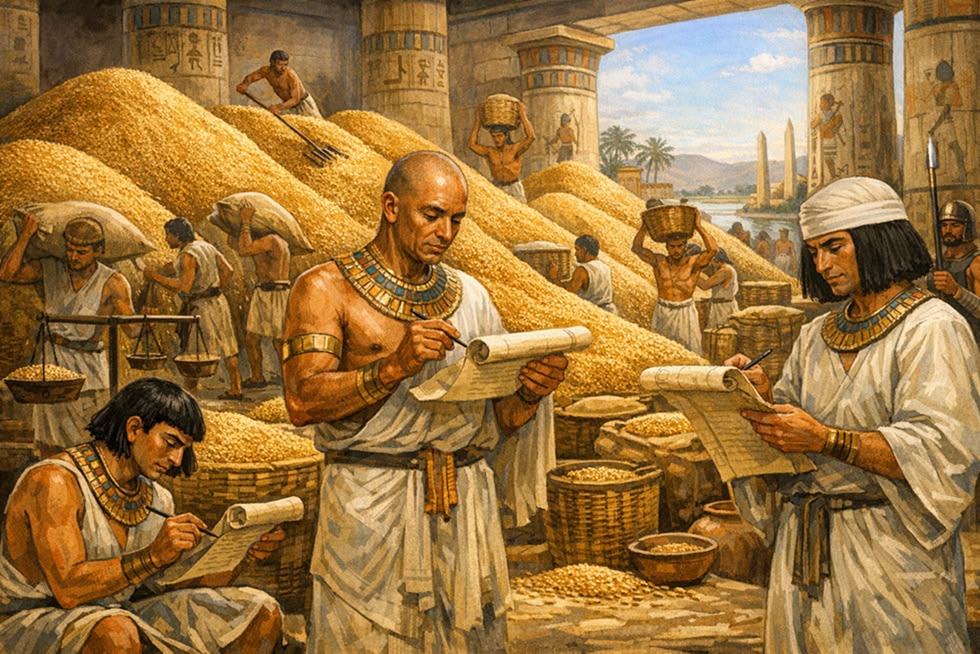
The daily life of workers in Ancient Egypt varied depending on occupation, but nearly every profession required discipline, cooperation, and physical effort. Most workers began their day shortly after sunrise to avoid the intense afternoon heat. Simple breakfasts of bread, beer, onions, dates, or vegetables provided energy before beginning long hours of labor.

Construction workers spent much of the day cutting stone, transporting heavy blocks, mixing mud bricks, or erecting massive structures. Teams worked together using ropes, wooden sledges, levers, and ramps to move materials safely. Skilled supervisors organized labor and ensured projects progressed efficiently.

Craftsmen worked inside workshops where they carved statues, shaped pottery, forged metal tools, wove linen, or painted decorative scenes. Although workshop conditions were often more comfortable than outdoor construction sites, craftsmen still required great concentration, patience, and physical skill.

Workers usually paused during the hottest hours for meals and rest before continuing their tasks. Bread, beer, fish, vegetables, and occasionally meat formed the basis of their daily diet. Drinking water from the Nile was often filtered or supplemented with beer, which was considered safer to consume.

Safety depended largely on experience and teamwork. Heavy lifting, sharp tools, and construction work created risks of injury, yet archaeological discoveries indicate that injured workers sometimes received medical treatment and were allowed time to recover before returning to work.

At the end of the day, workers returned to their homes or workers’ villages, where they spent time with their families, repaired household items, participated in religious activities, and prepared for the following day’s work. Despite demanding conditions, many workers developed strong community relationships that made their daily lives both productive and meaningful.
4. Workers Who Built the Pyramids and Temples

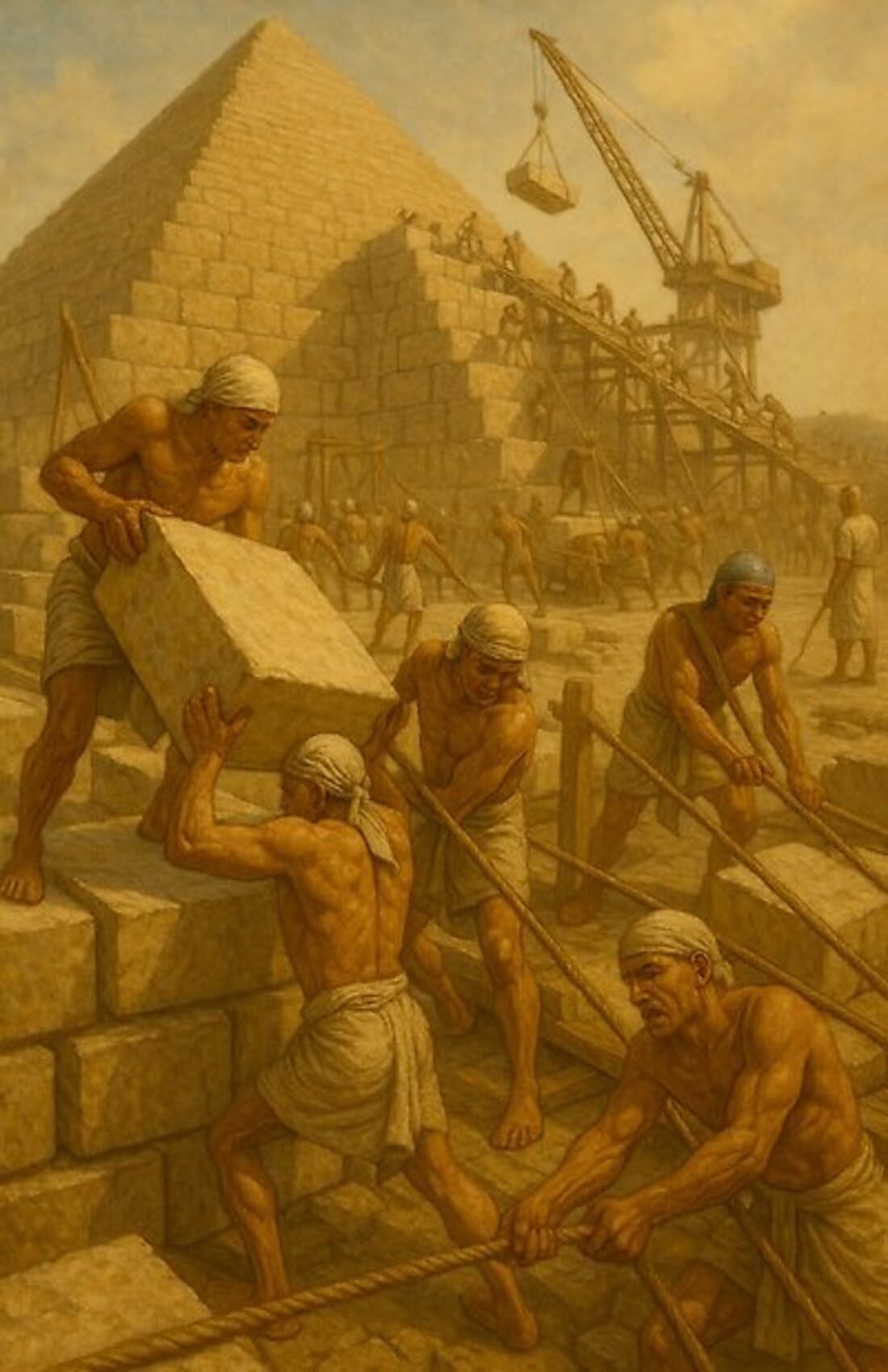
One of the greatest achievements of Ancient Egyptian workers was the construction of the magnificent pyramids, temples, royal tombs, and monuments that continue to amaze the world today. For many years, people believed these incredible structures were built by slaves. However, modern archaeological discoveries have shown that this belief is largely incorrect. Most of the workers who built Egypt’s greatest monuments were skilled craftsmen, paid laborers, and seasonal workers who were organized into professional teams under the supervision of experienced officials.

The most famous example is the construction of the Great Pyramid of Giza, built during the reign of Pharaoh Khufu. Excavations near the Giza Plateau uncovered workers’ villages containing comfortable houses, bakeries, breweries, kitchens, medical facilities, and cemeteries. These discoveries indicate that pyramid builders were valued members of society who received food, housing, clothing, and medical care while working on royal projects.

Construction teams included stone cutters, engineers, architects, surveyors, transport workers, rope makers, carpenters, and skilled masons. Each group performed specialized tasks that contributed to the success of the project. Massive limestone blocks were quarried, transported on wooden sledges, and carefully positioned using ramps, levers, and teamwork.

Temple construction required equally impressive skills. Workers carved enormous columns, decorated walls with colorful reliefs, engraved hieroglyphic inscriptions, and built monumental gateways known as pylons. Temples such as Karnak, Luxor, Abu Simbel, and the Temple of Hatshepsut showcase the remarkable craftsmanship of these highly trained workers.

Many laborers worked during the annual Nile flood when farming temporarily stopped. This seasonal labor system allowed farmers to contribute to royal building projects while their fields remained underwater, strengthening both the economy and the kingdom’s infrastructure.

The accomplishments of these workers demonstrate exceptional engineering knowledge, organization, and determination. Their efforts created some of humanity’s greatest architectural masterpieces, many of which still stand after more than four thousand years.

5. Tools, Materials, and Construction Techniques

The success of Ancient Egyptian workers depended on their ability to use simple but highly effective tools and construction techniques. Although they lacked modern machinery, they developed practical engineering methods that allowed them to construct enormous monuments, produce beautiful works of art, and manufacture everyday objects with remarkable precision. Their innovations continue to impress engineers, archaeologists, and historians around the world.

Most construction tools were made from copper, bronze, wood, and stone. Workers used chisels, hammers, mallets, saws, adzes, drills, axes, measuring cords, plumb bobs, and wooden levels to shape stone and wood accurately. Rope made from flax or papyrus fibers was essential for lifting and transporting heavy materials.

Stone was one of Egypt’s most valuable natural resources. Limestone from nearby quarries supplied most building projects, while harder granite from Aswan was used for obelisks, statues, sarcophagi, and temple columns. Sandstone became popular during the New Kingdom for constructing large temples across Upper Egypt.

Mud bricks formed another important building material. Made from Nile mud mixed with straw and dried in the sun, these bricks were inexpensive, durable, and widely used for houses, workshops, storage buildings, and city walls.

Transporting massive stone blocks required careful planning. Workers loaded stones onto wooden sledges that were pulled across specially prepared paths. Archaeological evidence suggests that water was poured onto the sand to reduce friction, making it easier to move heavy loads. Large teams worked together using ropes, levers, and ramps to position stones with impressive accuracy.

Architects carefully measured construction sites using ropes and surveying techniques to ensure buildings remained symmetrical and structurally sound. Skilled craftsmen then decorated walls with carved hieroglyphs, painted reliefs, and elaborate sculptures that reflected Egypt’s religious beliefs and artistic traditions.

These advanced construction methods allowed Ancient Egyptian workers to complete projects that remain among the greatest engineering achievements in human history. Their creativity and technical knowledge demonstrate the extraordinary skill of Egypt’s ancient workforce.

6. Wages, Food, and Living Conditions of Ancient Egyptian Workers

The life of workers in Ancient Egypt was supported through a system of payment, housing, and food rather than modern monetary wages. Most workers received compensation in the form of grain, bread, beer, clothing, oil, vegetables, and other essential goods. This payment system ensured that workers and their families had the resources needed for daily life while contributing to royal, religious, and public construction projects.

One of the best examples comes from the workers’ village of Deir el-Medina, where the craftsmen responsible for decorating the royal tombs in the Valley of the Kings lived. Archaeological discoveries show that these skilled workers received regular food rations from the government, including wheat, barley, fish, vegetables, and occasionally meat. Records also indicate that workers could file complaints if wages were delayed, demonstrating that labor rights were recognized to some extent.

Workers generally lived in mud-brick houses built within organized communities. Although modest in size, these homes often contained several rooms, kitchens, storage areas, sleeping spaces, and small courtyards. Families shared daily responsibilities such as cooking, weaving, repairing clothing, and caring for children.

Bread and beer formed the foundation of the workers’ diet. They also consumed onions, garlic, beans, lentils, dates, figs, fish, and seasonal vegetables. Meat was less common but was eaten during religious festivals, celebrations, or special occasions.

Medical care was available for many skilled workers employed on royal projects. Excavations have uncovered evidence of physicians treating broken bones, cuts, infections, and other workplace injuries. Some workers who became ill or injured were allowed time to recover before returning to their duties.

Life was demanding, but workers also enjoyed social activities, religious festivals, music, storytelling, and family gatherings during their free time. Communities often celebrated together, strengthening friendships and cooperation among neighbors.

The evidence from workers’ villages shows that many Ancient Egyptian laborers lived organized and productive lives supported by the state. Their wages, food supplies, housing, and healthcare demonstrate that skilled workers were valued members of society whose contributions were essential to Egypt’s remarkable achievements.

7. Family Life and Communities of Ancient Egyptian Workers

The family life of workers in Ancient Egypt played an important role in shaping their communities and supporting their demanding professions. Although many workers spent long hours building monuments, crafting goods, or performing specialized tasks, their homes remained centers of family cooperation, education, and social life. Archaeological discoveries, especially at workers’ settlements such as Deir el-Medina, provide valuable information about how ordinary Egyptian workers lived with their families.

Most workers lived in organized villages located near their workplaces. These communities were carefully planned and included houses, storage areas, workshops, streets, wells, and religious spaces. The village of Deir el-Medina, home to craftsmen who created and decorated royal tombs in the Valley of the Kings, is one of the best-preserved examples of an Ancient Egyptian workers’ community.

Families usually lived in simple mud-brick houses containing several rooms. A typical home included a living area, sleeping spaces, storage rooms, and a kitchen or courtyard where food was prepared. Women played an essential role in managing households, preparing meals, making clothing, caring for children, and producing household goods. Many women also participated in economic activities such as weaving, baking, and trading.

Children learned skills and traditions from their parents. Sons often followed their fathers into specific professions, becoming craftsmen, builders, or farmers, while daughters learned household responsibilities and practical skills from their mothers. This transfer of knowledge helped preserve specialized professions across generations.

Community relationships were extremely important. Workers depended on each other for cooperation, support, and protection. Neighbors shared resources, helped during difficult times, and participated together in religious celebrations and festivals. Strong social connections created a sense of belonging and stability.

Workers also formed professional groups with supervisors and team leaders who organized daily tasks. Inscriptions and written records from Deir el-Medina reveal that craftsmen communicated about work schedules, wages, illnesses, family matters, and community concerns.

Despite the challenges of physical labor, Ancient Egyptian workers developed rich family lives filled with traditions, celebrations, and personal relationships. Their communities demonstrate that ordinary Egyptians were not simply laborers but skilled professionals with families, hopes, and meaningful social connections.

8. Religion, Festivals, and Leisure Activities of Ancient Egyptian Workers

Religion was a central part of the daily life of workers in Ancient Egypt, influencing their work, family traditions, celebrations, and understanding of the world. Workers believed that their professions were connected to the divine order established by the gods, and many dedicated their skills to serving Pharaohs, temples, and religious institutions. Their spiritual beliefs provided meaning and motivation in their everyday lives.

Many workers worshiped popular Egyptian gods such as Amun, Osiris, Isis, Hathor, Ptah, and Anubis. Craftsmen especially respected Ptah, the god of craftsmen and creators, because they believed he inspired artists, builders, and skilled workers. Before beginning important projects, workers often made offerings or prayers asking for protection and success.

Temples played an important role in community life. Workers participated in religious festivals where they gathered with their families, watched ceremonies, listened to music, enjoyed food, and honored the gods. Festivals such as the Opet Festival in Thebes allowed ordinary people to participate in celebrations connected with temples and royal traditions.

Workers also maintained personal religious practices at home. Many households had small shrines containing statues or images of protective gods. Families prayed for health, prosperity, successful work, and protection from danger.

Outside working hours, Ancient Egyptian workers enjoyed various forms of entertainment. Music, dancing, storytelling, board games, fishing, hunting, and social gatherings were popular leisure activities. The famous game Senet, a board game discovered in many Egyptian tombs, was enjoyed by people from different social classes.

Food and celebrations were important parts of social life. Families gathered during holidays and special occasions to share meals that included bread, beer, fish, vegetables, fruits, and sometimes meat. These gatherings strengthened relationships between family members and neighbors.

Workers also valued personal achievements and community recognition. Skilled craftsmen sometimes left inscriptions or personal marks on their work, expressing pride in their abilities and dedication.

The religious and social activities of Ancient Egyptian workers reveal that their lives included much more than physical labor. They were individuals with beliefs, traditions, entertainment, and strong connections to their communities, contributing to the rich cultural heritage of Ancient Egypt.

9. Challenges, Risks, and Hardships Faced by Ancient Egyptian Workers

Although Ancient Egyptian workers achieved extraordinary accomplishments, their lives were not without challenges. Building temples, carving tombs, producing goods, and completing large government projects required intense physical effort, discipline, and endurance. Workers faced difficult conditions, workplace risks, and social responsibilities while contributing to the success of Egyptian civilization.

Construction workers often performed physically demanding tasks under the hot Egyptian sun. Moving heavy stones, lifting materials, cutting rock, and working on large structures required tremendous strength and teamwork. Heat exhaustion, dehydration, injuries from tools, and accidents were common risks associated with construction work.

Stone workers and quarry laborers faced especially dangerous conditions. Extracting granite, limestone, and sandstone required working with heavy equipment in difficult environments. Dust from stone cutting could affect workers’ health, while transporting massive blocks created additional dangers.

Craftsmen also experienced challenges related to their specialized work. Artists painting tombs worked in enclosed spaces with limited ventilation, while metalworkers faced heat, smoke, and the dangers of working with fire. Even skilled professions required patience, concentration, and physical endurance.

Workers depended on regular supplies of food and materials from the government. When supplies were delayed, communities could experience hardship. Records from Deir el-Medina reveal occasions when workers protested because they had not received their expected food rations. These records provide evidence that workers had a voice and could express concerns about their working conditions.

Disease was another challenge in ancient communities. Without modern medicine, infections and illnesses could become serious problems. However, archaeological evidence shows that some workers received medical treatment, and Egyptian physicians possessed advanced knowledge of injuries and diseases for their time.

Despite these difficulties, workers developed strong support networks. Families, neighbors, and professional groups helped individuals overcome challenges and maintain community stability. Their cooperation allowed large projects to continue even under demanding circumstances.

The hardships faced by Ancient Egyptian workers highlight their incredible determination and resilience. Their achievements were not only the result of powerful rulers but also the dedication of ordinary people who worked through difficult conditions to create some of history’s most remarkable monuments and cultural treasures.

10. The Role of Workers in Ancient Egyptian Economy and Society

The role of workers in Ancient Egypt extended far beyond physical labor. Workers were one of the most important groups responsible for maintaining the economic strength, cultural achievements, and social stability of the kingdom. Their skills and productivity supported nearly every aspect of Egyptian life, from agriculture and construction to trade, religion, and government administration.

The Ancient Egyptian economy depended on specialized workers who transformed raw materials into valuable products. Farmers produced food, miners extracted valuable stones and metals, craftsmen created tools and luxury goods, and builders constructed temples, tombs, palaces, and public structures. Each profession contributed to a complex economic system that allowed Egypt to prosper for thousands of years.

Skilled craftsmen held particularly respected positions within society. Artists, sculptors, jewelers, carpenters, and builders possessed knowledge that was passed down through generations. Their expertise allowed them to create objects that were not only functional but also represented Egyptian beliefs, traditions, and artistic excellence. Many craftsmen worked directly for the Pharaoh, temples, and wealthy officials, producing items used in religious ceremonies and royal life.

Workers also supported Egypt’s religious institutions. Temple workshops employed thousands of people who produced statues, furniture, offerings, clothing, and decorations for religious ceremonies. The construction and maintenance of temples required continuous labor from builders, painters, stone workers, and cleaners.

The government organized large-scale projects by creating teams of workers under experienced supervisors. Officials managed schedules, distributed food supplies, recorded wages, and monitored production. This organized system allowed Egypt to complete enormous projects that required the cooperation of thousands of individuals.

Workers also contributed to social development. Villages and settlements built around workplaces became important communities where families lived, raised children, practiced religion, and developed strong social relationships. These communities created traditions and preserved valuable skills across generations.

Although workers were not part of the highest social classes, their contributions were recognized and valued. Some skilled craftsmen gained financial security, owned property, and achieved respected positions within their communities.

The achievements of Ancient Egypt were therefore not created only by Pharaohs and nobles. The intelligence, creativity, and dedication of workers provided the foundation that supported Egypt’s economy, culture, and civilization.

11. Famous Workers' Villages and Archaeological Discoveries

Archaeological discoveries have provided historians with remarkable information about the life of workers in Ancient Egypt. Unlike many ancient civilizations where ordinary people’s lives remain unknown, Egypt has preserved detailed evidence about workers through villages, tools, inscriptions, papyri, and personal belongings. These discoveries reveal that workers were skilled professionals who lived organized and meaningful lives.

One of the most famous workers’ settlements is Deir el-Medina, located on the western bank of the Nile near modern Luxor. This village was home to the craftsmen who built and decorated the royal tombs of the New Kingdom Pharaohs in the Valley of the Kings and the Valley of the Queens. The settlement provides one of the most complete pictures of Ancient Egyptian workers’ daily lives.

Excavations at Deir el-Medina uncovered houses, workshops, temples, tools, pottery, furniture, and thousands of written documents. These records include personal letters, legal agreements, work schedules, medical notes, and complaints about delayed wages. They show that workers had organized professions, family responsibilities, and community relationships.

Another important discovery was the workers’ settlement near the Giza Plateau, where archaeologists found evidence related to the construction of the Great Pyramid and other royal monuments. The remains include bakeries, breweries, storage facilities, administrative buildings, and workers’ housing. These findings demonstrate that pyramid builders lived in organized communities supported by the state.

Tomb paintings throughout Egypt also provide valuable information about workers. Scenes depict craftsmen creating furniture, metal objects, jewelry, pottery, boats, and statues. Agricultural workers are shown plowing fields, harvesting crops, fishing, and raising animals.

Ancient Egyptian papyri reveal details about employment, wages, and labor organization. They demonstrate that workers could negotiate, report problems, and participate in legal processes. These documents challenge the traditional idea that all monument builders were enslaved laborers.

The archaeological evidence from workers’ villages has transformed modern understanding of Ancient Egypt. It shows that ordinary workers were not anonymous laborers but skilled individuals with families, professions, rights, and important roles in society.

12. The Legacy of Ancient Egyptian Workers in World History

The legacy of Ancient Egyptian workers continues to influence the world today. The monuments, artworks, tools, and buildings they created represent some of humanity’s greatest achievements and provide valuable evidence about ancient engineering, craftsmanship, and social organization. Their skills and dedication helped shape a civilization whose influence remains visible thousands of years later.

The pyramids, temples, statues, and tombs of Ancient Egypt are lasting symbols of human creativity and cooperation. Every carefully placed stone, carved inscription, painted wall, and decorated object reflects the knowledge and effort of countless workers. Their achievements demonstrate advanced understanding of mathematics, engineering, architecture, and artistic design.

Ancient Egyptian craftsmen established traditions that influenced later generations of artists and builders. Their techniques in stone carving, metalworking, jewelry making, pottery production, and textile manufacturing became examples of exceptional craftsmanship. Many modern researchers continue to study their methods to understand how these remarkable works were produced.

The organization of Egyptian labor also provides important lessons about ancient management and teamwork. Large projects required careful planning, resource distribution, skilled supervision, and cooperation among thousands of workers. This level of organization was extraordinary for the ancient world and demonstrates Egypt’s advanced administrative abilities.

The discoveries of workers’ villages have changed how historians view ordinary people in ancient societies. Evidence from places such as Deir el-Medina shows that workers had families, personal ambitions, religious beliefs, and professional pride. They were active participants in history rather than forgotten individuals behind monumental achievements.

Today, visitors from around the world admire the creations of Ancient Egyptian workers when exploring temples, pyramids, museums, and archaeological sites. Their craftsmanship continues to inspire architects, artists, historians, and travelers interested in the achievements of ancient civilizations.

The story of Ancient Egyptian workers reminds us that great civilizations are built not only by rulers and leaders but also by the dedication of ordinary people. Through their intelligence, creativity, and determination, Egyptian workers created a legacy that has survived for more than four thousand years.

Frequently Asked Questions

No. Archaeological discoveries show that many pyramid builders were skilled workers and paid laborers who received food, housing, and medical care. They lived in organized communities near construction sites.

Ancient Egyptian workers had many professions, including builders, stone masons, carpenters, metalworkers, potters, painters, jewelers, farmers, fishermen, boat builders, and textile workers.

Many workers lived in organized settlements such as Deir el-Medina, where craftsmen who built royal tombs lived with their families. These villages contained houses, workshops, storage areas, and religious spaces.

Workers were usually paid with essential goods rather than money. They received grain, bread, beer, vegetables, clothing, oil, and other supplies as compensation for their work.

Workers were essential because they built monuments, produced goods, supported the economy, and created the artistic and architectural achievements that made Ancient Egypt one of history’s greatest civilizations.