
The Importance of Marriage in Ancient Egyptian Society
Marriage held a central position in Ancient Egyptian society because it represented the foundation of family life, social organization, and cultural continuity. The Ancient Egypt Marriage System was closely connected to the Egyptian belief that stability and balance were necessary for maintaining harmony in both human relationships and the wider universe. Through marriage, individuals created households, raised children, preserved family traditions, and contributed to the continuation of Egyptian civilization.
The family was considered one of the most important social units in Ancient Egypt. A successful marriage provided security, cooperation, and support between husband and wife. Egyptians believed that a stable household created a strong community because families were responsible for teaching values, traditions, and skills to future generations. Children were especially important because they represented the continuation of the family line and were expected to honor their parents throughout life and after death.
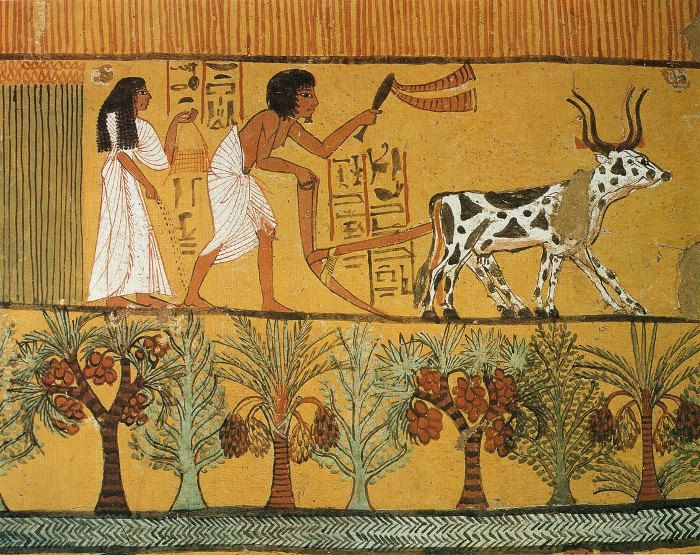
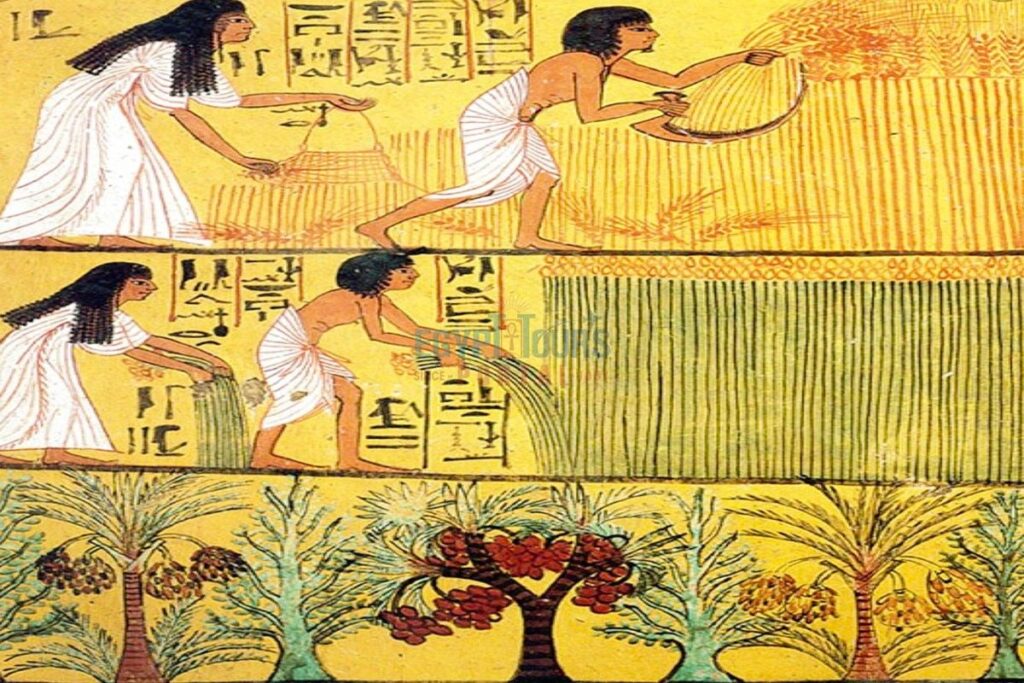
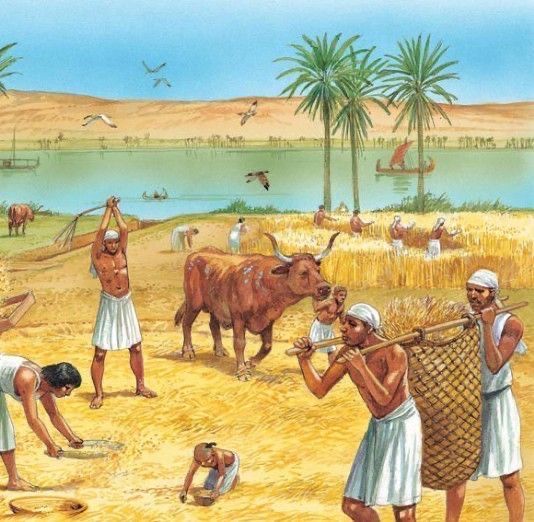
Marriage was also connected to economic stability. Most Egyptian households depended on cooperation between husbands and wives. Men often worked in agriculture, trade, craftsmanship, government, or military service, while women managed household resources, produced textiles, prepared food, and cared for children. However, many women also participated in economic activities outside the home, making marriage a partnership that combined different contributions.
Social status influenced marriage practices. Wealthy families sometimes arranged marriages to strengthen alliances, preserve property, or increase social influence. Ordinary Egyptians usually married based on personal relationships and practical considerations. Regardless of social class, marriage was viewed as an important step toward adulthood and social responsibility.
Religion also influenced attitudes toward marriage. Egyptian mythology often presented divine couples such as Isis and Osiris as examples of loyalty, family devotion, and partnership. These religious stories reinforced the importance of cooperation between men and women.
Marriage was not only a private matter but also a connection between families and communities. It established inheritance rights, created family networks, and provided social protection. The importance of marriage in Ancient Egyptian society demonstrates how deeply family relationships influenced Egyptian culture and everyday life.
The Ancient Egypt Marriage System reflected the civilization’s emphasis on family, responsibility, and continuity, making marriage one of the most important institutions in Egyptian history.
Choosing a Husband or Wife in Ancient Egypt
Choosing a husband or wife in Ancient Egypt was an important decision influenced by family expectations, social position, economic conditions, and personal relationships. The Ancient Egyptian Marriage System did not follow one single pattern because customs changed over different historical periods and varied between social classes. However, marriage was generally viewed as a practical and respected arrangement that helped individuals create stable households and continue family traditions.
In many cases, young men and women played a role in choosing their partners, although families often influenced decisions, especially among wealthy and elite groups. Parents wanted their children to marry individuals who could provide security, respect, and a suitable social position. Marriage between families of similar social backgrounds was common because it helped maintain wealth, property, and community connections.
For ordinary Egyptians, marriage was usually connected to creating a productive household. A husband and wife worked together to manage daily responsibilities, support each other economically, and raise children. Compatibility, family reputation, and practical abilities were important considerations when forming a marriage.
Age at marriage varied depending on circumstances, but Egyptians generally married relatively young compared with modern societies. Women often married during their teenage years, while men usually married when they were able to support a household. Economic conditions, employment opportunities, and family expectations influenced the timing of marriage.
Ancient Egyptian society did not have a strict religious marriage ceremony similar to some later traditions. Instead, marriage was often recognized through social agreement and the establishment of a shared household. Families sometimes celebrated marriages with gatherings, gifts, and agreements concerning property and responsibilities.
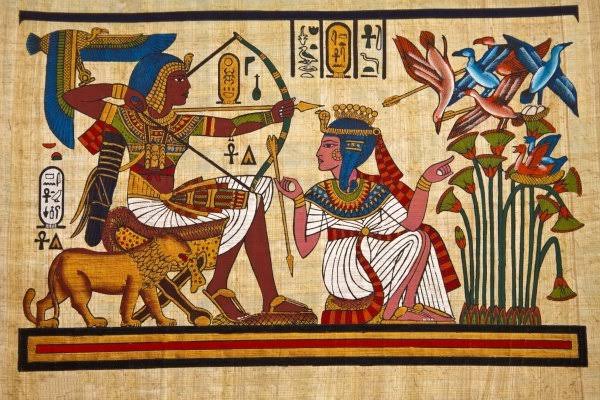
Royal and noble marriages followed different patterns. Pharaohs and members of the royal family sometimes married for political reasons, religious symbolism, or to strengthen claims to the throne. Royal women could hold significant importance because marriage connected them to royal legitimacy.
The process of choosing a husband or wife reflected the broader values of Ancient Egyptian society. Marriage was seen as a partnership based on cooperation, family responsibility, and social stability. Through marriage, Egyptians created households that supported economic life, preserved traditions, and ensured the continuation of their civilization across generations.
Marriage Customs and Wedding Traditions in Ancient Egypt
Marriage customs in Ancient Egypt reflected the civilization’s emphasis on family unity, social cooperation, and household stability. The Ancient Egypt Marriage System was based on practical traditions rather than complicated religious ceremonies, and the formation of a household was often the most important symbol that a marriage had taken place. Unlike some later societies, Ancient Egyptians did not usually require a formal temple ceremony or priest to make a marriage legally recognized. Instead, marriage was commonly established through mutual agreement, family acceptance, and the couple beginning their life together.
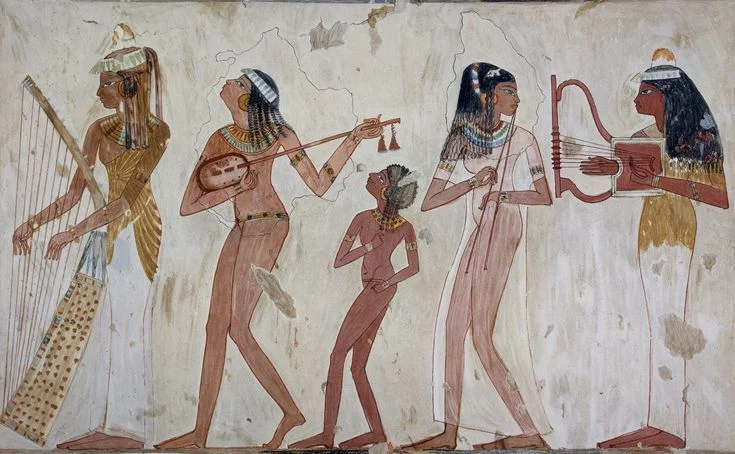
Wedding celebrations in Ancient Egypt were often simple compared with royal ceremonies but could include gatherings of family members, friends, music, food, and gifts. These celebrations marked the beginning of a new household and provided an opportunity for both families to recognize the union. Wealthier families could organize larger celebrations with greater displays of luxury, including fine clothing, jewelry, and elaborate meals.
One important part of Ancient Egyptian Marriage traditions was the exchange of possessions and agreements between families. Although there was no single standardized wedding contract during all periods of Egyptian history, couples often made arrangements concerning property, financial responsibilities, and household duties. These agreements helped protect both husband and wife and provided security within the marriage.
The bride’s possessions were considered important, and Egyptian women often maintained control over their own property. This practice reflected the broader legal rights enjoyed by Ancient Egyptian Women. A woman could bring wealth into the marriage and maintain ownership of certain possessions, providing her with financial independence.
Marriage was also connected to hopes for children and family continuation. Egyptians believed that having children brought happiness, security, and social respect. Raising children ensured that family traditions would continue and that parents would be remembered after death through offerings and prayers.
Appearance and clothing could also play a role in wedding traditions. Couples often wore their finest linen garments and jewelry during important celebrations. Perfumes, flowers, and decorations were commonly associated with happiness and prosperity.
The marriage customs of Ancient Egypt demonstrate that Egyptians viewed marriage as a partnership built on cooperation, respect, and responsibility. These traditions helped create stable families that formed the foundation of Egyptian society.