
The Social Position of Women in Ancient Egyptian Society
The social position of women in Ancient Egypt was shaped by family traditions, religious beliefs, economic conditions, and the legal system. Unlike many societies of the ancient world where women had limited personal identity, Ancient Egyptian Women enjoyed a relatively respected position within their communities. They were considered essential members of the family structure and played important roles in maintaining households, managing resources, and supporting social stability.
Family life was central to Egyptian society, and women were highly valued as wives, mothers, and caregivers. Egyptian culture placed great importance on motherhood because children represented the continuation of family traditions and inheritance. However, the role of women was not limited to domestic responsibilities. Many women participated in economic activities, owned property, worked in various professions, and managed personal affairs independently.
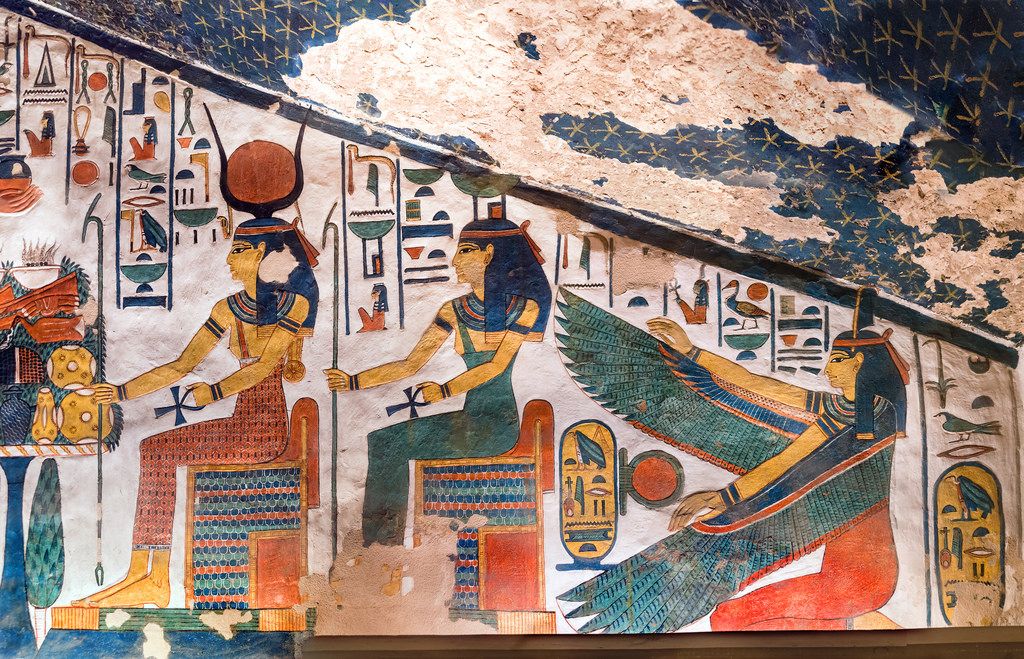
The social status of women varied according to wealth, occupation, and family background. Women from wealthy families often had greater opportunities because they could access education, religious positions, and administrative roles. Royal women held especially important positions, sometimes influencing political decisions and succession matters. Queens were not only wives of kings but also symbols of royal legitimacy and religious authority.
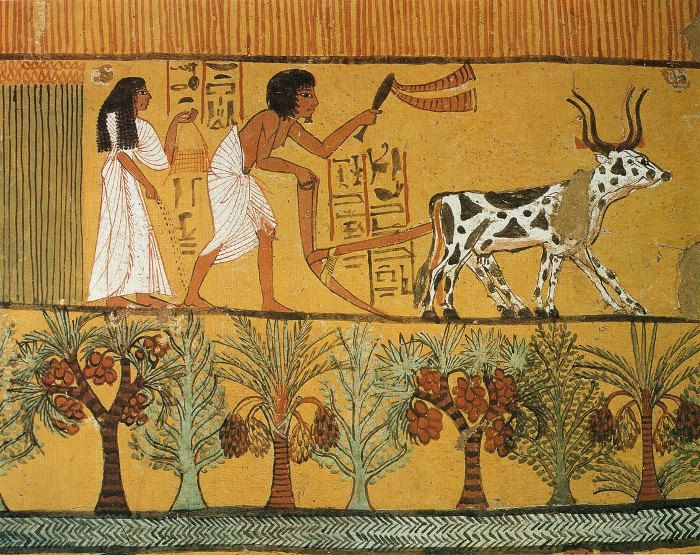
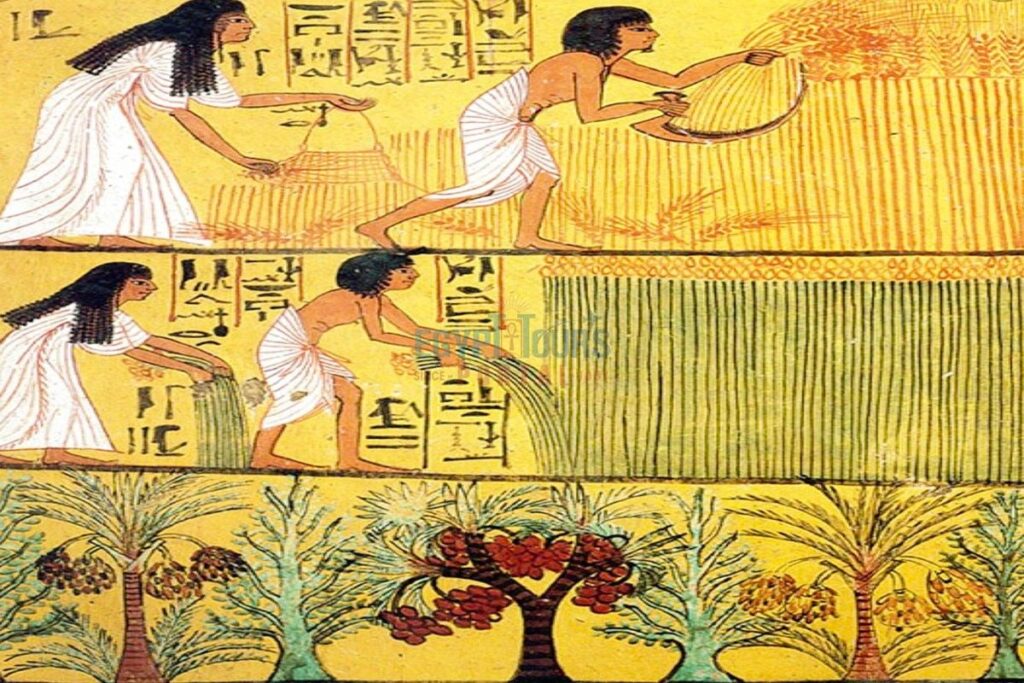
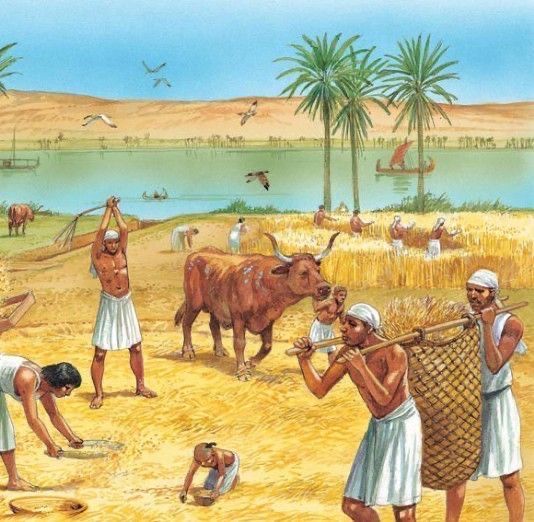
Ordinary women also contributed significantly to Egyptian society. Farmers’ wives assisted with agricultural activities, craftsmen’s wives helped produce goods, and merchants’ wives could participate in trade and financial management. Women working in temples served as musicians, dancers, administrators, and priestesses, demonstrating their involvement in religious institutions.
Marriage was an important social institution, but Egyptian women generally maintained legal identities after marriage. They could own possessions, make agreements, and appear in court when necessary. This legal recognition provided women with a degree of independence uncommon in many ancient civilizations.
Although men generally dominated political and military positions, the social position of women in Ancient Egypt was stronger than in many neighboring societies. The combination of legal rights, economic participation, and religious importance allowed Egyptian women to play a meaningful role in their communities. Their experiences demonstrate that Ancient Egyptian civilization contained complex and diverse relationships between gender, power, and social responsibility.
Legal Rights and Equality Before Egyptian Law
One of the most remarkable aspects of Ancient Egypt Women Rights was the legal recognition granted to women under Egyptian law. Ancient Egyptian Women were considered legal individuals who could own property, make contracts, participate in financial transactions, and defend their interests in courts. This legal status gave women a level of independence that was unusual in many ancient societies, where women were often restricted by male guardians or family authorities.
Egyptian law was based on principles of justice, order, and balance, closely connected with the concept of Ma’at. The legal system aimed to maintain fairness between individuals, and women could seek legal protection when their rights were threatened. Documents discovered by archaeologists, including contracts, court records, and property agreements, provide evidence that women actively used the legal system to protect their interests.
Women had the ability to enter agreements without always requiring permission from a husband or male relative. They could buy, sell, and transfer property, create legal documents, and bring complaints before officials. Marriage contracts sometimes protected women’s financial rights by defining responsibilities between husbands and wives. If disputes occurred, women could appear before courts and present their cases.
Inheritance laws also supported women’s legal position. Women could receive wealth from their families and maintain control over inherited property. This ability to manage resources gave many women financial security and allowed them to participate independently in economic life.
Divorce was another area where Egyptian women had important legal protections. A woman could separate from her husband and maintain certain rights regarding property and financial agreements. These protections demonstrate that marriage was viewed as a social partnership with recognized responsibilities.
However, legal rights did not mean complete social equality. Egyptian society remained largely patriarchal, with men occupying most political and military positions. Nevertheless, the legal independence available to women was a significant achievement for the ancient world.
The study of women’s legal rights in Ancient Egypt reveals a civilization where women possessed recognized identities under the law. Their ability to own property, make decisions, and seek justice demonstrates the advanced nature of Egyptian legal traditions and highlights the important role women played in maintaining social and economic stability.
Women’s Rights to Own and Inherit Property in Ancient Egypt
One of the strongest examples of Ancient Egypt Women Rights was the ability of women to own, control, and inherit property independently. Unlike many ancient societies where women’s wealth was usually controlled by male relatives, Ancient Egyptian Women could legally possess land, houses, jewelry, livestock, and other valuable possessions. This economic independence gave women a stronger position within their families and communities and allowed them to participate actively in financial matters.
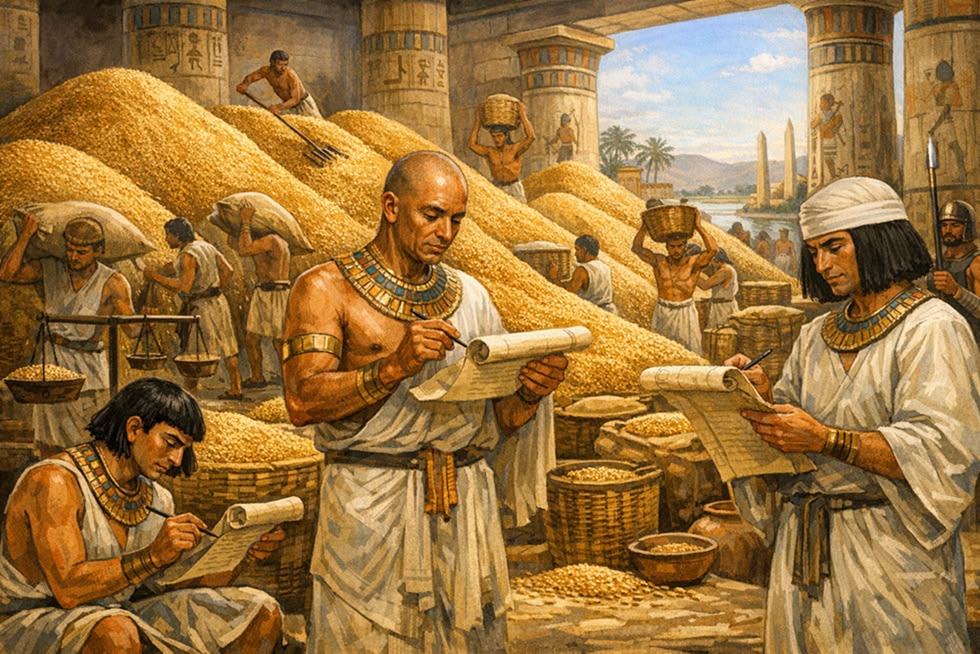
Property ownership was an important part of Egyptian society because land and resources represented wealth, security, and social status. Women could receive property through inheritance from parents, husbands, or other relatives. They were also able to purchase property, transfer ownership, and make legal agreements concerning their possessions. These rights were recorded in official documents, including contracts and administrative records, which provide historians with evidence of women’s economic activities.
Marriage did not automatically remove a woman’s control over her personal property. A wife could maintain ownership of possessions she brought into the marriage, and legal agreements could protect her financial interests. In some cases, women managed family resources, supervised agricultural lands, or controlled businesses. This ability to manage wealth gave Egyptian women a level of independence that was uncommon in many ancient cultures.
Inheritance practices also demonstrate the importance of women within Egyptian families. Daughters could inherit property from their parents, and women could pass their possessions to their children. This helped maintain family wealth and provided women with a recognized role in preserving economic stability across generations.
Examples from ancient documents show women participating in property transactions, including buying land, selling houses, and making donations to temples. These records demonstrate that women were not passive members of society but active participants in economic life.
Although wealthy women naturally had more opportunities than poorer women, the legal principle of property ownership applied broadly throughout Egyptian society. The ability to control personal wealth strengthened the position of women and contributed to their respected status.
The property rights of Ancient Egyptian Women reveal a sophisticated legal system that recognized women as independent individuals. These rights were a significant achievement in the ancient world and remain one of the most important aspects of Ancient Egypt Women Rights.