
1. The Importance of Animals in Ancient Egyptian Society
Animals played a central role in the daily life and economy of Ancient Egypt. They were not only sources of food but also important partners in agriculture, transportation, trade, religious practices, and social activities. The ability to raise and manage animals effectively helped Egyptians create a stable and prosperous society along the Nile Valley.
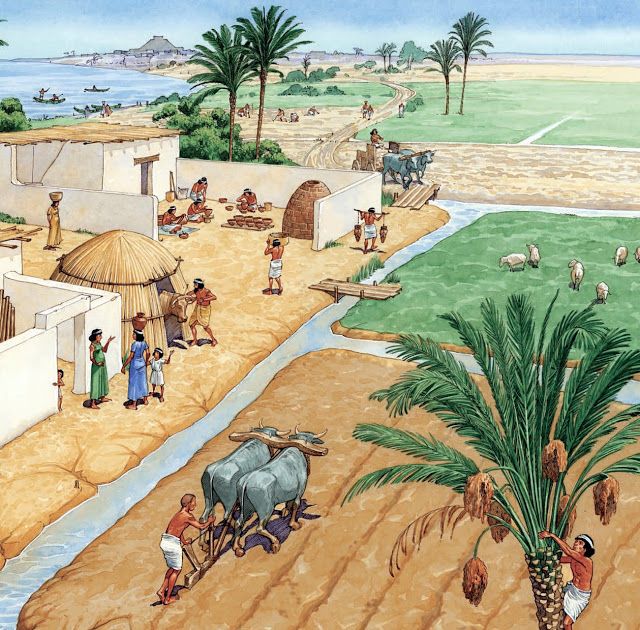
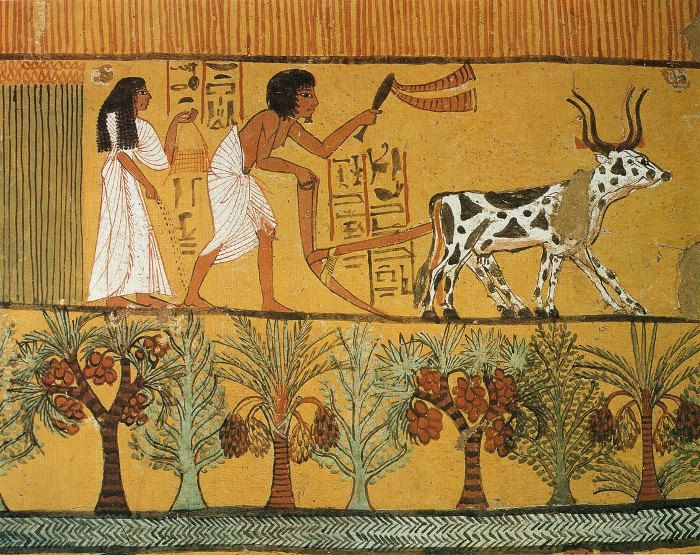
The most important role of animals was supporting agriculture. Oxen and cattle provided the physical strength needed for farming activities. Farmers used cattle to pull wooden plows, prepare fields after the Nile flood, and transport agricultural products. Without animal power, expanding farmland and producing large harvests would have been much more difficult.
Animals also provided essential food resources. Cattle, sheep, goats, and poultry supplied meat, milk, and eggs. Although meat was not consumed daily by most ordinary Egyptians, animal products became especially important during festivals, celebrations, and religious events. Fish from the Nile was another major source of protein for many communities.
Animal products were valuable materials in Egyptian society. Leather from cattle and goats was used to make sandals, bags, shields, ropes, and other household items. Wool from sheep was used for textiles, while bones and horns were used for tools and decorative objects.
Transportation was another important function of animals. Donkeys were among the most commonly used working animals in Ancient Egypt. They carried goods, agricultural products, and building materials between villages, farms, and cities. Horses and chariots became especially important during later periods, particularly for military purposes.
Animals also contributed to Egypt’s economy through trade. Livestock, animal products, and valuable breeds were exchanged between regions. Temples and wealthy landowners often managed large herds that generated significant wealth.
Beyond their practical uses, animals had deep cultural and religious meanings. Egyptians believed certain animals represented divine powers. The bull, for example, was connected with strength and fertility, while cats were associated with protection and the goddess Bastet.
The importance of animals in Ancient Egypt shows how closely human life was connected with the natural environment. Livestock farming was not separate from agriculture but an essential part of a complex system that supported the economy, culture, and survival of Egyptian civilization.
2. Cattle Farming in Ancient Egypt
Cattle farming in Ancient Egypt was one of the most important parts of the livestock system. Cattle were highly valued because they provided food, agricultural power, materials, and religious significance. Egyptian farmers, temples, and royal institutions carefully managed cattle herds to support economic and social activities throughout the kingdom.
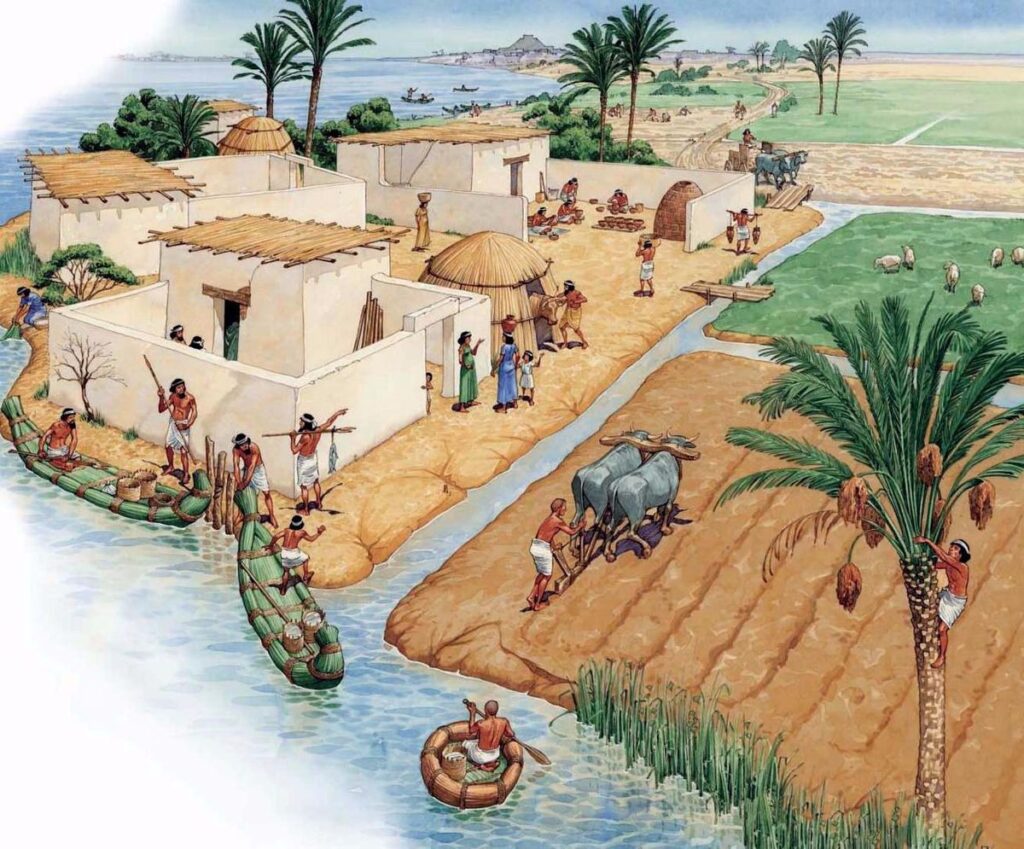
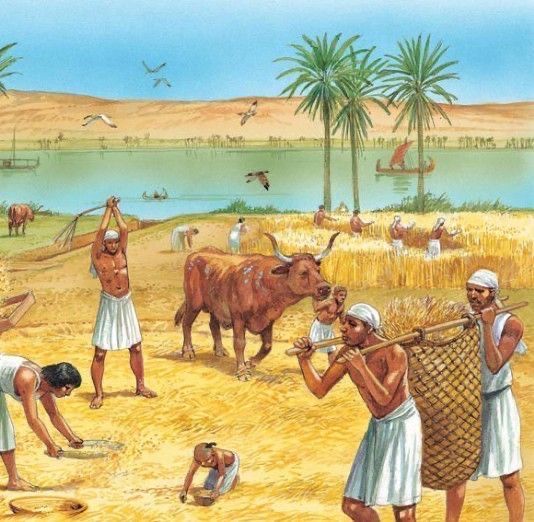
Cattle were mainly raised in the fertile areas near the Nile River, where grasslands and agricultural by-products provided suitable food sources. Farmers fed cattle with crops such as grain remains, straw, and other plant materials after harvesting. The availability of water and fertile land helped support large herds.
The most important practical use of cattle was their role in agriculture. Oxen were trained to pull plows and assist farmers in preparing fields. After the Nile flood deposited fertile soil, cattle helped break the ground and prepare it for planting. Their strength made them essential tools for increasing agricultural productivity.
Cattle also provided important food products. Beef was considered a valuable food and was more commonly available to wealthy Egyptians, priests, and the royal family. Milk from cows was used as a nutritious drink and could also be processed into other dairy products.
Leather production was another important benefit of cattle farming. Egyptian craftsmen used cowhide to create sandals, belts, containers, military equipment, and various household items. Bones and horns were also used to manufacture tools and decorative objects.
Large cattle herds represented wealth and status. Nobles and temples often owned extensive livestock estates managed by specialized workers. Records written by scribes documented the number of animals, breeding activities, and agricultural production connected with these herds.
Cattle also had strong religious importance. The bull was associated with power, fertility, and divine protection. The famous Apis Bull was worshiped as a sacred animal connected with the god Ptah and later with other Egyptian religious traditions.
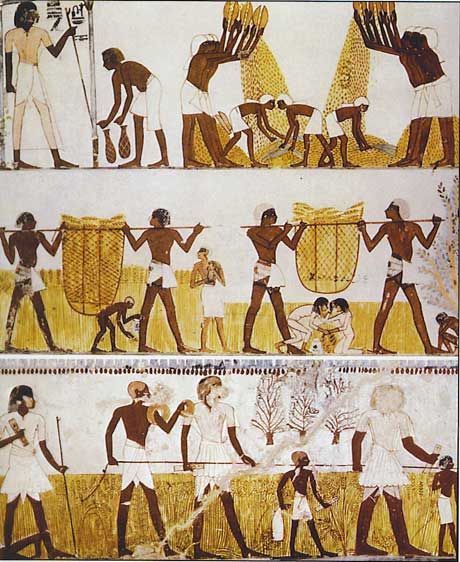
Tomb paintings frequently show scenes of cattle farming, including herding, feeding, milking, and counting animals. These images provide valuable evidence about the importance of cattle in Egyptian daily life.
The development of cattle farming demonstrates the advanced agricultural knowledge of Ancient Egyptians. Through careful management and integration with crop production, cattle became one of the most valuable resources supporting Egyptian civilization.
3. Sheep and Goat Farming in Ancient Egypt
Sheep and goat farming was another important part of the Ancient Egyptian animal farming system. These animals were valued because they could adapt easily to different environments and provided Egyptians with essential resources, including meat, milk, wool, and leather. Farmers throughout Egypt raised sheep and goats as part of their daily agricultural activities.
Goats were especially useful animals because they required fewer resources than larger livestock. They could survive in areas where vegetation was limited and were able to feed on various plants. This made them valuable for farmers living near desert edges and rural communities.
Goats provided several important products. Goat milk was consumed as a nutritious food and could be used to produce dairy products. Goat meat was eaten during special occasions, religious ceremonies, and by families who could afford it. Goat skins were also used for making containers, clothing materials, and other household items.
Sheep were raised mainly for their wool, meat, and milk. Wool was used to create textiles, although linen made from flax remained the most common clothing material in Ancient Egypt. Sheep meat was considered a valuable food and was often served during celebrations and religious events.
Farmers managed sheep and goat herds carefully. Animals were moved between grazing areas depending on the availability of plants and water. Shepherds supervised herds and protected them from predators and environmental dangers.
Ancient Egyptians also practiced selective breeding to maintain healthy animals. Written records and artwork suggest that farmers understood the importance of choosing strong animals for reproduction. This helped improve the quality and productivity of livestock.
Sheep and goats appeared frequently in Egyptian art and tomb scenes. Paintings show herding activities, animal counting, and agricultural work, providing historians with important information about ancient farming practices.
These animals also had religious connections. Some gods were represented with animal features, including ram-headed deities associated with fertility and creation. Rams were sometimes considered sacred and were connected with temple rituals.
Sheep and goat farming contributed significantly to the Egyptian economy and rural life. These animals provided valuable resources while requiring relatively simple care, making them essential members of the Ancient Egyptian agricultural system.