
1. Agriculture as the Foundation of the Ancient Egyptian Economy
Agriculture was the most important element of the Ancient Egypt economy structure and provided the foundation for all other economic activities. The Nile River transformed Egypt from a desert environment into a productive agricultural region capable of supporting a large population. Farming provided food, raw materials, employment, and resources needed for the development of Egyptian civilization.
The annual Nile flood was central to agricultural success. Each year, the river deposited rich soil across the floodplain, creating fertile farmland. Egyptian farmers used this natural cycle to grow essential crops such as wheat, barley, flax, vegetables, and fruits.
Wheat was one of the most important agricultural products because it was used to produce bread, the main food source for Egyptians. Barley was used to make beer, another important part of the Egyptian diet. Flax was cultivated for producing linen, which became one of Egypt’s most famous products.
Farmers used advanced agricultural techniques for their time. They developed irrigation systems, canals, and water management methods to distribute Nile water effectively. Tools such as wooden plows, sickles, and hoes helped increase farming productivity.
Agricultural production supported the entire economy. Farmers provided food for workers, soldiers, priests, officials, and the royal family. Surplus crops were stored in government granaries and used during periods of poor harvests.
The government closely supervised agriculture. Officials measured farmland, recorded harvests, and collected taxes from farmers. Scribes maintained detailed records of agricultural production, ensuring that resources were properly managed.
Animal farming was also connected with agriculture. Farmers raised cattle, sheep, goats, and poultry, which provided food, materials, and labor. Animals helped plow fields and transport agricultural goods.
Agriculture also supported Egypt’s trade system. Surplus grain and agricultural products were exchanged for foreign resources such as timber, metals, and luxury items.
The importance of farming in Ancient Egypt shows that the civilization’s success was built on the relationship between humans and the Nile River. Agriculture created economic stability and allowed Egypt to develop its culture, government, and impressive monuments.
2. Government Control and Economic Administration in Ancient Egypt
The government administration of the Ancient Egyptian economy was highly organized and played a major role in maintaining economic stability. Unlike modern economies based mainly on private businesses, many important economic activities in Ancient Egypt were managed or supervised by the state, temples, and royal institutions.
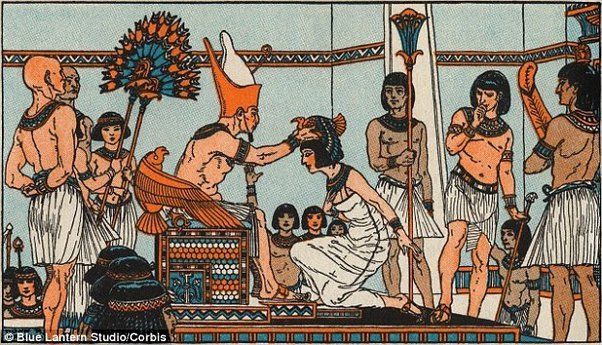
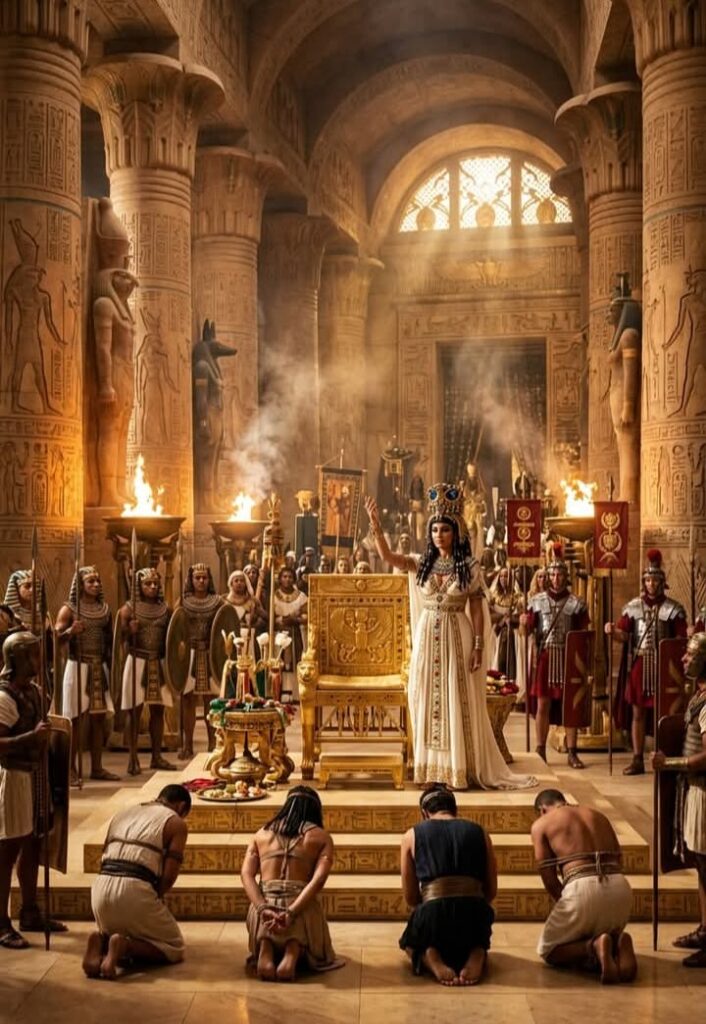
The Pharaoh was considered the highest authority over Egypt’s resources. As both a political and religious leader, the Pharaoh controlled land, natural resources, and major economic projects. The government organized agricultural production, trade expeditions, construction projects, and resource distribution.
A large administrative system supported economic management. Officials were responsible for supervising different areas of the economy, including agriculture, taxation, storage, trade, and labor. Scribes were especially important because they recorded economic information using hieroglyphs and administrative documents.
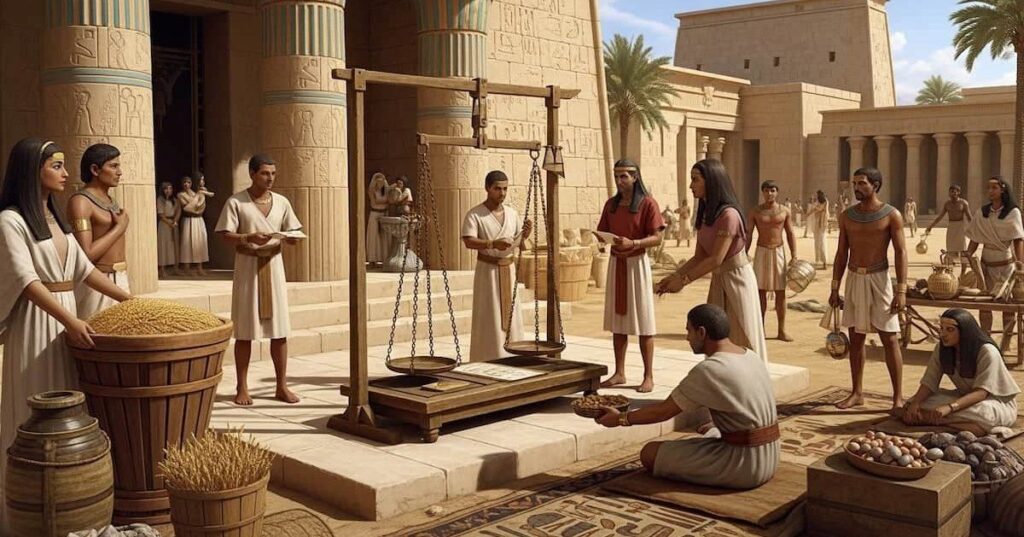
Tax collection was a major part of government control. Farmers usually paid taxes with agricultural products such as grain, livestock, and other goods. Officials measured fields and estimated harvests to determine the amount of tax required.
The government maintained large storage facilities called granaries. These buildings stored grain collected from farmers and protected Egypt from food shortages during difficult years. Stored resources were also distributed to workers, soldiers, and officials.
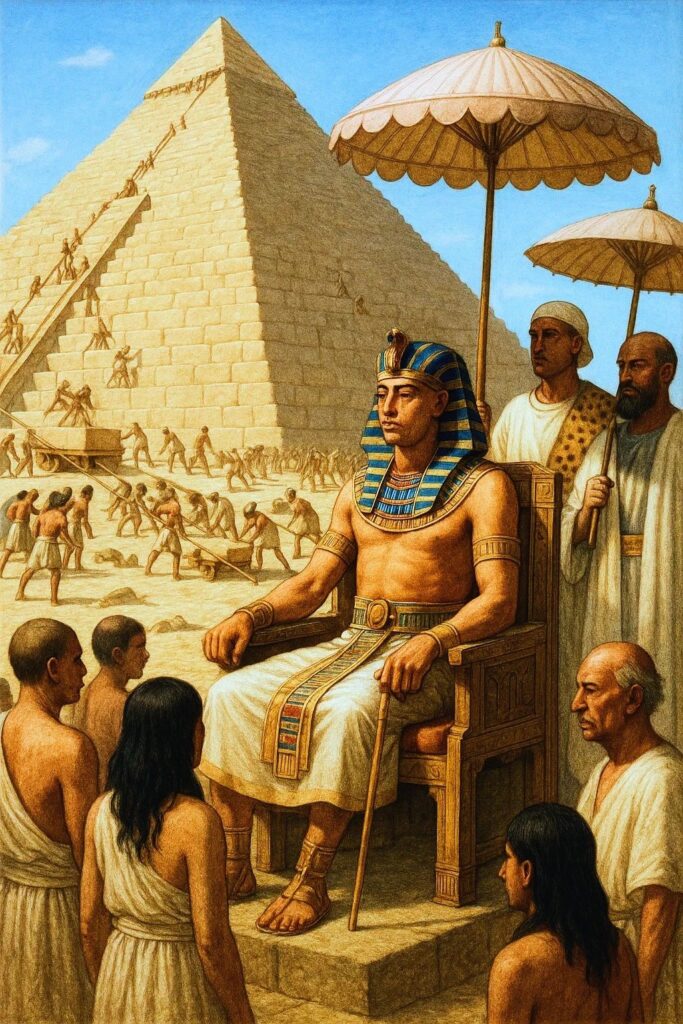
Large construction projects demonstrated the power of Egyptian economic organization. Building pyramids, temples, and royal monuments required thousands of workers, large amounts of materials, and careful planning. The government organized labor, transportation, and supplies needed for these projects.
Temples also had significant economic power. Many temples owned farmland, workshops, livestock, and storage facilities. They produced goods that supported religious activities and provided resources for temple communities.
The Egyptian administration also controlled important trade activities. Officials organized foreign expeditions, managed ports, protected trade routes, and recorded imported and exported goods.
The organized management of the economy allowed Ancient Egypt to maintain stability for thousands of years. The combination of strong leadership, administrative skills, and careful resource control created one of the most successful economic systems of the ancient world.
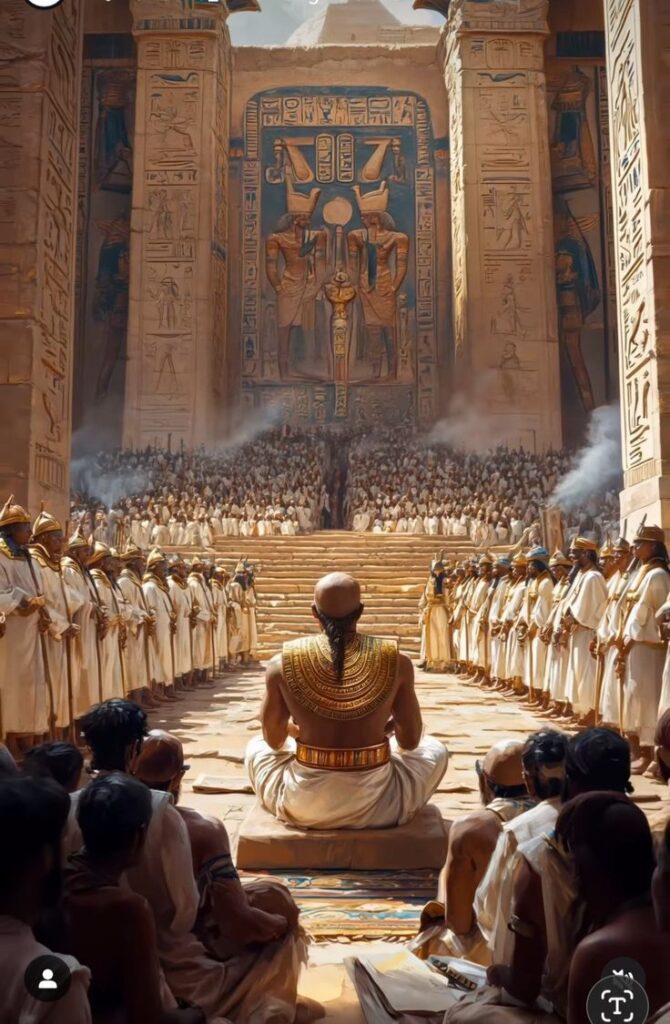
3. Labor System and Workforce in Ancient Egypt Economy
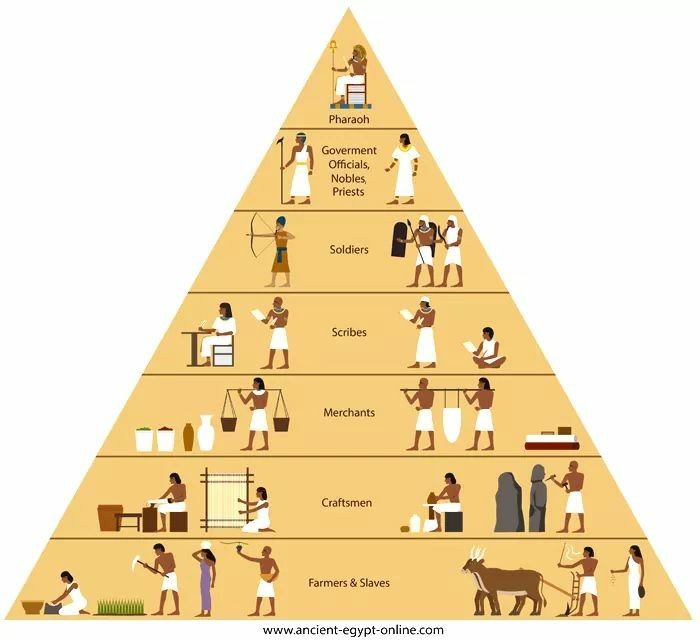
The Ancient Egyptian labor system was a crucial part of the economy, providing the workforce needed for agriculture, construction, manufacturing, trade, and government activities. The Egyptian economy depended on the cooperation of different social groups, each contributing specific skills and services that supported the development of civilization.
Farmers represented the largest part of the workforce. They cultivated land along the Nile, produced food, raised animals, and supplied agricultural products that supported the entire population. Their work was especially important because agriculture provided the foundation of the Egyptian economy.
Craftsmen were another important economic group. Skilled workers produced pottery, jewelry, furniture, tools, weapons, statues, and textiles. Egyptian craftsmen were highly respected for their advanced techniques and artistic abilities.
Builders and construction workers played a major role in creating Egypt’s famous monuments. Large projects such as temples and pyramids required thousands of workers, including stone cutters, transport workers, engineers, and supervisors.
During the Nile flood season, when farming activities were limited, many farmers participated in government projects. They worked on construction, irrigation systems, and public works. This seasonal labor system helped the government use available workers effectively.
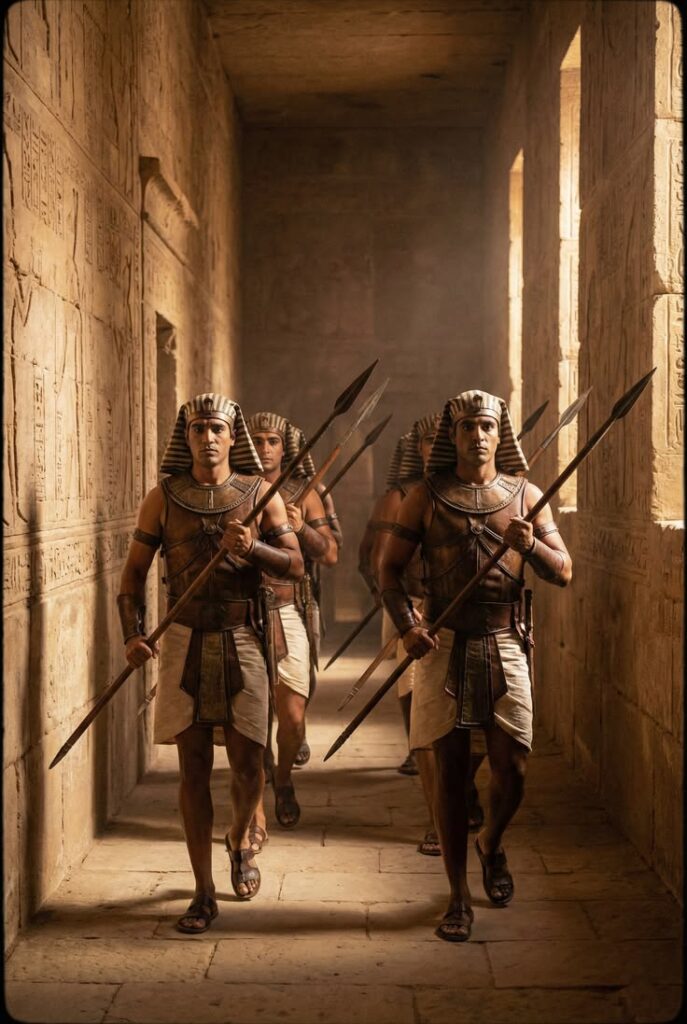
Soldiers also contributed to the economy by protecting borders, trade routes, and valuable resources. Military campaigns sometimes brought wealth and resources into Egypt through tribute and conquest.
Merchants and sailors supported economic exchange by transporting goods within Egypt and to foreign lands. They connected producers with markets and helped expand Egyptian trade networks.
Workers were usually compensated with goods rather than money. Payments often included grain, bread, beer, clothing, and other necessities. This system reflected the agricultural nature of the Egyptian economy.
Scribes and officials managed labor organization. They recorded workers, distributed supplies, and supervised projects. Their administrative skills allowed large numbers of people to work together efficiently.
The Ancient Egyptian labor system demonstrates the complexity of the economy. Every group, from farmers to craftsmen and officials, contributed to the success of civilization.