

- Excursions in Egypt
- Shore Excursions
- Private Transfer in Egypt
- Blog
- First Time Visiting Egypt
- History of Ancient Egypt
- Egypt Travel Guide
- The Red Sea Attractions
- Cairo Attractions
- Alexandria Attractions
- Dendera Temple Complex
- Aswan Attractions
- Luxor Attractions
- The Egyptian Oases
- El Alamein North Coast
- Our Story
- Excursions in Egypt
- Shore Excursions
- Private Transfer in Egypt
- Blog
- First Time Visiting Egypt
- History of Ancient Egypt
- Egypt Travel Guide
- The Red Sea Attractions
- Cairo Attractions
- Alexandria Attractions
- Dendera Temple Complex
- Aswan Attractions
- Luxor Attractions
- The Egyptian Oases
- El Alamein North Coast
- Our Story
Ancient Egyptian mummies
Welcome to
Ancient Egyptian Mummies: 30 Remarkable Royal Mummies That Shaped History
For more than 3,000 years, the ancient Egyptians perfected one of history’s most extraordinary preservation techniques—mummification. Believing that the soul could only survive in the afterlife if the body remained intact, they developed complex embalming methods that allowed their kings, queens, nobles, and priests to endure for millennia.
Today, Ancient Egyptian mummies offer a remarkable window into one of the world’s greatest civilizations. Through modern archaeology, DNA analysis, CT scanning, and scientific research, these preserved remains reveal fascinating details about royal families, political power, ancient diseases, religious beliefs, and everyday life in Ancient Egypt. Some mummies have solved historical mysteries, while others continue to challenge scholars with unanswered questions.
From the legendary Tutankhamun and the mighty Ramesses II to the influential Queen Hatshepsut and the warrior king Seqenenre Tao, each mummy tells a unique story of ambition, achievement, struggle, and legacy. Their discoveries have transformed our understanding of Ancient Egypt and remain among the most important archaeological finds ever made.
In this guide, we explore the 30 most famous Ancient Egyptian mummies, uncovering the lives, accomplishments, and enduring mysteries of the rulers and royals who helped shape one of history’s most fascinating civilizations.
Ancient Egyptian Mummies
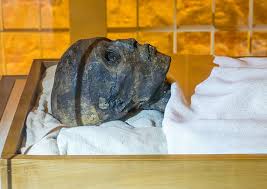
1. Tutankhamun
Tutankhamun is undoubtedly the most famous mummy from Ancient Egypt. He became pharaoh around 1332 BC and ruled during the 18th Dynasty. Although he died at a young age, his fame comes from the discovery of his nearly intact tomb in the Valley of the Kings by Howard Carter in 1922. The tomb contained more than 5,000 artifacts, including the iconic golden funerary mask. Scientific studies of his mummy have provided valuable information about royal life, health conditions, and family relationships during the New Kingdom. Today, Tutankhamun remains one of the greatest symbols of Ancient Egyptian civilization.
Ancient Egyptian Mummies
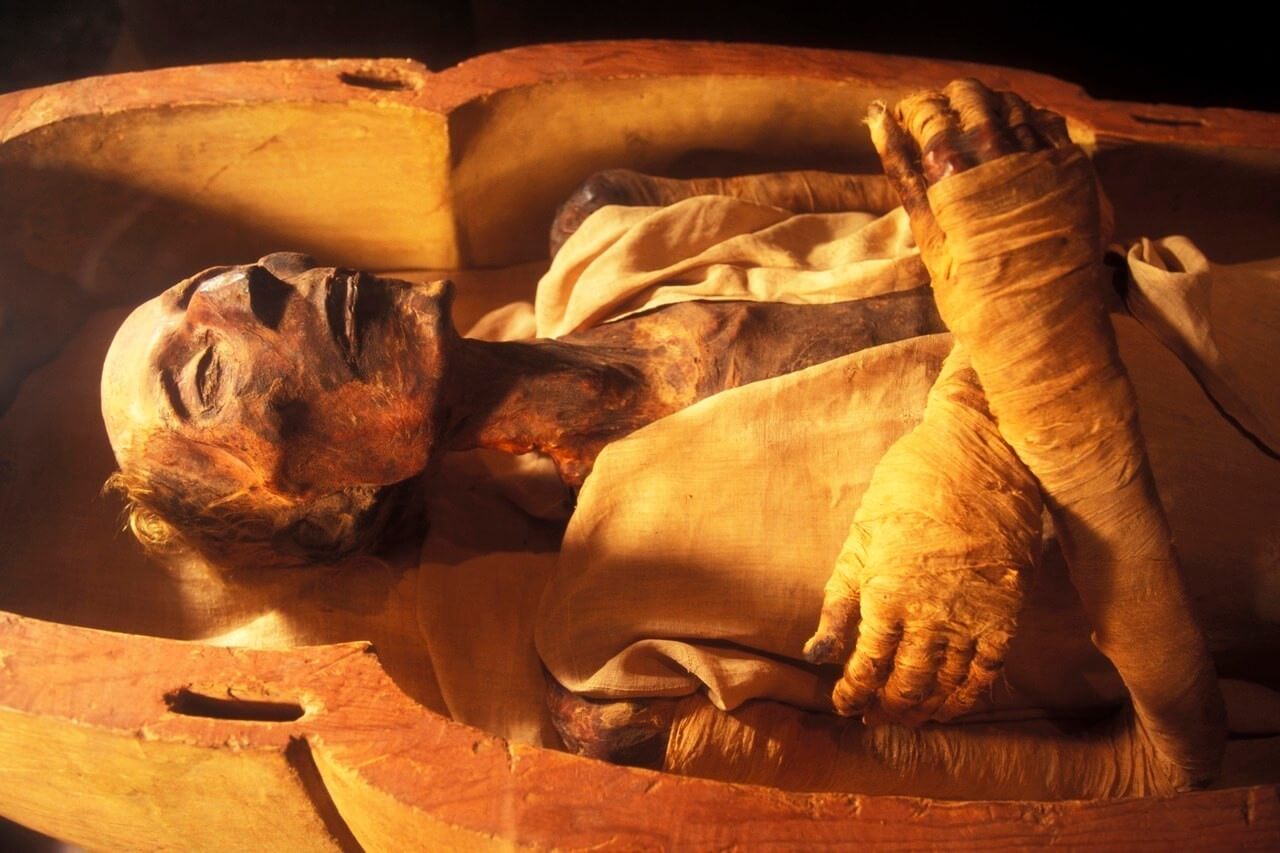
2. Ramesses II
Ramesses II, often called Ramesses the Great, is considered one of the most powerful and influential pharaohs in Egyptian history. He ruled Egypt for more than 66 years during the 19th Dynasty and led numerous military campaigns that expanded Egypt’s influence across the ancient world. His mummy was discovered in the royal cache at Deir el-Bahari and is remarkably well preserved. Ramesses II commissioned many impressive monuments, including temples at Abu Simbel and additions to Karnak and Luxor Temples. His long reign brought stability, prosperity, and monumental construction projects that continue to attract visitors from around the world.
Ancient Egyptian Mummies
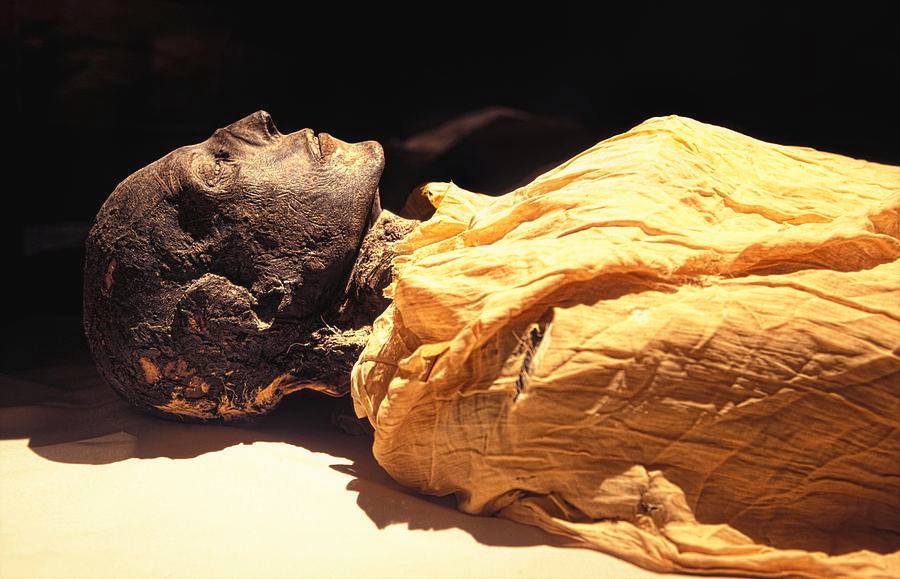
3. Seti I
Seti I was one of the greatest rulers of the New Kingdom and the father of Ramesses II. He ruled during the 19th Dynasty and is remembered for restoring Egypt’s power after a period of political instability. His beautifully preserved mummy is considered one of the finest examples of ancient Egyptian mummification. Seti I built magnificent monuments, including his famous temple at Abydos, which contains some of the most detailed reliefs in Egypt. His military campaigns secured Egypt’s borders and strengthened the empire. Today, his mummy provides researchers with valuable insights into royal burial practices and ancient embalming techniques.
Ancient Egyptian Mummies
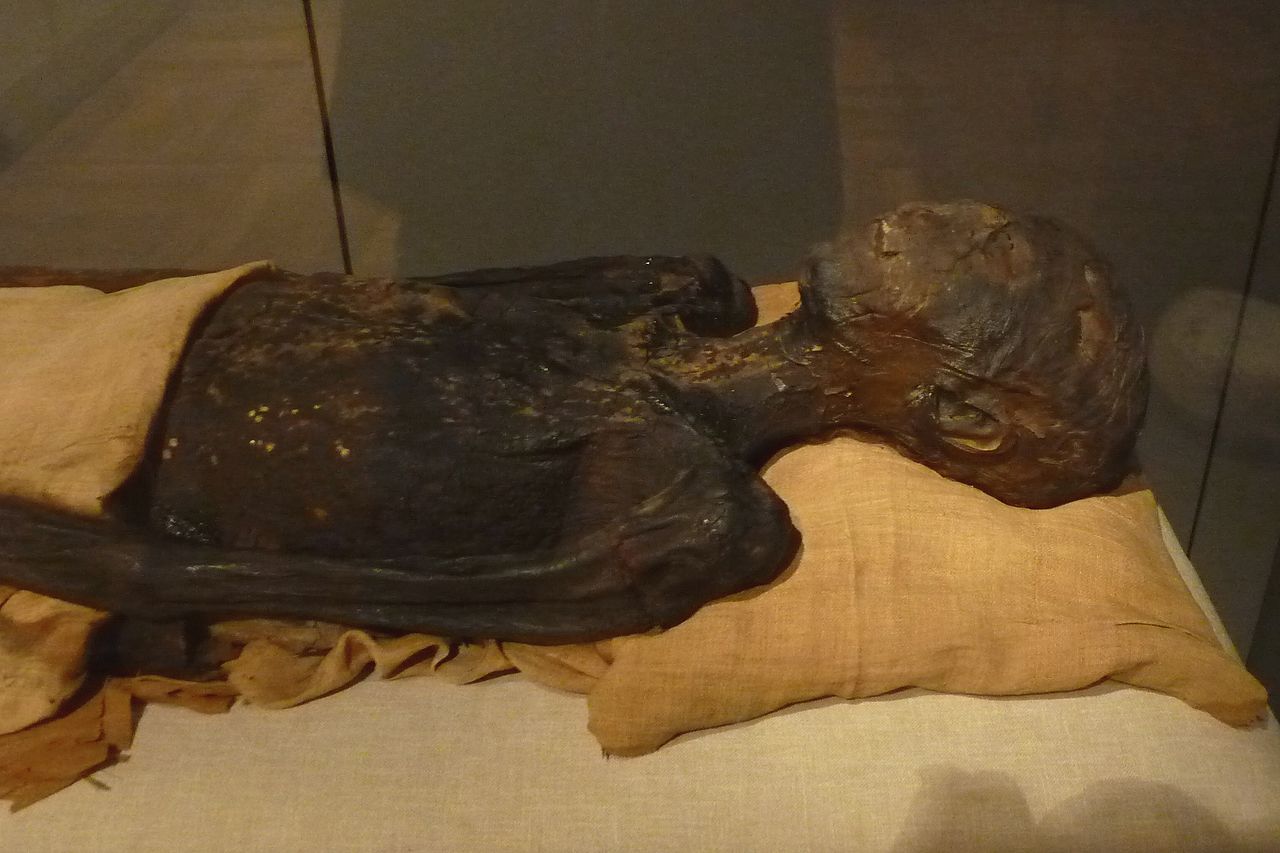
4. Ahmose I
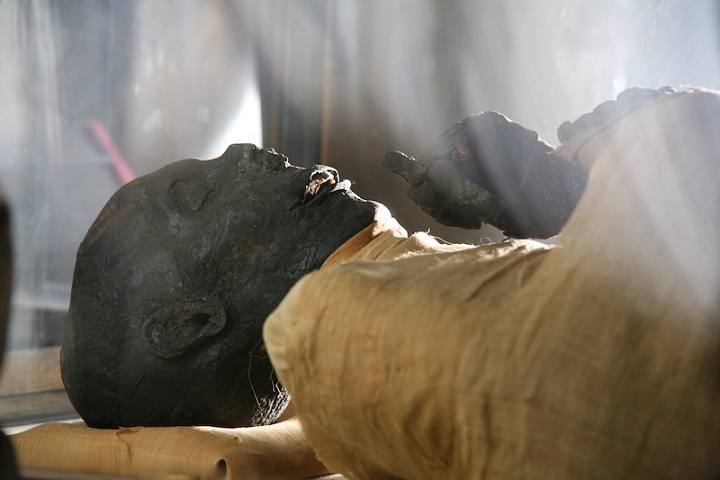
Ahmose I is celebrated as the founder of the 18th Dynasty and the king who reunited Egypt after expelling the Hyksos rulers. His achievements marked the beginning of the New Kingdom, one of the most successful periods in Egyptian history. The mummy of Ahmose I offers important evidence about the early rulers who transformed Egypt into a powerful empire. He reorganized the military, expanded trade networks, and launched building projects throughout the country. His victories established a strong foundation for future pharaohs. Historians regard Ahmose I as one of the most significant leaders responsible for Egypt’s rise to international prominence.
Ancient Egyptian Mummies
5. Thutmose III
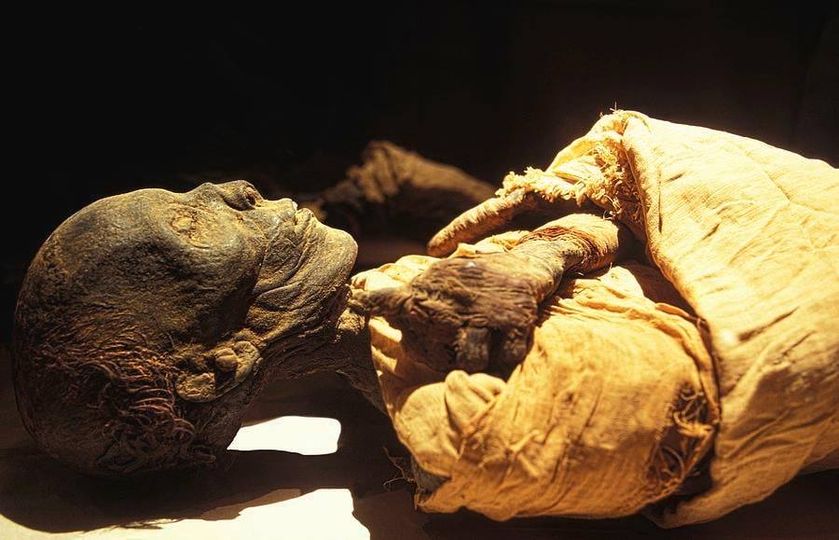
Thutmose III is often referred to as the “Napoleon of Ancient Egypt” because of his extraordinary military achievements. During his reign in the 18th Dynasty, he led numerous successful campaigns that expanded Egypt’s territory farther than ever before. His mummy was discovered in the royal cache and remains an important source of information about New Kingdom royalty. Beyond his military accomplishments, Thutmose III sponsored major construction projects and promoted economic growth throughout Egypt. His reign transformed Egypt into a dominant international power. Today, historians consider him one of the greatest military strategists in the ancient world.
Ancient Egyptian Mummies
6. Thutmose II
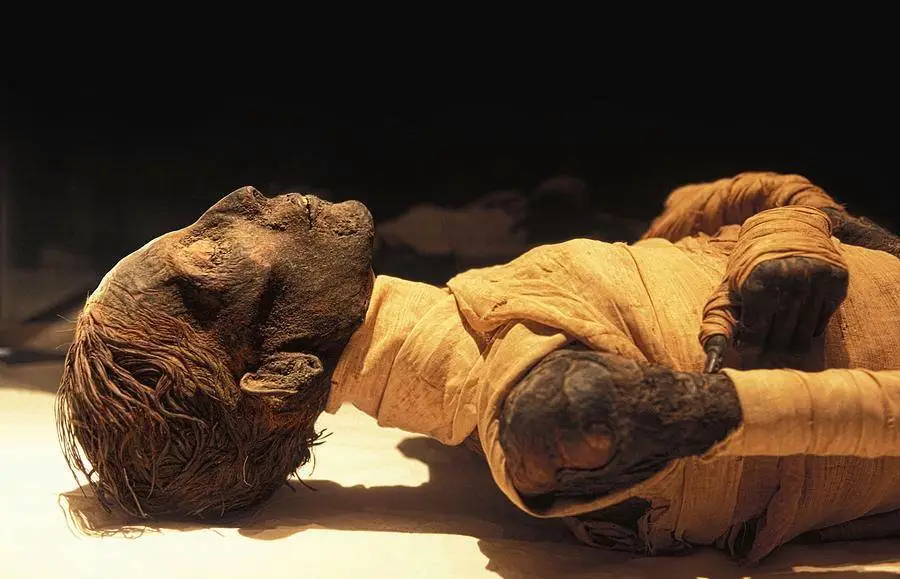
Thutmose II was a pharaoh of the 18th Dynasty and the husband of the famous Queen Hatshepsut. Although his reign was relatively short, he played an important role during a significant period in Egyptian history. His mummy was discovered in the Deir el-Bahari cache and has helped researchers better understand royal family relationships within the dynasty. Thutmose II conducted military expeditions to maintain Egypt’s influence in neighboring regions and continued several construction projects initiated by his predecessors. His legacy is closely connected to Hatshepsut, who later became one of Egypt’s most successful female rulers.
Ancient Egyptian Mummies
7. Thutmose IV
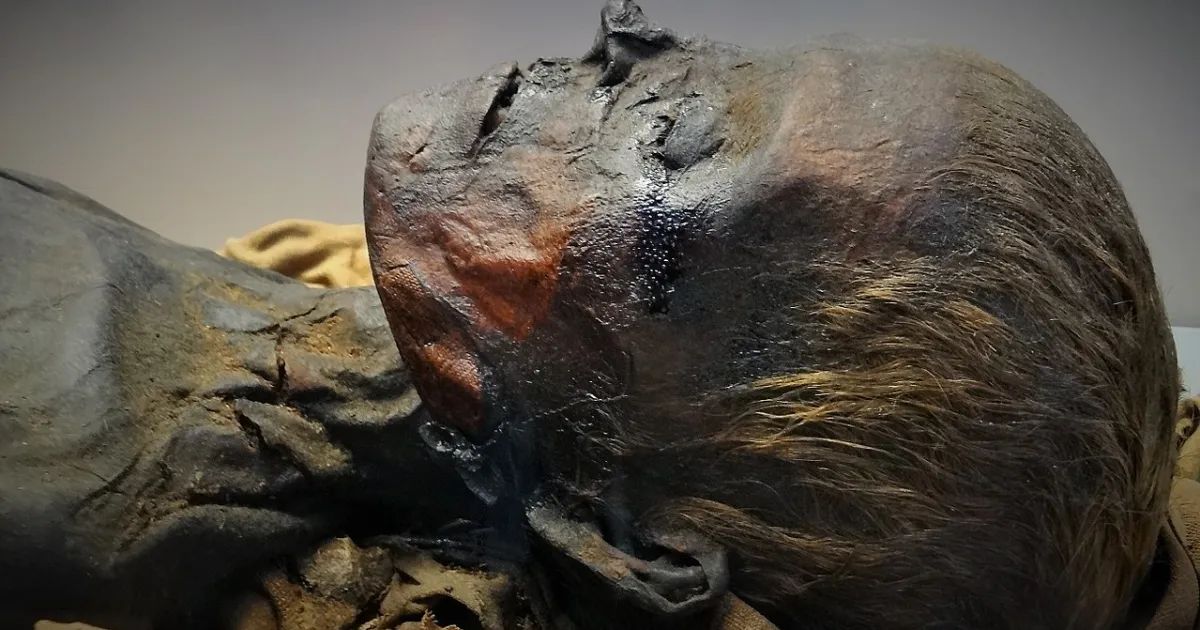
Thutmose IV is best known for the Dream Stele located between the paws of the Great Sphinx of Giza. According to the inscription, he received a divine promise of kingship while resting near the Sphinx. His mummy was found among the royal mummies hidden in the Deir el-Bahari cache. During his reign, Thutmose IV strengthened diplomatic relations with neighboring kingdoms and maintained Egypt’s stability. He also sponsored temple construction and restoration projects across the country. His well-preserved mummy continues to provide valuable information about royal health, burial traditions, and mummification practices during the New Kingdom.
Ancient Egyptian Mummies
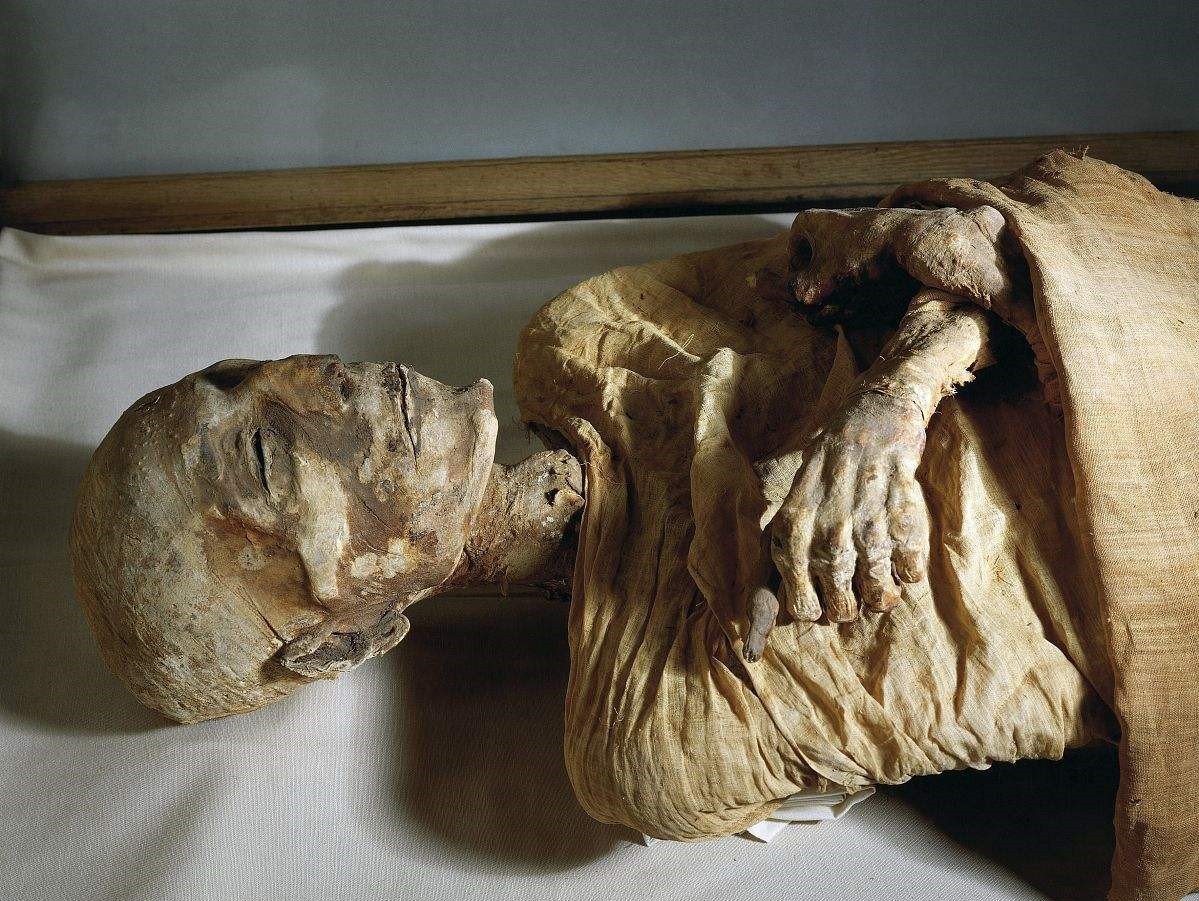
8. Amenhotep I
Amenhotep I was the second pharaoh of the 18th Dynasty and is remembered for bringing stability and prosperity to Egypt. His mummy is unique because it remains largely wrapped in its original funerary coverings, making it one of the most remarkable royal mummies ever discovered. Modern scanning technologies have allowed researchers to study the mummy without unwrapping it. Amenhotep I expanded Egypt’s influence and oversaw important building projects throughout the country. He was later worshipped as a divine figure by workers in the Theban necropolis. His mummy remains a symbol of ancient Egyptian craftsmanship and preservation techniques.
Ancient Egyptian Mummies
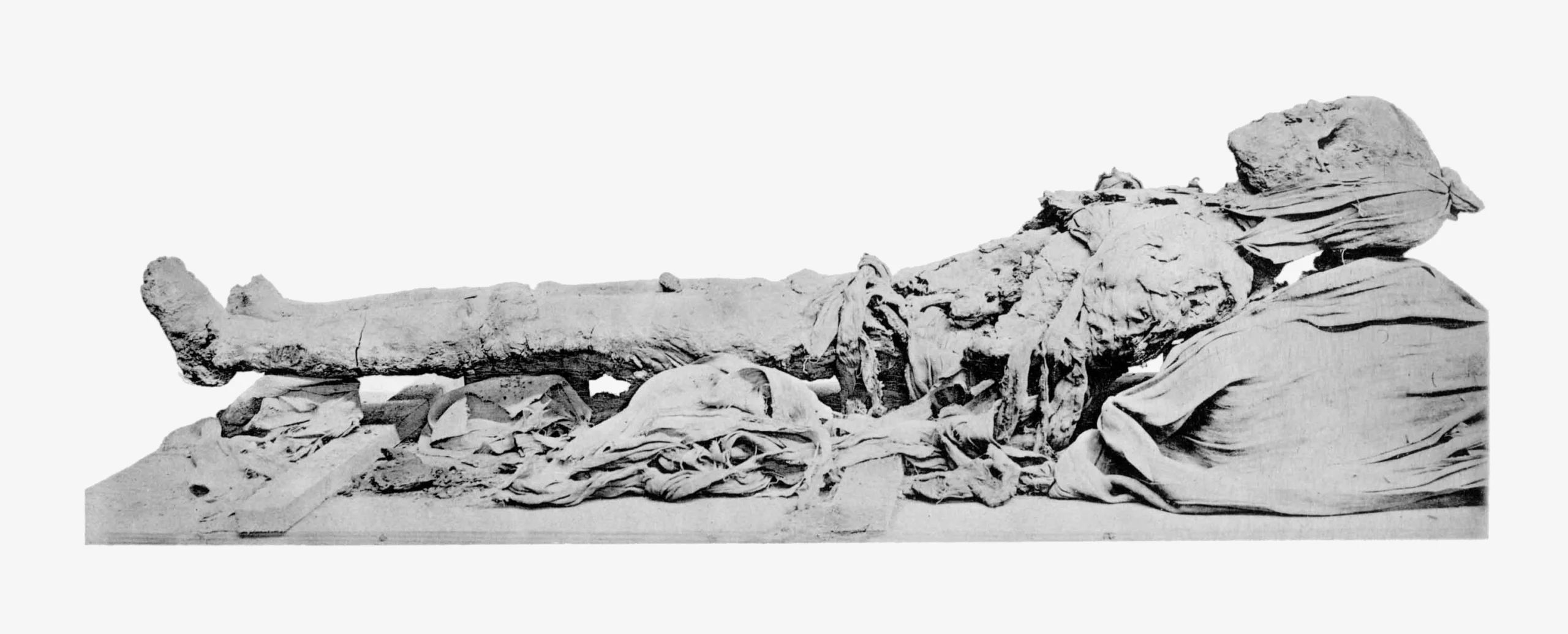
9. Amenhotep II
Amenhotep II was a powerful ruler of the 18th Dynasty known for his athletic abilities and military strength. Historical records describe him as an exceptional archer and warrior who personally participated in military campaigns. His mummy was discovered in his tomb in the Valley of the Kings, which also contained several other royal mummies hidden for protection. Amenhotep II successfully maintained the vast empire established by his predecessors and promoted stability throughout Egypt. His reign was marked by military victories, diplomatic relations, and economic prosperity. The preservation of his mummy provides valuable insights into royal life during the New Kingdom.
Ancient Egyptian Mummies
10. Amenhotep III
Amenhotep III ruled during one of the most prosperous and culturally rich periods in Egyptian history. His reign witnessed extensive international diplomacy, artistic achievements, and monumental construction projects. He commissioned famous structures such as the Colossi of Memnon and numerous temples throughout Egypt. His mummy was identified among the royal mummies discovered in Thebes and remains an important archaeological find. Amenhotep III maintained peaceful relations with foreign powers through strategic marriages and diplomacy rather than warfare. Under his leadership, Egypt enjoyed remarkable wealth and stability. Many historians consider his reign the golden age of the New Kingdom.
Ancient Egyptian Mummies
11. Hatshepsut
Hatshepsut was one of the most successful and influential female rulers in Ancient Egyptian history. She ruled as pharaoh during the 18th Dynasty and transformed Egypt into a prosperous and stable kingdom. For many years, the location of her mummy remained a mystery until researchers identified it in 2007 through modern scientific analysis. Hatshepsut is best known for her ambitious building projects, particularly her magnificent mortuary temple at Deir el-Bahari near Luxor. She also promoted trade expeditions, including the famous journey to the Land of Punt. Her reign demonstrated that a woman could effectively rule one of the world’s greatest civilizations.
Ancient Egyptian Mummies
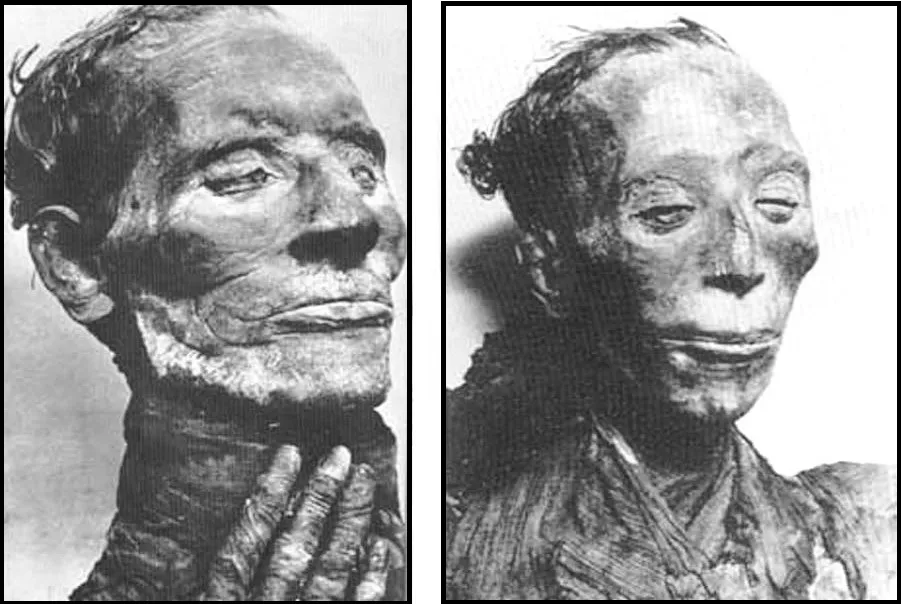
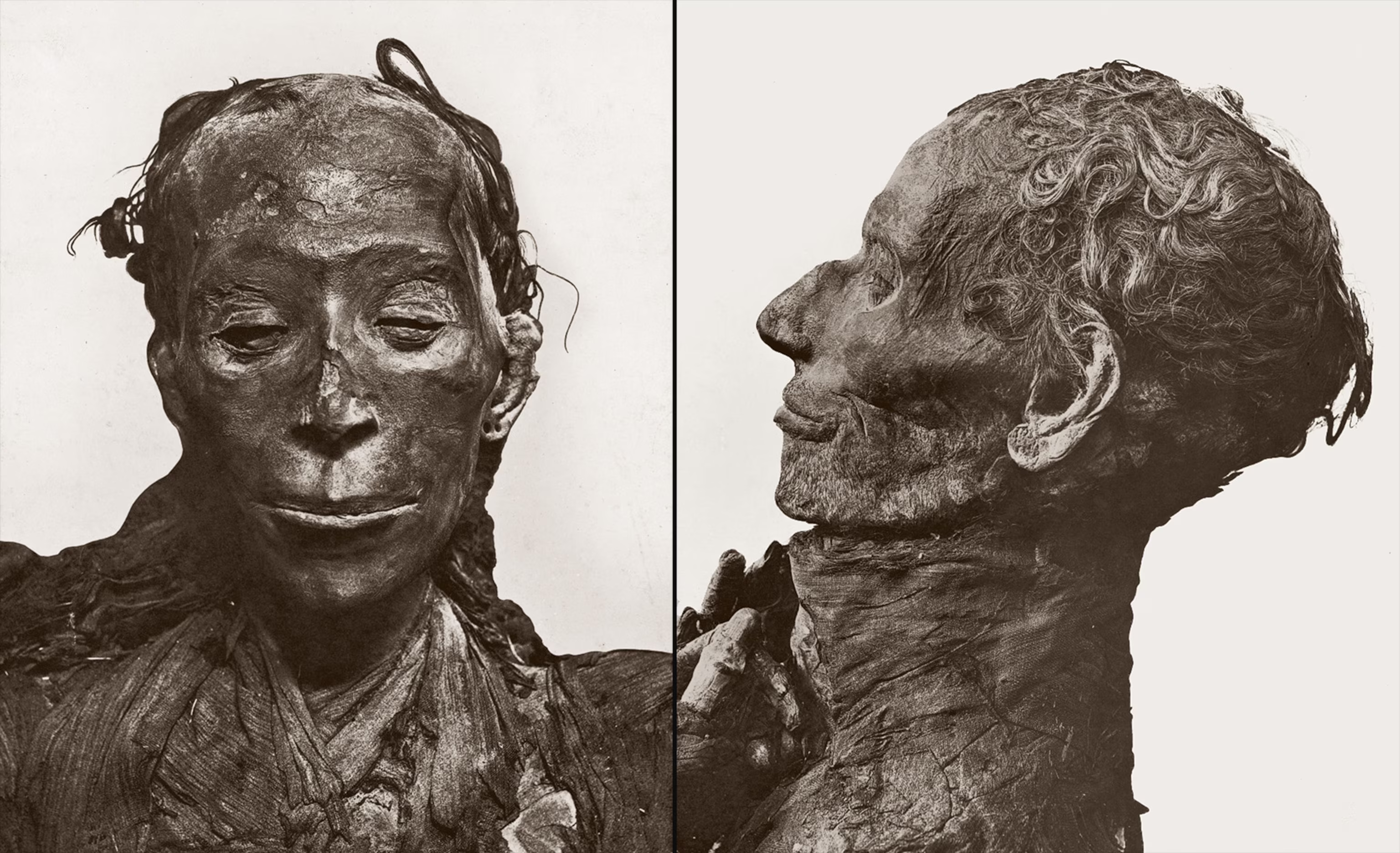
12. Yuya
Yuya was a highly respected nobleman during the reign of Amenhotep III and is believed to have been the grandfather of Tutankhamun. His mummy was discovered in the Valley of the Kings alongside that of his wife, Thuya, in one of the best-preserved non-royal tombs ever found. The remarkable condition of his mummy has allowed researchers to study ancient embalming techniques in great detail. Yuya held several important religious and administrative positions within the royal court. His burial contained rich treasures and personal belongings, reflecting his high status and close connection to Egypt’s ruling family.
Ancient Egyptian Mummies
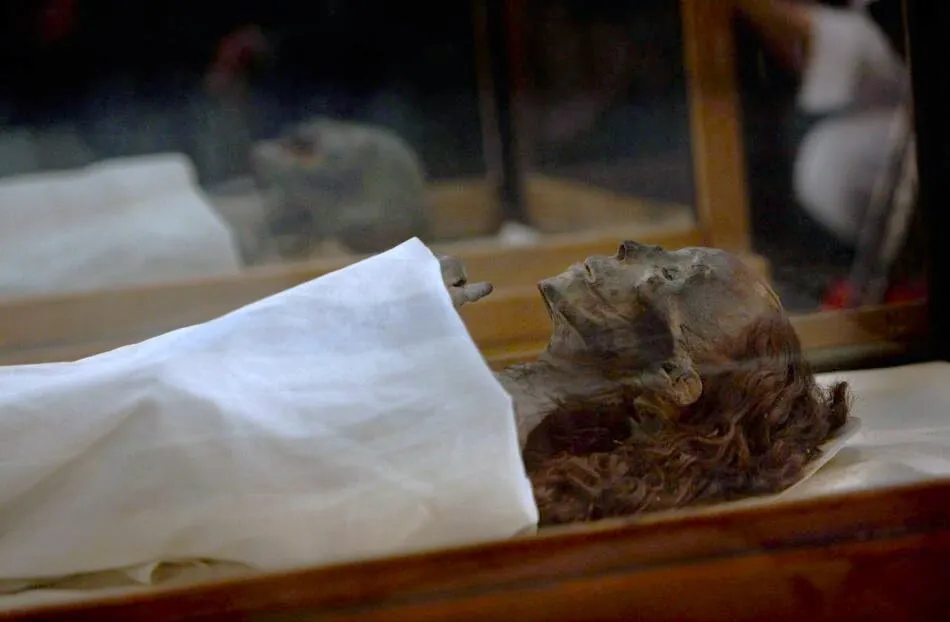
13. Thuya
Thuya was the wife of Yuya and one of the most influential noblewomen of the 18th Dynasty. Her exceptionally preserved mummy was discovered in the same tomb as her husband in the Valley of the Kings. Thuya held important religious titles and was closely connected to the royal family through her daughter, Queen Tiye, who became the wife of Amenhotep III. Her burial contained beautifully crafted funerary equipment, jewelry, and household items that provide valuable information about elite life in Ancient Egypt. Today, her mummy remains one of the finest examples of non-royal mummification from the New Kingdom.
Ancient Egyptian Mummies
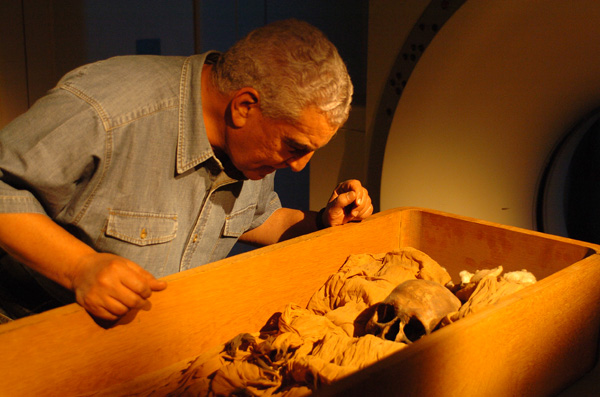
14. Queen Tiye
Queen Tiye was one of the most powerful women in Ancient Egypt and the wife of Amenhotep III. She played a significant political role and was highly respected both within Egypt and abroad. Her mummy was discovered among the royal mummies and later identified through scientific research and DNA analysis. Tiye was the mother of Akhenaten and the grandmother of Tutankhamun, making her a central figure in one of Egypt’s most famous royal families. Her influence extended beyond traditional royal duties, and she frequently appeared in official monuments and diplomatic correspondence during her husband’s reign.
Ancient Egyptian Mummies
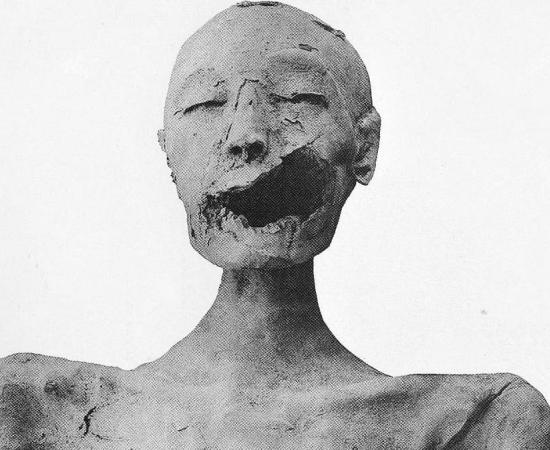
15. Akhenaten
Akhenaten is one of the most controversial pharaohs in Egyptian history because of his religious reforms. He abandoned the traditional worship of many gods and promoted the worship of Aten, the sun disk, as the supreme deity. Although the identification of his mummy remains debated, many scholars associate the famous KV55 mummy with Akhenaten. His reign dramatically changed Egyptian art, religion, and politics. He established a new capital city at Amarna and introduced a unique artistic style unlike anything seen before in Egypt. Despite his revolutionary ideas, many of his reforms were reversed after his death.
Ancient Egyptian Mummies
16. Meritaten
Meritaten was the eldest daughter of Akhenaten and Queen Nefertiti. She lived during one of the most fascinating periods of Egyptian history, known as the Amarna Period. Although many details of her life remain uncertain, she held important ceremonial roles and appeared frequently in royal artwork. Some historians believe she may have exercised significant political influence during the later years of Akhenaten’s reign. Mummies associated with the Amarna royal family continue to be studied in hopes of confirming family relationships and identities. Meritaten remains an important figure for understanding the royal household during this transformative era.
Ancient Egyptian Mummies
17. Ramesses III
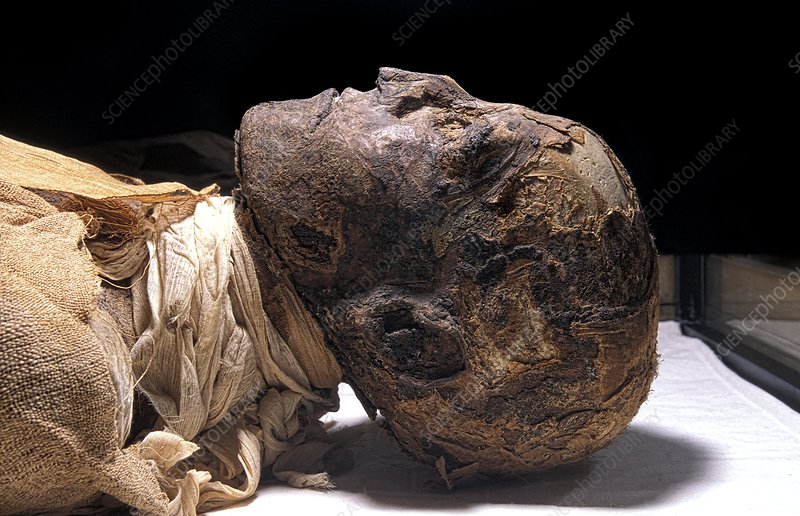
Ramesses III is often considered the last great warrior pharaoh of Ancient Egypt. He successfully defended Egypt against foreign invasions, including attacks by the famous Sea Peoples. Modern examinations of his mummy revealed evidence that he was likely assassinated in a palace conspiracy involving members of his own family. A deep wound discovered on his neck confirmed details recorded in ancient judicial documents. His mummy offers a rare combination of archaeological and historical evidence about a royal murder. Ramesses III’s reign marked one of the final periods of military strength before Egypt entered a gradual decline.
Ancient Egyptian Mummies
18. Ramesses IV
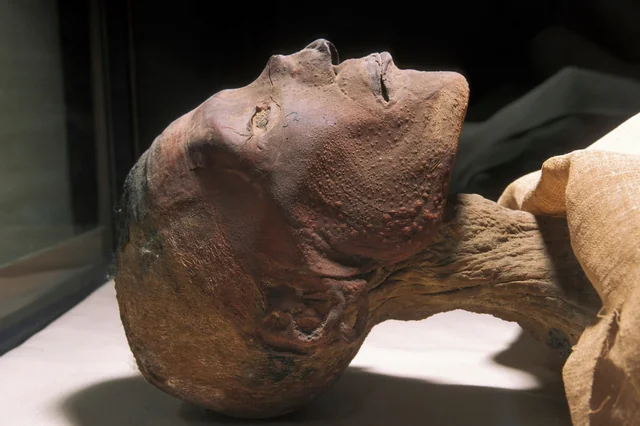
Ramesses IV succeeded his father, Ramesses III, and inherited the throne during a challenging period in Egyptian history. He attempted to continue major construction projects and strengthen the economy through mining expeditions and temple building. His mummy was discovered among the royal mummies hidden for protection from tomb robbers. Although his reign was relatively short, he sought to preserve Egypt’s traditions and royal authority. Archaeological discoveries associated with Ramesses IV provide valuable insights into the final years of the New Kingdom. His mummy remains an important example of royal burial practices during the 20th Dynasty.
Ancient Egyptian Mummies
19. Ramesses V
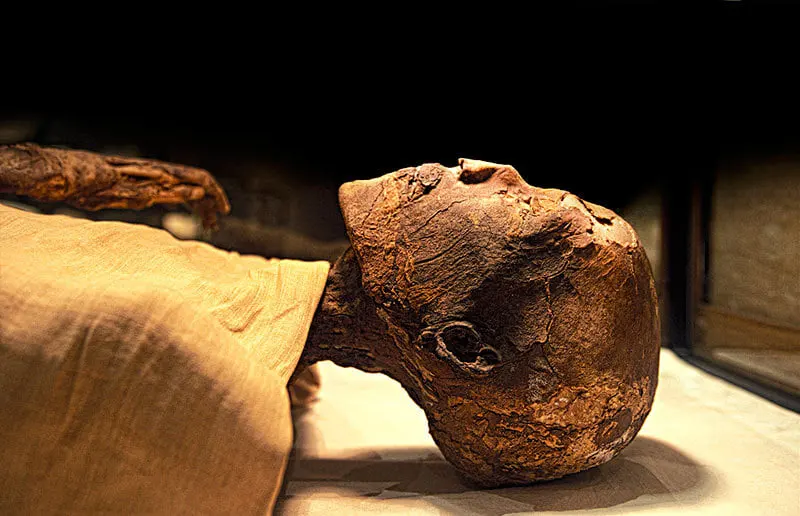
Ramesses V ruled Egypt during a time of economic and political difficulties. His mummy is particularly famous among researchers because it may contain evidence of smallpox, making it one of the earliest known examples of the disease. Scientific examinations revealed unusual skin markings that have attracted significant medical interest. Despite his short reign, Ramesses V remains important for understanding health conditions in Ancient Egypt. His mummy was later reburied with other royal mummies to protect it from tomb robbers. Today, it continues to contribute valuable information to studies of ancient diseases and royal mummification practices.
Ancient Egyptian Mummies
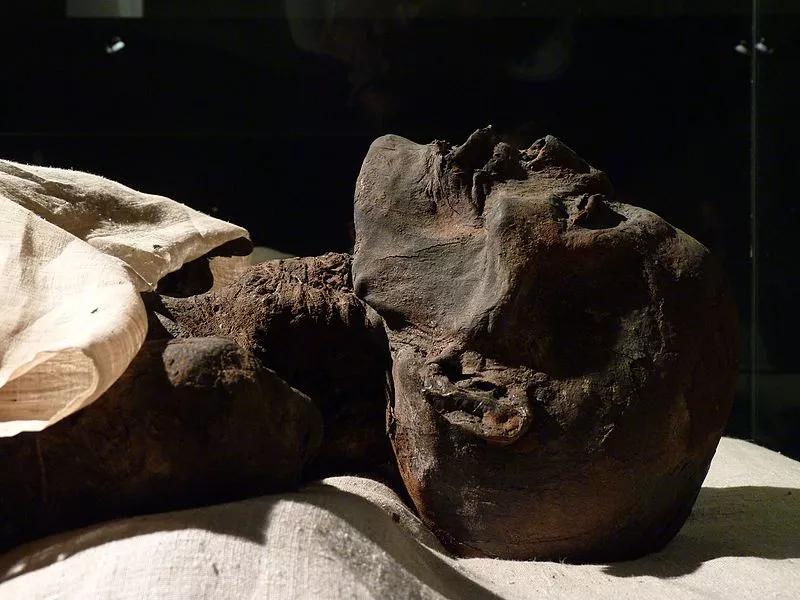
20. Ramesses VI
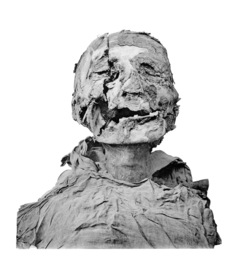
Ramesses VI was a ruler of the 20th Dynasty and is known for the impressive tomb he constructed in the Valley of the Kings. His reign occurred during a period when Egypt’s international influence was declining, yet significant artistic and religious traditions continued to flourish. The decoration of his tomb is considered one of the finest examples of royal funerary art from the New Kingdom. His mummy was discovered among the royal cache of hidden pharaohs and remains relatively well preserved. Ramesses VI’s burial and monuments provide important evidence about Egypt’s political and cultural conditions during its later imperial period.
Ancient Egyptian Mummies
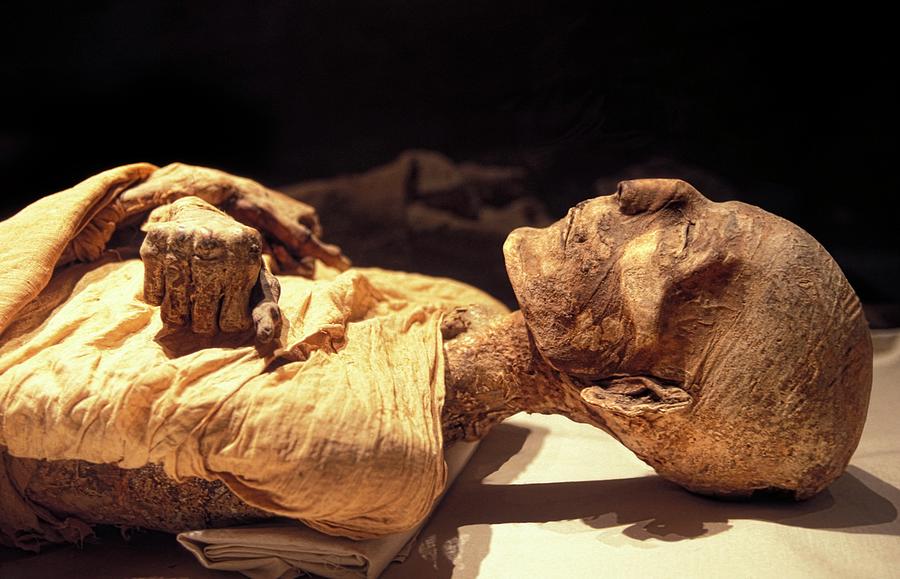
21. Ramesses IX
Ramesses IX was one of the longest-reigning pharaohs of the 20th Dynasty and ruled Egypt during a period of growing political and economic challenges. His reign is particularly important because ancient records from his time provide valuable evidence about tomb robberies in the Valley of the Kings. His mummy was discovered among the royal mummies that had been relocated by priests for protection. Although Egypt’s power was declining, religious institutions remained influential, and temple activities continued across the country. The study of Ramesses IX’s mummy and monuments helps historians understand the final stages of the New Kingdom and the transition to later periods.
Ancient Egyptian Mummies
22. Merenptah
Merenptah was the thirteenth son of Ramesses II and became pharaoh only after many of his older brothers had died. Despite ascending the throne at an advanced age, he proved to be a capable ruler and military leader. His mummy was discovered in the Valley of the Kings and remains one of the best-preserved royal mummies from the 19th Dynasty. Merenptah is also famous for the Merneptah Stele, which contains one of the earliest known references to Israel. His reign focused on defending Egypt’s borders and maintaining stability. His mummy continues to provide valuable insights into royal health and aging.
Ancient Egyptian Mummies
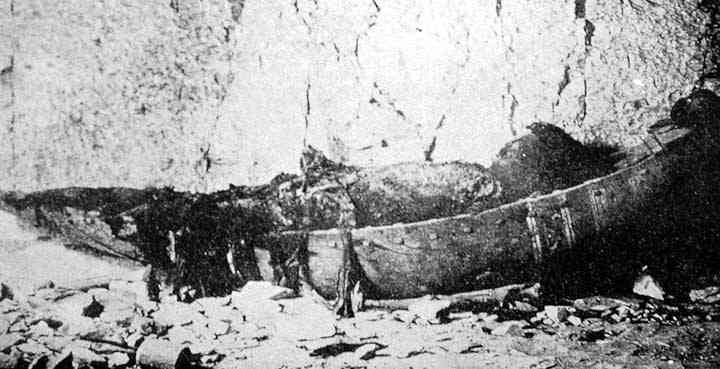
23. Siptah
Siptah was a young pharaoh who ruled Egypt during the late 19th Dynasty. His reign lasted only a few years and was marked by political instability and power struggles within the royal court. The examination of his mummy revealed evidence of physical disabilities, which has led historians to investigate the health challenges he may have faced during his lifetime. Despite his short rule, Siptah occupies an important place in Egyptian history because he governed during a transitional period between dynasties. His burial in the Valley of the Kings and the condition of his mummy continue to provide important archaeological and medical information.
Ancient Egyptian Mummies
24. Setnakhte
Setnakhte was the founder of the 20th Dynasty and is credited with restoring order after a period of political turmoil and competing claims to the throne. His reign was relatively brief, but he successfully reestablished royal authority and laid the foundation for the rule of his son, Ramesses III. His mummy was discovered among the royal burials that had been hidden by priests to protect them from looting. Setnakhte’s achievements helped stabilize Egypt during a difficult era. His reign marked the beginning of a new dynasty that would temporarily restore Egypt’s strength and influence in the ancient world.
Ancient Egyptian Mummies
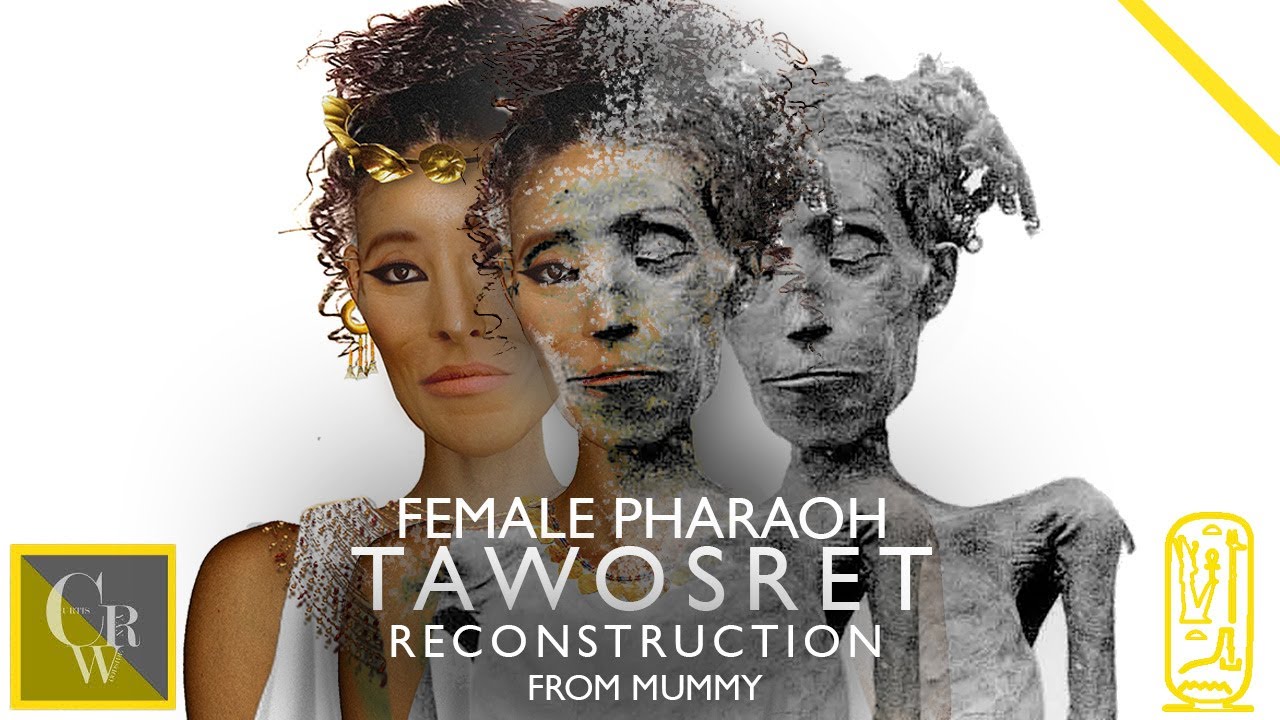
25. Tausret
Tausret was one of the few women in Ancient Egyptian history to rule as pharaoh. She originally served as queen and regent before assuming full royal authority during the late 19th Dynasty. Her reign occurred during a turbulent period characterized by political uncertainty and succession disputes. Although many details of her life remain unclear, archaeological evidence suggests that she exercised significant power and commissioned important construction projects. Her burial was located in the Valley of the Kings, reflecting her status as a ruler. Tausret’s story highlights the important roles women could play in Egyptian politics and royal succession.
Ancient Egyptian Mummies
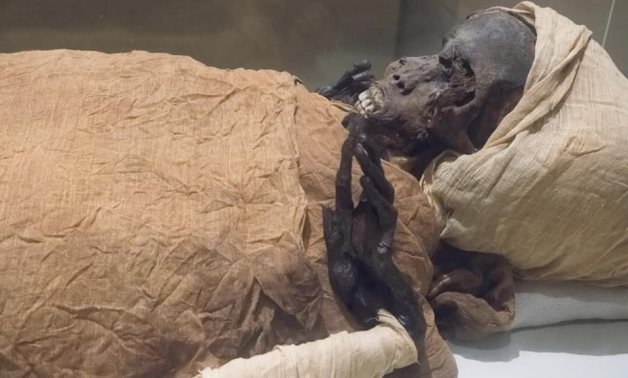
26. Seqenenre Tao
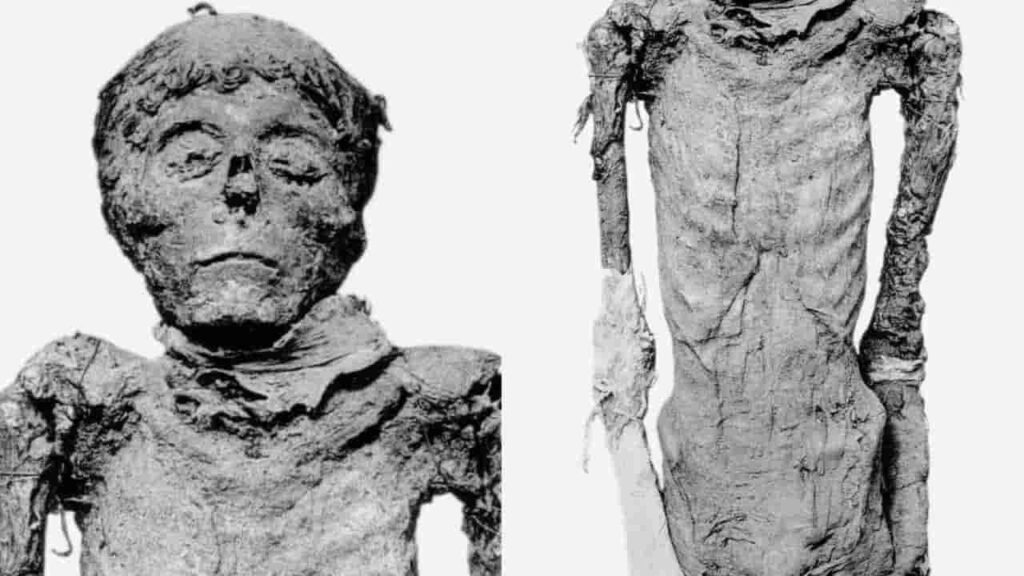
Seqenenre Tao was a Theban king who played a crucial role in Egypt’s struggle against the Hyksos rulers. His mummy is one of the most fascinating ever discovered because it bears multiple severe head wounds. These injuries provide dramatic evidence of the violent conflict that ultimately led to the reunification of Egypt. Modern studies suggest that he may have died in battle or been captured and executed. His sacrifice inspired later rulers, including Kamose and Ahmose I, to continue the war against the Hyksos. The mummy of Seqenenre Tao offers a rare glimpse into warfare during Ancient Egypt.
Ancient Egyptian Mummies
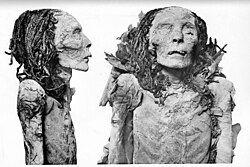
27. Ahmose-Nefertari
Ahmose-Nefertari was one of the most respected queens in Ancient Egyptian history and played a key role in establishing the 18th Dynasty. She was the wife of Ahmose I and the mother of Amenhotep I. Her influence extended beyond politics into religion, and she was later worshipped as a goddess by workers in the Theban necropolis. Her mummy was discovered among the royal burials preserved by priests during later periods. Ahmose-Nefertari’s legacy endured for centuries, making her one of the most revered royal women in Egypt. Her life reflects the importance of queenship in maintaining dynastic stability.
Ancient Egyptian Mummies
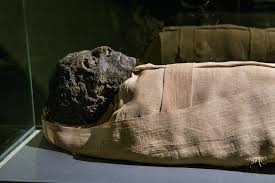
28. Prince Ahmose Sapair
Prince Ahmose Sapair was a royal prince of the early 18th Dynasty who became an important religious figure after his death. Although he never ruled Egypt as pharaoh, he was highly honored and remembered by later generations. His mummy and funerary objects provide valuable information about royal children and elite burials during the beginning of the New Kingdom. In some communities, he was venerated alongside Ahmose-Nefertari and Amenhotep I. The preservation of his mummy has helped researchers better understand the treatment of royal family members who held significant ceremonial and religious importance within Egyptian society.
Ancient Egyptian Mummies
29. Kamose
Kamose was the last king of the 17th Dynasty and one of the heroes responsible for Egypt’s liberation from Hyksos rule. He continued the military campaigns initiated by his father, Seqenenre Tao, and achieved important victories that weakened the foreign rulers occupying northern Egypt. His reign paved the way for the ultimate reunification of the country under Ahmose I. The discovery of artifacts and remains associated with Kamose has helped historians reconstruct this critical chapter in Egyptian history. Although his rule was relatively short, his military achievements had a lasting impact on the future of the Egyptian kingdom.
Ancient Egyptian Mummies
30. Pinudjem I
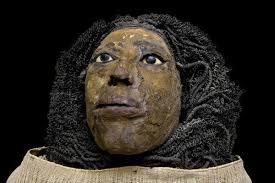
Pinudjem I was a High Priest of Amun who became one of the most powerful figures in Egypt during the Third Intermediate Period. Although not officially recognized as a traditional pharaoh throughout all of Egypt, he exercised considerable authority in Upper Egypt and adopted royal titles. His mummy was found among the royal cache at Deir el-Bahari, where priests had hidden many royal burials from tomb robbers. Pinudjem I is especially important because he participated in the restoration and reburial of earlier pharaohs. His mummy and inscriptions provide valuable evidence about the preservation of Egypt’s royal heritage during difficult times.
Discover Egypt Your Way
Experience unforgettable journeys across Egypt with Try Egypt Tours. From ancient wonders to Red Sea escapes, we create private tours, transfers, and authentic travel experiences tailored just for you.
Explore Egypt with customized private tours led by experienced local guides.
Enjoy unforgettable day excursions to iconic attractions, deserts, and coastal gems.
Safe, comfortable, and reliable private transfers across Egypt’s top destinations.
Fast booking assistance and friendly support before, during, and after your trip.