
1. The History Behind the Temple of the Oracle
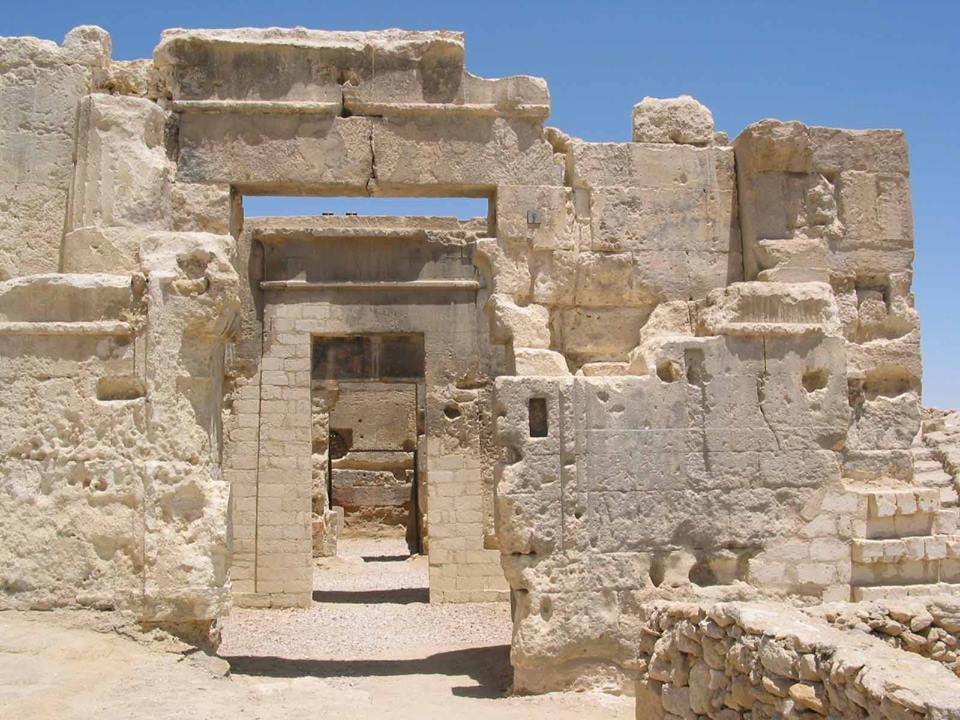
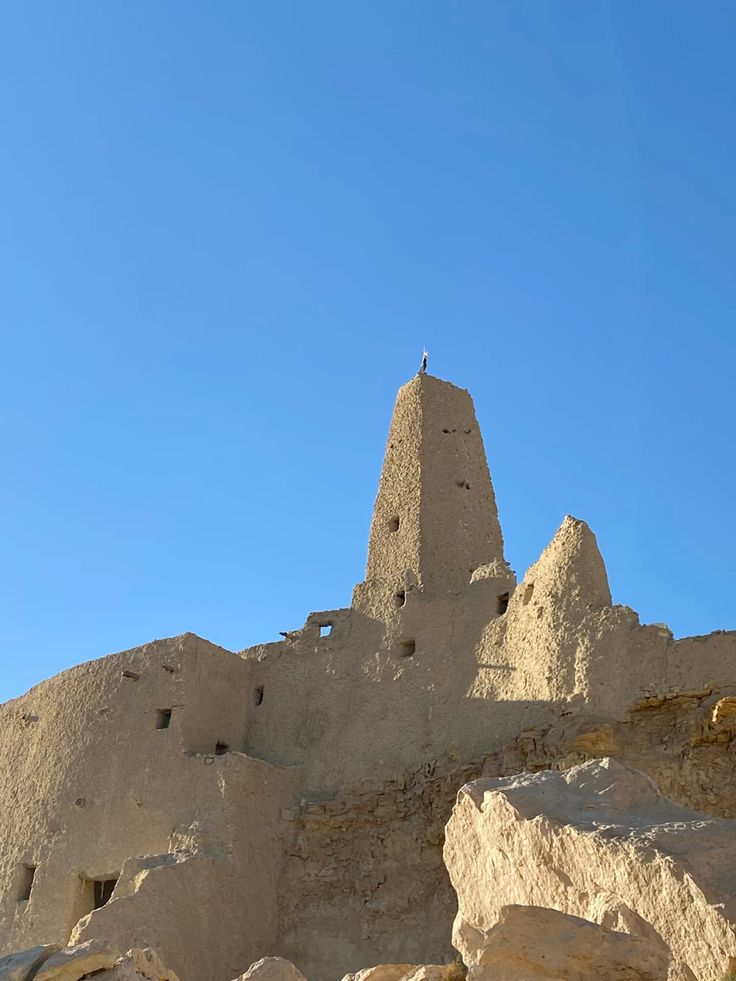
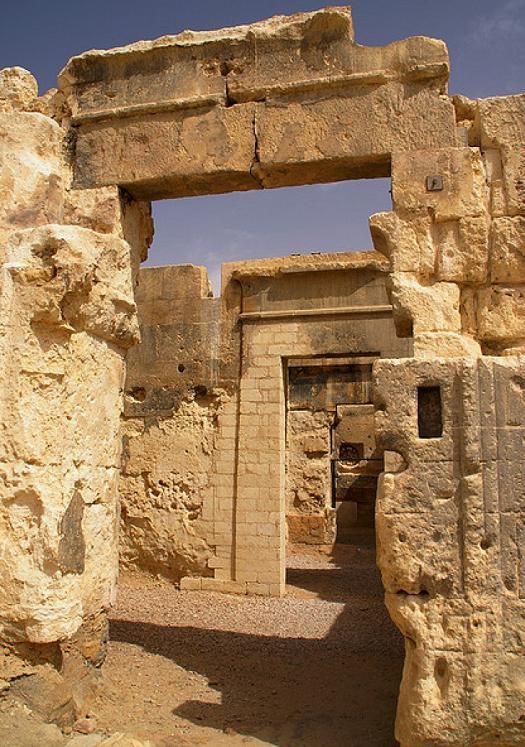
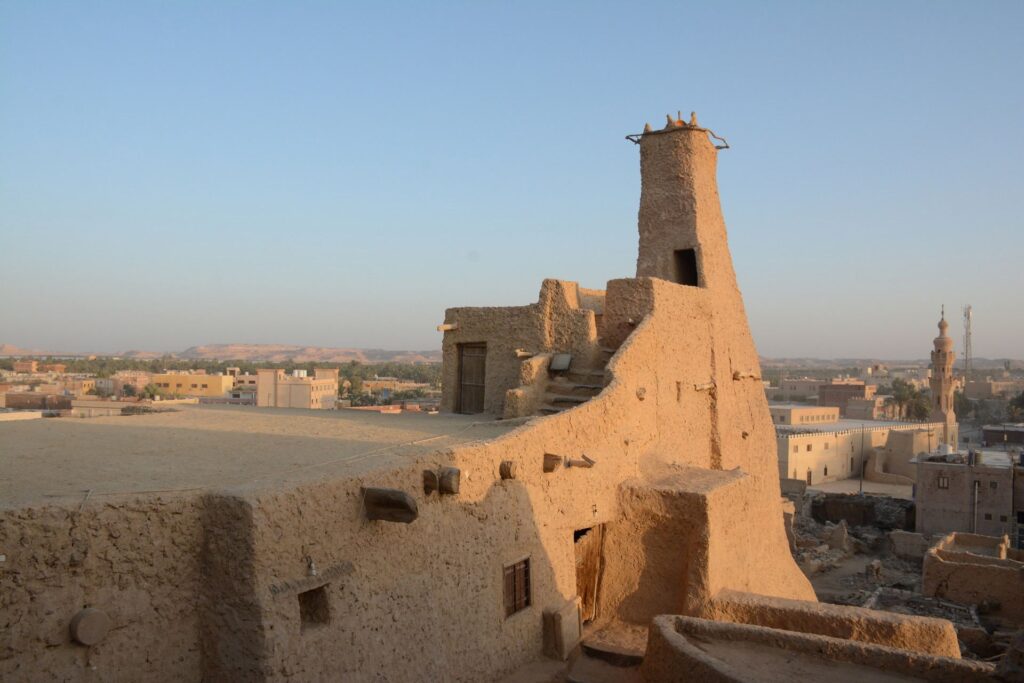
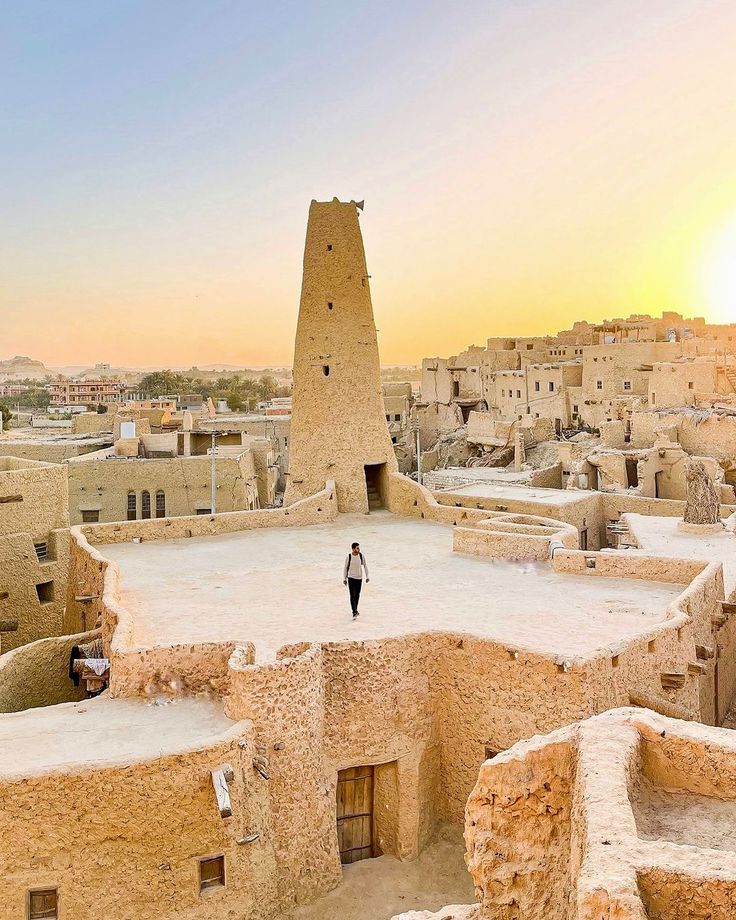
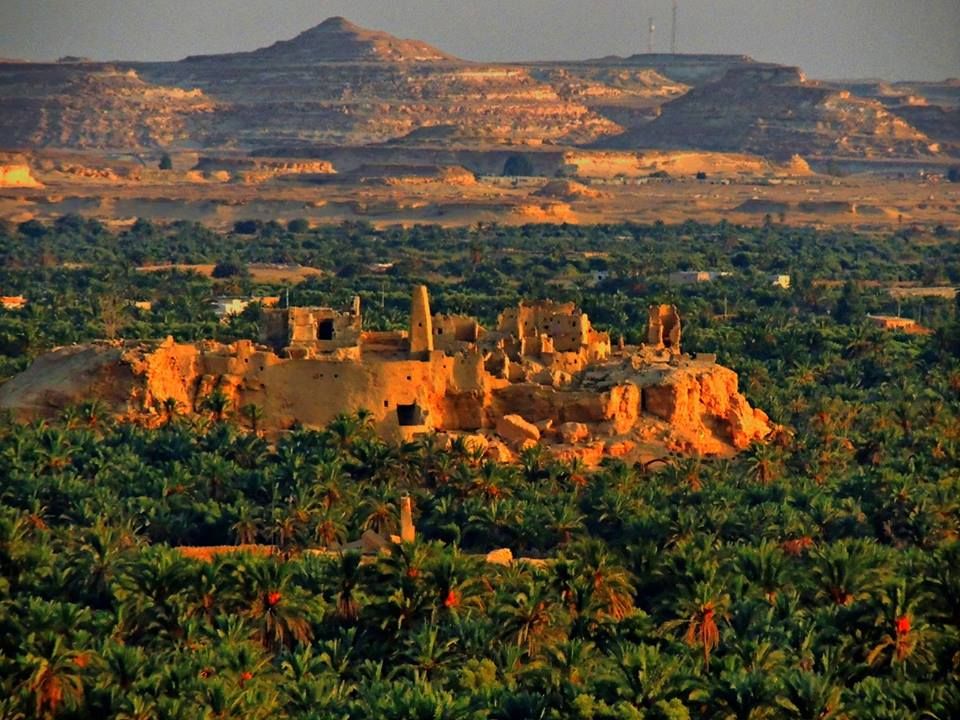
The Temple of the Oracle, also known as the Oracle Temple of Amun, is one of the most historically significant monuments in Egypt’s Western Desert. Located atop the ancient Aghurmi Hill in the heart of Siwa Oasis, the temple dates back to the 26th Dynasty of Ancient Egypt, around the 6th century BC. It was dedicated to Amun, one of the most revered deities in the Egyptian pantheon, who was worshipped as the king of the gods and the protector of pharaohs. Over time, the temple evolved into a renowned center of prophecy and religious consultation, attracting visitors from across Egypt and the Mediterranean world.
The temple’s fame was built upon the belief that the god Amun communicated his divine will through the priests who served within its sacred chambers. Kings, military leaders, and ordinary pilgrims traveled long distances through the desert to seek guidance on matters ranging from political decisions to personal concerns. The Oracle’s reputation grew so powerful that it became one of the most respected religious institutions of the ancient world.
The most famous event in the temple’s history occurred in 331 BC when Alexander the Great arrived at Siwa Oasis after conquering Egypt. Determined to legitimize his rule and establish his divine authority, Alexander undertook a challenging journey across the desert to consult the Oracle of Amun. Ancient historians recorded that the priests welcomed him as the son of Amun, a declaration that strengthened his political position and contributed to the legend that surrounded his reign. This encounter elevated the temple’s status and secured its place in world history.
For centuries, the Temple of the Oracle remained a symbol of spiritual authority and religious influence. Although its role gradually declined with changing political and religious landscapes, the temple continues to stand as a remarkable reminder of Ancient Egypt’s rich heritage and its profound impact on the ancient world.
2. The Location and Geographic Significance
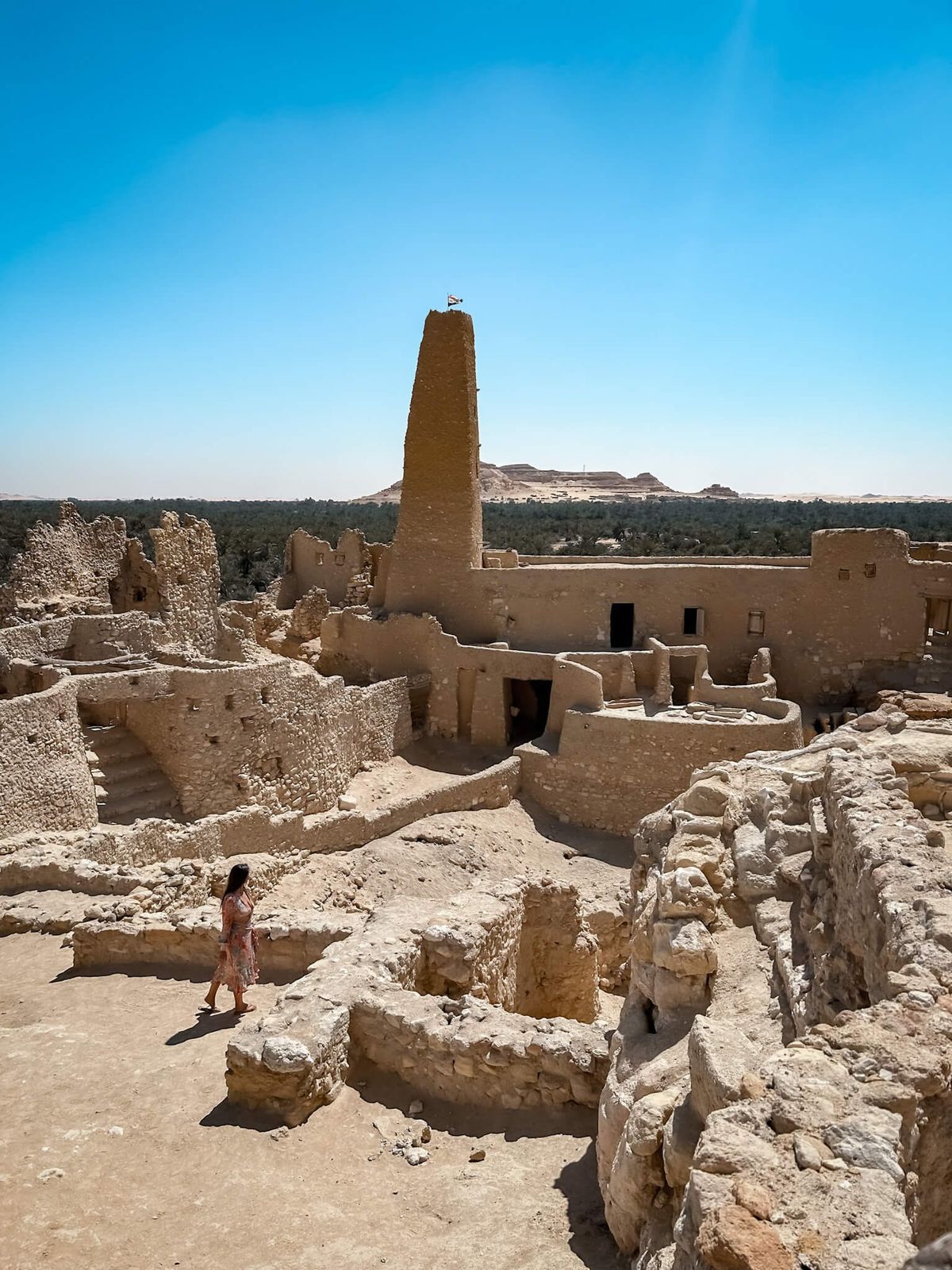
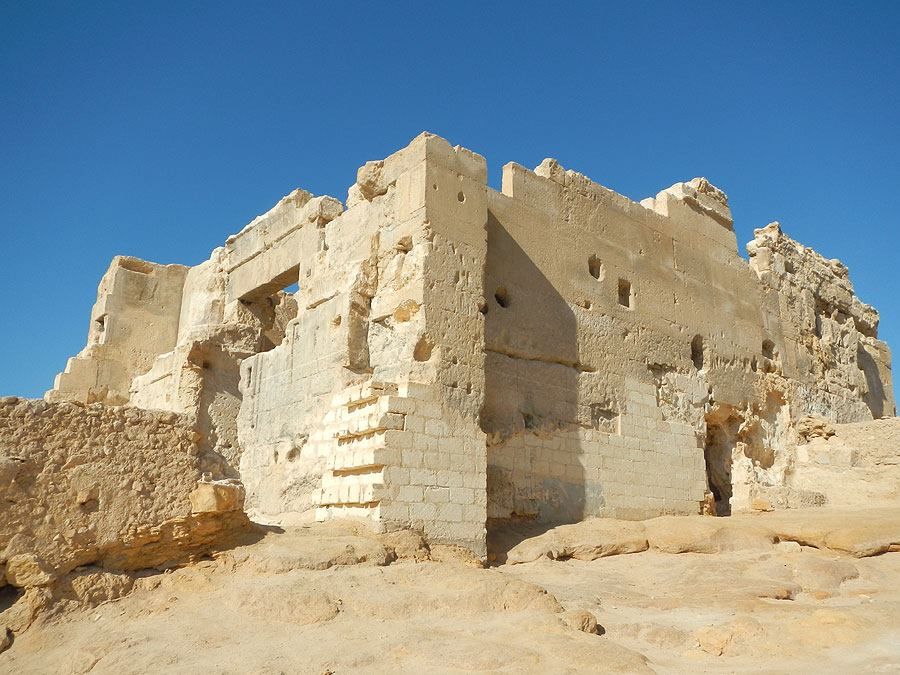
The Temple of the Oracle occupies a spectacular location in Siwa Oasis, one of Egypt’s most isolated and enchanting destinations. Situated approximately 750 kilometers west of Cairo and close to the Libyan border, Siwa Oasis is surrounded by vast stretches of the Sahara Desert. The temple itself stands atop Aghurmi Hill, offering panoramic views of lush palm groves, olive plantations, salt lakes, and the traditional mud-brick settlements that characterize the oasis. This elevated position not only provided natural protection but also enhanced the temple’s sacred and commanding presence.
The geographic isolation of Siwa played a crucial role in the development of the Oracle’s reputation. Ancient travelers considered the oasis a mysterious and distant place where divine wisdom could be sought away from the distractions of major cities. The challenging journey required to reach the temple added to its spiritual prestige, as only the most determined pilgrims, rulers, and seekers could undertake the arduous desert crossing.
Despite its remote location, Siwa Oasis occupied an important position along ancient trade routes connecting Egypt with North Africa. Merchants, travelers, and diplomats passing through the region contributed to the spread of the Oracle’s fame far beyond Egypt’s borders. As stories of the temple’s prophetic powers circulated throughout the Mediterranean world, visitors arrived from distant lands to seek answers from the god Amun.
Today, the temple’s location remains one of its most attractive features. Visitors can experience the unique beauty of Siwa Oasis while exploring one of Egypt’s most fascinating archaeological sites. The combination of dramatic desert landscapes, rich cultural traditions, and profound historical significance creates an unforgettable atmosphere that distinguishes the Temple of the Oracle from other ancient monuments in Egypt. Its setting perfectly reflects the sense of mystery and spirituality that has surrounded the site for more than two thousand years.
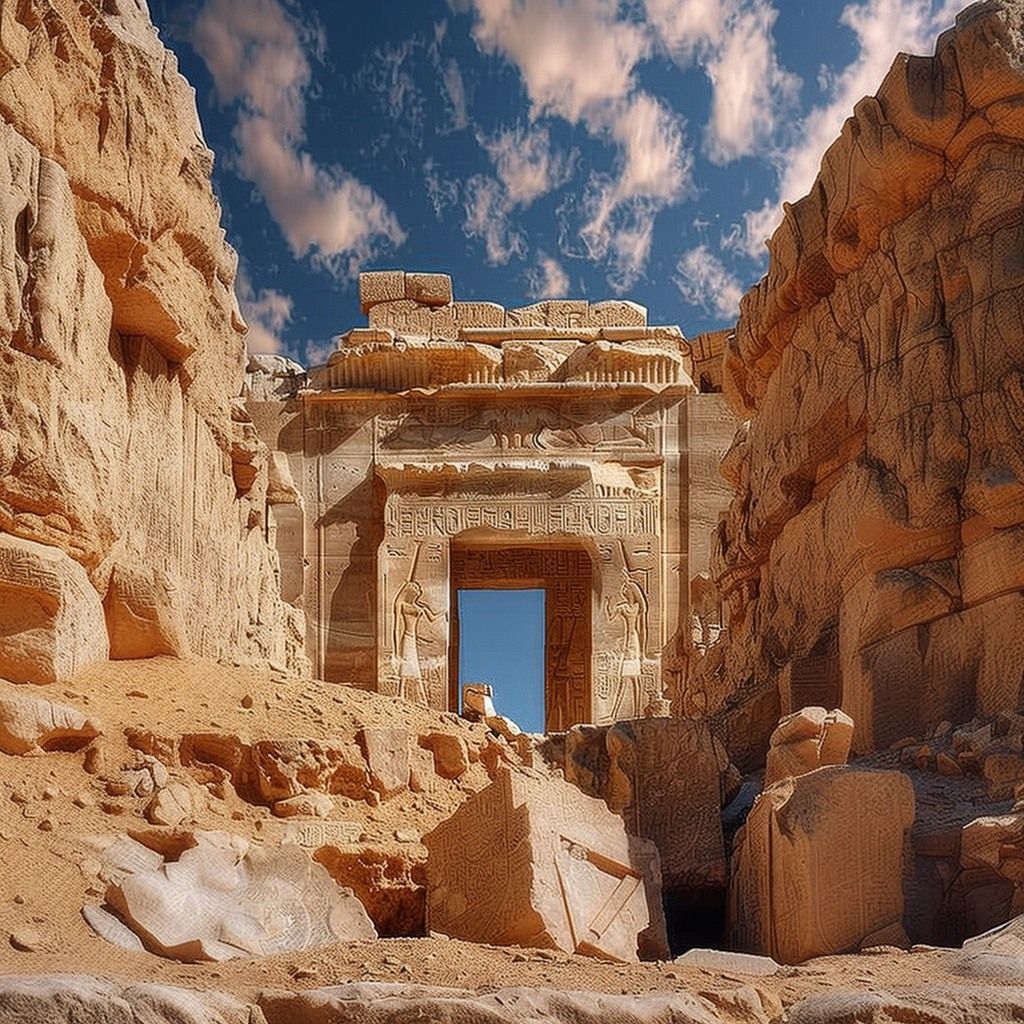
3. Who Built the Temple of the Oracle and Why?
The Temple of the Oracle was constructed during the 26th Dynasty of Ancient Egypt, a period often referred to as the Saite Period, which lasted from approximately 664 to 525 BC. Although historians continue to debate the precise details of its construction, it is generally believed that the temple was commissioned by Egyptian rulers who sought to strengthen the worship of Amun and expand religious influence throughout Egypt’s western territories. The oasis of Siwa had long been considered a sacred place, making it an ideal location for establishing an important religious center dedicated to the powerful god.
The primary purpose of the temple was to serve as a sanctuary where priests could communicate the will of Amun to worshippers. Ancient Egyptians believed that the gods actively influenced human affairs and could provide guidance on critical matters. Through rituals, ceremonies, and sacred consultations, the priests interpreted divine messages and delivered them to those seeking answers. This function transformed the temple into one of the most respected oracle centers in the ancient world.
The choice of Siwa Oasis as the temple’s location was far from accidental. Its remote desert setting contributed to an atmosphere of mystery and spiritual isolation. Ancient people often associated distant and secluded places with divine power, believing that they offered a closer connection to the gods. By establishing the temple in such a unique environment, its builders reinforced the perception that the Oracle possessed extraordinary wisdom and supernatural authority.
Beyond its religious role, the temple also served political purposes. Egyptian rulers understood the influence of religion on society and used major temples to reinforce their legitimacy and authority. By supporting the Oracle of Amun, they strengthened their connection to one of Egypt’s most important deities. The temple’s enduring reputation, particularly after the visit of Alexander the Great, demonstrates the success of its founders in creating a sanctuary whose influence would extend far beyond the borders of Egypt and survive for centuries.