
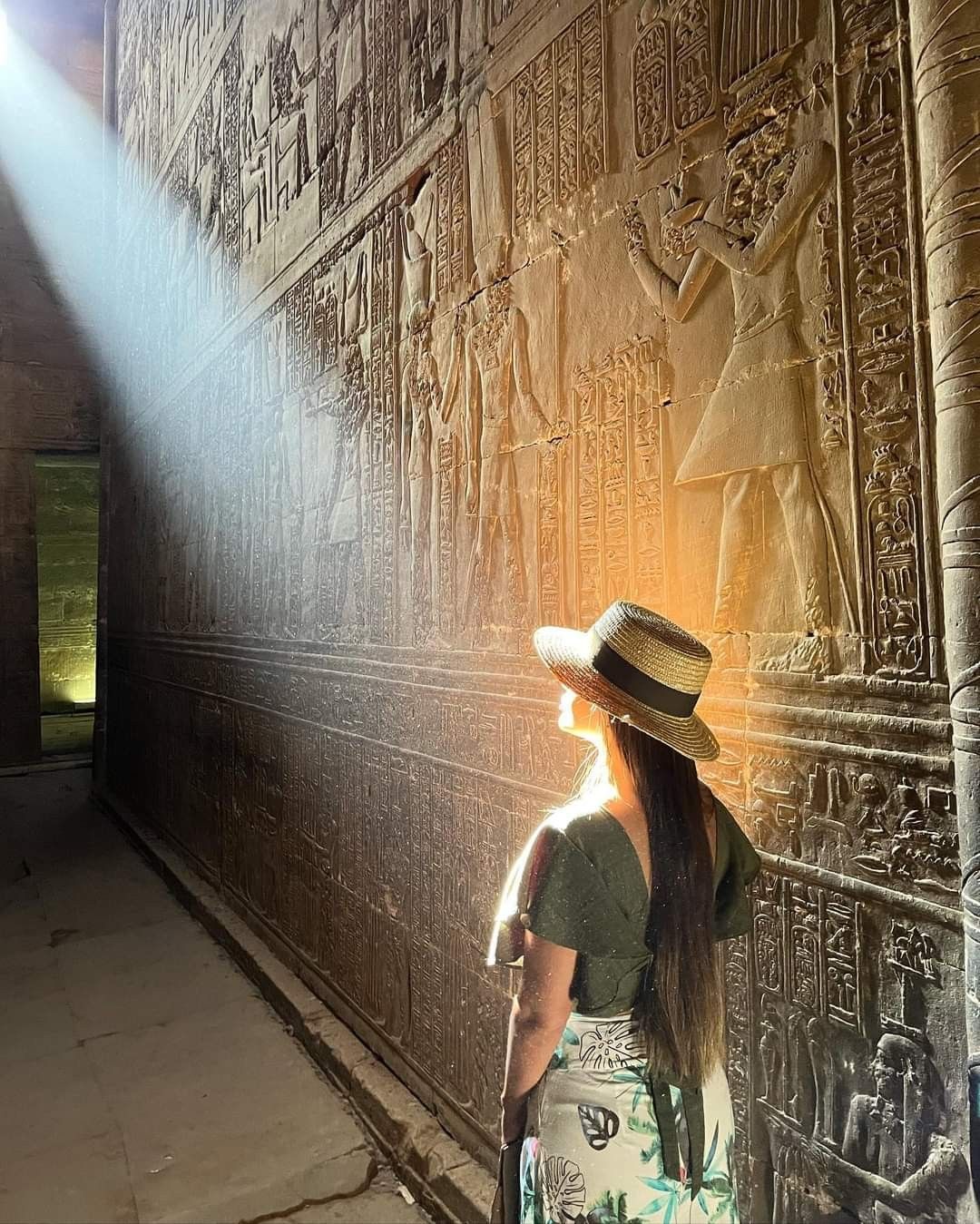
Welcome to

Frequently Asked Questions About Visiting Egypt for the First Time

Egypt is one of the world’s most fascinating travel destinations, attracting millions of visitors every year with its ancient monuments, rich history, vibrant culture, beautiful beaches, and unforgettable experiences. For first-time visitors, however, planning a trip to Egypt often comes with many questions. From visas and safety to money, transportation, local customs, and what to pack, travelers naturally want to feel prepared before arriving.

The good news is that Egypt is a well-established tourism destination with extensive infrastructure designed to welcome international visitors. Popular destinations such as Cairo, Luxor, Aswan, Hurghada, Sharm El Sheikh, and Alexandria are accustomed to hosting travelers from around the world, making it relatively easy for tourists to explore the country comfortably.

Despite this, first-time visitors often have concerns about practical matters such as airport procedures, local transportation, tipping customs, internet access, dress codes, and health precautions. Understanding these topics before departure can help reduce stress and make the overall travel experience smoother and more enjoyable.

Many travelers are surprised to discover that visiting Egypt is often easier than they expected. With a little preparation and the right information, most visitors quickly adapt to local customs and find the country welcoming, affordable, and rewarding to explore.

In this guide, we answer some of the most frequently asked questions about visiting Egypt for the first time. Whether you are planning a short vacation, a Nile cruise, a cultural tour, or a longer adventure, these answers will help you travel with confidence and make the most of your Egyptian journey.

1. Is Egypt Safe for First-Time Visitors?

One of the most common concerns among first-time travelers is whether Egypt is a safe destination to visit. The good news is that Egypt welcomes millions of international tourists each year, and the vast majority of visitors enjoy safe, enjoyable, and trouble-free trips.

Major tourist destinations such as Cairo, Giza, Luxor, Aswan, Hurghada, Sharm El Sheikh, and Alexandria have well-developed tourism infrastructure and regularly host travelers from around the world. Security measures are particularly visible around airports, hotels, museums, archaeological sites, and popular attractions, helping to provide a secure environment for visitors.

Like any travel destination, Egypt requires common-sense precautions. Travelers should remain aware of their surroundings, protect valuables, use reputable transportation providers, and follow local laws and customs. These are the same basic safety practices recommended in most countries.

Many first-time visitors are pleasantly surprised by the friendliness and hospitality of the Egyptian people. Tourism plays an important role in the economy, and visitors are generally welcomed warmly throughout the country.

For those who prefer additional convenience and support, guided tours can further simplify travel logistics and provide valuable local assistance. Overall, Egypt is considered a rewarding destination for first-time visitors who prepare appropriately and follow standard travel safety practices.
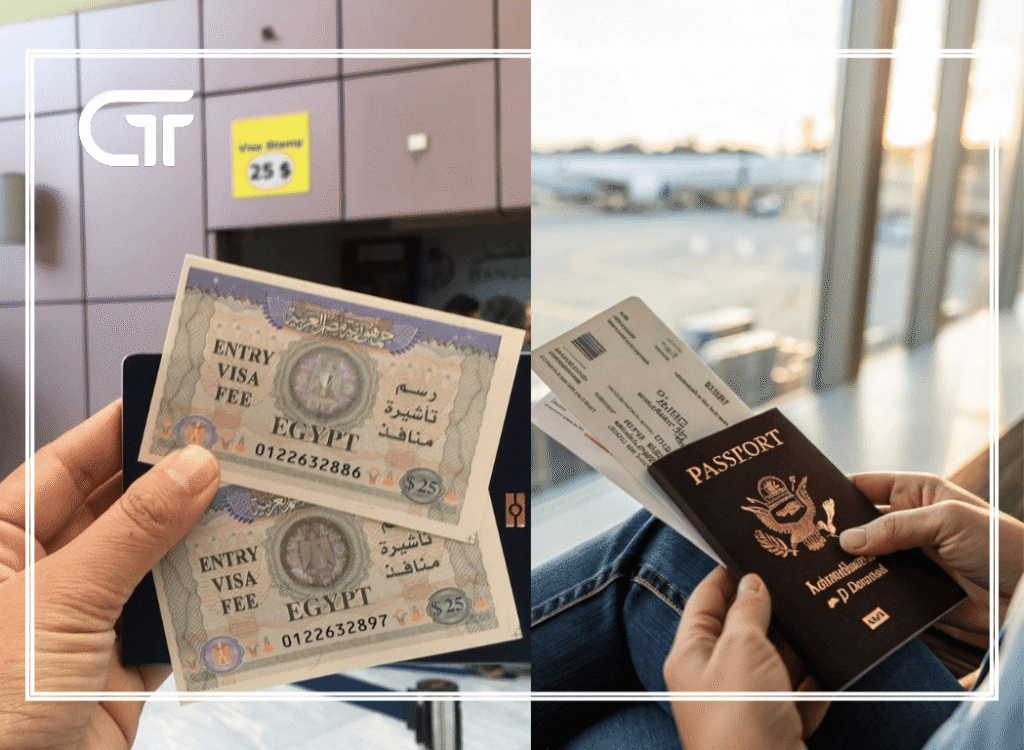
Egypt Visa Requirements Everything You Need to Know

2. Do I Need a Visa to Visit Egypt?

Most international travelers require a visa to enter Egypt, although the specific requirements depend on nationality and the purpose of the visit. Fortunately, Egypt offers several convenient visa options that make the process relatively straightforward for tourists.

Many travelers can obtain a tourist visa upon arrival at major airports, while others may be eligible to apply for an electronic visa before departure. The availability of these options varies depending on the traveler’s nationality, so checking current requirements before booking a trip is highly recommended.

Tourist visas are generally intended for short-term leisure travel and allow visitors to explore Egypt’s attractions, cultural sites, and tourism destinations. Travelers should ensure that their passports remain valid for the required period beyond their arrival date and that they meet any additional entry requirements in effect at the time of travel.

Applying for a visa in advance can provide peace of mind and help streamline the arrival process. However, many visitors find the visa procedure simple and efficient when entering through Egypt’s major international airports.

Because immigration regulations can change, travelers should always verify the latest visa requirements through official sources before departure.
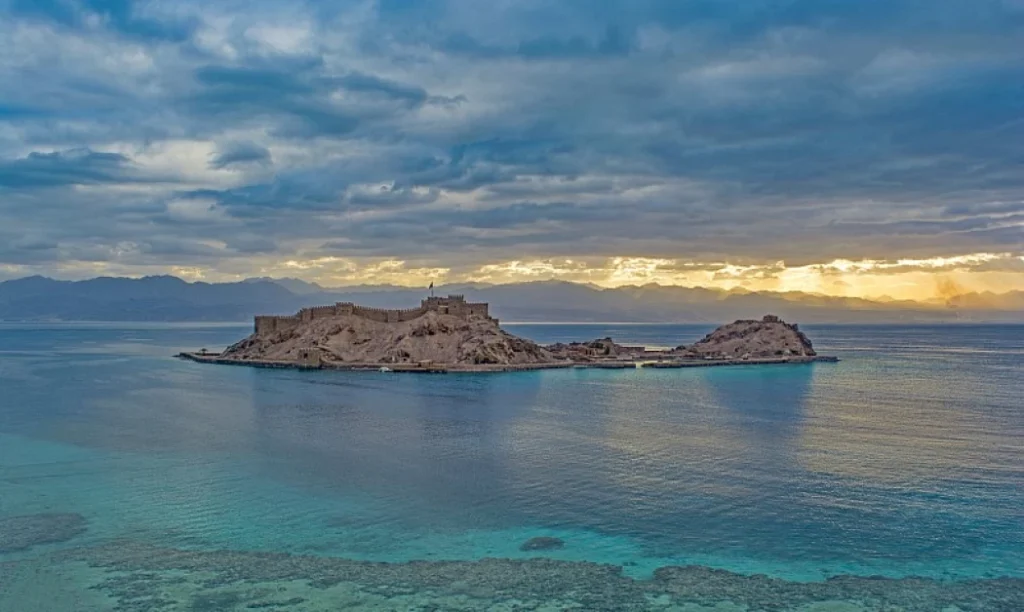
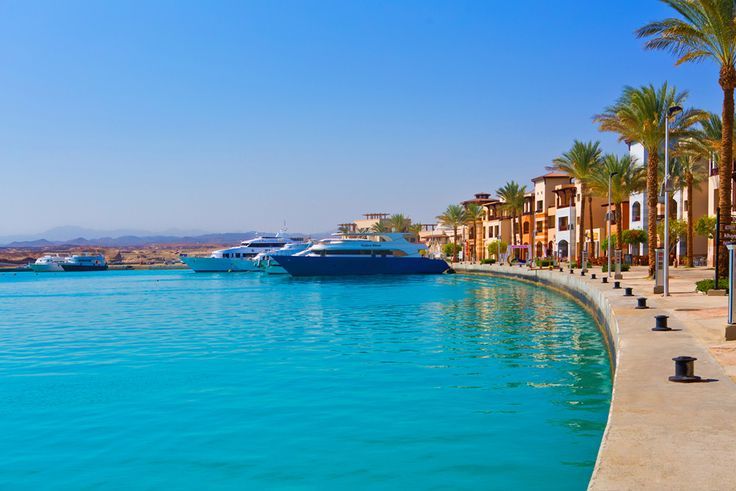
The Best Time to Visit the Red Sea Islands

3. What Is the Best Time to Visit Egypt?

Egypt can be visited throughout the year, but the ideal time depends largely on personal preferences, planned activities, and tolerance for warm temperatures. For most travelers, the most comfortable period to visit is during the cooler months, when sightseeing conditions are generally more pleasant.

The period from autumn through spring is particularly popular because daytime temperatures are often ideal for exploring outdoor attractions such as the Pyramids of Giza, Luxor’s temples, the Valley of the Kings, Abu Simbel, and other archaeological sites. These months are frequently considered the peak tourism season.

Winter is especially attractive for travelers interested in cultural sightseeing. The milder weather makes walking around ancient monuments more comfortable and allows visitors to spend longer periods outdoors without excessive heat.

Summer can be significantly hotter, particularly in Upper Egypt destinations such as Luxor and Aswan. However, summer also brings certain advantages, including fewer crowds and, in some cases, lower travel prices. Red Sea destinations such as Hurghada and Sharm El Sheikh remain popular throughout the year because of their beaches, diving opportunities, and resort facilities.

Ultimately, there is no single perfect time to visit Egypt. Travelers interested in historical sightseeing often prefer the cooler months, while beach enthusiasts and budget-conscious visitors may find other seasons equally appealing. Choosing the best time depends on your travel goals, interests, and preferred climate.
4. How Many Days Do You Need in Egypt?

One of the most common questions first-time visitors ask is how much time they should spend in Egypt. The answer depends on your interests, travel style, and the number of destinations you wish to explore. Egypt is a large country with an incredible variety of historical, cultural, and natural attractions, so the ideal trip length can vary significantly from traveler to traveler.

For those interested in seeing Egypt’s most famous highlights, a trip of seven to ten days is often considered a good starting point. This allows enough time to explore Cairo and the Pyramids of Giza, visit Luxor and Aswan, and perhaps enjoy a Nile cruise or a short stay at a Red Sea resort.

Travelers with only a few days available can still enjoy a rewarding experience by focusing on Cairo and nearby attractions. A well-planned itinerary can include the Pyramids of Giza, the Grand Egyptian Museum, Islamic Cairo, Coptic Cairo, and other important sites within a relatively short period.

Those seeking a more comprehensive experience may prefer two weeks or longer. This additional time allows visitors to explore Egypt at a more relaxed pace while including destinations such as Abu Simbel, Alexandria, Hurghada, Sharm El Sheikh, or the Western Desert.

Many travelers discover that Egypt offers far more than they initially expected. Ancient temples, tombs, museums, markets, beaches, diving sites, and cultural experiences can easily fill an extended itinerary.

Ultimately, the ideal trip length depends on your priorities. Whether you spend a few days or several weeks in Egypt, careful planning helps ensure that you make the most of your time and enjoy an unforgettable travel experience.

Do You Need Cash in Egypt?

5. What Currency Is Used in Egypt?

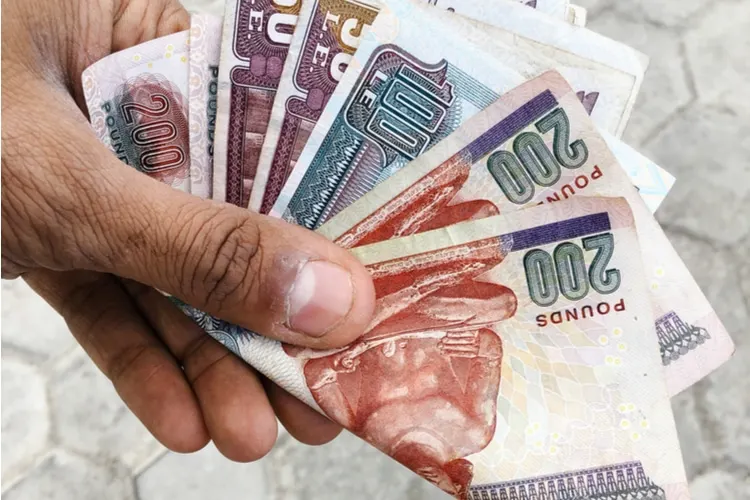
The official currency of Egypt is the Egyptian Pound, commonly abbreviated as EGP. It is the primary currency used for everyday transactions throughout the country, including shopping, dining, transportation, attraction tickets, and most tourism-related services.

Egyptian Pounds are available in various denominations, making it easy for travelers to manage both large purchases and small daily expenses. Visitors will frequently use local currency for tips, market purchases, taxis, snacks, drinks, and other routine transactions during their trip.

Foreign currencies such as US Dollars, Euros, and British Pounds are widely exchanged in Egypt and can be converted into Egyptian Pounds at banks, exchange offices, hotels, and airports. While some tourism businesses may occasionally accept foreign currency, local currency is generally the preferred and most practical option for daily spending.

Most travelers find it useful to carry a combination of cash and payment cards. Having access to Egyptian Pounds allows visitors to handle small expenses conveniently while avoiding difficulties in situations where electronic payments may not be available.

Understanding the local currency before arrival helps travelers budget more effectively and navigate daily transactions with confidence.

6. Can You Use Credit Cards in Egypt?

Yes, credit and debit cards are widely accepted in many parts of Egypt, particularly in major cities and popular tourist destinations. Visitors can comfortably use cards in numerous hotels, resorts, restaurants, shopping malls, supermarkets, and tourism-related businesses.

International hotel chains, large restaurants, major retail stores, airlines, and tour operators typically accept major credit cards. Travelers often use cards for accommodations, organized tours, domestic flights, and other larger expenses throughout their trip.

However, card acceptance is not universal. Smaller shops, traditional markets, local cafés, independent vendors, and some transportation providers may prefer or require cash payments. This is especially true in rural areas and certain local businesses where electronic payment systems may be limited.

Travelers should also be aware that occasional technical issues, internet disruptions, or payment terminal problems can affect card transactions. Carrying a backup payment method is always advisable.

Most visitors find that combining card payments for larger purchases with cash for smaller expenses offers the greatest convenience and flexibility while traveling in Egypt.

7. Do You Need Cash in Egypt?

Yes, carrying some cash is highly recommended when visiting Egypt. Although card acceptance has expanded significantly in recent years, cash remains an important part of daily life and is often necessary for certain transactions.

Travelers commonly use cash for tipping, local transportation, market shopping, street food, small cafés, souvenirs, and purchases from independent vendors. Many of these businesses either do not accept cards or strongly prefer cash payments.

Cash is particularly useful when visiting traditional markets, local neighborhoods, and smaller towns. It also provides flexibility in situations where card payment systems are temporarily unavailable.

One of the most important uses for cash in Egypt is tipping, often referred to as “baksheesh.” Small gratuities are commonly given to hotel staff, drivers, guides, restaurant employees, and various service providers. Having small denomination Egyptian Pound notes readily available makes this process much easier.

The good news is that obtaining cash is relatively simple. ATMs are widely available in major cities and tourist destinations, and currency exchange services are easily accessible throughout the country.

For most travelers, the best approach is to use a combination of cash and cards. This strategy provides convenience, flexibility, and security while ensuring that you are prepared for virtually any situation you may encounter during your trip to Egypt.

8. What Should You Wear in Egypt?

Choosing what to wear in Egypt is a common concern for first-time visitors. Fortunately, Egypt is a diverse and tourism-friendly destination, and travelers generally have considerable flexibility when it comes to clothing. The most important considerations are comfort, practicality, respect for local customs, and protection from the sun.

Because Egypt experiences warm temperatures for much of the year, lightweight and breathable clothing is highly recommended. Natural fabrics such as cotton and linen are particularly popular because they help keep travelers comfortable while exploring outdoor attractions.

When visiting archaeological sites such as the Pyramids of Giza, Luxor’s temples, Abu Simbel, or the Valley of the Kings, comfortable walking shoes are essential. Many historical sites involve significant walking on uneven surfaces, so practical footwear can greatly improve the sightseeing experience.

Although Egypt is accustomed to international tourism, modest clothing is generally appreciated, particularly when visiting religious sites or more traditional areas. Both men and women often feel more comfortable wearing clothing that covers the shoulders and knees when entering mosques or conservative communities. Some religious sites may have specific dress requirements that visitors should respect.

At Red Sea resorts such as Hurghada and Sharm El Sheikh, beachwear and swimwear are completely normal within hotel and resort areas. However, visitors typically dress more modestly when leaving the resort environment and visiting towns or public spaces.

A hat, sunglasses, and sunscreen are also highly recommended due to Egypt’s strong sunshine. These simple items can significantly improve comfort during long days of sightseeing.

Overall, the best approach is to dress comfortably, prepare for the climate, and remain respectful of local customs. Doing so helps ensure a pleasant and enjoyable travel experience throughout Egypt.

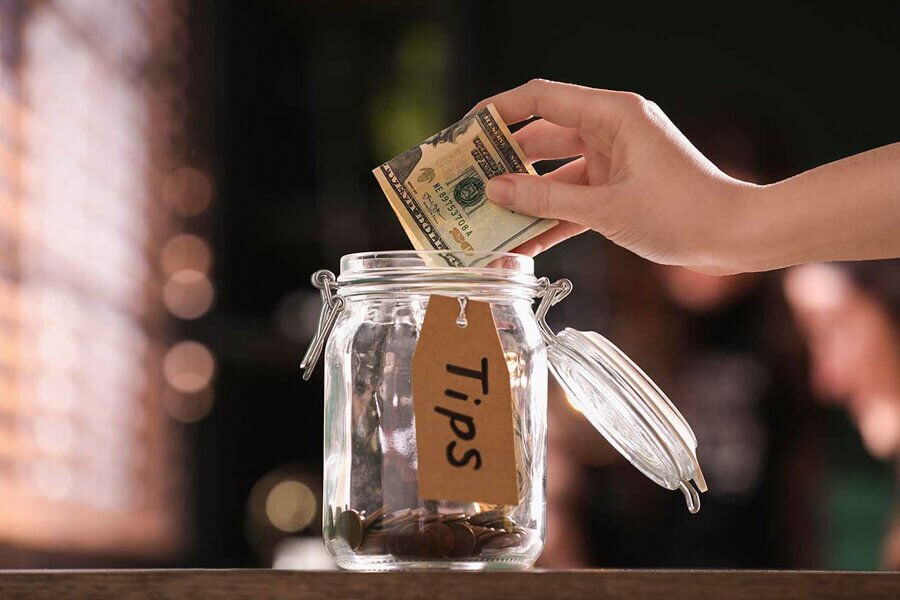
Tipping in Egypt Complete Tourist Guide

9. Is Tipping Expected in Egypt?

Yes, tipping is a common and widely accepted part of daily life in Egypt. Known locally as “baksheesh,” tipping serves as a way to show appreciation for good service and is particularly common within the tourism and hospitality industries.

Visitors will encounter tipping opportunities in many situations throughout their trip. Hotel staff, porters, housekeeping teams, drivers, tour guides, restaurant servers, Nile cruise employees, and various service providers often receive gratuities from travelers. In many cases, tips represent an important supplement to regular income.

Although tipping is generally expected, it is not mandatory in every situation. Travelers are free to decide whether a service merits a gratuity based on the quality of assistance received. Understanding local customs simply helps visitors navigate these interactions more comfortably.

Carrying small denomination Egyptian Pound notes is particularly useful because many tipping situations involve relatively modest amounts. Most travelers quickly become familiar with tipping practices and find that it becomes a natural part of the overall travel experience.

When approached with cultural awareness and common sense, tipping is generally straightforward and contributes positively to interactions with the people who help make a visit to Egypt enjoyable and memorable.

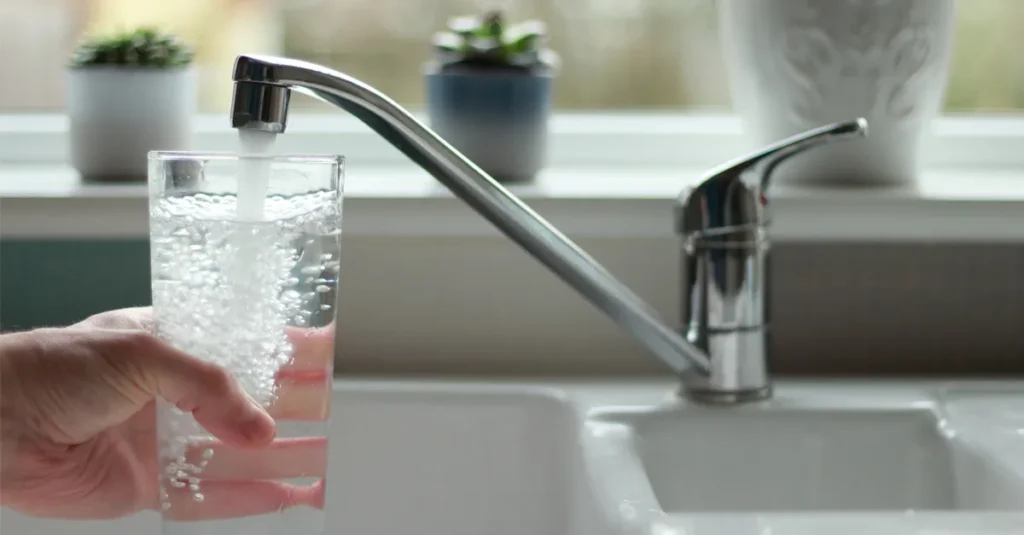
Can You Drink Tap Water in Egypt?

10. Can You Drink Tap Water in Egypt?

Tap water in Egypt is treated and commonly used by local residents in many parts of the country. However, most international travelers are advised to drink bottled or properly filtered water during their visit.

This recommendation is largely precautionary. Differences in water treatment methods, mineral content, and local microorganisms may sometimes cause digestive discomfort for visitors whose systems are not accustomed to the local water supply. Even when the water meets local safety standards, travelers can occasionally experience mild stomach issues simply because of these differences.

Fortunately, bottled water is inexpensive, widely available, and easy to find throughout Egypt. Hotels, restaurants, supermarkets, convenience stores, airports, and tourist attractions typically sell bottled water, making it convenient for travelers to stay hydrated.

Many visitors also choose to use bottled water for brushing their teeth, although opinions and practices vary. In reputable hotels and resorts, water-related concerns are generally minimal, but bottled water remains the most common choice among tourists.

Staying hydrated is particularly important because of Egypt’s warm climate and extensive outdoor sightseeing opportunities. Choosing bottled or trusted filtered water helps visitors enjoy their trip with greater comfort and peace of mind.

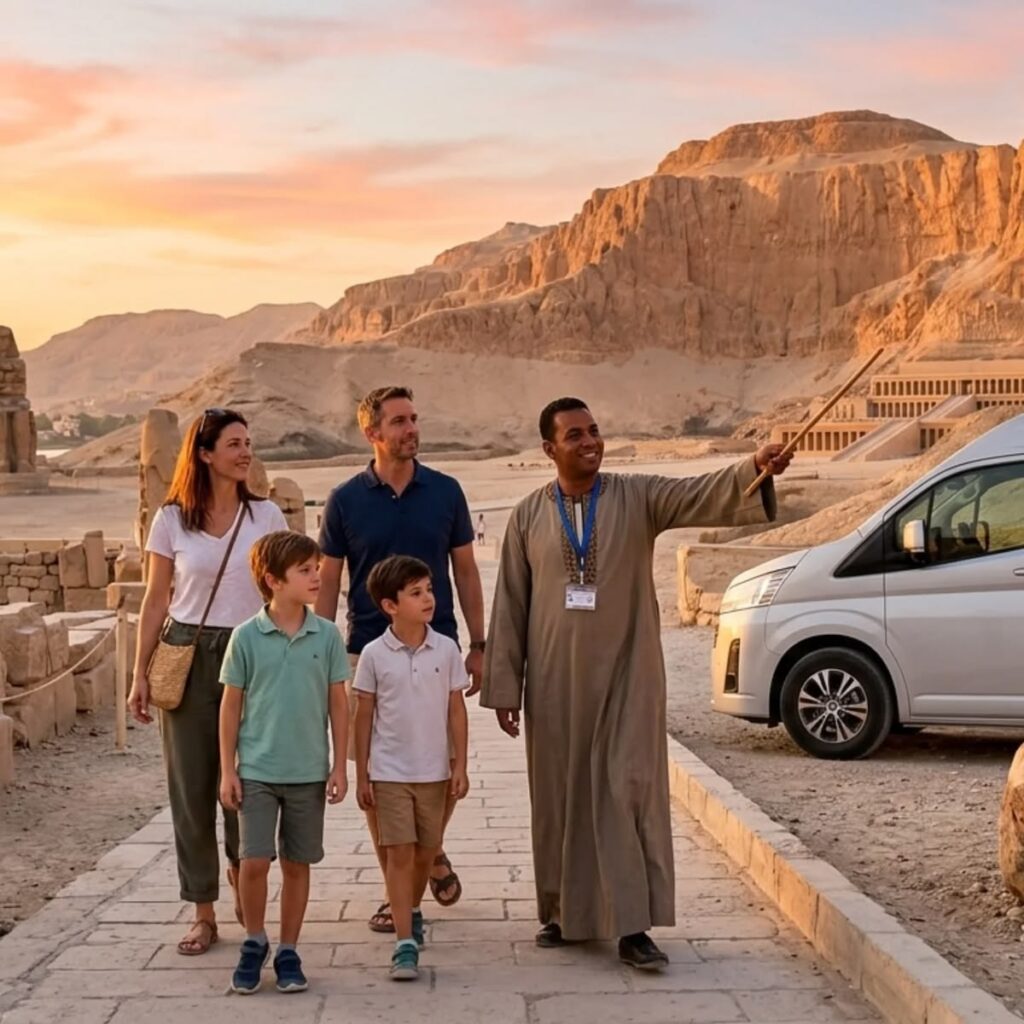
11. Should You Book Guided Tours?

For many first-time visitors, guided tours are one of the best ways to explore Egypt. While independent travel is certainly possible, professional guides provide valuable historical context, logistical support, and local knowledge that can significantly enhance the overall experience.

Egypt’s archaeological sites are among the most important in the world, and many travelers find that expert explanations help bring these monuments to life. Professional Egyptologists can explain the stories behind the pyramids, temples, tombs, and museums in a way that creates a much deeper understanding of the country’s remarkable history.

Guided tours also simplify practical aspects of travel. Transportation, attraction logistics, route planning, and ticket arrangements are often handled by experienced professionals, allowing visitors to focus entirely on enjoying the experience.

Private tours offer personalized itineraries, flexibility, and individual attention, while group tours provide affordability and opportunities to meet other travelers. Both options can be excellent depending on personal preferences and travel style.

Although guided tours are not essential, many first-time visitors consider them one of the most worthwhile investments they make during their trip. The combination of expert knowledge, convenience, and cultural insight often transforms a good visit into an unforgettable one.

12. Conclusion: Visiting Egypt for the First Time

Visiting Egypt for the first time is an exciting experience filled with history, culture, adventure, and unforgettable memories. From the majestic Pyramids of Giza and the temples of Luxor to the beauty of the Nile River and the stunning beaches of the Red Sea, Egypt offers something for every type of traveler.

While it is natural to have questions before your trip, most first-time visitors quickly discover that Egypt is far more accessible and welcoming than they expected. Understanding practical topics such as visas, currency, transportation, tipping, water safety, local customs, and clothing choices can help you travel with confidence and avoid unnecessary stress.

Preparation is key to a successful journey. Learning about the country before arrival, carrying a mix of cash and cards, staying hydrated, dressing comfortably, and respecting local customs can greatly enhance your overall experience. Visitors who take the time to plan ahead often find their trip smoother, more enjoyable, and more rewarding.

Guided tours can provide valuable insight into Egypt’s extraordinary historical sites, while independent travelers can also explore the country comfortably with proper planning. Regardless of your travel style, Egypt offers an incredible variety of experiences that continue to inspire visitors from around the world.

Most importantly, approach your journey with curiosity and an open mind. Egypt’s rich history, warm hospitality, vibrant culture, and breathtaking monuments create experiences that remain with travelers long after they return home.

Frequently Asked Questions

Yes. Egypt has a well-developed tourism industry, numerous guided tour options, and extensive visitor services that make it accessible to first-time international travelers.

Costs vary depending on travel style, accommodations, transportation, and activities. Egypt generally offers options ranging from budget travel to luxury experiences.

English is commonly spoken in hotels, tourist attractions, airports, resorts, and by many tourism professionals. Basic communication is usually straightforward in major tourist areas.

Yes. Independent travel is possible, although many first-time visitors choose guided tours for convenience, historical insight, and easier logistics.

The Pyramids of Giza, the Great Sphinx, the Grand Egyptian Museum, Luxor, the Valley of the Kings, Karnak Temple, Abu Simbel, and a Nile cruise are among the most popular experiences.