
Welcome to

Luxor: The World’s Greatest Open-Air Museum and Heart of Ancient Egypt

Luxor, known in antiquity as Thebes, is a city where history is not just preserved in museums but lives in the very landscape. Situated on the banks of the Nile, it serves as the ultimate destination for anyone seeking to understand the grandeur of ancient Egypt. For travelers planning an Egypt vacation, Luxor offers an unparalleled density of monuments, including the iconic Valley of the Kings, the Temple of Karnak, and the magnificent Luxor Temple. As you traverse the river, moving between the “City of the Living” on the East Bank and the “City of the Dead” on the West Bank, you are participating in a journey that has fascinated explorers and archaeologists for centuries. With its blend of breathtaking archaeological sites, vibrant local culture, and the timeless serenity of the Nile, Luxor is an essential cornerstone of any Egypt travel itinerary. Whether you are a history enthusiast drawn to the secrets of the pharaohs or a traveler looking to be awed by the sheer scale of human achievement, Luxor provides an immersive experience that stands as a testament to one of the world’s greatest civilizations.

1. The East Bank: Temples of Light and Grandeur

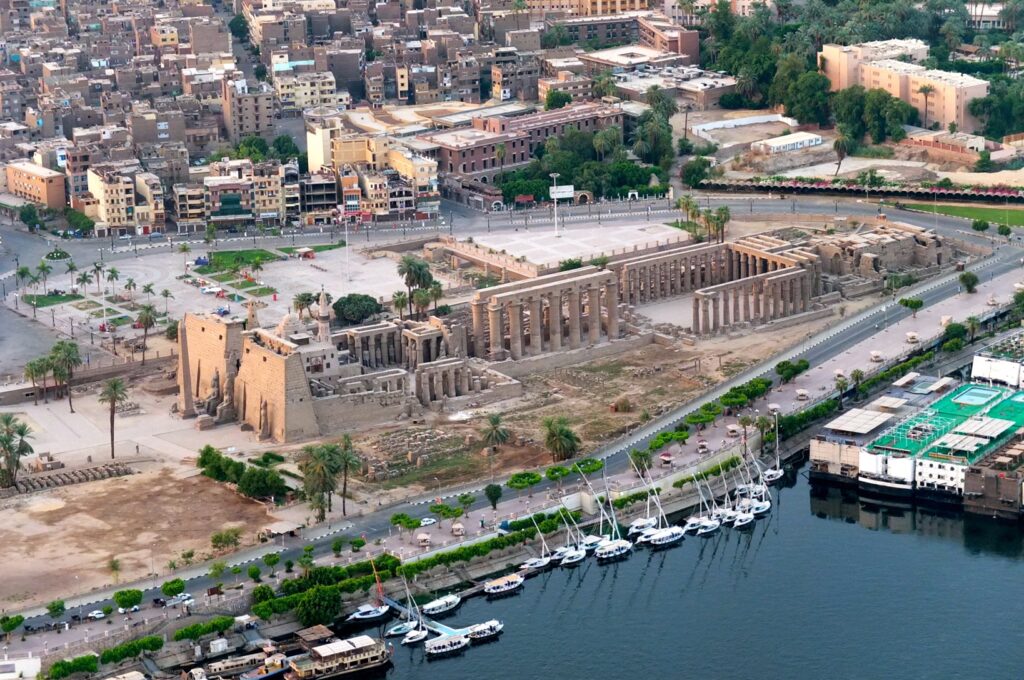
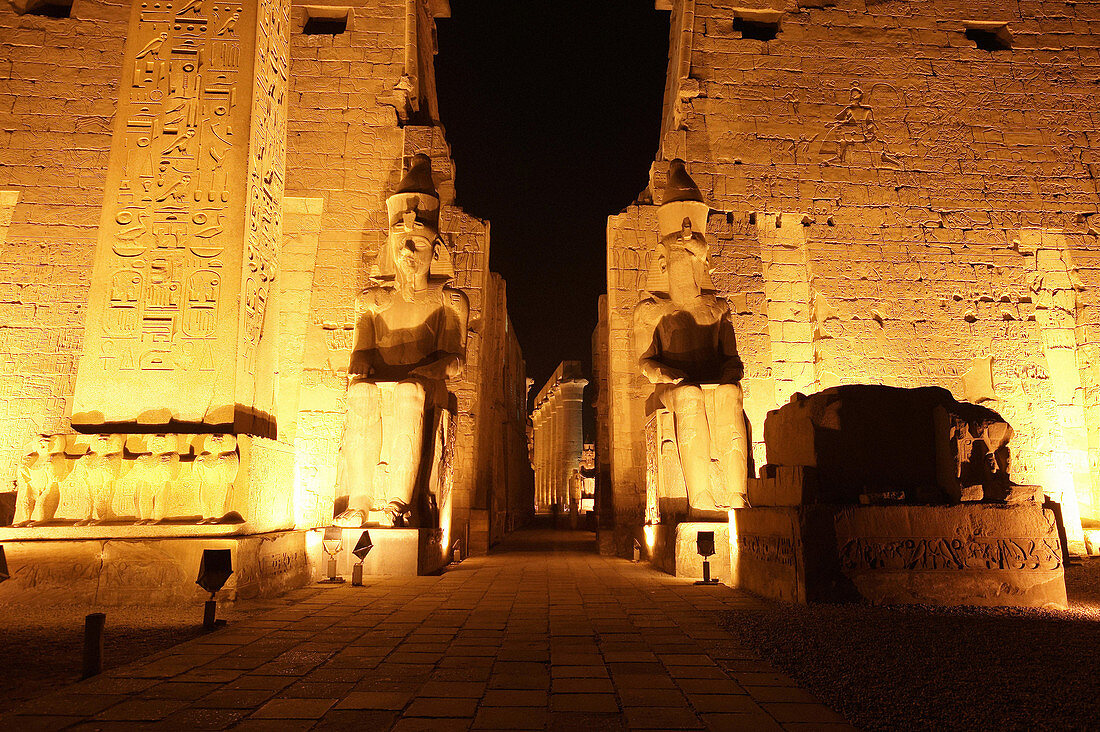
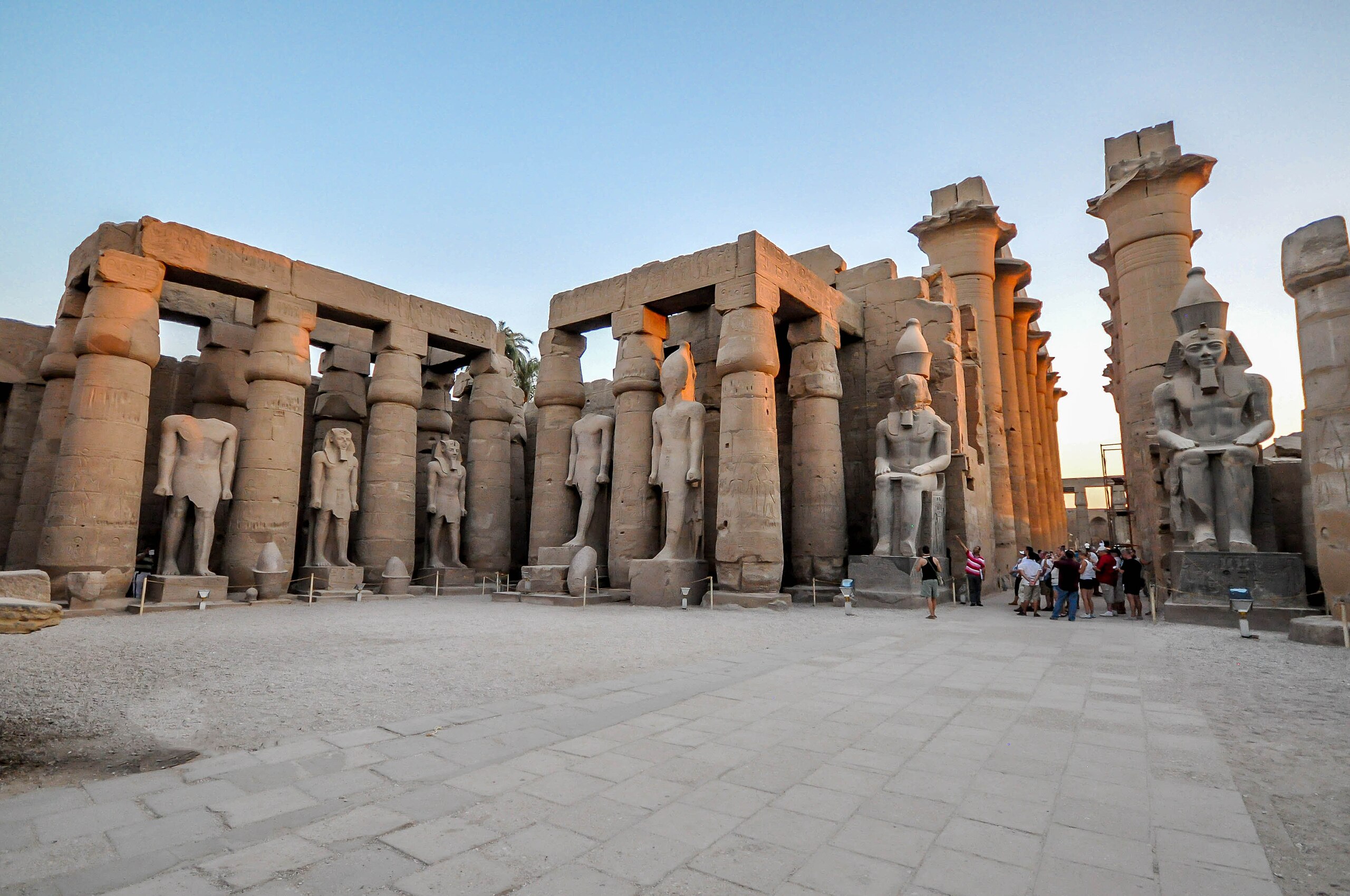
The East Bank of Luxor is defined by its grand temple complexes, which were once the center of religious and political life in ancient Thebes. The Karnak Temple Complex is arguably the most impressive site in the country; its massive Hypostyle Hall, with its towering columns, leaves visitors breathless at the sheer scale of the construction. This is a must-visit destination for those interested in historical tourism in Egypt. Just a short distance away, the Luxor Temple stands as a beautiful testament to the city’s continuity, where you can see layers of history ranging from pharaonic shrines to Roman frescoes and even a medieval mosque built into the ruins. Visiting these temples at sunset, when the stones begin to glow in the golden light, is one of the most magical experiences in all of Egypt. Unlike the silent tombs of the West Bank, the East Bank temples were places of celebration and religious fervor, and exploring them provides a deep, intellectual connection to the spiritual world of the pharaohs, making them an indispensable part of your Egyptian adventure.
Luxor Excursions

2. The West Bank: Unlocking the Secrets of the Valley of the Kings

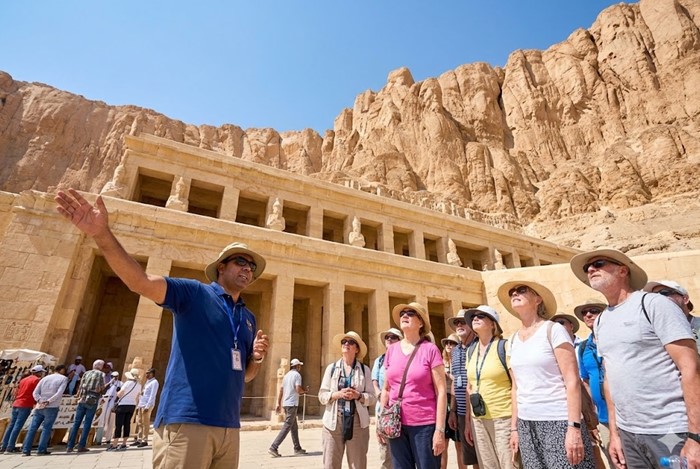
Crossing the Nile to the West Bank feels like stepping into a different realm—the realm of the afterlife. This area is home to the Valley of the Kings, the final resting place of legendary pharaohs like Tutankhamun and Ramses the Great. The intricate, colorful wall paintings inside these tombs have remained remarkably preserved for thousands of years, offering a direct, intimate look at the ancient Egyptian beliefs regarding death and the journey to eternity. For travelers on an archaeological tour in Egypt, the West Bank is the ultimate highlight. Beyond the royal tombs, the area features the stunning Mortuary Temple of Hatshepsut, a architectural marvel carved directly into a limestone cliff, and the towering Colossi of Memnon, which have stood watch over the landscape for millennia. Exploring this side of Luxor requires time and appreciation for the subtle beauty of the desert; it is a place of profound silence and wonder where every tomb tells a story of royalty, divinity, and the eternal quest for immortality, making it the highlight of any trip to Luxor.
3. The Nile and the Modern Pulse of Luxor

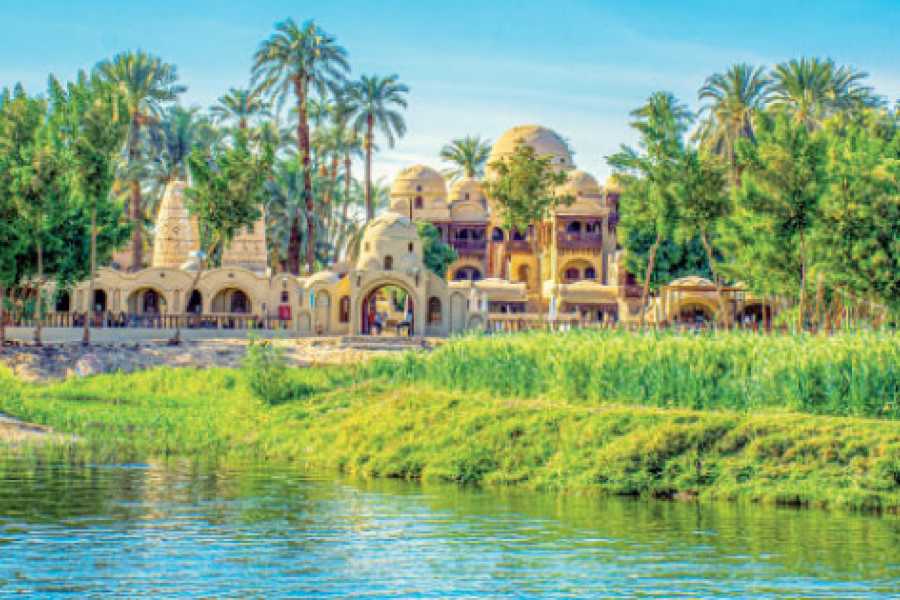
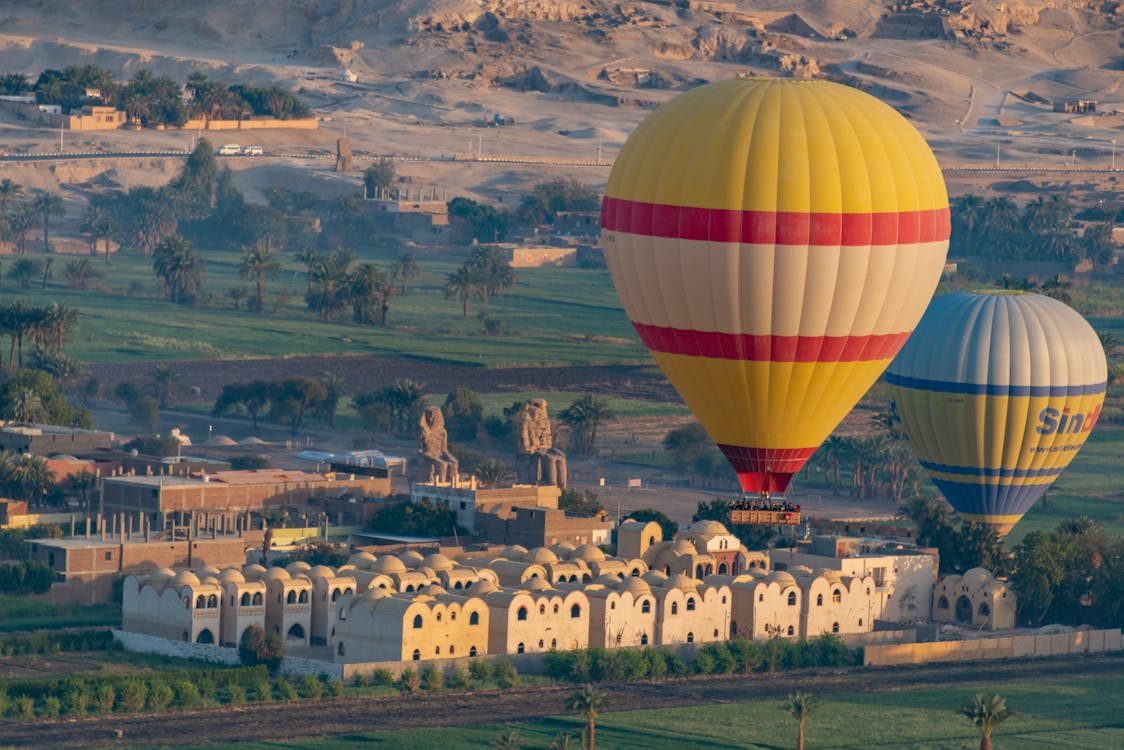
While Luxor is famous for its ancient monuments, the river that flows through it remains its vibrant heart. A Nile River cruise departing from Luxor is the most iconic way to experience the region, allowing travelers to enjoy the lush, green contrast between the riverbanks and the arid desert beyond. The city itself has evolved into a modern urban center that perfectly balances its ancient heritage with contemporary hospitality. Visitors can explore the lively local souks to find traditional crafts, enjoy authentic Egyptian cuisine at riverside restaurants, or take a peaceful hot air balloon ride at sunrise to witness the sprawling landscape of temples and dunes from above—an activity that has become a defining symbol of luxury travel in Egypt. Luxor’s atmosphere is a unique mix of the ancient and the current, where the call to prayer blends with the hum of modern life, and where the hospitality of the local people ensures that your journey is as comfortable as it is enlightening. It is a city that captures the imagination, offering a perfect blend of sightseeing, relaxation, and cultural immersion .
4. Dendera and Abydos: Venturing into the Hidden Gems

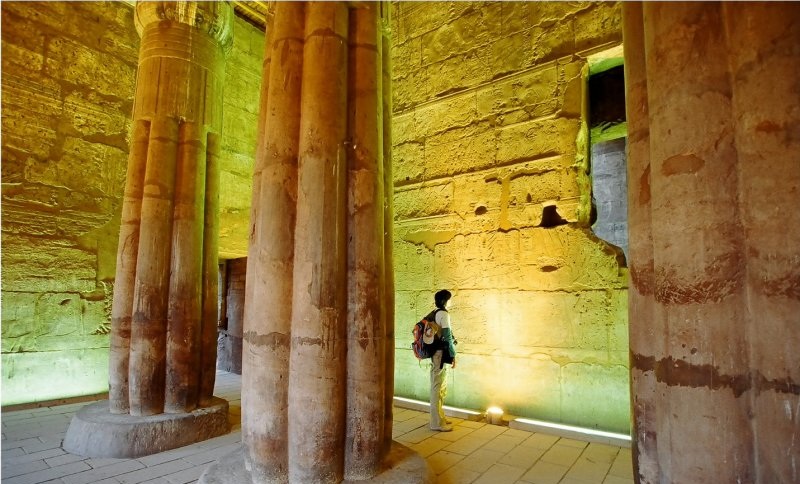
While the city of Luxor is rich in wonders, its surrounding areas hold some of the most remarkably preserved temples in the entire country. A short journey north brings you to the Temple of Dendera, dedicated to Hathor, the goddess of love and joy. What makes Dendera unique is its vibrant, well-preserved ceiling paintings and the famous “Dendera Zodiac,” which provide a deep insight into ancient Egyptian astronomy. Further afield lies the Temple of Abydos, a deeply spiritual site housing the Osireion and the temple of Seti I, known for its incredibly delicate and refined wall reliefs. These sites are perfect for travelers who want to venture beyond the mainstream historical sites in Egypt and experience the artistry of the later pharaonic periods. Including a day trip to these magnificent locations in your Luxor travel itinerary offers a broader perspective on the religious and scientific sophistication of ancient Egypt. It is a rewarding experience for those who appreciate the finer details of craftsmanship and wish to see temples that appear as if the builders had just laid down their tools, offering a sense of time-travel that is truly rare.

5. Rural Luxor: Life Along the Riverbanks

To truly understand the essence of Luxor, one must step away from the temples and into the lush, emerald-green agricultural fields that border the Nile. A rural tour in Egypt around the West Bank villages offers an authentic look at the traditional life of the Egyptian fellahin (farmers) who have cultivated this land for generations. Here, you can observe traditional farming techniques, ride a bicycle through banana and sugar cane plantations, or visit small workshops where artisans create traditional pottery and alabaster goods. This side of Luxor is slow-paced, serene, and deeply connected to the seasons and the river. It provides a beautiful contrast to the massive stone monuments, showcasing the living culture of modern Egypt. For travelers seeking authentic cultural tourism, this experience is invaluable. It is a chance to interact with local families, learn about the irrigation systems that keep the Nile Valley fertile, and appreciate the simple, sustainable way of life that has defined this region since the time of the pharaohs, making your visit feel personal and grounded.

Hot Air Balloon over Luxor

6. Hot Air Balloons: Witnessing the Open-Air Museum from Above

Perhaps the most iconic activity in Luxor—and one of the most famous tourist experiences in all of Egypt—is the sunrise hot air balloon flight over the West Bank. As the morning light begins to break over the desert hills, you float silently above the landscape, gaining a bird’s-eye view of the Valley of the Kings, the Temple of Hatshepsut, and the sprawling remnants of ancient Thebes. It is a perspective that reveals the sheer scale of the archaeological landscape, where the ancient structures seem to emerge naturally from the desert floor. For those planning a luxury Egypt vacation, this experience is considered the absolute pinnacle of their trip. Seeing the shadows stretch across the monuments as the world below wakes up is a transformative experience that provides clarity on how the ancients planned their cities and temples in alignment with the sun and the Nile. It is not just an excursion; it is a moment of profound wonder that captures the majesty of Luxor, providing the perfect photographic opportunity and a memory that will remain a highlight of your adventure in Egypt.

11. Practical Tips for an Exclusive Visit

Luxor is home to some of the most iconic and historic hotels in the world, many of which were built during the golden age of Egyptology in the late 19th and early 20th centuries. Staying in a hotel like the Winter Palace, where Agatha Christie once famously penned her novels, provides a unique link to the era of early tourism and archaeological discovery. These hotels are more than just places to sleep; they are destinations in their own right, featuring lush gardens, colonial-era architecture, and balconies that overlook the Nile. For those seeking luxury travel in Egypt, these establishments offer a blend of old-world charm and modern comfort. On the other hand, the West Bank offers intimate, boutique guesthouses that provide a more quiet and rustic experience, often owned by local families who offer authentic hospitality. Choosing the right accommodation is a key part of your Luxor travel planning, as it allows you to immerse yourself in the city’s timeless atmosphere. Whether you prefer the grandeur of a historic palace or the peace of a small riverside retreat, Luxor’s hotels provide the perfect sanctuary to rest and reflect after a long day of exploring ancient tombs and temples.

8. The Luxor Souks: Colors, Crafts, and Commerce

The souks of Luxor, situated near the Luxor Temple, offer a vibrant and lively shopping experience that captures the bustling energy of Upper Egypt. Unlike the large, modernized malls, the local markets here remain deeply rooted in traditional commerce. As you navigate the narrow, covered alleyways, you will find an array of goods ranging from aromatic spices, dried hibiscus, and local perfume oils to handcrafted alabaster statues and high-quality cotton textiles. The shopping experience in Luxor is a sensory delight; it is a place where you can practice your bargaining skills while sipping tea with local merchants who are always ready with a smile and a story. This is the ideal spot to look for authentic Egyptian souvenirs that go beyond the mass-produced trinkets found in tourist centers. Exploring the markets is also a fantastic way to observe daily life in Luxor, as you see craftsmen working on their looms and local families completing their daily errands. It is an essential component of your trip to Luxor, offering a chance to connect with the artistic spirit of the city and bring home a tangible piece of Egyptian history.

9. Practical Tips for a Seamless Luxor Exploration

Exploring a city as dense with history as Luxor requires some strategic planning to make your visit comfortable and efficient. The most important tip for any traveler is to plan your outdoor sightseeing for the early morning hours, particularly when visiting the West Bank, to avoid the intense midday sun. Hiring a professional, knowledgeable Egyptologist guide is highly recommended; their expertise will bring the silent stones and intricate tomb paintings to life, providing context that you simply cannot get from a guidebook alone. In terms of transportation, while the city is walkable in parts, using local taxis or pre-arranged private drivers is the most convenient way to cross between the East and West Banks and reach the further archaeological sites. If you are visiting during the peak season (October to April), it is wise to book your entrance tickets and tours in advance. Additionally, staying hydrated is crucial in the dry desert heat, so always carry a bottle of water. By following these Luxor travel tips, you can navigate the “Greatest Open-Air Museum” with ease, ensuring your focus remains on the awe-inspiring sights and sounds that make Luxor a highlight of your Egypt vacation . 

10. The Luxor Museum and Mummification Museum: Curation of Excellence

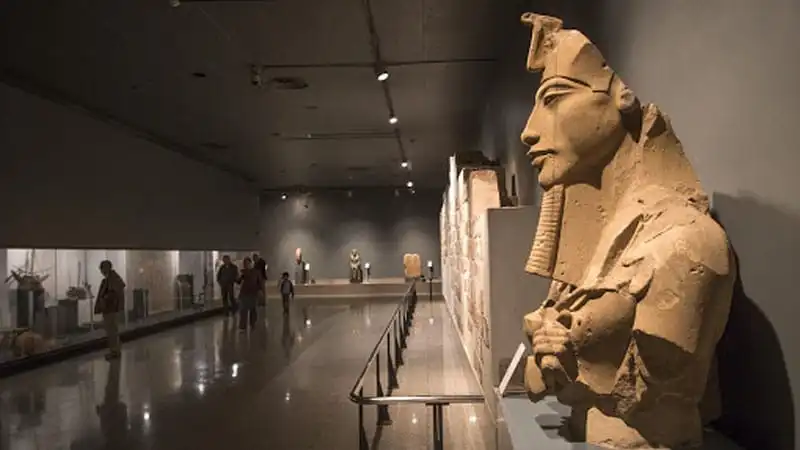
While the outdoor temples and tombs are breathtaking, Luxor also offers two of the most professionally curated museums in Egypt. The Luxor Museum, located on the Corniche, is often cited by travelers as one of the best in the country. It houses a rare collection of artifacts found in the nearby temples, including a remarkable stash of statues discovered in a “cachette” at Luxor Temple and the royal mummies of Ahmose I and Ramses I. Unlike the crowded halls of larger institutions, this museum offers a quiet, well-lit environment that allows for deep reflection on the artistry of the New Kingdom. Nearby, the Mummification Museum provides a specialized look into the ancient Egyptian science of the afterlife, explaining the tools, techniques, and religious significance behind preserving the body for eternity. Including these museums in your Egypt sightseeing itinerary provides the necessary academic context to understand the sites you visit on the West Bank. They serve as the perfect bridge between the silent monuments and the fascinating stories of the people who created them, ensuring your cultural tour of Luxor is intellectually complete.

11. Evening Magic: Sound and Light Shows and Night Markets

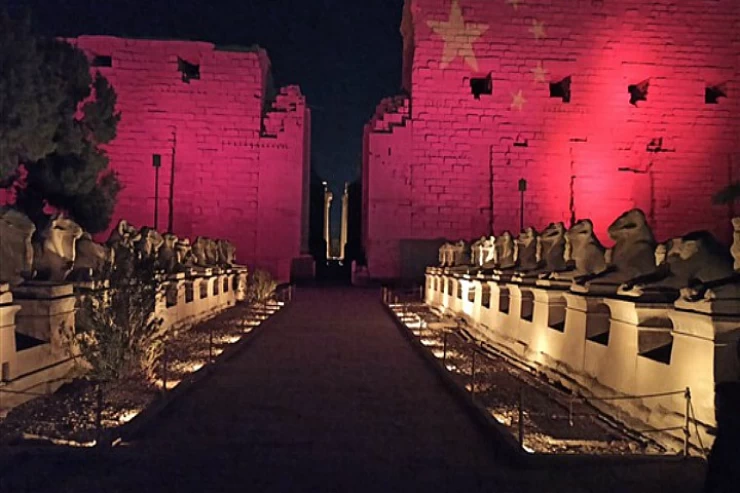
The beauty of Luxor does not fade when the sun goes down; instead, it takes on a different, more mysterious character. The Sound and Light Show at Karnak Temple is a legendary evening activity, where the history of Thebes is narrated through music and dramatic lighting that illuminates the massive pylons and the Sacred Lake. It is a fantastic way for families and history lovers to experience the temple in a completely different atmosphere. After the show, the city’s nightlife shifts to the vibrant cafes and the night markets, where the air is cooler and the social energy is at its peak. Dining at a rooftop restaurant overlooking the illuminated Luxor Temple offers one of the most romantic and scenic views in the world. For travelers seeking nighttime activities in Egypt, Luxor provides a safe and enchanting environment to wander, shop, and enjoy the local hospitality. This evening allure is a vital part of the Luxor travel experience, proving that the city is a living monument that continues to shine long after the golden desert sun has set.

Luxor as the Eternal Heart of Your Egypt Trip

In conclusion, Luxor remains the definitive destination for anyone seeking to touch the pulse of ancient civilization. From the soaring columns of Karnak to the silent, painted depths of the Valley of the Kings, the city offers a concentration of history and beauty that is unmatched anywhere else on Earth. It is a place that challenges your perspective on time and rewards your curiosity with every step you take. As you prepare to leave the “City of a Hundred Gates,” you carry with you the majesty of the Nile, the warmth of the Upper Egyptian people, and the awe of seeing humanity’s greatest architectural dreams realized in stone. Whether you are continuing your journey through Egypt by sailing to Aswan or returning to the bustle of Cairo, Luxor will undoubtedly remain the highlight of your adventure. The pharaohs may be gone, but their legacy lives on in the golden dust and the eternal temples of this magnificent city. Start planning your dream trip to Luxor today, and prepare to walk through the pages of history in the greatest open-air museum the world has ever known.

Luxor : Frequently Asked Questions

To see the main sites on both the East and West Banks comfortably, we recommend spending at least 3 to 4 days. This allows time for the major temples, a few tombs in the Valley of the Kings, and a relaxing felucca ride or hot air balloon flight.

The East Bank is closer to the main city, shops, and luxury hotels, making it very convenient. The West Bank is much quieter and more rural, perfect for travelers seeking a peaceful, authentic experience closer to the tombs and farmland.

Yes, King Tut’s tomb is located in the Valley of the Kings. Please note that it often requires an additional ticket separate from the general valley entry, but it is a unique experience as his mummy is still housed within the tomb.

Comfortable walking shoes are a must. Dress should be modest and light; we recommend breathable cotton clothing that covers the shoulders and knees to protect you from the sun and respect local customs.

Yes, hot air ballooning is a highly regulated and popular activity in Luxor with a strong safety record. It is one of the most recommended ways to see the archaeological landscape from a unique perspective at sunrise.