
Welcome to

The Pyramid of Khafre: Giza’s Majestic Monument of Royalty and Proportion

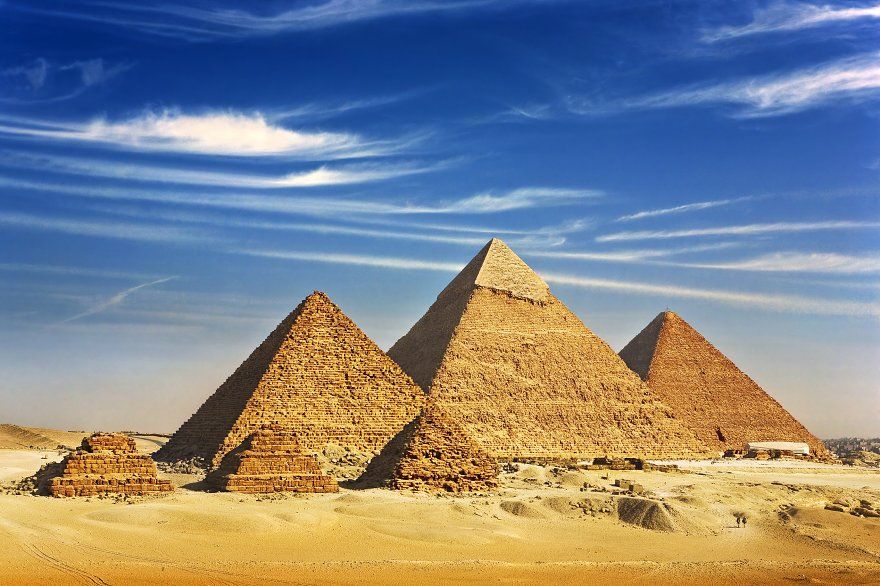
The Pyramid of Khafre stands as one of the most visually striking and architecturally harmonious masterpieces of the ancient world, offering travelers a breathtaking encounter with the pure essence of Egypt’s Old Kingdom majesty. Built as the eternal resting place for Pharaoh Khafre (Chephren), who ruled during the Fourth Dynasty, this monumental structure occupies a commanding position on the Giza Plateau. Often mistaken for the Great Pyramid because it sits on a slightly higher rock base, Khafre’s monument is instantly recognizable by the beautifully preserved casing stones that still crown its apex like a royal shroud. It is a place where royal ambition, celestial alignment, and natural landscape combine to create an overwhelming sense of ancient dignity.

For travelers seeking an authentic journey into the golden age of the Pharaohs, the Pyramid of Khafre offers an unparalleled exploration filled with architectural drama, historic temples, and an intimate connection to the Great Sphinx. From its monumental Valley Temple built of massive granite blocks to the precise geometric lines of its soaring peak, every element of this complex speaks to the absolute zenith of ancient craftsmanship. Whether you are walking along its ancient causeway, exploring its subterranean chambers, or simply admiring its majestic silhouette against the Sahara horizon, Khafre’s pyramid promises an unforgettable voyage into the heart of Egypt’s living heritage.

1. A Journey Through Giza’s Most Striking and Harmonious Monument

The Pyramid of Khafre is one of Egypt’s most visually commanding and historically significant destinations, offering travelers an unforgettable journey into the heart of Old Kingdom majesty, royal devotion, and timeless architectural proportion. Established in the 26th century BC during the Fourth Dynasty, this legendary monument was built as the eternal resting place for Pharaoh Khafre, the son of Khufu. Situated prominently in the center of the Giza Plateau, the pyramid is far more than an ancient tomb—it is the focal point of a vast, interconnected sacred complex that represents the absolute peak of Egypt’s golden age. For travelers seeking authentic cultural exploration in Cairo, the Pyramid of Khafre provides a deeply immersive adventure that showcases the true grandeur of pharaonic engineering.

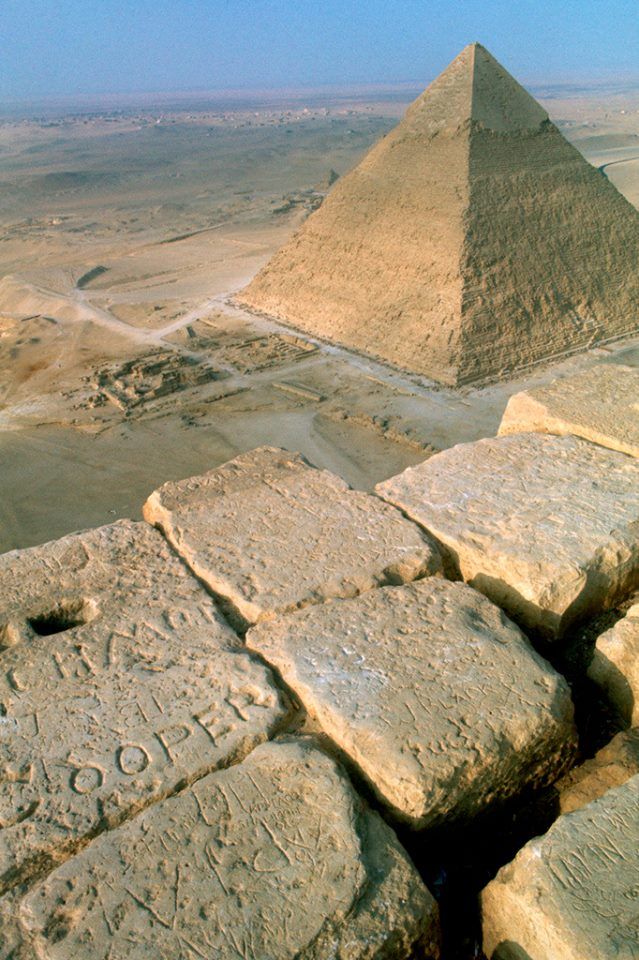
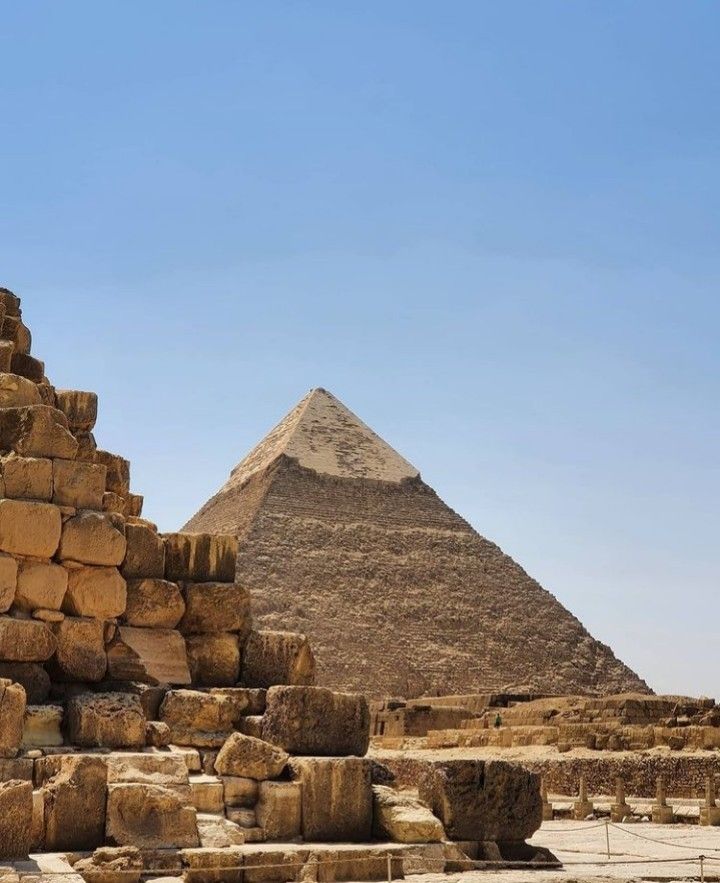
Walking up to the Pyramid of Khafre feels like stepping directly into a masterpiece of ancient design. Rising to an immense height, it is the only monument on the plateau that still proudly retains its original casing stones at the very top, giving visitors a rare, authentic glimpse of how these smooth structures looked thousands of years ago. The market of time has weathered the lower levels, but the apex stands as a majestic crown against the blue sky, creating a dramatic visual impact unlike any other site in Egypt. Every turn around its massive base reveals a stunning perspective, where the sharp lines of the stone meet the endless horizons of the golden Sahara desert.

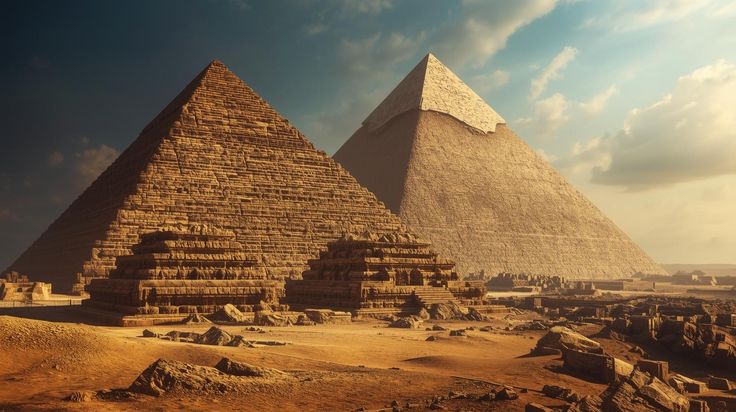
What makes Khafre’s pyramid truly extraordinary is its incredible sense of proportion and optical dominance. Because it was constructed on a slightly higher bedrock foundation than the neighboring Great Pyramid, it creates a brilliant illusion of being the largest structure on the plateau, commanding the landscape with effortless royal authority. It stands as a living monument to the enduring spirit of ancient Cairo—a place where cosmic alignment and natural topography were blended seamlessly by master builders. Whether you are passionate about history, classical architecture, photography, or simply soaking in the timeless atmosphere of Egypt, the Pyramid of Khafre offers a remarkable introduction to the city’s historic soul.
2. Exploring the Subterranean Chambers and Sacred Architecture

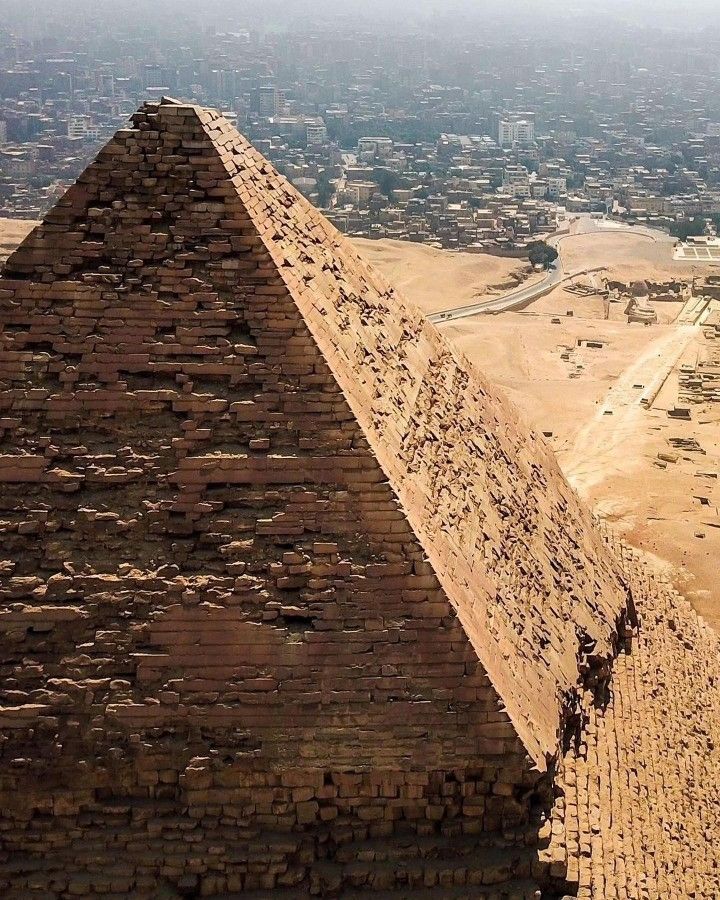
Venturing into the inner world of the Pyramid of Khafre is one of the most exciting and intimate experiences visitors can enjoy on the Giza Plateau, offering a unique contrast to the complex pathways of its larger neighbor. Unlike Khufu’s monument, which features galleries built high into the stone core, Khafre’s pyramid utilizes a more traditional, subterranean design with passages carved deeply into the solid bedrock beneath the structure. From the moment you descend into its quiet, stone-lined corridors, you are surrounded by the raw power of ancient masonry, tight pathways, and a silent, atmospheric energy that has guarded the pharaoh’s memory for over four millennia. For travelers seeking an authentic encounter with the mysteries of the afterlife, this journey provides an unforgettable thrill.

What makes exploring the interior of this legendary pyramid especially memorable is the rewarding sense of discovery at the end of the descent. The lower sloping passage flattens out, leading visitors directly into the main burial chamber, a vast and solemn hall cut out of the living rock and roofed with massive, pointed limestone beams designed to lift the weight of the structure above. Resting against the far wall sits the magnificent, dark granite sarcophagus of Khafre himself, set slightly into the floor just as it was left during the Old Kingdom. The absolute stillness of the room and the smooth, monumental scale of the walls create a deeply humbling atmosphere that connects visitors directly to the religious devotion of the ancient world.

The architectural journey extends beyond the stone blocks of the pyramid itself to the magnificent mortuary ruins located just outside its eastern base. Here, the remains of Khafre’s upper temple reveal a complex grid of grand courtyards, statue niches, and massive stone pillars where priests once performed daily rituals to sustain the king’s spirit in the heavens. Beyond the sheer size of the stones, exploring this sacred layout allows travelers to engage directly with the complex funerary traditions that defined Egypt’s dynastic eras. The Pyramid of Khafre is not merely a geometric landmark to be viewed from afar—it is a beautifully engineered spiritual landscape where every corridor and courtyard becomes part of an eternal adventure.
3. The Grand Causeway: Walking the Path of the Sun Kings

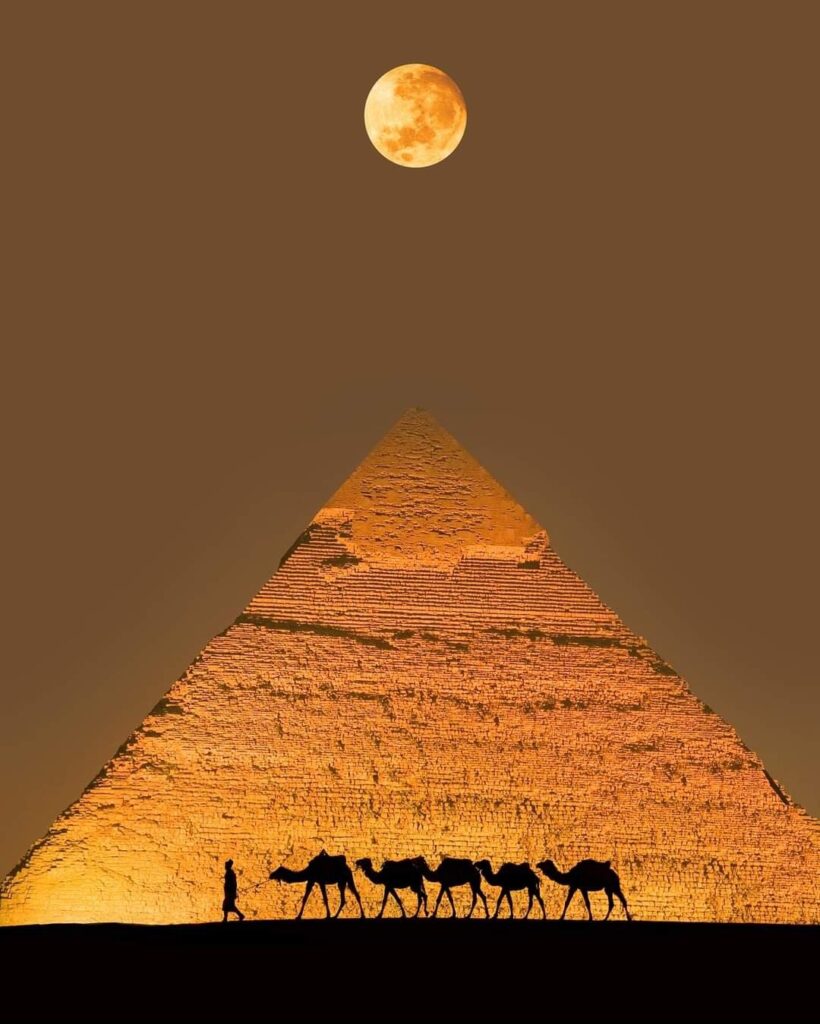
No visit to the Pyramid of Khafre feels complete without walking along the legendary Grand Causeway, the historic stone pathway that connects the upper pyramid complex to the lower valley below. Stretching for nearly half a kilometer across the desert floor, this ancient ceremonial road was once a fully enclosed, covered corridor lined with beautifully carved limestone walls and illuminated by narrow slits in the roof. Established as a symbolic bridge between the land of the living and the realm of the dead, the causeway is far more than a simple walkway—it is a strategic architectural link that guides visitors through the true ritual layout of the pharaoh’s court. For travelers seeking a powerful visual understanding of Giza’s sacred geometry, this historic path remains an essential stop.

Stepping onto the path of the Grand Causeway feels like following the exact footsteps of ancient royal processions. Walking downhill from the towering base of Khafre’s pyramid, the pathway offers an extraordinary, changing perspective of the landscape, framing the monument behind you while slowly revealing the majestic silhouette of the Great Sphinx ahead. Unlike exploring the crowded areas directly around the pyramid bases, walking the causeway offers an experience built around movement, symmetry, and historical context. Pausing along this elevated stone ridge allows visitors to absorb the grand, unified vision of the ancient designers who transformed the entire plateau into a harmonious celestial stage.

Beyond its immediate visual charm, the causeway holds a vital place in understanding the relationship between the monuments of Giza, acting as the physical thread that ties the pyramid, the temples, and the Sphinx into a single, massive composition. Taking the time to walk this path allows travelers to slow down, escape the immediate tourist crowds, and experience the scale of the plateau just as the ancients did during royal funerals. Whether you stop to photograph the alignment of the stones against the horizon or simply enjoy the desert breeze as it moves across the ancient valley, the Grand Causeway offers one of the most atmospheric experiences in Cairo. It is not just a walkway—it is part of Egypt’s living story, where history and spatial harmony continue to thrive.
4. A Photographer’s Paradise: Capturing the Cased Apex and Desert Textures

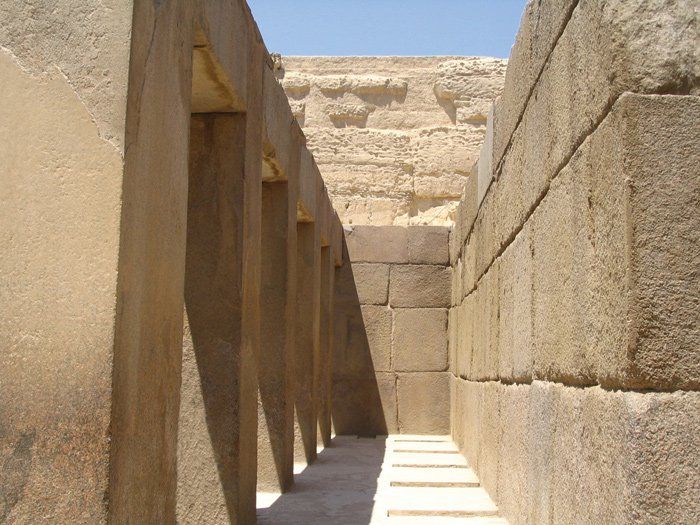
The Pyramid of Khafre is not only a premier historical destination, but also one of the most visually stunning and rewarding locations for photographers and modern travelers who appreciate structural elegance. Every angle of this historic monument offers a unique scene waiting to be captured, from the famous crown of original casing stones at its peak to the massive, weathered limestone blocks that anchor its base. For visitors interested in travel photography in Egypt, Khafre’s pyramid provides an extraordinary environment where ancient masonry, vast desert sands, and shifting golden light blend seamlessly into unforgettable visual images.

Walking around the base of the monument with a camera feels like exploring an open-air gallery of light, shadow, and scale. The constantly changing position of the sun creates dynamic, high-contrast frames that emphasize the sharp lines of the pyramid’s apex, while the warm desert dust adds a timeless, cinematic ambiance to every shot. Whether capturing the contrast between the rough lower blocks and the smooth upper casing or framing the monument behind a passing camel caravan, photographers will find endless inspiration in its unique silhouette. Morning visits provide a soft, crisp light that highlights the details of the stone, while the late afternoon brings dramatic, warm tones as the sun sinks over the Sahara.

Beyond its obvious visual charm, the Pyramid of Khafre offers something deeper for digital storytellers—the ability to capture the ultimate symbol of architectural harmony. Unlike modern commercial spaces, this ancient structure preserves genuine emotion, history, and a sense of absolute permanence that makes every image feel deeply meaningful. Even casual visitors with smartphones will find themselves constantly drawn to photograph the dramatic perspective from the causeway and the sweeping vistas from the desert edge. Whether you are a professional landscape photographer, a social media traveler, or simply someone who loves beautiful destinations, the Pyramid of Khafre remains one of the most photogenic places in Cairo, offering countless unforgettable moments through every lens.

5. The Valley Temple: A Masterpiece of Megalithic Luxury and Preservation

Beyond the soaring stone slopes of the main monument, the Pyramid of Khafre complex offers visitors one of the most sophisticated and breathtaking architectural experiences in antiquity—the legendary Valley Temple. Situated at the lower end of the grand causeway, this elite structure is one of the best-preserved Old Kingdom buildings in Egypt, built using colossal blocks of local limestone entirely faced with polished red Aswan granite. From the moment travelers step into its majestic T-shaped main hall, they are surrounded by soaring pillars, gleaming alabaster floors, and an atmosphere of pristine, minimalist luxury that feels incredibly modern. For visitors seeking a refined appreciation for pharaonic artistry, the Valley Temple remains one of Giza’s most prestigious highlights.

What makes exploring this specific temple especially memorable is the incredible preservation of its structural elements. Unlike many ancient ruins that require imagination to reconstruct, Khafre’s Valley Temple stands virtually intact, allowing visitors to walk beneath original stone archways and stand in the exact spaces where the pharaoh’s body was prepared for eternity during the sacred mummification rituals. The light filters softly through narrow openings near the roof, casting dramatic shadows across the dark granite walls and creating an exclusive, reverent ambiance. It is an elite setting that highlights the sheer wealth and organizational power of the Fourth Dynasty court.

For many travelers, taking a moment to relax within the cool granite halls of the Valley Temple becomes an essential part of their journey across the plateau. The structure offers a peaceful refuge from the open desert sun, allowing visitors to slow down and process the overwhelming scale of the neighboring pyramid. Rather than rushing through the site, spending time inside this monumental pavilion transforms a standard sightseeing day into a deeply immersive luxury lifestyle experience. The Valley Temple of Khafre is not simply a footnote to the pyramid—it is a stunning monument to precision, durability, and the timeless elegance of premium Egyptian craftsmanship.

6. The Geometry of Khafre: The Scientific Brilliance of the Second Pyramid

One of the most intellectually engaging and scientifically fascinating parts of visiting the Pyramid of Khafre is exploring its status as a triumph of ancient mathematics and engineering. While often overshadowed by the sheer volume of the Great Pyramid, Khafre’s monument actually features a steeper angle of inclination, rising at approximately 53 degrees compared to Khufu’s 51 degrees. For many analytical travelers, engineering enthusiasts, and history buffs, diving into the structural physics, quarrying logistics, and celestial alignments of this specific pyramid becomes one of the most rewarding aspects of the tour, transforming an ordinary visit into a profound appreciation for ancient intellect.

The engineering feats required to construct Khafre’s pyramid are mind-boggling, involving the precise placement of millions of stone blocks, with some of the foundational granite layers at the base weighing dozens of tons each. Visitors get a true sense of this mathematical genius when examining the apex, where the surviving casing stones reveal the exact mathematical formulas used to ensure the four corners met perfectly at a singular point in the sky. Understanding how the ancient builders leveled the uneven bedrock foundation and perfectly aligned the massive structure to the cardinal points without modern compasses or digital tools highlights the advanced state of Old Kingdom science.

For curious minds and students of history, this scientific perspective provides endless inspiration. It connects visitors to the ongoing international research teams, digital scanning initiatives, and archaeological excavations that continue to unlock the secrets of the pyramid builders’ workforce and logistics. The experience adds an intellectual and human dimension to the monument that goes far beyond its massive physical appearance. In Giza, exploring the Pyramid of Khafre is not just a lesson in the deep past—it is a captivating journey into a timeless mathematical puzzle where ancient genius continues to challenge and inspire modern structural technology.

7. Nighttime Enchantment: Khafre’s Silhouette Under the Desert Stars

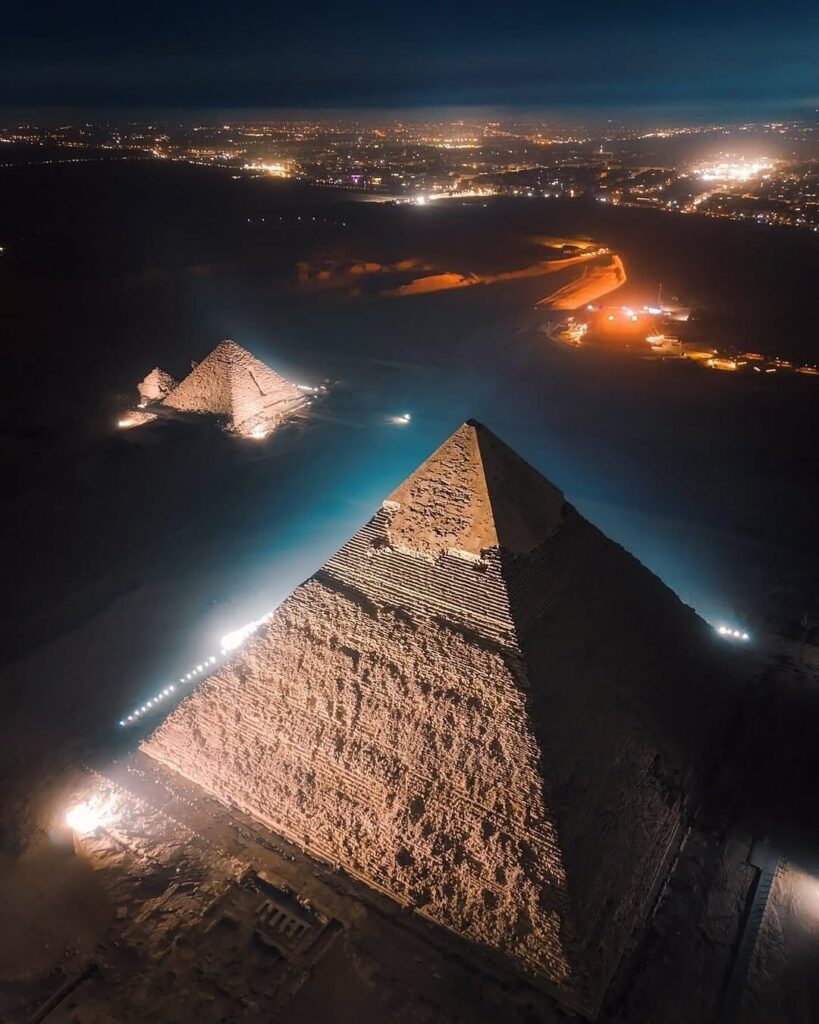
While the Pyramid of Khafre is a spectacular sight during the day, many experienced travelers believe the monument becomes even more magical in the evening, when the entire Giza Plateau transforms under the desert stars. As twilight falls over Cairo, the sharp geometric lines of Khafre’s peak and its distinct cased crown are illuminated by the brilliant spotlights of the world-famous Sound and Light Show. For visitors seeking an exclusive, dramatic, and deeply romantic experience in Egypt, watching the Second Pyramid glow against the dark velvet backdrop of the night sky offers an unforgettable journey into the theatrical side of history.

The evening hours bring a sophisticated, cinematic beauty to the entire complex, as the warm artificial lighting accentuates the rugged textures of the lower limestone blocks and contrasts beautifully with the smooth upper casing. With the legendary Great Sphinx sitting directly in front of Khafre’s valley temple, the illuminated view creates a powerful artistic composition that captures the absolute essence of pharaonic mythology. The cooler evening air, the open Saharan sky, and the dramatic musical score create an exclusive atmosphere that feels worlds away from the bustling, energetic crowds of the daytime tour hours.

Beyond the immediate visual spectacle, experiencing Khafre’s monument at night provides a captivating narrative that connects the history of the pyramid to the wider cosmic beliefs of the ancient Egyptians. Rather than functioning simply as a historical museum, the plateau after dark becomes a living cultural stage where history, modern lighting technology, and ancient art blend seamlessly together. Watching the Pyramid of Khafre under the stars is not just traditional sightseeing—it is one of Cairo’s most premium and enduring evening experiences, offering a deeply atmospheric farewell that resonates with travelers long after the lights dim.

8. A Strategic Gateway to the Sphinx and the Sacred Architecture of Giza

The Pyramid of Khafre is far more than an isolated, stand-alone monument—it also serves as the ultimate historical gateway to the mysterious Great Sphinx and the sacred layout of the lower plateau. Located at the grand center of the royal necropolis, Khafre’s complex provides visitors with the most direct, physically connected route to understanding how the individual monuments of the Old Kingdom were designed to work together. From the pyramid’s eastern face, the ancient causeway leads travelers on a straight, downhill path toward the Sphinx and the Valley Temple, making it the most layout-efficient starting point for a comprehensive walking tour of Giza’s ancient religious heart.

What makes this specific location especially captivating is the deep, architectural unity shared between the structures. Unlike other pyramids where monuments are separated by vast distances, the Pyramid of Khafre is intricately woven into the very fabric of the Sphinx enclosure. The massive limestone blocks used to build the nearby temples were actually quarried from the rock layers surrounding the Sphinx itself, proving that the colossal lion-bodied statue and Khafre’s funerary complex were planned as a single, monumental composition. Walking this area allows visitors to experience a well-rounded day of discovery where the scale of the pyramid, the symmetry of the temples, and the watchful gaze of the Sphinx naturally blend into one seamless, unforgettable adventure.

Beyond the logistical convenience, beginning your exploration at Khafre’s pyramid provides a critical historical perspective that brings the entire Fourth Dynasty to life. The Sphinx is widely believed by modern scholars to bear the facial features of Khafre himself, standing as a divine guardian at the entrance of his grand processional way to protect the pharaoh’s path to eternity. Exploring the nearby courts, statue pits, and noble mastabas helps visitors better understand the immense religious devotion and absolute political power that allowed a single king to reshape the desert landscape. Whether you are a dedicated archaeologist, a cultural traveler, or a first-time visitor to Egypt, the Pyramid of Khafre offers the perfect, comprehensive gateway into the deep history and eternal mystery of historic Giza.

9. Ritual Boat Pits and the Lost Satellite Pyramid of the South

One of the most enchanting aspects of exploring the Pyramid of Khafre is the deep sense of discovery that comes with simply wandering through its immediate, lesser-known surroundings, particularly along its southern and eastern perimeters. Beyond the famous processional pathways where most tourists gather, the base of this monumental structure hides several quieter corners, ancient foundations, and unexpected treasures waiting to be uncovered by curious visitors. Exploring these overlooked sections reveals a more intimate side of the Giza Plateau, where the pace slows slightly and the complex religious rituals of the Fourth Dynasty become visually clear. For travelers who enjoy spontaneous exploration, the perimeter of Khafre’s pyramid offers a rewarding adventure where every stone step reveals a piece of a larger sacred story.

These quieter sides of the monument house some of the most fascinating archaeological features on the entire plateau. Just outside the eastern face of the pyramid lie five large, rock-cut boat pits dug directly into the limestone bedrock, which once held the ritual wooden vessels intended to carry the pharaoh’s spirit across the celestial skies. Walking further to the exact center of the pyramid’s southern side reveals the remains of a small satellite pyramid. Although time has worn this structure down to its foundational outlines and core blocks, its subterranean chambers once contained ritualistic furniture and served a deep spiritual purpose in the king’s journey to the afterlife. Unlike modern exhibits designed for quick viewing, these quiet ruins invite visitors to explore at their own pace, allowing the historic topography to shape the journey.

For photographers, cultural travelers, and anyone seeking authentic historical connections, these hidden pathways offer some of the most rewarding moments of their time in Cairo. The peaceful spaces on the far sides of the pyramid provide a strong sense of raw history, completely away from the busiest crowds near the main entrances. Rather than simply moving from one major landmark to the next, visitors become part of a deeper exploration where architecture, astronomy, and ancient burial customs naturally unfold. Around the Pyramid of Khafre, some of the most unforgettable discoveries are often the quiet structural remains and forgotten stone foundations that many travelers leave behind.

10. Practical Tips for Visiting the Pyramid of Khafre Complex

A visit to the Pyramid of Khafre is one of the most enjoyable and awe-inspiring cultural experiences in Cairo, and a little bit of careful preparation can help make your day on the plateau smooth and deeply rewarding. Since exploring this monumental site involves extensive walking over uneven sand, rugged limestone, and descending into steep subterranean spaces, wearing sturdy, closed-toe walking shoes is highly recommended. Visiting during the early morning hours provides a much more comfortable temperature and fewer crowds, while the late afternoon offers a warm, cinematic light that is absolutely perfect for photography.

Keeping some local currency on hand is also advisable, as smaller vendors or local camel handlers across the plateau prefer cash payments, and managing your entry tickets requires clear planning. Travelers interested in entering the interior of Khafre’s pyramid should note that the descending corridors are steep, narrow, and require ducking for extended periods, making it less suitable for anyone prone to claustrophobia. It is also wise to pack a sun hat, high-quality sunglasses, and plenty of water, as the open desert landscape offers virtually no shade during the peak hours of the day.

Hiring a knowledgeable local guide or an expert Egyptologist can enhance your visit significantly, providing rich historical context about Khafre’s 26-year reign and the intricate layout of his mortuary temple. Combining your tour of this second pyramid with a visit to the Great Sphinx and the newly opened Grand Egyptian Museum nearby creates a complete, comfortable, and incredibly rewarding day of cultural exploration. With thoughtful planning, a visit to the Pyramid of Khafre becomes not only highly enjoyable, but one of the absolute highlights of your entire Egyptian journey.

11. Why Khafre’s Monument Belongs on Every Thoughtful Egypt Itinerary

While Cairo is famous for its modern energy, world-class museums, and vast historical landmarks, the Pyramid of Khafre offers something entirely unique—an immersive cultural experience where raw ancient majesty, optical brilliance, and human endurance exist in perfect harmony. It is one of the rare places on earth where travelers can step entirely beyond traditional sightseeing and feel the exact spatial rhythm of the Old Kingdom. From the polished granite pillars of its Valley Temple to the iconic cased stone crown at its apex, the second pyramid offers an authentic look at ancient perfection that stays with visitors long after their trip ends.

What makes the Pyramid of Khafre truly unforgettable is its commanding visual presence and artistic role on the plateau. It is not simply an archaeological site to check off a list, but a profound destination where the visual geometry, the desert winds, and the architectural connection to the Sphinx create a deeply sensory experience unlike anywhere else in the world. Whether you are walking along the elevated causeway, examining the colossal stone blocks of the mortuary temple, or simply standing silently in its massive shadow, every moment feels connected to the grand global narrative of human achievement.

For history lovers, photography enthusiasts, architecture students, and curious travelers alike, the Pyramid of Khafre delivers one of the most rewarding and authentic adventures in Egypt. It is a legendary destination that captures the absolute confidence of the Fourth Dynasty while remaining completely relevant to our modern appreciation of art and engineering. This timeless balance makes it an essential, non-negotiable stop on every beautifully planned and executed travel itinerary to Giza.

12. An Unforgettable Farewell to the Majestic World of Khafre

As your journey around the Pyramid of Khafre comes to an end, you leave the Giza Plateau with far more than souvenirs—you leave with memories of one of the world’s most visually stunning, harmonious, and culturally rich historical experiences. Few places on earth capture the absolute essence of royal dignity quite like this legendary complex, where thousands of years of architectural precision, sacred geometry, and pharaonic power continue to thrive on the edge of the Sahara. From the golden glow of the remaining casing stones at its peak to the silent majesty of the granite columns in the Valley Temple, every moment spent with Khafre’s monument tells a story that feels uniquely grand and eternal.

What makes the Pyramid of Khafre truly unforgettable is not simply its massive physical presence, but the profound emotional connection it offers to every visitor. It is a unique monument where history is not displayed behind glass, but lived every single day through personal exploration, scientific appreciation, and direct human connection. Whether you arrived at Giza searching for photographic inspiration, deep archaeological knowledge, the thrill of subterranean chambers, or simply the excitement of standing before a masterpiece of the ancient world, the second pyramid delivers something deeply moving and memorable for every type of traveler.

As you continue your Egyptian adventure or prepare to return home, the monumental silhouette and cased crown of the Pyramid of Khafre will remain one of the most vivid and treasured memories of your time in Cairo. It is far more than a historic pharaonic tomb—it is a living symbol of humanity’s enduring spirit and creative genius, where the distant past and the modern present blend effortlessly into one unforgettable destination. For anyone seeking to touch the true soul of ancient Egypt, a journey to the Pyramid of Khafre remains an essential experience that should never be missed.

Pyramid of Khafre : Frequently Asked Questions

The best time to visit Khafre’s pyramid is early in the morning, around 8:00 AM when the Giza Plateau first opens. This allows you to explore the outdoor temples and the interior before the desert heat and the bulk of tour buses arrive. Alternatively, late afternoon offers a magnificent golden hour glow on the pyramid’s cased apex, which is perfect for photography.

Entering Khafre’s pyramid is generally less physically demanding than entering Khufu’s, but it is still an adventure. The passage is entirely subterranean, meaning you will descend straight down into the bedrock rather than climbing up into the stone core. It features a single, large burial chamber containing the original granite sarcophagus, offering a much quieter and more solemn atmosphere since it receives fewer interior visitors.

No, climbing any part of the pyramid’s exterior is strictly prohibited by Egyptian law to protect both the safety of visitors and the preservation of the ancient monument. You can easily view and photograph the beautifully preserved limestone casing stones at the apex from anywhere on the plateau, with the Grand Causeway offering an exceptionally clear angle.

Yes. Access to Khafre’s magnificent Valley Temple, located right next to the Great Sphinx, is included in your standard entry ticket to the Giza Plateau. You only need to purchase a separate, additional ticket if you explicitly wish to climb down into the inner burial chamber inside the pyramid itself.

To properly walk down the Grand Causeway, explore the pristine granite architecture of the Valley Temple, and tour the perimeter of the second pyramid, you should dedicate about 1 to 1.5 hours. If you plan to go inside the burial chamber as well, extend your time to a full 2 hours for this specific complex.