
1. Carved from Bedrock: The Monumental Monolith Dug from the Earth
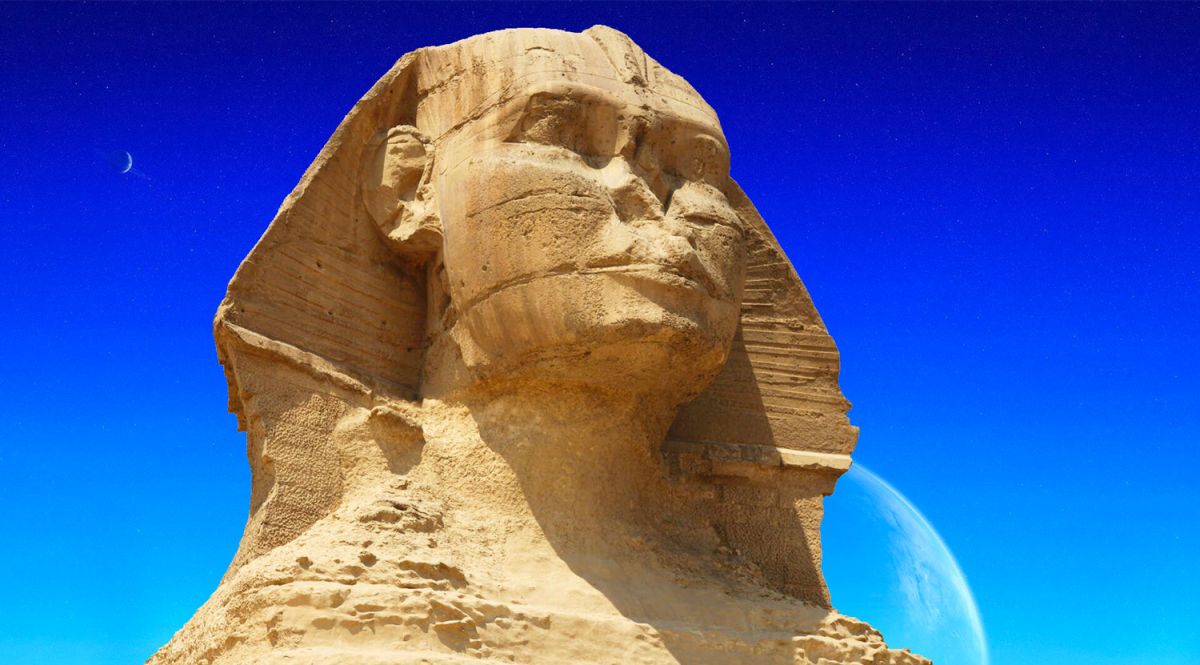
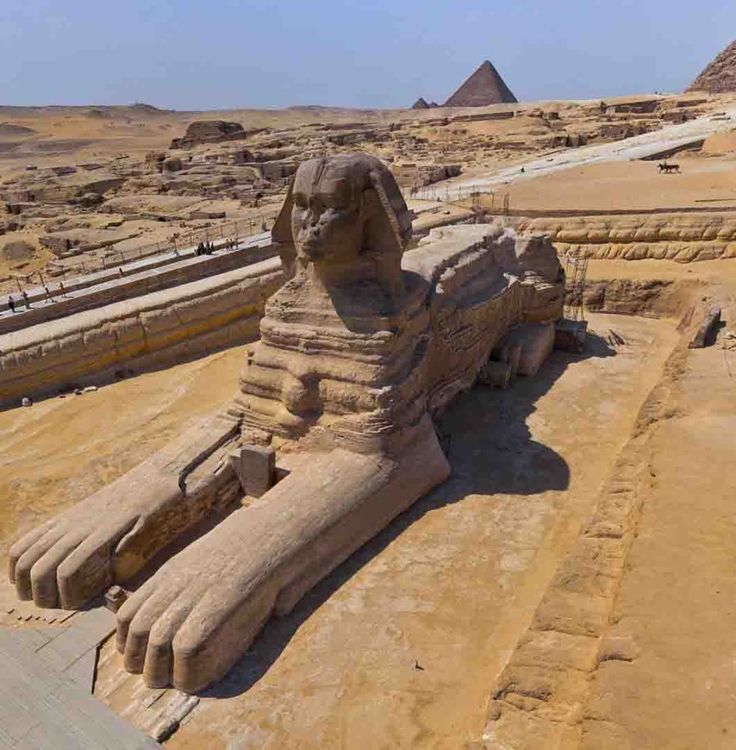
The Great Sphinx of Giza stands out as one of the world’s most structurally unique and awe-inspiring achievements, completely changing how visitors view the architecture of the ancient world. Unlike the neighboring pyramids, which were systematically built by stacking millions of multi-ton limestone blocks, the Sphinx was created using an entirely opposite engineering method. It is a true monolith, carved directly out of a single, massive limestone outcrop left behind in the quarry beds of the Fourth Dynasty. For travelers and history enthusiasts exploring Cairo, walking alongside this giant structure offers a spectacular lesson in subtractive ancient sculpting on a jumbo-jet scale.
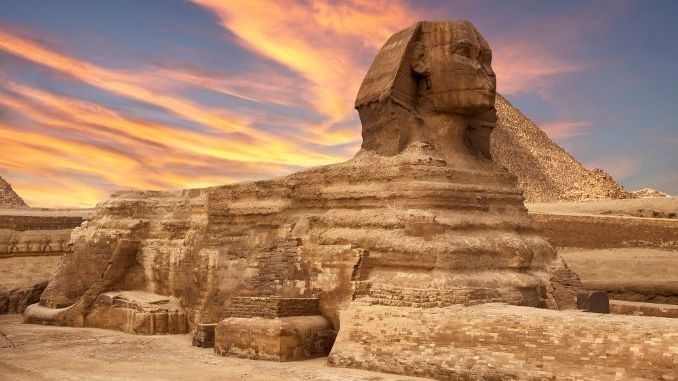
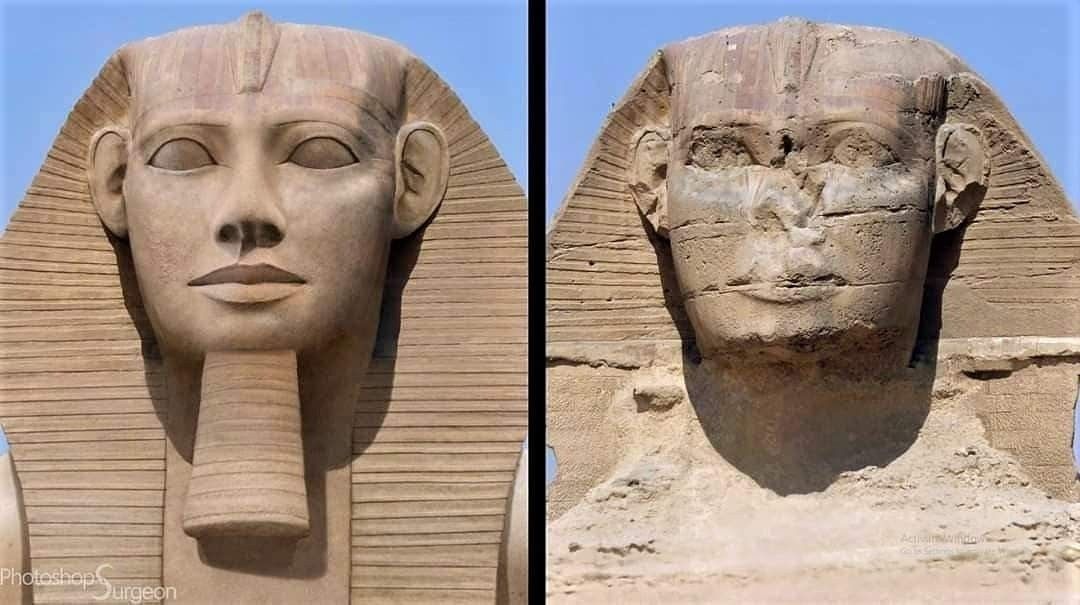
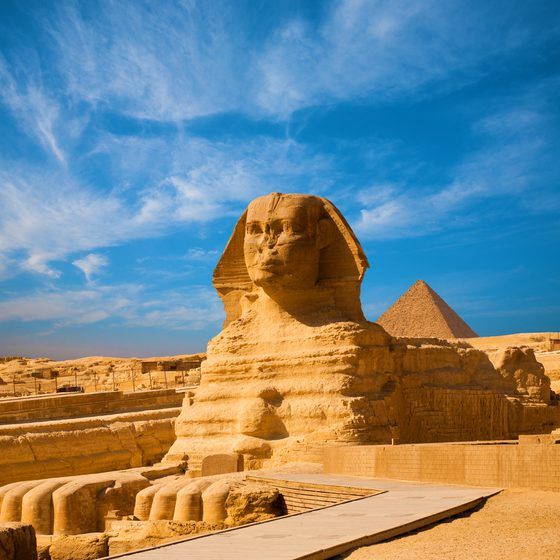
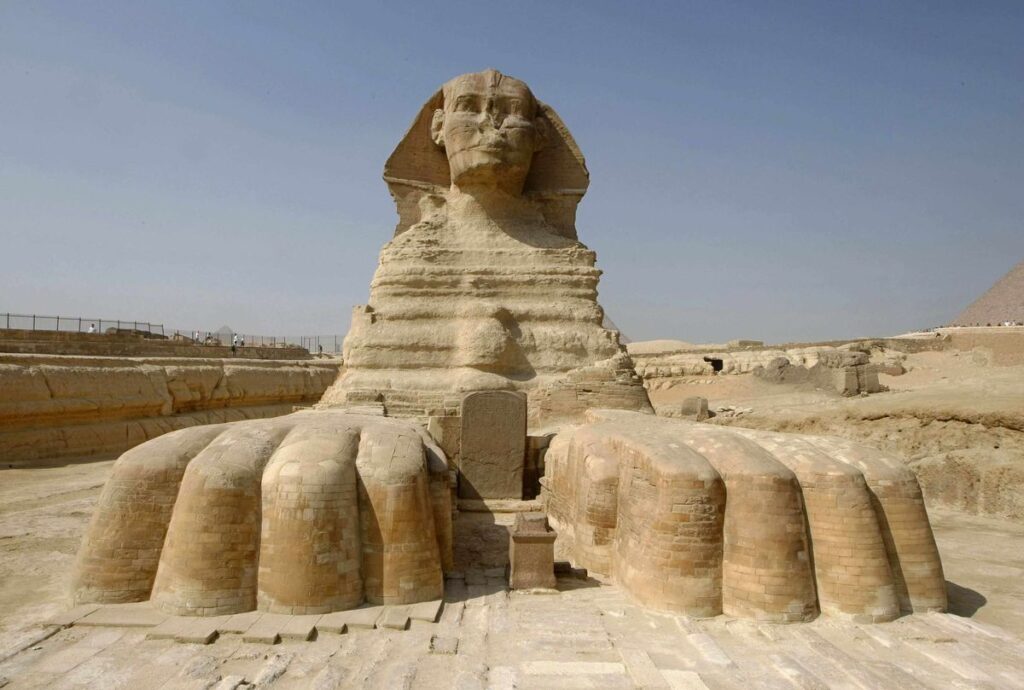
As you study the body of the Sphinx, you can clearly see the distinct horizontal bands and natural geological layers of the Mokattam Formation running across its torso. Because the stone was excavated directly out of the desert floor, the ancient masons literally had to dig a massive, deep trench around the limestone ridge just to expose the raw material before the artistic carving could even begin. The harder, more durable layers of stone at the top were reserved for the intricate details of the pharaonic head, while the softer, more fragile layers below formed the massive, sprawling feline body. This direct connection to the bedrock makes the Sphinx a literal extension of the Giza landscape itself.
For creative storytellers and independent travelers, this unique geological backstory provides a brilliant narrative angle that shifts the focus away from standard tourist clichés. Rather than looking at a structure brought over from a distant quarry, you are standing before a monumental mountain of living rock that was meticulously hollowed out, shaped, and refined right where it had rested for millions of years. It remains a striking monument to the absolute precision and resourcefulness of Old Kingdom master craftsmen, who looked at a raw desert ridge and had the profound vision to sculpt Giza’s eternal guardian.
2. The Solar Catalyst: Cosmic Geometry and Temple Alignment
Discovering the spatial layout and spiritual design of the Great Sphinx is a deeply intellectual and moving experience, revealing a complex mastery of solar geometry that goes far beyond simple aesthetics. Facing directly toward the exact eastern horizon, the Sphinx was deliberately positioned to interact with the rising sun, serving as a colossal cosmic catalyst for the royal funerary cult. For analytical travelers, photographers, and archaeo-astronomers, the monument represents an extraordinary, open-air astronomical observatory built to connect the divine power of the pharaoh with the sun god, Ra.
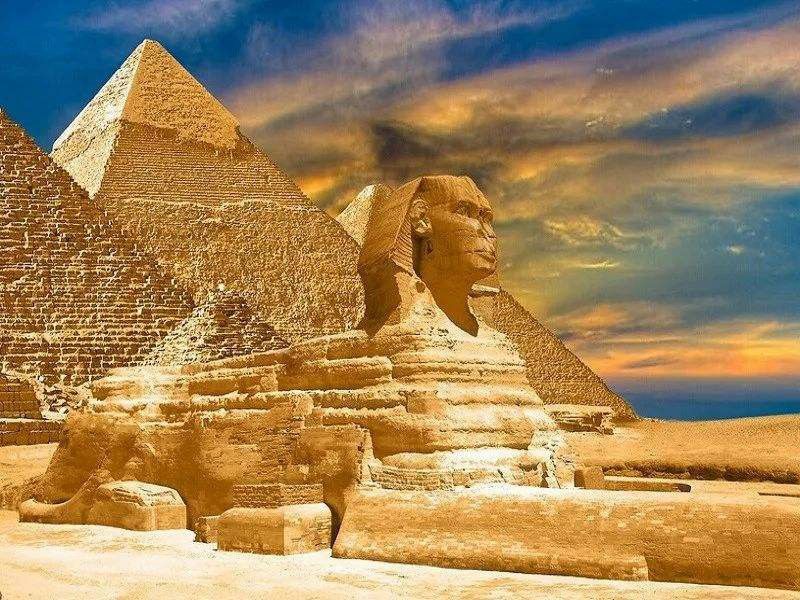
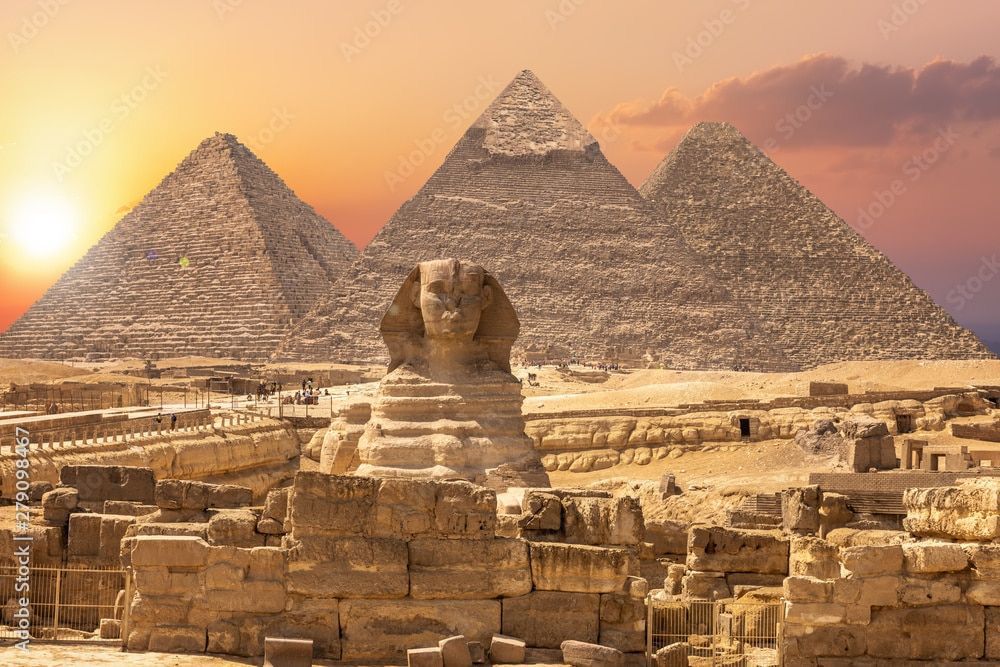
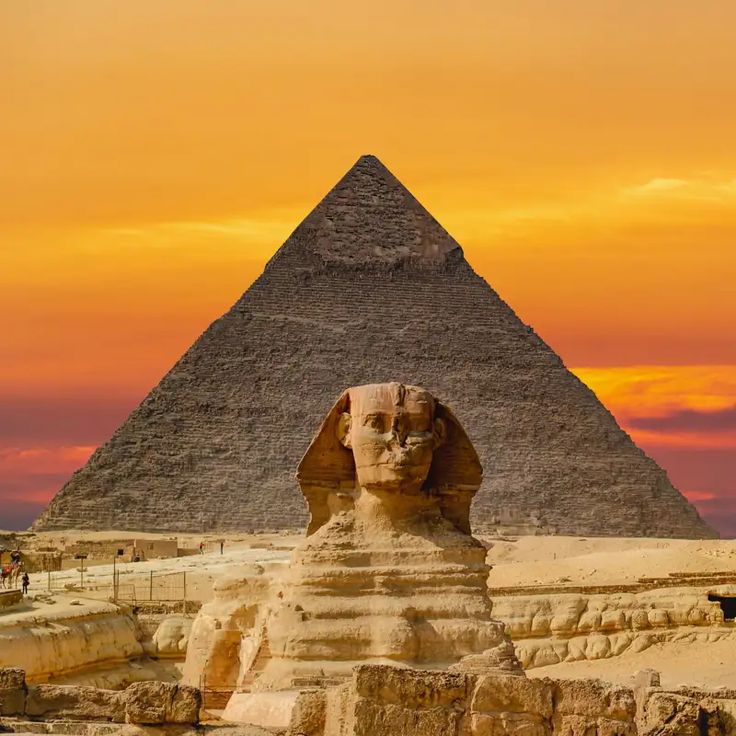
The true genius of this cosmic design comes to life during the bi-annual equinoxes. During these precise times of the year, an observer standing at the specific sunset alignment can watch the sun set directly over the shoulder of the Sphinx and land perfectly along the side of Khafre’s pyramid behind it. Furthermore, the massive blocks cut away from the Sphinx enclosure were directly recycled to construct the adjacent Sphinx Temple and Valley Temple. This structural connection means the entire lower complex was built out of the exact same geological landscape, creating a unified sacred space where architecture and celestial movements met in absolute harmony.
For digital media creators and cultural writers, focusing on this sophisticated solar alignment offers a captivating angle that immediate elevates any travel guide or photography portfolio. The interior of the Sphinx Temple featured an open courtyard lined with majestic columns, which researchers believe symbolized the hours of the day, turning the entire area into a massive stone clock. Standing before the Sphinx is not merely an encounter with a solitary statue; it is an immersion into a beautifully calculated, multi-dimensional engine of stone and light designed to grant the pharaoh eternal rebirth across the ages.
3. The Dream Stele: A Message of Royal Legitimacy Between the Paws
Nestled securely between the massive, stone-clad forepaws of the Great Sphinx lies one of Giza’s most historically significant and deeply poetic epigraphic treasures—the legendary Dream Stele. This monumental slab of pink granite, erected around 1400 BC by the New Kingdom Pharaoh Thutmose IV, stands as a fascinating historical diary entry frozen in stone. For history buffs and cultural travelers, discovering the narrative written onto this stele adds an incredibly rich layer of human drama, political strategy, and divine intervention to the silent monument.
The story inscribed on the granite reads like an ancient royal thriller. Long before he became king, the young Prince Thutmose was out on a hunting expedition across the Giza desert and stopped to rest under the shade of the Sphinx’s head, which was the only part visible at the time as the rest of the colossal body had been completely buried by centuries of shifting Saharan sand. As the prince drifted off to sleep, the spirit of the Sphinx—manifesting as the sun god Horemakhet—spoke to him in a vivid dream. The monument promised Thutmose that if he successfully cleared away the choking desert sands and restored its majestic form, the gods would reward him by granting him the crown of Egypt.
Thutmose carried out the monumental task, cleared the enclosure, and upon ascending the throne, placed this beautiful stele between the paws to forever validate his divine right to rule. Today, standing at the viewing platform and looking down at this exact spot provides a profound connection to the living lifecycle of the monument. It proves that even for the ancient Egyptians themselves, the Sphinx was already an ancient, mysterious relic of a bygone era that required care, reverence, and preservation. It remains a powerful symbol of legacy and royal ambition that beautifully transforms the giant sentinel into a storyteller of the past.