
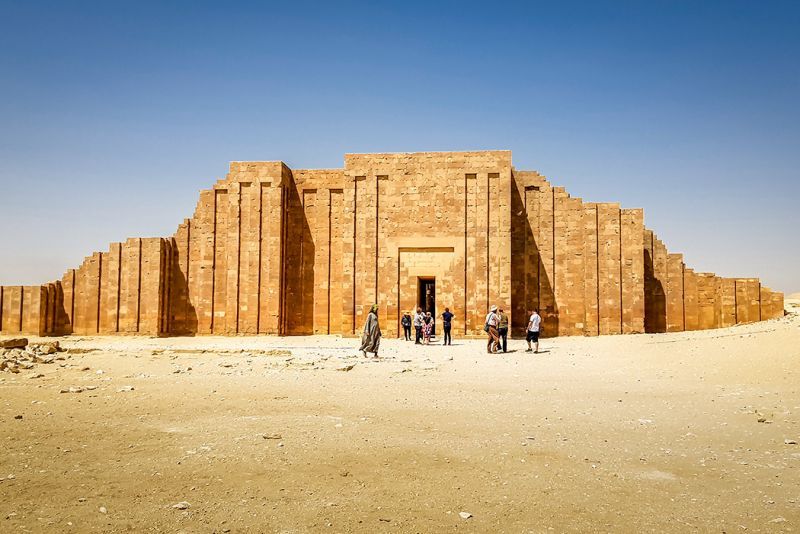
Welcome to

Memphis: Egypt’s Ancient Capital of Power, Legacy, and Timeless History

Once the magnificent capital of ancient Egypt and one of the most influential cities of the ancient world, Memphis offers travelers a fascinating journey into the origins of Egyptian civilization, royal power, and extraordinary cultural achievement. Located just south of modern Cairo, this legendary city was founded around 3100 BC by King Menes, the ruler credited with unifying Upper and Lower Egypt, making Memphis one of the oldest and most historically significant cities in human history. For centuries, it served as the political, religious, and administrative heart of ancient Egypt, where pharaohs ruled, temples flourished, and monumental history was shaped.

For travelers seeking a deeper connection with Egypt’s ancient heritage beyond the pyramids, Memphis offers far more than a simple archaeological stop—it provides an immersive encounter with the foundations of one of the world’s greatest civilizations. From the colossal statue of Ramses II and the impressive alabaster sphinx to the fascinating open-air museum and the surrounding archaeological treasures of Saqqara and Dahshur, every corner of Memphis tells a story of royal ambition, artistry, and enduring legacy. Whether you are passionate about archaeology, ancient history, photography, or cultural exploration, Memphis promises one of the most rewarding and unforgettable historical experiences near Cairo.

1. A Journey Through the Birthplace of Ancient Egyptian Civilization

Memphis stands as one of the most extraordinary archaeological destinations in Egypt, offering travelers a remarkable journey into the very origins of one of the world’s greatest civilizations. Once the glorious capital of ancient Egypt, Memphis served as the political, administrative, and religious center of the kingdom for centuries, making it one of the most influential cities in ancient history. Founded around 3100 BC by King Menes, who is traditionally credited with unifying Upper and Lower Egypt, the city became the symbolic heart of a newly unified nation and a powerful seat of royal authority. For travelers seeking authentic ancient Egyptian history near Cairo, few destinations offer the same historical depth and significance.

Walking through Memphis today feels like stepping into the earliest chapters of Egypt’s extraordinary story. Although much of the once-great city now survives as archaeological remains, the atmosphere remains deeply powerful, with scattered monuments, statues, and sacred relics preserving echoes of a civilization that shaped human history. Unlike Egypt’s towering temple complexes or monumental pyramids, Memphis offers a quieter but equally fascinating experience focused on the roots of pharaonic power and cultural identity.

What makes Memphis especially remarkable is its unmatched historical importance. This was once a thriving center where kings ruled, religious ceremonies were held, artisans worked, and the foundations of ancient Egyptian civilization took shape. Whether you are a history enthusiast, archaeology lover, or first-time visitor exploring Egypt’s ancient wonders, Memphis offers one of the most meaningful and unforgettable cultural experiences near Cairo.
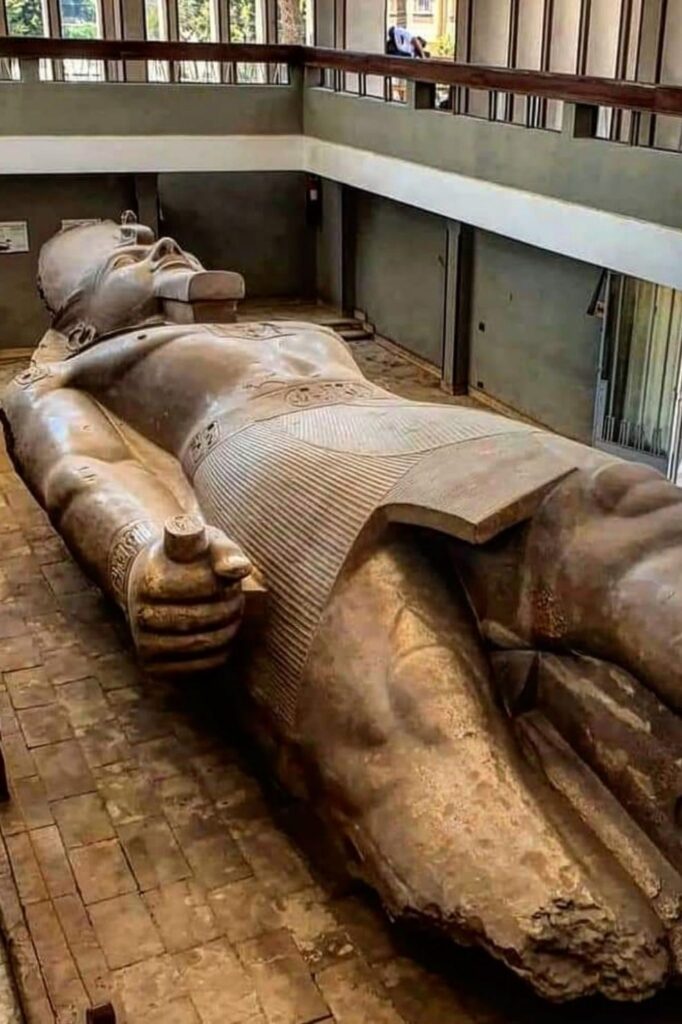
2. The Colossal Statue of Ramses II

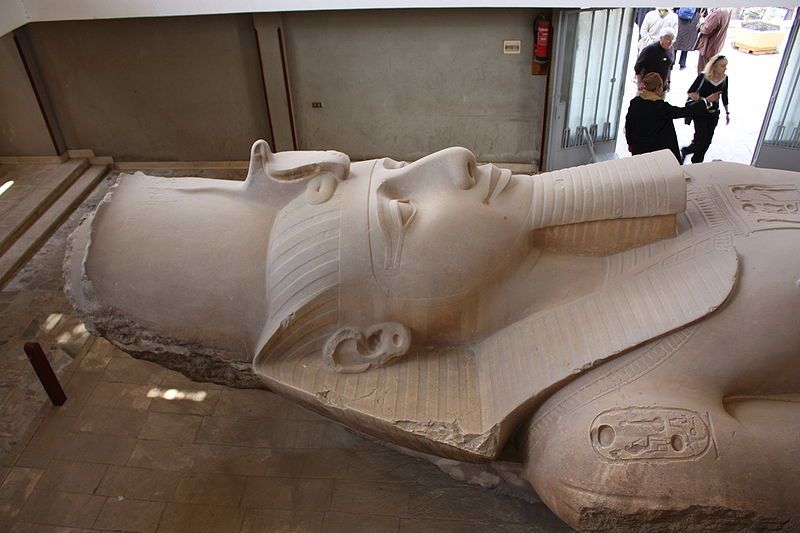
One of the most iconic highlights of visiting Memphis is the extraordinary Colossal Statue of Ramses II, one of the most impressive surviving monuments from ancient Egypt. This magnificent limestone statue, discovered among the ruins of Memphis, represents the legendary Pharaoh Ramses II, one of Egypt’s most powerful and celebrated rulers. Measuring several meters in length, the colossal figure offers visitors an unforgettable opportunity to stand face-to-face with one of the greatest artistic achievements of ancient Egyptian craftsmanship.

Even in its partially preserved state, the statue leaves an extraordinary impression. Visitors can admire the remarkable precision of the sculptural details, from the royal facial features and ceremonial headdress to the carefully carved muscular form that reflects the artistic mastery of ancient Egyptian artisans. Walking alongside this immense monument creates a powerful sense of scale and helps travelers appreciate the grandeur with which pharaohs were represented in ancient Egypt.

Beyond its visual impact, the statue carries deep historical significance. Ramses II ruled during one of Egypt’s most prosperous and militarily successful eras, and monuments like this were designed to project strength, divine authority, and eternal legacy. For visitors exploring Memphis, the Colossal Statue of Ramses II remains one of the most unforgettable highlights and a powerful reminder of the magnificence of ancient Egyptian royal culture.
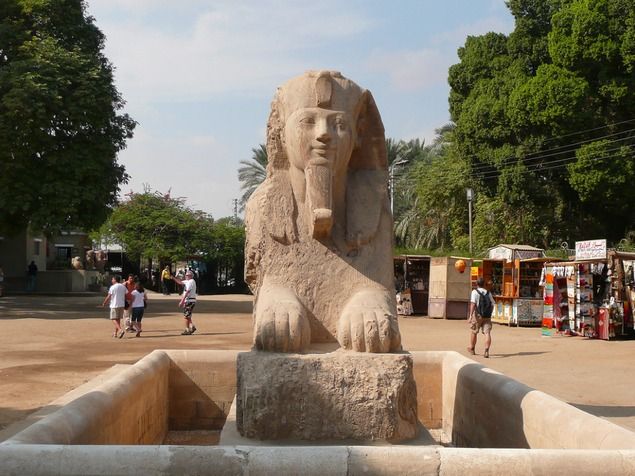
3. The Impressive Alabaster Sphinx of Memphis

Another remarkable treasure awaiting visitors in Memphis is the impressive Alabaster Sphinx, one of the most fascinating ancient monuments in the region. Carved from a single massive block of alabaster, this beautifully preserved sphinx stands as a striking example of ancient Egyptian artistry, symbolism, and royal craftsmanship. Unlike the more famous Great Sphinx of Giza, the Memphis Sphinx offers a more intimate archaeological experience, allowing visitors to appreciate its intricate details and elegant form from close range.

The statue’s smooth alabaster surface, refined proportions, and carefully sculpted features reflect the extraordinary skill of ancient Egyptian craftsmen. Though smaller than some of Egypt’s more monumental statues, the sphinx carries an undeniable sense of majesty and mystery. Standing before it, visitors can admire the artistry while imagining the ceremonial and symbolic role such monuments once played in Egypt’s sacred and political life.

For travelers interested in archaeology and ancient symbolism, the Alabaster Sphinx adds an important dimension to the Memphis experience. It offers insight into the artistic sophistication and religious beliefs of ancient Egypt while providing one of the site’s most photogenic and memorable highlights. Together with the colossal statue of Ramses II, it helps make Memphis one of the most rewarding historical destinations near Cairo.
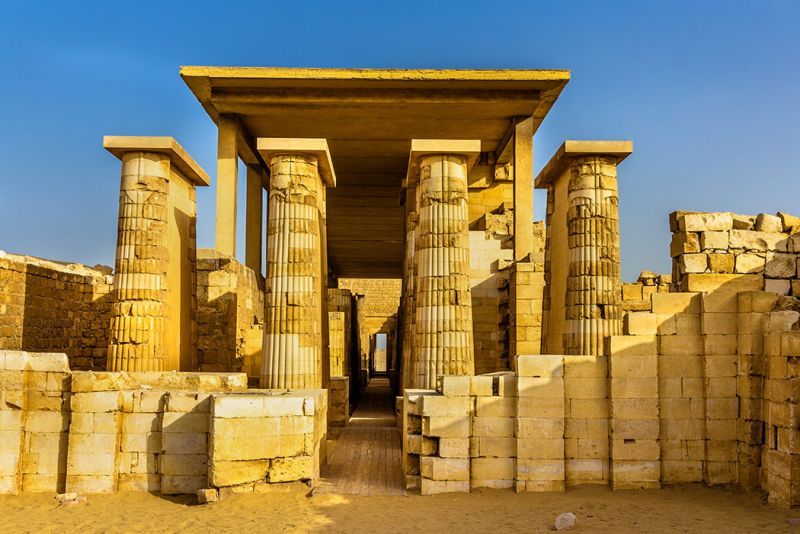
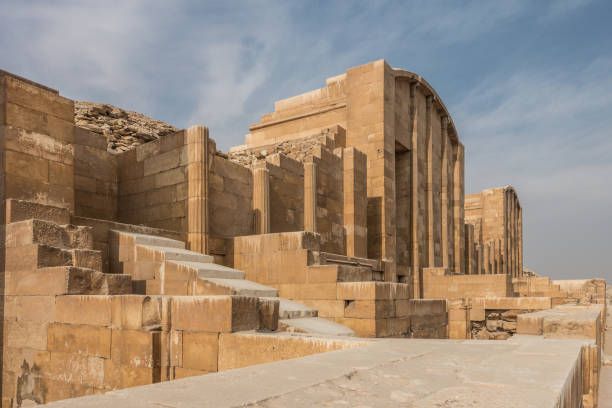
4. A Photographer’s Paradise: Capturing the Ancient Beauty of Memphis

Memphis is not only one of Egypt’s most historically significant archaeological sites, but also one of the most fascinating destinations for photographers and travelers who appreciate ancient monuments and timeless historical landscapes. Every corner of this legendary site offers unique visual opportunities, from colossal royal statues and beautifully carved sphinxes to scattered ruins that preserve the echoes of one of the world’s earliest great civilizations. For visitors interested in travel photography in Egypt, Memphis provides a remarkable setting where history, archaeology, and artistic heritage come together in unforgettable ways.

Walking through Memphis with a camera feels like stepping into a living archaeological story. The towering Colossal Statue of Ramses II creates dramatic photographic moments, while the elegant Alabaster Sphinx offers detailed close-up opportunities that highlight the craftsmanship of ancient Egyptian artisans. The open-air museum atmosphere allows visitors to capture both monumental sculptures and the quiet historic character of the site, creating images that feel deeply connected to Egypt’s ancient legacy.

Lighting adds another dimension to the photography experience, with morning visits often offering softer natural light and fewer crowds, creating ideal conditions for clear and atmospheric shots. Whether you are a professional photographer, history enthusiast, or simply someone who enjoys capturing meaningful travel memories, Memphis remains one of the most visually rewarding archaeological destinations near Cairo.

5. The Historical Importance of Egypt’s First Great Capital

Beyond its remarkable monuments, Memphis holds extraordinary historical significance as the first great capital of ancient Egypt and one of the most influential cities of the ancient world. For centuries, this legendary city served as the political, administrative, and religious heart of the kingdom, where pharaohs ruled, major ceremonies took place, and some of Egypt’s earliest state institutions were established. Its strategic location between Upper and Lower Egypt made it an ideal center of power, helping shape the identity of a newly unified civilization that would endure for millennia.

Walking through Memphis today offers visitors more than a simple archaeological experience—it provides a direct connection to the birthplace of Egyptian royal authority and national identity. This was once a thriving metropolis filled with temples, palaces, workshops, and sacred spaces that played a central role in shaping ancient history. Although much of the city has disappeared over time, its surviving monuments continue to tell the story of a civilization at the height of its early power.

For history enthusiasts, Memphis offers one of the most meaningful cultural experiences near Cairo. It is not simply an ancient ruin, but a place where the foundations of one of humanity’s greatest civilizations were first established, making it an unforgettable destination for anyone exploring Egypt’s rich past.

6. A Sacred Center of Ancient Egyptian Religion

Memphis was not only a political powerhouse, but also one of the most important religious centers in ancient Egypt, giving visitors a deeper understanding of the spiritual world that shaped Egyptian civilization. The city was closely associated with the worship of Ptah, the powerful creator god and patron of craftsmen and architects, whose temple complex once stood among the most significant religious sites in the country. This sacred role made Memphis a place of pilgrimage, ceremony, and royal devotion for centuries.

Exploring Memphis allows travelers to imagine a city where religion and daily life were deeply intertwined. Priests, worshippers, artisans, and rulers all played roles in maintaining the spiritual importance of the city, where monumental temples and sacred rituals reinforced the divine authority of the pharaoh. Unlike sites focused only on royal monuments, Memphis offers insight into the religious beliefs that influenced politics, architecture, and cultural life throughout ancient Egypt.

For travelers interested in mythology, archaeology, and ancient spiritual traditions, this sacred dimension makes Memphis even more fascinating. It transforms the site from a collection of historical remains into a powerful reminder of how faith shaped one of the world’s most extraordinary civilizations.

7. A Peaceful Escape Into Egypt’s Ancient Past

While many of Egypt’s famous archaeological attractions are known for their dramatic scale and busy visitor crowds, Memphis offers a more peaceful and reflective historical experience. The atmosphere here feels quieter and more intimate, allowing travelers to explore ancient monuments at a slower pace while connecting more deeply with the site’s extraordinary historical significance. This calm setting makes Memphis especially appealing for visitors seeking a more relaxed cultural experience near Cairo.

Walking through the open archaeological spaces creates a sense of stepping away from the modern world and into a forgotten chapter of ancient history. Without the overwhelming scale of larger temple complexes or bustling tourist activity, visitors can take time to appreciate the artistic details, archaeological atmosphere, and historical context of each monument. This slower rhythm often makes the experience feel more personal and immersive.

For history lovers, photographers, and thoughtful travelers, Memphis offers something truly special—a chance to experience Egypt’s ancient legacy in a quieter, more contemplative environment. Rather than simply checking off another famous attraction, visitors often leave feeling they have discovered one of Egypt’s most meaningful hidden historical treasures.

8. A Gateway to Saqqara, Dahshur, and Egypt’s Ancient Wonders

Memphis is far more than a standalone archaeological site—it serves as one of the most important gateways to exploring some of Egypt’s greatest ancient wonders. Located just south of Cairo, Memphis sits at the heart of a remarkable historical region surrounded by world-famous archaeological treasures, including Saqqara, Dahshur, and the broader ancient necropolis landscape. For travelers seeking a deeper journey into Egypt’s ancient civilization, Memphis offers the perfect starting point for a rich and unforgettable historical adventure.

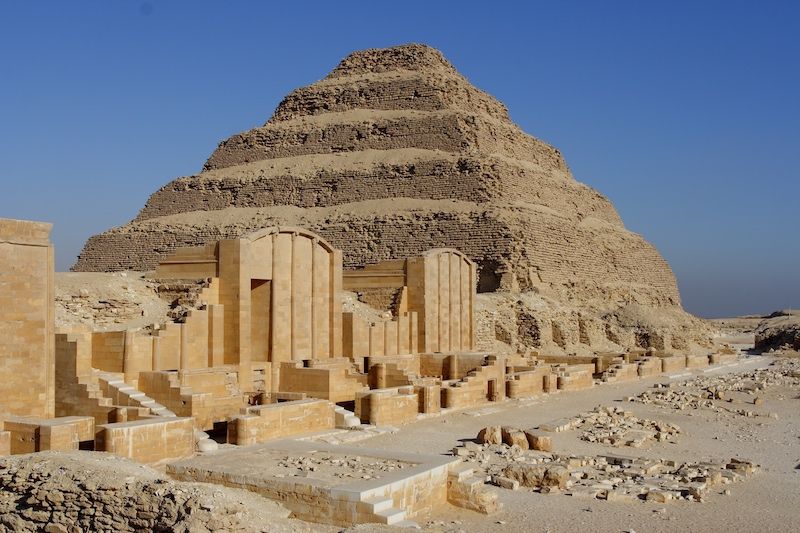
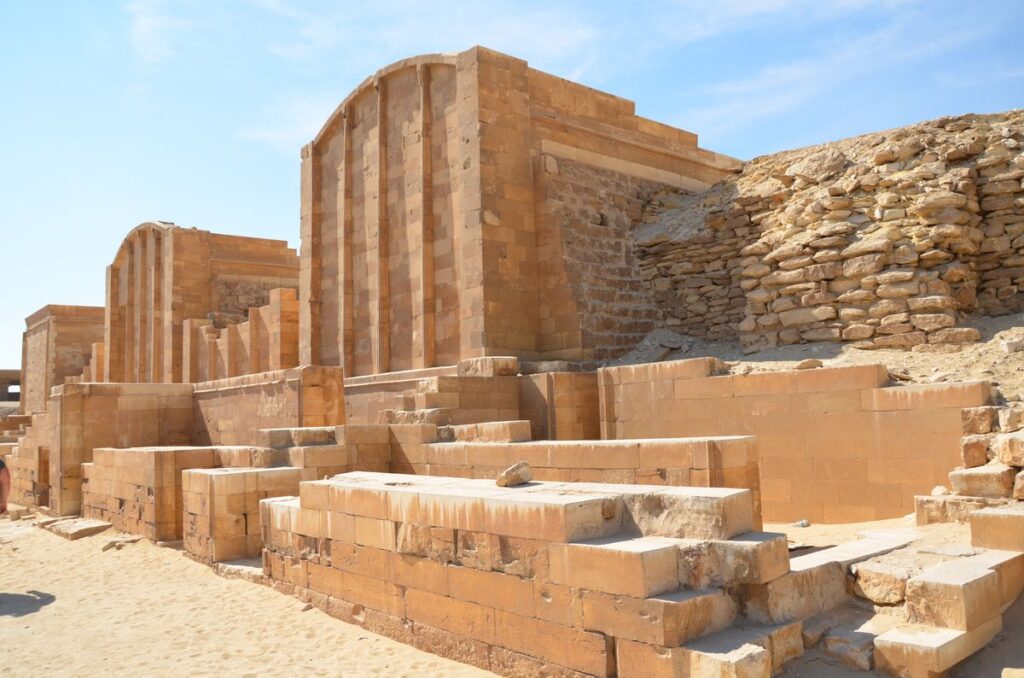
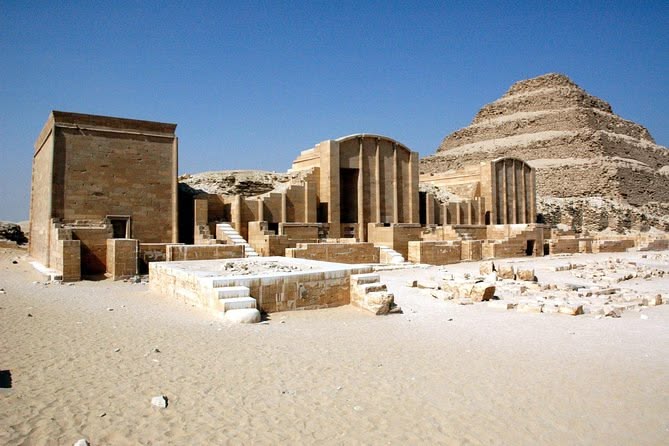
Its strategic location makes it easy to combine Memphis with some of Egypt’s most extraordinary archaeological attractions. Visitors can seamlessly continue their exploration to Saqqara’s Step Pyramid of Djoser, one of the oldest stone monuments in human history, or discover the fascinating pyramids of Dahshur, including the Bent Pyramid and Red Pyramid. This creates an ideal full-day cultural itinerary where travelers can experience the evolution of pyramid construction, royal burial traditions, and ancient Egyptian engineering in one extraordinary journey.

Beyond convenience, Memphis provides valuable historical context for understanding the broader story of ancient Egypt. As the former political and religious heart of the kingdom, the city helps visitors connect the surrounding monuments to the civilization that created them. Exploring Memphis alongside nearby archaeological treasures creates a far richer appreciation of Egypt’s ancient legacy, making it one of the most rewarding cultural experiences for history enthusiasts, archaeology lovers, and first-time visitors alike.

9. Hidden Archaeological Treasures and Unexpected Discoveries

One of the most rewarding aspects of visiting Memphis is discovering the hidden details and lesser-known archaeological treasures that many visitors might easily overlook. Beyond the famous Colossal Statue of Ramses II and the impressive Alabaster Sphinx, the site contains scattered remnants, carved stone fragments, ancient foundations, and subtle traces of a once-great capital that invite deeper exploration. For travelers who enjoy authentic archaeology and historical discovery, Memphis offers far more than its most famous monuments.

Taking time to wander through the site allows visitors to appreciate the quieter layers of ancient history that make Memphis so fascinating. Smaller relics and preserved ruins reveal clues about the city’s former temples, ceremonial spaces, and daily life, offering a richer understanding of its role as Egypt’s first great capital. Unlike more heavily structured tourist sites, Memphis feels more open and exploratory, making every discovery feel personal and meaningful.

For archaeology enthusiasts, photographers, and curious travelers, these unexpected discoveries often become some of the most memorable parts of the visit. Rather than simply viewing a collection of monuments, visitors experience the atmosphere of a site where fragments of ancient civilization continue to whisper their stories through every surviving stone.

10. Practical Tips for Visiting Memphis

A visit to Memphis is one of the most fascinating cultural experiences near Cairo, and a little preparation can help make the journey even more comfortable and enjoyable. Since the site is largely open-air and involves walking between archaeological remains, statues, and museum areas, wearing comfortable shoes is highly recommended. Bringing water, sunglasses, and sun protection is also advisable, especially during warmer months when the Egyptian sun can be intense.

Morning visits are often the best option for travelers seeking cooler temperatures, softer lighting for photography, and a quieter atmosphere before larger tour groups arrive. Since Memphis is frequently combined with nearby attractions such as Saqqara and Dahshur, planning a full-day archaeological excursion allows visitors to make the most of the region’s extraordinary historical richness.

Hiring a knowledgeable guide can significantly enhance the experience by bringing the ancient city’s history, symbolism, and archaeological significance to life. With expert insight, visitors gain a much deeper appreciation of Memphis as more than a collection of ruins—it becomes the birthplace of one of the world’s greatest civilizations and one of Egypt’s most meaningful historic destinations.

11. Why Memphis Should Be on Every Egypt Travel Itinerary

While Egypt is world-famous for its pyramids, temples, and monumental archaeological wonders, Memphis offers something uniquely special—a direct connection to the very beginnings of ancient Egyptian civilization. As Egypt’s first great capital and one of the most influential cities of the ancient world, Memphis provides historical depth and cultural significance that few destinations can match. For travelers seeking to understand the roots of pharaonic power and national identity, it remains an essential experience.

What makes Memphis truly exceptional is the variety of experiences it offers in a single visit. Travelers can admire extraordinary royal monuments, explore open-air archaeological remains, connect with ancient religious history, and easily combine the site with nearby world-famous attractions such as Saqqara and Dahshur. This creates a rich and rewarding journey through some of Egypt’s most important historical landscapes.

For history lovers, archaeology enthusiasts, photographers, and first-time visitors alike, Memphis represents far more than a simple stop near Cairo—it is a gateway into the origins of one of humanity’s most extraordinary civilizations. Whether explored as part of a larger archaeological day tour or as a focused historical visit, Memphis remains one of Egypt’s most meaningful destinations that should never be missed.

12. An Unforgettable Farewell to Memphis

As your journey through Memphis comes to an end, you leave with far more than photographs of ancient statues and archaeological ruins—you leave with a deeper appreciation for the birthplace of one of the world’s greatest civilizations. Few places in Egypt offer such a profound connection to the origins of royal power, religious tradition, and cultural achievement. From the towering Colossal Statue of Ramses II and the elegant Alabaster Sphinx to the quiet archaeological remains of a once-magnificent capital, every moment in Memphis tells a story of ambition, legacy, and timeless history.

What makes Memphis truly unforgettable is not simply its historical importance, but the unique atmosphere it offers to every visitor. Unlike larger and more crowded archaeological sites, Memphis provides a more intimate and reflective experience where travelers can connect with ancient history at a slower and more meaningful pace. Whether you arrived seeking archaeology, photography, cultural exploration, or a deeper understanding of ancient Egypt, the site delivers an experience that remains memorable long after the visit ends.

As you continue your Egyptian adventure, the legacy of Memphis will remain one of the most fascinating memories of your journey through Cairo’s historic surroundings. It is far more than an archaeological site—it is a living symbol of Egypt’s earliest greatness, where the foundations of one of humanity’s most extraordinary civilizations were first established. For anyone seeking to experience the true origins of ancient Egypt, Memphis remains a destination that should never be missed.

Memphis : Frequently Asked Questions

Memphis is famous for being the first capital of ancient Egypt and one of the most important cities in the ancient world. Founded around 3100 BC after the unification of Upper and Lower Egypt, Memphis served as the political, administrative, and religious center of the kingdom for centuries. Today, it is known for its remarkable archaeological remains, including the Colossal Statue of Ramses II and the impressive Alabaster Sphinx.

Most visitors spend around 1 to 2 hours exploring Memphis, depending on their level of interest in archaeology and history. Since the site is often combined with nearby attractions such as Saqqara and Dahshur, many travelers include Memphis as part of a full-day ancient Egypt tour from Cairo.

The most famous attractions in Memphis include the Colossal Statue of Ramses II, one of ancient Egypt’s most impressive surviving royal statues, and the beautifully preserved Alabaster Sphinx. Visitors can also explore the open-air museum and archaeological remains that reveal the city’s extraordinary ancient importance.

Absolutely. Memphis is one of the most historically significant archaeological sites in Egypt and offers travelers a fascinating connection to the origins of ancient Egyptian civilization. It is especially worthwhile for visitors interested in history, archaeology, and exploring important sites beyond the pyramids.

Yes, Memphis is ideally located near some of Egypt’s most famous archaeological treasures, including Saqqara, home to the Step Pyramid of Djoser, and Dahshur, known for the Bent Pyramid and Red Pyramid. Many travelers combine all three destinations in a single unforgettable day trip from Cairo.