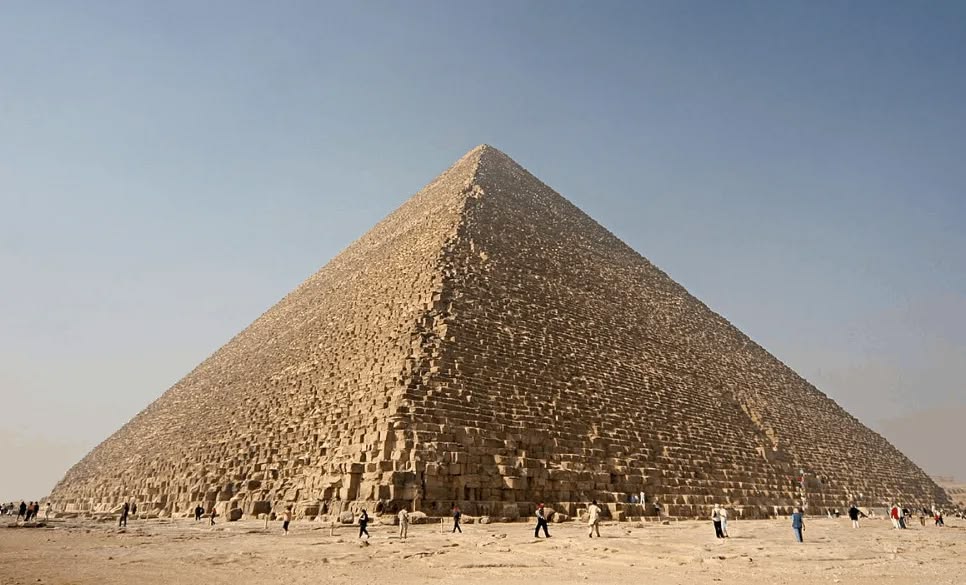


1. A Journey Through Egypt’s First True Pyramid
The Red Pyramid stands as one of Egypt’s most remarkable archaeological landmarks, offering travelers a fascinating journey into the evolution of pyramid architecture and ancient engineering brilliance. Located in the royal necropolis of Dahshur, this extraordinary monument was built during the reign of Pharaoh Sneferu, one of ancient Egypt’s most ambitious builders and the father of Khufu, who later constructed the Great Pyramid of Giza. Widely recognized as Egypt’s first successful smooth-sided pyramid, the Red Pyramid represents a revolutionary milestone in architectural history and marks a defining moment in the development of pyramid construction.
Walking toward the Red Pyramid feels like stepping into one of the most important chapters of ancient Egyptian innovation. Unlike the more crowded pyramids of Giza, the Red Pyramid offers a quieter and more immersive experience, allowing visitors to appreciate its impressive scale, elegant proportions, and peaceful desert surroundings. Its distinctive reddish hue, created by the color of its limestone blocks, gives the monument its modern name and adds to its unique visual character.
What makes the Red Pyramid especially unforgettable is its historical significance as the architectural breakthrough that perfected pyramid design. For history enthusiasts, archaeology lovers, and first-time visitors to Egypt, it offers one of the most meaningful and unforgettable cultural experiences near Cairo.
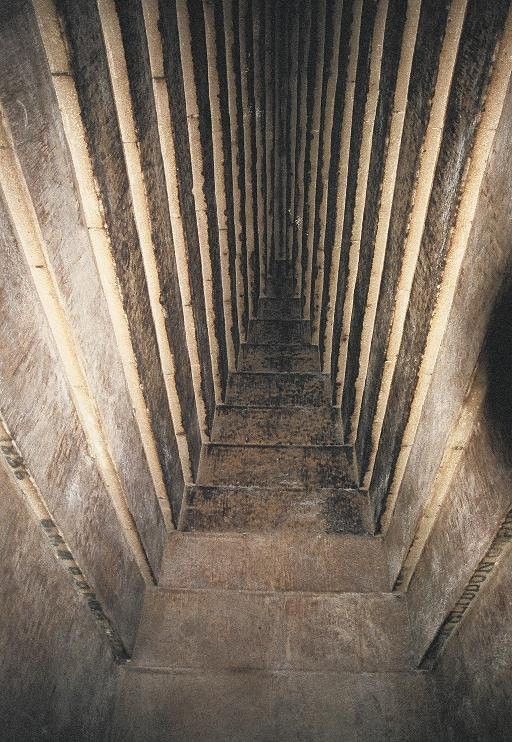
2. Exploring the Ancient Chambers Inside the Red Pyramid
One of the most unforgettable experiences at the Red Pyramid is the opportunity to enter its remarkable internal chambers, offering visitors a rare and immersive glimpse into ancient Egyptian engineering from the inside. Unlike many archaeological monuments admired only from the exterior, the Red Pyramid allows travelers to descend into its hidden passageways and explore the fascinating spaces designed thousands of years ago for royal burial and eternal preservation.
The journey inside begins with a long descending corridor that immediately creates a sense of stepping back into deep antiquity. As visitors continue deeper into the pyramid, they discover impressive chambers with soaring corbelled ceilings that demonstrate the remarkable architectural skill of ancient Egyptian builders. The atmosphere inside feels both mysterious and awe-inspiring, offering a direct connection to one of the world’s earliest monumental engineering achievements.
For travelers interested in archaeology, history, and authentic adventure, entering the Red Pyramid becomes one of the most memorable highlights of the Dahshur experience. It transforms the visit from simple sightseeing into a true exploration of ancient architectural brilliance and royal ambition.

3. The Legacy of Pharaoh Sneferu’s Architectural Genius
The Red Pyramid stands as one of the greatest achievements of Pharaoh Sneferu, one of ancient Egypt’s most visionary and ambitious rulers. Known for his remarkable contributions to pyramid construction, Sneferu played a transformative role in the evolution of ancient Egyptian architecture, and the Red Pyramid represents the successful culmination of years of experimentation and engineering innovation. For travelers exploring Egypt’s ancient wonders, the monument offers a fascinating connection to the ruler who helped redefine monumental construction.
Before the Red Pyramid, earlier attempts at pyramid building, including the famous Bent Pyramid nearby, revealed structural challenges and experimental designs that shaped the learning process of ancient engineers. The Red Pyramid marked the moment when those lessons were perfected, resulting in Egypt’s first true smooth-sided pyramid and paving the way for the later construction of the Great Pyramid of Giza.
For history enthusiasts and archaeology lovers, this historical context makes the Red Pyramid even more extraordinary. It is far more than an ancient tomb—it is a lasting symbol of innovation, perseverance, and one of the most important architectural breakthroughs in human history.