
1. Unveiling the Sacred Enigma of the Apis Bulls
The Serapeum of Saqqara is not just an ordinary archaeological site; it is a profound testament to one of ancient Egypt’s most deeply revered and fascinating religious practices: the cult of the sacred Apis Bull. To fully appreciate the majesty of this subterranean marvel, travelers must first understand the spiritual significance of these magnificent creatures. In ancient Egyptian cosmology, the Apis Bull was not merely viewed as a simple animal, but rather as the living, breathing earthly manifestation of Ptah, the magnificent god of creation and master craftsman of the universe. Later in Egyptian history, upon its physical death, the sacred bull became beautifully assimilated with Osiris, the benevolent ruler of the underworld, transforming into the powerful compound deity known to generations as Serapis. Throughout their earthly lives, these carefully selected bulls were treated with the utmost luxury, pampered in grand temples, and pampered by high priests who looked for specific divine markings on their coats. When an Apis Bull passed away, the entire nation entered a period of deep, collective mourning, treating the loss with the same gravity as the death of a pharaoh. The physical body of the bull was meticulously mummified using complex, expensive techniques, wrapped in fine linen, and adorned with priceless jewelry. This rich spiritual backdrop sets the stage for the creation of the Serapeum itself, a monumental undertaking designed to provide a grand, eternal resting place for these divine intermediaries. Visiting this site allows modern travelers to connect directly with the profound spiritual devotion that drove ancient artisans to carve a massive, enduring sanctuary out of solid bedrock, ensuring the eternal legacy of the sacred Apis Bulls remains preserved forever beneath the desert sands.
2. Journeying into the Heart of the Subterranean Labyrinth
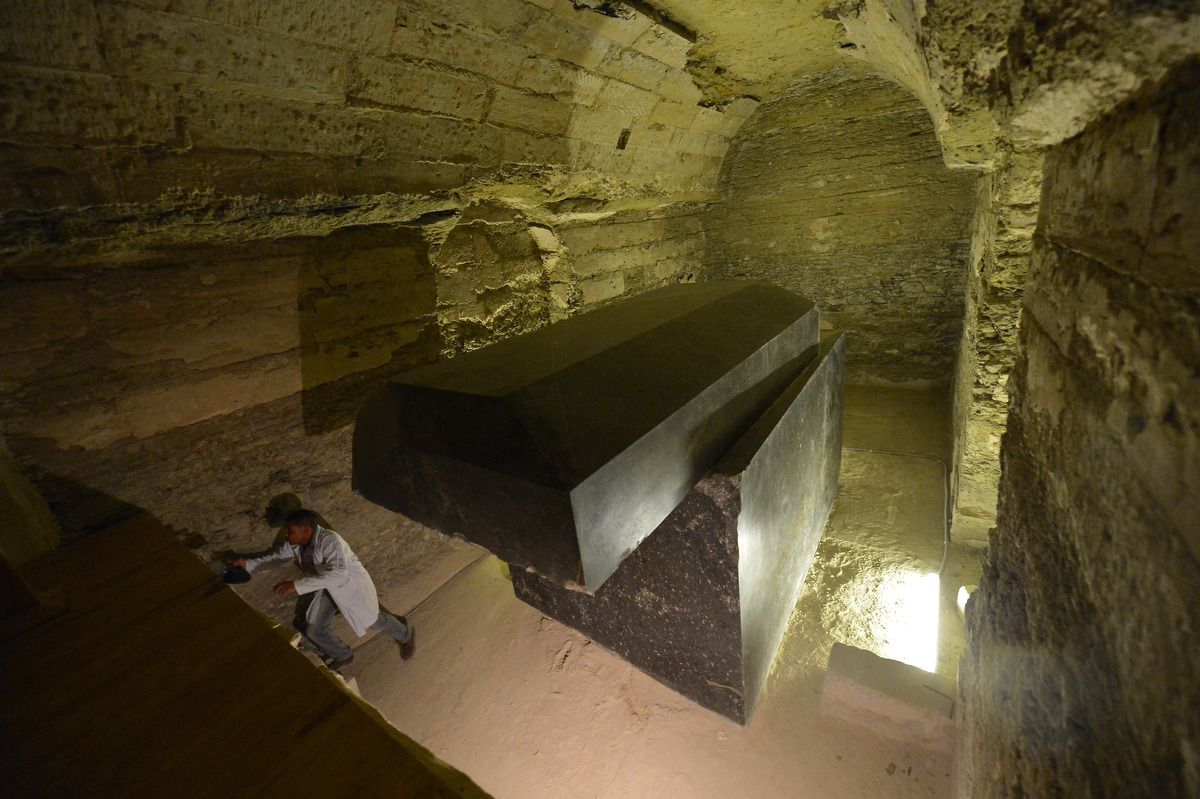
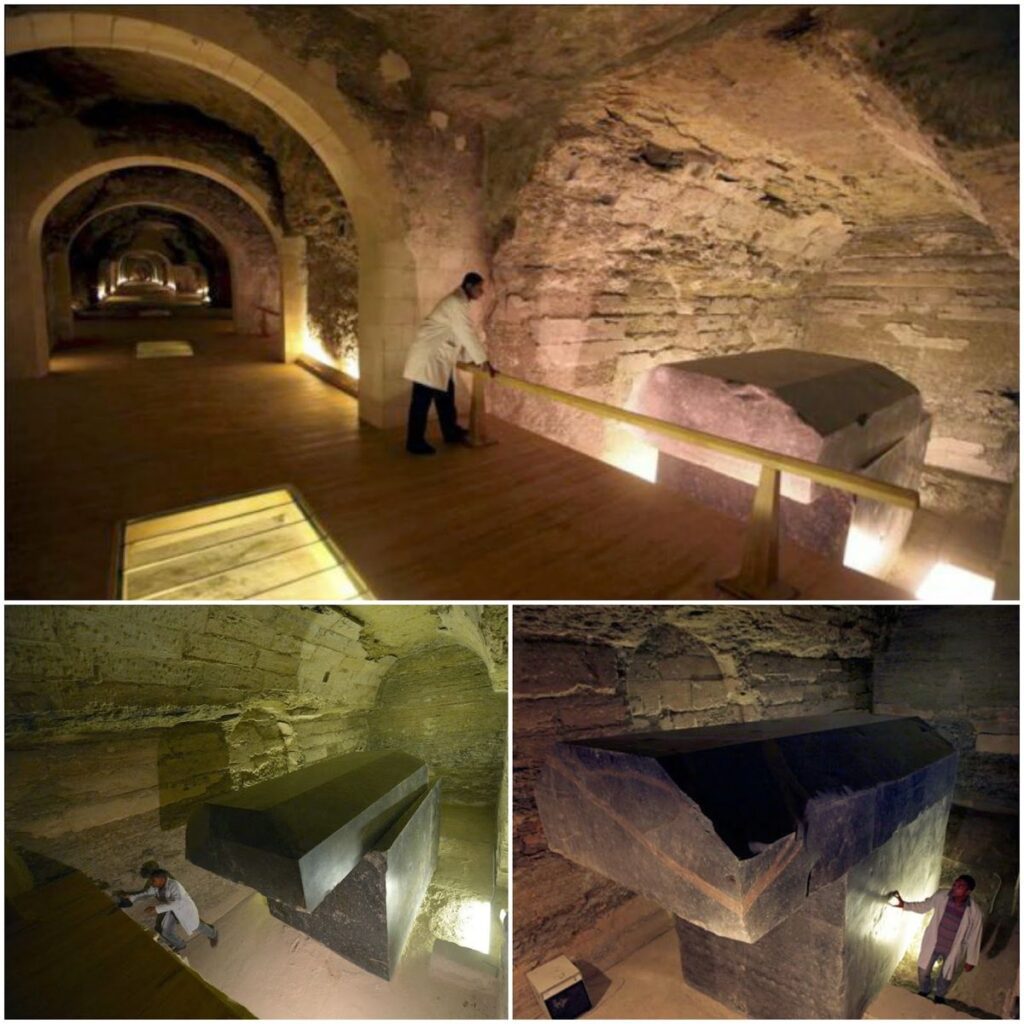
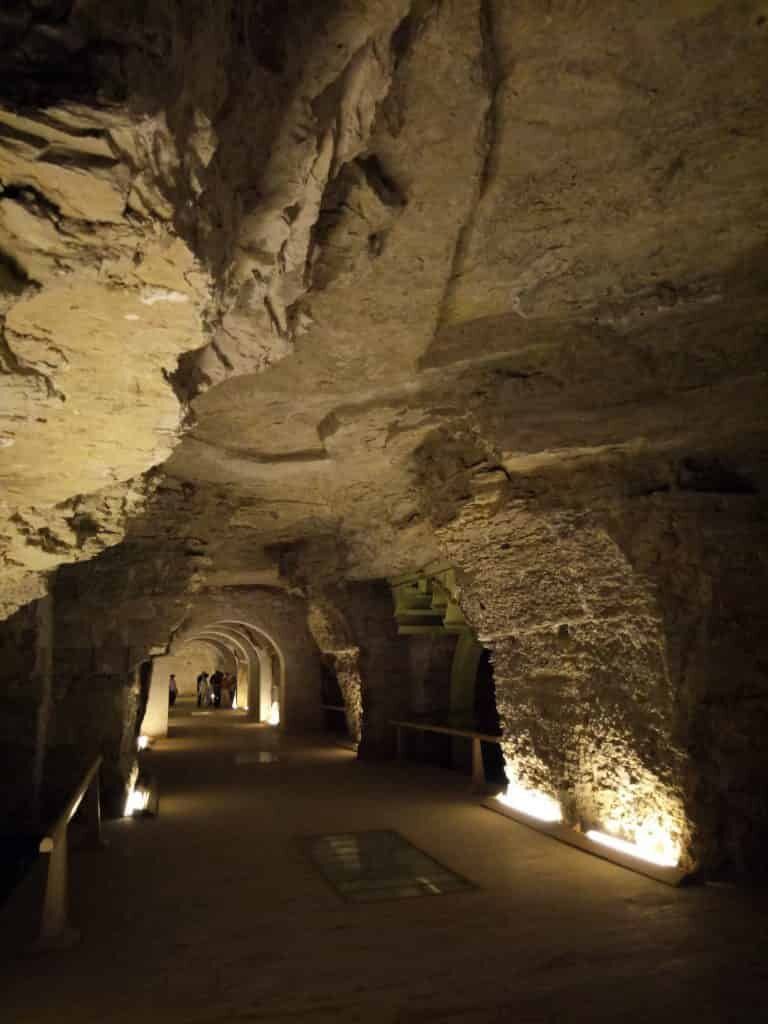
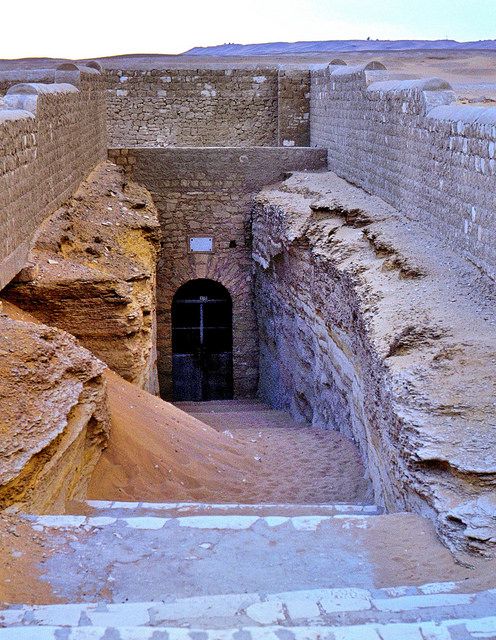
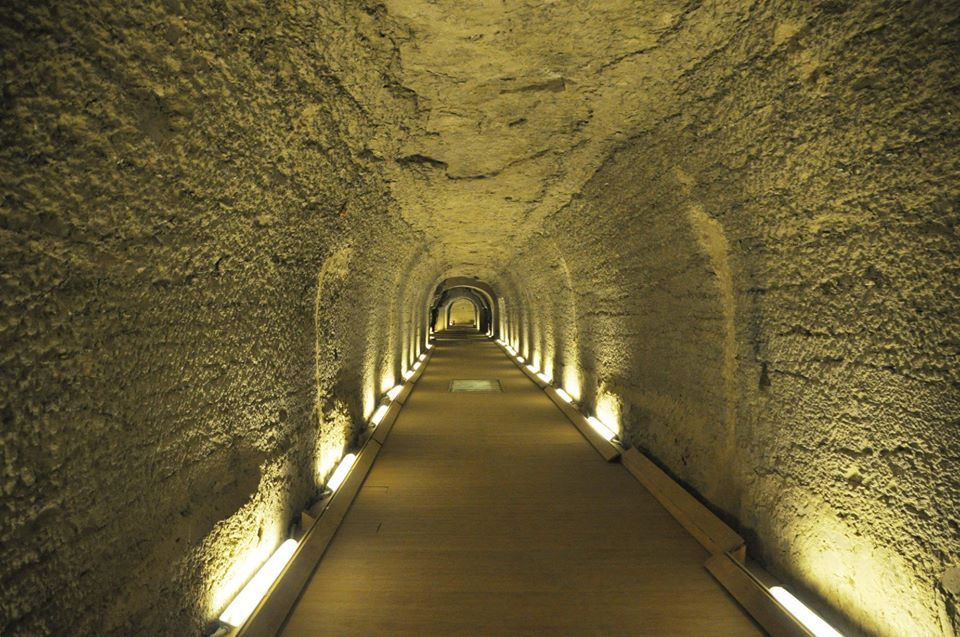
Stepping into the entrance of the Serapeum of Saqqara feels like crossing a threshold into another dimension entirely, leaving the blinding desert sun behind to enter a massive, cool underground world. Visitors are immediately greeted by an expansive network of subterranean tunnels and rock-cut galleries that stretch deep into the earth, reflecting an extraordinary level of engineering skill and architectural ambition. As you walk along the dim pathways, the vast scale of the complex quickly becomes overwhelmingly apparent. The primary gallery features dark, deep recesses cut into the limestone walls at regular intervals, each designed to house a massive, mind-boggling sarcophagus. The atmosphere inside the tunnels is thick with historical mystery, as the shadows dance across the rough-hewn stone, evoking a sense of ancient rituals and secret priestly processions that took place thousands of years ago. Walking through these long, echoes-filled corridors offers travelers a rare opportunity to appreciate the sheer determination required to construct such a sanctuary. Ancient workers had to excavate thousands of tons of solid rock by hand, using primitive copper tools and torches, all while ensuring the structural integrity of the ceiling above remained perfectly secure. For photography enthusiasts and history buffs alike, the dramatic lighting and immense scale of the underground labyrinth provide a visually stunning experience unlike anything else in Egypt. It is a place where the physical boundaries of the ancient world fade away, allowing modern explorers to experience the exact same awe and reverence that visitors felt during the heights of the New Kingdom and Ptolemaic eras.
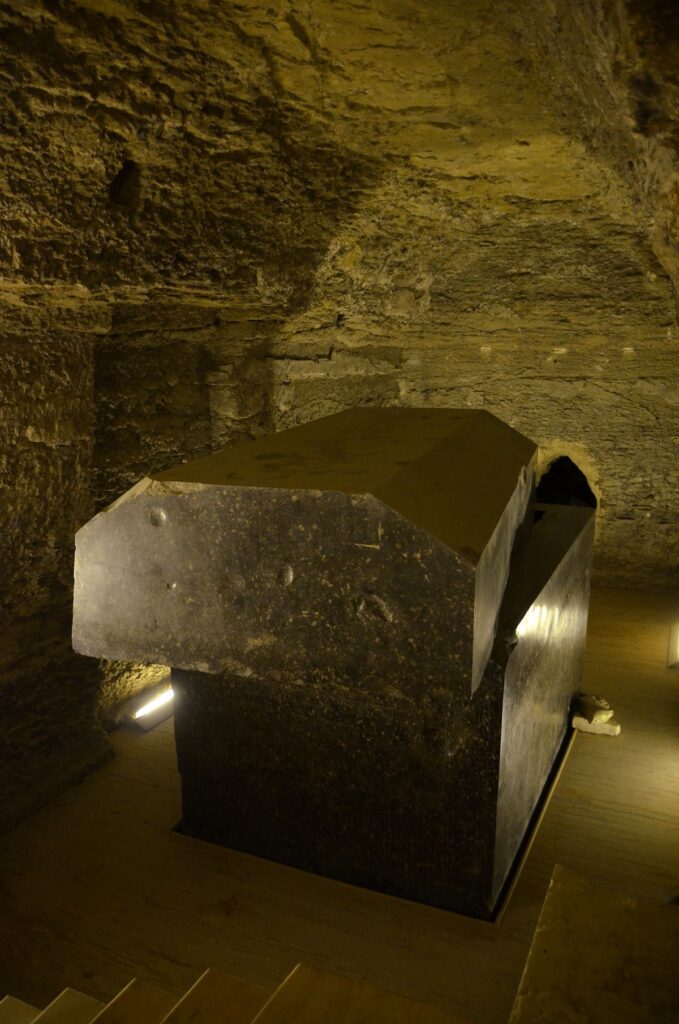
3. The Astonishing Engineering Feat of the Granite Sarcophagi
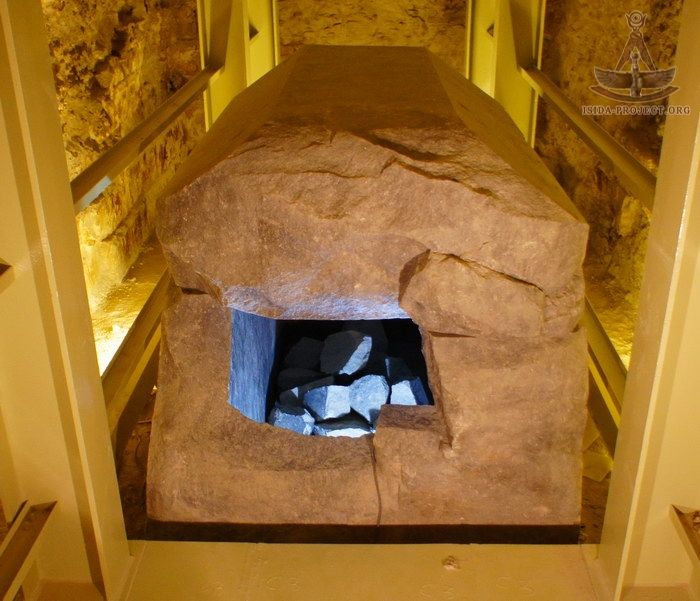
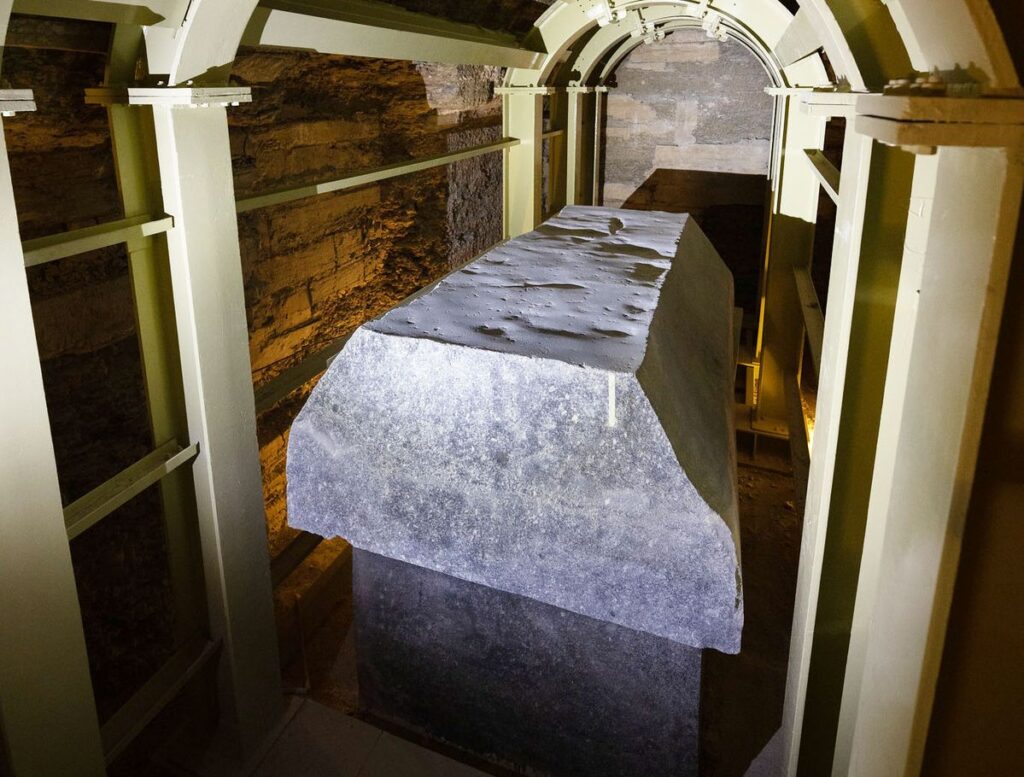
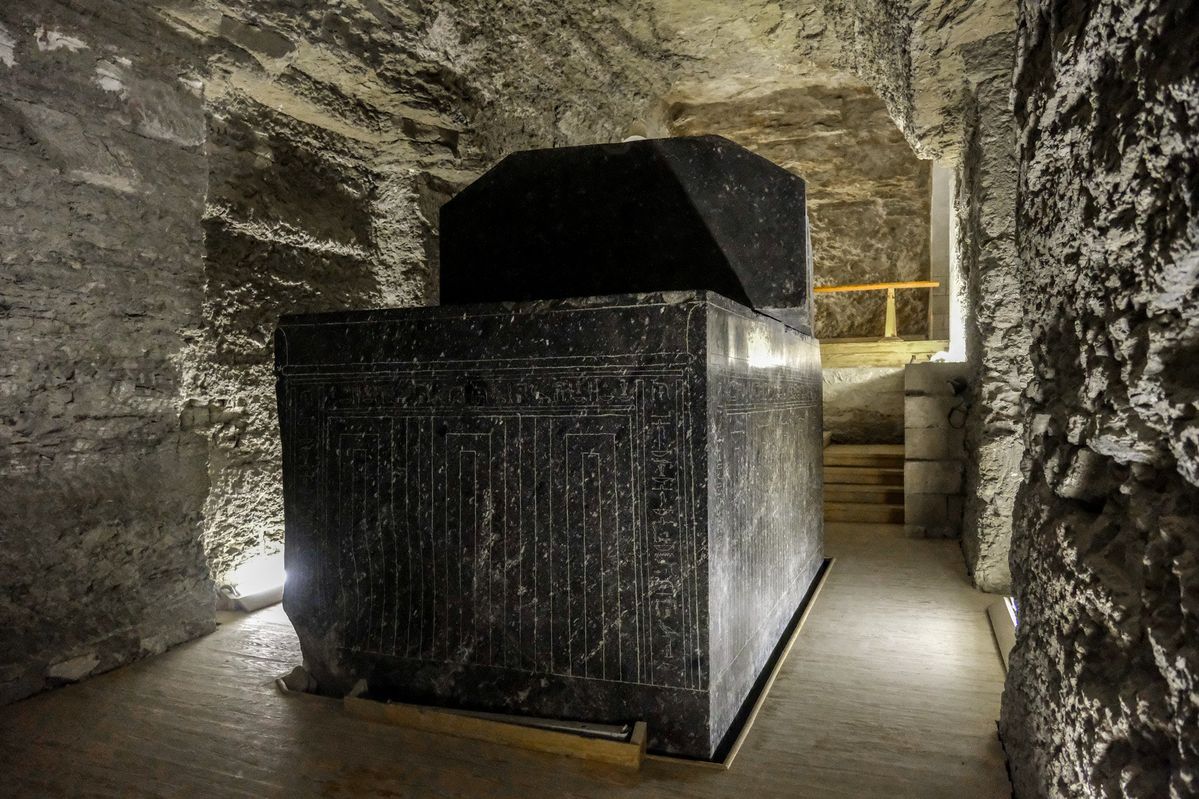
The absolute highlight of any luxury visit to the Serapeum of Saqqara is the up-close encounter with the twenty-four colossal granite sarcophagi that sit inside the underground chambers. These massive stone boxes are true marvels of ancient engineering, leaving modern engineers, architects, and travelers utterly speechless. Each individual sarcophagus is meticulously carved from a single, solid block of incredibly hard stone, such as black basalt, diorite, or rose granite, sourced from quarries located hundreds of miles away in Aswan. Weighing up to seventy tons each, with lids that weigh an additional thirty tons, the sheer physical logistics of transporting these massive objects across the Nile and lowering them into deep, narrow underground chambers remains one of Egypt’s greatest unsolved mysteries. Beyond their mind-boggling size, the flawless precision of the craftsmanship is absolutely astonishing. The surfaces of many sarcophagi are polished to a mirror-like finish, featuring perfectly straight lines, precise ninety-degree angles, and incredibly sharp edges that seem almost impossible to achieve without modern machinery. Some of these colossal boxes are beautifully inscribed with deeply etched hieroglyphs, providing crucial historical clues about the specific periods they were created and the pharaohs who funded their construction. Standing next to these giant monuments, visitors cannot help but feel a deep sense of humility and admiration for the incredible intellectual capacity and physical strength of the ancient Egyptian craftsmen, who pushed the absolute limits of human capability to create an eternal sanctuary that has easily withstood the test of thousands of years.