
1. The Sacred Botanical Treasure of the Nile Reeds
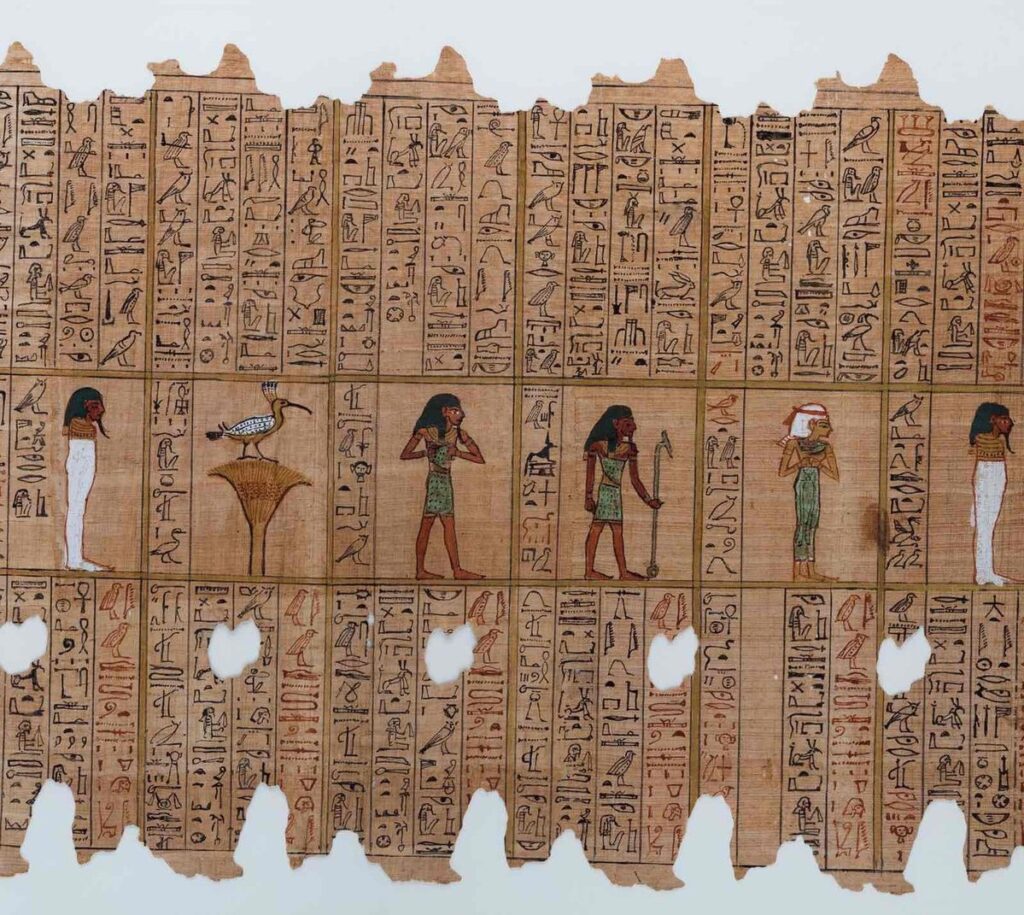
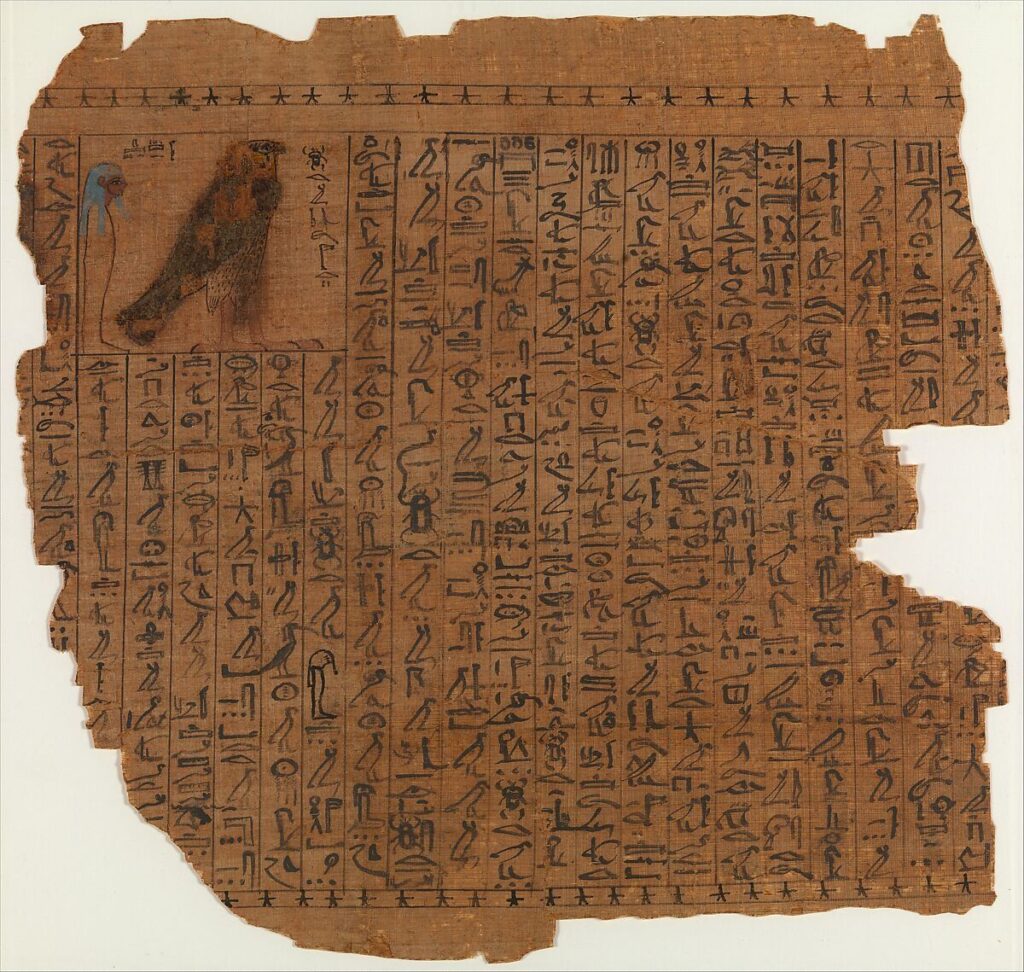
To truly appreciate the wonder of an authentic Papyrus Factory, travelers must first understand the remarkable botanical history of the plant that started a global communication revolution. Known scientifically as Cyperus papyrus, this elegant, tall river reed once grew in absolute abundance throughout the lush, marshy landscapes of the Nile Delta. In the spiritual world of ancient Egypt, the plant held a deep, sacred significance that extended far beyond its practical uses. Its long, triangular stalk perfectly mirrored the shape of the majestic pyramids, while its vibrant, umbrella-like flowering top resembled the brilliant rays of the sun god Ra, making it a powerful symbol of eternal life, rebirth, and divine protection. The ancient Egyptians utilized this incredibly versatile plant for a wide variety of daily necessities, including constructing lightweight river boats, weaving comfortable sandals, and crafting durable ropes. However, its most profound transformation occurred within the royal workshops, where master artisans discovered that the inner pith of the stalk could be systematically processed into a flexible, lightweight, and incredibly durable writing surface. Walking into a modern factory, visitors are surrounded by the natural, earthy aroma of these historic reeds, immediately connecting them with the ancient river environment that nurtured the birth of human literature. Understanding this rich botanical background allows luxury travelers to view the raw green stalks not merely as common river vegetation, but as the literal, sacred fabric upon which the entire administrative, medical, and spiritual history of the spectacular pharaonic empire was permanently recorded.
2. Captivating Live Demonstrations of an Ancient Handcrafting Art
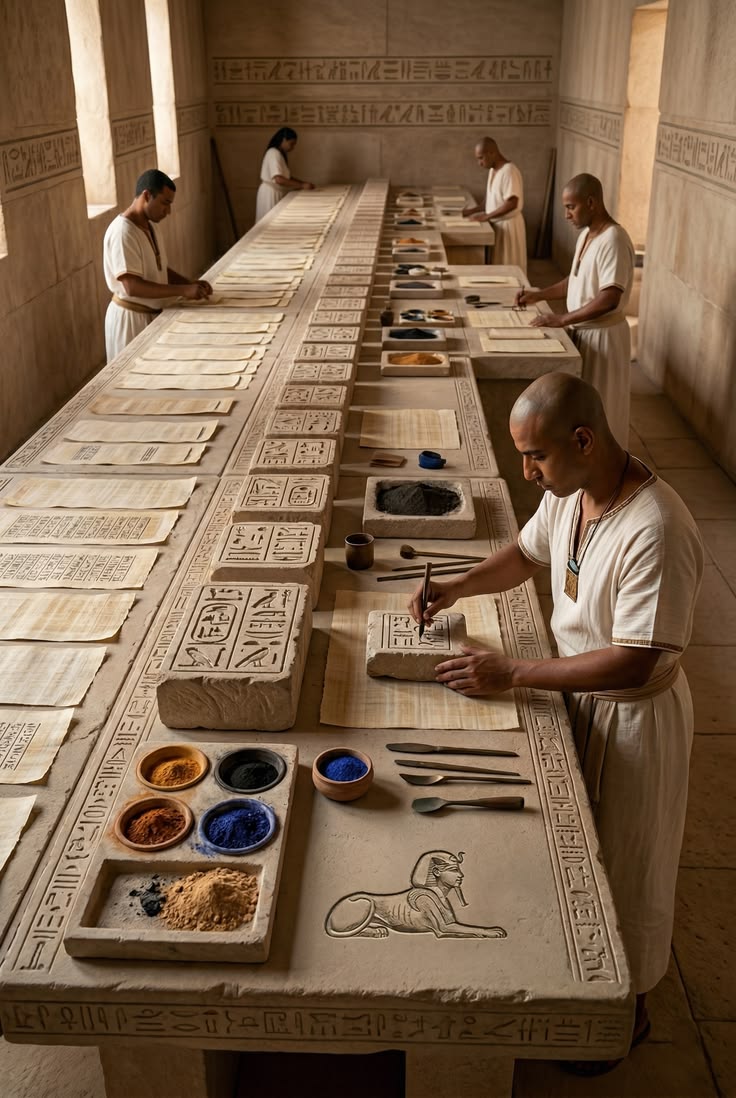
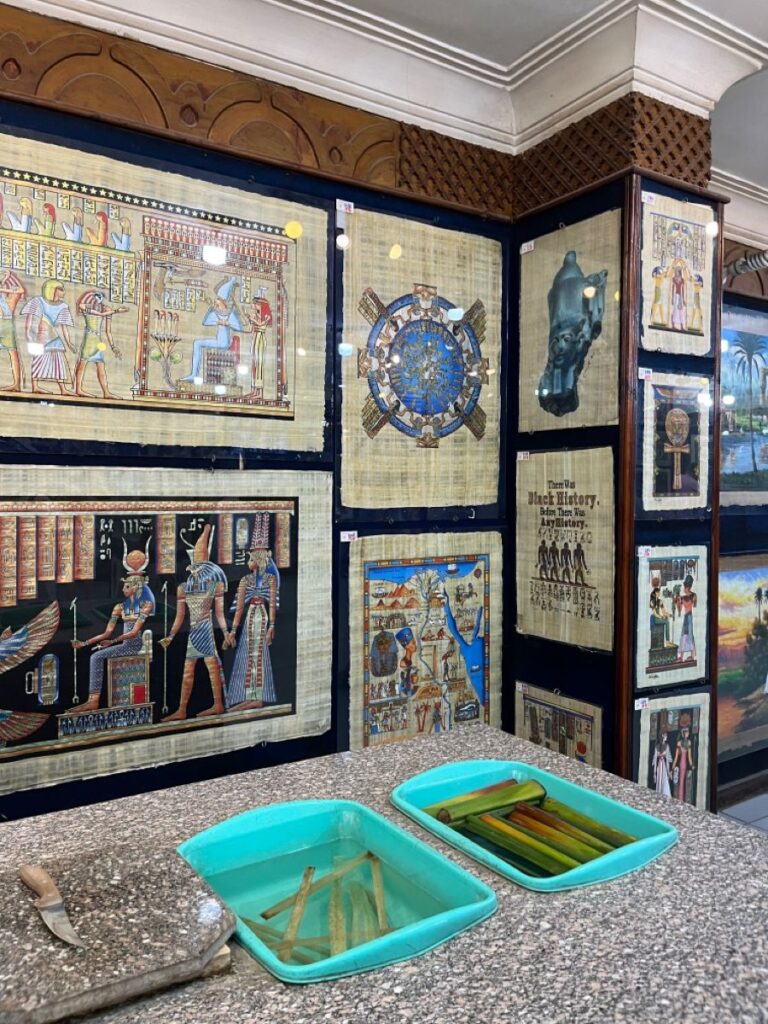
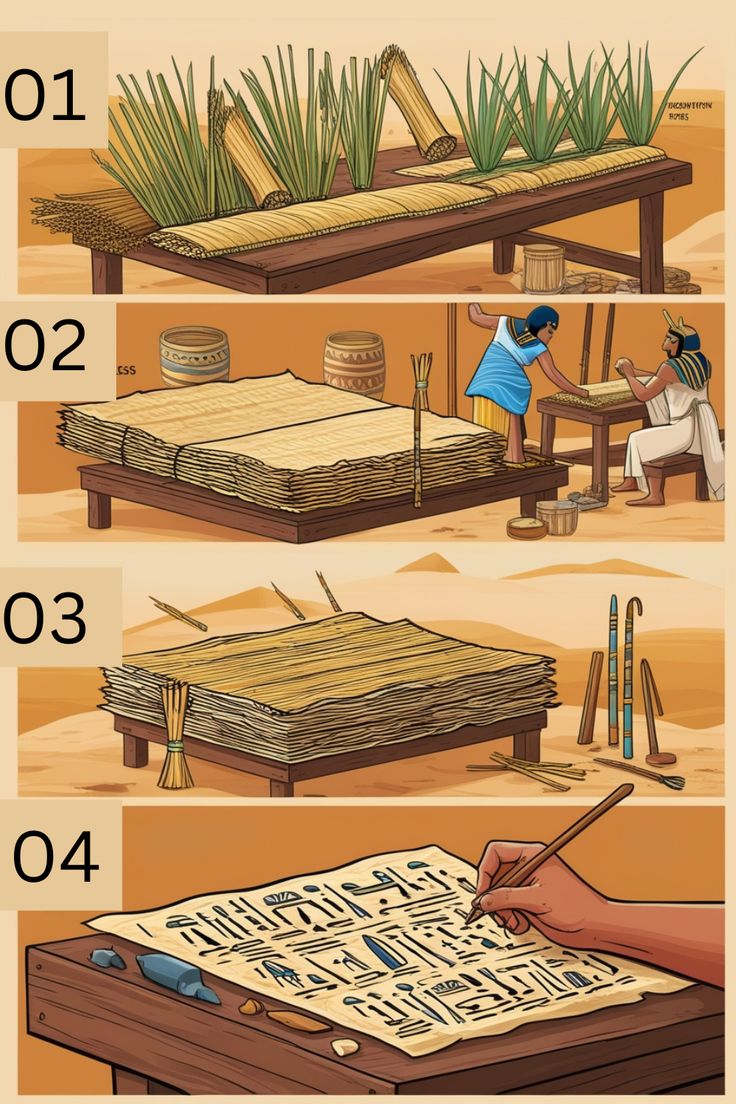
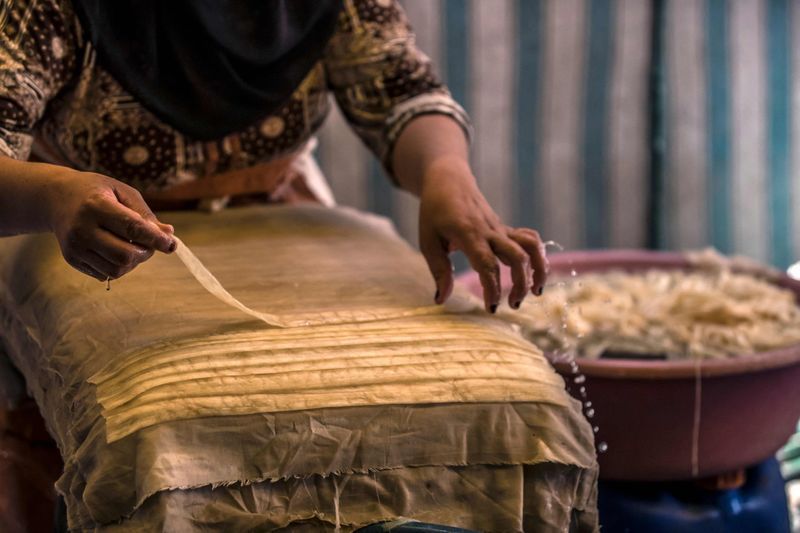
The absolute highlight of entering a professional Papyrus Factory is the opportunity to witness a live, step-by-step demonstration of the fascinating manufacturing process, which has remained beautifully unchanged for over five thousand years. Visitors are greeted by master craftsmen who eagerly showcase the incredible physical transformation of the raw green reed into a beautiful, resilient sheet of paper. The process begins with the careful removal of the tough, dark green outer skin of the stalk to reveal the soft, fibrous white inner pith. This delicate pith is then meticulously sliced into thin, even longitudinal strips using precise, traditional cutting tools. Because the raw strips are naturally full of water and sugar, they are carefully soaked in fresh water for several days, a critical stage that determines the final color of the papyrus. A shorter soaking period yields a beautiful, light ivory or golden sheet, while a longer soaking period allows the natural sugars to caramelize, resulting in a rich, dark brown or antique chocolate tone. For photography enthusiasts and curious travelers alike, watching the artisans carefully manipulate the stone tools and organic materials provides a visually captivating experience that brings ancient history directly to life. It is an immersive educational encounter that highlights the immense patience, physical skill, and deep material knowledge required to create a premium product, ensuring that every visitor develops a profound respect for the traditional artisans who successfully preserve this living heritage in the modern era.
3. The Brilliant Engineering Behind the Interlocking Grid Technique
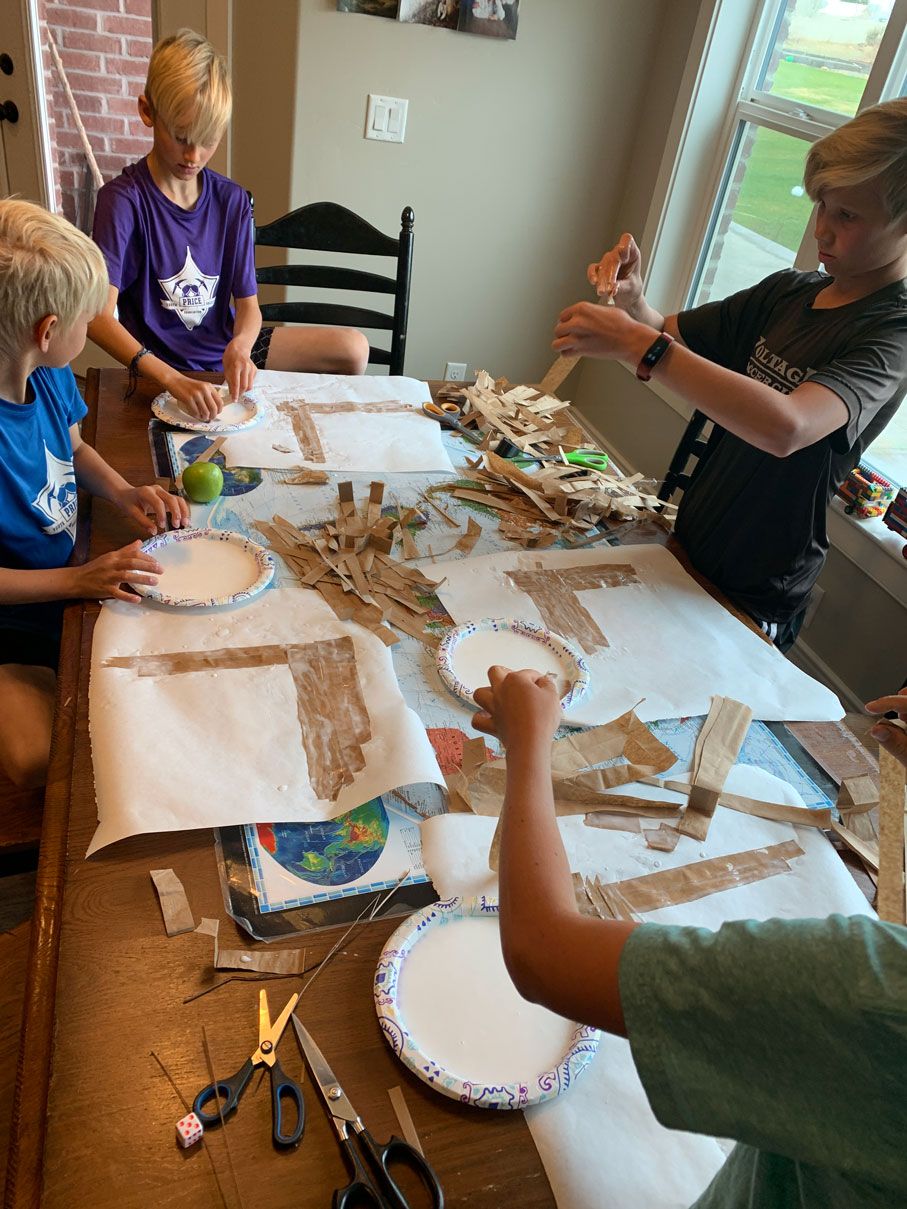
As the live demonstration continues inside the Papyrus Factory, visitors are introduced to the brilliant structural engineering that gives a genuine sheet of papyrus its legendary strength and longevity. Once the fibrous strips have been properly soaked and softened, the artisan carefully arranges them on a piece of absorbent linen cloth in a highly precise, interlocking cross-hatched grid pattern. The first layer of strips is laid down horizontally, side by side, and a second layer is immediately placed directly on top at a perfect ninety-degree vertical angle. This clever perpendicular arrangement creates an incredibly strong weave that prevents the material from tearing or warping over time. Crucially, no artificial glues, chemical adhesives, or modern synthetic binding agents are ever used during this traditional process; instead, the strips rely entirely on the natural, sticky juices present within the plant’s inner pith to bond seamlessly together. The interlocking grid is then covered with an additional layer of felt and placed under a heavy, manual iron or stone press for several consecutive days to squeeze out all remaining moisture. Standing next to these historic presses, travelers can appreciate the mechanical simplicity and intellectual brilliance of this ancient invention. The result of this meticulous pressure and drying process is a remarkably durable, flexible, and completely organic writing surface that can easily endure for thousands of years, outlasting almost every other form of paper known to human civilization.