
1. The Spectacular Rediscovery in the Shadow of the Great Pyramid
The modern rediscovery of the Solar Boat of Giza is an absolute masterpiece of archaeological drama, intuition, and technical triumph that rivals the grandeur of the pyramids themselves. In May 1954, a brilliant young Egyptian journalist and archaeologist named Kamal el-Mallakh was directing routine clearance work along the southern face of the Great Pyramid of King Khufu. While removing a massive mountain of ancient desert debris, he uncovered a hidden row of forty-one monumental limestone blocks, seamlessly sealed together with mortar that had remained completely undisturbed for over four and a half millennia. Driven by a profound sense of historical curiosity, el-Mallakh carefully drilled a small hole through one of the massive fifteen-ton stone slabs, peering down into the dark abyss below. To his absolute astonishment, the air that rushed out carried the distinct, unmistakable scent of ancient cedarwood, and his flashlight beam illuminated a perfectly arranged pile of dark wooden planks, elegant oars, and intricate organic ropes. This historic breakthrough sent shockwaves through the global scientific community, instantly capturing the imagination of travelers and historians around the world. Today, learning about el-Mallakh’s incredible discovery adds an extra layer of romance and high adventure for luxury travelers visiting the Giza Plateau. It transforms a standard sightseeing trip into a thrilling walk through the golden age of modern Egyptian exploration, showcasing how a single moment of academic perseverance successfully unlocked one of the most significant and pristine secrets of the ancient maritime world.
2. Hag Ahmed Youssef and the Ultimate Multi-Dimensional Puzzle
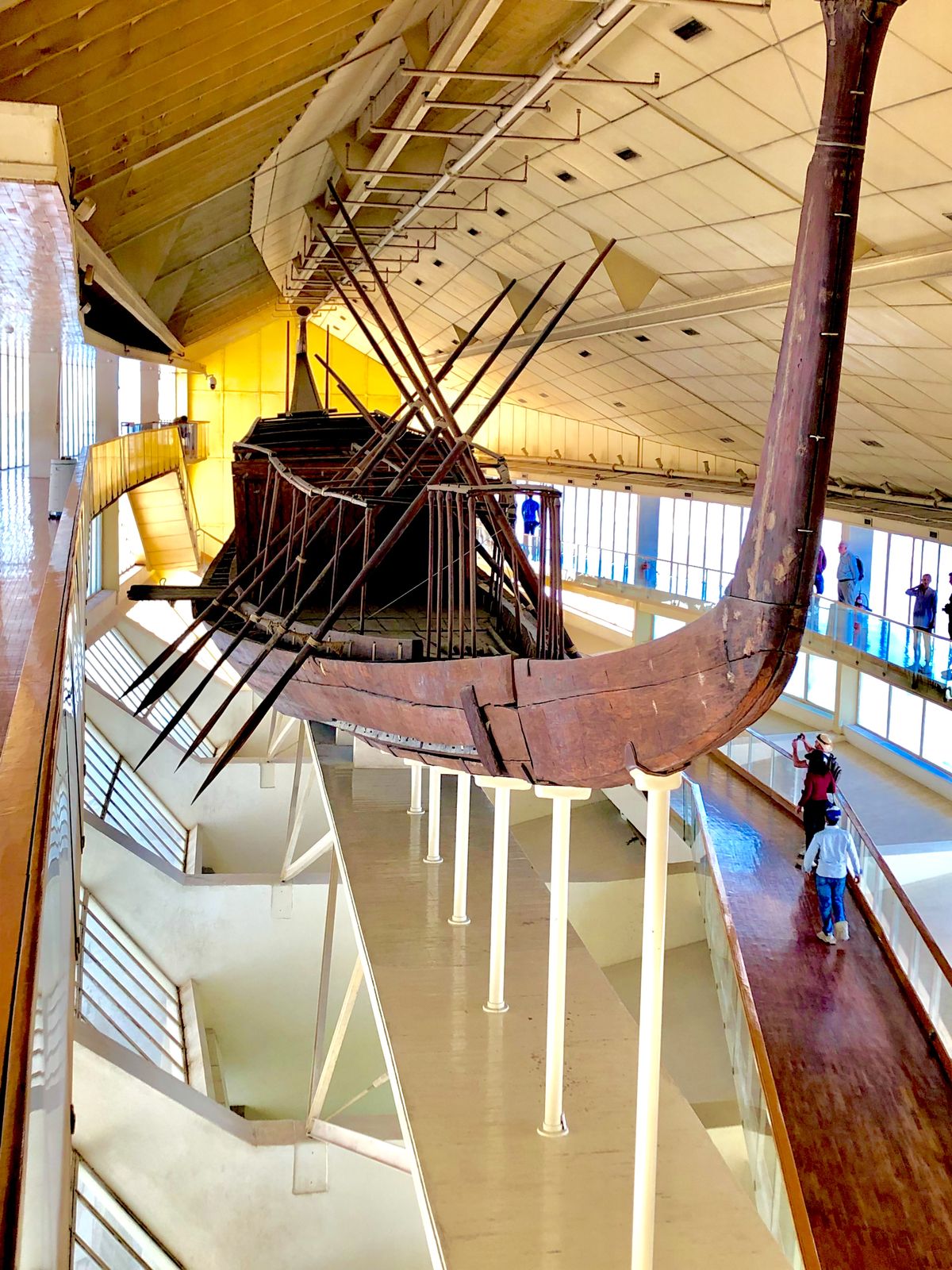
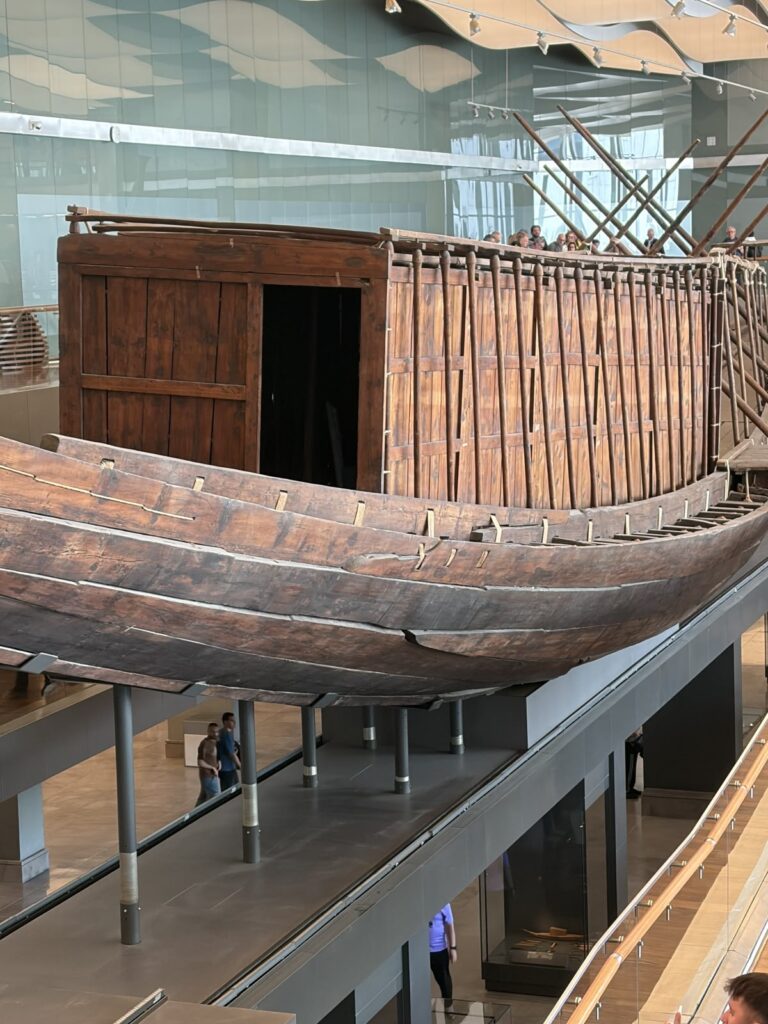
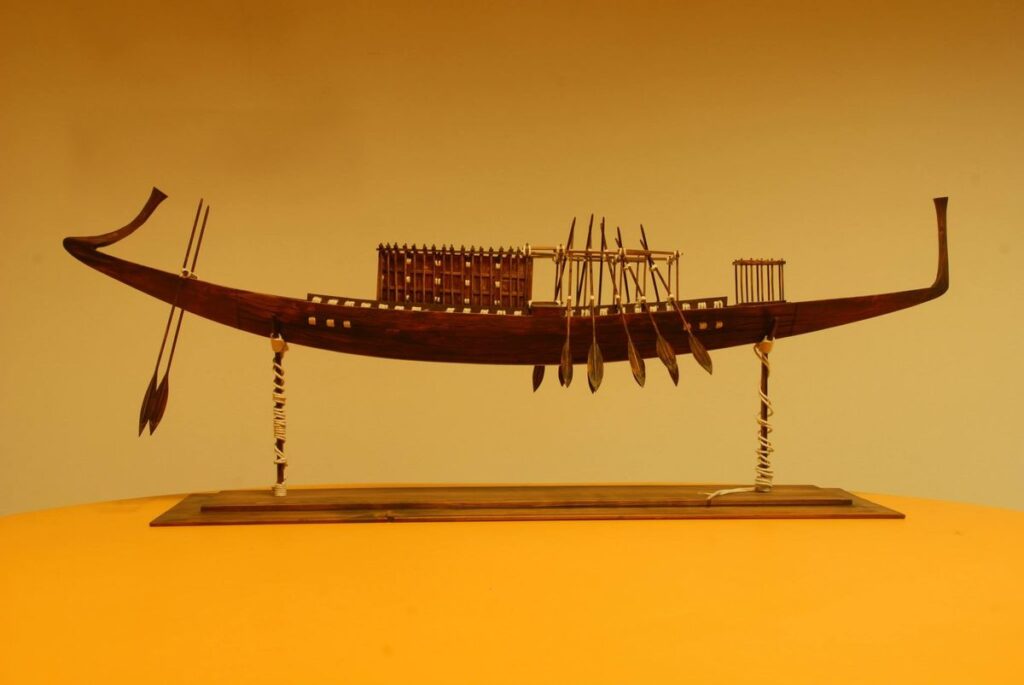
While the initial discovery of King Khufu’s vessel filled the archaeological world with immense excitement, transforming those ancient pieces into a majestic standing ship required a level of dedication that defines human genius. The celestial vessel had not been placed in the underground pit fully assembled; instead, it had been systematically dismantled into exactly 1,224 separate pieces, arranged in thirteen neat, highly organized layers. The monumental task of reconstructing this ancient masterpiece fell upon Hag Ahmed Youssef, a legendary Egyptian restoration expert who dedicated over fourteen years of his life to solving this ultimate multi-dimensional puzzle. Youssef approached the challenge with incredible scientific rigor, meticulously studying the remaining fragments of ancient model boats found in royal tombs, visiting modern traditional shipyards along the Nile, and learning ancient seafaring knot techniques. Without the aid of modern digital computers or contemporary engineering software, he painstakingly cataloged, treated, and reassembled every single cedarwood plank, utilizing only the original structural logic established by the pharaonic shipwrights. For photography enthusiasts and history buffs alike, understanding this monumental restoration journey highlights the immense patience, physical skill, and deep material knowledge required to revive a national treasure. It stands as a beautiful testament to modern Egyptian craftsmanship and intellectual resilience, ensuring that when luxury travelers gaze upon the ship’s sweeping lines, they are honoring both the ancient creators and the modern savior of this timeless masterpiece.
3. The Brilliant Structural Design of the World's Oldest Intact Ship
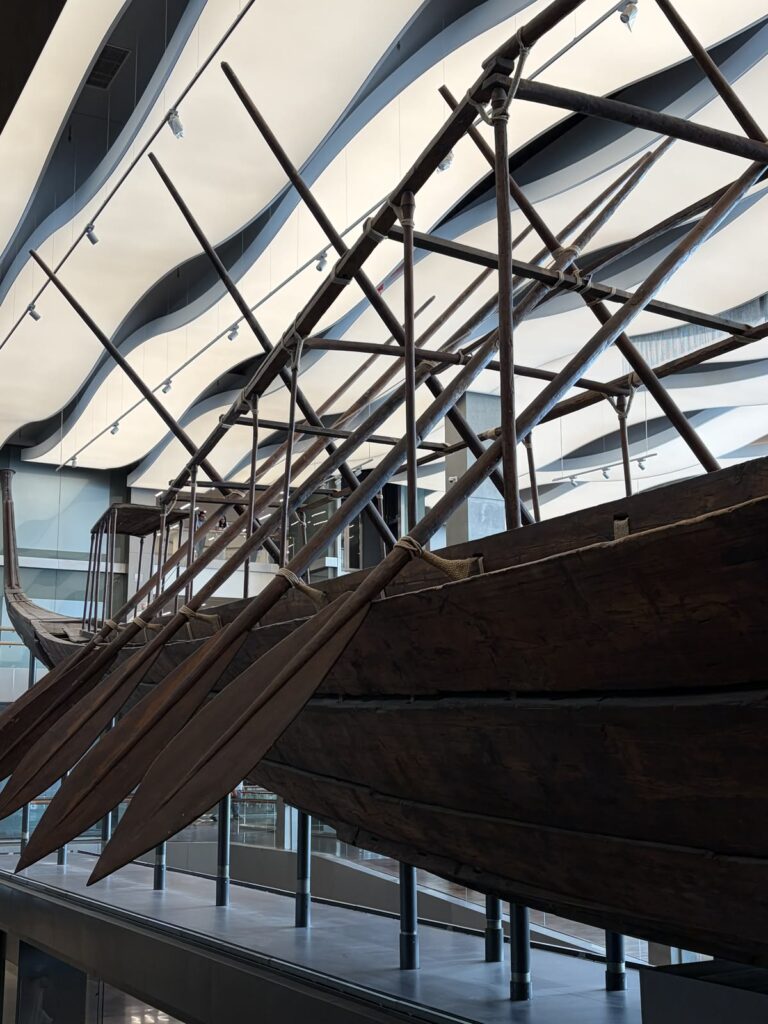
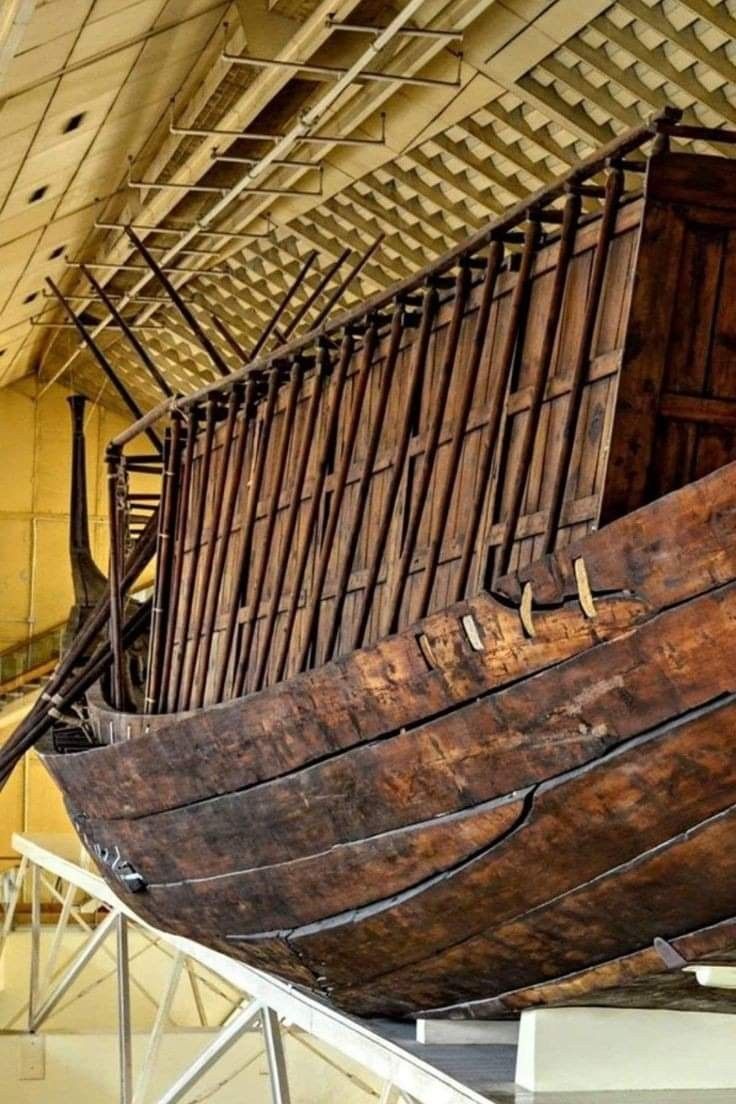
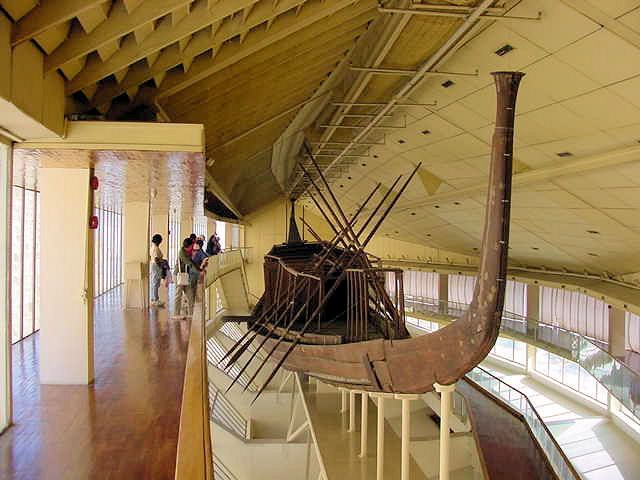
The structural design of the Solar Boat of Giza represents an absolute pinnacle of ancient maritime engineering, showcasing a level of sophisticated craftsmanship that continues to leave modern naval architects completely spellbound. Measuring an impressive forty-three meters in length and nearly six meters in width, this magnificent vessel is constructed primarily from premium, imported Lebanese cedarwood, which was highly prized by Old Kingdom pharaohs for its incredible durability and aromatic qualities. Remarkably, the entire hull of the ship was constructed using a completely “shell-first” technique, meaning it was built without an internal structural frame or a central keel. Instead, the master shipwrights utilized an ingenious system of interlocking mortise-and-tenon joints, combined with an intricate web of thousands of meters of organic halfa-grass ropes threaded through hidden interior channels. When the vessel was placed in water, the wooden planks would naturally expand, while the organic ropes would shrink, creating an incredibly tight, completely waterproof seal without a single iron nail or metal fastener. Walking around this elegant vessel allows luxury travelers to appreciate the brilliant mechanical simplicity and intellectual brilliance of the pharaonic era. The ship’s streamlined hull, towering papyrus-shaped prow, and twelve long steering oars prove that the ancient Egyptians were not just masters of monumental stone architecture, but also visionary pioneers of advanced naval design who successfully conquered the physical demands of both earthly rivers and cosmic oceans.